Beyond the Signature: Applying Belmont's Autonomy and Informed Consent in Modern Clinical Research
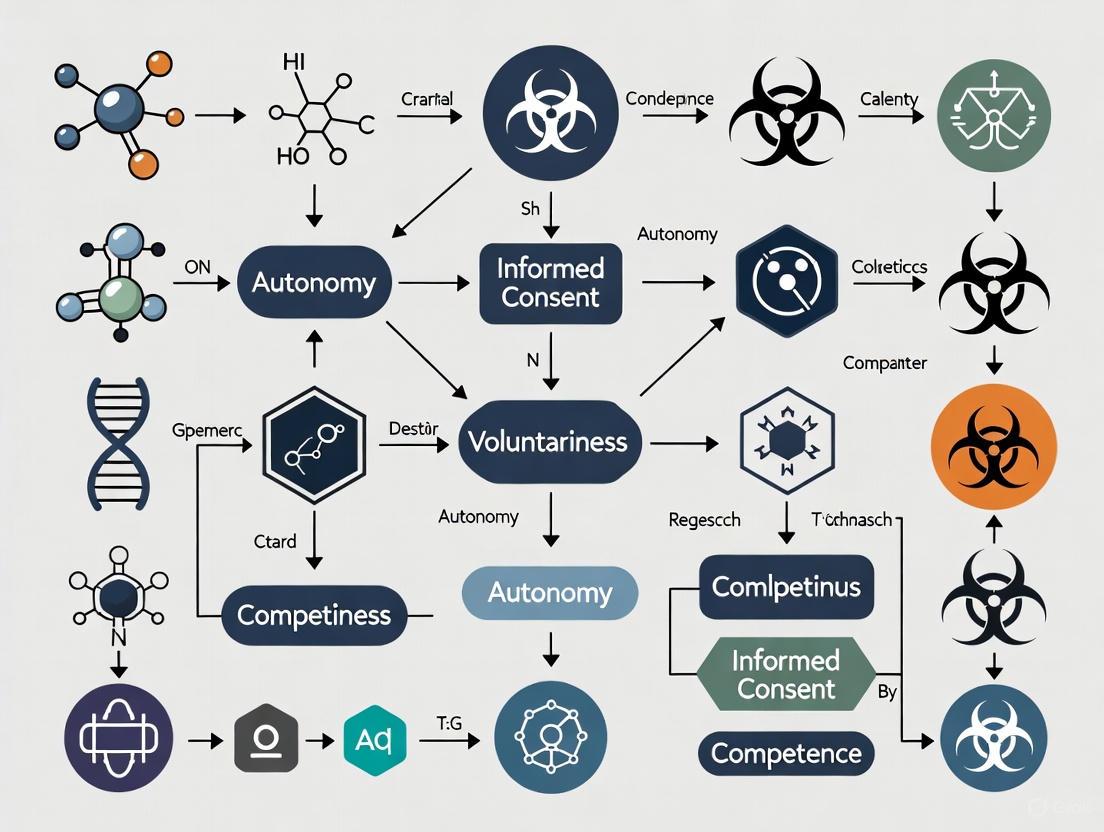
This article provides a comprehensive analysis of the principle of Respect for Persons and its practical application through informed consent, as defined by the foundational Belmont Report.
Beyond the Signature: Applying Belmont's Autonomy and Informed Consent in Modern Clinical Research
Abstract
This article provides a comprehensive analysis of the principle of Respect for Persons and its practical application through informed consent, as defined by the foundational Belmont Report. Tailored for researchers, scientists, and drug development professionals, it explores the ethical and historical foundations of autonomy, details methodological frameworks for effective implementation, addresses common challenges and optimization strategies in obtaining genuine consent, and validates the Belmont framework through comparison with other international guidelines. The scope is designed to equip research professionals with the knowledge to navigate complex ethical landscapes and enhance participant protection in contemporary and emerging research contexts.
The Bedrock of Research Ethics: Unpacking Belmont's Respect for Persons and Informed Consent
This whitepaper delineates the historical trajectory from the infamous Tuskegee Syphilis Study to the landmark National Research Act and subsequent Belmont Report, which established the foundational ethical principles for human subjects research. Framed within a broader thesis on autonomy and informed consent, this analysis examines how egregious ethical breaches precipitated a systematic regulatory response. The paper details the three core ethical principles—respect for persons, beneficence, and justice—and their practical applications in informed consent, risk-benefit assessment, and subject selection. Designed for researchers, scientists, and drug development professionals, this guide provides both historical context and contemporary analytical tools to ensure ethical rigor in modern biomedical research.
The period between the revelation of the Tuskegee Syphilis Study in 1972 and the publication of The Belmont Report in 1979 represents a critical transformation in the ethics of human subjects research. This transition was characterized by a shift from researcher discretion to a principled framework for protecting human dignity, autonomy, and rights. The fundamental premise that "investigators should not have sole responsibility for determining whether research involving human subjects fulfills ethical standards" emerged directly from historical abuses [1]. This whitepaper situates this historical evolution within the ongoing scholarly discourse on autonomy and informed consent, examining how ethical principles were codified into enforceable regulations that continue to govern biomedical research.
Historical Catalysts for Ethical Reform
Pre-Belmont Ethical Codes and Their Limitations
Prior to the Belmont Report, several international codes attempted to establish ethical standards for research, though with significant limitations in scope and enforcement as shown in Table 1.
Table 1: Key Ethical Codes Preceding the Belmont Report
| Document | Year | Primary Ethical Focus | Limitations & Context |
|---|---|---|---|
| Nuremberg Code [2] | 1947 | Voluntary consent as "absolutely essential"; outlines 10 points for ethical research | Created in response to Nazi war crimes; focused on legally competent individuals; limited guidance for vulnerable populations [3] |
| Declaration of Helsinki [2] | 1964 | Beneficence; distinction between therapeutic and non-therapeutic research | Entrusted ethical approvals to review committees; proxy consent frameworks remained vague [3] |
While the Nuremberg Code established the absolute requirement of voluntary consent, it was formulated in response to the extreme circumstances of Nazi medical experiments and provided limited practical guidance for protecting vulnerable populations in domestic research contexts [3]. The Declaration of Helsinki further developed ethical guidelines but left protections for socially vulnerable groups such as children and decisionally impaired adults inadequately addressed [3].
The Tuskegee Syphilis Study: A Catalyst for Change
The U.S. Public Health Service (PHS) Tuskegee Study, initiated in 1932, ultimately became the primary catalyst for comprehensive ethical reform in the United States. This study enrolled 600 African American men—399 with syphilis and 201 without—under the guise of receiving treatment [2] [4]. The research deliberately withheld information and denied participants access to penicillin after it became the standard treatment for syphilis in the 1940s, actively obstructing participants from receiving effective care to observe the natural progression of the untreated disease [2]. When the study was publicly exposed in 1972, it revealed a striking flaw in existing human subject protection policies, demonstrating they were "not sufficient to protect their participants from harm" [2]. The ensuing public outrage and congressional response highlighted the urgent need for systematic federal oversight.
The Legislative and Ethical Response
The National Research Act of 1974
In direct response to the Tuskegee scandal, the U.S. Congress passed the National Research Act in 1974, which President Nixon signed into law [2] [4]. This landmark legislation created the National Commission for the Protection of Human Subjects of Biomedical and Behavioral Research [1] [4]. The Commission was charged with a monumental task: to "identify the basic ethical principles which should underlie the conduct of biomedical and behavioral research involving human subjects" and to "develop guidelines which should be followed in such research to assure that it is conducted in accordance with such principles" [3]. The Act also mandated the establishment of Institutional Review Boards (IRBs) and required voluntary informed consent for all research funded by the Department of Health, Education, and Welfare [4].
The Belmont Report: Ethical Principles and Applications
The National Commission conducted its work through public deliberations, culminating in a retreat at the Smithsonian Institution's Belmont Conference Center where the foundational document was formulated. The Commission released The Belmont Report in 1979, establishing three fundamental ethical principles as shown in Figure 1 [1].
Figure 1: Ethical Framework of the Belmont Report
Respect for Persons and Informed Consent
The principle of respect for persons incorporates a dual mandate: to "acknowledge autonomy" and to "protect those with diminished autonomy" [1]. This principle recognizes the inherent moral worth of every individual and requires that autonomous persons' choices be respected unless clearly detrimental to others [1]. The practical application of this principle manifests through the informed consent process, which the Report conceptualizes as a process rather than merely a form [1]. Valid consent must be voluntary, comprehensible, and free of coercion, with special protections for individuals with limited comprehension, including third-party authorization [1]. This directly addresses the autonomy violations evident in Tuskegee, where participants were deliberately misled about the nature of the study and their treatment options.
Beneficence and Risk-Benefit Assessment
The principle of beneficence establishes an obligation to maximize potential benefits and minimize potential harms [1]. The Report articulates this through complementary expressions: "(1) do not harm and (2) maximize possible benefits and minimize possible harms" [1]. The application requires systematic assessment of risks and benefits, obligating investigators to ensure proper research design and review committees to determine whether risks to subjects are justified [1]. This framework directly counters the utilitarian justification that might otherwise prioritize potential societal benefits over individual participant welfare.
Justice and Subject Selection
The principle of justice addresses the equitable distribution of research burdens and benefits, asking "who ought to receive the benefits of research and bear its burdens?" [1]. Drawing on Rawlsian notions of distributive justice, the Report emphasizes fairness and equity in subject selection [1]. It distinguishes between individual justice (freedom from bias in subject selection) and social justice (appropriate classification of subjects based on ability to bear burdens) [1]. This principle specifically protects vulnerable populations—including "racial minorities, the economically disadvantaged, the very sick, and the institutionalized"—from bearing disproportionate research burdens [1]. The Tuskegee Study, which exclusively targeted impoverished African American men, represented a gross violation of this principle.
Methodologies and Experimental Protocols
Ethical Framework Implementation
Table 2: Research Ethics Implementation Framework
| Component | Protocol Requirements | Documentation |
|---|---|---|
| Informed Consent Process | Comprehensive disclosure of nature, purpose, risks, benefits, alternatives; Ensure comprehension; Document voluntary participation | Consent forms; Educational materials; Assessment tools |
| Risk-Benefit Assessment | Systematic identification of all potential risks (physical, psychological, social, economic); Evaluation of potential benefits to subjects and/or society; Justification that risks are minimized and reasonable | Research protocol; IRB application forms; Data safety monitoring plans |
| Vulnerable Populations Protection | Additional safeguards for prisoners, children, decisionally impaired, economically disadvantaged, educationally disadvantaged | Special consent procedures; Assent forms; Proxy consent protocols |
Table 3: Essential Resources for Ethical Research Conduct
| Resource Category | Specific Tools & Protocols | Function & Application |
|---|---|---|
| Regulatory Frameworks | Belmont Report; Common Rule (45 CFR 46); FDA Regulations (21 CFR 50, 56); ICH GCP Guidelines | Provide ethical foundations and regulatory requirements for research design, conduct, and oversight |
| Oversight Mechanisms | Institutional Review Boards (IRBs); Data Safety Monitoring Boards (DSMBs); Office of Research Integrity (ORI) | Independent review and ongoing monitoring of research to ensure ethical conduct and participant protection |
| Consent Documentation | Tiered consent forms; Comprehension assessment tools; Cultural and linguistic adaptation protocols | Ensure truly informed and voluntary participation across diverse participant populations |
| Vulnerability Assessment | Decision-making capacity evaluation tools; Vulnerability screening criteria; Equity impact assessment frameworks | Identify and address potential vulnerabilities that might compromise autonomous decision-making |
Impact and Contemporary Relevance
Regulatory Legacy and Evolution
The Belmont Report's most direct impact was its incorporation into federal regulations governing human subjects research. The Common Rule (Federal Policy for the Protection of Human Subjects), formally adopted by 16 federal agencies in 1991, directly institutionalizes the Belmont principles [1] [4]. The Report's framework also significantly influenced international guidelines, including the Council for International Organizations of Medical Sciences (CIOMS) Ethical Guidelines [1]. Additionally, the Report's principles are clearly reflected in specialized regulations, such as those governing gene therapy clinical trials, particularly regarding public protocol review and protections for vulnerable populations like children [3].
Theoretical Contributions to Bioethics
The Belmont Report established a principlist framework that continues to dominate contemporary bioethical discourse. Its three principles—respect for persons, beneficence, and justice—evolved to constitute key precepts of modern bioethics [1]. The Report also prompted important theoretical debates, including discussions around whether the relationship among multiple principles should prioritize autonomy or beneficence, and critiques of principle-based approaches for combining "multiple obligations that lack absoluteness" [3]. These debates have enriched bioethical theory while maintaining the Belmont framework as a foundational reference point.
Practical Implications for Research Professionals
For contemporary researchers, scientists, and drug development professionals, the Belmont framework necessitates specific practices:
- Autonomy Preservation: Implement comprehensive informed consent processes that emphasize understanding rather than mere signature acquisition, particularly for complex interventions [5].
- Beneficence Implementation: Conduct systematic risk-benefit analyses during study design and ongoing monitoring, ensuring risks are minimized and justified by potential benefits [1].
- Justice Operationalization: Develop equitable recruitment strategies that avoid exploiting vulnerable populations while ensuring fair access to research benefits [1].
- Capacity Assessment: Establish protocols for evaluating decision-making capacity and implementing appropriate proxy consent procedures for subjects with diminished autonomy [1].
The historical trajectory from Tuskegee to the National Research Act and the Belmont Report represents a pivotal transformation in research ethics. The systematic ethical failures of the Tuskegee Study necessitated a robust regulatory response that ultimately produced the three-principle framework of respect for persons, beneficence, and justice. For contemporary researchers and drug development professionals, this history underscores the enduring importance of autonomous decision-making and informed consent as cornerstones of ethical research practice. The Belmont Report continues to provide an essential moral compass for navigating the complex ethical terrain of modern biomedical research, ensuring that scientific progress never again comes at the cost of fundamental human rights and dignity.
This whitepaper examines the three foundational ethical principles—Respect for Persons, Beneficence, and Justice—articulated in the 1979 Belmont Report. Framed within a broader thesis on autonomy and informed consent, we analyze how these interlocking principles provide the ethical foundation for modern human subjects research. Through systematic analysis of regulatory applications, experimental protocols, and ethical frameworks, we demonstrate how these principles operate synergistically to protect research participants while advancing scientific knowledge. The analysis specifically addresses implementation challenges and solutions for researchers and drug development professionals working in clinical trials and pharmaceutical medicine.
The Belmont Report emerged in 1979 as a direct response to ethical abuses in human subjects research, most notoriously the Tuskegee Syphilis Study, where treatment was withheld from 400 African American men without their consent [6] [7]. Created by the National Commission for the Protection of Human Subjects of Biomedical and Behavioral Research, the report established three fundamental ethical principles that continue to govern human subjects research in the United States and internationally [8] [3]. These principles provide the ethical foundation for the Common Rule (45 CFR 46), the primary federal regulation governing human subjects research [9].
The historical context is crucial for understanding the necessity of these principles. Prior to the Belmont Report, guidelines like the Nuremberg Code (1947) focused heavily on voluntary consent but provided insufficient protection for vulnerable populations, while the Declaration of Helsinki (1964) emphasized beneficence but lacked comprehensive application frameworks [3] [10]. The Belmont Report synthesized and expanded these earlier documents to create a more comprehensive ethical framework applicable to all research involving human subjects [3].
The Ethical Principles and Their Regulatory Applications
The three principles of the Belmont Report—Respect for Persons, Beneficence, and Justice—provide a complementary framework for evaluating all aspects of research involving human subjects. Each principle translates into specific applications within the research process [8] [11].
Table 1: Core Ethical Principles of the Belmont Report and Their Applications
| Ethical Principle | Definition | Regulatory Application | Vulnerable Populations Considerations |
|---|---|---|---|
| Respect for Persons | Recognizes individuals as autonomous agents capable of self-determination; protects those with diminished autonomy [8] [11]. | Informed consent process requiring voluntary, comprehended agreement with key information; protection of privacy and confidentiality [8] [9]. | Additional safeguards for children, prisoners, individuals with cognitive impairments, economically disadvantaged [8] [11]. |
| Beneficence | Obligation to maximize possible benefits and minimize possible harms; "do no harm" while securing well-being [8] [11]. | Systematic risk-benefit assessment; ongoing monitoring of research protocols by Data and Safety Monitoring Boards [6] [8]. | Special consideration of physical, psychological, social, and economic risks specific to vulnerable groups [6]. |
| Justice | Fairness in distribution of research burdens and benefits; avoidance of exploitative selection [8] [11]. | Equitable selection of subjects based on research requirements rather than convenience, vulnerability, or compromise [6] [8]. | Ensures underrepresented groups share in research benefits; prevents burdening specific populations [6] [12]. |
The Interlocking Nature of the Principles
These three principles function as an interlocking triad rather than independent considerations. Each principle balances and reinforces the others, creating a comprehensive ethical framework. For example, the principle of Justice in participant selection interconnects with Respect for Persons through informed consent and with Beneficence through risk-benefit analysis [9]. Similarly, Beneficence requires careful risk assessment that must be communicated through the consent process (Respect for Persons) and distributed fairly across populations (Justice) [6] [8].
This interrelationship means that emphasizing one principle without consideration of the others creates ethical vulnerabilities. For instance, a study might satisfy Beneficence through favorable risk-benefit ratio but violate Justice by systematically selecting vulnerable populations, or satisfy Respect for Persons through consent procedures while lacking independent ethical review of risks and benefits [9].
Figure 1: Interrelationships Among Belmont Report Principles and Applications. The triad of ethical principles (top row) gives rise to specific applications (middle row) that interlock through operational relationships (bottom row), creating a comprehensive ethical framework.
Methodological Implementation in Clinical Research
Experimental Protocol for Ethical Review and Monitoring
The implementation of Belmont principles requires systematic methodologies throughout the research lifecycle. The following protocol outlines key procedures for integrating ethical considerations into clinical trials.
Protocol Title: Integrated Ethical Review and Monitoring System for Clinical Trials
Purpose: To systematically implement Belmont Report principles throughout clinical trial design, execution, and post-trial activities
Methodology:
Pre-Trial Ethical Assessment
- Informed Consent Design: Develop consent documents containing all elements required by 45 CFR 46.116 [8]. Use readability assessments (target: 8th grade level) and comprehension testing with representative populations.
- Risk-Benefit Analysis: Conduct systematic assessment of physical, psychological, social, and economic risks using standardized risk categorization. Document how risks are minimized and benefits maximized [6] [7].
- Participant Selection Justification: Document inclusion/exclusion criteria with scientific rationale. Implement recruitment strategies that minimize selection bias and promote equitable access [6] [13].
Independent Review Implementation
- IRB Composition: Ensure Institutional Review Board (IRB) includes diverse expertise (scientific, ethical, legal) and community representation as required by 45 CFR 46.107 [6].
- Protocol Review Checklist: Utilize standardized checklist addressing all Belmont principles: consent process (Respect for Persons), risk-benefit ratio (Beneficence), and selection equity (Justice) [8] [11].
- Conflict of Interest Management: Require disclosure of financial and other interests from all research staff; implement management plans for identified conflicts [6].
Ongoing Monitoring Procedures
- Data and Safety Monitoring Board (DSMB): Establish independent DSMB for higher-risk trials with authority to recommend trial modification or termination based on interim analyses [6].
- Consent Maintenance: Implement procedures for reconsent if new risk information emerges or protocol changes significantly affect risks or benefits [6].
- Adverse Event Reporting: Create standardized system for categorizing, reporting, and addressing adverse events; ensure prompt reporting to IRB, regulators, and participants when appropriate [13].
Post-Trial Responsibilities
- Participant Debriefing: Provide participants with study results in understandable format when results may affect their health decisions [6].
- Access to Investigational Interventions: Develop plan for continued access to beneficial interventions after trial completion when appropriate [13].
- Data Confidentiality Maintenance: Implement long-term data protection plans specifying storage, security, and potential future research use [13] [7].
Table 2: Quantitative Indicators for Ethical Principle Implementation
| Ethical Principle | Performance Indicators | Data Sources | Target Thresholds |
|---|---|---|---|
| Respect for Persons | Consent comprehension scores; Voluntary participation rates; Withdrawal rates; Privacy breach incidents | Consent comprehension assessments; Enrollment records; Participant surveys; Security audit reports | >95% comprehension; No coercion indicators; <5% withdrawal due to burden; Zero privacy breaches |
| Beneficence | Serious adverse event rates; Risk-benefit ratio scores; Protocol modification frequency; Monitoring board recommendations | Adverse event reports; IRB review documents; DSMB reports; Protocol amendment logs | Adverse events within predicted range; Favorable risk-benefit assessment; Timely protocol adjustments |
| Justice | Demographic representativeness; Vulnerable population inclusion rates; Participant burden distribution; Benefit accessibility | Enrollment demographics; Recruitment records; Benefit distribution analysis; Community consultation reports | Population proportional representation; Appropriate vulnerable group inclusion; Equitable burden distribution |
Essential Research Reagent Solutions for Ethical Implementation
The following tools and frameworks serve as essential "research reagents" for implementing ethical principles in clinical research.
Table 3: Essential Ethical Implementation Tools and Frameworks
| Tool/Framework | Function | Application Context |
|---|---|---|
| Informed Consent Templates | Standardized structure ensuring all required consent elements are included [8] | Protocol development; IRB submission; Participant enrollment |
| Risk Assessment Matrix | Systematic tool for categorizing and quantifying potential harms by probability and severity [6] [11] | Study design; Protocol review; Safety monitoring |
| Diversity Recruitment Planner | Strategy for ensuring equitable participant selection and representation [13] | Recruitment planning; Community engagement; Enrollment monitoring |
| Data Security Protocols | Procedures for protecting participant privacy and confidential information [13] [7] | Data management; IT infrastructure; Regulatory compliance |
| Ethical Oversight Committees | Independent review bodies (IRBs, DSMBs) for ongoing protocol evaluation [6] [8] | Protocol approval; Ongoing monitoring; Adverse event review |
| Participant Feedback Systems | Mechanisms for collecting and responding to participant concerns and experiences [6] | Quality improvement; Protocol adjustments; Participant retention |
Contemporary Challenges and Implementation Considerations
Balancing Principles in Conflict Situations
While the three principles form a cohesive framework, they can sometimes conflict in practice, requiring careful balancing by researchers and IRBs [9]. A notable example occurs in pediatric research where a child's dissent (Respect for Persons) may conflict with a parent's permission and potential therapeutic benefit (Beneficence) [9]. In such cases, regulations may allow parental permission to override child dissent when the research offers direct benefit or when the knowledge gained specifically benefits children as a class (Justice) [9].
Similar conflicts emerge in emergency research where informed consent may not be feasible, requiring exception from informed consent requirements with additional safeguards [6]. The balancing of principles requires explicit justification in research protocols and careful oversight by IRBs.
Emerging Ethical Challenges
Pharmaceutical medicine faces evolving ethical challenges that test the Belmont framework, including:
Artificial Intelligence and Machine Learning: Algorithmic decision-making in participant selection, data analysis, and trial monitoring may introduce new forms of bias, challenging principles of Justice and Beneficence [13]. Ensuring human oversight and accountability remains essential.
Globalized Clinical Trials: Research conducted in multinational settings raises questions about applying ethical standards across diverse cultural and regulatory environments, particularly regarding consent processes and standards of care [13] [14].
Commercial Pressures: Pharmaceutical physicians working in commercially-focused organizations may face conflicts between ethical obligations and business imperatives, requiring strong ethical frameworks and organizational support [14].
The triad of Respect for Persons, Beneficence, and Justice continues to provide the essential ethical foundation for human subjects research nearly five decades after the Belmont Report's publication. Their interlocking nature creates a robust framework that protects participants while enabling scientifically valid research. For today's researchers and drug development professionals, systematic implementation of these principles through rigorous protocols, independent oversight, and ongoing monitoring remains critical for maintaining public trust and advancing medical knowledge ethically. As research methodologies evolve with new technologies and global applications, these foundational principles provide the necessary guidance for navigating novel ethical challenges while upholding the dignity and rights of research participants.
The principle of Respect for Persons, as articulated in the 1979 Belmont Report, represents a foundational pillar of modern research ethics, encompassing two distinct but complementary moral convictions: the requirement to acknowledge autonomy and the requirement to protect persons with diminished autonomy [8]. This whitepaper examines the theoretical foundations, evolving conceptualizations, and practical applications of this dual mandate within contemporary clinical research. Drawing upon current ethical frameworks, regulatory guidelines, and systematic reviews, we analyze how researchers can simultaneously uphold autonomous decision-making while implementing appropriate safeguards for vulnerable populations. The discussion is particularly relevant for drug development professionals navigating complex research scenarios involving nuanced vulnerability, accelerated therapeutic approvals, and globalized clinical trials.
The Belmont Report, published in 1978, established three fundamental ethical principles for human subjects research: Respect for Persons, Beneficence, and Justice [8] [3]. The principle of Respect for Persons divides into two separate moral requirements: "first, individuals should be treated as autonomous agents, and second, that persons with diminished autonomy are entitled to protection" [8]. This dual conception acknowledges both the intrinsic worth of self-determining individuals and the ethical obligation to shield those with compromised decision-making capacities from harm or exploitation.
The historical context for this principle emerged from egregious ethical violations in research, including the Nazi medical experiments and the Tuskegee Syphilis Study, where autonomy was disregarded and vulnerable populations were systematically exploited [15] [3]. These cases highlighted the critical need for frameworks that simultaneously honor self-determination while providing special protections for those at heightened risk of wrongs or additional harm [16]. For contemporary researchers and drug development professionals, understanding and implementing both convictions of this principle remains essential for ethically sound research conduct.
Theoretical Framework and Evolution
Philosophical Underpinnings
The Belmont Report's conceptualization of autonomy draws upon the ethical conviction that individuals "have intrinsic and unconditional worth, and therefore, should have the power to make rational decisions and moral choices, and each should be allowed to exercise self-determination" [17]. This principle finds its practical expression primarily through the process of informed consent, where individuals must be provided adequate information in comprehensible terms and must not be under duress when making participation decisions [8].
The report acknowledges that autonomy is not absolute and that the extent of protection afforded to those with diminished autonomy "should depend upon the risk of harm and the likelihood of benefit" [8]. This situational approach recognizes that vulnerability exists on a spectrum and that protective measures must be calibrated to specific circumstances rather than applied uniformly.
Evolving Conceptualizations of Vulnerability
The understanding of vulnerability in research ethics has evolved significantly since the Belmont Report first identified specific vulnerable populations. Current ethical discourse has shifted from a categorical "group-based notion" of vulnerability toward a more nuanced "analytical approach" that considers contextual and dynamic factors [18].
Table: Evolution of Vulnerability Conceptualization in Research Ethics
| Approach | Definition | Key Features | Examples |
|---|---|---|---|
| Categorical/Group-Based | Vulnerability based on belonging to a predefined group | Fixed categories; Pragmatically simpler; Protection-focused | Children, prisoners, pregnant women [18] |
| Analytical Approach | Vulnerability arising from specific conditions or contexts | Dynamic and situational; Identifies sources of vulnerability; More nuanced | Consent-based accounts; Harm-based accounts; Justice-based accounts [18] |
The 8th revision of the Declaration of Helsinki (2024) reflects this evolved understanding, emphasizing "the context-dependent and dynamic nature of vulnerability" and noting that vulnerability may stem from "fixed, contextual, or dynamic" factors [16]. Furthermore, it highlights that exclusion from medical research may perpetuate health disparities, requiring careful balancing of inclusion and exclusion considerations [16].
The First Conviction: Respect for Autonomy
Autonomy in Practice: Informed Consent as Process
The practical implementation of the autonomy principle occurs primarily through the informed consent process, which the Belmont Report specifies should include: the research procedure, their purposes, risks and anticipated benefits, alternative procedures, and a statement offering the subject the opportunity to ask questions and to withdraw at any time [8]. Importantly, consent should not be construed as a mere signature on a document but rather as a continuous process that continues throughout study participation [19].
For consent to be truly informed and voluntary, researchers must ensure that potential subjects can make decisions free from coercion or undue influence. This is particularly challenging in phase I clinical trials where, as noted in one analysis, "the increasing need to obtain as much information as possible from a single study" may create tensions between scientific objectives and respect for participant autonomy [19].
Cultural Considerations in Autonomy
A critical consideration for globalized clinical trials is recognizing that autonomy may be conceptualized differently across cultures. Whereas Western societies typically prioritize individual autonomy, collectivistic cultures may emphasize collective autonomy where decision-making is group-oriented, shared, or designated to specific individuals [17].
Researchers must adapt their approach to informed consent accordingly. For example, when working with Indigenous communities, "decisions are often deferred to tribal leaders or community gatekeepers" [17]. Similarly, in some cultural contexts, researchers may need to consult designated family members (e.g., family patriarchs) when seeking consent from women whose rights are limited by cultural or religious constraints [17]. These scenarios require researchers to adopt cultural humility and tailor consent processes to align with participants' cultural frameworks while maintaining ethical rigor.
The Second Conviction: Protecting the Vulnerable
Defining and Identifying Vulnerability
The Belmont Report states that "some persons are in need of extensive protection, even to the point of excluding them from activities which may harm them; other persons require little protection beyond making sure they undertake activities freely and with awareness of possible adverse consequence" [8]. This formulation acknowledges that vulnerability exists on a continuum and requires graduated protective responses.
Contemporary ethical guidelines have elaborated on this concept. The Declaration of Helsinki connects vulnerability with "an increased likelihood of being wronged or of incurring additional harm" [16]. Systematic reviews of research ethics policy documents identify three primary accounts of vulnerability in the literature:
- Consent-based accounts: Vulnerability stems from impaired capacity to provide free and informed consent due to conditions such as undue influence or reduced autonomy [18]
- Harm-based accounts: Vulnerability refers to a higher probability of incurring harm during research participation [18]
- Justice-based accounts: Vulnerability arises from unequal conditions and/or opportunities for research subjects [18]
Vulnerable Populations: From Categorical to Contextual Understanding
Federal regulations specify certain vulnerable populations requiring special protections, including children, prisoners, economically or educationally disadvantaged persons, and individuals with impaired decision-making capacity [17]. However, contemporary ethics recognizes that vulnerability often transcends these categories and may include nuanced vulnerabilities that are not explicitly listed in regulations but nonetheless require additional safeguards [17].
Table: Spectrum of Vulnerability in Research Ethics
| Category | Sources of Vulnerability | Protective Considerations |
|---|---|---|
| Regulatorily Specified | Institutional constraints (prisons); Developmental status (children); Cognitive impairment; Socioeconomic disadvantage [17] | Prisoner representatives; Parental permission & child assent; Enhanced consent processes; Additional safeguards against coercion [17] |
| Situational/Contextual | Health status; Emergency settings; Dependent relationships (e.g., students, employees); Limited access to healthcare [16] [18] | Context-specific safeguards; Independent oversight; Process adaptations; Ongoing monitoring of voluntariness |
| Nuanced/Cultural | Historical exploitation (Indigenous communities); Immigration status; Cultural or religious constraints on decision-making [17] | Community engagement; Cultural humility; Tailored consent processes; Tribal/community leadership consultation |
The 2025 systematic review of policy documents on vulnerability in research ethics found a tendency to identify and define vulnerable groups rather than providing a general definition of vulnerability, and a tendency to define vulnerability primarily in relation to informed consent [18]. This highlights the ongoing challenge of developing comprehensive yet practical approaches to vulnerability assessment in research.
Implementing the Dual Convictions: Practical Applications
Methodological Approaches for Ethical Research
Implementing both convictions of the Respect for Persons principle requires concrete methodological adaptations throughout the research process:
Enhanced Consent Processes: For populations with nuanced vulnerabilities, researchers should consider alternative consent approaches such as verbal consent or waiver of documentation when written consent might provoke anxiety (e.g., with undocumented immigrants) [17]. For individuals with fluctuating or limited decision-making capacity, researchers should implement ongoing capacity assessment and consent reaffirmation throughout the study [17].
Cultural and Contextual Adaptations: Researchers should investigate "the cultural, social, and engagement norms of the population to ensure an understanding of their needs" [17]. This might include understanding collective decision-making structures, adapting information materials to appropriate literacy levels and cultural frameworks, and engaging community representatives in study design and implementation.
Safeguards Against Coercion: Particularly for economically disadvantaged populations or those with limited access to treatment, researchers must ensure that participation decisions are not unduly influenced by the prospect of financial compensation or access to otherwise unavailable healthcare [19] [17]. This requires careful assessment of benefits and compensation to ensure they do not become coercive.
Addressing Contemporary Challenges in Drug Development
Modern drug development presents unique challenges for implementing the Respect for Persons principle, particularly in contexts of accelerated approval pathways and orphan drug development for rare diseases:
Accelerated Approval Contexts: Expedited approval processes for novel therapeutics create ethical challenges regarding informed consent, as "limited evidence concerning the true risks and benefits of many drugs" may make truly informed consent difficult [20]. Researchers must transparently communicate the evidentiary limitations and uncertainties when obtaining consent in these contexts.
Equity Considerations: Special access programs and accelerated approvals may exacerbate equity concerns, as "only a motivated, informed, and well-connected subset of the patient population will achieve access through these programs" [20]. This creates justice implications that researchers and sponsors must address through equitable recruitment strategies and access considerations.
Globalized Trials: Research conducted in low- and middle-income countries raises concerns about informed consent, standard of care, and potential exploitation [15]. Implementing the dual convictions of Respect for Persons in these contexts requires particular attention to power differentials, cultural variations in understanding health and research, and ensuring that consent processes are genuinely comprehensible and voluntary.
Visualizing the Relationship Between the Dual Convictions
The following diagram illustrates the conceptual relationship between the two convictions of the Respect for Persons principle and their practical applications in research ethics:
Table: Research Ethics Toolkit for Implementing Respect for Persons
| Resource Category | Specific Tools/Approaches | Application Context |
|---|---|---|
| Consent Enhancement | Verbal consent protocols; Simplified information materials; Multimedia presentations; Witnessed consent procedures | Populations with literacy challenges; Cultural contexts wary of written documents; Participants with cognitive limitations |
| Vulnerability Assessment | Contextual vulnerability screening checklist; Capacity assessment tools; Undue influence evaluation framework | All research populations; Identification of situational vulnerability; Ongoing risk assessment |
| Cultural Adaptation | Community advisory boards; Cultural liaison personnel; Translated and culturally adapted materials; Collective consent protocols | Cross-cultural research; Indigenous communities; Populations with historical research trauma |
| Monitoring & Oversight | Ongoing consent reaffirmation processes; Independent participant advocates; Data safety monitoring boards | Longitudinal studies; Research with fluctuating capacity populations; Higher-risk interventions |
The dual convictions of the Respect for Persons principle—acknowledging autonomy and protecting the vulnerable—represent complementary ethical obligations that together form a robust framework for ethical research conduct. For contemporary researchers and drug development professionals, implementing this principle requires both adherence to foundational ethical requirements and adaptive responses to evolving understandings of vulnerability and autonomy.
The increasing recognition of vulnerability as context-dependent and dynamic [16], coupled with the growing complexity of globalized research and accelerated therapeutic development, demands heightened ethical vigilance and sophisticated approaches to both convictions. By embracing both the autonomy-protecting and vulnerability-safeguarding aspects of this principle, the research community can advance scientific knowledge while faithfully honoring its fundamental ethical commitments to research participants.
- National Commission for the Protection of Human Subjects of Biomedical and Behavioral Research. (1979). The Belmont Report.
- World Medical Association. (2024). Declaration of Helsinki: Ethical Principles for Medical Research Involving Human Subjects.
- Systematic Review of Vulnerability in Research Ethics Policy Documents. (2025). PLOS ONE.
- University of Wisconsin-Madison Institutional Review Board. Belmont Report Summary.
- Ethical Violations in Clinical Research: Lessons from the Past, Challenges for the Future. (2025). Clinical Researcher.
- The Creation of the Belmont Report and Its Effect on Ethical Principles. (2022). Journal of Bioethical Inquiry.
- Ethical Challenges in the Development and Regulation of Novel Therapeutics. (2023). Research Ethics.
- Fostering Ethical Research in Contexts with Nuanced Vulnerability. (2022). Teachers College Institutional Review Board.
Informed consent is a cornerstone of modern medical ethics and practice, representing far more than a signature on a document. It constitutes an ongoing communication process between healthcare professionals and patients that ensures individuals are fully educated about medical procedures, including potential risks, benefits, and alternative treatments [21]. The ethical foundation of informed consent is deeply rooted in the Belmont Report, published in 1979, which established three fundamental principles for ethical research involving human subjects: Respect for Persons, Beneficence, and Justice [9].
The principle of Respect for Persons expresses the ethical conviction that individual autonomy should be respected and that persons with diminished autonomy are entitled to equal protection. This principle finds its practical application through the informed consent process, which requires that subjects be provided with all relevant information about a study that a reasonable person would need and that they fully comprehend the information provided [9]. This approach ensures that patients can make truly autonomous decisions regarding their healthcare, free from undue influence or coercion, transforming consent from a mere administrative requirement to a substantive ethical practice [21].
Core Elements of Autonomous Authorization
Essential Components of Valid Consent
For informed consent to serve as genuine autonomous authorization, specific elements must be present to ensure the process respects patient self-determination. The Joint Commission requires documentation of all consent elements, which include [21]:
- The nature of the procedure or intervention
- The risks and benefits of the procedure or intervention
- Reasonable alternatives to the proposed intervention
- The risks and benefits of alternatives
- Assessment of patient understanding of these elements
These components collectively ensure that patient authorization stems from comprehensive understanding rather than passive compliance. The process requires patients to be competent to make voluntary decisions about whether to undergo procedures, with healthcare professionals responsible for assessing patient understanding, making clear recommendations with supporting reasoning, and thoroughly documenting the entire process [21].
Legal Standards for Adequate Disclosure
The standard for what constitutes adequate information disclosure in informed consent has evolved through various legal frameworks. Currently, three primary legal approaches govern adequate informed consent [21]:
Table 1: Legal Standards for Adequate Informed Consent
| Standard | Focus | Application |
|---|---|---|
| Subjective Standard | What this specific patient needs to know and understand to make an informed decision | Individual patient circumstances and informational needs |
| Reasonable Patient Standard | What the average patient needs to know to be an informed participant in decision-making | Most commonly used standard; focuses on typical patient needs |
| Reasonable Clinician Standard | What a typical clinician would say about the procedure | Traditional approach based on professional norms |
Many states now use the reasonable patient standard because it focuses on what a typical patient needs to know to understand the decision at hand, shifting the focus from professional practice to patient needs [21]. However, the ultimate responsibility falls to clinicians to determine which approach is appropriate for any given situation and patient population.
Current Challenges in the Consent Process
Barriers to Effective Understanding
Despite its ethical and legal importance, the informed consent process faces significant challenges that can compromise its effectiveness. These issues highlight the critical need for improved communication, patient education, and cultural competency [21]:
Lack of Patient Comprehension: Complex medical jargon and varying health literacy levels often result in patients agreeing to procedures without fully understanding risks, benefits, or alternatives. A study by Zhang et al. identified inadequacies in personal functional health literacy among hospitalized patients, which compromised the informed consent process [21].
Language and Cultural Barriers: Inadequate use of interpreters complicates consent, especially in diverse populations. Additionally, cultural differences significantly impact consent processes, as some cultures make decisions collectively rather than individually, and undocumented immigrants may hesitate to sign forms due to deportation fears [21].
Power Dynamics and Time Pressures: Patients often feel pressured to consent due to unequal power relationships with clinicians, particularly vulnerable populations. Time constraints in medical settings frequently result in rushed consent processes where patients may feel uninformed but obligated to proceed [21].
Documentation and Disclosure Deficiencies
Research reveals significant shortcomings in how consent is documented and information is disclosed. A study by Bottrell et al. found that the four required elements of informed consent—nature of the procedure, risks, benefits, and alternatives—were documented on consent forms only 26.4% of the time [21]. Additionally, ethical concerns arise when information is incompletely disclosed, either intentionally or unintentionally, such as downplaying certain risks or not presenting all available treatment options, including non-treatment [21].
Innovative Approaches and Methodologies
Digital and Visualization Tools
Recent research has explored innovative approaches to enhance patient understanding and engagement during the consent process:
Data Visualization for Surgical Consent: A 2022 study designed a visual consent tool (VCT) to communicate personalized surgical risks using data visualization. Through semi-structured interviews with 20 patients (median age 59), researchers found that patients preferred VCT over current text-based documents and had different preferences for risk visualization [22]. The study revealed that surgical concerns of patients were often not aligned with existing risk calculators, highlighting the importance of addressing patient-specific worries during consent discussions [23].
Electronic Consent Platforms: Electronic consent software is revolutionizing healthcare by replacing paper consent forms with digital solutions. These platforms enable patients to read and sign consent documents electronically, often through tablets or web-based portals. Key benefits include enhanced patient experience, improved accuracy and compliance, accelerated processes, secure data storage, and support for remote consent in telehealth scenarios [24].
Table 2: Electronic Consent Software Solutions
| Software | Key Features | Best For |
|---|---|---|
| DocResponse | Comprehensive digital check-in, telemedicine integration, online scheduling | Practices seeking comprehensive patient management |
| Medrio | Clinical trial software, cloud-based EDC | Clinical trial efficiency and data integrity |
| Updox | Secure texting, front desk automation, unified communications | Secure texting and automating front desk functions |
| MedForward | HIPAA-compliant online forms, medical website design | Streamlined patient intake and data security |
Methodologies for Low-Literacy and Diverse Populations
Pictorial Consent Aids: A study conducted in Sierra Leone explored the creation and use of pictorial art in information and consent forms for low-literacy settings. Researchers developed a pictorial 'information and consent' (PIC) sheet for a national oral health survey involving school children. Evaluation from 360 children and 14 parents showed an average rating of 4.83 out of 5 for liking the pictures and 4.87 for how well pictures helped them understand the survey [25]. This demonstrates the potential of pictorial aids to improve comprehension and informed consent in low-literacy settings.
Readability and Participant Preferences: A 2025 survey study investigated factors influencing informed consent preferences in digital health research. Participants (N=79) reviewed 31 paragraph-length sections of consent forms. Quantitative analysis found that when character length of original text was longer, participants were less likely to prefer the original and more likely to prefer modified text by a factor of 1.20 times, particularly for snippets explaining study risks. The study also found significant demographic differences, with older participants tending to prefer original text more than younger participants by a factor of 1.95 times [26].
Experimental Protocols and Assessment Methods
Readability Assessment Protocol
The methodology for assessing and improving consent form readability involves systematic evaluation and modification:
Text Modification Process: In the digital health consent study, three research team members independently used free web-based readability analysis software to rewrite original text while monitoring specific measures, including character length, Flesch Kincaid Reading Ease, and lexical density. Researchers then compared modified text versions to agree on a final version that was "most readable" based on the readability software [26].
Participant Evaluation: Eligible participants were recruited to review consent form sections, referred to as "text snippets." Participants were surveyed and asked to choose between two variations of text snippets, indicating preference for either the institutional review board-approved original or a version modified to improve readability [26].
Visualization Tool Development Protocol
The development of visual consent tools followed a rigorous methodology:
Tool Design: Researchers designed a visual consent tool to communicate personalized surgical risks using the American College of Surgeons risk calculator. They created multiple visualization mock-ups using visual elements previously determined to be well-received for risk communication [22].
Qualitative Assessment: Semi-structured interviews were conducted with postoperative patients. Each visualization mock-up was presented and evaluated independently and in the context of the visual consent tool design. Interviews were transcribed, and thematic analysis was performed to identify major themes influencing risk perception and visualization preferences [22].
Research Reagent Solutions for Consent Studies
Table 3: Essential Research Tools for Informed Consent Studies
| Tool/Resource | Function | Application Example |
|---|---|---|
| Readability Calculator Software | Analyzes text complexity and suggests improvements | Improving comprehension of consent forms by assessing character length, Flesch Kincaid Reading Ease, lexical density [26] |
| American College of Surgeons Risk Calculator | Provides personalized surgical risk estimates | Generating patient-specific risk data for visualization in consent tools [22] |
| Visualization Software (Tableau, Domo, Power BI) | Creates data visualizations for risk communication | Developing visual consent tools with interactive dashboards and charts [27] |
| Semi-Structured Interview Protocols | Gathers qualitative feedback on consent processes | Understanding patient perceptions and preferences regarding consent materials [22] |
| Pictorial Development Tools | Creates visual aids for low-literacy populations | Developing pictorial consent sheets for use in low-literacy settings [25] |
Implementation Framework and Best Practices
Strategies for Enhanced Understanding
Implementing effective informed consent processes requires specific strategies to overcome common barriers:
Health Literacy Adaptation: Using everyday language instead of medical jargon is essential when communicating with patients. Tools such as the teach-back method can assess whether patients comprehend the risks, benefits, and alternatives of their treatment. Interactive media and graphical tools can improve shared decision-making and effectively present risks [21].
Cultural and Linguistic Competence: Health literacy screening tools and medical interpreter services must be used for patients with limited proficiency in the primary language. American Sign Language (ASL) medical interpreters should be available for hearing-impaired patients, ensuring clear and accurate communication [21].
Structured Dialogue Process: Lenze advocates for a more patient-centered approach to informed consent, emphasizing the need for a structured, two-way dialogue rather than a one-directional explanation. He proposes that informed consent should occur in clinic or office settings, allowing patients sufficient time to ask questions and process emotions, rather than discussing procedures shortly before they occur or when patients are medicated [21].
Interdisciplinary Collaboration
Effective informed consent requires collaboration across healthcare disciplines to ensure patient autonomy is respected regardless of physical, mental, or societal limitations. Interdisciplinary team strategies help implement shared decision-making and effective informed consent processes for all patients [21]. This approach recognizes that addressing the various challenges in informed consent—from literacy barriers to cultural differences—requires diverse expertise and perspectives.
Informed consent as autonomous authorization represents a fundamental shift from procedural formality to substantive ethical practice. Grounded in the Belmont Report's principle of Respect for Persons, genuine consent requires ongoing dialogue rather than mere signature acquisition [9]. The challenges in current practice—from literacy barriers to cultural differences—highlight the critical need for innovative approaches and interdisciplinary collaboration.
The future of informed consent lies in recognizing its dynamic nature as a process that continues throughout the healthcare relationship, not merely at the point of signature. By implementing visual tools, adapting to diverse needs, and fostering genuine understanding, healthcare professionals can transform informed consent into authentic autonomous authorization that truly respects patient dignity and self-determination [21] [9]. This approach fulfills both the ethical mandate of the Belmont Report and the practical goal of patient-centered care, ensuring that consent remains a meaningful exercise of autonomy rather than a bureaucratic hurdle.
The Belmont Report, formally published in 1979, is the foundational document that outlines the basic ethical principles for conducting human subjects research in the United States [28]. Its creation was a direct response to ethical failures in research, most notably the Tuskegee Syphilis Study, which led Congress to pass the National Research Act of 1974 [3] [29]. This Act established the National Commission for the Protection of Human Subjects of Biomedical and Behavioral Research, which was charged with identifying the comprehensive ethical principles that should guide research involving human subjects [28]. The Common Rule (45 CFR 46), the federal policy for the protection of human subjects, is the direct regulatory embodiment of these ethical principles [9]. This whitepaper examines the intrinsic relationship between the Belmont Report's ethical foundations—particularly its emphasis on autonomy and informed consent—and the specific regulatory requirements of the Common Rule, providing a technical guide for research professionals.
Historical and Ethical Context
Pre-Belmont Ethical Codes
Before the Belmont Report, several key documents attempted to establish ethical standards for research. The Nuremberg Code (1947), born from the aftermath of the Doctors' Trial, established the absolute necessity of voluntary consent [3]. However, its focus was largely on the principle of autonomy, with less developed guidance on protecting vulnerable populations [3]. The Declaration of Helsinki (first adopted in 1964) distinguished between therapeutic and non-therapeutic research and introduced the concept of independent committee review [3]. Despite these advances, a comprehensive framework that could be translated into U.S. federal regulations was still lacking, particularly for protecting socially vulnerable groups such as children and adults with diminished decision-making capacity [3].
The Mandate of the National Commission
The National Commission was created to bridge this gap. Its specific charge was to identify the boundaries between research and practice, develop risk-benefit assessment criteria, create guidelines for subject selection, and define the nature of informed consent [28]. The Commission's four years of deliberations culminated in the Belmont Report, which provided the moral framework underlying subsequent federal regulations [3].
The Core Ethical Principles of the Belmont Report
The Belmont Report establishes three fundamental ethical principles that must guide all human subjects research. The table below summarizes these principles and their core ethical convictions.
Table 1: The Three Core Ethical Principles of the Belmont Report
| Ethical Principle | Definition | Key Ethical Convictions |
|---|---|---|
| Respect for Persons | Recognition of the personal autonomy and dignity of individuals [8]. | - Individuals should be treated as autonomous agents [9].- Persons with diminished autonomy are entitled to protection [9]. |
| Beneficence | An obligation to protect subjects from harm and ensure their well-being [8]. | - Do not harm [8].- Maximize possible benefits and minimize possible harms [9]. |
| Justice | The obligation to ensure the fair distribution of the burdens and benefits of research [8]. | - Selection of subjects must be scrutinized to avoid systematic selection based on ease of availability or compromised position [8].- The risks and benefits of research must be distributed equitably [9]. |
The Principle of Respect for Persons and Informed Consent
For researchers, the principle of Respect for Persons is operationally defined by the process of informed consent. The Belmont Report specifies that a "meaningful consent process" requires that subjects are provided with all relevant information and fully comprehend it, enabling a truly voluntary decision [9]. This principle is broken down into three critical application elements:
- Information: Subjects must be provided with sufficient information on the research procedures, purposes, risks, anticipated benefits, and alternatives. They must also be given an opportunity to ask questions and the right to withdraw at any time without penalty [8] [29].
- Comprehension: The information must be presented in a manner and context that ensures the subject understands it. This necessitates considering the subject's maturity, capacity, language, and literacy, and may require oral or written tests of comprehension [28] [29].
- Voluntariness: The agreement to participate must be free from coercion and undue influence. This means that researchers cannot threaten harm or offer excessive or inappropriate rewards to obtain compliance [28] [29].
The following diagram illustrates the logical relationship between the ethical principles of the Belmont Report and their practical applications within the Common Rule, with a specific focus on the components of informed consent.
Operationalizing Belmont: The Common Rule (45 CFR 46)
The Common Rule is the common name for the Federal Policy for the Protection of Human Subjects, codified at 45 CFR Part 46. It directly translates the ethical principles of the Belmont Report into enforceable regulatory requirements [9] [28]. The following table outlines how each Belmont principle is manifested within the regulatory structure of the Common Rule.
Table 2: Mapping Belmont Report Ethical Principles to Common Rule Regulations
| Belmont Principle | Common Rule Regulatory Requirement | Technical Application for Researchers |
|---|---|---|
| Respect for Persons | Informed Consent (45 CFR 46.116): Mandates a process that begins with providing key information a reasonable person would want, and presenting it in a way that facilitates understanding. Requires that consent is legally effective and sought under circumstances that minimize the possibility of coercion or undue influence [30]. | - Develop a consent document that includes all required elements of §46.116.- Implement a consent process, not just a form.- For vulnerable populations, obtain assent from the individual and permission from a legally authorized representative. |
| Beneficence | IRB Review (45 CFR 46.111): Requires that an Institutional Review Board (IRB) ensure that risks to subjects are minimized and are reasonable in relation to anticipated benefits. The IRB must also ensure that data is monitored to ensure subject safety [30]. | - In the protocol, provide a systematic assessment of all potential risks and benefits.- Justify that the value of the knowledge gained outweighs the risks to subjects.- Implement a data and safety monitoring plan for greater-than-minimal-risk studies. |
| Justice | Equitable Selection of Subjects (45 CFR 46.111): Mandates that the IRB ensure the selection of subjects is equitable. The IRB must consider the purposes of the research and the setting in which it will be conducted, and be particularly cognizant of the special problems of research involving vulnerable populations [30]. | - Justify inclusion/exclusion criteria based on scientific reasons, not administrative convenience.- Avoid systematically selecting vulnerable populations (e.g., prisoners, economically disadvantaged) unless their inclusion is scientifically and ethically justified. |
The Central Role of Informed Consent in Regulating Autonomy
The Common Rule's informed consent requirements are the primary mechanism for upholding the Belmont Report's principle of autonomy. The regulations specify that consent must only be obtained from subjects or their legally authorized representatives under circumstances that provide sufficient opportunity to consider whether to participate, with minimal possibility of coercion or undue influence [30]. This directly operationalizes the Belmont elements of voluntariness and comprehension. Furthermore, the regulation's requirement for "key information" at the beginning of the consent form is a modern refinement aimed at enhancing comprehension, ensuring that the most critical information is presented in a concise and focused manner to facilitate an autonomous decision [30].
Advanced Applications and Conflict Resolution
The Belmont Principles are not always perfectly aligned and can, in practice, come into conflict. The Common Rule and IRBs provide a structured framework for resolving these conflicts.
Research Involving Children
Research with children presents a classic example where ethical principles may conflict. Children cannot provide full informed consent due to their developmental stage (Respect for Persons), so permission from parents or guardians is required [9]. However, the child's assent (affirmative agreement) should still be sought. Conflicts arise when a child's dissent clashes with a parent's permission. The Common Rule provides a structured resolution:
- In greater-than-minimal-risk research with prospect of direct benefit, regulations may favor Beneficence, allowing a parent's permission to override a child's dissent to obtain that medical benefit [9].
- In greater-than-minimal-risk research with no prospect of direct benefit (but likely generalizable knowledge), regulations favor Justice, but require stricter safeguards, such as the permission of both parents, to ensure the risks are reasonable in relation to the knowledge gained (Beneficence) [9].
Waiver and Alteration of Consent
The Common Rule itself acknowledges that strict adherence to all consent requirements is not always appropriate. 45 CFR 46.116(i) allows a department or agency head to waive some or all of the consent requirements provided the alternative procedures are consistent with the principles of the Belmont Report [30]. This demonstrates that the Belmont Report serves as the ultimate ethical touchstone, even when specific regulatory provisions are waived.
The Researcher's Toolkit: Implementing Ethical Protocols
For researchers and drug development professionals, translating these ethical and regulatory concepts into daily practice requires specific tools and methodologies. The following table details key components of a robust human research protection program.
Table 3: Essential Research Reagents and Tools for Ethical Protocol Implementation
| Tool or Protocol | Function | Ethical Principle Applied |
|---|---|---|
| IRB-Approved Protocol | The detailed research plan reviewed and approved by an independent ethics committee to ensure scientific and ethical soundness. | Beneficence, Justice |
| Informed Consent Document (ICD) | The legally and ethically required document and process that ensures subjects (or their representatives) are provided with all information needed for an autonomous decision. | Respect for Persons |
| Assent Script | An age-appropriate document and process used to secure the affirmative agreement of a child or an adult with diminished capacity to participate in research. | Respect for Persons |
| Risk-Benefit Analysis Framework | A systematic methodology for identifying, quantifying, and justifying the potential risks and benefits of the research, both to the individual and to society. | Beneficence |
| Data Safety Monitoring Plan (DSMP) | A formal plan for overseeing research data to ensure subject safety and data integrity, especially critical in clinical trials. | Beneficence |
| Vulnerable Population Safeguards | Additional procedures (e.g., use of a subject advocate, enhanced consent processes) specifically designed to protect participants with diminished autonomy. | Respect for Persons, Justice |
Experimental Protocol for Ethical Review
The following methodology outlines the standard workflow for securing ethical approval, a non-negotiable prerequisite for any research involving human subjects.
- Protocol Development: The researcher develops a detailed research protocol that includes the scientific rationale, objectives, methodology, statistical considerations, and a comprehensive ethical analysis.
- Informed Consent Document Drafting: A consent document is drafted that contains all mandatory elements per 45 CFR 46.116, written in language that is understandable to the prospective subject.
- IRB Submission and Review: The protocol, consent form, and all supporting documents are submitted to the IRB. The IRB conducts a review focusing on:
- Scientific Validity: A poorly designed study cannot be ethical, as it exposes subjects to risk without the potential benefit of valuable knowledge.
- Risk-Benefit Ratio: The IRB assesses whether risks are minimized and are reasonable in relation to the anticipated benefits.
- Subject Selection Equity: The IRB scrutinizes the inclusion/exclusion criteria to ensure the equitable selection of subjects.
- Informed Consent Process: The IRB reviews the entire consent process to ensure it adequately protects autonomy.
- IRB Approval and Oversight: Upon determining that the study meets all regulatory and ethical standards, the IRB grants approval. The researcher must then conduct the study exactly as approved and report any proposed changes or unanticipated problems to the IRB for continuing review.
The relationship between the Belmont Report and the Common Rule (45 CFR 46) is one of foundational ethics to codified regulation. The Belmont Report's principles of Respect for Persons, Beneficence, and Justice provide the "why" behind the human subject protection regulations, while the Common Rule provides the "how." For researchers, scientists, and drug development professionals, a deep understanding of this relationship is not merely a regulatory compliance issue but a core component of scientific integrity. The principle of autonomy, operationalized through a robust and meaningful informed consent process, remains the central pillar upon which ethical research is built, ensuring that the rights and welfare of human subjects are protected in the pursuit of scientific knowledge.
From Principle to Practice: Operationalizing Informed Consent in Clinical Trials and Drug Development
Informed consent serves as a fundamental pillar of ethical research and clinical practice, directly supporting the principle of respect for persons as outlined in the Belmont Report. This foundational document establishes three core ethical principles for human subjects research: respect for persons, beneficence, and justice [8]. The informed consent process represents the practical application of respecting individual autonomy by ensuring that subjects receive all necessary information, comprehend it fully, and participate voluntarily without coercion or undue influence [8] [21]. The evolution of informed consent from a mere signature on a document to a comprehensive communication process reflects medicine's shift away from paternalism toward patient-centered care and shared decision-making [21].
Technological advances and increasingly diverse participant populations have created new complexities in obtaining truly informed consent, necessitating innovative approaches to ensure accessibility and comprehension for all individuals, including those with sensory, cognitive, or language barriers [31] [21]. This technical guide examines the core components of an effective consent process—information disclosure, comprehension, and voluntariness—within the framework of Belmont Report principles, providing researchers with evidence-based strategies to enhance ethical practice.
The Core Components of an Effective Consent Process
Comprehensive Information Disclosure
The information disclosure component requires researchers to provide complete, accurate, and understandable information to potential participants. According to regulatory standards and ethical guidelines, this disclosure must include several essential elements [32] [21]:
- Nature and Purpose: A clear statement that the activity involves research, an explanation of the research purposes, and the expected duration of the subject's participation
- Procedures: A detailed description of the procedures to be followed, including identification of any experimental procedures
- Risks and Discomforts: A description of any reasonably foreseeable risks or discomforts to the subject
- Benefits: A description of any benefits to the subject or others that may reasonably be expected
- Alternatives: Disclosure of appropriate alternative procedures or courses of treatment that might be advantageous
- Confidentiality: A statement describing the extent to which confidentiality of records will be maintained
- Compensation and Treatment: For research involving more than minimal risk, an explanation of compensation and medical treatments available if injury occurs
- Contacts: Identification of whom to contact for answers to questions about the research and research subjects' rights
- Voluntary Participation: A clear statement that participation is voluntary, refusal involves no penalty, and the subject may discontinue at any time
The legal standards for adequate disclosure vary by jurisdiction, with three predominant approaches: the subjective standard (what this specific patient needs to know), the reasonable patient standard (what an average patient needs to know), and the reasonable clinician standard (what a typical clinician would disclose) [21]. Many jurisdictions favor the reasonable patient standard as it focuses on what a typical participant needs for informed decision-making.
Ensuring Genuine Comprehension
Merely providing information is insufficient; researchers must verify that participants truly understand what they have consented to undergo. Comprehension challenges arise from multiple factors, including complex medical jargon, varying health literacy levels, language barriers, and cultural differences [21]. The following table summarizes common comprehension barriers and evidence-based mitigation strategies:
Table 1: Comprehension Barriers and Mitigation Strategies
| Comprehension Barrier | Impact on Consent Process | Evidence-Based Mitigation Strategies |
|---|---|---|
| Medical Jargon & Complex Language | Prevents understanding of procedures, risks, and alternatives | Use plain language; employ teach-back method; utilize interactive media and graphical tools [21] |
| Low Health Literacy | Limits ability to process and evaluate medical information | Implement health literacy screening; use simplified consent forms; provide information in multiple formats [21] |
| Language Barriers | Creates complete communication breakdown | Utilize professional medical interpreters; translate materials; verify understanding in native language [21] |
| Cultural Differences | Affects decision-making processes and trust in documentation | Practice cultural sensitivity; adapt process to collective decision-making norms; build trust through relationship [21] |
| Sensory Impairments | Prevents access to information in standard formats | Provide accessible alternatives (braille, audio, sign language interpreters); ensure digital accessibility [31] |
| Cognitive Impairments | Reduces capacity to understand and retain complex information | Assess decision-making capacity; use simplified repeated explanations; involve legally authorized representatives [32] |
Research demonstrates that interactive interventions significantly improve comprehension compared to standard consent processes. A study implementing health literacy-based consent forms and processes improved patient-provider communication, increased patient comfort in asking questions, and encouraged use of the teach-back technique in perioperative settings [21]. The teach-back method, where researchers ask participants to explain in their own words what they have understood, provides valuable feedback about comprehension gaps and allows for immediate clarification.
Protecting Voluntariness of Consent
Voluntariness ensures that a participant's decision to enroll or continue in research is free from coercion, undue influence, or pressure. The Belmont Report emphasizes that individuals must have the opportunity to choose what shall or shall not happen to them, without the intervention of force, fraud, deceit, duress, overreaching, or other ulterior form of constraint or coercion [8]. Several factors can compromise voluntariness:
- Power Dynamics: The inherent authority of researchers and clinicians may create perceived pressure to consent, particularly among vulnerable populations [21]
- Therapeutic Misconception: Participants may incorrectly believe that research procedures are directly therapeutic, creating undue influence [21]
- Economic Incentives: Excessive payment may induce participants to take risks they would otherwise avoid [32]
- Time Pressures: Rushed consent processes in clinical settings limit opportunity for reflection and questions [21]
- Situational Factors: Incarceration, institutionalization, or dependency on research team for care may compromise true voluntariness [21]
Protecting voluntariness requires researchers to explicitly emphasize the voluntary nature of participation throughout the consent process, provide adequate time for decision-making, ensure participants know they may withdraw without penalty, and carefully evaluate the appropriateness of incentives [32] [21]. For populations with diminished autonomy, the Belmont Report recommends additional protections to safeguard voluntariness, with the extent of protection depending on the risk of harm and likelihood of benefit [8].
Innovative Methodologies and Experimental Approaches
Technological Enhancements for Improved Comprehension
Recent research has investigated various technological interventions to enhance understanding during the consent process. These approaches aim to transform complex medical information into more accessible and comprehensible formats.
Table 2: Experimental Approaches to Enhance Consent Comprehension
| Methodology | Experimental Protocol | Key Findings | Limitations |
|---|---|---|---|
| Stereoscopic Visualization | Randomized prospective study with brain tumor patients; experimental group received additional 3D visualization of MRI images during consent [33] | No significant increase in objective understanding; subjective improvement in patient confidence and perceived understanding [33] | Small sample size (n=27); requires specialized equipment; time-intensive (approx. 20 min additional) [33] |
| Verbal Consent Processes | Implementation of structured verbal consent scripts with documentation via audio recording or detailed notes; used in COVID-19 and rare disease research [34] | Facilitates research where written consent is impractical; creates more natural conversation; enables remote consenting [34] | Potential variability in implementation; requires REB approval; documentation challenges [34] |
| Dynamic Thermal Imaging Visualization | Active Dynamic Thermography (ADT) with synthetic image reconstruction to create high-contrast vein visualization [35] | Provides live-feed of high contrast images for better visualization; improves objective visualization quality [35] | Specialized equipment required; primarily applicable to procedures requiring vein visualization [35] |
The stereoscopic visualization study exemplifies how personalized anatomical visualization can impact the consent process. Researchers used proprietary software (VPI Reveal, version 1.5) to generate three-dimensional models from patient DICOM images, with adjustable contrast and transparency settings. This process required approximately 3 minutes per case for image preparation. While objective knowledge measures didn't significantly improve, patients reported greater confidence in treatment decisions—an important subjective outcome that supports autonomy [33].
Accessibility Strategies for Diverse Populations
Creating an inclusive consent process requires intentional strategies to accommodate participants with diverse abilities and needs. For individuals with sensory impairments, evidence supports several accessibility approaches [31]:
- For Vision Impairments: Provide consent materials in braille, large print, audio, and electronic formats compatible with screen readers; use high-contrast visual materials
- For Hearing Impairments: Utilize qualified sign language interpreters; provide captioning for video materials; ensure adequate lighting for lip-reading
- For Deafblind Individuals: Employ tactile interpreters and specialized communication methods tailored to individual needs
These accessibility practices are supported not only by ethical considerations but by international law, including the United Nations Convention on the Rights of Persons with Disabilities, which recognizes the right to accessible healthcare information and services [31]. The social model of disability understanding emphasizes that barriers to information and communication are imposed by the environment rather than inherent to the individual, highlighting the researcher's responsibility to remove these barriers [31].
Practical Implementation Framework
Research Reagent Solutions for Consent Processes
Table 3: Essential Tools and Resources for Effective Consent Processes
| Tool Category | Specific Solutions | Function/Application |
|---|---|---|
| Comprehension Verification Tools | Teach-back method, Test/feedback method | Assess participant understanding of risks, benefits, and alternatives [21] |
| Accessibility Tools | Braille printers, Screen reader-compatible formats, Sign language interpreters | Ensure access to information for participants with sensory impairments [31] |
| Visualization Technologies | Stereoscopic imaging software (e.g., VPI Reveal), 3D modeling tools, Thermal imaging systems | Enhance understanding of anatomical and procedural information [33] [35] |
| Documentation Systems | Verbal consent scripts, Audio recording equipment, Electronic consent platforms | Properly document consent process for verbal and remote consent [34] |
| Cultural Competency Resources | Professional medical interpreters, Translated materials, Cultural mediators | Address language and cultural barriers to understanding [21] |
Workflow for Comprehensive Consent Process
The following diagram illustrates a systematic approach to implementing an effective consent process that addresses all three core components:
Regulatory and Ethical Compliance Framework
The consent process must align with both ethical principles and regulatory requirements. The diagram below maps the relationship between Belmont Report principles and practical consent requirements:
An effective consent process that thoroughly addresses information disclosure, comprehension, and voluntariness represents both an ethical imperative and a practical necessity in modern research. By grounding consent practices in the Belmont Report's principles of respect for persons, beneficence, and justice, researchers can ensure they honor participant autonomy while advancing scientific knowledge [8]. The evolving landscape of consent methodologies—from technological enhancements like stereoscopic visualization to accessible formats for diverse populations—demonstrates the research community's growing commitment to truly informed consent [31] [33] [34].
Future directions in consent process improvement will likely include greater personalization of information delivery, expanded use of digital and remote consent platforms, and more sophisticated comprehension assessment tools. Regardless of methodological innovations, the core elements remain unchanged: complete information, verified understanding, and voluntary participation free from coercion. By systematically implementing the frameworks and strategies outlined in this guide, researchers can fulfill both the letter and spirit of informed consent requirements, fostering trust and promoting ethical research practices.
Informed consent is a cornerstone of ethical clinical research, operationalizing the fundamental ethical principle of respect for persons by granting prospective participants the autonomy to make an informed, voluntary decision about trial participation [36]. This process finds its foundational ethical framework in The Belmont Report, a landmark 1979 document that established three core principles for ethical research involving human subjects: Respect for Persons, Beneficence, and Justice [8] [37] [9]. The informed consent document serves as the primary mechanism for applying these principles in practice, transforming abstract ethical concepts into concrete research protections [36].
The historical evolution of informed consent reveals its critical role in protecting human dignity. Following the exposure of egregious ethical abuses in the 20th century, including the Nazi human experiments and the Tuskegee Syphilis Study, the medical and research communities established clear standards requiring voluntary, adequately informed consent for all human trials [21] [36]. The Belmont Report further codified these standards, providing the ethical foundation for modern regulations that govern human subjects research [3] [37] [9]. For researchers, scientists, and drug development professionals, understanding the key elements of informed consent documents is thus both a regulatory requirement and an ethical imperative grounded in the principle of autonomy.
The Belmont Report: Ethical Foundations for Informed Consent
The Belmont Report continues to serve as the primary ethical basis for the protection of human research subjects, providing the philosophical foundation upon which specific regulatory requirements are built [8] [37]. Its three fundamental ethical principles directly inform both the content and process of obtaining informed consent.
The Three Ethical Principles
Respect for Persons: This principle incorporates two ethical convictions: first, that individuals should be treated as autonomous agents capable of making their own decisions, and second, that persons with diminished autonomy are entitled to additional protections [8] [37]. In practice, this requires that subjects enter research voluntarily and with adequate information, presented in understandable language [8] [9]. The principle acknowledges that autonomy cannot be presumed in all cases, requiring researchers to assess individual capacity and provide appropriate safeguards for vulnerable populations [8].
Beneficence: This principle extends beyond simply "do no harm" to an affirmative obligation to maximize possible benefits and minimize possible harms [8] [37]. The Belmont Report requires that research be justified based on a systematic risk-benefit assessment that considers the probability and magnitude of potential harms across multiple domains (psychological, physical, legal, social, and economic) [37]. This assessment must weigh the reasonableness of seeking certain benefits despite the risks involved and determine when potential benefits may not sufficiently justify risks to participants [37].
Justice: The principle of justice requires the equitable distribution of both the burdens and benefits of research [8] [37]. This demands careful scrutiny of participant selection processes to ensure that particular classes (e.g., welfare patients, racial and ethnic minorities, or institutionalized persons) are not targeted merely because of easy availability, manipulability, or investigator convenience [37]. Justice requires that those who bear the research burdens should receive the benefits in equal measure, and that publicly funded research should not provide advantages only to the more affluent [37].
Table 1: Belmont Report Principles and Their Application to Informed Consent
| Ethical Principle | Core Meaning | Application to Informed Consent |
|---|---|---|
| Respect for Persons | Recognizing autonomy and protecting those with diminished autonomy | Voluntary participation, adequate information, understandable language, additional protections for vulnerable populations |
| Beneficence | Maximizing benefits and minimizing harms | Comprehensive risk/benefit analysis, disclosure of foreseeable risks and potential benefits |
| Justice | Fair distribution of research burdens and benefits | Equitable subject selection, avoiding exploitation of vulnerable populations |
From Ethical Principles to Regulatory Requirements
The Belmont Principles directly informed the development of federal regulations governing human subjects research, including the Department of Health & Human Services (HHS) regulations at 45 CFR part 46 and the Food and Drug Administration (FDA) regulations at 21 CFR part 50 [38]. These regulations translate the ethical principles into specific, mandatory elements that must be included in every informed consent document, creating a legal framework that operationalizes the ethical commitments of the Belmont Report [32] [39].
The following diagram illustrates the relationship between the Belmont Report's ethical principles and the core components of informed consent:
Core Elements of Informed Consent Documents
Federal regulations mandate specific elements that must be included in informed consent documents to ensure they meet ethical and legal standards. These elements directly operationalize the Belmont principles in research practice.
Basic Required Elements
The basic required elements of informed consent can be found in the HHS regulations at 45 CFR 46.116(a) and form the essential foundation for any consent document [32]. These elements provide the minimum information necessary for a prospective subject to make an informed decision about participation.
Table 2: Basic Required Elements of Informed Consent Documents
| Element | Regulatory Reference | Key Components | Belmont Principle |
|---|---|---|---|
| Research Statement & Purpose | 45 CFR 46.116(a)(1) | Statement that study involves research; explanation of purposes; expected duration of participation | Respect for Persons |
| Research Procedures | 45 CFR 46.116(a)(1) | Description of procedures; identification of experimental procedures | Respect for Persons |
| Foreseeable Risks & Discomforts | 45 CFR 46.116(a)(2) | Description of reasonably foreseeable physical, psychological, social, or economic risks | Beneficence |
| Potential Benefits | 45 CFR 46.116(a)(3) | Description of benefits to subject or others that may reasonably be expected | Beneficence |
| Alternative Procedures | 45 CFR 46.116(a)(4) | Disclosure of appropriate alternative procedures or courses of treatment | Respect for Persons |
| Confidentiality Protections | 45 CFR 46.116(a)(5) | Statement describing extent to which confidentiality will be maintained | Respect for Persons |
| Compensation for Injury | 45 CFR 46.116(a)(6) | Explanation for more than minimal risk research: compensation; medical treatments available | Beneficence |
| Contact Information | 45 CFR 46.116(a)(7) | Whom to contact for questions, rights, research-related injury | Respect for Persons |
| Voluntary Participation | 45 CFR 46.116(a)(8) | Statement that participation is voluntary; no penalty for refusal/withdrawal | Respect for Persons |
Additional Elements and Special Considerations
Depending on the nature of the research, additional elements may be required to ensure adequate protection of human subjects. These address specific circumstances that may affect a subject's decision to participate.
- Unforeseeable Risks: A statement that the particular treatment or procedure may involve risks to the subject that are currently unforeseeable [32].
- Circumstances for Termination: Anticipated circumstances under which the subject's participation may be terminated by the investigator without regard to the subject's consent [32].
- Additional Costs: Any additional costs to the subject that may result from participation in the research [32] [39].
- Consequences of Withdrawal: The consequences of a subject's decision to withdraw from the research and procedures for orderly termination [32].
- New Findings: A statement that significant new findings developed during the study that may affect the participant's willingness to continue will be provided [32].
- Biospecimen Research: For research involving biospecimens, statements about whole genome sequencing and whether clinically relevant results will be shared [32].
- FDA-Regulated Research: Additional requirements for FDA-regulated studies, including statements that the FDA may inspect records and specific information about investigational products [32] [39].
Practical Implementation and Documentation
Ensuring Comprehension and Voluntary Participation
Effective informed consent constitutes an ongoing process rather than a single event [38]. Researchers must implement strategies to ensure genuine comprehension and voluntary decision-making.
- Assessing Understanding: Researchers should verify that prospective subjects understand the research activities and their role, providing sufficient time for consideration [32]. Tools such as the teach-back method or test/feedback method can assess whether patients comprehend the risks, benefits, and alternatives of their treatment [21].
- Addressing Health Literacy: Informed consent documents should be written in plain language at a level appropriate to the subject population, avoiding technical jargon or overly complex terms [21] [38]. A best practice is to have a colleague or friend read the informed consent document for comprehension before submission to the IRB [38].
- Enhancing Engagement: Use the second person ("you") to present study details rather than the first person ("I"), as this writing style helps communicate that there is a choice to be made and avoids presumption of consent [39]. Format documents for ease of reading with appropriate graphics, bullet points, charts, spacing, and font size [38].
- Cultural and Linguistic Competence: For subjects with limited English proficiency, researchers must provide qualified interpreters and translated documents [21]. Be aware that in certain cultures, decisions may be made collectively, and written consent may be perceived as a sign of mistrust [21].
Documentation and Regulatory Compliance
Proper documentation of informed consent is critical for regulatory compliance and protection of both subjects and researchers.
- Written Consent: Participants typically sign a consent form to indicate their agreement to participate, with electronic signatures increasingly accepted [38]. The consent form must be dated as well as signed by the subject or the subject's legally authorized representative [39].
- Waivers of Documentation: Under certain minimal-risk circumstances, IRBs may approve a waiver of written documentation, in which case participants consent verbally, online, or through implied consent without signing a form [38].
- Legally Authorized Representatives: For subjects who lack capacity to consent, researchers must obtain consent from a legally authorized representative (LAR) – an individual or judicial body authorized under applicable law to consent on behalf of a prospective subject [32].
- Parental Permission and Child Assent: For minor subjects, researchers generally must obtain permission from parents or guardians while also seeking assent from the child when they have the capacity to understand [40]. The age, maturity, and psychological state of the child must guide the assent process [40].
Essential Toolkit for Researchers
Regulatory and Ethical Reference Materials
Successful implementation of informed consent processes requires familiarity with key regulatory documents and ethical guidelines.
Table 3: Research Reagent Solutions - Essential Resources for Informed Consent
| Resource | Function | Application Context |
|---|---|---|
| Belmont Report | Provides foundational ethical principles (Respect for Persons, Beneficence, Justice) | All human subjects research design and implementation |
| 45 CFR 46 (Common Rule) | Codifies federal regulatory requirements for human subjects protection | All research funded or conducted by HHS |
| 21 CFR 50 (FDA Regulations) | Specifies informed consent requirements for FDA-regulated research | Clinical investigations of drugs, biologics, devices |
| ICH-GCP E6 Guidelines | International ethical and scientific quality standard for clinical trials | Multinational clinical trials |
| Declaration of Helsinki | International ethical principles for medical research involving human subjects | Global research ethics framework |
| Institutional IRB Policies | Institution-specific procedures and requirements for IRB review | Research conducted under auspices of specific institution |
Prohibited Practices and Common Pitfalls
Researchers must avoid certain practices that undermine the ethical foundation of informed consent.
- Exculpatory Language: No informed consent may include any exculpatory language through which the subject appears to waive any legal rights or releases the investigator, sponsor, or institution from liability for negligence [32] [39]. Examples include statements such as "By consenting to this use, you give up any property rights I may have in bodily fluids or tissue samples" or "I waive any possibility of compensation for injuries" [32].
- Unproven Claims: Consent documents should not contain unproven claims of effectiveness or certainty of benefit that may unduly influence potential subjects [39]. Overly optimistic representations are misleading and violate FDA regulations [39].
- Inappropriate Wording: Avoid use of "I understand..." statements as many prospective subjects will not comprehend the scientific and medical significance of all statements [39]. Similarly, subjects should not be required to certify completeness of disclosure with phrases like "This study has been fully explained to me" [39].
- Rushed Processes: Time pressures often result in inadequate consent discussions where subjects may feel uninformed but still obligated to proceed [21]. The consent process should occur in a setting that allows sufficient time for questions and reflection, not immediately before procedures when subjects may be medicated or anxious [21].
The following workflow diagram outlines the comprehensive informed consent development and implementation process:
The elements of informed consent documents represent the practical application of the ethical principles first articulated in the Belmont Report. For researchers, scientists, and drug development professionals, understanding these elements is not merely a regulatory requirement but a fundamental aspect of ethical research practice. By thoroughly addressing the nature of the research, its risks and benefits, and available alternatives, consent documents operationalize the principle of Respect for Persons by ensuring autonomous decision-making. The careful assessment and disclosure of risks and benefits applies the principle of Beneficence, while equitable subject selection and the fair distribution of research burdens reflect the principle of Justice.
As research methodologies evolve and new ethical challenges emerge, the informed consent process must likewise adapt while maintaining its foundational commitment to these core principles. The most effective consent processes are those that transcend mere regulatory compliance to embrace the spirit of the Belmont Report—fostering genuine partnership between researchers and participants, ensuring meaningful understanding, and respecting the autonomy and dignity of every human subject.
Assessing Decision-Making Capacity in Diverse Participant Populations
Assessing decision-making capacity (DMC) is a critical ethical practice in human subjects research, directly upholding the ethical principles established by the Belmont Report: Respect for Persons, Beneficence, and Justice [9] [19]. This assessment ensures that individuals' autonomy is respected by confirming their ability to make informed choices about research participation (Respect for Persons), protects them from harm by evaluating their understanding of risks and benefits (Beneficence), and promotes fair subject selection by guarding against the exploitation of vulnerable populations (Justice) [19] [3]. A standardized, one-size-fits-all approach to capacity assessment can be inherently biased and may systematically disadvantage participants from diverse cultural, linguistic, or neurodiverse backgrounds [41]. Culturally sensitive assessment is therefore not merely a refinement but an ethical imperative to ensure that the principles of the Belmont Report are genuinely extended to all participant populations [41] [42]. This guide provides researchers, scientists, and drug development professionals with a framework for conducting ethically grounded and culturally sensitive assessments of decision-making capacity.
Theoretical Foundations: The Belmont Report and Capacity
The Belmont Report's principles provide the essential ethical foundation for capacity assessment. The following table summarizes their direct application to the assessment process.
Table 1: Application of Belmont Report Principles to Capacity Assessment
| Ethical Principle | Definition | Application to Capacity Assessment |
|---|---|---|
| Respect for Persons | Recognition of the autonomy of individuals and the requirement to protect those with diminished autonomy [9]. | Mandates obtaining informed consent through a process that ensures the participant truly understands and decides voluntarily. Capacity assessment is the tool to verify this understanding [9] [3]. |
| Beneficence | The obligation to maximize possible benefits and minimize possible harms [9]. | Requires an assessment of the participant's understanding of the research's risks and potential benefits, ensuring they can weigh these factors in their decision [19]. |
| Justice | The requirement for fairness in the distribution of the burdens and benefits of research [9]. | Demands equitable assessment procedures that do not unfairly exclude or exploit vulnerable groups. It calls for tools and methods that are valid across diverse populations [41] [19]. |
A core challenge in applying these principles is the ethical tension that can arise between them. For instance, a rigid application of assessment tools to enforce protocol compliance (an over-emphasis on Beneficence) can become a form of coercion, thereby violating patient autonomy (Respect for Persons) [19]. Similarly, using assessment tools with cultural or linguistic bias can lead to the unjust exclusion or inclusion of certain groups, violating the principle of Justice [41]. The following diagram illustrates the dynamic relationship between these principles and the core components of a valid consent process.
Diagram: The Ethical Foundation of Informed Consent
Quantitative Frameworks and Assessment Instruments
A robust capacity assessment moves from theoretical principles to empirical measurement. The field utilizes both structured instruments and quantitative data analysis to objectify the evaluation of a participant's abilities. The summary statistics and comparison of group data, as illustrated in the gorilla chest-beating study, provide a foundational model for how quantitative data from different populations (e.g., those with and without capacity impairments) can be compared using means, standard deviations, and sample sizes to illuminate differences [43].
Table 2: Key Standardized and Emerging Assessment Instruments
| Instrument / Framework | Primary Application | Key Metrics & Data Points | Considerations for Diverse Populations |
|---|---|---|---|
| ACED (Short Version) [42] | Evidence-based tool for structured capacity assessment. | Likely scores on understanding, appreciation, reasoning, and expression of a choice. | Requires validation for cultural and linguistic relevance. |
| IDA-CA 3.0 [42] | Evidence-based tool for in-depth capacity assessment. | Detailed scores across multiple cognitive domains related to decision-making. | May require adaptation and norming for different populations. |
| Culturally Sensitive Framework [41] | A community-informed model for assessment. | Qualitative and quantitative data on cultural factors influencing performance. | Developed with a Community Advisory Board (CAB) to center cultural validity [41]. |
| MacCAT-CR (Implied) | Widely used clinical tool for research consent capacity. | Scores on Understanding, Appreciation, Reasoning, and Choice. | Standard version may contain cultural biases; requires careful application. |
The data gathered using these instruments can be effectively visualized to compare performance across groups or assessment points. For example, boxplots are excellent for displaying the distribution of capacity scores across different diagnostic or demographic groups, showing medians, quartiles, and potential outliers [43]. Similarly, bar charts can be used to compare mean scores on subscales (e.g., Understanding vs. Reasoning) between groups, providing a clear, visual summary of comparative strengths and deficits [44].
Experimental Protocols and Methodologies
Implementing a valid capacity assessment requires a structured, multi-stage protocol. The following workflow outlines a comprehensive methodology that integrates best practices, including those derived from the UK's Mental Capacity Act (2005), which emphasizes a functional assessment of decision-making ability [42].
Diagram: Capacity Assessment Workflow
Phase 1: Pre-Assessment Preparation
- Trigger Identification: Define clear, protocol-specific triggers for a capacity assessment (e.g., significant cognitive concern, complex trial design, participant indecisiveness) [45].
- Optimize Performance: Before assessment, address reversible factors that can impair performance, such as fatigue, pain, anxiety, or sensory deficits (e.g., provide hearing aids, ensure a quiet environment) [42]. This step is crucial for upholding the principle of Beneficence.
Phase 2: The Assessment Process
- Foundational Values: Begin with a presumption of capacity. The assessment's goal is not to test intelligence but to evaluate functional ability for a specific decision [42].
- Structured Interview: Conduct a semi-structured interview using a validated instrument like the ACED or MacCAT-CR. This should evaluate:
- Understanding: Can the person recall and paraphrase key information about the research (purpose, procedures, risks, benefits)?
- Appreciation: Do they believe the information applies to them personally?
- Reasoning: Can they logically weigh the alternatives (participating vs. not participating) and consequences?
- Choice: Can they communicate a clear, stable choice? [42]
Phase 3: Synthesis and Determination
- Data Synthesis: Integrate findings from the structured assessment with clinical data (e.g., neuropsychological test results, clinical interviews) and crucially, with contextual cultural information [41] [42].
- Final Determination: Make a binary finding (capable/incapable) that is specific to the research decision at hand. Meticulously document all steps, data, and the rationale for the final determination [42].
The Scientist's Toolkit: Research Reagent Solutions
For the clinical researcher, having a "kit" of reliable tools and methods is essential. The following table details key components for a rigorous capacity assessment program.
Table 3: Essential Reagents for a Capacity Assessment Protocol
| Tool Category | Specific Examples | Primary Function in Assessment |
|---|---|---|
| Validated Metrics | ACED (Short Version), IDA-CA 3.0, MacCAT-CR [42] | Provides a standardized, objective measure of core decision-making abilities, reducing subjective bias. |
| Cultural Advisors & CABs | Community Advisory Board (CAB) [41] | Provides critical insight into cultural norms, communication styles, and community-specific concepts of autonomy and decision-making to improve assessment validity [41]. |
| Training Modules | Didactic Instruction, Case Review, Role-Playing [42] | Builds clinician competency in administering assessments, recognizing cultural nuances, and navigating complex ethical dilemmas. |
| Decision Aids | Pictorial aids, Simplified summaries, Translated documents | Supports the understanding of complex research information for participants with cognitive or language barriers. |
| Documentation Framework | Decision flowchart template [45], Structured note-taking template | Ensures a consistent, auditable process for recording the assessment, the rationale, and the outcome. |
Ethical Implementation and Case Study Analysis
Navigating Ethical Challenges
Even with a robust protocol, ethical challenges will arise. Researchers must be prepared to navigate the following:
- Therapeutic Misconception: Gently but persistently correct the participant's belief that the primary purpose of research is to provide them with therapeutic benefit [19].
- Fluctuating Capacity: Implement a "continuous consent" process, especially in longitudinal studies, where capacity is re-checked at key decision points [19].
- Protocol Deviations: Develop a fair and consistent policy for handling protocol deviations that distinguishes between willful neglect and deviations arising from impractical study designs or a participant's changing social circumstances [19].
Case Study: Applying a Culturally Sensitive Framework
Background: A research team is preparing to enroll older African American adults from the Deep South into a longitudinal study on cognitive aging. Historical and systemic factors have created a legacy of mistrust in medical research within this community [41].
Application of the Toolkit:
- Community Engagement (Justice): The team partners with a Community Advisory Board (CAB) of six African American individuals with ties to the local community [41]. The CAB provides input on the consent form's language, the cultural acceptability of assessment questions, and the communication style of the assessors.
- Assessment Optimization (Respect for Persons): Based on CAB feedback, the team ensures assessors are trained to recognize and respect communication styles that may value storytelling or indirect expression. The assessment environment is made welcoming and non-clinical.
- Instrument Selection (Beneficence): The team selects a structured instrument but allows the trained assessor flexibility in phrasing to enhance cultural comprehension, ensuring the tool measures capacity and not just cultural or educational differences.
- Outcome: The assessment process is perceived as more legitimate and less intrusive by participants. The data collected on capacity is more valid, and the research team successfully enrolls a representative cohort while maintaining ethical integrity.
Assessing decision-making capacity in diverse populations is a sophisticated ethical and clinical practice that requires moving far beyond a simple checklist. It demands a deep commitment to the principles of the Belmont Report—Respect for Persons, Beneficence, and Justice—and the implementation of a structured, evidence-based, and culturally informed methodology. By utilizing standardized tools, engaging communities through CABs, training clinicians in cultural competency, and adhering to a rigorous assessment workflow, researchers can ensure that the autonomy of every potential participant is respected and protected. This commitment is the cornerstone of ethically sound and scientifically valid research in an increasingly diverse world.
The Belmont Report's principle of Respect for Persons establishes the ethical foundation for research involving vulnerable populations, recognizing two fundamental convictions: individuals should be treated as autonomous agents, and persons with diminished autonomy are entitled to protection [8] [9]. This dual obligation creates a complex ethical landscape for researchers studying conditions that affect those who cannot provide fully autonomous informed consent. The concept of vulnerability in research ethics was first formally introduced in The Belmont Report, which defined vulnerable people as those in a "dependent state and with a frequently compromised capacity to free consent" [18]. This guidance emerges from a troubling historical context where strict restrictions on enrolling vulnerable subjects ironically resulted in the absence of care options for these populations, thereby perpetuating injustice [18].
Contemporary research ethics has evolved from complete exclusion of vulnerable groups toward carefully regulated inclusion with additional safeguards [18] [46]. This whitepaper provides researchers, scientists, and drug development professionals with a technical framework for implementing proxy consent and assent procedures that honor the Belmont principles while enabling ethically sound research with vulnerable populations. These methodologies ensure that scientific progress does not come at the expense of protecting those most susceptible to research-related harms and exploitation.
Ethical Foundation and Regulatory Framework
Core Ethical Principles from the Belmont Report
The Belmont Report's three ethical principles provide the foundational framework for all human subjects research protections in the United States [8] [3]:
- Respect for Persons: This principle acknowledges the autonomy of individuals and requires protecting those with diminished autonomy. It divides into two moral requirements: acknowledging autonomy and protecting those with diminished autonomy [8] [9].
- Beneficence: This principle extends beyond non-maleficence ("do no harm") to an obligation to maximize possible benefits and minimize possible harms [8] [47].
- Justice: This principle requires the fair distribution of both the burdens and benefits of research, prohibiting the systematic selection of subjects based on easy availability, compromised position, or societal biases [8] [47].
These principles are not merely theoretical; they provide the ethical compass for navigating complex research scenarios involving vulnerable populations and have been operationalized into federal regulations governing human subjects research [3] [47].
Defining Vulnerability and Decisional Impairment
Vulnerability in research contexts arises from various factors that may compromise an individual's ability to protect their own interests in research participation. Current policy documents tend to identify and define vulnerable groups rather than providing a general definition of vulnerability [18]. The analytical approach to vulnerability focuses on defining the conditions and potential sources of vulnerability (both individual and environmental) and provides three main accounts:
- Consent-based accounts: Vulnerability stems primarily from lack of capacity to provide free and informed consent [18]
- Harm-based accounts: Vulnerability refers to higher probability of incurring harm during research [18]
- Justice-based accounts: Vulnerability points to unequal conditions and/or opportunities for research subjects [18]
Decisionalally impaired persons are specifically defined as "those who have a diminished capacity to understand the risks and benefits for participation in research and to autonomously provide informed consent" [48]. This impairment may result from psychiatric, organic, developmental, or other disorders that affect cognitive or emotional functions, or from the effect of drugs or alcohol, and may be temporary, permanent, or fluctuating [48].
Table: Categories of Vulnerability in Human Subjects Research
| Vulnerability Category | Examples | Primary Ethical Concern |
|---|---|---|
| Cognitive Impairment | Dementia, traumatic brain injury, intellectual disability | Capacity for informed consent |
| Developmental Status | Children, minors | Incomplete capacity for decision-making |
| Situational Vulnerability | Prisoners, institutionalized individuals, students | Potential for coercion or undue influence |
| Medical Condition | Terminal illness, rare diseases, acute medical crises | Potential desperation for treatment |
| Socioeconomic Disadvantage | Economic hardship, educational disadvantage, homelessness | Potential for undue influence due to benefits |
Proxy Consent: Methodologies and Implementation
Determining Legal Authorization
Proxy consent, also known as consent by a Legally Authorized Representative (LAR), involves a surrogate decision-maker providing permission for research participation when a potential subject lacks capacity to provide independent informed consent [48]. A LAR is defined as "an individual or judicial or other body authorized under applicable law to consent on behalf of a prospective subject to the subject's participation in the procedure(s) involved in the research" [48].
The hierarchy for identifying an appropriate LAR when no court-appointed guardian exists typically follows this order [48]:
- Spouse (unless an action for divorce is pending, and the adult children of the principal are not the children of the spouse)
- Adult child
- Parent (natural or adoptive)
- Adult brother or sister
- Adult grandchild
- An adult who has knowledge of the principal's preferences and values
When a person is giving proxy consent, the proxy should be informed that, where possible, they should base their decision on substituted judgment, reflecting the views that the subject expressed while decisionally capable [48]. If the subject's values are not known, the proxy should act in the best interest of the subject [48].
Regulatory Considerations and IRB Review
Although not specifically addressed in federal regulations as a vulnerable population, most Institutional Review Boards (IRBs) require additional safeguards for research involving persons with decisional impairment [48]. The IRB approval process typically involves determining both the intent and level of risk of the research:
- Intent Requirements: The research should bear a direct relationship to the subject's condition or circumstance; pertain to conditions that commonly or uniquely affect the research participants; or offer therapeutic benefits when standard approaches are ineffective [48].
- Risk Categorization: Research may be categorized as no greater than minimal risk; increase over minimal risk but with potential for direct benefit; or minor increase over minimal risk without direct benefit but with relevance to understanding the subject's condition [48].
The FDA emphasizes that impaired capacity to consent may involve partial or complete impairment and may vary over time, recommending safeguards such as independent assessment of capacity, enhanced consenting process tools, re-assessment of capacity, and utilization of an assenting process [49].
Table: IRB Risk-Benefit Assessment Framework for Research with Decisionally Impaired Adults
| Risk Level | Direct Benefit Potential | IRB Approval Considerations |
|---|---|---|
| Minimal Risk | Any | Generally approvable with standard LAR consent procedures |
| > Minimal Risk | Present | Approvable if risk justified by anticipated benefit, alternative approaches unproven/unsatisfactory |
| > Minimal Risk | Absent | May be approvable if research offers knowledge of direct relevance to subject's condition, with additional safeguards |
| Significant Risk | Absent | Generally not approvable in this population |
Assent Procedures: Respecting Individual Autonomy
Conceptual Foundation and Implementation
Assent refers to a participant's affirmative agreement to participate in research, separate from the formal consent provided by a LAR [48]. While consent is a legal term with specific requirements, assent is an ethical concept that respects the autonomy and developing decision-making capacity of individuals with impairments [48] [49].
The assent process recognizes that even individuals who lack full legal capacity to provide independent informed consent may still possess the ability to express preferences and participate in decisions about their participation [49]. The FDA guidance recognizes that participants with impaired capacity may "be able to provide some form of oral agreement at the outset of the study and, as appropriate, throughout the course of the research" [49].
Practical Implementation Strategies
Implementing meaningful assent procedures requires tailored approaches based on the individual's capacities and the research context:
- Capacity Assessment: Researchers should evaluate each potential participant's ability to understand the research, appreciate the consequences of participation, and make a choice [48]. This assessment should inform the appropriate level of assent seeking.
- Developmentally Appropriate Communication: Information about the research should be presented in language and formats accessible to the individual, which may include visual aids, simplified explanations, or other communication supports [50].
- Ongoing Process: Assent should be viewed as an ongoing process rather than a one-time event, with researchers regularly checking for continued willingness to participate, especially in longer-term studies [49].
- Documentation Methods: Documentation of assent should be appropriate to the individual's capabilities and may include signature on an assent form, verbal agreement witnessed by a third party, or notation of nonverbal indicators of agreement [49].
Diagram: Decision Pathway for Proxy Consent and Assent Procedures. This workflow illustrates the systematic approach to determining when and how to implement proxy consent and assent processes for potential research participants with decisional impairment.
Special Considerations for Research Implementation
Population-Specific Methodologies
Adults with Progressive Cognitive Disorders
Research involving conditions like Alzheimer's disease or other dementias requires particularly nuanced approaches to consent and assent [49]. Key considerations include:
- Gradual Capacity Assessment: Implement standardized tools to assess cognitive capacity at enrollment and throughout the study, recognizing that capabilities may fluctuate [48] [49].
- Tiered Consent Approach: Consider involving both the participant and their LAR in the consent process, with the participant providing assent to the extent of their capabilities alongside the LAR's formal consent [48].
- Advance Research Directives: Where available and appropriate, consider incorporating the participant's previously expressed wishes about research participation through advance directives or similar documents [50].
Individuals with Fluctuating Capacity
Conditions such as mental health disorders, substance use, or acute medical conditions may cause temporary or fluctuating impairment [48] [50]. Methodologies include:
- Serial Capacity Assessment: Implement procedures for re-evaluating capacity at subsequent time points, especially when the condition causing impairment is expected to improve or fluctuate [48] [49].
- Deferred Consent Procedures: For research in emergency settings where capacity may be temporarily impaired, consider implementing procedures to obtain consent from the participant once capacity is restored, in addition to initial LAR consent [48].
- Staged Consent Process: Break the consent process into smaller, more manageable components delivered over multiple sessions to enhance comprehension and accommodate fluctuating attention or cognition [48].
Ethical Framework Tools for Researchers
Table: Essential Ethical Framework Tools for Proxy Consent and Assent Research
| Tool Category | Specific Instrument/Approach | Function and Application |
|---|---|---|
| Capacity Assessment | MacArthur Competence Assessment Tool for Clinical Research (MacCAT-CR) | Structured evaluation of understanding, appreciation, reasoning, and choice |
| Enhanced Consent Materials | Simplified consent forms with visual aids, key information summaries | Improve comprehension for individuals with partial impairment |
| Assent Documentation | Tiered assent forms, verbal assent scripts with witness documentation | Create appropriate records of assent process tailored to capability level |
| Capacity Monitoring | Mini-Mental State Examination (MMSE), Montreal Cognitive Assessment (MoCA) | Serial assessment of cognitive status throughout study participation |
| LAR Decision Support | Substituted judgment worksheets, values history assessments | Guide proxies in making decisions consistent with participant's values |
Implementing appropriate proxy consent and assent procedures requires researchers to maintain a delicate balance between the ethical principles outlined in the Belmont Report. The principle of Respect for Persons requires both honoring the autonomy of those who retain decision-making capacity and protecting those with diminished autonomy [8] [9]. Beneficence demands careful assessment of risks and benefits to ensure the welfare of research participants [8]. Justice requires equitable selection of subjects and fair distribution of both research burdens and benefits [8] [47].
Successful implementation of these procedures requires viewing proxy consent and assent not as bureaucratic hurdles but as essential components of ethically rigorous research [46]. By developing thoughtful, participant-centered approaches to consent and assent, researchers can ensure that vulnerable populations are neither excluded from the benefits of research participation nor exposed to unnecessary risks [18] [46]. This balanced approach advances both scientific knowledge and our commitment to the ethical treatment of all research participants, regardless of their cognitive abilities or situational vulnerabilities.
The Institutional Review Board (IRB) serves as a critical safeguard in the research ecosystem, functioning as an independently constituted group formally designated to review, monitor, and approve research involving human subjects [51]. The primary purpose of IRB review is to assure, both in advance and by periodic review, that appropriate steps are taken to protect the rights and welfare of humans participating as subjects in research [51]. This protective role emerged from a troubling historical context marked by ethical violations, including the Nuremberg Code developed in response to deadly human experiments in Auschwitz concentration camps, the Willowbrook State School Hepatitis Study where children with mental disabilities were deliberately infected, and the Tuskegee Syphilis Study where African-American men were left untreated without their consent [52] [53]. In response to these abuses, the National Research Act of 1974 established the National Commission for the Protection of Human Subjects of Biomedical and Behavioral Research, which subsequently produced the Belmont Report in 1979 [52] [9]. This foundational document articulates three core ethical principles—Respect for Persons, Beneficence, and Justice—that provide the philosophical framework for modern research ethics and IRB evaluation criteria [9] [54].
The Belmont Report's Ethical Principles
The Belmont Report established three fundamental ethical principles that form the cornerstone of ethical human subjects research oversight and directly inform IRB protocol evaluation.
Respect for Persons
The principle of Respect for Persons expresses the ethical conviction that the autonomy of individuals should be respected and that persons with diminished autonomy are entitled to equal protection [9] [54]. This principle acknowledges the personal dignity and self-determination of all individuals, requiring that subjects enter research voluntarily and with adequate information. In practical application, Respect for Persons mandates that individuals should be treated as autonomous agents capable of making informed decisions about their participation in research. The principle further requires that additional protections be provided for persons with diminished autonomy, such as children, prisoners, individuals with impaired decision-making capabilities, and educationally or economically disadvantaged persons [52] [9]. This dual requirement ensures that while most individuals are empowered to make their own choices, vulnerable populations receive special protections appropriate to their situation.
Beneficence
The principle of Beneficence describes an obligation to protect subjects from harm by maximizing possible benefits and minimizing possible harms [9] [54]. This principle extends beyond simply "doing no harm" to actively promoting the well-being of research participants. Beneficence requires researchers and IRBs to systematically assess the risks and benefits of proposed research, ensuring that risks are reasonable in relation to anticipated benefits [52]. The Belmont Report emphasizes that this assessment should consider not only the potential physical harms but also psychological, social, and economic risks that participants might face [3]. In practice, this principle demands careful study design, ongoing monitoring of participant welfare, and cessation of research if risks outweigh potential benefits.
Justice
The principle of Justice promotes equitable representation in research by ensuring the fair distribution of both the burdens and benefits of research participation [9] [54]. This principle addresses concerns about historical patterns where vulnerable populations disproportionately bore the risks of research while more privileged groups enjoyed its benefits. Justice requires that the selection of research subjects be scrutinized to avoid systematically selecting particular groups (such as prisoners, institutionalized persons, or marginalized communities) simply because of their availability, compromised position, or manipulability [52] [3]. Instead, subject selection should directly relate to the problems being studied, ensuring that both the burdens of participation and the benefits of new knowledge are distributed fairly across society.
IRB Protocol Review Process: Operationalizing the Belmont Principles
The IRB review process systematically applies Belmont principles through a structured evaluation framework. The level of review required—exempt, expedited, or full board—depends on the level of risk and subject population involved [55].
Levels of IRB Review
Table 1: Levels of IRB Review and Their Characteristics
| Review Level | Risk Level | Review Timeline | Belmont Principle Emphasis |
|---|---|---|---|
| Exempt [55] | Minimal risk only | ~2 weeks; ongoing basis | Respect for Persons (informed consent), Justice (subject selection) |
| Expedited [55] | No more than minimal risk | ~15 business days | Beneficence (risk minimization), Respect for Persons (consent process) |
| Full Board [55] | More than minimal risk; protected populations | 6+ weeks; scheduled meetings | All three principles comprehensively, with special attention to Justice for vulnerable populations |
Application of Belmont Principles in Review Criteria
The IRB evaluates research protocols using specific criteria derived directly from the Belmont principles:
Respect for Persons Application: IRBs ensure that informed consent will be appropriately sought from each prospective subject and properly documented [55] [56]. This includes reviewing consent processes for clarity, completeness, and comprehensibility to the subject population. For research involving individuals with diminished autonomy, IRBs evaluate additional safeguards, such as assent procedures for children and permission from legally authorized representatives [9].
Beneficence Application: IRBs determine that risks to subjects are minimized through sound research design and that risks are reasonable in relation to anticipated benefits to subjects and the importance of knowledge expected to result [55] [56]. This includes evaluating provisions for monitoring data collection to ensure subject safety and appropriate privacy protections for confidential information [55].
Justice Application: IRBs verify that subject selection is equitable, taking into account the research purposes and setting [55] [56]. This includes special attention to vulnerable populations who might be susceptible to coercion or undue influence, ensuring they are not selected for research without compelling scientific justification and adequate protections [55].
The following diagram illustrates the IRB protocol review workflow and how Belmont principles are integrated at each stage:
Special Considerations: Vulnerable Populations and Informed Consent
Protection of Vulnerable Populations
Vulnerable populations require special ethical considerations and protections in research, particularly applying the principles of Justice and Respect for Persons. The Belmont Report specifically identifies groups requiring additional safeguards, including children, prisoners, individuals with impaired decision-making capacity, educationally or economically disadvantaged persons, and other socially vulnerable groups [55] [52]. For research involving these populations, IRBs apply heightened scrutiny to ensure that selection is equitable and justified by the research objectives [55]. The regulations specifically require that IRBs include members knowledgeable about and experienced in working with any vulnerable populations that are regularly involved in research [56]. This expertise ensures appropriate evaluation of protocols involving these groups and the additional safeguards implemented to protect their rights and welfare.
Informed Consent Process and Documentation
The informed consent process represents the practical application of the Respect for Persons principle, ensuring individual autonomy is respected through voluntary participation based on adequate information [9]. Federal regulations require that informed consent include several key elements: a statement that the study involves research; explanation of purposes; description of procedures; identification of experimental procedures; description of foreseeable risks; description of potential benefits; disclosure of alternative procedures; description of confidentiality; explanation of compensation; contact information; and statement that participation is voluntary [51]. IRBs review consent documents to ensure all required elements are present and presented in language understandable to the subject population [55] [54]. For research approved through expedited or full board review, approved PDF consent forms are generated with stamped approval dates, and investigators must use these stamped forms to obtain written consent prior to data collection [55].
Table 2: Essential Research Ethics Documents and Their Functions
| Document/Resource | Primary Function | Regulatory Significance |
|---|---|---|
| Belmont Report [9] [54] | Foundation of ethical principles (Respect for Persons, Beneficence, Justice) | Basis for U.S. Federal Regulations (Common Rule) |
| Informed Consent Documents [55] | Ensure subjects receive all information needed for voluntary participation | Required by FDA regulations (21 CFR 50) and Common Rule (45 CFR 46) |
| Research Protocol [55] | Detailed study plan including methodology, risks/benefits, subject selection | Primary document for IRB scientific and ethical review |
| IRB Approval Certificate [55] | Formal documentation of IRB approval with effective dates and expiration | Required for research initiation and maintained for regulatory compliance |
| Federal Wide Assurance [56] | Institutional commitment to comply with federal human subject protection regulations | Required for DHHS-funded research, identifies overseeing IRB(s) |
Continuing Review and Ethical Oversight
IRB oversight extends beyond initial approval through continuing review processes that typically occur at least annually [55] [56]. This ongoing monitoring ensures that the ethical principles continue to be upheld throughout the research lifecycle. The continuing review process evaluates whether the research is being conducted as approved, assesses any new information that might affect the risk-benefit ratio, and reviews any unanticipated problems involving risks to subjects [55]. For research projects, investigators must formally terminate their study or request continuing review at the end of the approval period (usually one year) [55]. The IRB maintains authority to suspend or terminate approval of research that is not being conducted in accordance with IRB requirements or that has been associated with unexpected serious harm to subjects [56]. This continuing oversight represents the practical application of the principle of Beneficence, ensuring that participant welfare remains protected throughout the research process.
The IRB's application of the Belmont Report's ethical principles creates an integrated framework for evaluating human subjects research that balances scientific advancement with rigorous participant protections. Through systematic review of protocols against the principles of Respect for Persons, Beneficence, and Justice, IRBs ensure that research conforms to ethical standards while facilitating valuable scientific inquiry [54]. This framework requires that subjects' rights and welfare are protected through informed consent processes, careful risk-benefit analysis, and equitable subject selection [55] [56]. As research methodologies and technologies evolve, the foundational principles of the Belmont Report continue to provide the ethical compass guiding IRB review and approval processes. For researchers, understanding this integrated framework is essential not only for navigating the IRB review process successfully but also for conducting ethically sound research that respects the dignity, rights, and welfare of human subjects.
Navigating Ethical Challenges: Overcoming Barriers to Valid Informed Consent
The informed consent process stands as a cornerstone of ethical research, embodying the Belmont Report's principle of Respect for Persons, which mandates that individuals be treated as autonomous agents capable of making their own decisions [8]. However, a significant disconnect exists between the theoretical framework of informed consent and its practical implementation. Current consenting practices are often flawed, characterized by overly formalistic and complex documents that prioritize institutional protection over participant understanding [57]. This has created what we term the "informedness gap"—a critical deficit in participant comprehension that undermines the ethical foundations of human subjects research.
The Belmont Report's emphasis on respect for individuals necessitates not merely informing participants but ensuring their genuine understanding of research participation [8]. Despite this ethical mandate, systematic reviews consistently reveal that research participants frequently fail to understand key components of the informed consent process [57]. This comprehension failure violates a fundamental tenet of human subjects research and introduces practical barriers including diminished trust in science, increased potential for harm, poor participant compliance, and delayed research timelines [57].
This technical guide examines the informedness gap through the ethical lens of the Belmont Report and provides research professionals with evidence-based strategies to enhance participant comprehension. By addressing this critical issue, we honor the ethical principle of Respect for Persons while simultaneously strengthening the scientific integrity of the research process.
The Belmont Report: Ethical Foundation for Informed Consent
The National Commission for the Protection of Human Subjects of Biomedical and Behavioral Research published the Belmont Report in 1979, establishing three fundamental ethical principles that continue to govern human subjects research in the United States [8] [37]. These principles provide the ethical framework within which all discussions of informed consent and participant comprehension must be situated.
The Three Ethical Principles
Respect for Persons: This principle incorporates two ethical convictions: first, that individuals should be treated as autonomous agents with the right to make their own decisions; and second, that persons with diminished autonomy are entitled to additional protections [8] [37]. In practice, this requires that subjects enter research voluntarily and with adequate information presented in comprehensible terms [8]. The Belmont Report specifies that researchers should provide information about research procedures, purposes, risks and anticipated benefits, alternative procedures, and the opportunity to ask questions and withdraw from the research at any time [8].
Beneficence: This principle extends beyond merely respecting individuals' decisions to encompass an affirmative obligation to secure their well-being [8]. The principle of beneficence finds expression in two complementary rules: "do not harm" and "maximize possible benefits and minimize possible harms" [8] [37]. For researchers, this requires conducting a careful assessment of the risks and benefits associated with the research and ensuring that risks are reasonable in relation to potential benefits [37].
Justice: The principle of justice addresses the fair distribution of research burdens and benefits [37]. It requires that subject selection be equitable and that vulnerable populations not be systematically selected for research simply because of their availability, compromised position, or manipulability [8] [37]. Justice demands that the classes of people who bear the risks of research should also receive its benefits [37].
Application to Informed Consent
The Belmont Report's principles translate directly to requirements for the informed consent process. Respect for Persons is satisfied when subjects experience a meaningful consent process with all relevant information presented comprehensibly [9]. Beneficence requires disclosure of anticipated risks and benefits [9], while Justice considerations ensure equitable selection of subjects and appropriate distribution of research risks and benefits [9].
These principles may sometimes conflict, particularly when working with vulnerable populations. For example, with pediatric populations, a child's dissent (Respect for Persons) may conflict with a parent's permission and the potential for direct benefit to the child (Beneficence) [9]. In such cases, researchers and IRBs must carefully balance these ethical demands to arrive at an appropriate equilibrium [9].
Quantifying the Problem: The Informedness Gap Evidence Base
Recent research has documented the alarming scope and nature of the informedness gap, providing quantitative evidence of comprehension deficiencies across diverse research populations and study types. The development and validation of the uConsent scale has enabled more precise measurement of participant understanding, moving beyond primitive assessment strategies toward psychometrically sound evaluation [57].
Key Studies Demonstrating the Comprehension Deficit
Table 1: Evidence Base Documenting the Informedness Gap
| Study Focus | Methodology | Key Findings | Implications |
|---|---|---|---|
| uConsent Scale Development [57] | 109 teens/young adults completed consent process for hypothetical biobank; 44-item scale evaluated using Rasch modeling | Resulted in 19-item scale with item difficulty range: -3.02 to 3.08 logits; point-measure correlations: 0.12-0.50 | Provides validated tool for measuring understanding; demonstrates varying comprehension levels across consent elements |
| Systematic Evidence Synthesis [57] | Multiple systematic reviews and CTTI consensus paper | General consensus that participants do not understand key consent components; no "gold standard" for evaluating understanding | Highlights fundamental flaw in current consent practices; necessitates improved assessment methods |
| Historical Analysis of Consent Practices [57] | Review of 40 years of FDA guidance and literature | Consent processes are "overly formalistic, unnecessarily complex, and designed to protect institutions more than participants" | Indicates systemic problems requiring structural solutions beyond minor modifications |
The uConsent study specifically addressed the deficiency in measuring understanding by creating a rigorously derived instrument that maps directly to the Basic Elements of Informed Consent from the 2018 Final Rule (45CFR46.116(a)(5)(i-ii)) [57]. This regulatory requirement strengthens research participants' ability to make informed decisions by emphasizing understanding as a core component, yet until recently, no validated tools existed to adequately measure this dimension [57].
Regulatory Context and Historical Development
The current emphasis on understanding within informed consent represents an evolution from earlier ethical frameworks. The Nuremberg Code (1947) positioned voluntary consent as an absolute requirement but focused primarily on autonomy without explicit consideration of comprehension [3]. The Declaration of Helsinki (1964) distinguished between therapeutic and non-therapeutic research but provided limited guidance for protecting vulnerable populations [3]. The Belmont Report (1979) marked a significant advancement by explicitly linking informed consent with comprehension, though practical implementation has lagged behind ethical aspirations [3] [58].
The 2018 Final Rule strengthened the requirement for understanding by specifying that investigators must "provide prospective subjects with the information that a reasonable person would want to have in order to make an informed decision about whether to participate, and an opportunity to discuss that information" [57]. This regulatory evolution reflects growing recognition that merely providing information is insufficient without ensuring genuine comprehension.
Experimental Approaches to Measuring Understanding
Robust assessment methodologies are essential for quantifying the informedness gap and evaluating the effectiveness of interventions designed to address it. The development of the uConsent scale represents a significant methodological advance through its application of both classical test theory and modern measurement approaches.
uConsent Scale Development Protocol
Aim 1: Item Generation
- Source Document: An actual, active informed consent document for a research biorepository served as the basis for item development [57]
- Item Mapping: Created 91 initial items mapped to seven of the nine required elements of informed consent (excluding alternative procedures and compensation/treatment for injuries as these include qualifiers for inclusion) [57]
- Theoretical Framework: Items were aligned with Bloom's Taxonomy of Learning across five categories: knowledge recall, simple understanding, application, analysis/synthesis, and evaluation, further stratified into factual or conceptual domains [57]
- Content Review: Items underwent review for reading level, appropriateness, bias, cultural sensitivity, and psychometric integrity by a panel including both young adults and professionals [57]
Aim 2: Measure Development
- Participant Recruitment: 109 teens and young adults (18-24 years) recruited from a pediatric medical center employee pool [57]
- Administration: 44-item experimental form administered electronically via REDCap, including demographic questions and the Quality of Informed Consent (QuIC) scale for validation [57]
- Analytical Methods: Combined classical (correlation-based) and modern theory generalized linear (Rasch) methods using a Partial Credit Model to generate difficulty/endorsability estimates [57]
- Final Instrument: Derived 19-item scale through inferential methods to yield items ranging across difficulty levels with appropriate model-fit statistics [57]
Aim 3: Generalizability Assessment
- Coverage Analysis: Evaluated median coverage rate of 95% for 25 randomly selected studies from ClinicalTrials.gov [57]
- Field Application: Demonstrated applicability across a wide range of clinical research studies [57]
Research Reagent Solutions for Comprehension Assessment
Table 2: Essential Tools for Measuring Informed Consent Understanding
| Research Tool | Function/Purpose | Key Features | Application Context |
|---|---|---|---|
| uConsent Scale [57] | Measures participant understanding of informed consent elements | 19 items mapped to regulatory requirements; items calibrated across difficulty spectrum; aligns with Bloom's Taxonomy | Clinical research studies; validation in teen/young adult population |
| REDCap Software | Electronic data capture for consent assessment | Secure web-based platform; supports multimedia integration; enables remote consent administration | Academic and clinical research institutions; multi-site studies |
| Rasch Partial Credit Model [57] | Psychometric analysis of understanding measures | Places responses on common linear scale; handles varying response options; provides precision estimates | Scale development and validation; measurement refinement |
| Quality of Informed Consent (QuIC) [57] | Reference measure for validation studies | Established instrument for measuring understanding; used for criterion-related validity assessment | Validation of new consent measures; comparative studies |
The uConsent development process exemplifies how rigorous methodological approaches can yield practical tools for addressing the informedness gap. The scale's construction around both regulatory requirements and educational theory represents a significant advancement beyond ad hoc comprehension assessments previously used in research settings [57].
Figure 1: uConsent Scale Development Workflow. This diagram illustrates the three-phase methodological approach for developing and validating a psychometrically sound measure of informed consent understanding.
Evidence-Based Strategies for Improving Comprehension
Addressing the informedness gap requires multi-faceted approaches that target both the content and process of informed consent. Evidence-based strategies emerge from educational theory, communication science, and practical research experience.
Enhanced Consent Process Design
Multi-Modal Presentation Methods: Utilize a combination of written, oral, and multimedia formats to accommodate different learning styles [59]. Visual aids, diagrams, and interactive tools can significantly enhance understanding of complex study procedures and timelines [59]. This approach acknowledges the diversity of participant information processing preferences and increases the likelihood of comprehension across a broader population.
Structured Comprehension Assessment: Implement validated assessment tools like the uConsent scale to systematically evaluate understanding rather than relying on primitive strategies such as single-question checks ("Do you understand?") or ad hoc quizzes [57]. Formal assessment identifies specific areas of misunderstanding that require additional clarification and documentation of participant comprehension [57].
Culturally and Linguistically Appropriate Materials: Provide translated materials and professional interpreters when needed, while being mindful of cultural nuances that may affect understanding or decision-making [59]. Collaborate with cultural liaisons to ensure respectful communication approaches that acknowledge different health literacy levels and cultural beliefs about research participation [59].
Participant-Centered Communication Strategies
Plain Language and Jargon-Free Documentation: Use clear, simple language in consent forms, typically aiming for an 8th-grade reading level to accommodate diverse participant populations [59]. Break down complex concepts into digestible chunks and avoid technical terminology unless clearly defined [59]. This practice aligns with the Belmont Report's requirement that information be provided "in terms that are easy to understand" [8].
Adequate Time for Decision-Making: Allow sufficient time for participants to consider the information, encourage them to take materials home, and facilitate discussions with family or trusted advisors [59]. This approach respects participant autonomy by preventing rushed decisions and promoting truly voluntary participation, ultimately reducing later withdrawals from studies [59].
Ongoing Consent Process for Long-Term Studies: Implement continuous consent procedures that regularly update participants as research progresses and provide opportunities to reaffirm or withdraw consent [59]. This recognizes that understanding may evolve over time and that consent is not a single event but an ongoing process that respects participants' autonomy throughout the study duration [59].
Figure 2: Comprehension Strategy Framework. This diagram illustrates how evidence-based strategies for improving participant comprehension are grounded in the ethical principles of the Belmont Report.
Integrated Approach to Closing the Informedness Gap
Addressing the informedness gap requires a systematic implementation framework that integrates ethical principles, evidence-based strategies, and practical tools. The foundation of this framework remains the Belmont Report's ethical principles, which provide the moral imperative for ensuring genuine participant comprehension rather than mere information disclosure [9] [8] [37]. By aligning comprehension enhancement strategies with these foundational principles, researchers honor the ethical commitment to respect persons, beneficence, and justice throughout the research process.
Implementation requires institutional commitment through IRB oversight and researcher education [58]. IRBs play a critical role in evaluating the adequacy of consent processes and ensuring that comprehension assessment becomes a standard component of human subjects protection [58] [8]. Researcher education must emphasize that informed consent represents an ongoing process of communication and understanding rather than a bureaucratic hurdle to overcome.
The development and validation of tools like the uConsent scale represent promising advances in addressing the informedness gap [57]. Future directions should include:
- Expansion of validated assessment tools for diverse populations and research contexts
- Integration of technology-enabled consent processes that enhance understanding through interactive multimedia
- Development of standardized metrics for evaluating comprehension across research sites
- Implementation of training programs for research staff in effective consent communication strategies
In conclusion, closing the informedness gap is both an ethical imperative grounded in the Belmont Report and a practical necessity for conducting scientifically valid research. By implementing evidence-based strategies to enhance participant comprehension, researchers fulfill their ethical obligations while simultaneously strengthening the integrity of the research process. Better informed research participants translate to more committed participants with improved compliance, reduced potential for harm, shorter study completion timelines, and increased trust in scientific research [57]. Through continued attention to both the ethical foundations and practical implementation of informed consent, the research community can ensure that respect for persons remains at the center of human subjects research.
Mitigating Power Dynamics and Perceived Coercion in the Researcher-Participant Relationship
The integrity of scientific research hinges not only on methodological rigor but also on the ethical quality of the relationship between researchers and participants. Within this relationship, inherent power dynamics can create environments where perceived coercion undermines voluntary participation and informed consent. The Belmont Report's foundational principles of Respect for Persons, Beneficence, and Justice provide an essential framework for understanding and addressing these challenges [9] [8]. This technical guide examines the mechanisms through which power imbalances operate, presents empirical data on their effects, and provides evidence-based protocols for creating more equitable research relationships that honor participant autonomy and minimize coercive experiences.
Power dynamics in research refer to the varying degrees of influence and control that researchers and participants hold within their interactions [60]. Typically, researchers wield more authority due to their positions, knowledge, and institutional backing, which can inadvertently marginalize participant voices. When left unaddressed, these imbalances can manifest as perceived coercion—where participants may feel subtle or overt pressure to comply with research procedures against their better judgment or without full understanding [61]. This phenomenon parallels findings from psychiatric literature, where patients report feeling coerced not only through formal measures but also through more subtle interpersonal and contextual factors [62] [63].
Theoretical Framework: The Belmont Principles
Foundational Ethical Principles
The Belmont Report establishes three fundamental principles that directly inform the understanding and mitigation of power imbalances and coercion in research:
Respect for Persons: This principle incorporates two ethical convictions: individuals should be treated as autonomous agents, and persons with diminished autonomy are entitled to protection [8]. In practical terms, this requires researchers to ensure subjects enter research voluntarily and with adequate information presented in comprehensible terms, free from duress or undue influence. The principle acknowledges that autonomy can be compromised by various factors including illness, socioeconomic status, or educational background, requiring appropriate safeguards.
Beneficence: This principle extends beyond merely "do no harm" to maximizing possible benefits and minimizing possible harms [8]. Researchers must systematically assess and address potential harms that might arise from power imbalances, including psychological distress from perceived coercion, compromised data quality due to participant reluctance, and erosion of trust in research institutions.
Justice: The principle of justice requires fair distribution of both the burdens and benefits of research [9]. This demands careful consideration of participant selection to avoid systematically selecting vulnerable populations simply because of their easy availability, compromised position, or societal biases [8]. Power dynamics often disproportionately affect already marginalized groups, exacerbating inequities in the research enterprise.
Application to Power Dynamics and Coercion
The Belmont principles provide a critical lens for analyzing power dynamics in research relationships. Respect for Persons directly challenges researchers to acknowledge and address power differentials that compromise autonomy. Beneficence requires active efforts to minimize the psychological harms that can result from coercive experiences. Justice demands scrutiny of how power imbalances may disproportionately affect vulnerable populations and systematic approaches to prevent such inequities.
These principles find resonance in contemporary research on coercion across disciplines. Studies in mental health settings demonstrate that perceived coercion is strongly associated with feelings of dehumanization and being reduced to a passive role [62]. Similarly, in research contexts, participants may experience "de-subjectivation" where their perspectives and preferences are neglected in favor of researcher agendas [62].
Quantitative Assessment of Coercion and Power Dynamics
Key Factors in Experienced Coercion
Recent empirical research has identified specific factors that contribute to participants' experience of coercion in professional settings. A 2024 network analysis study of psychiatric hospitalization provides valuable insights into the relational nature of coercion that can inform research practice [61]. The study examined 225 patients across six psychiatric hospitals, measuring thirteen variables related to coercion experience. Network analysis revealed a complex interplay of factors contributing to perceived coercion, with formal coercive measures being only weakly associated with experienced coercion.
Table 1: Factors Affecting Experienced Coercion Based on Network Analysis of 225 Patients
| Factor | Association with Experienced Coercion | Clinical/Research Implications |
|---|---|---|
| Formal coercion (involuntary measures) | Weak association | Reducing formal coercive measures alone is insufficient to address perceived coercion |
| Implication in decision-making | Strongest association with coercion at admission | Participant involvement in research decisions critically impacts coercion perception |
| Interpersonal separation from staff | Strong association with coercion during stay | Quality of researcher-participant relationship significantly affects coercion experience |
| Perceived humiliation | Central node in network analysis | Dignity preservation is essential to minimizing coercion |
| Satisfaction with decision process | Strong negative association with coercion | Transparent, satisfactory decision-making processes reduce coercion |
| Level of information received | Strong negative association with coercion | Adequate information provision mitigates perceived coercion |
Epidemiology of Coercive Practices
Research across healthcare contexts reveals concerning patterns in coercive practices that parallel potential issues in research settings:
Table 2: Epidemiological Data on Coercive Practices in Mental Healthcare (Relevant to Research Contexts)
| Measure | Findings | Relevance to Research |
|---|---|---|
| Involuntary admission rates | 30-fold variation across European countries (6 to 218/100,000/year) [63] | Highlights significant cultural, institutional factors affecting coercion |
| Rising detention rates | 43% increase in England (2006-2017) [63] | Suggests increasing reliance on coercive approaches in some settings |
| Additional coercive measures | 38% of involuntarily admitted patients subjected to further coercion [63] | Demonstrates how initial power imbalances can escalate |
| Informal coercion prevalence | Underestimated by professionals; includes leverage, threats, persuasion [61] | Parallels potential subtle coercive practices in research recruitment |
| Disparate impact | People of non-European origin at higher risk in European settings [63] | Highlights justice concerns in application of coercive practices |
Mechanisms and Pathways of Power Dynamics
Structural and Relational Pathways
Network analysis methodology provides a sophisticated approach to understanding the complex pathways through which power dynamics operate and are experienced as coercion. The 2024 study by BMC Psychiatry employed Gaussian Graphical Model (GGM) with EBICglasso regularization to analyze the relationships between variables affecting coercion experiences [61]. This approach allows for mapping the intricate web of factors contributing to coercion perception without relying on an a priori model.
Table 3: Experimental Protocol for Network Analysis of Power Dynamics
| Research Component | Implementation in Coercion Studies | Application to Research Settings |
|---|---|---|
| Study Population | 225 patients across 6 hospitals | Researchers could study multiple research sites with diverse participant populations |
| Inclusion Criteria | Aged 18-65, proficient in language, able to consent, 7-15 days after admission | Target participants at various timepoints in research participation |
| Assessment Tools | MacArthur Admission Experience Survey (AES), Coercion Experience Scale (CES), Clinical Decision-making Involvement and Satisfaction scale (CDIS-P) | Adapt validated scales to measure perceived coercion, decision satisfaction, and relational quality in research |
| Formal Coercion Measurement | Documented involuntary measures from medical records | Track formal research procedures that might be perceived as coercive |
| Informal Coercion Assessment | 4-item instrument assessing leverage in welfare domains | Develop parallel assessment for subtle pressures in research contexts |
| Analytical Approach | Network analysis using GGM with Spearman's rank-correlation and EBICglasso regularization | Model complex relationships between researcher behaviors and participant experiences |
Visualization of Coercion Pathways
The network analysis approach reveals that experienced coercion emerges from complex interactions between multiple factors rather than simple cause-effect relationships. The visualization below represents the pathways through which power dynamics and contextual factors contribute to experienced coercion in professional settings:
Pathways to Experienced Coercion: This network diagram illustrates the complex relationships between factors contributing to coercion based on empirical research [61]. Protective factors (green) directly mitigate experienced coercion, while risk factors (red) contribute to its emergence. Notably, formal coercive measures show only weak association (dashed line) with experienced coercion, while relational and procedural factors demonstrate stronger connections.
The Researcher's Toolkit: Methods and Instruments
Essential Research Reagents and Assessment Tools
Implementing effective strategies to mitigate power dynamics requires specific tools and approaches. The following table details key "research reagents"—conceptual tools and methodologies—essential for assessing and addressing power imbalances in research relationships:
Table 4: Research Reagent Solutions for Assessing Power Dynamics and Coercion
| Tool/Approach | Function | Application Context |
|---|---|---|
| MacArthur Admission Experience Survey (AES) | Measures perceived coercion, negative pressures, and voice during admission processes [61] | Adapt for research consent processes to assess participant experiences |
| Coercion Experience Scale (CES) | Assesses extent of human rights violations perception across multiple dimensions [61] | Modify for research contexts to evaluate participant dignity and autonomy experiences |
| Clinical Decision-making Involvement and Satisfaction (CDIS) | Evaluates involvement and satisfaction with decision-making processes [61] | Apply directly to research decision points to assess participant engagement |
| Index of Fairness | Measures perceived fairness of treatment pressures through 4-item scale [61] | Adapt to evaluate fairness perceptions in research procedures and requirements |
| Participatory Research Approaches | Engages participants as co-researchers throughout research process [60] [64] | Implement to redistribute power and value participant expertise |
| Network Analysis | Sophisticated analytical approach mapping relationships between variables affecting coercion [61] | Use to model complex power dynamics in researcher-participant relationships |
Experimental Protocol for Assessing Power Dynamics
Based on methodological approaches from coercion research, the following detailed protocol can be implemented to assess and address power dynamics in research settings:
Study Design: Cross-sectional assessment with potential for longitudinal follow-up across multiple research sites with diverse participant populations.
Participant Recruitment: Implement stratified sampling to ensure representation of potentially vulnerable groups. Include participants at various stages of research involvement.
Assessment Instruments:
- Adapt the Coercion Experience Scale to research contexts, maintaining its five subscales: Humiliation/coercion; Physical adverse effects; Interpersonal separation; Negative environmental influences; and Fear [61].
- Modify the MacArthur AES to focus specifically on research consent processes.
- Implement the CDIS-P to evaluate decision-making satisfaction at key research decision points.
- Develop complementary qualitative instruments to capture nuanced experiences.
Data Collection:
- Train research assistants independent of the primary research team to administer assessments.
- Conduct assessments in neutral settings free from perceived surveillance.
- Ensure multilingual support and accessibility accommodations.
Analytical Approach:
- Employ network analysis using Gaussian Graphical Model with Spearman's rank-correlation and EBICglasso regularization.
- Compute centrality indices of strength and expected influence to identify key leverage points.
- Conduct subgroup analyses to identify disparate impacts on vulnerable populations.
Ethical Safeguards:
- Obtain explicit informed consent for the assessment process itself.
- Implement robust data protection measures for sensitive responses.
- Provide resources for participants who experience distress during assessment.
Implementing Ethical Safeguards: Practical Strategies
Evidence-Based Intervention Approaches
Research across multiple domains provides compelling evidence for specific strategies that effectively mitigate power imbalances and reduce perceived coercion:
Enhance Procedural Justice: Empirical studies consistently demonstrate that perceived fairness in procedures significantly reduces experienced coercion, independent of outcomes [61]. This includes ensuring participants feel heard (voice), treated with dignity and respect, and that decision-makers are motivated to be fair. Research participants who perceive procedural justice report lower coercion levels even when facing undesirable research requirements or constraints.
Implement Participatory Approaches: Actively involving participants as co-researchers throughout the research process represents a fundamental shift in traditional power dynamics [60] [64]. This includes co-designing research tools, building supportive environments, encouraging continuous feedback, sharing power in decision-making, and facilitating capacity building. These approaches require researchers to recognize participants as agents with valuable expertise rather than merely subjects of study.
Prioritize Relationship Quality: The perceived quality of relationships with research staff emerges as a central factor in coercion experiences [61]. Interventions should focus on reducing interpersonal separation through consistent, authentic engagement; transparent communication; and demonstrating genuine concern for participant wellbeing beyond research objectives. Relationship quality often proves more significant than formal procedures in determining coercion perception.
Optimize Decision-Making Implication: The level of involvement participants experience in decisions concerning their research participation shows the strongest association with reduced coercion perceptions at initial engagement [61]. This requires moving beyond mere information provision to genuine collaboration in determining aspects of participation, adapting procedures when feasible, and respecting participant preferences throughout the research process.
Ensure Adequate Information: Beyond the ethical requirement of informed consent, the adequacy and comprehensibility of information provided strongly influences coercion experiences [61]. Participants must receive information in accessible formats with sufficient opportunity for clarification and discussion. Information should include not only procedural details but also rights, protections, and realistic expectations of benefits and burdens.
Visualization of Intervention Framework
The following diagram illustrates an integrated framework for implementing ethical safeguards against coercive dynamics in research relationships:
Ethical Safeguards Framework: This visualization illustrates the integrated approach required to effectively mitigate coercive dynamics in research relationships. The framework is grounded in Belmont Principles, with four interdependent implementation domains working collectively to create autonomy-preserving research environments.
Addressing power dynamics and perceived coercion in researcher-participant relationships requires both systemic and interpersonal interventions grounded in the ethical foundations of the Belmont Report. The empirical evidence demonstrates that reducing coercive experiences involves far more than procedural modifications—it necessitates fundamental shifts in research culture, relationship quality, and power distribution. The strategies outlined in this guide provide a roadmap for researchers committed to implementing the principles of Respect for Persons, Beneficence, and Justice in concrete, measurable ways.
As the field advances, researchers must embrace ongoing assessment of power dynamics and coercion experiences within their studies, using validated tools and methodologies to guide continuous improvement. By prioritizing participant autonomy and dignity as central components of research quality, the scientific community can produce more ethically sound and methodologically rigorous research while strengthening public trust in the research enterprise.
The conduct of ethical research and the provision of equitable healthcare are fundamentally dependent on effective communication. For the estimated 26.5 million Limited English Proficiency (LEP) individuals in the United States, language barriers represent a critical challenge that directly impacts the ethical principles underlying human subjects research [65]. These barriers impede valid informed consent, understanding of research procedures, and the ability to ask questions or voice concerns. Within the framework of the Belmont Report—the foundational document outlining ethical principles for human subjects research—overcoming these challenges is not merely a practical necessity but an ethical obligation [9] [8].
The Belmont Report's three core principles—Respect for Persons, Beneficence, and Justice—provide a vital lens through which to examine language barriers. Respect for Persons requires protecting the autonomy of individuals and necessitates that subjects enter research voluntarily and with adequate information, a process invalidated by incomprehensible language [8]. Beneficence, the obligation to maximize benefits and minimize harms, is compromised when communication errors lead to incorrect data or preventable adverse events [66]. Finally, Justice demands a fair distribution of the burdens and benefits of research; systematically excluding LEP populations from research or exposing them to greater risk due to communication failures violates this fundamental tenet [9] [8]. This whitepaper examines the imperative of cultural competency and professional interpreters as essential tools for upholding these ethical principles in research and drug development involving diverse populations.
The Landscape of Language Barriers and Systemic Challenges
The scope of language diversity in the U.S. is significant, with over 69 million people speaking a non-English language at home [65]. This linguistic diversity presents substantial challenges for researchers and healthcare providers aiming to ensure comprehension and uphold ethical standards. LEP individuals experience higher uninsured rates, lower use of preventive care, and poorer health outcomes than their English-proficient counterparts [67]. These disparities are compounded by broader social drivers of health and systemic deficiencies in language access policies.
Despite legal mandates under Title VI of the Civil Rights Act and the Affordable Care Act, which require providers to offer language assistance services, systemic implementation remains inconsistent [67] [65]. A critical finding is that only 13% of hospitals meet all Culturally and Linguistically Appropriate Services (CLAS) standards language-related benchmarks due to interpreter shortages, insufficient multilingual materials, and inadequate reimbursement [67]. The recent unwinding of the Medicaid Continuous Enrollment Provision has further increased the risk of coverage loss for LEP beneficiaries, particularly when re-enrollment processes are not language-accessible [67]. This systemic failure creates a pipeline in which LEP individuals are both underserved in clinical care and underrepresented or inadequately protected in clinical research.
Table 1: Systemic Challenges in Language Access in Healthcare and Research
| Challenge Area | Specific Deficiencies | Impact on LEP Populations |
|---|---|---|
| Policy Implementation | Inconsistent CLAS standards application; Limited provider training [67] | Reduced quality of care; Inability to provide valid informed consent for procedures or research |
| Workforce & Resources | Interpreter shortages; Insufficient multilingual materials [67] | Reliance on ad-hoc interpreters; Compromised data integrity and patient safety |
| Technology & Innovation | Disparities in digital literacy; Technological limitations of remote interpretation [67] | Reduced access to telehealth and digital research platforms; Widening health disparities |
| Financial Structures | Inadequate reimbursement for interpreter services [67] | Limited institutional capacity to provide consistent, professional language services |
Quantitative Evidence: Comparative Effectiveness of Communication Strategies
A systematic review of 26 quantitative studies provides robust evidence for comparing the effectiveness of different strategies for mitigating language barriers, with direct implications for research settings [66]. The evidence indicates a clear hierarchy of effectiveness among common communication strategies.
The most positive outcomes across patient-, provider-, and context-related measures are achieved when the patient and provider share a language, for instance, when a researcher or clinician can communicate directly in the participant's native language [66]. When this is not feasible, the use of professional interpreters is the next most effective strategy. Within this category, in-person or video interpreters consistently yield superior outcomes compared to telephone interpreters [66]. The performance of other strategies is more context-dependent. Digital translation tools were found to be sufficient only for simple, pre-translated messages, while the use of informal interpreters (family, friends) was only comparable to professional interpreters in assessing patient outcomes after surgery, a specific and limited scenario [66].
Table 2: Comparative Effectiveness of Strategies for Mitigating Language Barriers [66]
| Communication Strategy | Relative Effectiveness | Ideal Use Case / Context |
|---|---|---|
| Shared Language (Language Concordance) | Most positive outcomes | Gold standard for complex discussions (e.g., informed consent, diagnosis) |
| Professional Interpreter (In-Person/Video) | Superior to telephone | Detailed clinical or research interactions; Obtaining informed consent |
| Professional Interpreter (Telephone) | Effective, but less than in-person/video | Situations where in-person/video is not logistically feasible |
| Digital Translation Tools | Sufficient only for simple messages | Simple, straightforward messages; Pre-translated phrases |
| Informal Interpreters (e.g., family) | Similar outcomes only in narrow contexts | Post-operative check-ins; Contraindicated for sensitive topics and informed consent |
Experimental Protocol for Interpreter Training in Medical Education
A 2024 study provides a detailed methodology for integrating interpreter and LEP patient training into a medical student curriculum, offering a replicable model for training researchers and clinical trial staff [65].
Research Context and Objectives: The program was embedded within the "Practice of Medicine" (POM) course for second-year medical and physician assistant students. The objective was to move beyond theoretical learning and scripted interactions with standardized patients, instead providing students with authentic clinical experiences with real LEP patients and certified medical interpreters [65].
Methodology:
- Participants: Second-year medical and physician assistant students, clinical preceptors, and professional Spanish medical interpreters.
- Language Selection: Spanish was selected as the focus language, as it is spoken in 74% of LEP patient-provider encounters in the U.S. [65].
- Session Structure:
- Pre-Session Refresher: Students received a brief didactic refresher on best practices for working with an interpreter.
- Pre-Encounter Briefing: Before the patient encounter, the interpreter provided guidance on effective collaboration and answered student questions.
- Patient Encounter: Students, accompanied by the interpreter and a faculty preceptor, conducted a full interview and physical examination of a consented Spanish-speaking patient.
- Post-Encounter Debriefing: The interpreter provided constructive feedback directly to the students on their use of interpreter services and communication techniques [65].
- Data Collection and Analysis: A retrospective survey using Likert-scale and open-ended questions was distributed to students, preceptors, and interpreters to assess the understanding of expectations, perceived benefit, and overall value of the experience. Responses were analyzed using descriptive statistics and thematic analysis [65].
Key Outcomes: The results demonstrated that 81.3% of students felt more confident working with an interpreter after the experience and benefited from the direct feedback [65]. Preceptors (100%) agreed that the session prepared students for future clinical interactions with LEP patients. A critical qualitative finding was students' appreciation for the "practical experience rather than a theoretical discussion," highlighting the value of authentic training environments for building cross-cultural communication skills [65].
Implementing ethical and effective communication with LEP populations requires a suite of strategic resources. Below is a table of essential "research reagents" for this endeavor.
Table 3: Research Reagent Solutions for Overcoming Language Barriers
| Tool or Resource | Function & Application | Ethical Principle Upheld |
|---|---|---|
| Certified Medical Interpreter | Facilitates accurate, unbiased communication during complex research procedures and the informed consent process. | Respect for Persons, Beneficence |
| Culturally and Linguistically Appropriate Services (CLAS) Standards | Provides a blueprint for organizations to implement systemic language access services and ensure equitable care. | Justice |
| Video Remote Interpreting (VRI) Platforms | Enables access to professional interpreters for less common languages in real-time, including for remote study visits. | Justice, Respect for Persons |
| Translated Consent Documents (with Validation) | Provides a written record of the study in the participant's native language; must be professionally translated and validated for readability and conceptual accuracy. | Respect for Persons |
| Cultural Competency Training Modules | Educates research staff on cultural norms, health beliefs, and communication styles of participant populations to build trust and improve engagement. | Respect for Persons, Beneficence |
Visualizing the Ethical Pathway to Informed Consent with LEP Participants
The following diagram maps the critical pathway and decision points for ensuring valid informed consent with LEP research participants, integrating the ethical principles of the Belmont Report.
Addressing language and cultural barriers through professional interpreters and robust cultural competency is a non-negotiable component of ethical scientific research and drug development. The evidence clearly demonstrates that professional interpreters—particularly in-person or via video—are the most effective strategy after a shared language for ensuring comprehension, safety, and ethical engagement [68] [66]. For researchers, this is not a peripheral administrative task but a core ethical commitment directly tied to the Belmont Principles.
Upholding Respect for Persons requires a meaningful, comprehensible consent process. Beneficence is served by minimizing communication errors that lead to invalid data or participant harm. Justice demands the equitable inclusion of LEP populations in research and the fair distribution of its benefits [9] [8]. As the development of new therapies becomes increasingly global, integrating these practices into the fabric of research protocols is essential for scientific integrity, patient safety, and the advancement of health equity. The tools and frameworks outlined in this whitepaper provide a roadmap for researchers and institutions to meet this critical imperative.
Managing Therapeutic Misconception and Risk Misestimation in Patient-Participants
The Belmont Report established a foundational ethical framework for research involving human subjects, built on the principles of Respect for Persons, Beneficence, and Justice [69]. Within this framework, the principle of Respect for Persons mandates that individuals enter research voluntarily and with adequate information, forming the ethical cornerstone of informed consent. Therapeutic misconception (TM) and therapeutic misestimation (TMis) represent critical failures in this process, undermining the very autonomy the Belmont Report seeks to protect [70].
Therapeutic misconception occurs when research participants fail to appreciate the distinction between the imperatives of clinical research and those of ordinary treatment [69] [71]. This constitutes a categorical error, where the primary research goal of producing generalizable knowledge is conflated with the therapeutic goal of providing personalized care [69]. A related phenomenon, therapeutic misestimation, describes circumstances in which participants significantly overestimate their likelihood of benefit from trial participation or underestimate their risks [69] [72]. For researchers and drug development professionals, understanding and addressing these phenomena is not merely an ethical nicety but a scientific imperative for ensuring the integrity of the consent process.
Defining the Problem: Conceptual Framework and Prevalence
Core Concepts and Their Ethical Implications
The ethical challenge of TM was first described four decades ago, noting that participants in a randomized controlled trial could articulate research mechanisms in theory but failed to apply them to their own situation, expressing that "each participant would probably receive the medication needed" [69]. This highlights the core problem: the conflation of two enterprises with vastly different goals.
- Therapeutic Misconception (TM): A failure to understand that the defining purpose of clinical research is to produce generalizable knowledge, and that management follows a research protocol rather than being individualized to personal needs [69] [71] [72].
- Therapeutic Misestimation (TMis): A misestimation of the probability of personal benefit or risk, often by significantly overestimating the likelihood of benefit or underestimating risks [69] [72].
- Therapeutic Optimism: While sometimes distinguished as an ethically neutral disposition of hope, unrealistic optimism can unhelpfully distort thinking and decision-making processes [69].
It is crucial to note that these misunderstandings are not limited to patients. Clinicians and researchers may also conflate research with clinical care, a phenomenon termed 'therapeutic misdirection,' which can adversely impact participant welfare or a study's scientific integrity [69].
Empirical Evidence and Prevalence Rates
Empirical studies across diverse clinical settings consistently demonstrate high rates of therapeutic misconception and misestimation. The data reveals these are not isolated issues but pervasive challenges in clinical research.
Table 1: Prevalence of Therapeutic Misconception (TM) and Therapeutic Misestimation (TMis) in Empirical Studies
| Study Cohort | TM Prevalence | TMis Prevalence | Key Findings | Citation |
|---|---|---|---|---|
| Phase I Cancer Trial Participants | 68.4% (65/95) | 94% (89/95) | TM associated with lower education and income. Most TMis estimates were not intended as factual reports. | [72] |
| Various Randomized Trials (4 centers) | 50.5% (101/200) | Not Reported | Developed a validated 10-item TM scale; lower rate than most prior studies. | [71] |
| Early Phase Gene Transfer Trials | 74% | Not Reported | High TM scores documented. | [71] |
| Psychiatric Research (Schizophrenia) | 69% | Not Reported | Manifestations of TM found in a majority of subjects. | [71] |
| 40 Different Clinical Trials (155 subjects) | Evidence in many | 13.5% appreciated research-specific risks | Only 13.5% could report risks from the research design itself (e.g., randomization, blinding). | [70] |
A systematic review of patient comprehension further underscores the problem, showing that understanding of key consent components is generally low. While understanding of voluntary participation and the right to withdraw was relatively higher (over 50% in most studies), comprehension of randomization, placebo concepts, risks, and side effects was markedly poor, often grasped by only a small minority of participants [73].
Assessment and Measurement: A Researcher's Toolkit
Accurately identifying TM and TMis is a prerequisite for addressing them. Research has moved beyond simple checklists to develop more sophisticated, validated assessment tools.
The Therapeutic Misconception Scale
A significant advancement in the field is the development and validation of a theoretically grounded TM scale [71]. This instrument assesses three core dimensions derived from the consensus definition of TM:
- Individualization: Incorrect belief that treatment will be individualized to the participant's needs.
- Benefit: Unrealistic expectations of personal benefit based on a misunderstanding of research methods.
- Purpose: Failure to recognize that the primary purpose of the research is to produce generalizable knowledge for future patients.
The final 10-item scale demonstrates excellent internal consistency and provides researchers with a practical tool to identify participants whose understanding may be compromised [71]. While its predictive value against a "gold standard" clinical interview is modest, it offers a reliable means to flag at-risk individuals for targeted educational efforts [71].
Differentiating Misestimation from Optimism
Assessing perceptions of benefit and risk requires nuanced questioning to distinguish factual misestimation from hopeful optimism. The methodology from one oncology study provides a refined approach [72]:
- Frequency Statement Query: "On average, how many patients out of 100 will benefit by having the growth of their cancer stop or slow down by the end of the study for at least six months?" This gauges understanding of population-level probabilities.
- Personal Belief Query: "What is the chance that YOU will benefit and have the growth of your cancer stopped or slowed down...?" This probes personal expectations.
- Intentionality Follow-up: Participants are asked what they meant by their personal estimate, with choices including: "Those are just the facts," "That is what I hope will happen," or "I think it is important to have a positive attitude." This critical step differentiates a factual misestimation from an expression of hope or a coping mechanism [72].
Table 2: Essential "Research Reagents" for Assessing Participant Understanding
| Tool or Concept | Function/Application | Key Consideration |
|---|---|---|
| Validated TM Scale | A 10-item Likert-scale questionnaire to systematically identify tendencies toward therapeutic misconception. | Validated against semi-structured interviews; best for screening rather than definitive diagnosis. |
| Semi-Structured TM Interview | The "gold standard" qualitative assessment to deeply explore participant perceptions of individualization, benefit, and research purpose. | Time-consuming and requires trained interviewers, but offers richest data [71]. |
| Dual-Query for Benefit/Risk | Paired questions separating frequency estimates from personal beliefs to isolate misestimation. | Essential for differentiating cognitive understanding from emotional outlook [72]. |
| Intentionality Probe | A follow-up question to determine if a stated belief is meant as a fact, a hope, or a positive attitude. | Prevents misclassification of hopeful statements as factual misunderstandings [72]. |
| Appreciation vs. Understanding | A conceptual framework distinguishing grasp of information meaning (understanding) from recognition of its personal relevance (appreciation). | A participant may understand randomization but not appreciate its implications for their own care [70]. |
Intervention Strategies: Mitigating Misunderstanding in Clinical Research
Proactive strategies can significantly improve participant understanding. A key approach is to help participants reframe their view of the trial from a personal clinical context to a scientific one.
The Scientific Reframing Intervention
A randomized intervention trial tested an "enhanced disclosure" based on scientific reframing against a standard consent procedure [74]. The intervention, delivered before the traditional consent, focused on five content areas:
- Purpose Clarification: Emphasizing that researchers genuinely do not know which intervention is better, and the study is designed to answer this question.
- Rationale for Randomization: Explaining the logic of minimizing selection bias and the researcher's inability to affect assignment.
- Protocol Limitations Justification: Clarifying why constraints on dosing and adjunctive medications are necessary for scientific validity.
- Blinding Explanation: Describing how blinding protects the study design from expectation bias.
- Goal Reiteration: Stating explicitly that all the above procedures are implemented to ensure valid results, not to improve individual care [74].
This study found that the scientific reframing intervention was effective in reducing therapeutic misconception without decreasing participants' willingness to enroll in the hypothetical clinical trials, addressing a common concern that dispelling misconceptions might hinder recruitment [74].
Practical Consent Process Enhancements
Beyond structured interventions, the consent process can be improved by consistently addressing specific, commonly misunderstood concepts [73]:
- Explain Randomization in Concrete Terms: Use clear analogies and explicitly state that treatment assignment is not based on individual need.
- Demystify Placebos: Clearly explain the purpose of a placebo control and the circumstances under which they might be used.
- Differentiate Research Procedures from Clinical Care: Explicitly point out procedures like extra blood draws or research biopsies that are performed solely for data collection and not for the participant's clinical benefit [69] [70].
- Discuss "Time Toxicity": For cancer trials, consider quantifying the time commitment for hospital visits and monitoring, framing it as a potential burden or "time toxicity" [69].
Diagram: A Comprehensive Workflow for Managing TM and TMis. This diagram outlines a procedural framework for integrating assessment and intervention into the consent process to uphold autonomy.
Policy, Protocol, and the Path Forward: Upholding Belmont in Modern Trials
The evolution of clinical trials makes managing TM and TMis more complex yet more critical. Adaptive trial designs and the seamless integration of research into clinical care can blur the lines between research and treatment, potentially exacerbating therapeutic misconceptions [69]. Updated guidelines like the SPIRIT 2025 statement emphasize transparent protocol content, which can aid in clearer communication of trial mechanics to participants [75].
Furthermore, the concept of consent itself may need to evolve for long-term studies. Moving beyond a one-time "snapshot" to a process of 'responsive autonomy' encourages ongoing communication between researchers and participants, ensuring that consent remains informed as the research evolves and new uses for data and samples arise [76].
For researchers and drug development professionals, mitigating TM and TMis is a continuous ethical commitment aligned with the Belmont principles. It requires:
- Vigilant Assessment: Using validated tools and thoughtful questioning to gauge true understanding and appreciation.
- Proactive Education: Implementing evidence-based interventions, like scientific reframing, to preempt common misunderstandings.
- Process Transparency: Clearly articulating the research purpose and all trial procedures in protocols and consent forms.
- Ongoing Dialogue: Fostering an environment where questions are encouraged and the distinctions between research and care are regularly reinforced.
Through these concerted efforts, the research community can honor the ethical commitment to respect persons, ensuring that autonomy is not just a principle enshrined in a document, but a reality experienced by every patient-participant.
The Belmont Report, published in 1979, established three core ethical principles—Respect for Persons, Beneficence, and Justice—that form the foundational framework for conducting ethical human subjects research in the United States [9] [3]. These principles provide the moral underpinning for federal regulations outlined in the Common Rule (45 CFR 46) and guide the work of Institutional Review Boards (IRBs) [11]. While these principles are universally acknowledged, ethical dilemmas frequently arise when these principles conflict rather than harmonize. This guide examines the inevitable tensions that research professionals encounter when the duty to respect participant autonomy clashes with the obligations of beneficence (promoting well-being) and justice (ensuring fair distribution of benefits and burdens).
The principle of Respect for Persons incorporates at least two ethical convictions: first, that individuals should be treated as autonomous agents, and second, that persons with diminished autonomy are entitled to protection [9]. This principle manifests most prominently in the requirement for informed consent, where participants must be provided with all relevant information and make a voluntary decision about their participation [11]. Meanwhile, Beneficence obligates researchers to minimize potential harms and maximize possible benefits, while Justice requires the equitable selection of participants and fair distribution of research's benefits and burdens [9] [11]. Understanding how to navigate the conflicts between these principles is essential for maintaining scientific integrity and public trust in research.
Foundational Ethical Principles
The Belmont Report's Triad and the Four-Principles Approach
While the Belmont Report articulates three primary principles, biomedical ethics commonly utilizes a four-principles approach developed by Beauchamp and Childress [77] [78]. These frameworks substantially overlap, with Beauchamp and Childress dividing the concept of beneficence into two distinct principles: beneficence (doing good) and nonmaleficence (avoiding harm) [78]. The table below summarizes these core principles and their applications in research contexts.
Table 1: Core Ethical Principles in Biomedical Research
| Ethical Principle | Core Definition | Primary Application in Research |
|---|---|---|
| Respect for Persons | Recognizing the autonomy of individuals and protecting those with diminished autonomy [9]. | Informed consent process; voluntary participation without coercion [11]. |
| Beneficence | Obligation to maximize possible benefits and minimize potential harms [9] [78]. | Risk-benefit assessment; study design optimization [11]. |
| Nonmaleficence | Duty to "do no harm" and avoid causing pain, suffering, or injury [77] [78]. | Protection of participants from physical, psychological, or social harm. |
| Justice | Requirement of fair distribution of research benefits and burdens across participant groups [9]. | Equitable selection of subjects; avoidance of exploiting vulnerable populations [11]. |
Quantitative Measurement of Ethical Principles
Research has explored whether these ethical principles can be quantitatively measured and whether they predict ethical decision-making. One study used the Analytic Hierarchy Process (AHP), a multi-criteria decision-making tool, to measure individual preferences for these principles [79]. The findings revealed that individual preferences for medical ethical principles can indeed be measured using this technique. On average, study participants showed a significant preference for nonmaleficence over the other principles. However, counter-intuitively, these stated preferences did not directly predict applied ethical judgments in specific dilemma scenarios, highlighting the complexity of ethical decision-making in practice and the influence of situational factors not fully captured by the principles alone [79].
Conflict Scenarios: Beneficence and Justice Versus Autonomy
Beneficence vs. Autonomy
The conflict between beneficence and autonomy represents one of the most common ethical challenges in research and clinical practice. This tension arises when a researcher's perception of what would most benefit a participant contradicts the participant's own wishes or values [77] [80].
Clinical and Research Scenario Examples:
- End-of-Life Care Decisions: A researcher conducting a trial on palliative interventions may identify a treatment that shows promise for extending life. However, a participant with decision-making capacity may refuse this intervention, prioritizing quality of life over longevity. In this case, the researcher's duty of beneficence (to provide a life-extending benefit) conflicts directly with the duty to respect the participant's autonomous choice [77].
- Pediatric Research: When a child subject (with parental permission) assents to participate in research but later experiences distress and wishes to withdraw, a conflict emerges. The researcher's beneficent desire to complete a study that could yield generalizable knowledge to benefit future children clashes with the obligation to respect the child's nascent autonomy and their expressed wish to leave the study [9].
- Mental Health Research: A study participant with a mental illness that impairs judgment during crisis may autonomously choose to withdraw from a beneficial therapeutic trial. The researcher must then balance respect for that immediate autonomous choice against the potential long-term benefit the participant might receive from continuing the study, and the potential benefit to society from the research completion [80].
Justice vs. Autonomy
Conflicts between justice and autonomy are particularly salient in the design and recruitment phases of research, where collective fairness must be balanced against individual self-determination.
Research Scenario Examples:
- Equitable Subject Selection: To fulfill the principle of justice, a researcher may design a study to ensure equitable inclusion of populations historically underrepresented in research (e.g., racial minorities, women, or the economically disadvantaged). However, an individual from one of these groups may autonomously decline to participate. Pressuring this individual to participate for the sake of distributive justice would violate their autonomy, while honoring their autonomy may perpetuate inequitable representation [9] [11].
- Inclusion/Exclusion Criteria for Protection: Federal regulations mandate additional protections for vulnerable populations (e.g., prisoners, children, pregnant women) to ensure justice. This may result in excluding these groups from certain high-risk studies with no prospect of direct benefit. An autonomous adult prisoner who wishes to participate in such a study, viewing it as their only access to potential treatment or a positive activity, cannot be enrolled. Here, the principle of justice (protecting vulnerable groups from potential exploitation) overrides the individual's autonomous choice [11].
Table 2: Resolution Frameworks for Common Ethical Conflicts
| Conflict Type | Typical Scenario | Key Considerations for Resolution |
|---|---|---|
| Beneficence vs. Autonomy | A patient/participant refuses a medically beneficial intervention or study procedure based on personal values or beliefs [78]. | Assess decision-making capacity; ensure informed consent is truly informed and voluntary; explore underlying reasons for refusal; use ethics consultation. |
| Justice vs. Autonomy | An individual from an underrepresented group declines to participate in research, threatening equitable enrollment [9]. | Examine reasons for refusal; improve consent process and community engagement; avoid coercive incentives; never override a valid refusal. |
| Beneficence vs. Justice | A potentially life-saving intervention with limited supply must be allocated among eligible patients/participants. | Develop and follow transparent, fair prioritization criteria; use random selection (lottery) when appropriate; engage community stakeholders in policy development. |
Methodologies for Ethical Analysis and Conflict Resolution
Beauchamp and Childress's Reflective Equilibrium
When ethical principles collide, Beauchamp and Childress recommend a process of "reflective equilibrium" [81]. This method involves moving back-and-forth between our moral intuitions about specific cases, the relevant ethical principles, and broader background theories. The goal is to achieve a coherent balance by adjusting our interpretations and the weights we assign to different principles until we arrive at a considered judgment in a particular situation. This is not a mechanical process but a deliberative one that requires careful consideration of all relevant facts and values.
The Four-Pronged Systematic Approach
A structured, four-pronged approach to ethical problem-solving provides a practical methodology for researchers [77]:
- Identify the Medical Indications: This includes diagnosing the patient's/participant's condition, identifying proposed interventions, and analyzing the goals of treatment/participation and the potential benefits and harms.
- Identify Patient/Participant Preferences: Determine what the autonomous individual wants, assess their decision-making capacity, and understand their values and beliefs that inform their preferences.
- Identify Contextual Features: This broader step considers family dynamics, legal and regulatory requirements, socioeconomic factors, and institutional policies that may influence the decision.
- Analyze and Resolve the Conflict: Weigh the competing principles and obligations identified in the previous steps. This involves determining which principle carries more weight in the specific context and formulating a plan of action that can be ethically justified.
The following diagram illustrates this systematic workflow for analyzing and resolving ethical conflicts.
Successfully navigating ethical conflicts requires both conceptual frameworks and practical tools. The following table details key resources and their functions in upholding ethical standards.
Table 3: Essential Tools for Ethical Research Conduct
| Tool/Resource | Primary Function in Ethical Management | Application Context |
|---|---|---|
| Institutional Review Board (IRB) | Provides independent review and oversight of research involving human subjects to ensure ethical standards and regulatory compliance are met [9]. | Required for all research involving human subjects; reviews protocol, consent forms, and recruitment materials. |
| Conflict of Interest (COI) Committee | Reviews and manages financial, personal, or professional conflicts that could compromise research objectivity or participant welfare [82]. | Mandatory disclosure of potential conflicts during grant applications and protocol development. |
| Informed Consent Documents | Serves as the formal mechanism for implementing the principle of Respect for Persons by ensuring voluntary, informed participation [9] [11]. | Administered to all participants before any research procedures begin; must be comprehensible and comprehensive. |
| Data Safety Monitoring Board (DSMB) | Provides independent expert review of patient safety data and efficacy endpoints during the course of a clinical trial [82]. | Used in randomized controlled trials and other high-risk studies to protect participant welfare (Beneficence). |
| Ethics Consultation Service | Offers case-based analysis and guidance for resolving complex ethical dilemmas that arise in clinical care or research settings [77] [81]. | Available to researchers, clinicians, and participants when values or principles are in conflict. |
Experimental Protocols for Ethical Deliberation
Protocol for Resolving Authorship Conflicts
While not a laboratory experiment, the process of resolving disputes, such as those over authorship, provides a robust model for ethical adjudication. The NIH Intramural Research Program (IRP) has established a formal protocol for this purpose, emphasizing initial informal resolution progressing to formal adjudication if needed [83].
Methodology:
- Informal Resolution (Duration: Up to 3 months): All parties are required to make a good-faith effort to resolve conflicts informally. This involves direct discussions among the conflicted parties and may include consultations with Laboratory/Branch Chiefs, Department Heads, or the NIH Ombudsman [83].
- Request for Formal Adjudication: If informal resolution fails, any party may submit a written request to the Agency Intramural Research Integrity Officer (AIRIO). The request must summarize the complaint, name the involved parties, and describe the conflict history [83].
- Assessment and Fact-Finding: The AIRIO assesses whether the conflict falls under the authorship policy. A Factfinder (FF) is then appointed to review all evidence, including testimony, manuscripts, emails, and research records. The FF issues a recommendation to a Deciding Official (DO) [83].
- Binding Decision: The DO renders a binding decision, issued as a written statement to all parties and their supervisors, typically within five business days of receiving the FF's recommendation [83].
Protocol for Managing Conflicts of Interest
Managing conflicts of interest is critical to maintaining research integrity. A standard four-step management protocol is widely recommended [82].
Methodology:
- Identification: Researchers must proactively identify potential financial, non-financial, and institutional conflicts. This involves scrutinizing funding sources, personal relationships, professional affiliations, and institutional ties using self-assessment tools and disclosure forms [82].
- Disclosure: All potential conflicts must be transparently disclosed to relevant bodies (e.g., IRB, institution, journals). Disclosure should be specific, proactive, and updated regularly. It is required during research planning, in publications, and to institutional review boards [82].
- Management Plan Development: A formal plan is created to manage, reduce, or eliminate identified conflicts. Strategies may include separation of roles (assigning different team members to critical tasks), independent oversight of research activities, and transparent reporting of funding sources [82].
- Implementation and Monitoring: The management plan is activated and communicated to all stakeholders. Ongoing monitoring is conducted through regular reporting (e.g., quarterly or semi-annual), with prompt addressing of any new conflicts that emerge during the research [82].
The following diagram visualizes this continuous management cycle.
Navigating the conflicts between beneficence, justice, and autonomy is a defining challenge in ethical research conduct. There is no simple algorithm that can mechanically resolve these tensions. As empirical research shows, while individuals may state a preference for one principle over others, they do not always apply these preferences directly in complex, real-world scenarios [79]. The principles of the Belmont Report and related frameworks do not provide a hierarchical checklist but rather a set of "prima facie" binding duties that must be weighed and balanced through careful deliberation in each specific situation [78].
Successful integration of these principles requires a commitment to robust informed consent processes, transparent risk-benefit analyses, and equitable participant selection. Furthermore, researchers must actively engage with institutional resources, including IRBs and ethics consultation services, and adhere to structured protocols for managing conflicts and other ethical disputes. By employing systematic approaches like reflective equilibrium and the four-pronged ethical analysis, researchers and drug development professionals can justify their decisions in morally complex situations, thereby upholding the highest standards of scientific integrity and ensuring the continued trust of both research participants and the public.
Belmont in a Global Context: Comparative Analysis with International Ethical Frameworks
The ethical conduct of research involving human participants is underpinned by two cornerstone documents: the Belmont Report and the Declaration of Helsinki. While both aim to safeguard the rights and welfare of research subjects, they emerged from distinct historical contexts and were designed for different primary audiences and purposes. The Belmont Report, formulated in the United States, provides a high-level ethical framework that directly influences federal regulations and Institutional Review Board (IRB) operations [52] [8]. In contrast, the Declaration of Helsinki, established by the World Medical Association (WMA), offers global ethical principles primarily directed at physician-researchers involved in medical research [84] [85]. For research professionals, understanding the nuances, applications, and synergies between these two documents is critical to designing and executing clinically and ethically sound research. This analysis will explore their comparative principles, with a particular focus on their implications for the doctrine of autonomy and informed consent.
Historical Context and Origins
The Belmont Report and the Declaration of Helsinki were developed in response to different ethical failures, shaping their specific focuses and jurisdictions.
The Declaration of Helsinki
The Declaration of Helsinki (DoH) was first adopted by the World Medical Association in 1964 in Helsinki, Finland [84]. Its creation was largely a response to the atrocities perpetrated by Nazi physicians during World War II [85]. However, its need was further underscored by subsequent ethical scandals, such as the Willowbrook State School hepatitis study and the Brooklyn Jewish Chronic Disease Hospital study [52]. As a living document, the DoH has undergone multiple revisions—the most recent in October 2024—to address evolving challenges in medical research [84] [85] [86]. Its primary audience is physicians, and it stresses the duties and responsibilities of physician-researchers towards their participants [84] [52].
The Belmont Report
The Belmont Report was published in 1979 by the U.S. National Commission for the Protection of Human Subjects of Biomedical and Behavioral Research [87]. Its genesis was predominantly a reaction to the infamous Tuskegee Syphilis Study, in which hundreds of African-American men were left untreated for syphilis without their informed consent [52] [87]. Unlike the DoH, the Belmont Report was created to inform U.S. public policy. Its principles were directly codified into U.S. federal regulations, known as the Common Rule (45 CFR 46), which governs federally-funded human subjects research in the United States [8] [87]. It provides the ethical foundation for the operation of Institutional Review Boards (IRBs) [8].
Table 1: Historical Context and Key Characteristics
| Feature | The Belmont Report | The Declaration of Helsinki |
|---|---|---|
| Year of Origin | 1979 [8] [87] | 1964 [84] [85] |
| Originating Body | U.S. National Commission [8] | World Medical Association (WMA) [84] |
| Primary Catalysts | Tuskegee Syphilis Study [52] [87] | Nazi War Crimes & Post-WWII Scandals [52] [85] |
| Primary Audience | IRBs, Researchers, U.S. Regulators [88] [8] | Physician-Researchers Globally [88] [84] |
| Geographic Scope | United States (foundation for U.S. regulations) [8] | International (Global Gold Standard) [88] [84] |
| Legal Status | Basis for U.S. Federal Policy (Common Rule) [8] [87] | Ethical Guideline (shapes national laws & intl. guidelines) [86] |
| Revision Cycle | Static document; no revisions [87] | Living document; periodically revised (latest 2024) [84] [86] |
Core Ethical Principles: A Comparative Framework
While both documents share common ethical goals, they structure and emphasize their core principles differently. The Belmont Report is renowned for its concise articulation of three fundamental principles, whereas the Declaration of Helsinki provides a more comprehensive set of principles covering various aspects of research conduct.
The Belmont Report's Three Principles
The Belmont Report establishes three unifying principles to guide human subjects research:
- Respect for Persons: This principle incorporates two ethical convictions: first, that individuals should be treated as autonomous agents, and second, that persons with diminished autonomy are entitled to protection [8]. It manifests in the requirement for informed consent, which must be voluntary, adequately informed, and involve subjects who are capable of making autonomous decisions. The report specifically mandates that potential subjects be given the opportunity to ask questions and to withdraw from the research at any time without penalty [8].
- Beneficence: This principle extends beyond simply "do no harm" to an obligation to maximize possible benefits and minimize possible harms [8]. It requires a systematic, non-arbitrary assessment of the risks and benefits of research, ensuring that the anticipated benefits justify the risks to which subjects are exposed [52] [8].
- Justice: The principle of justice addresses the fair distribution of the burdens and benefits of research [8]. It requires that the selection of research subjects be scrutinized to avoid systematically selecting populations simply because of their easy availability, compromised position, or social, racial, sexual, or cultural biases [8]. This principle was directly informed by the exploitation of vulnerable populations in studies like Tuskegee [52].
The Declaration of Helsinki's Comprehensive Principles
The Declaration of Helsinki outlines a broader set of principles, with several areas of specific emphasis that extend beyond the Belmont framework:
- Scientific Validity and Research Waste: The DoH explicitly mandates that medical research must have a scientifically sound and rigorous design and be likely to produce reliable and valuable knowledge, thereby avoiding research waste [84].
- Vulnerability and Protection: The concept of vulnerability has evolved significantly through the DoH's revisions. The latest (2024) version recognizes that vulnerability can be fixed, contextual, or dynamic, and highlights that exclusion from research can perpetuate health disparities [84] [86]. It states that research with vulnerable groups is only justified if it is responsive to their health needs and they stand to benefit from the resulting knowledge [84].
- Post-Trial Provisions: The DoH requires that the research protocol includes descriptions of any post-trial provisions for participants, a consideration not explicitly detailed in the Belmont Report [84].
- Research Ethics Committees: It provides detailed requirements for the operation, independence, and composition of independent research ethics committees (RECs/IRBs), including the need for transparency and familiarity with local contexts [84].
- Environmental Considerations: A modern addition to the DoH is the principle that research should be designed to avoid or minimize harm to the environment and strive for environmental sustainability [84].
Table 2: Comparison of Core Ethical Principles and Applications
| Ethical Principle | The Belmont Report | The Declaration of Helsinki |
|---|---|---|
| Respect for Autonomy | Respect for Persons: Mandates voluntary, informed consent; protection for those with diminished autonomy [8]. | Free & Informed Consent: Essential component of respect for autonomy; must be obtained from capable individuals or legally authorized representatives [84]. |
| Beneficence / Non-Maleficence | Beneficence: Obligation to maximize benefits & minimize harms; justified risk-benefit assessment [8]. | Risks, Burdens & Benefits: Research only justified if importance outweighs risks; continuous risk monitoring required [84]. |
| Justice | Justice: Fair selection of subjects; equitable distribution of research burdens and benefits [8]. | Justice & Vulnerability: Special protections for vulnerable groups; research must be responsive to health needs of included populations [84]. |
| Scientific Integrity | Implied within beneficence. | Explicit Requirement: Scientifically sound design essential to produce reliable knowledge; avoid research waste [84]. |
| Oversight & Review | Basis for IRB review in U.S. regulations. | Detailed REC Requirements: Specifies composition, independence, and monitoring duties of ethics committees [84]. |
For the research professional, navigating the ethical landscape requires a toolkit of foundational documents and guidelines. The following table details the essential resources and their primary function in supporting ethical research design and conduct.
Table 3: Essential Research Ethics Resources and Guidelines
| Resource Name | Primary Function & Application |
|---|---|
| Belmont Report | Provides the three foundational ethical principles (Respect for Persons, Beneficence, Justice) that underpin U.S. federal regulations (Common Rule) and IRB review processes [89] [8]. |
| Declaration of Helsinki | Serves as the global gold standard for medical research ethics; provides comprehensive principles for physician-researchers, including on post-trial access and vulnerable populations [88] [84]. |
| ICH-GCP Guidelines | Offers detailed, operational guidance for the conduct of clinical trials worldwide, ensuring data integrity and subject safety while being consistent with DoH principles [88]. |
| Nuremberg Code | The first major international document on research ethics; establishes the absolute requirement for voluntary informed consent and the right to withdraw [89] [52]. |
| CIOMS Guidelines | Provides international ethical guidelines that bridge the principles of the DoH with practical applications, especially for research in low-resource settings [89]. |
Analysis of Autonomy and Informed Consent
The principle of autonomy, primarily expressed through the process of informed consent, is central to both documents, but they approach it with different nuances that are critical for researchers to understand.
Informed Consent in the Belmont Report
The Belmont Report's principle of Respect for Persons directly translates into the practice of informed consent. It treats consent as a manifestation of individual autonomy, requiring that subjects enter research voluntarily and with sufficient information [8]. The report specifies the key elements of information that must be conveyed: the research procedure, its purposes, risks and anticipated benefits, and alternative procedures. It also explicitly guarantees the subject's right to ask questions and withdraw from the research at any time without penalty [8]. This framework is designed to ensure that the consent process is an ongoing dialogue rather than a one-time signature.
Informed Consent in the Declaration of Helsinki
The Declaration of Helsinki elaborates on informed consent in greater detail, describing it as an "essential component of respect for individual autonomy" [84]. It mandates that potential participants must be adequately informed of a wider range of elements, including the researcher's qualifications, sources of funding, any potential conflicts of interest, and the provisions for treating and compensating participants who are harmed [84]. Furthermore, the DoH pays specific attention to the context of consent, warning against seeking consent when a potential participant is in a dependent relationship with the physician-researcher and recommending that consent be sought by an independent individual in such cases [84]. It also gives all research participants the option of being informed about the general outcome and results of the study [84].
Comparative Implications for Research Practice
From a practical standpoint, the Belmont Report provides the ethical bedrock for the consent forms and processes mandated by U.S. IRBs. Its principles ensure that consent is voluntary, informed, and capacitated. The Declaration of Helsinki, with its more extensive disclosure requirements (e.g., funding and conflicts of interest), pushes for a higher standard of transparency, which is increasingly seen as a best practice globally. The DoH's specific cautions about dependency relationships are particularly relevant for physician-investigators who also hold a clinical duty of care towards their patients, helping to manage the potential therapeutic misconception where patients might confuse research with individualized therapy.
The following diagram illustrates the relationship between the core ethical principles of both documents and how they inform the practical application of informed consent and research oversight.
Figure 1: Ethical Foundations and Their Practical Applications in Human Subjects Research. This diagram traces the evolution of core ethical principles from historical catalysts to their practical implementation in research protocols, highlighting the distinct yet complementary focus of the Belmont Report and the Declaration of Helsinki.
The Belmont Report and the Declaration of Helsinki are not competing documents but rather complementary pillars of modern research ethics. The Belmont Report provides a robust, principled framework that effectively translates ethical ideals into U.S. regulatory policy and IRB practice, with a strong focus on autonomy through informed consent, risk-benefit analysis, and justice in subject selection. The Declaration of Helsinki offers a more comprehensive and dynamic set of guidelines for the global medical community, addressing nuanced issues like vulnerability, post-trial obligations, and scientific integrity. For researchers, scientists, and drug development professionals, a sophisticated understanding of both documents is indispensable. The Belmont Report forms the foundational ethical language of U.S. research regulation, while the Declaration of Helsinki represents a broader, evolving international standard to which all ethical clinical research should aspire. Together, they provide a complete ethical compass, guiding researchers in upholding the highest standards of respect, safety, and equity for all human participants in the scientific enterprise.
The principle of voluntary consent represents a cornerstone of ethical research involving human subjects, establishing the right of individuals to autonomy and self-determination. This concept has evolved significantly from its initial formulation in the aftermath of World War II to its sophisticated expression in contemporary bioethics. The trajectory from the Nuremberg Code to the Belmont Report reveals a profound transformation in how the research community conceptualizes, implements, and safeguards the autonomous decision-making of research participants. Within the framework of the Belmont Report, voluntary consent transcends mere procedural requirement to become the fundamental expression of respect for persons, acknowledging individuals as autonomous agents with the right to choose what happens to their bodies and lives [8].
This evolution occurred not in a vacuum but in response to specific ethical failures that exposed the vulnerabilities of human subjects when autonomy is disregarded. The journey represents a shift from a researcher-centered paradigm to a participant-centered approach, establishing comprehensive protections for those who contribute to scientific progress. Understanding this historical and ethical development is particularly crucial for researchers, scientists, and drug development professionals who navigate the complex intersection of scientific innovation and human rights in their work [90].
Historical Foundations: Pre-Belmont Ethical Codes
The Nuremberg Code (1947)
The Nuremberg Code emerged directly from the proceedings of the Nuremberg Military Tribunal in 1947, where 23 German physicians were tried for war crimes and crimes against humanity for conducting brutal medical experiments on concentration camp prisoners without their consent [91] [92]. This tribunal produced the first international document to articulate the principle of voluntary consent, stating unequivocally that "The voluntary consent of the human subject is absolutely essential" [91]. The Code established that consent must be competent, voluntary, and understanding—free from coercion, force, or deceit [2].
The Nuremberg Code provided unprecedented protections by specifying that participants should have sufficient knowledge and comprehension of the experiment's nature, duration, purpose, methods, inconveniences, and hazards to enable an "understanding and enlightened decision" [90]. Although the Code never formally attained the force of law, it created an ethical foundation that would influence all subsequent research ethics guidelines [91] [92]. Its ten points emphasized that experiments should yield fruitful results for the good of society, avoid unnecessary suffering, and be conducted by qualified personnel, with participants retaining the freedom to terminate their involvement at any time [92] [2].
The Declaration of Helsinki (1964)
Adopted by the World Medical Association in 1964, the Declaration of Helsinki built upon the Nuremberg Code while adapting its principles specifically for the medical community [91] [3]. The Declaration made significant conceptual advances by distinguishing between research combined with clinical care and non-therapeutic research, recognizing that different ethical considerations might apply to these distinct contexts [91] [92]. It also introduced the requirement for independent committee review of research protocols prior to initiation, establishing a foundational element of modern research oversight [91].
The Declaration of Helsinki expanded the concept of informed consent beyond the Nuremberg Code's formulation, specifying that potential subjects should be informed about the study's setup, goals, funding sources, potential conflicts of interest, researcher affiliations, and their right to withdraw without penalty [92]. It particularly addressed protections for vulnerable populations, stating that research on individuals from whom consent cannot be obtained should only be conducted if the physical/mental condition that prevents obtaining consent is a necessary characteristic of the research population [92]. The Declaration has undergone multiple revisions (1975, 1983, 1989, 1996, 2000) to address emerging ethical challenges, maintaining its relevance as an international guidepost for research ethics [91] [89].
Ethical Failures and Their Impact on US Policy
Several notorious ethical violations in the United States demonstrated the ongoing need for robust protections and catalyzed regulatory changes. Two cases were particularly influential:
The Thalidomide Tragedy (1950s-1960s): In the late 1950s, the drug thalidomide was prescribed throughout Europe to control sleep and nausea during pregnancy without adequate disclosure of its experimental nature or obtaining proper consent. The drug caused severe deformities in approximately 12,000 babies before it was identified as the cause [91]. This tragedy revealed critical gaps in drug safety regulation and informed consent practices, leading to the 1962 Kefauver Amendments to the Food, Drug, and Cosmetic Act, which required drug manufacturers to prove both safety and efficacy to the FDA before marketing their products [91].
The Tuskegee Syphilis Study (1932-1972): Perhaps the most infamous ethical violation in US research history, this US Public Health Service study monitored 600 low-income African-American men (400 with syphilis) for 40 years without their informed consent [91]. Participants were not informed about their diagnosis, denied treatment with penicillin even after it became the standard of care in the 1950s, and actively prevented from seeking treatment elsewhere [91]. The study continued until 1972 when it became a public scandal, leading to its termination and ultimately a formal presidential apology from Bill Clinton in 1997 [91]. The public revelation of the Tuskegee study created immense political pressure for regulatory reform, directly contributing to the passage of the National Research Act of 1974 [90] [2].
Table 1: Major Ethical Violations and Their Regulatory Impact
| Event | Time Period | Ethical Violations | Regulatory Outcome |
|---|---|---|---|
| Nazi Medical Experiments | World War II era | Non-consensual experimentation, torture, deliberate harm | Nuremberg Code (1947) |
| Thalidomide Tragedy | 1950s-1960s | Lack of disclosure, inadequate safety testing | Kefauver Amendments (1962) |
| Tuskegee Syphilis Study | 1932-1972 | Lack of informed consent, denial of treatment, deception | National Research Act (1974) |
The Belmont Report: A New Ethical Framework
Creation and Mandate
The National Research Act of 1974 created the National Commission for the Protection of Human Subjects of Biomedical and Behavioral Research in direct response to the public exposure of the Tuskegee Syphilis Study [91] [2]. This Commission was charged with identifying the comprehensive ethical principles that should underlie the conduct of biomedical and behavioral research involving human subjects and developing guidelines to ensure such research adhered to these principles [91]. After nearly four years of deliberation, the Commission produced the Belmont Report in 1979, naming it for the Belmont Conference Center where the initial discussions were held [8] [3].
The Belmont Report articulated three fundamental ethical principles that would form the basis for human subjects protections in the United States: respect for persons, beneficence, and justice [8]. Unlike previous codes that focused primarily on specific rules, the Belmont Report provided a conceptual framework that could be applied to resolve ethical problems in research with human subjects, offering both flexibility and philosophical rigor [8] [93].
The Three Ethical Principles
Respect for Persons
The principle of respect for persons incorporates two complementary ethical convictions: first, that individuals should be treated as autonomous agents, and second, that persons with diminished autonomy are entitled to protection [8]. This principle acknowledges the right of self-determining individuals to make their own decisions and live by their own choices, while recognizing that not all individuals possess the capacity for full self-determination [93].
In application, respect for persons requires that researchers obtain informed consent from subjects who are capable of autonomous choice, while providing additional safeguards for those with diminished autonomy, such as children, prisoners, individuals with cognitive disabilities, or others in dependent or vulnerable situations [8] [9]. The Belmont Report specifies that the extent of protection should depend upon the risk of harm and the likelihood of benefit, with the judgment about lack of autonomy requiring periodic reevaluation as circumstances change [8].
Beneficence
The principle of beneficence extends beyond merely avoiding harm to encompass an affirmative obligation to secure the well-being of research participants [93]. This principle is expressed through two complementary rules: "(1) do not harm and (2) maximize possible benefits and minimize possible harms" [8]. The Belmont Report recognizes that beneficent actions go beyond strict obligation, reflecting an ethical commitment to positive contributions for the welfare of others.
In practice, beneficence requires a systematic assessment of risks and benefits [8] [93]. Researchers and review committees must carefully analyze whether the potential benefits of research justify the inherent risks, whether the research is designed to maximize potential benefits while reducing risks, and whether less risky alternative approaches might achieve the same scientific objectives [8]. This assessment necessitates gathering comprehensive information about proposed research and subjecting it to rigorous scrutiny before proceeding.
Justice
The principle of justice addresses the fair distribution of the burdens and benefits of research [8]. This principle requires examination of whether some classes of people (such as welfare recipients, racial and ethnic minorities, or institutionalized persons) are being systematically selected for research simply because of their easy availability, compromised position, or manipulability rather than for reasons directly related to the problem being studied [93]. The Belmont Report raises fundamental questions about the equitable selection of subjects, noting that exploitative patterns have historically targeted disadvantaged populations [8].
Justice demands fair procedures and outcomes in subject selection, ensuring that neither the risks nor the benefits of research are concentrated on any particular segment of the population without compelling scientific or ethical justification [93]. This principle responds directly to historical abuses like the Tuskegee study, where economically disadvantaged African-American men bore the burdens of research that would likely have been distributed more broadly across the population if the subjects had been more privileged [91] [94].
Table 2: Core Ethical Principles in the Belmont Report and Their Applications
| Ethical Principle | Definition | Application | Vulnerabilities Addressed |
|---|---|---|---|
| Respect for Persons | Treating individuals as autonomous agents; protecting those with diminished autonomy | Informed consent process; additional protections for vulnerable populations | Coercion, inadequate information, diminished decision-making capacity |
| Beneficence | Obligation to secure well-being by maximizing benefits and minimizing harms | Systematic assessment of risks and benefits; favorable risk-benefit ratio | Physical, psychological, social, or economic harm; exploitation |
| Justice | Fair distribution of research burdens and benefits | Equitable selection of subjects; fair procedures and outcomes | Exploitation of vulnerable populations; social inequities |
Application of Ethical Principles to Informed Consent
From Principles to Practice
The Belmont Report translates the three ethical principles into specific applications for the conduct of research. The principle of respect for persons finds concrete expression in the requirements for informed consent, which the Report analyzes as containing three essential elements: information, comprehension, and voluntariness [8] [93].
The information component requires researchers to disclose all pertinent details about the study, including the research procedure, its purposes, risks and anticipated benefits, alternative procedures (where therapy is involved), and a statement offering subjects the opportunity to ask questions and withdraw from the research at any time [8]. The Belmont Report acknowledges that the extent and nature of information must be adapted to the specific research context, but maintains that incomplete disclosure is only justified when necessary to preserve the validity of research and even then requires adequate debriefing [8].
The comprehension element demands that the information be presented in a manner understandable to the subject, recognizing that inadequate comprehension undermines the very possibility of autonomous authorization [8]. This requirement necessitates careful attention to the subject's capacity to understand the information, which may be influenced by factors such as maturity, intelligence, education, language, and illness. When comprehension is seriously limited, the Report authorizes third-party authorization on behalf of the subject, while still requiring the assent of the subject to the degree possible [8].
The voluntariness component ensures that the consent is given freely without coercion or undue influence [8]. Consent must be obtained under conditions that are free from manipulation, controlling influences, or persuasive distortion to be considered valid. This is particularly important in situations where subjects may perceive their care or other benefits to be dependent on their participation, creating potential for subtle coercion [94].
The Evolution of Consent Requirements
The following diagram illustrates how the concept and requirements of voluntary consent evolved through the three major ethical frameworks:
Regulatory Codification: The Common Rule
The ethical principles articulated in the Belmont Report were codified into federal regulations in 1981 when the Department of Health and Human Services (DHHS) and the Food and Drug Administration (FDA) issued regulations based on the Report [91]. The DHHS issued the Code of Federal Regulations (CFR) Title 45 (public welfare), Part 46 (protection of human subjects), while the FDA issued CFR Title 21 (food and drugs), Parts 50 (protection of human subjects) and 56 (Institutional Review Boards) [91].
In 1991, the core DHHS regulations (45 CFR Part 46, Subpart A) were formally adopted by more than a dozen other federal departments and agencies as the Federal Policy for the Protection of Human Subjects, commonly known as the "Common Rule" [91]. This regulatory framework implemented the Belmont principles through specific requirements for institutional assurances of compliance, informed consent processes and documentation, Institutional Review Board (IRB) composition and function, and additional protections for vulnerable subjects, including pregnant women, prisoners, and children [91].
The Common Rule establishes that informed consent must include several specific elements, such as a description of the research, its purposes and duration, procedures, reasonably foreseeable risks and benefits, alternative procedures, confidentiality protections, compensation for injury, contact information, and a statement that participation is voluntary [91] [90]. These regulatory requirements operationalize the ethical principles of the Belmont Report, creating enforceable standards for research conduct.
Table 3: Evolution of Informed Consent Elements Across Major Ethical Frameworks
| Consent Element | Nuremberg Code | Declaration of Helsinki | Belmont Report | Common Rule |
|---|---|---|---|---|
| Nature & Purpose of Research | ✓ | ✓ | ✓ | ✓ |
| Duration & Procedures | ✓ | ✓ | ✓ | ✓ |
| Reasonably Foreseeable Risks | ✓ | ✓ | ✓ | ✓ |
| Potential Benefits | ✓ | ✓ | ✓ | |
| Alternative Procedures | ✓ | ✓ | ||
| Confidentiality Protections | ✓ | ✓ | ||
| Compensation for Injury | ✓ | ✓ | ||
| Right to Withdraw | ✓ | ✓ | ✓ | ✓ |
| Contact Information | ✓ | ✓ | ||
| Statement of Voluntariness | ✓ | ✓ | ✓ | ✓ |
| Special Protections for Vulnerable Groups | ✓ | ✓ | ✓ |
Experimental Protocols and Methodologies
Document Analysis Methodology
The analysis of the evolution of voluntary consent presented in this work employs systematic document analysis as its primary methodological approach. This qualitative research method enables rigorous examination of the language, principles, and requirements articulated in foundational ethical codes and regulations. The protocol involves:
Source Identification and Selection: Primary source documents including the Nuremberg Code (1947), Declaration of Helsinki (1964), Belmont Report (1979), and the Common Rule (45 CFR 46) were identified as the core materials for analysis based on their historical significance and enduring influence on research ethics [91] [92] [8].
Contextual Historical Analysis: Each document was examined within its historical context, considering the specific ethical failures and societal concerns that prompted its development. This included analysis of the Nazi medical experiments for the Nuremberg Code, the Thalidomide tragedy for early revisions of the Declaration of Helsinki, and the Tuskegee Syphilis Study for the Belmont Report [91] [90].
Thematic Coding: Documents were systematically coded for key themes and principles related to voluntary consent, including terminology related to autonomy, information disclosure, comprehension, voluntariness, vulnerability, and participant rights [92] [8] [93].
Comparative Analysis: Coded elements were compared across documents to identify continuities, innovations, and evolving conceptualizations of voluntary consent and autonomy protection [92] [3].
Regulatory Translation Assessment: The process by which ethical principles were translated into specific regulatory requirements was analyzed, particularly focusing on how the Belmont Report's three principles were operationalized in the Common Rule's informed consent elements [91] [9].
Research Reagent Solutions: Ethical Analysis Toolkit
Table 4: Essential Methodological Tools for Ethical Document Analysis
| Research Tool | Function | Application in This Study |
|---|---|---|
| Historical Contextualization | Situates documents within specific historical circumstances | Understanding how Nazi experiments, Thalidomide, and Tuskegee shaped ethical codes [91] [90] |
| Thematic Analysis | Identifies recurring concepts and principles across documents | Tracking evolution of "voluntary consent" from Nuremberg to Belmont [92] [8] |
| Comparative Framework | Enables systematic cross-document comparison | Analyzing how each framework addresses vulnerability and autonomy [92] [93] |
| Philosophical Analysis | Examines underlying ethical principles and justifications | Interpreting how "respect for persons" transforms consent requirements [8] [3] |
| Regulatory Translation Mapping | Traces how ethical principles become enforceable regulations | Connecting Belmont principles to Common Rule informed consent elements [91] [9] |
The evolution from Nuremberg to Belmont represents a profound transformation in how the research community conceptualizes and protects voluntary consent. This journey begins with the Nuremberg Code's foundational assertion that "the voluntary consent of the human subject is absolutely essential" [91], progresses through the Declaration of Helsinki's distinction between therapeutic and non-therapeutic research [92], and culminates in the Belmont Report's sophisticated ethical framework that positions respect for persons as one of three pillars of research ethics [8].
Throughout this evolution, the concept of voluntary consent has expanded from a relatively simple requirement of non-coercion to a comprehensive process that demands full information disclosure, ensures participant comprehension, and protects voluntariness through structural safeguards [8] [93]. The translation of these ethical principles into the regulatory framework of the Common Rule has created enforceable standards that operationalize the Belmont Report's vision of ethical research [91] [9].
For contemporary researchers, scientists, and drug development professionals, understanding this historical and ethical trajectory is not merely an academic exercise but an essential foundation for ethical practice. The principles articulated through this evolution continue to guide research design, oversight mechanisms, and daily decisions about how to appropriately involve human subjects in the advancement of scientific knowledge. In an era of increasingly complex research methodologies and globalized clinical trials, the hard-won lessons from Nuremberg to Belmont remain urgently relevant for ensuring that scientific progress never comes at the cost of fundamental human rights and dignity.
The Four-Principles Approach (Beauchamp and Childress) and its Relationship to the Belmont Triad
This whitepaper examines the conceptual relationship between the Four-Principles Approach by Beauchamp and Childress—Autonomy, Beneficence, Non-maleficence, and Justice—and the three ethical principles of the Belmont Report—Respect for Persons, Beneficence, and Justice. Framed within a broader thesis on autonomy and informed consent, this analysis reveals how these frameworks have collectively shaped modern research ethics, providing researchers and drug development professionals with complementary tools for ethical decision-making. While the Belmont Report established the foundational principles for protecting human research subjects following historical abuses, the Four-Principles Approach expanded this foundation into a comprehensive system for clinical ethical reasoning. The evolution of these frameworks reflects an ongoing negotiation between individual rights and welfare obligations in scientific research.
The development of contemporary research ethics frameworks emerged as a direct response to historical failures in protecting human subjects. The Belmont Report, published in 1979 by the National Commission for the Protection of Human Subjects of Biomedical and Behavioral Research, was created specifically to address ethical breaches in U.S. research, most notably the Tuskegee Syphilis Study [87] [3]. This report established three fundamental principles to guide research involving human subjects. Building upon this foundation, Beauchamp and Childress first published their seminal work "Principles of Biomedical Ethics" in 1979, expanding the ethical framework to four principles that have since become dominant in clinical ethics discourse worldwide [95] [3].
The relationship between these frameworks is one of complementary evolution rather than competition. The Belmont Report's principles were designed specifically for the research context, providing regulatory guidance for institutional review boards (IRBs) and researchers. In contrast, the Four-Principles Approach offers a broader framework for clinical ethical decision-making that encompasses both research and therapeutic contexts [77] [3]. Understanding this relationship is essential for research professionals navigating complex ethical dilemmas in drug development and clinical trials.
Analytical Framework: Comparative Principles Analysis
Structural Comparison of Ethical Frameworks
The following table provides a systematic comparison of the two ethical frameworks, highlighting their structural relationships and distinctive elements:
Table 1: Comparative Analysis of the Belmont Report and Four-Principles Approach
| Aspect | Belmont Report (1979) | Four-Principles Approach (Beauchamp & Childress) |
|---|---|---|
| Origin | Response to research abuses (e.g., Tuskegee); Government mandate | Philosophical foundation; Academic development |
| Primary Scope | Research ethics with human subjects | Clinical ethics and biomedical research |
| Core Principles | Respect for Persons, Beneficence, Justice | Autonomy, Beneficence, Non-maleficence, Justice |
| Regulatory Status | Incorporated into Federal Policy (Common Rule) | No formal regulatory status; Widely adopted in education |
| Autonomy Conceptualization | Respect for Persons through informed consent and voluntary participation | Autonomous choice as self-determination without controlling influences |
| Harm Consideration | Incorporated within Beneficence principle | Explicit as separate principle of Non-maleficence |
| Application Mechanism | Informed Consent, Risk-Benefit Assessment, Subject Selection | Principlism with specification and balancing for cases |
The Centrality of Autonomy in Both Frameworks
Within both frameworks, autonomy represents a cornerstone principle, though conceptualized with nuanced differences. The Belmont Report's principle of Respect for Persons incorporates at least two ethical convictions: first, that individuals should be treated as autonomous agents, and second, that persons with diminished autonomy are entitled to protection [3]. This principle manifests primarily through the process of informed consent, which requires that subjects enter research voluntarily and with adequate information [87].
In the Four-Principles Approach, Autonomy is more explicitly defined as the ability to make rational decisions and moral choices, with each person having the right to exercise self-determination [77]. This principle gives rise to informed consent, truth-telling, and confidentiality. The rationalist account of autonomy emphasizes decision-making that is intentional, made with understanding, and without controlling influences [5]. For research professionals, this distinction is crucial: while Belmont emphasizes protection within the research context, the Four-Principles Approach frames autonomy as a positive right that must be actively respected in all healthcare interactions.
Methodological Applications in Research Ethics
Practical Implementation Frameworks
For practical application in research settings, several methodological approaches have been developed to implement these ethical principles:
Table 2: Ethical Analysis Methodologies for Research Professionals
| Methodology | Key Components | Best Application Context |
|---|---|---|
| Four-Principles Analysis | 1. Identify ethical conflicts2. Apply all four principles3. Balance competing principles4. Justify prioritization | Complex clinical ethics consultations; Interdisciplinary team deliberations |
| Four-Boxes Method (Jonsen, Siegler, Winslade) | Medical Indications, Patient Preferences, Quality of Life, Contextual Features | Structured case analysis; Clinical ethics committee reviews |
| Belmont Compliance Framework | Informed Consent, Risk-Benefit Assessment, Equitable Subject Selection | Protocol development; IRB submissions; Monitoring clinical trials |
The Informed Consent Protocol: Operationalizing Ethical Principles
Informed consent represents the primary practical intersection between the Belmont Report and Four-Principles Approach, operationalizing autonomy in research settings. The following DOT script visualizes the informed consent decision pathway integrating both ethical frameworks:
Diagram 1: Integrated Informed Consent Decision Pathway - This diagram illustrates the informed consent process integrating both ethical frameworks, highlighting how Belmont principles (green) and Four Principles (blue) contribute to different stages.
The valid informed consent process requires five key elements, derived from these ethical frameworks: (1) patient competence/decision-making capacity, (2) full disclosure, (3) patient comprehension, (4) voluntariness, and (5) actual consent to the intervention [77]. Research professionals must recognize that institutional requirements for informed consent address two distinct concerns: protection against battery (through understanding the "broad nature" of procedures) and protection against negligence (through comprehensive risk disclosure) [5].
Conflict Resolution in Ethical Principles
Balancing Competing Ethical Obligations
In practice, ethical principles frequently conflict, requiring researchers to engage in careful balancing. A common tension exists between beneficence (the obligation to act for the patient's benefit) and autonomy (the right to self-determination) [77]. The following DOT script illustrates the conflict resolution process:
Diagram 2: Ethical Conflict Resolution Process - This diagram outlines a systematic approach to resolving conflicts between competing ethical principles, emphasizing contextual analysis and stakeholder engagement.
The Four-Principles Approach does not provide a hierarchical ranking of principles, acknowledging that different contexts may justify prioritizing different principles [95]. This flexibility is both a strength and challenge for research professionals, requiring nuanced ethical reasoning rather than mechanical application of rules. For instance, in public health emergencies, justice considerations might override individual autonomy, while in elective clinical trials, autonomy typically takes precedence [5].
Essential Tools for Research Ethics Analysis
Research Reagent Solutions for Ethical Analysis
Table 3: Essential Methodological Tools for Research Ethics Analysis
| Tool | Function | Application Context |
|---|---|---|
| Decision-Making Capacity Assessment Protocol | Standardized evaluation of patient's understanding, appreciation, reasoning, and choice | Determining capability for autonomous consent in vulnerable populations |
| Informed Consent Documentation System | Structured process ensuring all consent elements are addressed | Clinical trial protocols; High-risk intervention studies |
| Risk-Benefit Assessment Framework | Systematic evaluation of potential harms and benefits | IRB protocol reviews; Data safety monitoring boards |
| Vulnerability Assessment Tool | Identification of factors compromising autonomous decision-making | Research involving children, cognitively impaired, or marginalized populations |
| Ethical Conflict Mediation Protocol | Structured approach to resolving disagreements among stakeholders | Clinical ethics consultations; Research team conflicts |
Contemporary Applications and Future Directions
Modern Relevance in Drug Development
The principles established in both frameworks continue to shape contemporary research practice through regulatory requirements and ethical guidelines. The Belmont Report's principles have been incorporated into the Federal Policy for the Protection of Human Subjects (the "Common Rule") and influence international guidelines such as the International Council for Harmonisation's Guideline for Good Clinical Practice E6(R3) [87]. For drug development professionals, this translates to specific requirements for protocol design, subject recruitment, and ongoing monitoring.
The Four-Principles Approach provides the conceptual foundation for addressing emerging ethical challenges in novel research contexts, including gene therapy trials, precision medicine, and artificial intelligence in healthcare [3]. The explicit separation of non-maleficence from beneficence offers particular utility in early-phase clinical trials where the potential for harm may be significant and uncertain. Research professionals must apply these principles not as a simple checklist but as a framework for moral reasoning that requires specification and balancing for each unique context [96].
The Four-Principles Approach and the Belmont Triad represent complementary rather than competing ethical frameworks. The Belmont Report established a foundational regulatory framework specifically for human subjects research, while the Four-Principles Approach provides a more comprehensive ethical reasoning tool for clinical and research contexts. Both frameworks prioritize autonomy through informed consent but provide different mechanisms for addressing ethical conflicts. For contemporary researchers and drug development professionals, understanding both frameworks and their interrelationship provides the most robust foundation for navigating complex research ethics dilemmas while maintaining regulatory compliance and ethical integrity.
The Belmont Report, formally titled "Ethical Principles and Guidelines for the Protection of Human Subjects of Research," was established in 1979 in response to grave ethical failures in medical research, most notably the Tuskegee Syphilis Study [97] [3]. Created by the National Commission for the Protection of Human Subjects of Biomedical and Behavioral Research, the report established three core ethical principles—Respect for Persons, Beneficence, and Justice—that were subsequently codified into federal regulations governing research with human subjects [98] [9]. As artificial intelligence (AI) systems increasingly permeate research and healthcare, these foundational principles offer a crucial ethical framework for addressing novel challenges posed by emerging technologies.
The current AI landscape has been described as a "wild west" characterized by rapid innovation but limited regulatory oversight, particularly in the United States [97]. While the European Union has enacted comprehensive AI regulations through its AI Act, which categorizes systems by risk levels, U.S. governance remains fragmented across state laws and sector-specific regulations [97] [99]. This regulatory gap has prompted ethicists and researchers to look to established frameworks like the Belmont Report for guidance. The report's principles have demonstrated remarkable durability and adaptability, providing a moral compass for research ethics that can be extended to govern AI development and deployment [98].
This whitepaper argues that the Belmont Report's ethical principles retain profound contemporary relevance for AI research and emerging technologies. By examining applications across research ethics, healthcare AI, and data governance, we demonstrate how this historic framework can guide the responsible development of AI systems while protecting individual autonomy and promoting equitable outcomes within the context of informed consent in research.
Core Principles of the Belmont Report and Their Modern Analogues
The Belmont Report established three fundamental principles that continue to guide ethical research involving human subjects. Each principle has specific applications and correlates directly to contemporary challenges in AI research and development.
Respect for Persons
The principle of Respect for Persons encompasses two ethical convictions: that individuals should be treated as autonomous agents, and that persons with diminished autonomy are entitled to protection [9]. This principle is operationalized through the process of informed consent, wherein prospective subjects must be provided with all relevant information about a study to make a voluntary decision about participation [9].
In the context of AI, this principle is challenged by data practices that scrape personal information from the web without meaningful consent [98]. When AI systems are trained on such data, they effectively make human beings research subjects without their knowledge or permission, violating the core tenet of Respect for Persons. The black-box nature of many AI algorithms further complicates informed consent, as even developers may not fully understand how these systems arrive at their outputs [100] [99].
Beneficence
The principle of Beneficence describes an obligation to maximize possible benefits and minimize possible harms to research subjects [9]. This extends beyond merely avoiding harm to actively promoting the welfare of participants through careful assessment of risks and benefits.
For AI systems, beneficence requires rigorous testing for potential harms including biased outputs, privacy violations, and discriminatory impacts [97] [98]. The environmental impact of large AI systems also falls under this principle, with estimates suggesting AI could require up to 300GW of power by 2030—more than three times California's current capacity [97]. A beneficent approach to AI development would prioritize energy efficiency and environmental sustainability alongside technical performance.
Justice
The principle of Justice requires the equitable distribution of both the burdens and benefits of research [9]. This principle addresses concerns about exploiting vulnerable populations for research advances that primarily benefit more privileged groups.
In AI development, justice concerns manifest prominently in dataset biases that systematically disadvantage certain demographics [98]. For example, face recognition algorithms trained primarily on one demographic perform poorly on others, creating discriminatory outcomes [98]. The justice principle would require inclusive dataset collection and thorough testing across population groups to ensure equitable performance and access to AI benefits.
Table 1: Core Principles of the Belmont Report and Their AI Applications
| Belmont Principle | Original Meaning | Modern AI Application | Key Challenges |
|---|---|---|---|
| Respect for Persons | Recognition of personal autonomy; protection for those with diminished autonomy | Meaningful consent for data collection and use; transparency in AI systems | "Black box" algorithms; web scraping without consent; complexity of explanations |
| Beneficence | Maximize benefits and minimize harms to research subjects | Ethical risk assessment; bias mitigation; environmental impact consideration | Unforeseen system behaviors; scaling of harms; conflict with performance metrics |
| Justice | Fair distribution of research burdens and benefits | Equitable algorithm performance; inclusive dataset development; accessible AI benefits | Historical bias in training data; unequal resource distribution; algorithmic discrimination |
Applications in AI Research and Development
Research Ethics for AI Systems
The Belmont Report's principles provide a robust framework for addressing ethical challenges in AI research, particularly when human data is involved. The National Institute of Standards and Technology (NIST) has proposed directly applying Belmont principles to AI research to avoid repeating past mistakes in human subjects research [98].
For Respect for Persons, researchers must obtain meaningful informed consent when collecting and using personal data. This becomes challenging with AI systems that may repurpose data for unanticipated uses or when data is gathered from public sources without direct interaction with individuals [98]. Researchers should implement dynamic consent mechanisms that allow ongoing communication with data subjects about how their information is being used.
For Beneficence, AI researchers must conduct thorough risk-benefit analyses that consider not only immediate applications but also potential downstream uses and misuses of their technology. This includes testing for emergent capabilities and documenting failure modes that could cause harm [98].
For Justice, researchers must ensure their datasets represent diverse populations and conduct rigorous testing across demographic groups to identify performance disparities. The NIST researchers note that while the Belmont Report was originally concerned with inappropriate inclusion of vulnerable populations in research, AI research often faces the opposite problem of inappropriate exclusion that creates biased systems [98].
Diagram 1: Ethical Assessment Workflow for AI Research
Medical AI and Informed Consent
The integration of AI into healthcare presents distinctive challenges for informed consent, a cornerstone of the Respect for Persons principle. Traditional consent processes require physicians to disclose material risks and benefits of treatments, but AI systems complicate this requirement in several ways [100].
First, the black-box problem—where even developers cannot fully explain how complex AI models arrive at specific outputs—creates fundamental barriers to adequate disclosure [100] [99]. If a physician cannot understand an AI's reasoning, they cannot fully inform patients about AI-influenced treatment recommendations. Second, AI systems often evolve continuously after deployment, meaning their characteristics and limitations may change significantly from when they were initially validated [99]. This challenges the traditional static model of informed consent.
Legal scholars have identified several situations where AI use in medicine might require disclosure under informed consent doctrine [100]:
- When AI recommendations deviate from standard practice guidelines
- When using experimental AI systems with unproven efficacy
- When conflicts of interest exist (e.g., health systems having financial stakes in AI companies)
- When provider inexperience with specific AI systems might affect care quality
The current legal landscape does not consistently require physicians to disclose AI involvement in care decisions, creating a gap between ethical ideals and legal requirements [100] [99]. Some scholars advocate for a risk-tiered approach to disclosure, similar to the EU AI Act, where higher-risk AI applications require more comprehensive consent processes [99].
Diagram 2: Risk-Tiered Consent Framework for Medical AI
Research Reagent Solutions for Ethical AI Development
Table 2: Essential Research Reagents for Ethical AI Development
| Research Reagent | Function | Belmont Principle Alignment |
|---|---|---|
| Diverse Benchmark Datasets | Standardized datasets representing diverse demographics to test for algorithmic bias | Justice - ensures equitable performance across populations |
| Explainability (XAI) Toolkits | Software libraries to interpret model decisions and increase transparency | Respect for Persons - enables meaningful consent through understandable explanations |
| Adversarial Testing Frameworks | Systems to deliberately attempt to cause model failures or elicit biased outputs | Beneficence - identifies potential harms before deployment |
| Fairness Metrics Packages | Standardized measurements for detecting discriminatory outcomes across protected classes | Justice - provides quantitative assessment of equitable treatment |
| Privacy-Preserving ML Tools | Technologies like federated learning and differential privacy that protect individual data | Respect for Persons - protects autonomy and control over personal information |
| Impact Assessment Templates | Structured frameworks for evaluating potential societal and environmental impacts | Beneficence - systematically analyzes potential benefits and harms |
Methodologies for Applying Belmont Principles to AI Research
Implementing Respect for Persons in Data Collection
Protocol: Layered Consent for Dynamic AI Systems
Purpose: To establish a consent process that respects individual autonomy while acknowledging that AI systems may evolve beyond their initial training purposes.
Methodology:
- Initial Consent Layer: Provide clear, accessible information about primary data use, storage protocols, and immediate research goals.
- Future Use Authorization: Implement a tiered permission system allowing participants to specify types of future research for which their data may be used.
- Dynamic Notification System: Create mechanisms to re-contact participants when AI systems develop capabilities significantly beyond original specifications.
- Granular Withdrawal Options: Enable participants to withdraw from specific uses of their data without complete deletion from systems where removal is technically challenging.
Validation Metrics:
- Participant comprehension scores across demographic groups
- Rates of consent withdrawal under different notification conditions
- Technical feasibility of implementing granular data governance
This protocol addresses the Belmont Report's concern for autonomy while recognizing the practical challenges of obtaining meaningful consent for evolving AI systems [98] [99].
Operationalizing Justice in Algorithm Development
Protocol: Justice-Centered Algorithmic Auditing
Purpose: To systematically identify and mitigate discriminatory outcomes across population groups throughout the AI development lifecycle.
Methodology:
- Representation Assessment: Quantify demographic representation in training datasets using standardized diversity metrics.
- Performance Disparity Testing: Measure model performance variations across protected classes using statistically rigorous methods.
- Impact Analysis: Evaluate distribution of benefits and harms across communities, with special attention to historically marginalized groups.
- Remediation Protocol: Implement technical and procedural corrections when disparities exceed established fairness thresholds.
Validation Metrics:
- Disparate impact ratios across protected classes
- Performance gap measurements with confidence intervals
- Remediation effectiveness scores
This methodology gives practical effect to the Belmont Report's justice principle by providing concrete mechanisms for detecting and addressing inequitable outcomes in AI systems [98].
Regulatory Implications and Future Directions
From Ethical Principles to Legal Frameworks
The Belmont Report's most significant achievement was its translation of ethical principles into binding regulations through incorporation into the Common Rule (45 CFR 46), which governs human subjects research conducted or funded by federal agencies [3] [9]. This fusion of ethics and law provides a powerful model for AI governance.
Currently, AI ethics principles adopted by major technology companies lack enforcement mechanisms, creating what scholars describe as an "opaque" system without meaningful accountability [97]. Following the Belmont model, the United States could develop a similar federal regulatory framework for AI that would apply consistently across industry and academic research [97]. Some scholars have explicitly called for a "Belmont Report for AI" that would establish comprehensive principles with the "force of law" [97].
The European Union's AI Act represents one approach to AI regulation, using a risk-based categorization system [97] [99]. However, its effectiveness remains untested, and as a "product safety law" rather than a fundamental rights framework, it may not adequately address all ethical concerns raised by AI systems [99].
Emerging Initiatives: "Belmont 2.0"
Recognizing gaps in the original Belmont framework for digital contexts, researchers have proposed "Belmont 2.0"—a national initiative to update U.S. research ethics principles for the age of AI [101]. This project acknowledges that while the foundational values of the Belmont Report remain relevant, they "do not guide today's research ethics or AI research risks," particularly regarding "human data subjects" whose data powers AI systems without their traditional participation in research [101].
Preliminary research for Belmont 2.0 involves qualitative studies with Institutional Review Board (IRB) professionals to document specific challenges in reviewing AI research protocols [101]. This bottom-up approach aims to ground updated ethical principles in the practical experiences of those responsible for research oversight.
Table 3: Comparison of Regulatory Approaches for AI Ethics
| Regulatory Framework | Key Features | Strengths | Limitations |
|---|---|---|---|
| Belmont Report Model | Principle-based approach with legal enforcement; three core principles | Flexibility across domains; established precedent; ethical foundation | Developed before digital age; limited to research contexts |
| EU AI Act | Risk-based categorization; four levels of risk with increasing regulation | Comprehensive coverage; precautionary approach; extends beyond research | Product safety focus; limited fundamental rights protection; complex implementation |
| Industry Self-Regulation | Company-specific ethical principles and review boards | Flexibility; technical expertise; rapid adaptation | Lack of enforcement; opacity; potential conflicts of interest |
| "Belmont 2.0" Proposal | Updated principles for digital age; multi-stakeholder development | Addresses contemporary challenges; inclusive process | Early development stage; uncertain adoption |
The Belmont Report's ethical principles of Respect for Persons, Beneficence, and Justice retain significant relevance for contemporary AI research and emerging technologies. These principles provide a robust framework for addressing challenges ranging from algorithmic bias and informed consent to equitable distribution of AI benefits. By applying Belmont's established approach to AI governance, researchers and policymakers can proactively limit potential harms while promoting responsible innovation.
The most pressing need is for a legal and ethical framework that applies Belmont-inspired principles to AI development with the "force of law" [97]. As AI systems become increasingly embedded in critical domains from healthcare to criminal justice, the abstract ethical principles must be translated into concrete requirements for transparency, accountability, and equity. Initiatives like Belmont 2.0 represent promising steps toward updating this foundational framework for the digital age while preserving its core commitment to human dignity and welfare [101].
The history of research ethics demonstrates that ethical frameworks often evolve in response to specific abuses or technological shifts. By applying the wisdom of the Belmont Report to AI systems now, before major controversies emerge, the research community has an opportunity to build ethical considerations into the foundation of emerging technologies rather than attempting to retrofit them after problems occur.
First published in 1979, the Belmont Report established a foundational ethical framework for research involving human subjects. This whitepaper examines the enduring relevance of the Report's principles—Respect for Persons, Beneficence, and Justice—with particular focus on their application to autonomy and informed consent in contemporary research settings. Despite evolving scientific landscapes, including gene therapy and artificial intelligence, the Belmont Report's framework continues to provide the ethical bedrock for federal regulations, institutional review processes, and responsible research conduct. This analysis details how the Report's principles have been operationalized, their direct influence on regulatory structures, and their critical guidance for researchers and drug development professionals navigating modern ethical challenges.
Historical Context and Creation of the Belmont Report
The Belmont Report emerged from a necessary response to egregious ethical violations in human subjects research. Two key historical abuses were pivotal in creating the climate for its formation: the Tuskegee Syphilis Study conducted by the U.S. Public Health Service, which monitored 400 African American men with syphilis for 40 years while deliberately denying them effective treatment even after penicillin became available, and the Nuremberg Trials of Nazi doctors, which uncovered horrific medical experiments on concentration camp prisoners without their consent [102] [3]. These events, among others, highlighted the profound lack of international standards and domestic regulations governing human subjects research.
In direct response to the publicity surrounding the Tuskegee study, the U.S. Congress passed the National Research Act of 1974, which created the National Commission for the Protection of Human Subjects of Biomedical and Behavioral Research [102]. This Commission was charged with identifying the basic ethical principles that should underlie the conduct of biomedical and behavioral research and developing guidelines to ensure that such research is conducted in accordance with those principles [102]. The Commission's deliberations culminated in the 1979 publication of "Ethical Principles and Guidelines for the Protection of Human Subjects of Research," known thereafter as the Belmont Report, named for the conference center where the commission met [8].
The Report was crafted to address the limitations of previous ethical codes. While the Nuremberg Code (1947) established the absolute necessity of voluntary consent, it was focused primarily on autonomy and had limitations in protecting socially vulnerable groups [3]. The Declaration of Helsinki (1964), adopted by the World Medical Association, emphasized the ethical principle of beneficence and introduced the concept of independent committee review of research protocols [3] [102]. The Belmont Report synthesized and expanded upon these earlier documents to create a more comprehensive framework applicable to all research involving human subjects.
Table: Historical Precedents to the Belmont Report
| Document/Event | Year | Key Ethical Contributions | Limitations |
|---|---|---|---|
| Nuremberg Code | 1947 | Established absolute requirement for voluntary consent; stated that benefits must outweigh risks | Focused primarily on autonomy; limited application to vulnerable populations |
| Declaration of Helsinki | 1964 | Distinguished therapeutic vs. non-therapeutic research; introduced independent committee review | Framework for protecting vulnerable groups remained vague in early versions |
| Tuskegee Syphilis Study | 1932-1972 | (Revealed) Led to public outcry and demand for regulatory reform | Denied treatment; lacked informed consent; targeted vulnerable population |
| National Research Act | 1974 | Created National Commission that authored Belmont Report; mandated IRB establishment | Response to specific abuses rather than proactive framework |
The Three Core Ethical Principles
The Belmont Report establishes three fundamental ethical principles that form the moral foundation for human subjects research protections. These principles provide the conceptual framework for analyzing ethical issues in research and guide the development of specific regulations and practices.
Respect for Persons
The principle of Respect for Persons incorporates two ethical convictions: first, that individuals should be treated as autonomous agents, and second, that persons with diminished autonomy are entitled to protection [8]. This principle acknowledges the dignity and personal agency of individuals and requires that researchers obtain informed consent from potential subjects [102]. The application of this principle recognizes that autonomy is not absolute and that some individuals possess diminished autonomy due to illness, mental disability, or circumstances that severely restrict liberty [8]. These individuals require additional protections, potentially including exclusion from research that might harm them, or involving third parties in the consent process [9]. The moral requirements of this principle thus divide into acknowledging autonomy for most individuals while providing protection for those with diminished autonomy.
Beneficence
The principle of Beneficence extends beyond merely refraining from harm to an affirmative obligation to secure the well-being of research participants [8]. This principle is expressed through two complementary rules: (1) do not harm and (2) maximize possible benefits and minimize possible harms [102]. Beneficence requires researchers and Institutional Review Boards (IRBs) to conduct a systematic assessment of risks and benefits [102]. This involves carefully analyzing potential physical, psychological, social, and economic risks, and ensuring that the potential benefits to subjects or to society justify these risks [103]. The principle acknowledges that research inherently involves uncertainty about the degree of risks and benefits, but requires that everything be done to minimize risks and inconvenience while maximizing potential benefits [103].
Justice
The principle of Justice addresses the fair distribution of the burdens and benefits of research [8]. This principle requires that the selection of research subjects be scrutinized to avoid systematically selecting some populations simply because of their availability, compromised position, or manipulability [103] [8]. The application of justice promotes equitable representation in research and ensures that neither the risks nor the benefits of research are concentrated on any particular segment of the population [9]. This principle emerged directly from historical abuses where economically disadvantaged, racially marginalized, or institutionalized populations were disproportionately targeted for risky research without fair opportunity to benefit from the fruits of that research [102]. The application of justice requires that both the individual research context and broader patterns of research participation be examined for equity.
Operationalizing the Principles: Applications and Regulatory Framework
The Belmont Report translates its three ethical principles into concrete applications that directly inform federal regulations and institutional practices. The following diagram illustrates how these ethical foundations translate into practical applications and regulatory oversight:
From Principles to Practice
The Belmont Report specifically outlines how its ethical principles translate into practical applications:
Informed Consent (application of Respect for Persons): The Report specifies that informed consent must contain three elements: information, comprehension, and voluntariness [102]. Researchers must provide prospective subjects with adequate information about the research procedures, their purposes, risks and anticipated benefits, and alternatives to participation [8]. This information must be presented in an understandable manner, and researchers must ensure that subjects comprehend the information to make an autonomous decision [102]. Finally, consent must be given voluntarily without coercion or undue influence [102].
Assessment of Risks and Benefits (application of Beneficence): This application requires a systematic analysis of the nature and scope of risks and benefits [102]. Researchers and IRBs must consider all types of potential harms—physical, psychological, social, and economic—and work to minimize them while maximizing potential benefits [103]. The assessment must determine that the potential benefits are proportionate to, or outweigh, the risks before research can be approved [103].
Selection of Subjects (application of Justice): This application requires fair procedures and outcomes in the selection of research subjects [102]. The primary basis for recruiting participants should be the scientific goals of the study, not vulnerability, privilege, or other unrelated factors [103]. Specific groups of participants should not be excluded from research opportunities without a good scientific reason or particular susceptibility to risk [103].
Regulatory Codification: The Common Rule and FDA Regulations
The ethical framework established by the Belmont Report was codified into U.S. federal regulations in the early 1980s. The Department of Health and Human Services (DHHS) and the Food and Drug Administration (FDA) issued regulations based on the Belmont Report, with DHHS issuing 45 CFR Part 46 (the Common Rule) and the FDA issuing 21 CFR Parts 50 (protection of human subjects) and 56 (IRBs) [102]. In 1991, the core DHHS regulations were formally adopted by more than a dozen federal departments and agencies as the Federal Policy for the Protection of Human Subjects, commonly known as the "Common Rule" [102]. This regulatory framework mandates requirements for informed consent, IRB composition and function, and provides additional protections for vulnerable populations [104].
Table: Regulatory Implementation of Belmont Report Principles
| Ethical Principle | Belmont Application | Regulatory Requirements | Vulnerable Populations Addressed |
|---|---|---|---|
| Respect for Persons | Informed Consent | - Detailed consent elements [102]- Documentation requirements- Process for waiver of consent | - Children (assent/permission) [9]- Prisoners- Decisionally impaired |
| Beneficence | Assessment of Risks and Benefits | - IRB risk/benefit analysis [103]- Minimization of risks- Equitable risk distribution | - Pregnant women, fetuses- Children- Prisoners |
| Justice | Selection of Subjects | - Equitable inclusion/exclusion [103]- Avoidance of vulnerable populations unless necessary- Fair burden/benefit distribution | - Economically disadvantaged- Educationally disadvantaged- Racial and ethnic minorities |
The Belmont Report in Contemporary Research
Enduring Relevance in Evolving Research Landscapes
Nearly half a century after its publication, the Belmont Report continues to provide an adaptable framework for addressing ethical challenges in cutting-edge research domains. Its principles have demonstrated remarkable resilience in guiding ethical deliberation across diverse fields:
Gene Therapy and Advanced Therapeutics: The Belmont principles are clearly reflected in regulations governing gene therapy clinical trials, particularly in policies regarding public review of protocols and special protections for vulnerable populations, including children [3]. The framework assists researchers and oversight bodies in balancing the potentially significant benefits of these innovative treatments against their novel and incompletely understood risks.
Large-Scale and Team Science: Contemporary research increasingly involves large, interdisciplinary, and international teams, creating complex ethical challenges in data sharing, authorship, and coordinated oversight. The Belmont principles provide a common ethical foundation that transcends disciplinary and national boundaries, facilitating collaborative responsible conduct [105].
Artificial Intelligence and Machine Learning: The integration of AI in research introduces novel questions about data privacy, algorithmic bias, and informed consent in the context of complex computational methods. The Report's emphasis on respect for persons and justice provides guidance for ensuring transparency and fairness in AI-enabled research [105].
Global Research Ethics: The Belmont Report's influence extends internationally through its alignment with guidelines such as the International Council for Harmonisation's Guideline for Good Clinical Practice (ICH E6) and the WHO's ethical standards [87] [106]. This global relevance underscores the universality of its core principles across diverse cultural and regulatory environments.
Researchers and drug development professionals operate within a complex ecosystem of guidelines, regulations, and ethical resources derived from the Belmont framework:
Table: Essential Research Ethics Resources and Applications
| Resource Type | Key Examples | Primary Function | Belmont Principle Alignment |
|---|---|---|---|
| International Guidelines | Declaration of Helsinki [106], ICH-GCP [104] | Set global standards for clinical trials; ensure data credibility and patient rights | Respect for Persons, Beneficence |
| Federal Regulations | Common Rule (45 CFR 46) [102], FDA Regulations (21 CFR 50, 56) [104] | Legal requirements for human subjects protection; IRB operations | All three principles |
| Ethics Education | NIH Training [103], On Being a Scientist [105] | Educate researchers on ethical norms and standards; case-based learning | Beneficence, Justice |
| Oversight Bodies | Institutional Review Boards (IRBs) [103], Research Ethics Committees (RECs) [106] | Independent review of protocols; ongoing monitoring of approved research | All three principles |
| Institutional Policies | Federalwide Assurances [104], Standard Operating Procedures | Implement regulatory requirements at organizational level; quality assurance | Justice, Respect for Persons |
The Belmont Report has demonstrated remarkable endurance and adaptability over its 45+ year history, continuing to shape the ethical landscape of human subjects research through its foundational principles of Respect for Persons, Beneficence, and Justice. Its framework has successfully transitioned from a response to historical abuses to a proactive guide for contemporary ethical challenges in areas ranging from gene therapy to artificial intelligence. The Report's enduring impact is evident in its comprehensive integration into federal regulations through the Common Rule, its central role in institutional review processes, and its ongoing relevance in guiding researchers and drug development professionals. As science continues to evolve with new technologies and methodologies, the Belmont Report's principled framework provides the essential ethical foundation for maintaining public trust, protecting research participants, and ensuring that scientific progress proceeds with appropriate moral safeguards.
Conclusion
The Belmont Report's articulation of Respect for Persons through informed consent remains a vital, dynamic framework for ethical research, not a static historical document. Its principles provide a robust 'compass' for navigating the complex ethical terrain of modern clinical trials, from traditional drug development to cutting-edge fields like AI and gene therapy. The key takeaways underscore that valid informed consent is an ongoing communicative process, not a single event, and requires vigilant attention to comprehension, voluntariness, and justice. Future directions must involve adapting these enduring principles to new challenges, including ensuring equitable participation in globalized trials, managing the ethical implications of big data, and upholding the highest standards of participant autonomy in an ever-evolving research landscape.
References
- 1. The Belmont Report at 40: Reckoning With Time - PMC [https://pmc.ncbi.nlm.nih.gov/articles/PMC6137767/]
- 2. The History of the Belmont Report | 2020 | IRB Blog [https://www.tc.columbia.edu/institutional-review-board/irb-blog/2020/the-history-of-the-belmont-report/]
- 3. The creation of the Belmont Report and its effect on ethical ... [https://pmc.ncbi.nlm.nih.gov/articles/PMC9700634/]
- 4. Effects on Research | The U.S. Public Health Service ... [https://www.cdc.gov/tuskegee/about/effects-research.html]
- 5. Informed Consent, Autonomy, and Beliefs - NCBI - NIH [https://www.ncbi.nlm.nih.gov/books/NBK556864/]
- 6. Ethics in Clinical Research [https://www.cc.nih.gov/recruit/ethics]
- 7. The importance of ethical considerations in research and ... [https://lpsonline.sas.upenn.edu/features/importance-ethical-considerations-research-and-clinical-trials]
- 8. Belmont Report - Human Research Protection Program [https://irb.wisc.edu/regulatory-information/belmont-report/]
- 9. The Belmont Report - Ethical Principles [https://www.washington.edu/research/hsd/guidance/ethical-principles/belmont/]
- 10. Ethical Principles | Human Research Protection Program ... [https://hrpp.research.virginia.edu/resources/ethical-principles]
- 11. Ethical and Regulatory Mandates to Protect Human Research ... [https://www.hrpo.pitt.edu/policies-and-procedures/chapter-1-ethical-and-regulatory-mandates-protect-human-research]
- 12. The Three Principles Of The Belmont Report: Respect For ... [https://coursepivot.com/blog/which-of-the-following-are-the-three-principles-discussed-in-the-belmont-report/]
- 13. The Ethics of Clinical Trials in the Drug Development Process [https://www.meetlifesciences.com/media-hub/blog/the-ethics-of-clinical-trials-in-the-drug-development-process/]
- 14. Evolution of Ethical Principles in the Practice ... [https://pmc.ncbi.nlm.nih.gov/articles/PMC6974548/]
- 15. Ethical Violations in Clinical Research: Lessons from the ... [https://acrpnet.org/2025/06/16/ethical-violations-in-clinical-research-lessons-from-the-past-challenges-for-the-future]
- 16. Chasing 'vulnerability' across six decades of the Declaration of ... [https://pmc.ncbi.nlm.nih.gov/articles/PMC12202679/]
- 17. Fostering Ethical Research in Contexts with Nuanced ... [https://www.tc.columbia.edu/institutional-review-board/irb-blog/2022/fostering-ethical-research-in-contexts-with-nuanced-vulnerability/]
- 18. Vulnerability in research ethics: A systematic review of policy ... [https://pmc.ncbi.nlm.nih.gov/articles/PMC12212517/]
- 19. Upholding the Principles of Autonomy, Beneficence, and ... [https://pmc.ncbi.nlm.nih.gov/articles/PMC3607517/]
- 20. Ethical challenges and opportunities in the development and ... [https://pmc.ncbi.nlm.nih.gov/articles/PMC10262601/]
- 21. Informed Consent - StatPearls - NCBI Bookshelf - NIH [https://www.ncbi.nlm.nih.gov/books/NBK430827/]
- 22. Effective Communication of Personalized Risks and Patient ... [https://pubmed.ncbi.nlm.nih.gov/35486432/]
- 23. Data Visualization for Surgical Informed Consent to ... [https://www.medrxiv.org/content/10.1101/2020.03.25.20038398v1]
- 24. 7 Best Electronic Consent Software Tools For Healthcare [https://docresponse.com/blog/electronic-consent-software-healthcare/]
- 25. Pictorial art for gaining informed consent in low-literacy ... [https://www.sciencedirect.com/science/article/pii/S0738399125001168]
- 26. Factors Influencing Informed Consent Preferences in ... [https://www.jmir.org/2025/1/e63349/]
- 27. 9 Visual Reporting Tools to Consider in 2025 [https://www.domo.com/learn/article/visual-reporting-tools]
- 28. - Wikipedia Belmont Report [https://en.wikipedia.org/wiki/Belmont_Report]
- 29. How the Belmont Report clarified informed consent [https://www.massdevice.com/how-the-belmont-report-clarified-informed-consent/]
- 30. 45 CFR Part 46 -- Protection of Human Subjects [https://www.ecfr.gov/current/title-45/subtitle-A/subchapter-A/part-46]
- 31. Strategies to Enhance Inclusion in Informed Consent ... [https://pmc.ncbi.nlm.nih.gov/articles/PMC12477491/]
- 32. Informed Consent: The Elements of ... [https://www.tc.columbia.edu/institutional-review-board/irb-blog/2025/informed-consent-the-elements-of-informed-consent-documents-series-2/]
- 33. Personalized surgical informed consent with stereoscopic ... [https://pmc.ncbi.nlm.nih.gov/articles/PMC10068664/]
- 34. Verbal consent in biomedical research: moving toward a ... [https://www.frontiersin.org/journals/genetics/articles/10.3389/fgene.2025.1472655/full]
- 35. A method to produce high contrast vein visualization in ... [https://www.sciencedirect.com/science/article/abs/pii/S0010482521001037]
- 36. Informed Consent Forms: A Guide to Ethics & Regulation [https://intuitionlabs.ai/articles/informed-consent-clinical-trial-ethics]
- 37. 50. Ethical Foundation: The Belmont Report [https://www.unr.edu/research-integrity/program-areas/human-research/human-research-protection-policy-manual/50-ethical-foundation-the-belmont-report]
- 38. Informed Consent - Research Support - Penn State [https://researchsupport.psu.edu/orp/irb/irb-resources-training-and-events/informed-consent/]
- 39. Elements Required on the Consent Form [https://hrpp.research.virginia.edu/teams/irb-hsr/researcher-guide-irb-hsr/elements-required-consent-form]
- 40. Informed Consent - Institutional Review Board [https://irb.truman.edu/policies-and-procedures/informed-consent/]
- 41. Culturally Sensitive Assessment of Decision-Making and ... [https://aria.ua.edu/culturally-sensitive-assessment-of-decision-making-and-functional-capacity-in-older-african-americans/]
- 42. DECISION-MAKING CAPACITY ASSESSMENTS FOR ... [https://pmc.ncbi.nlm.nih.gov/articles/PMC10739046/]
- 43. 14 Comparing quantitative data between individuals [https://bookdown.org/pkaldunn/SRM-Textbook/BetweenQuantData.html]
- 44. 7 Types of Comparison Charts for Effective Data Visualization [https://ninjatables.com/types-of-comparison-charts/?srsltid=AfmBOooUPIVUStZXHg9W6p2ZTYQCk3RBsg5ugvreWntsAGf5yWMBR_Z8]
- 45. Using a Decision Flowchart in Project & Process ... [https://www.projectmanager.com/blog/decision-flowchart]
- 46. Ethics in Vulnerable Population Research [https://www.solutionsirb.com/ethics-in-vulnerable-population-research/]
- 47. The Belmont Report - Human Subjects Office [https://hso.research.uiowa.edu/about-human-subjects-office/regulations-and-policies/belmont-report]
- 48. Research Involving Decisionally Impaired Individuals [https://www.hrpo.pitt.edu/policies-and-procedures/research-involving-decisionally-impaired-individuals]
- 49. Research with Adults Lacking Capacity to Consent [https://www.wcgclinical.com/insights/navigating-ethical-challenges-research-with-adults-lacking-capacity-to-consent/]
- 50. Research with potentially vulnerable people [https://www.ukri.org/councils/esrc/guidance-for-applicants/research-ethics-guidance/research-with-potentially-vulnerable-people/]
- 51. Institutional Review Boards Frequently Asked Questions [https://www.fda.gov/regulatory-information/search-fda-guidance-documents/institutional-review-boards-frequently-asked-questions]
- 52. Ethical Guidelines and the Institutional Review Board [https://pmc.ncbi.nlm.nih.gov/articles/PMC10885741/]
- 53. Beginner's Guide to institutional review boards (IRBs) [https://www.advarra.com/blog/beginners-guide-to-institutional-review-boards/]
- 54. IRB - Principles – Institutional Review Board [https://www.virginiawestern.edu/ie/institutional-review-board/principles/]
- 55. Protocol Review Process and Timelines [https://www.belmont.edu/irb/policies/process-timelines.html]
- 56. Institutional Review Boards: Purpose and Challenges - PMC [https://pmc.ncbi.nlm.nih.gov/articles/PMC4631034/]
- 57. uConsent: Addressing the gap in measuring understanding ... [https://pmc.ncbi.nlm.nih.gov/articles/PMC10719467/]
- 58. Research Ethics and Informed Consent [https://researchbasics.education.uconn.edu/ethics-and-informed-consent/]
- 59. Comprehensive Guide to Informed Consent in Research [https://www.infonetica.net/articles/Informed-Consent-in-Research]
- 60. Power Dynamics in ParticipantResearcher Relationships [https://insight7.io/power-dynamics-in-participantresearcher-relationships/]
- 61. Pathways to experienced coercion during psychiatric admission [https://bmcpsychiatry.biomedcentral.com/articles/10.1186/s12888-024-05968-w]
- 62. Coercion and power in psychiatry: A qualitative study with ... [https://www.sciencedirect.com/science/article/abs/pii/S0277953619300371]
- 63. Reducing coercion in mental healthcare - PMC [https://pmc.ncbi.nlm.nih.gov/articles/PMC7032511/]
- 64. Exploring the Relationship (and Power Dynamic) Between ... [https://pmc.ncbi.nlm.nih.gov/articles/PMC8022793/]
- 65. Interpreter and limited-English proficiency patient training ... [https://bmcmededuc.biomedcentral.com/articles/10.1186/s12909-024-05173-z]
- 66. Effectiveness of interpreters and other strategies for ... [https://www.sciencedirect.com/science/article/pii/S073839912500134X]
- 67. Addressing Language Barriers in U.S. Healthcare [https://www.sciencedirect.com/science/article/pii/S2772632025000418]
- 68. Interpreter services and effect on healthcare - a systematic ... [https://pmc.ncbi.nlm.nih.gov/articles/PMC9932446/]
- 69. Therapeutic misunderstandings in modern research - PMC [https://pmc.ncbi.nlm.nih.gov/articles/PMC10952669/]
- 70. Therapeutic misconception and the appreciation of risks in ... [https://www.sciencedirect.com/science/article/abs/pii/S0277953603003381]
- 71. Therapeutic Misconception in Research Subjects [https://pmc.ncbi.nlm.nih.gov/articles/PMC3690536/]
- 72. Therapeutic Misconception, Misestimation and Optimism in ... [https://pmc.ncbi.nlm.nih.gov/articles/PMC3342458/]
- 73. The reality of informed consent: empirical studies on patient ... [https://trialsjournal.biomedcentral.com/articles/10.1186/s13063-020-04969-w]
- 74. A randomized intervention trial in hypothetical clinical trials [https://journals.plos.org/plosone/article?id=10.1371/journal.pone.0184224]
- 75. SPIRIT 2025 statement: updated guideline for protocols of ... [https://pmc.ncbi.nlm.nih.gov/articles/PMC12035670/]
- 76. Respecting Autonomy Over Time: Policy and Empirical ... [https://pmc.ncbi.nlm.nih.gov/articles/PMC4762535/]
- 77. Principles of Clinical Ethics and Their Application to Practice - PMC [https://pmc.ncbi.nlm.nih.gov/articles/PMC7923912/]
- 78. Principles of Bioethics | UW Department of Bioethics & Humanities [https://depts.washington.edu/bhdept/ethics-medicine/bioethics-topics/articles/principles-bioethics]
- 79. The four principles: Can they be measured and do they predict ethical decision making? | BMC Medical Ethics [https://link.springer.com/article/10.1186/1472-6939-13-10]
- 80. Healthcare Ethics: Balancing Autonomy And Beneficence [https://online-learning-college.com/knowledge-hub/care/healthcare-ethics-balancing-autonomy-beneficence/]
- 81. Four Principles - UKCEN [https://ukcen.org/guidance-for-clinical-ethics-services/ethical-frameworks/four-principles/]
- 82. How to Manage Conflict of Interest in Research [https://www.infonetica.net/articles/manage-coi-in-research]
- 83. NIH IRP Authorship Conflict Resolution Policy [https://oir.nih.gov/sourcebook/ethical-conduct/authorship-guidelines-resources/nih-irp-authorship-conflict-resolution-policy]
- 84. WMA Declaration of Helsinki – Ethical Principles for ... [https://www.wma.net/policies-post/wma-declaration-of-helsinki/]
- 85. Declaration of Helsinki – WMA [https://www.wma.net/what-we-do/medical-ethics/declaration-of-helsinki/]
- 86. Chasing 'vulnerability' across six decades of the ... [https://link.springer.com/article/10.1007/s40592-025-00235-4]
- 87. Still Timely After All These Years: How the Belmont Report ... [https://acrpnet.org/2025/08/06/still-timely-after-all-these-years-how-the-belmont-report-continues-to-shape-research-ethics]
- 88. Comparing the Belmont Report, Helsinki Declaration, and ... [https://www.linkedin.com/pulse/comparing-belmont-report-helsinki-declaration-ich-gcp-kiprono-mutai-xfgwf]
- 89. Reports, Declarations, Codes & Guidelines - Academics [https://academics.lmu.edu/irb/reportsdeclarationscodesguidelines/]
- 90. A Modern History of Informed Consent and the Role of Key ... [https://pmc.ncbi.nlm.nih.gov/articles/PMC7993430/]
- 91. History of Research Ethics [https://www.unlv.edu/research/ORI-HSR/history-ethics]
- 92. A Summary of Important Documents in the Field of Research ... [https://pmc.ncbi.nlm.nih.gov/articles/PMC2632196/]
- 93. Ethical Principles - Inside NKU - Northern Kentucky University [https://inside.nku.edu/rgc/research-compliance/irb/resources/ethical-principles.html]
- 94. An In-depth Look at Informed Consent | Resources [https://www.brandeis.edu/ora/hrpp/resources/in-depth-consent.html]
- 95. Defending the four principles approach as a good basis for ... [https://pubmed.ncbi.nlm.nih.gov/25516950/]
- 96. How to use the four principles or pillars of medical ethics [https://medium.com/@1539862464269/how-to-use-the-four-principles-or-pillars-of-medical-ethics-3494efeaf3aa]
- 97. We need a Belmont report for AI | AI & SOCIETY [https://link.springer.com/article/10.1007/s00146-025-02461-0]
- 98. NIST Researchers Suggest Historical Precedent for Ethical ... [https://www.nist.gov/news-events/news/2024/02/nist-researchers-suggest-historical-precedent-ethical-ai-research]
- 99. Informed Consent, Redefined: How AI and Big Data Are ... [https://petrieflom.law.harvard.edu/2025/04/11/informed-consent-redefined-how-ai-and-big-data-are-changing-the-rules/]
- 100. Artificial intelligence and the law of informed consent - NCBI [https://www.ncbi.nlm.nih.gov/books/NBK613199/]
- 101. Beyond Belmont: Convening a National Initiative to Update ... [https://papers.ssrn.com/sol3/papers.cfm?abstract_id=5589010]
- 102. History of Research Ethics - IRB [https://ori.umkc.edu/facilities-compliance-and-commercialization/compliance/irb/history-of-research-ethics.html]
- 103. Guiding Principles for Ethical Research [https://www.nih.gov/health-information/nih-clinical-research-trials-you/guiding-principles-ethical-research]
- 104. Ethical Guidelines, Federal Regulations and State Statutes [https://rci.ucmerced.edu/irb/resources/ethical-guidelines-regulations-and-statutes]
- 105. An Enduring Guide to Responsible Research Gets an Update [https://www.nationalacademies.org/news/2025/09/an-enduring-guide-to-responsible-research-gets-an-update]
- 106. Ensuring ethical standards and procedures for research ... [https://www.who.int/activities/ensuring-ethical-standards-and-procedures-for-research-with-human-beings]