Protocol Amendments in Clinical Research: A Comprehensive Guide to Management, Costs, and Compliance
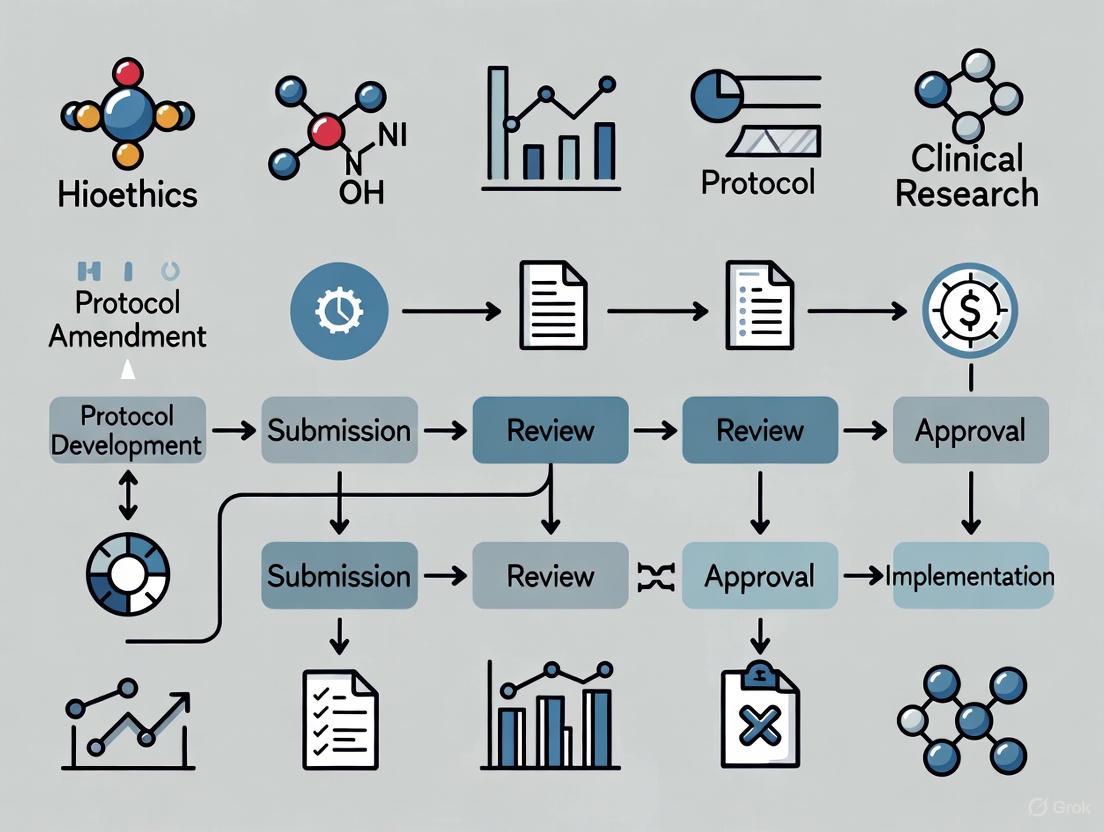
This article provides a complete overview of protocol amendments in clinical trials for drug development professionals and researchers.
Protocol Amendments in Clinical Research: A Comprehensive Guide to Management, Costs, and Compliance
Abstract
This article provides a complete overview of protocol amendments in clinical trials for drug development professionals and researchers. It covers the foundational definition and regulatory requirements of amendments, details the methodological process for submission and implementation, analyzes the significant operational and financial impacts with strategies for optimization, and offers a framework for validating necessary changes against avoidable ones. By synthesizing current data and case studies, this guide aims to enhance trial efficiency, reduce costly amendments, and maintain regulatory and ethical standards in clinical research.
What is a Protocol Amendment? Defining the Foundation and Regulatory Framework
A protocol amendment is a formal change or update to the original, approved clinical trial protocol [1]. In the structured environment of clinical research, the protocol serves as the study's foundational blueprint, detailing every aspect from objectives and design to methodology and statistical considerations [2]. Once this protocol receives regulatory and ethics committee approval, any subsequent change must be formally managed through the amendment process.
Protocol amendments are not merely administrative tasks; they are critical tools that reflect the dynamic nature of clinical research. They allow trials to adapt to emerging data, evolving scientific understanding, and practical challenges while maintaining regulatory compliance, safeguarding participant safety, and ensuring data integrity [2]. The ability to systematically amend protocols is essential for conducting ethical and scientifically valid research in real-world conditions, where unforeseen complexities frequently arise.
Defining Protocol Amendments and Their Regulatory Significance
Formal Definitions and Regulatory Context
A protocol amendment constitutes any planned change to the design, procedures, or objectives of a clinical trial after it has received regulatory approval [3] [2]. From a regulatory perspective, the Food and Drug Administration (FDA) requires sponsors of Investigational New Drug (IND) applications to submit protocol amendments to ensure clinical investigations are conducted according to updated protocols [4]. These amendments must be submitted before implementing changes, except when dealing with apparent immediate hazards to subjects, where changes may be implemented immediately provided the FDA is subsequently notified [4].
The protocol amendment process exists within a tightly regulated framework because changes can significantly impact subject safety, the scientific validity of the investigation, and the quality of resulting data. As such, amendments require careful categorization, justification, and typically require approval from regulatory authorities and Institutional Review Boards (IRBs) or Ethics Committees before implementation [2] [1].
Distinguishing Amendments from Protocol Deviations and Violations
It is crucial to distinguish protocol amendments from protocol deviations and violations, as these terms represent fundamentally different concepts in clinical trial management:
- Protocol Amendments: Planned, proactive changes that receive formal approval before implementation (except in immediate hazard situations) [4] [2].
- Protocol Deviations/Violations: Unplanned excursions from the approved protocol that occur during trial conduct [5].
Deviations and violations represent instances of protocol non-compliance, whereas amendments represent authorized changes to the protocol itself. The FDA defines a protocol deviation/violation as "generally an unplanned excursion from the protocol that is not implemented or intended as a systematic change" [5]. These can range from minor issues that do not substantially impact data or subject safety (often termed deviations) to serious non-compliance that may affect subject safety or data integrity (often termed violations) [5] [6].
Classification and Types of Protocol Amendments
Substantial versus Non-Substantial Amendments
Protocol amendments are typically categorized based on the significance of their impact on the trial's conduct, subject safety, or data integrity:
| Amendment Type | Definition | Examples | Approval Requirements |
|---|---|---|---|
| Substantial Amendment | A change that significantly impacts the trial's design, conduct, safety, or scientific value [3] [2]. | Changing primary/secondary endpoints; modifying eligibility criteria; adjusting drug dosage or administration schedule; revising safety assessments; adding new trial sites [2]. | Requires regulatory authority and ethics committee approval before implementation [2]. |
| Non-Substantial Amendment | A minor change, often administrative, that does not significantly impact the trial's overall conduct or outcomes [2]. | Clarifying ambiguous text; updating contact details; changing administrative procedures that don't impact safety or data integrity [2]. | May not require formal approval but often must be reported to relevant authorities [2]. |
Common Amendment Categories and Examples
Regulatory authorities provide specific categorization for protocol amendments. The FDA identifies three primary types of protocol amendments that sponsors must submit [4]:
- New Protocol: When a sponsor intends to conduct a study not covered by protocols already contained in the IND [4].
- Change in Protocol: Any change in an existing protocol that significantly affects safety of subjects, scope of the investigation, or scientific quality of the study [4]. Specific examples include:
- Any increase in drug dosage or duration of exposure beyond the current protocol
- Any significant increase in the number of subjects under study
- Any significant change in protocol design (e.g., addition or elimination of a control group)
- Addition of a new test or procedure to improve monitoring for side effects or reduce risk
- Elimination of a test intended to monitor safety [4]
- New Investigator: Addition of a new investigator to carry out a previously submitted protocol, requiring notification within 30 days of the investigator being added [4].
The Protocol Amendment Process: Implementation and Workflow
End-to-End Amendment Workflow
The following diagram illustrates the complete lifecycle of a protocol amendment from identification through to implementation:
Key Methodological Steps in the Amendment Process
The implementation of a protocol amendment follows a structured methodology to ensure regulatory compliance and maintain trial integrity:
Identification and Impact Assessment: The need for a change is identified, and a comprehensive assessment determines whether the amendment is substantial or non-substantial [2]. This assessment evaluates the potential impact on subject safety, data integrity, scientific validity, and operational feasibility.
Amendment Documentation Development: A medical writer or designated team member prepares the amended protocol and associated documents [2]. This includes:
- Tracked-changes version: Clearly highlights all modifications from the previous approved version
- Clean version: Incorporates all changes for readability
- Summary of changes: Provides a concise table listing all modifications with rationale
- Updated informed consent forms: When changes affect participant risks or procedures
Regulatory Submission and Review: For substantial amendments, the complete package is submitted to relevant regulatory authorities and ethics committees for review [4] [2]. The review period varies by jurisdiction but typically ranges from 30-48 days for substantial amendments [3].
Implementation and Training: Once approvals are obtained, the amendment is distributed to all investigational sites. Site staff receive training on the changes, and participants may be re-consented if the changes affect their participation [1].
Documentation and Version Control: All amendment-related documents are maintained in the trial master file, and version control is strictly enforced to ensure all personnel are working with the correct protocol version [2].
Quantitative Analysis of Protocol Amendments
Incidence Rates and Common Causes
Empirical research reveals significant data about the frequency and causes of protocol amendments:
| Metric | Findings | Source |
|---|---|---|
| Overall Incidence | Nearly 60% of protocols require one or more amendments; completed protocols average 2.3 amendments [7]. | Tufts CSDD Study (2011) |
| Phase-Specific Incidence | Phase II protocols average 2.7 amendments; Phase III protocols average 3.5 amendments [7]. | Tufts CSDD Study (2011) |
| Timing of Amendments | 40% of all amendments occur before the first patient receives first dose; in Phase I studies, this increases to 52% [7]. | Tufts CSDD Study (2011) |
| Most Common Changes | "Addition of sites" is the most common amendment change [3]; modifications to patient population description/eligibility criteria account for 16% of changes [7]. | NHS Trust Study (2023), Tufts CSDD Study (2011) |
| Most Common Reasons | "To achieve the trial's recruitment target" [3]; availability of new safety information (19.5%); regulatory agency requests (18.6%); changes in study strategy (18.4%) [7]. | NHS Trust Study (2023), Tufts CSDD Study (2011) |
Economic Impact and Resource Burden
The implementation of protocol amendments carries substantial economic and operational consequences:
| Cost Category | Findings | Source |
|---|---|---|
| Direct Implementation Cost | Average $453,932 to implement a single protocol amendment [7]. | Tufts CSDD Study (2011) |
| Cost Distribution | Investigative site fees (58% of total); contract change orders with CROs (24%) [7]. | Tufts CSDD Study (2011) |
| Annual Avoidable Amendment Costs | Approximately $2 billion annually to implement "avoidable" protocol amendments [7]. | Tufts CSDD Study (2011) |
| Regulatory Burden | MHRA (UK) receives approximately 5,500 substantial amendments for review annually [3]. | NHS Trust Study (2023) |
| Approval Timeline | Average 48 days for substantial amendment approval from submission to approval [3]. | NHS Trust Study (2023) |
Strategic Considerations for Effective Amendment Management
Determining When to Amend Versus When to Submit a New Protocol
Researchers must carefully consider whether proposed changes warrant an amendment or submission of a new protocol. Key considerations include [8]:
- Research Hypothesis and Objectives: If the basic research question remains intact, an amendment is typically appropriate. If the focus or research question has fundamentally changed, a new protocol may be warranted.
- Procedural and Methodological Changes: If procedures remain essentially the same with minor modifications, an amendment suffices. If new procedures deviate substantially from the original research plan, a new protocol provides clearer focus.
- Study Duration: For longitudinal studies operating within planned timelines, amendments are appropriate. For studies active for several years where substantial portions are complete, a new protocol may reduce confusion.
- Funding Sources: New funding to support research as approved warrants an amendment. New funding that directs research in substantially new directions may require a new protocol.
Root Causes of Avoidable Amendments and Prevention Strategies
Research indicates that 34% of amendments are considered partially or completely avoidable [7]. Root causes for avoidable amendments include [3] [7]:
- Rushing initial applications knowing amendments will be needed later
- Insufficient stakeholder involvement during protocol development
- Unfeasible eligibility criteria and recruitment challenges
- Undetected protocol design flaws and inconsistencies
- Inadequate feasibility assessments before protocol finalization
Prevention strategies focus on enhanced protocol planning, including comprehensive feasibility assessments, multidisciplinary protocol review involving all key stakeholders, simplification of complex trial designs, and allocating sufficient time for protocol development before regulatory submission [3] [2] [7].
The Researcher's Toolkit: Essential Components for Amendment Management
| Toolkit Component | Function and Purpose |
|---|---|
| Impact Assessment Framework | Systematic method to evaluate whether a change is substantial or non-substantial and determine its potential impact on safety, validity, and operations [2]. |
| Regulatory Knowledge Base | Current understanding of FDA, EMA, and other relevant regulatory requirements for amendments in specific jurisdictions [4] [2]. |
| Document Control System | Version control processes to manage amended protocols, informed consent forms, and ensure all personnel use correct versions [2]. |
| Cross-Functional Collaboration Protocol | Defined processes for coordinating inputs from clinical operations, medical monitors, statisticians, and regulatory affairs [2]. |
| Stakeholder Communication Plan | Strategy for communicating changes to IRBs, regulators, investigators, site staff, and participants [1]. |
| Amendment Tracking Database | System to monitor amendment status, implementation timelines, and site compliance with changes [6]. |
Protocol amendments represent an essential, formal mechanism for modifying clinical trial protocols while maintaining regulatory compliance and ethical standards. When used judiciously, they enhance patient safety, improve data quality, and allow trials to adapt to emerging information. However, amendments carry significant economic costs and operational burdens that necessitate strategic management.
The most effective approach to protocol amendments combines rigorous initial protocol design to minimize avoidable changes with efficient processes for managing necessary amendments when they arise. Through comprehensive planning, multidisciplinary collaboration, and systematic implementation, researchers can leverage the protocol amendment process to conduct safer, more effective, and more ethically sound clinical research.
In the structured environment of clinical research, a protocol amendment is defined as any change, divergence, or departure from the study design or procedures set forth in the clinical trial protocol [9]. The protocol serves as the foundational document governing a trial's conduct, detailing its objectives, design, methodology, statistical considerations, and organization. It is designed to safeguard participant safety and ensure the reliability of trial results. Amendments are a necessary and expected part of the clinical trial lifecycle, required to adapt to new scientific information, address operational challenges, or improve trial efficiency. However, because any change can potentially affect participant safety, data integrity, or the trial's scientific validity, strict regulatory frameworks govern how, when, and why amendments are implemented.
This guide provides an in-depth analysis of the regulatory requirements for protocol amendments, focusing on the guidelines from the U.S. Food and Drug Administration (FDA) and the International Council for Harmonisation (ICH). The recent finalization of ICH E6(R3) Good Clinical Practice (GCP) in 2025 marks a significant modernization of the global clinical trial landscape, introducing more flexible, risk-based approaches [10] [11]. Understanding these evolving guidelines is crucial for researchers, sponsors, and drug development professionals to maintain compliance and ensure the continued ethical and scientific validity of their clinical trials.
The Regulatory Framework: FDA and ICH-GCP
FDA Regulations for Investigational New Drug (IND) Applications
For clinical trials conducted under an Investigational New Drug (IND) application, the FDA mandates specific requirements for protocol amendments under 21 CFR 312.30. A sponsor must amend the IND application to incorporate new protocols or changes to existing protocols, ensuring that clinical investigations are conducted according to the approved plans [4].
The FDA categorizes protocol amendments into three distinct types, each with specific submission requirements:
- New Protocol: When a sponsor intends to conduct a study not covered by an existing protocol in the IND, they must submit a new protocol. This submission should include a copy of the full protocol and a brief description of the most clinically significant differences from previous protocols [4].
- Change in Protocol: Any change to an existing protocol that significantly affects the safety of subjects, the scope of the investigation, or the scientific quality of the study requires a protocol amendment. The submission must contain a brief description of the change and reference the submission containing the original protocol [4].
- New Investigator: When a new investigator is added to conduct a previously submitted protocol, the sponsor must notify the FDA within 30 days. The amendment should include the investigator's name and qualifications [4].
Table: FDA Requirements for Protocol Amendment Types
| Amendment Type | Submission Trigger | Required Content | Timeline for Submission |
|---|---|---|---|
| New Protocol | Study not covered by existing IND protocols | Complete protocol; description of key differences from previous protocols | Before implementation |
| Change in Protocol | Change significantly affects safety, scope, or scientific quality | Description of change; reference to original protocol | Before implementation |
| New Investigator | Addition of investigator to previously submitted protocol | Investigator's name and qualifications | Within 30 days of adding investigator |
The FDA provides specific examples of changes that necessitate a protocol amendment, including any increase in drug dosage or duration of exposure beyond what is described in the current protocol, any significant increase in the number of subjects under study, any significant change in the design of a protocol (such as adding or eliminating a control group), and the addition or elimination of safety monitoring tests or procedures [4].
An important exception exists for protocol changes intended to eliminate an apparent immediate hazard to human subjects. Such changes may be implemented immediately, provided the FDA is subsequently notified by protocol amendment and the reviewing Institutional Review Board (IRB) is notified [4].
ICH E6(R3) Good Clinical Practice Guidelines
The ICH E6 guideline on Good Clinical Practice is the international ethical and scientific quality standard for designing, conducting, recording, and reporting trials involving human subjects. The recently finalized ICH E6(R3) version, effective in the EU as of July 2025 and under review by the FDA, represents a paradigm shift in how clinical trials are regulated [10] [12] [13].
ICH E6(R3) introduces a restructured framework consisting of:
- Overarching Principles: Foundational GCP principles applicable to all clinical trials.
- Annex 1: Detailed guidance for interventional clinical trials.
- Annex 2: Additional considerations for non-traditional interventional trials (e.g., decentralized, pragmatic trials; expected finalization later in 2025) [14] [12].
This revision modernizes GCP principles to align with current scientific and technological advances while maintaining focus on participant protection and data reliability [10]. Key updates relevant to protocol management include:
- Increased Flexibility and Proportionality: The guideline supports a broad range of modern trial designs and promotes approaches that are proportionate to the risks and potential reliability of trial results [10] [11].
- Quality by Design (QbD): Emphasizes building quality into trials from the beginning by identifying Critical to Quality (CtQ) factors that directly affect participant safety and data reliability [11] [14].
- Risk-Based Quality Management (RBQM): Calls for oversight that is proportionate to risk, moving away from one-size-fits-all monitoring toward centralized monitoring and targeted oversight [10] [11].
- Media-Neutral Approach: The guideline is "media-neutral," facilitating the use of electronic records, eConsent, and remote or decentralized trial elements [14] [13].
Table: Key Updates in ICH E6(R3) Affecting Protocol Management
| Update Area | Key Feature | Impact on Protocol Amendments |
|---|---|---|
| Structure | Overarching Principles + Annexes | Allows for tailored application to different trial types (traditional vs. innovative) |
| Flexibility | Support for diverse trial designs | Enables amendments to incorporate novel approaches (decentralized, adaptive) |
| Quality Focus | Quality by Design (QbD) | Amendments should be evaluated for impact on Critical to Quality factors |
| Risk Management | Risk-Based Quality Management (RBQM) | Changes should trigger risk assessment; oversight proportionate to risk |
| Technology | Media-neutral language | Facilitates amendments involving eConsent, digital health technologies, eSource |
Protocol Amendments Versus Protocol Deviations
It is crucial to distinguish between protocol amendments and protocol deviations, as they have different regulatory implications and reporting requirements.
A protocol amendment is a prospective, planned change to the protocol that is submitted to regulators and IRBs/IECs for approval before implementation (unless addressing an immediate hazard) [4]. In contrast, a protocol deviation is a retrospective, unplanned departure from the IRB-approved protocol that occurs after the study has begun [9].
The TransCelerate Bio Pharma Inc. working group has provided a clarified definition of a protocol deviation as "any change, divergence, or departure from the study design or procedures defined in the protocol" that has already occurred (not theoretical) and is related to the protocol or documents referenced in the protocol [9].
Protocol deviations are further categorized based on their potential impact:
- Important Protocol Deviations: A subset of deviations that may significantly impact the completeness, accuracy, and/or reliability of key study data or that may significantly affect a subject's rights, safety, or well-being [9].
- Non-Important Protocol Deviations: Those that do not meet the criteria for important deviations but still represent departures from the protocol.
The following diagram illustrates the decision-making process for identifying and categorizing protocol deviations:
Implementing Amendments Under Contemporary Guidelines
Procedural Workflow for Protocol Amendments
Successfully implementing a protocol amendment requires a systematic approach that aligns with both FDA regulations and ICH E6(R3) principles. The following workflow outlines the key steps from identification of need through to implementation:
Strategic Considerations Under ICH E6(R3)
The implementation of ICH E6(R3) necessitates a shift in how sponsors and researchers approach protocol amendments. Several strategic considerations emerge from the new guideline:
Quality by Design (QbD) Integration: When proposing amendments, sponsors should demonstrate how the changes align with QbD principles. This includes identifying how the amendment affects Critical to Quality factors and how potential risks will be managed [11] [14]. The amendment process should be used as an opportunity to reinforce quality culture rather than merely satisfying regulatory requirements.
Risk-Proportionate Approaches: The level of detail and justification in an amendment submission should be proportionate to the risk associated with the change. Minor changes with minimal impact on participant safety or data integrity may warrant less extensive documentation, while significant changes to key eligibility criteria or primary endpoints require comprehensive justification and risk assessment [10] [11].
Leveraging Technology: The "media-neutral" approach of E6(R3) facilitates amendments that incorporate digital health technologies, electronic sources (eSource), and decentralized trial elements. Amendments should clearly describe the validation, security, and data integrity measures for any new technology being introduced [14] [13].
Enhanced Data Governance: E6(R3) places stronger emphasis on data governance structures. Amendments that affect data collection, management, or analysis should clearly delineate responsibilities for data quality, security, and integrity throughout the data lifecycle [11] [14].
Successfully navigating the protocol amendment process requires utilizing specific tools and documents. The following table outlines essential components of an effective amendment management system:
Table: Essential Resources for Protocol Amendment Management
| Tool/Resource | Function | Regulatory Basis |
|---|---|---|
| Protocol Deviation Assessment Plan (PDAP) | Protocol-specific document defining important deviations; supports consistent classification | ICH E6(R3) Quality Management; TransCelerate recommendations [9] |
| Risk Assessment Categorization Tool (RACT) | Systematically evaluates and categorizes risks associated with changes or deviations | ICH E6(R3) Risk-Based Quality Management [9] |
| Quality Management System (QMS) | Framework for managing quality throughout trial lifecycle; includes amendment procedures | ICH E6(R3) [9] [13] |
| Electronic Trial Master File (eTMF) | Secure repository for amendment-related documents, correspondence, and approvals | FDA 21 CFR Part 11; ICH E6(R3) data integrity principles |
| Training Management System | Tracks training of staff and investigators on protocol changes | ICH E6(R3) sponsor and investigator responsibilities |
Protocol amendments are an integral component of clinical trial management, allowing studies to adapt to new information and optimize their approaches while maintaining regulatory compliance and ethical standards. The contemporary regulatory landscape, particularly with the introduction of ICH E6(R3), emphasizes a flexible, risk-based approach that prioritizes participant safety and data integrity over rigid procedural compliance.
Researchers and sponsors must understand both the specific FDA requirements for IND amendments and the broader principles-based approach of ICH E6(R3). Successfully navigating this environment requires proactive quality management, thoughtful risk assessment, and clear documentation throughout the amendment lifecycle. By embracing the principles of Quality by Design and risk proportionality, clinical trial professionals can implement necessary changes efficiently while maintaining the scientific and ethical integrity of their research.
A protocol amendment is a formal change to the previously approved version of a clinical trial protocol after it has received regulatory and ethics committee approval [1]. The clinical trial protocol serves as the study's backbone or "road map," describing everything from its objectives and design to its methodology and statistical considerations [2]. Despite thorough initial planning, clinical trials often do not proceed exactly as planned due to real-world complexities, emerging data, evolving scientific understanding, or safety concerns [2]. These factors can trigger the need for a formal protocol amendment.
Before implementing any change, researchers must conduct an impact assessment to determine whether the amendment qualifies as substantial or non-substantial [2]. This classification is crucial as it dictates the subsequent regulatory pathway—substantial amendments typically require regulatory authority and ethics committee approval before implementation, while non-substantial amendments may be implemented immediately upon documentation or reported later [15]. Understanding this distinction and applying it correctly is fundamental to maintaining regulatory compliance while ensuring participant safety and trial integrity.
The Classification Framework: Impact Level as the Determining Factor
The primary differentiator between substantial and non-substantial amendments lies in the nature and impact of the proposed change. The classification is not merely bureaucratic but reflects the potential consequences for participant safety and scientific validity.
Substantial Amendments: High-Impact Changes
A substantial amendment is formally defined as a change that is likely to have a significant impact on the safety or physical or mental integrity of the trial subjects, the scientific value of the trial, or the conduct or management of the trial [3] [15]. These changes are significant enough to require regulatory and ethics committee approval before they can be implemented, except in specific cases of immediate hazard where changes can be made immediately with subsequent notification [4].
Non-Substantial Amendments: Low-Impact Changes
A non-substantial amendment is a change to the conduct of the clinical trial that does not have a significant impact on the safety of the subjects or the scientific value of the study [15]. These are typically minor changes, often administrative, that do not significantly impact the trial's overall conduct or outcomes [2]. The sponsor is responsible for assessing the substantiality of an amendment [15]. While these amendments generally do not require pre-approval, they must be properly documented and may need to be included in the next substantial amendment submitted to authorities or notified for information purposes [16] [15].
Detailed Categorization of Amendment Types
The following tables provide a structured overview of common changes, categorized by their impact level and regulatory handling.
Table 1: Examples and Regulatory Handling of Substantial Amendments
| Category of Change | Specific Examples | Regulatory Handling |
|---|---|---|
| Study Design & Methodology | Changes to trial design or methodology impacting scientific value [16]. Changes to primary/secondary endpoints [2]. Significant changes to the design (e.g., adding/eliminating a control group) [4]. | Requires approval from regulatory authorities and ethics committees before implementation [2]. |
| Participant Procedures & Safety | Changes to procedures undertaken by participants [16]. Changes impacting safety/mental integrity or risk/benefit assessment [16]. Any increase in drug dosage or duration of exposure [4]. | Requires approval from regulatory authorities and ethics committees before implementation [2]. |
| Key Study Documentation | Significant changes to participant information sheets, consent forms, questionnaires, etc. [16]. | Requires approval from regulatory authorities and ethics committees before implementation. |
| Administrative & Governance | Change of sponsor or chief investigator [16]. Change to insurance/indemnity arrangements [16]. Temporary halt and planned restart of a study [16]. | Requires approval from regulatory authorities and ethics committees before implementation [2]. |
Table 2: Examples and Regulatory Handling of Non-Substantial Amendments
| Category of Change | Specific Examples | Regulatory Handling |
|---|---|---|
| Documentation Updates | Minor changes/clarifications to protocol or study documents; correcting errors; updating contact points [16]. | Can be implemented immediately by the sponsor; should be documented and often notified to the REC for information [16] [15]. |
| Research Team Changes | Changes to the chief investigator's research team; changes to site research teams (with exceptions for certain trials) [16]. | Can be implemented immediately by the sponsor; should be documented and often notified to the REC for information [16]. |
| Logistical & Administrative | Changes in funding arrangements [16]. Changes in data recording forms or logistical arrangements for samples [16]. Change to the study end date [16]. | Can be implemented immediately by the sponsor; should be documented and often notified to the REC for information [16]. |
To aid in the classification process, the following decision pathway provides a visual guide for determining the appropriate amendment category.
Figure 1: Decision Pathway for Classifying Protocol Amendments
The Operational and Financial Impact of Amendments
Protocol amendments are not merely administrative exercises; they carry significant operational and financial consequences that can affect the entire clinical trial ecosystem.
Prevalence and Cost
Research indicates that protocol amendments are exceedingly common. A Tufts Center for the Study of Drug Development (CSDD) study found that 76% of Phase I-IV trials require amendments, a substantial increase from 57% in 2015 [17]. The financial impact is equally staggering. Implementing a single protocol amendment costs between $141,000 and $535,000 per amendment [17]. A separate study of 3,410 protocols found that nearly 60% required at least one amendment, with later-phase protocols averaging between 2.7 and 3.5 amendments each [7]. The direct costs are driven primarily by increases in investigative site fees (58% of costs) and contract change orders with CROs (24%) [7].
Root Causes and Avoidability
Amendments are submitted for various reasons. The most common changes include modifying patient population/eligibility criteria (16%), adjusting safety assessments (12%), and editing general protocol information (10%) [7]. The most frequent reasons are new safety information (19.5%), regulatory agency requests (18.6%), and changes in study strategy (18.4%) [7].
Critically, a significant proportion of amendments are considered avoidable. Research suggests that 23-34% of amendments are partially or completely avoidable [7] [17]. These often stem from undetected protocol design flaws, inconsistencies, errors, and difficulties in patient recruitment that could have been identified and addressed with better upfront planning [7]. One study identified root causes for avoidable amendments as "rushing the initial application," "not involving all the right people to input at the start," and "realising it's not feasible in practice when delivering the trial" [3].
Strategic Management and Best Practices
Given the high costs and operational burdens, proactively managing amendments is essential for clinical trial efficiency.
Strategies to Minimize Avoidable Amendments
- Enhance Protocol Planning and Feasibility: Allocate sufficient time for critical review by various stakeholders, including site staff and patient advisors, during the initial protocol design [3] [17]. Conduct thorough feasibility assessments to identify potential recruitment challenges or operational bottlenecks before the trial begins [3].
- Engage Cross-Functional Stakeholders Early: Involve a multidisciplinary team—including clinical operations, biostatistics, data management, regulatory affairs, and site representatives—from the outset [2]. This helps identify design flaws, inconsistencies, and feasibility issues before the protocol is finalized.
- Simplify Protocol Design: Given the positive correlation between protocol complexity and the incidence of amendments, simplifying clinical research study designs is a fundamental step toward reducing amendments [7].
Efficient Management of Necessary Amendments
- Establish Dedicated Amendment Teams: Assign specialized teams to manage the amendment process, ensuring consistency and preventing disruptions to ongoing trial activities [17].
- Bundle Amendments Strategically: When possible, group multiple changes into a single submission to streamline regulatory reviews and reduce administrative burden [17]. However, be cautious not to delay critical, time-sensitive changes (e.g., safety directives) for the sake of bundling [17].
- Implement Clear Communication Frameworks: Standardize training and document management to ensure smooth adoption of amendments across all trial sites [17]. Maintain trial momentum by keeping all stakeholders informed and aligned.
Table 3: The Scientist's Toolkit for Protocol Management
| Tool / Reagent Solution | Function in Protocol Management |
|---|---|
| Structured Protocol Review Process | A formal process involving cross-functional teams (stats, regulatory, ops) to identify design flaws and feasibility issues before finalization [2] [17]. |
| Feasibility Assessment Tools | Questionnaires and checklists for site investigators and staff to provide early feedback on recruitment potential and operational practicality [3]. |
| Regulatory Intelligence Database | A centralized repository of regional regulatory guidelines (FDA, EMA, etc.) to ensure protocol compliance and anticipate required changes [2]. |
| Document Version Control System | A system to manage version histories, track changes, and ensure consistency across all trial documents (protocol, ICF, IB) during amendments [2]. |
| Amendment Impact Assessment Checklist | A standardized checklist to systematically evaluate the downstream impact of a proposed change on sites, budgets, databases, and timelines [17]. |
The rigorous classification of amendments into substantial and non-substantial categories is a cornerstone of effective clinical trial management. This framework ensures that changes with a material impact on participant safety or scientific validity undergo appropriate regulatory scrutiny, while allowing minor administrative changes to be implemented efficiently. The high prevalence and cost of amendments, coupled with the finding that a substantial portion are avoidable, underscore the critical importance of strategic protocol planning and design. By engaging multidisciplinary teams early, simplifying protocols, and proactively assessing feasibility, research organizations can reduce unnecessary amendments, thereby conserving resources, accelerating timelines, and ultimately bringing new treatments to patients faster.
A protocol amendment is a formal, documented change made to a previously approved clinical trial protocol or Clinical Investigation Plan (CIP) [2] [18]. In the landscape of clinical research, protocols serve as the essential backbone or "road map" for any trial, detailing everything from objectives and trial design to methodology and statistical considerations [2]. Despite thorough planning and development, clinical trials frequently do not proceed exactly as planned due to real-world complexities, emerging data, evolving scientific understanding, or safety concerns [2]. Protocol amendments are the critical mechanism that allows studies to adapt while maintaining commitments to patient safety, data integrity, and regulatory compliance [2].
The frequency and impact of amendments are substantial. Recent research indicates that 76% of Phase I-IV trials now require at least one amendment, a significant increase from 57% in 2015 [17]. The financial implications are equally striking, with each amendment costing between $141,000 and $535,000 to implement, not including indirect expenses from delayed timelines and operational disruptions [17]. In specific therapeutic areas like oncology, the prevalence is even higher, with approximately 90% of trials requiring amendments [17]. A significant portion of these amendments—estimated at 23-45%—are potentially avoidable through improved initial protocol design and planning [17] [3].
Regulatory framework and classification
Protocol amendments are categorized based on their potential impact on trial conduct and participant safety. Substantial amendments represent changes that significantly impact the trial's design, safety, or scientific validity and require formal regulatory and ethics committee approval before implementation [2] [3]. These include modifications to primary endpoints, eligibility criteria, dosage, or safety monitoring procedures [2]. In contrast, non-substantial amendments are typically administrative changes that do not affect core trial components and generally only require notification to relevant authorities rather than formal approval [2]. Examples include updating contact information, clarifying ambiguous text, or modifying administrative procedures that don't impact safety or data integrity [2].
Regulatory guidance continues to evolve, with recent updates including the SPIRIT 2025 statement, which provides an evidence-based checklist of 34 minimum items to address in trial protocols to improve completeness and transparency [19]. Additionally, the FDA released draft guidance on protocol deviations in December 2024, signaling increased regulatory attention to the management of protocol changes [20].
Common triggers for protocol amendments
Safety concerns
Safety concerns represent one of the most critical triggers for protocol amendments, often necessitating immediate action to protect participant welfare [2] [17]. Emerging safety data may reveal previously unrecognized risks associated with the investigational product, requiring additional monitoring procedures, dose adjustments, or new safety assessments [2] [21]. Such safety-driven amendments are generally considered unavoidable and essential for maintaining ethical trial conduct [17]. Regulatory authorities may also mandate safety-related amendments in response to new information about a product class or to align with updated safety standards [17] [22].
The implementation of safety amendments follows a structured process to ensure thorough assessment and rapid response. When new adverse event patterns emerge, sponsors must conduct a comprehensive risk-benefit assessment and develop amended protocols that address these concerns while preserving the trial's scientific objectives [2]. The diagram below illustrates the decision-making workflow for managing safety-related amendments.
Recruitment challenges
Recruitment challenges constitute one of the most frequent triggers for protocol amendments across all trial phases and therapeutic areas [22] [3]. A comprehensive study of amendments in NHS-sponsored trials identified "to achieve the trial's recruitment target" as the single most common reason for amendment submissions [3]. Recruitment problems manifest in various forms, including higher-than-anticipated screen failure rates, slower-than-projected enrollment, or underrepresentation of specific patient populations [22] [3].
Common recruitment-driven amendments include broadening eligibility criteria, increasing the number of trial sites, adjusting sample size calculations, or modifying visit schedules to reduce participant burden [22] [3]. One clinical study described in the search results required an amendment because the screen failure rate exceeded 40%, necessitating an increase in the planned number of patients to meet study goals [22]. The root cause often traces back to overly optimistic enrollment projections or excessively narrow inclusion/exclusion criteria established during initial protocol development without adequate feasibility assessment [22] [3] [21].
The quantitative impact of recruitment amendments is substantial, as shown in the table below summarizing findings from recent research on amendment triggers and prevalence.
Table 1: Prevalence and impact of recruitment-driven amendments
| Metric | Findings | Source |
|---|---|---|
| Overall amendment prevalence | 76% of Phase I-IV trials require at least one amendment | [17] |
| Recruitment as primary trigger | "To achieve recruitment target" most common reason for amendments | [3] |
| Screen failure impact | >40% screen failure rate triggering amendments reported | [22] |
| Oncology trial amendment rate | 90% of oncology trials require at least one amendment | [17] |
| Avoidable amendments | 23-45% of amendments potentially avoidable with better planning | [17] [3] |
Scientific discoveries
Scientific discoveries and evolving understanding during trial conduct represent another major category of amendment triggers [2] [22]. As new scientific data emerge, particularly in long-term studies or adaptive trial designs, protocols may require modification to incorporate new biomarkers, adjust endpoints, or implement new stratification strategies [2] [17]. Such amendments are especially common in rapidly evolving fields like oncology and rare diseases, where scientific understanding may advance significantly during a trial's duration [17].
Scientific discoveries may enable more targeted approaches, such as incorporating biomarker-driven patient stratification or adding new imaging assessments based on emerging evidence [17] [22]. Additionally, new information about a drug's mechanism of action or pharmacokinetics might necessitate dosage adjustments or administration schedule modifications [2]. While some scientific amendments are unavoidable responses to genuine breakthroughs, others may result from inadequate literature review or failure to anticipate field evolution during initial protocol design [2] [21].
Table 2: Scientific discovery triggers and amendment examples
| Scientific Trigger Category | Example Amendment Scenarios | Regulatory Consideration |
|---|---|---|
| New biomarker data | Adding biomarker stratification; Incorporating companion diagnostics | Substantial amendment requiring review |
| Endpoint refinement | Modifying primary/secondary endpoints based on new validation data | Substantial amendment requiring review |
| Dosage optimization | Adjusting dose or schedule based on PK/PD modeling | Substantial amendment requiring review |
| Novel assessment methods | Incorporating new imaging or diagnostic techniques | Substantial amendment requiring review |
| Combination therapy insights | Adding new combination partners based on emerging data | Substantial amendment requiring review |
The amendment implementation process
Impact assessment and regulatory submission
The implementation of a protocol amendment follows a structured process beginning with a comprehensive impact assessment to determine whether the proposed changes qualify as substantial or non-substantial [2] [18]. This assessment evaluates the amendment's potential effects on participant safety, data integrity, statistical power, and operational feasibility [2] [18]. Cross-functional collaboration is essential during this phase, involving clinical operations, biostatistics, regulatory affairs, and medical monitoring [2].
Following impact assessment, substantial amendments require formal submission to regulatory authorities and ethics committees for approval [2] [22]. The regulatory review timeline varies significantly by region and agency, with one study reporting an average of 48 days for substantial amendment approval [3]. The complexity of international multi-center trials further complicates this process, as amendments may require separate submissions to multiple national regulatory bodies [22].
Site implementation and operational challenges
Once regulatory approvals are obtained, implementing amendments across trial sites presents substantial operational challenges [22]. Sites cannot action protocol changes until they receive local ethics committee approval, creating potential delays as different sites obtain approval at different times [17] [22]. Research indicates sites may operate under different protocol versions for an average of 215 days, creating significant compliance risks [17].
The implementation phase requires comprehensive site retraining, document updates, and potential re-consenting of enrolled participants [22]. The re-consent process alone can take months in multi-center trials, particularly with geographically dispersed participants [22]. Additionally, amendments often trigger updates to multiple trial systems, including electronic data capture (EDC) systems, which may require reprogramming and revalidation [17] [22].
Best practices for amendment management and prevention
Proactive protocol development strategies
Advanced planning and stakeholder engagement during initial protocol development can significantly reduce amendment frequency [2] [17] [21]. Key prevention strategies include conducting comprehensive feasibility assessments that evaluate both site capabilities and participant burden [21]. Engaging key stakeholders—including statisticians, site staff, operational experts, and patient representatives—during protocol design helps identify potential issues before implementation [17] [21]. Research indicates that protocols developed with patient advisory board input experience fewer mid-trial changes [17].
The SPIRIT 2025 statement provides an updated evidence-based framework for protocol development, emphasizing completeness and transparency to minimize amendments [19]. Adherence to these guidelines helps ensure protocols address all critical elements before regulatory submission, reducing the need for future modifications [19]. Additionally, implementing quality-by-design principles and risk-based approaches during protocol development can identify and mitigate potential amendment triggers early [21] [20].
Strategic amendment management
When amendments are unavoidable, structured management approaches can minimize disruption and costs [17] [18]. Establishing dedicated amendment teams ensures consistent handling of changes and prevents disruptions to ongoing trial activities [17]. Strategic bundling of multiple changes into single amendments reduces administrative burden and regulatory review cycles, though this approach requires careful planning to avoid delaying critical safety updates [17].
Clear communication frameworks are essential for successful amendment implementation [17] [18]. Standardized training materials, document version control, and consistent stakeholder updates ensure smooth adoption across all trial sites [17] [22]. Maintaining comprehensive audit trails of all protocol versions and changes is critical for regulatory compliance and data integrity [2] [19].
Essential research toolkit for amendment management
Successful amendment management requires specific tools and methodologies to ensure thorough assessment, implementation, and compliance. The following table outlines essential components of an effective amendment management toolkit.
Table 3: Research reagent solutions for amendment management
| Tool/Resource | Function/Purpose | Implementation Example |
|---|---|---|
| Impact Assessment Framework | Systematically evaluates amendment effects on safety, statistics, operations | Structured checklist assessing patient safety, data integrity, statistical power [2] [18] |
| Regulatory Strategy Template | Guides submission planning and approval management | Country-specific submission trackers for multi-center trials [22] |
| Cross-functional Collaboration Protocol | Defines roles and input requirements for team members | Coordination processes for medical, statistical, operational stakeholders [2] |
| Version Control System | Maintains document integrity and audit trail | Electronic systems managing clean/tracked changes versions [2] [18] |
| Stakeholder Communication Plan | Ensures consistent information dissemination | Standardized training materials for sites and updated informed consent forms [22] [18] |
| Implementation Timeline Tracker | Monitors approval and activation milestones | Tools tracking IRB approvals across sites and re-consent completion [22] |
Protocol amendments represent an inevitable aspect of clinical research, serving as essential mechanisms for addressing emerging safety concerns, recruitment challenges, and scientific discoveries [2] [17] [22]. While some amendments are unavoidable responses to genuine developments during trial conduct, a significant proportion stem from potentially addressable issues in initial protocol design and planning [17] [3]. Understanding the common triggers for amendments—and implementing strategies to address them proactively—can significantly improve trial efficiency, reduce costs, and maintain scientific validity [2] [21].
The evolving regulatory landscape, including updated guidelines like SPIRIT 2025 and new FDA draft guidance on protocol deviations, emphasizes the importance of robust protocol development and amendment management practices [19] [20]. By incorporating comprehensive feasibility assessments, engaging diverse stakeholders early, and implementing structured amendment processes when changes are necessary, researchers can navigate the complexities of protocol amendments while maintaining trial integrity and protecting participant safety [2] [17] [21].
A protocol amendment is a formal change to a previously approved clinical trial protocol, required when modifications are needed to the study's design, procedures, or objectives after regulatory approval has been obtained [2] [1]. In the rigorous environment of clinical research, protocols serve as the foundational "road map" for conducting investigations, detailing everything from objectives and trial design to methodology and statistical considerations [2]. Despite meticulous initial planning, the complex and evolving nature of clinical research frequently necessitates protocol amendments to address emerging data, safety concerns, or operational challenges.
The ethical imperatives of protecting participant safety and maintaining trial integrity form the cornerstone of the amendment process. These formal changes represent far more than administrative tasks—they are critical mechanisms that reflect the research community's unwavering commitment to ethical principles. By enabling trials to adapt responsibly to new information while upholding scientific validity, protocol amendments serve as essential tools for balancing the competing demands of scientific progress, regulatory compliance, and human subject protection. This guide examines the technical, operational, and ethical dimensions of protocol amendments, providing researchers, scientists, and drug development professionals with a comprehensive framework for implementing changes that preserve both participant welfare and data integrity.
Regulatory Framework and Classification of Amendments
Regulatory Foundations
Protocol amendments operate within a well-defined regulatory framework designed to ensure that changes to clinical investigations maintain compliance with ethical and scientific standards. According to the U.S. Food and Drug Administration (FDA), once an Investigational New Drug (IND) application is in effect, sponsors must amend it as needed to ensure that clinical investigations are conducted according to protocols included in the application [4] [23]. Similar requirements exist internationally through regulatory bodies such as the European Medicines Agency (EMA) and the Medicines and Healthcare products Regulatory Agency (MHRA) in the United Kingdom [3] [2].
The FDA specifies that protocol amendments generally require both FDA review and Institutional Review Board (IRB) approval before implementation, though these two conditions may be fulfilled in either order [23]. A crucial exception exists for changes intended to eliminate apparent immediate hazards to subjects, which may be implemented immediately provided the FDA is subsequently notified and the reviewing IRB is properly informed [4] [23]. This exception demonstrates the primacy of participant safety within the regulatory framework, allowing for rapid response to emerging threats while maintaining appropriate oversight.
Classification of Amendments
Protocol amendments are typically categorized based on their potential impact on participant safety, trial conduct, or data integrity:
Substantial Amendments: These represent changes that significantly impact the trial's design, conduct, or outcomes, requiring regulatory authority and ethics committee approvals before implementation [2]. Examples include modifications to primary or secondary endpoints, adjustments to drug dosage or duration beyond current parameters, significant changes in the number of subjects, or alterations to inclusion/exclusion criteria that affect the patient population [4] [2] [24].
Non-Substantial Amendments: These are typically minor changes, often administrative, that do not significantly impact the trial's overall conduct or outcomes [2]. While they may not require formal regulatory approval, they often still need to be reported to relevant authorities. Examples include clarifying ambiguous text, updating principal investigator contact details, or changing administrative procedures that don't impact patient safety or data integrity [2] [25].
The terminology used to describe changes may vary between institutions and sponsors, with some using terms like "modification" or "revision" interchangeably with "amendment" [24]. Regardless of terminology, the underlying principle remains consistent: changes must be formally documented, reviewed, and approved through appropriate channels before implementation, with limited exceptions for immediate safety concerns.
The Ethical Imperative: Protecting Participant Safety
Safety-Driven Amendments
The most ethically compelling justification for protocol amendments arises from emerging safety concerns that threaten participant welfare. Amendments triggered by safety considerations represent a proactive approach to risk management in clinical research. According to regulatory guidelines, the addition of new tests or procedures intended to improve monitoring for, or reduce the risk of, side effects or adverse events constitutes a substantial amendment requiring formal review [4] [23].
Research indicates that availability of new safety information represents the most common cause of amendments, accounting for 19.5% of categorized amendments in one large study [7]. When new risks are identified that might affect the risk-benefit ratio—particularly serious, life-threatening, or potentially disabling risks—protocol amendments become essential ethical instruments [24]. For example, increasing the frequency of safety monitoring visits or adding new laboratory tests to detect previously unrecognized adverse effects represent amendments primarily motivated by participant protection [24].
Emergency Protocols
The regulatory framework acknowledges that some safety concerns require immediate intervention rather than waiting for formal amendment approval. Protocols may be changed immediately to eliminate apparent immediate hazards to subjects, provided the FDA is subsequently notified by protocol amendment and the reviewing IRB is notified in accordance with regulatory requirements [4] [23]. This exception to the usual pre-approval requirement demonstrates how participant safety takes precedence over bureaucratic processes when genuine immediate hazards are identified.
The ethical imperative behind such emergency changes recognizes that the potential harm of delaying safety interventions may outweigh the risks of implementing changes without prior regulatory review. However, this emergency authority carries significant responsibility, requiring sponsors and investigators to exercise careful judgment in determining what constitutes an "immediate hazard" and ensuring prompt notification of regulatory bodies and ethics committees.
The Scientific Imperative: Maintaining Trial Integrity
Amendments to Preserve Scientific Validity
Beyond immediate safety concerns, protocol amendments serve the critical function of preserving the scientific integrity and value of clinical investigations. Changes to protocols may become necessary when aspects of the trial design prove problematic during execution, threatening the validity or interpretability of study results. The FDA specifically identifies changes that affect "the scientific quality of the study" as requiring amendments [23].
Examples of scientifically-motivated amendments include significant changes in protocol design such as the addition or dropping of a control group, modifications to inclusion/exclusion criteria to better define the target population, or adjustments to statistical plans based on interim analyses [4] [24]. Such changes aim to ensure that the trial remains capable of generating scientifically valid and clinically meaningful results, thus justifying the continued participation of human subjects and the investment of research resources.
Addressing Operational Challenges
Many amendments address operational challenges that emerge during trial execution, particularly those related to patient recruitment and retention. A study of amendments in the UK National Health Service (NHS) identified "To achieve the trial's recruitment target" as the most common reason for amendments [3]. When eligibility criteria prove overly restrictive or operational aspects of the protocol create barriers to participation, amendments become necessary to ensure the trial can achieve its enrollment goals without compromising scientific integrity.
Similarly, adjustments to assessment schedules, procedures, or data collection methods may be required when practical experience reveals operational infeasibilities in the original protocol [17] [3]. Such changes reflect the dynamic nature of clinical research, where theoretical designs must adapt to practical realities while maintaining the trial's ability to generate reliable evidence.
Quantitative Impact: The Scale and Cost of Amendments
Prevalence of Protocol Amendments
Recent research demonstrates that protocol amendments have become increasingly common in clinical research. A benchmark study from the Tufts Center for the Study of Drug Development (CSDD) revealed that 76% of Phase I-IV trials now require at least one amendment, a significant increase from 57% in 2015 [17]. The prevalence varies by therapeutic area, with oncology trials demonstrating particularly high amendment rates—approximately 90% of oncology trials require at least one amendment [17].
Table 1: Prevalence of Protocol Amendments in Clinical Trials
| Metric | Finding | Source |
|---|---|---|
| Overall trials requiring amendments | 76% (increased from 57% in 2015) | Tufts CSDD [17] |
| Oncology trials requiring amendments | ~90% | Tufts CSDD [17] |
| Average amendments per protocol (all phases) | 2.3 | Tufts CSDD [7] |
| Phase III protocols | 3.5 amendments average | Tufts CSDD [7] |
| Amendments occurring before first patient dose | 30-52% (varies by phase) | Tufts CSDD [7] |
The timing of amendments also provides insight into their nature and potential avoidability. Across all phases of research, 30-52% of amendments occur before the first patient receives their first dose, with this percentage being highest in Phase I studies (52%) [7]. This pattern suggests that a substantial proportion of amendments address issues that could potentially have been identified during protocol development rather than emerging during trial execution.
Financial and Operational Impact
The implementation of protocol amendments carries significant financial and operational consequences. Recent estimates indicate that each amendment costs between $141,000 and $535,000 in direct costs, with a median implementation cost of approximately $453,932 per amendment [17] [7]. These figures substantially undercount the full economic impact, as they typically exclude indirect expenses such as internal FTE time, protocol language translation, and resubmission to local authorities [7].
Table 2: Financial and Operational Impact of Protocol Amendments
| Impact Category | Findings | Source |
|---|---|---|
| Direct cost per amendment | $141,000 - $535,000 | Tufts CSDD [17] |
| Median implementation cost | $453,932 | Tufts CSDD [7] |
| Largest cost components | Site fees (58%), CRO change orders (24%) | Tufts CSDD [7] |
| Implementation timeline | 65 days median cycle time | Tufts CSDD [7] |
| Site implementation period | 215 days average under different protocol versions | Tufts CSDD [17] |
The operational burden of amendments extends beyond direct financial costs, significantly impacting trial timelines and site operations. The median total cycle time from problem identification to full implementation exceeds two months (65 days) [7]. Furthermore, sites typically operate under different protocol versions for an average of 215 days, creating compliance risks and operational complexity [17]. These timeline extensions delay the availability of new treatments and increase the overall resource burden on research systems.
Implementation Framework: From Identification to Execution
The Amendment Development Process
The development of a protocol amendment follows a structured process that ensures thorough assessment and appropriate implementation. The initial step involves conducting an impact assessment to determine whether the proposed change qualifies as substantial or non-substantial and to evaluate its implications across all aspects of the trial [2]. This assessment should consider scientific rationale, operational feasibility, regulatory implications, and impact on participants.
The amendment development process requires cross-functional collaboration, typically involving medical writers, clinical operations specialists, physicians, medical monitors, statisticians, and regulatory affairs professionals [2]. Each stakeholder contributes unique expertise: clinical operations addresses site logistics and patient flow; physicians provide clinical insights; statisticians assess impact on endpoints and analysis plans; and regulatory affairs ensures compliance and submission readiness [2]. Effective coordination among these disciplines is essential for developing coherent, justified amendments that address the identified issues without creating new problems.
Documentation and Submission Requirements
Proper documentation is critical for successful amendment implementation. Regulatory authorities require that protocol amendments be prominently identified according to their type (e.g., "Protocol Amendment: New Protocol," "Protocol Amendment: Change in Protocol," or "Protocol Amendment: New Investigator") [4] [23]. The submission must contain a clear description of the change and reference to previous submissions containing the original protocol, along with any supporting technical information [23].
For changes to existing protocols, best practices in documentation include providing both tracked-changes and clean versions of the revised protocol, along with a summary of changes section that outlines all modifications in order of appearance [26]. This approach facilitates efficient review by regulatory bodies, ethics committees, and site personnel, reducing implementation delays and potential misunderstandings. When updating critical sections like inclusion/exclusion criteria, maintaining consistent numbering by marking removed criteria as "Removed in Amendment [letter]" rather than renumbering the entire list helps preserve data integrity across protocol versions [26].
Site Implementation and Training
Successful amendment implementation requires careful planning for site-level execution. Research sites face significant operational challenges when managing protocol amendments, particularly when handling multiple studies with different amendment formats and requirements [26]. Clear communication and comprehensive training are essential for ensuring consistent implementation across sites and minimizing protocol deviations.
Best practices for site-friendly amendment implementation include providing digital versions of amended protocols with clear change tracking, maintaining consistent numbering schemes for inclusion/exclusion criteria, and offering comprehensive training materials for site staff [26]. Additionally, sponsors should consider the operational impact on sites when planning amendment implementation, including potential needs for budget adjustments, additional equipment, or revised documentation systems. Effective site support during amendment implementation demonstrates respect for the practical challenges faced by research teams and ultimately enhances data quality and participant protection.
Strategic Amendment Management: Minimizing Avoidable Changes
Distinguishing Necessary and Avoidable Amendments
While many amendments represent necessary responses to emerging information, research indicates that a substantial proportion may be avoidable. Studies of amendment patterns suggest that between 23-34% of amendments are potentially avoidable through better protocol planning and design [17] [7]. Distinguishing between necessary and avoidable amendments enables sponsors to focus resources on essential changes while minimizing disruptive modifications.
Table 3: Characteristics of Necessary vs. Avoidable Amendments
| Necessary Amendments | Avoidable Amendments |
|---|---|
| Safety-driven changes (e.g., new AE monitoring) | Changing protocol titles |
| Regulatory-required adjustments | Shifting assessment time points |
| New scientific findings | Minor eligibility criteria adjustments |
| Response to recruitment challenges | Correcting design flaws that should have been identified earlier |
| Changes to standard of care | Inconsistencies in protocol language |
The root causes of avoidable amendments identified through stakeholder interviews include "Rushing the initial application knowing an amendment will be needed later," "Not involving all the right people to input at the start of the trial," and "Realising it's not feasible in practice when delivering the trial" [3]. These findings highlight the importance of thorough protocol development and cross-functional review during study planning.
Prevention Strategies
Implementing strategic prevention approaches can significantly reduce the incidence of avoidable amendments while maintaining the flexibility to address necessary changes:
Engage Key Stakeholders Early: Involving regulatory experts, site staff, and patient advisors during protocol development helps identify potential issues before finalization [17] [3]. Patient advisory boards provide particularly valuable insights into practical aspects of protocol feasibility and participant burden.
Comprehensive Feasibility Assessment: Conducting thorough feasibility reviews that examine operational, scientific, and regulatory aspects of the protocol can identify potential amendment triggers before study initiation [3]. This includes careful evaluation of eligibility criteria, assessment schedules, and endpoint measurement methods.
Strategic Amendment Bundling: When multiple changes are anticipated within a short period, grouping amendments into planned update cycles streamlines regulatory submissions and reduces administrative burden [4] [17]. However, this approach requires careful judgment, as safety-related changes should not be delayed for administrative convenience.
Structured Review Processes: Implementing formal protocol review checklists and cross-functional review teams during study development helps identify inconsistencies, design flaws, and operational challenges before regulatory submission [17] [3].
Essential Documentation and Tools for Amendment Management
The amendment process requires meticulous documentation and specific tools to ensure regulatory compliance and operational consistency. The following research reagents represent essential components for effective amendment management:
Table 4: Essential Research Reagents for Protocol Amendment Management
| Document/Tool | Function | Regulatory Importance |
|---|---|---|
| Tracked-Changes Protocol | Shows additions, deletions, and modifications to protocol text | Facilitates review by highlighting exact changes [26] |
| Summary of Changes Table | Concise listing of all modifications in order of appearance | Provides quick overview of amendment scope [2] [26] |
| Clean Protocol Version | Updated protocol without change tracking | Serves as new reference document for implementation [2] |
| Updated Informed Consent | Revised consent document reflecting protocol changes | Required when changes affect participant rights, safety, or welfare [2] [1] |
| Amendment Cover Sheet | Standardized form identifying amendment type and components | Ensures proper categorization and routing [25] |
| Regulatory Submission Documents | Forms and cover letters required by regulatory authorities | Formalizes communication with FDA, EMA, etc. [4] [23] |
| Site Communication Package | Training materials, FAQs, and implementation guidance | Ensures consistent understanding and execution across sites [26] |
These documentation tools collectively support the comprehensive communication required for successful amendment implementation, serving the needs of regulatory authorities, ethics committees, site personnel, and study participants. Proper management of these research reagents ensures that all stakeholders operate from consistent information, reducing the risk of implementation errors or protocol deviations.
Protocol amendments represent both an ethical obligation and an operational necessity in clinical research. When implemented responsibly, they serve as crucial mechanisms for protecting participant safety, maintaining trial integrity, and preserving scientific validity in response to emerging information. The framework outlined in this guide provides researchers, scientists, and drug development professionals with structured approaches for developing, implementing, and managing amendments that uphold the highest ethical standards while advancing scientific knowledge.
The increasing prevalence and substantial costs associated with protocol amendments underscore the importance of strategic amendment management. By distinguishing between necessary and avoidable changes, implementing prevention strategies during protocol development, and executing essential amendments through streamlined processes, research sponsors can balance their ethical responsibilities to participants with their operational responsibilities to efficiently advance medical science. Through this balanced approach, the clinical research community can continue to leverage protocol amendments as vital tools for maintaining ethical and scientific standards in an evolving research landscape.
Executing Protocol Amendments: A Step-by-Step Guide to Process and Implementation
A protocol amendment is a formal, documented change made to an already approved clinical trial protocol [1] [18]. In clinical research, the protocol serves as the study's backbone, detailing objectives, design, methodology, and statistical considerations [2]. Amendments are necessary mechanisms to adapt to unforeseen challenges, new safety information, or evolving scientific understanding without compromising the trial's integrity, participant safety, or data quality [1] [18] [2].
The amendment workflow ensures that all changes are implemented responsibly, maintaining regulatory compliance and scientific validity while prioritizing participant safety [1] [2]. This guide details the systematic process from identifying the need for a change to securing regulatory approval and implementing the amendment across trial sites.
Identification and Categorization of Amendments
Common Triggers for Amendments
The need for a protocol amendment can arise from various operational, safety, and scientific factors. A study of amendments in NHS-sponsored trials identified the most frequent changes and their underlying reasons [3].
Table 1: Most Common Amendment Changes and Reasons (Based on NHS Trust Data Analysis)
| Most Common Changes | Most Common Reasons |
|---|---|
| Addition of sites [3] | To achieve the trial’s recruitment target [3] |
| Changes to trial population/eligibility criteria [4] [3] | Response to recruitment challenges [2] [3] |
| Changes to drug dosage or treatment duration [4] | Availability of new safety information [4] [3] |
| Significant changes to trial design [4] | Incorporating new scientific data [2] |
| Addition or elimination of procedures or assessments [4] | Improving data quality or operational feasibility [1] [2] |
Research indicates that a significant portion of amendments—between one third and 45% for commercial trials—could be avoided through more rigorous initial protocol design, realistic feasibility assessments, and involving all relevant stakeholders during planning [3]. Common root causes of avoidable amendments include rushing the initial application, failing to involve all key personnel in planning, and discovering that planned procedures are not feasible in practice [3].
Classifying Amendment Significance
Once a change is identified, it must be classified, as this determines the subsequent approval pathway. The main categories are:
- Substantial Amendments: Changes likely to have a significant impact on the safety or rights of participants or the reliability and robustness of the data generated [27] [28]. These always require approval from regulatory authorities and ethics committees before implementation, except in specific safety-related scenarios [27] [28].
- Non-Substantial Amendments: Minor changes, often administrative, that do not significantly impact the overall safety, rights of participants, or scientific value of the trial [27]. These generally do not require formal regulatory approval but must be reported [27] [28].
Table 2: Examples of Substantial vs. Non-Substantial Amendments
| Substantial Amendments (Route A) | Non-Substantial Amendments |
|---|---|
| Changes to primary or secondary endpoints that significantly impact the safety or scientific value [27] | Changes to exploratory or tertiary endpoints [27] |
| Change to the dosing of the investigational product [4] [27] | Protocol clarification letters [27] |
| Significant increase in the number of subjects [4] | Changes in the contact details of the sponsor or principal investigator [27] |
| Addition of a new trial arm or control group [4] [27] | Changes in processes for recording trial data [27] |
| New toxicological data impacting the risk-benefit assessment [27] | Changes to the format of reference safety information with no content change [27] |
Urgent Safety Measures represent a critical exception: changes intended to eliminate an apparent immediate hazard to participants may be implemented immediately without prior approval. However, the sponsor must subsequently notify the regulatory authorities and Ethics Committee via a protocol amendment, typically within a short, defined period (e.g., 7 days in Switzerland) [4] [28].
The Protocol Amendment Workflow
The journey of a substantial amendment from proposal to implementation is a multi-stage process involving careful preparation, rigorous review, and meticulous execution. The following diagram illustrates the key stages:
Preparation and Documentation
The initial phase involves thorough preparation of the amendment package, which is critical for a smooth review process.
- Impact Analysis: Before drafting, conduct a thorough impact analysis to assess the effects of the proposed change on ongoing study activities, data integrity, and statistical considerations [18] [2]. This analysis informs the classification of the amendment as substantial or non-substantial [27].
- Drafting the Amendment: A clinical regulatory medical writer typically prepares the amended protocol [2]. Key deliverables include:
- Tracked-Changes Version: A version of the protocol with all deletions, additions, and text movements clearly visible [26]. Only the changed text should be highlighted to avoid confusion from "messy strike-throughs" [26].
- Clean Version: A copy of the protocol incorporating all changes [2].
- Summary of Changes: A concise table, placed toward the top of the document, listing all changes in the order of the sections they appear [26]. This provides reviewers easy visibility and should not omit any changes [26].
- Supporting Documents: The amendment package must include updated versions of all affected study documents, which may include the Informed Consent Form (ICF), Investigator's Brochure (IB), and Case Report Forms (CRF) [2] [28]. A cover letter and any required internal review forms are also part of the submission [2].
Submission and Regulatory Review
After preparation, the amendment package is submitted for review.
- Submission Process: For trials approved through a combined review process, a single application including all documentation is submitted through systems like the UK's Integrated Research Application System (IRAS) [27]. Otherwise, separate applications may be required for the regulatory authority and the ethics committee [27]. In the US, protocol amendments are submitted to the FDA as part of the Investigational New Drug (IND) application [4].
- Validation and Review Timelines: Upon submission, the application undergoes validation checks to ensure all required documents are included [27]. The clock for review starts once the submission is validated. Review times vary by authority and amendment type. For example, in the UK, Ethics Committees typically aim to provide an opinion on substantial amendments within 35 calendar days, while non-substantial amendments may be processed in about 1 day [27] [3]. Swiss ethics committees require 30 days for single-center and 45 days for multi-center studies [28].
Implementation and Site Management
Once regulatory and ethics approvals are secured, the focus shifts to implementing the change across all trial sites.
- Communication Plan: Develop a comprehensive plan to inform all relevant stakeholders, including site staff, data management teams, and enrolled participants [18].
- Informing Participants: Participants must be informed of any changes that may impact their participation, such as new procedures or adjustments to treatment schedules [1]. They may be asked to review and re-sign an updated informed consent form to confirm their agreement to continue under the revised protocol [1].
- Site Training and Document Management: Provide targeted training to all study personnel on the amended procedures [18] [28]. Document this training in a training log [28]. All updated documents must be filed in the Investigator Site File (ISF), and version control must be maintained to ensure site staff are always working with the correct, current documents [28].
Successfully navigating the amendment workflow requires leveraging specific tools and best practices to ensure clarity, compliance, and efficiency.
Table 3: Key Research Reagent Solutions for Amendment Management
| Tool / Resource | Function & Purpose |
|---|---|
| Track-Changes & Summary Table | Provides a clear, auditable trail of all modifications for reviewers and sites, reducing confusion and potential for deviation [26] [2]. |
| Document Management System | Maintains version control for all study documents, ensuring all personnel work from correct versions and updated documents are accessible [18] [28]. |
| Regulatory Submission Portals (e.g., IRAS, MHRA Submissions) | Official channels for submitting amendment applications to regulatory authorities and ethics committees [27]. |
| Investigator Site File (ISF) | The central repository at a trial site for all essential documents, including the current approved protocol and all amendments [28]. |
| Training Log | Documents that all study staff have been trained on the new procedures outlined in the amendment, a key requirement for GCP compliance [28]. |
Best Practices for Efficient Amendments
- Clarity in Writing: When updating sections like Inclusion/Exclusion (I/E) criteria, maintain consistent numbering to minimize disruption to data reporting. Instead of renumbering the entire list, mark a removed criterion as "Removed in Amendment X" and add new criteria to the end of the list [26].
- Cross-Functional Collaboration: Effective amendments require input from clinical operations, physicians, statisticians, and regulatory affairs to ensure the change is scientifically sound, operationally feasible, and compliant [2].
- Feasibility Assessment: Critically reviewing the protocol with various stakeholders and allocating sufficient time for planning during the initial protocol design phase can prevent many amendments [3].
The protocol amendment workflow is a fundamental, structured process in clinical research that balances necessary adaptability with rigorous oversight. From the initial identification of a needed change through to the meticulous implementation at clinical sites, each stage is designed to safeguard participant safety, ensure data integrity, and maintain regulatory compliance. While amendments are a common and often unavoidable aspect of clinical trials, their associated burden can be mitigated through proactive planning, clear communication, and adherence to best practices in protocol authoring and management. Mastering this workflow is essential for researchers and drug development professionals committed to conducting ethical, scientifically valid, and successful clinical trials.
A protocol amendment is a formal revision or modification to the original clinical trial protocol after it has received regulatory approval [1]. In clinical research, all trials must be conducted in compliance with the approved protocol; however, changes are sometimes necessary to address new findings, improve participant safety, enhance data quality, or respond to recruitment challenges [3] [1]. These changes are classified as amendments and require formal regulatory review and approval before implementation, except in cases where immediate changes are necessary to eliminate an apparent immediate hazard to trial participants [4].
Protocol amendments represent a critical documentation control process in the clinical trial lifecycle, ensuring that studies remain ethical, scientifically valid, and compliant with evolving regulatory standards while maintaining the integrity of the research data [1]. The process for protocol amendments involves systematic documentation of changes, justification for modifications, and approval through established regulatory pathways before implementation, creating a transparent audit trail of the protocol's evolution [3].
Regulatory framework and classification of amendments
Regulatory requirements for protocol amendments
Regulatory authorities mandate that sponsors submit protocol amendments for review and approval before implementing changes to approved study designs. According to FDA regulations, sponsors must submit protocol amendments for new protocols or changes to existing protocols prior to implementation [4]. The FDA provides specific classifications for different types of amendments:
- "Protocol Amendment: New Protocol" for studies not covered by existing protocols
- "Protocol Amendment: Change in Protocol" for significant changes to existing protocols
- "Protocol Amendment: New Investigator" for adding investigators to previously submitted protocols [4]
Changes requiring amendments include any increase in drug dosage or duration of exposure beyond the current protocol, significant increases in the number of subjects, significant changes in protocol design (such as adding or eliminating a control group), and addition or elimination of safety monitoring tests or procedures [4].
Substantial vs. non-substantial amendments
Protocol amendments are classified based on their potential impact on subject safety and data integrity:
Substantial amendments: Changes "likely to have a significant impact on the safety or physical or mental integrity of the clinical trial subjects, or the scientific value of the clinical trial" [3]. These require comprehensive regulatory review.
Non-substantial amendments: Changes with minimal impact on subject safety or trial validity, typically undergoing streamlined review processes [3].
Regulatory bodies such as Research Ethics Committees (RECs), Medicines and Healthcare products Regulatory Agency (MHRA), and Health Research Authority (HRA) review amendments based on the trial type and nature of changes [3]. The average approval time for substantial amendments is significantly longer (48 days) compared to non-substantial amendments (1 day) based on data from England and Wales [3].
Table 1: Common Types of Protocol Amendments and Regulatory Implications
| Amendment Type | Description | Examples | Regulatory Reporting |
|---|---|---|---|
| Substantial Amendment | Changes significantly impacting subject safety or trial scientific value | Changes to primary endpoints, eligibility criteria, treatment duration | Requires approval before implementation; 35-day standard review period |
| Non-Substantial Amendment | Minor changes with minimal impact on safety or data integrity | Correction of typographical errors, administrative updates | Streamlined review process; average 1-day approval |
| Protocol Deviation | Unplanned, temporary departure from protocol | Single missed visit, temporary use of prohibited medication | Documented and reported; assessed for importance |
| Immediate Safety Amendment | Change to eliminate apparent immediate hazard to subjects | Dose reduction due to emerging toxicity | May be implemented immediately; FDA notification after implementation |
Important protocol deviations
The FDA's 2025 draft guidance introduces specific terminology for protocol deviations, defining an "important protocol deviation" as "a subset of protocol deviations that might significantly affect the completeness, accuracy, and/or reliability of the study data or that might significantly affect a subject's rights, safety, or well-being" [29]. This classification system helps sponsors, investigators, and IRBs focus attention on deviations that matter most to data integrity and subject protection.
Examples of important protocol deviations include:
- Failing to conduct safety monitoring procedures
- Administering treatments prohibited by the protocol
- Failing to obtain informed consent
- Enrolling subjects in violation of key eligibility criteria
- Failing to collect data for important study endpoints
- Prematurely unblinding treatment allocation [29]
Documentation standards and requirements
Essential documentation elements
Proper documentation of protocol amendments requires comprehensive capture of specific elements to maintain regulatory compliance and audit readiness. The SPIRIT 2025 statement, which provides evidence-based guidance for trial protocol content, recommends specific administrative documentation, including protocol version with date and identifier, and clear description of roles and responsibilities of contributors, sponsors, and oversight committees [30].
Amendment documentation should include:
- Clear description of all changes made
- Justification for each modification
- Reference to original protocol sections
- Assessment of impact on subject safety and data integrity
- Version control information
- Approval history and dates [3]
Version control implementation
Effective version control systems for protocol documents must ensure that all trial personnel are working with the correct, current version. Key elements include:
- Unique version identifiers comprising version numbers and dates
- Systematic documentation of revision histories
- Controlled distribution of updated documents
- Explicit effective dates for implementation of changes
- Archival system for previous versions [30] [31]
The SPIRIT 2025 checklist specifically requires documentation of "Version date and identifier" for protocol tracking and reference [30].
A comprehensive summary of changes facilitates regulatory review and implementation at clinical sites. This documentation should include:
- Structured change log listing all modifications
- Rationale for each change
- Impact assessment on trial conduct, statistics, and informed consent
- Reference to specific sections and page numbers
- Classification of each change type [3]
Regulatory authorities expect sponsors to submit "a brief description of the most clinically significant differences" between the new protocol and previous versions when submitting protocol amendments [4].
Methodologies for amendment management
Amendment development workflow
The process for developing, reviewing, and implementing protocol amendments follows a structured methodology to ensure compliance and operational feasibility:
Diagram 1: Protocol amendment development and implementation workflow
Root cause analysis for recurring deviations
The FDA draft guidance recommends that "sponsors or investigators should conduct root-cause analyses of any recurrent protocol deviations that are similar in nature and prevent recurrence of similar deviations" [29]. This systematic methodology involves:
- Identifying deviation patterns through systematic tracking
- Analyzing underlying causes rather than superficial symptoms
- Implementing corrective and preventive actions (CAPA)
- Evaluating effectiveness of interventions
- Documenting the entire process for regulatory inspection
Root causes for avoidable amendments identified through research include rushing initial applications knowing amendments will be needed later, not involving all relevant stakeholders at trial start, and discovering lack of feasibility during trial delivery [3].
Good Documentation Practices (ALCOA+)
High-quality amendment documentation adheres to the ALCOA+ framework, which defines criteria for ensuring data integrity:
Table 2: ALCOA+ Criteria for Documentation Quality
| Principle | Definition | Application to Protocol Amendments |
|---|---|---|
| Attributable | Clearly identify who documented the information | All amendment documents should be signed and dated by responsible personnel |
| Legible | Readable and permanent | Handwritten entries must be clear; electronic systems must maintain readability |
| Contemporaneous | Documented at the time of the activity | Record amendment development and approval dates accurately |
| Original | First recording or certified copy | Maintain original amendment submissions with verification of copies |
| Accurate | Truthful representation of facts | Ensure amendment descriptions precisely reflect changes made |
| Complete | All required information included | Include all elements: changes, rationale, impact assessment, approvals |
| Consistent | Uniform approach across documents | Use standardized formats and sequences for all amendments |
| Enduring | Long-lasting and durable | Archive amendment documents for required retention periods |
| Available | Accessible for review and inspection | Ensure timely retrieval during audit or inspection |
Research reagent solutions for documentation systems
Table 3: Essential Documentation and Quality Management Reagents
| Reagent Solution | Function in Amendment Documentation | Implementation Examples |
|---|---|---|
| Electronic Document Management Systems (EDMS) | Centralized version control and distribution | Protocol and amendment storage with automated version tracking |
| Electronic Trial Master File (eTMF) | Secure archival of amendment-related documents | Storage of approval documents, correspondence, implementation records |
| Quality Management System (QMS) Software | Deviation tracking and trend analysis | Electronic logging of protocol deviations, classification, reporting |
| Electronic Signature Solutions | Secure attribution for amendment approvals | 21 CFR Part 11-compliant digital signatures for document approval |
| Clinical Trial Management Systems (CTMS) | Tracking amendment implementation across sites | Monitoring site acknowledgment and training completion for amendments |
Impact and future directions
Operational and financial impact
Protocol amendments significantly affect trial efficiency and costs. Research indicates that amendments are common, with studies of multinational commercial trials showing 57-58.8% of trials submitted at least one amendment [3]. These trials often achieved lower recruitment than initially planned compared to trials with no amendments [3].
The resource burden of amendments is substantial across the clinical trial ecosystem:
- Sponsor costs: Median direct cost of $535,000 USD to implement a single Phase III protocol amendment [3]
- Regulatory burden: MHRA reviews approximately 5,500 substantial amendments annually [3]
- Time delays: Average 48-day approval time for substantial amendments in the UK [3]
- Implementation effort: Significant time required for site training, document updates, and system modifications
Preventative strategies and best practices
Research identifies several strategies to reduce avoidable amendments:
- Comprehensive planning: Allow sufficient time for protocol development with critical review by various stakeholders [3]
- Stakeholder engagement: Involve all relevant parties (statisticians, clinicians, operations staff) in initial protocol design [3]
- Feasibility assessment: Conduct thorough assessments of recruitment potential and operational practicality before finalizing protocols [3]
- Risk-based approaches: Implement quality-by-design principles to identify critical-to-quality factors early in protocol development [29]
The most common amendments identified in research include "Addition of sites" and changes made "To achieve the trial's recruitment target," suggesting that improved feasibility assessment and recruitment planning could prevent many amendments [3].
Evolving regulatory landscape
The protocol amendment landscape continues evolving with several recent developments:
- SPIRIT 2025 statement: Updated guidelines emphasizing open science, patient involvement, and enhanced harm reporting [30]
- ICH E6(R3) Good Clinical Practice guidelines: Expected finalization in 2025 with increased focus on risk-based quality management [34]
- FDA draft guidance on protocol deviations: 2025 guidance defining and classifying protocol deviations [29]
- Single IRB requirements: FDA guidance expected in 2025 streamlining ethical review for multi-center trials [34]
These developments reflect a broader shift toward more efficient, focused, and risk-based approaches to protocol management and amendment processes in clinical research.
This technical guide provides drug development professionals with a comprehensive framework for navigating the complex regulatory landscape governing protocol amendments in clinical research. Protocol amendments—formal changes to a clinical trial's design, procedures, or objectives—are a critical component of clinical development but present substantial operational challenges. Drawing on current FDA regulations, ethical guidelines, and industry benchmarks, this whitepaper examines the classification, submission requirements, and implementation strategies for amendments. With 76% of clinical trials now requiring at least one protocol amendment at an average cost of $141,000-$535,000 per change, mastering these regulatory submissions is essential for maintaining trial viability, data integrity, and compliance [17]. This guide synthesizes regulatory requirements with practical implementation strategies to optimize the amendment management process.
A protocol amendment is a formal revision or modification to the original protocol of a clinical trial that outlines changes to the study's design, procedures, or objectives [1]. These changes become necessary to address emerging safety concerns, incorporate new scientific findings, improve participant safety, enhance data quality, or address recruitment challenges. Protocol amendments represent a fundamental adaptive mechanism within clinical research, allowing trials to evolve responsibly while maintaining scientific integrity and participant protection.
The regulatory framework for amendments requires that they be reviewed and approved by regulatory authorities and ethics committees before implementation, except in specific circumstances where immediate hazards must be addressed [4]. This process ensures that changes maintain the trial's ethical and scientific standards while documenting the evolution of the study design. The increasing complexity of clinical trials, particularly in oncology and rare diseases, has made amendments more prevalent, with recent data indicating that 90% of oncology trials require at least one amendment [17].
Regulatory Definitions and Classification
Protocol Amendments vs. Protocol Deviations
Understanding the distinction between protocol amendments and protocol deviations is crucial for appropriate regulatory response:
Protocol Amendments: Prospective, formal changes to the protocol that require prior regulatory and ethics committee approval before implementation (except when addressing immediate hazards) [4] [1]. These are deliberate, planned modifications to the study design.
Protocol Deviations: Unplanned departures from the IRB-approved protocol that occur during trial conduct [35]. The FDA's December 2024 draft guidance defines these as "any change, divergence, or departure from the study design or procedures defined in the protocol" [35] [29].
Categories of Protocol Amendments
The FDA recognizes three primary categories of protocol amendments, each with specific submission requirements [4] [23]:
- New Protocol: Addition of a study not covered by existing protocols in the IND
- Change in Protocol: Modifications to previously submitted protocols that significantly affect safety, scope, or scientific quality
- New Investigator: Addition of a new investigator to carry out a previously submitted protocol
Substantial vs. Non-Substantial Amendments
European and other international regulations further classify amendments based on their potential impact [3]:
- Substantial Amendments: Changes likely to have significant impact on subject safety, rights, or the trial's scientific value
- Non-Substantial Amendments: Minor changes with minimal impact on safety or scientific validity
When Are Protocol Amendments Required?
FDA-Required Amendments
Under 21 CFR 312.30, sponsors must submit protocol amendments for specific changes [4] [23]:
| Amendment Trigger | Examples | Regulatory Citation |
|---|---|---|
| Safety-Related Changes | - Increased drug dosage/duration- Significant increase in subject numbers- New safety monitoring procedures | 21 CFR 312.30(b)(1) |
| Design Changes | - Addition/elimination of control group- Significant protocol design changes | 21 CFR 312.30(b)(1)(ii) |
| New Protocols | - Studies not covered by existing protocols | 21 CFR 312.30(a) |
| New Investigators | - Adding investigators to existing protocols (within 30 days) | 21 CFR 312.30(c) |
Common Amendment Triggers
Research on amendment patterns reveals the most frequent triggers [3] [17] [7]:
| Amendment Category | Specific Triggers | Frequency |
|---|---|---|
| Recruitment Challenges | - Expanding eligibility criteria- Adding new study sites | Most common [3] |
| Safety Updates | - New safety monitoring requirements- Dose adjustments based on findings | 19.5% of amendments [7] |
| Regulatory Requests | - Response to FDA/EMA requests- Compliance with updated guidance | 18.6% of amendments [7] |
| Protocol Design Flaws | - Correcting eligibility criteria- Refining assessment schedules | 11.3% of amendments [7] |
Immediate Hazard Exception
A critical exception to the prior approval requirement exists for changes "intended to eliminate an apparent immediate hazard to subjects" [4] [23]. In these circumstances:
- Changes may be implemented immediately
- FDA must be notified subsequently by protocol amendment
- The reviewing IRB must be notified in accordance with 21 CFR 56.104(c)
The Protocol Amendment Submission Process
Submission Workflow
The amendment submission process involves multiple parallel review tracks that must be synchronized for successful implementation. The following diagram illustrates the complete workflow from amendment identification through implementation:
Submission Requirements and Content
All protocol amendments must be prominently identified by type and contain specific supporting information [4] [23]:
- For new protocols: Copy of the new protocol and description of clinically significant differences from previous protocols
- For protocol changes: Brief description of the change and reference to the submission containing the original protocol
- For new investigators: Investigator's name, qualifications, and reference to the previously submitted protocol
- Supporting information: Reference to specific technical information in the IND, identified by name, reference number, volume, page number, and date
Review Timelines and Implementation
Regulatory review timelines vary by agency and amendment type [3]:
- IRB/EC Review: Average 35 calendar days for standard review
- HRA Substantial Amendments (UK): Average 48 days for approval
- FDA Review: 30-day acknowledgement period for most amendments
Implementation cycles extend significantly beyond approval timelines, with full implementation averaging 260 days across sites [17]. This extended timeline accounts for site activation, staff training, and system updates.
Operational and Financial Impact of Amendments
Quantitative Impact Assessment
Protocol amendments impose substantial operational and financial burdens on clinical development programs. Recent industry benchmarks reveal the extensive costs associated with amendment management:
| Cost Category | Financial Impact | Operational Impact |
|---|---|---|
| Direct Amendment Costs | $141,000 - $535,000 per amendment [17] | 65-day median cycle time from identification to implementation [7] |
| Site Activation Impact | 58% of costs from increased site fees [7] | 215+ days of sites operating under different protocol versions [17] |
| CRO/Contract Impact | 24% of costs from contract change orders [7] | Requires budget renegotiations and timeline extensions |
| Avoidable Amendments | $2 billion annual industry cost [7] | 34% of amendments considered partially or completely avoidable [7] |
Root Causes of Avoidable Amendments
Analysis of amendment patterns identifies common root causes for avoidable amendments [3]:
- Rushed initial applications with anticipated future amendments
- Insufficient stakeholder involvement in protocol design
- Unfeasible eligibility criteria or study procedures
- Inadequate feasibility assessment before protocol finalization
- Protocol design flaws and inconsistencies
Strategic Considerations for Amendment Management
Necessary vs. Avoidable Amendments
Strategic amendment management requires distinguishing between essential and avoidable changes:
| Necessary Amendments | Avoidable Amendments |
|---|---|
| Safety-driven changes (new AE monitoring) [17] | Protocol title changes [17] |
| Regulatory-required adjustments [17] | Minor eligibility criteria adjustments [17] |
| New scientific findings [17] | Assessment schedule modifications [17] |
| Response to emerging safety information [7] | Design flaws detectable during planning [3] |
Proactive Amendment Prevention Strategies
Implementing structured prevention strategies can significantly reduce amendment frequency [3] [17]:
- Engage Key Stakeholders Early: Involve regulatory experts, site staff, and patient advisors during protocol design to identify feasibility issues
- Conduct Comprehensive Feasibility Assessment: Evaluate site capabilities, patient availability, and operational requirements before protocol finalization
- Implement Protocol Quality Review: Establish cross-functional review teams to identify design flaws, inconsistencies, and operational challenges
- Utilize Patient Advisory Boards: Incorporate patient perspectives on burden, visit frequency, and eligibility criteria
Efficient Amendment Management
When amendments are necessary, strategic management can minimize operational disruption [17]:
- Bundle Amendments Strategically: Group multiple changes into single submissions to reduce administrative burden
- Establish Dedicated Amendment Teams: Create specialized teams to manage amendment processes consistently across studies
- Implement Clear Communication Frameworks: Standardize training and documentation to ensure smooth amendment adoption
- Develop Predefined Decision Frameworks: Establish criteria for evaluating amendment necessity, urgency, and implementation strategy
Protocol amendments are an integral component of clinical development that require sophisticated regulatory strategy and operational execution. By understanding the regulatory requirements, implementing proactive prevention strategies, and managing necessary amendments efficiently, drug development professionals can navigate this complex landscape while controlling costs and timelines. The increasing complexity of clinical trials ensures that amendments will remain a critical consideration, making mastery of these processes essential for successful clinical development programs. As the regulatory environment evolves, particularly with new FDA guidance on protocol deviations, maintaining current knowledge and adaptable processes will be crucial for maintaining compliance and trial integrity.
A protocol amendment is a formal change to a previously approved clinical trial protocol, a necessary process to adapt to emerging data, ensure participant safety, and maintain regulatory compliance during the complex lifecycle of drug development [2] [1]. These amendments are classified as either substantial, requiring regulatory and ethics committee approval due to their significant impact on trial design, safety, or scientific value, or non-substantial, which are often administrative and may only require notification [2] [3]. The process of developing, executing, and documenting these amendments is inherently cross-functional, relying on the seamless integration of expertise from Medical Writing, Clinical Operations, and Biostatistics. Effective coordination among these groups is critical to ensuring that changes are scientifically valid, operationally feasible, properly justified, and implemented efficiently, thereby minimizing disruptions and avoiding costly delays [2] [3]. This guide details the specific roles and collaborative workflows of these three key functions.
Quantitative Landscape of Protocol Amendments
Understanding the common triggers and root causes of amendments is the first step in improving cross-functional planning and prevention.
Table 1: Common Protocol Amendments and Root Causes
| Category | Specific Example | Frequency/Impact |
|---|---|---|
| Most Common Changes [3] | Addition of new trial sites | Most common amendment type |
| Changes to eligibility criteria | Common in commercial trials [3] | |
| Adjustments to drug dosage or schedule | Requires substantial amendment [4] [2] | |
| Changes to primary or secondary endpoints | Requires substantial amendment [2] | |
| Primary Reasons [3] | To achieve recruitment targets | Most common reason for amendment |
| Response to new safety information | Common reason in commercial trials [3] | |
| Operational feasibility issues | Realizing a protocol is not workable in practice [3] | |
| Root Causes of Avoidable Amendments [3] | Rushing the initial application | Knowing an amendment will be needed later |
| Insufficient stakeholder involvement | Not involving all the right people at the start | |
| Inadequate feasibility assessment | Underestimating recruitment challenges or site burdens |
The Core Cross-Functional Team: Roles and Responsibilities
The following workflow illustrates the typical journey of a substantial protocol amendment, highlighting the handoffs and collaboration points between key functions.
Role of Medical Writing
Medical Writers serve as the central architects of the amendment document, translating complex clinical and statistical rationale into clear, compliant, and submission-ready language for regulatory agencies [2] [36].
Core Responsibilities:
- Authoring and Summarizing: Drafting the amended protocol, including a clear "Summary of Changes" that details the rationale for each modification [2]. They produce both clean and tracked-change versions for regulatory review [2].
- Cross-Functional Consolidation: Acting as a hub, they coordinate inputs from clinical, statistical, and regulatory experts to ensure the document is coherent and consistent [2] [36].
- Regulatory Compliance and Version Control: Ensuring language and structure meet health authority standards (e.g., FDA, EMA) and maintaining rigorous version control to create a clear audit trail [2].
Key Interactions:
Role of Clinical Operations
Clinical Operations professionals are the bridge between the protocol design and its practical execution at clinical sites, ensuring that amendments are feasible and implemented correctly across the trial network [2] [3].
Core Responsibilities:
- Feasibility Assessment: Providing critical early feedback on the operational practicality of proposed changes, considering site capabilities, patient recruitment, and monitoring burden [3].
- Site Management and Training: Leading the implementation of approved amendments by updating site investigators, coordinating IRB re-approvals, and managing the distribution of updated documents like the Informed Consent Form (ICF) [2] [25].
- Managing Timelines and Vendors: Adjusting study timelines and communicating changes to external vendors (e.g., central labs, drug distribution depots) affected by the amendment [2].
Key Interactions:
Role of Biostatistics
Biostatisticians safeguard the scientific integrity of the trial by quantifying the impact of any change on the study's conclusions and ensuring the continued validity of the data [2] [37].
Core Responsibilities:
- Impact Analysis on Endpoints and Power: Assessing how changes to eligibility, treatment, or endpoints affect the statistical power and sample size requirements. They perform simulations or recalculations to ensure the trial remains adequately powered [37].
- Updating Statistical Documents: Revising the Statistical Analysis Plan (SAP) to reflect all protocol changes and ensuring alignment between the protocol and SAP [36].
- Preserving Scientific Soundness: Ensuring that the amendment does not introduce bias or invalidate the data from the completed portions of the trial, a key regulatory consideration [38] [23].
Key Interactions:
Detailed Methodologies for Key Scenarios
Methodology: Implementing a New Secondary Endpoint
The addition of a new secondary endpoint is a common substantial amendment triggered by emerging scientific data or publications.
Experimental & Documentation Protocol:
- Scientific Rationale Development: The clinical science team reviews emerging internal or external data to justify the new endpoint. Biostatistics defines the endpoint precisely, including the method of calculation, timing of assessment, and handling of missing data.
- Impact Assessment: Biostatistics leads an analysis to determine if the new endpoint requires an increase in sample size to maintain study power and assesses the potential for type I error inflation.
- Operational Feasibility Check: Clinical Operations evaluates whether sites have the equipment and training to collect the new data (e.g., a new lab test or imaging procedure) and estimates the impact on site workload and trial timelines.
- Documentation and Submission: The Medical Writer incorporates the statistical and clinical rationale into the protocol amendment. The team updates the Informed Consent Form (ICF) to inform participants of the new data collection and submits the package for regulatory/ethics approval [2].
Methodology: Expanding Eligibility Criteria to Aid Recruitment
A frequent amendment to address slow enrollment is broadening patient eligibility criteria.
Experimental & Documentation Protocol:
- Data-Driven Justification: The team analyzes screening failure data to identify the most common exclusion criteria. Clinical Operations gathers feedback from sites on which criteria are most restrictive.
- Risk-Benefit Analysis: The clinical team assesses the safety risk of including a broader patient population, often consulting preliminary safety data from the ongoing trial. Biostatistics models the potential impact on event rates and overall study power.
- Protocol and Consent Updates: Medical Writing drafts the amendment to modify the specific inclusion/exclusion criteria, clearly stating the rationale (e.g., "to enhance recruitment while maintaining an acceptable safety profile"). The ICF is updated to reflect the changed population [2] [25].
- Regulatory Reporting: The amendment is submitted as a "Change in Protocol" per FDA 21 CFR 312.30 [23].
Table 2: Key Research Reagent Solutions for Amendment Management
| Tool / Resource | Function in the Amendment Process |
|---|---|
| Document Management System | Maintains version control of the protocol, tracks changes, and provides an audit trail for all amendments [36]. |
| Electronic Trial Master File (eTMF) | The central repository for storing all amendment-related regulatory documents, correspondence, and approvals [36]. |
| Statistical Software (SAS, R) | Used by Biostatistics to perform sample size re-estimation, power calculations, and simulations to justify amendment changes [36]. |
| Collaborative Review Platform | Facilitates the cross-functional review cycle of the drafted amendment, allowing for simultaneous input from team members [36]. |
| Regulatory Guidance Database | Provides access to FDA, EMA, and ICH guidelines to ensure the amendment's content and format meet current regulatory standards [36]. |
| Informed Consent Form (ICF) Template | A standardized template to ensure all necessary updates are made to the ICF to reflect protocol changes for participant re-consent [2]. |
Protocol amendments are an inevitable part of clinical development, but their efficiency and success are entirely dependent on proactive and strategic cross-functional coordination. As demonstrated, Medical Writing, Clinical Operations, and Biostatistics each play distinct yet deeply interconnected roles. When these functions collaborate effectively from the initial impact assessment through to final implementation, they transform the amendment process from a reactive fix into a strategic tool. This ensures that clinical trials can adapt safely and ethically to new information, ultimately preserving their scientific value and accelerating the delivery of new treatments to patients.
A protocol amendment is a formal change or update to the originally approved clinical trial protocol [1]. In the framework of investigational new drug (IND) applications, sponsors must amend protocols to ensure clinical investigations are conducted properly [4] [23]. These amendments represent crucial solutions to emerging challenges during trial execution, yet they introduce significant implementation complexity at the site level. The site-level implementation of these changes encompasses a coordinated effort involving training, informed consent updates, and system modifications to ensure protocol integrity and regulatory compliance.
Protocol amendments are categorized based on the nature of the change. Regulatory guidelines specify three main types: "Protocol Amendment: New Protocol" for studies not covered by existing protocols; "Protocol Amendment: Change in Protocol" for modifications affecting safety, scope, or scientific quality; and "Protocol Amendment: New Investigator" for adding investigators to existing protocols [4] [23]. Substantial amendments—those significantly impacting subject safety, trial integrity, or scientific value—require regulatory approval before implementation, though changes to eliminate immediate hazards may be enacted immediately with subsequent notification [4] [3].
Quantitative Landscape of Protocol Amendments
Understanding the frequency, causes, and costs of amendments provides critical context for planning site-level implementation strategies. The quantitative data reveals both the necessity and burden of these changes.
Table 1: Incidence and Causes of Protocol Amendments
| Metric | Phase I | Phase II | Phase III | Overall |
|---|---|---|---|---|
| Average Amendments per Protocol [7] | - | 2.7 | 3.5 | 2.3 |
| Amendments Occurring Before First Patient Dose [7] | 52% | 37% | 30% | ~40% |
| Most Common Causes | - | - | - | Availability of new safety information (19.5%) Regulatory agency requests (18.6%) Changes in study strategy (18.4%) Protocol design flaws (11.3%) Recruitment difficulties (9%) |
Table 2: Economic and Operational Impact of Protocol Amendments
| Impact Category | Findings | Data Source |
|---|---|---|
| Direct Implementation Cost | Median cost of $453,932 per amendment | Tufts CSDD 2011 Study [7] |
| Site & CRO Costs | Site fees (58% of total); CRO change orders (24% of total) | Tufts CSDD 2011 Study [7] |
| Cycle Time Impact | Median 65 days from problem identification to full implementation | Tufts CSDD 2011 Study [7] |
| Avoidable Amendments | 34% considered partially or completely avoidable | Tufts CSDD 2011 Study [7] |
| Regulatory Review | Average 48 days for substantial amendments in UK (2019-2020) | Content Analysis of NHS Amendments [3] |
The data demonstrates that nearly 60% of protocols require at least one amendment, with later-phase trials accumulating more changes [7]. A significant portion (approximately 40%) occur before the first patient receives the first dose, highlighting opportunities for improved upfront planning [7]. The most common changes include modifications to patient population eligibility criteria (16%), adjustments to safety assessment procedures (12%), and revisions to general protocol information (10%) [7]. Beyond immediate costs, amendments create substantial operational burdens through extended timelines and administrative overhead.
Core Components of Site-Level Implementation
Training Methodologies and Implementation Framework
Effective training ensures all site personnel understand and can execute amended procedures consistently. A multi-modal approach addresses varied learning needs and operational requirements.
Structured Training Protocol: Develop amendment-specific training materials including summary documents highlighting key changes, revised workflow diagrams, and frequently asked questions. Conduct interactive training sessions combining presentation-based learning with hands-on practice for complex procedural changes. Implement competency assessments through written quizzes or practical demonstrations for critical changes [3].
Communication Cascade System: Establish a formal communication plan beginning with investigator meetings for core site staff. Schedule train-the-trainer sessions to prepare departmental super-users who can disseminate information to their teams. Document all training activities including attendance records and assessment results for audit trail purposes [39].
Implementation Timeline Management: Create a detailed timeline accounting for regulatory approval, material preparation, training scheduling, and go-live dates. Coordinate with all departments affected by the amendment to minimize service disruptions. Designate amendment implementation managers responsible for tracking progress and resolving issues [3].
Informed Consent Process Updates
Protocol amendments often necessitate changes to informed consent documents to ensure participants understand the modified trial parameters and continue to provide valid authorization.
Consent Document Revision: Revise existing informed consent forms (ICFs) to reflect all substantive changes including modified procedures, new risks, or adjusted trial duration. Highlight changes visually through track changes, bolded text, or marginal markers to facilitate participant review. Create updated version-controlled documents with clear effective dates [1].
Re-consenting Strategies: Determine which active participants require re-consenting based on the amendment's nature and potential impact on their participation. Implement a prioritized re-consenting schedule beginning with participants most affected by the changes. Document all re-consenting activities including refusals in trial master files [1].
Ethical and Regulatory Compliance: Submit revised consent documents to the Institutional Review Board (IRB) or Ethics Committee for approval before implementation. Ensure translations are available for non-English speaking participants according to site requirements. Maintain comprehensive documentation of all consent version histories and approval dates [4] [23].
System Modification and Documentation Management
Technical system updates and rigorous documentation practices ensure operational continuity and regulatory compliance throughout amendment implementation.
Electronic System Updates: Modify Electronic Data Capture (EDC) systems to reflect new data collection requirements, including adding new fields, removing obsolete elements, and updating validation rules. Update clinical trial management systems (CTMS) with amended timelines, recruitment targets, and monitoring schedules. Test all system modifications thoroughly before deployment to prevent data integrity issues [39].
Documentation Control: Implement version control for all amended study documents including protocols, case report forms (CRFs), and operational manuals. Maintain an amendment master log tracking all changes, implementation dates, and affected systems. Archive previous document versions with appropriate retention policies while ensuring current versions are accessible to all staff [39].
Quality Management Integration: Update monitoring plans to include focused review of amendment implementation. Revise risk-based monitoring strategies to address new risks introduced by protocol changes. Conduct targeted quality control checks following implementation to identify and correct procedural deviations [39].
Implementation Workflow and Strategic Planning
The site-level implementation of protocol amendments follows a structured sequence from notification through execution. The following workflow diagrams the critical path and decision points for successful amendment deployment.
Diagram 1: Site-Level Amendment Implementation Workflow (Max Width: 760px)
Strategic Implementation Planning
Pre-Implementation Assessment: Conduct comprehensive impact analysis evaluating effects on recruitment, site workflows, resource allocation, and budget. Establish cross-functional implementation team with representatives from clinical operations, data management, quality assurance, and regulatory affairs. Develop risk mitigation strategies for potential implementation challenges with contingency plans [3] [40].
Resource Allocation and Timeline Development: Secure necessary resources including staff time, equipment, and budget before implementation. Create detailed project plan with specific milestones, dependencies, and responsibility assignments. Coordinate with other sites in multi-center trials to share best practices and maintain consistency [3].
Communication Planning: Establish clear communication channels with all stakeholders including sponsors, CROs, and regulatory bodies. Develop standardized status reporting templates to track implementation progress. Schedule regular implementation team meetings to address emerging issues promptly [3].
The Scientist's Toolkit: Essential Research Reagents and Materials
Successful amendment implementation requires specific tools and materials to maintain protocol integrity and regulatory compliance.
Table 3: Essential Research Reagent Solutions for Amendment Implementation
| Tool Category | Specific Examples | Function in Amendment Implementation |
|---|---|---|
| Document Management Systems | Electronic Trial Master File (eTMF), Document Version Control Software | Maintains amendment history, tracks document versions, ensures regulatory compliance [39] |
| Training Platforms | Learning Management Systems (LMS), Web Conferencing Tools, Screen Recording Software | Delivers consistent training to site staff, documents participation, facilitates remote access [39] |
| Quality Control Tools | Electronic Data Capture (EDC) systems, Clinical Trial Management Systems (CTMS) | Implements protocol changes in data systems, updates workflow parameters, maintains data integrity [39] |
| Regulatory Compliance Resources | ICH-GCP Guidelines, 21 CFR Part 11 Compliance Tools, IRB Submission Portals | Ensures amended protocols meet regulatory standards, facilitates approval processes [4] [39] [23] |
| Communication and Collaboration Tools | Secure Messaging Platforms, Project Management Software, Electronic Signature Solutions | Coordinates implementation teams, manages timelines, obtains necessary signatures [3] |
Site-level implementation of protocol amendments represents a critical juncture in clinical trial execution where strategic planning directly impacts data quality, participant safety, and operational efficiency. The integrated framework of training, informed consent updates, and system modifications provides a structured approach to managing protocol changes while maintaining regulatory compliance and scientific integrity. As clinical trials grow increasingly complex, the ability to efficiently implement amendments becomes a core competency for research sites. By adopting systematic implementation methodologies, leveraging appropriate technological tools, and engaging in thorough pre-implementation planning, sites can transform protocol amendments from disruptive challenges into opportunities for trial optimization, ultimately contributing to more robust and reliable clinical research outcomes.
The High Cost of Changes: Mitigating Financial and Operational Impacts
In clinical research, a protocol amendment is a formal change to a previously approved clinical trial protocol [2]. Once an Investigational New Drug (IND) application is in effect, a sponsor must amend it to ensure clinical investigations are conducted according to updated protocols [4] [23]. Amendments are categorized as either substantial—changes significantly impacting trial design, conduct, safety, or scientific value—or non-substantial, which are often minor or administrative [3] [2].
Regulatory authorities require amendments for changes that significantly affect subject safety, the scope of the investigation, or the scientific quality of the study [4] [23]. Examples include increases in drug dosage or duration, significant changes in subject numbers, addition or elimination of control groups, and new safety monitoring procedures [4]. The rise in amendments reflects increasing clinical research complexity, with 90% of oncology trials now requiring at least one amendment [17].
The Financial Burden of Protocol Amendments
Direct Costs: A Multi-Million Dollar Problem
Quantifying the direct costs of protocol amendments reveals a significant financial burden. Recent studies show that 76% of Phase I-IV trials now require amendments, a substantial increase from 57% in 2015 [17]. The direct costs to implement a single amendment are substantial, with notable differences between trial phases.
Table 1: Direct Costs of Implementing Protocol Amendments
| Trial Phase | Direct Cost per Amendment | Source Year | Citation |
|---|---|---|---|
| Phase II | $141,000 | 2016 | [41] |
| Phase III | $535,000 | 2016 | [41] |
| Across Phases | $141,000 - $535,000 | 2023 | [17] |
| Across Phases | $453,932 (average) | 2011 | [7] |
These figures represent only direct costs and significantly undercount the full economic impact, as they typically exclude internal FTE time, protocol language translation fees, and resubmission costs to local authorities [7]. The largest areas of amendment-associated costs are investigative site fees (58% of total costs) and contract change orders with CROs and other third-party providers (24%) [7].
Indirect Costs: The Hidden Financial Drains
Beyond direct expenses, amendments trigger substantial indirect costs through operational disruptions and timeline extensions:
- Implementation timeline delays: The total average time to implement an amendment has nearly tripled over the past decade, now taking 260 days from identifying the need to the last ethical review board approval [42]
- Site operational inefficiencies: Sites now operate with different protocol versions for an average of 215 days, creating compliance risks and operational confusion [17] [42]
- Resource-intensive processes: Approximately two-thirds of actively participating study volunteers require reconsenting when amendments are implemented [42]
The cumulative impact of these delays extends trial durations, postpones product commercialization, and increases administrative burdens across sponsor organizations, investigative sites, and regulatory bodies.
Amendment Implementation Process and Timelines
The implementation of a protocol amendment follows a complex, multi-stage process involving multiple stakeholders and approval bodies. The workflow below illustrates the typical pathway and time requirements for implementing a substantial amendment.
Diagram 1: Amendment implementation workflow with key duration metrics based on Tufts CSDD 2023 study data [42]. EC = Ethics Committee.
This implementation process creates substantial operational challenges. During the extended period when sites operate under different protocol versions, sites may postpone or suspend enrollment, creating uncertainty and confusion across the trial network [42]. The Tufts Center for the Study of Drug Development found that protocols with at least one substantial amendment had enrollment timelines nearly three times longer than those without amendments, with much wider gaps between planned and actual timelines [42].
What Triggers Protocol Amendments?
Common Causes and Their Frequency
Understanding what prompts amendments helps sponsors develop prevention strategies. Amendments arise from various sources, with varying degrees of avoidability.
Table 2: Primary Causes of Protocol Amendments and Their Prevalence
| Amendment Cause | Prevalence/Frequency | Typical Phase | Largely Avoidable? |
|---|---|---|---|
| New Safety Information | 19.5% of amendments [7] | All phases | No |
| Regulatory Agency Requests | 18.6% of amendments [7] | Phase II-III | Sometimes |
| Changes in Study Strategy | 18.4% of amendments [7] | Phase II-III | Sometimes |
| Protocol Design Flaws | 11.3% of amendments [7] | All phases | Yes (23-45%) |
| Recruitment Difficulties | 9% of amendments [7] | Phase II-IV | Often |
| Addition of New Sites | Most common change [3] | Phase II-IV | Sometimes |
Research indicates that 34% of amendments are partially or completely avoidable, with undetected design flaws, inconsistencies, and recruitment difficulties representing the most avoidable categories [7]. Another study suggests that 23-45% of amendments could have been prevented with better protocol planning [17] [3] [41].
The Avoidability Spectrum: Necessary vs. Preventable Amendments
Amendments exist on a spectrum of avoidability, requiring different management approaches:
- Necessary Amendments: Driven by external factors including safety concerns requiring new monitoring procedures, regulatory agency requests, and new scientific findings that enhance study validity [17]
- Potentially Avoidable Amendments: Often result from internal planning deficiencies, including protocol design flaws, unrealistic eligibility criteria, and recruitment challenges [3] [7]
The timing of amendments provides important clues about their avoidability. Approximately one in four substantial amendments are implemented before the first patient's first visit, suggesting rushed protocol finalization [42]. This percentage is highest in Phase I trials (25% before FPFV) but remains significant in later phases (26% in Phase II, 22% in Phase III) [42].
Strategies for Minimizing Amendment Impact
Proactive Protocol Development
Strategic protocol development can significantly reduce amendment frequency and associated costs:
- Engage Key Stakeholders Early: Involve regulatory experts, site staff, and patient advisors during initial protocol design to identify potential feasibility issues [17] [3]
- Implement Feasibility Assessments: Conduct thorough critical reviews by various stakeholders with sufficient time allocated for planning [3]
- Simplify Protocol Designs: Less complex protocols with fewer procedures and eligibility criteria average two amendments, compared to 3.2 amendments for more complex protocols [7]
Strategic Amendment Management
When amendments are unavoidable, strategic management can reduce their impact:
- Bundle Amendments Strategically: Group multiple changes into planned update cycles to streamline regulatory submissions [17]
- Establish Dedicated Amendment Teams: Assign specialized teams to manage amendment processes for consistency and efficiency [17]
- Implement Clear Communication Frameworks: Standardize training and document management to ensure smooth amendment adoption [17]
The Researcher's Toolkit: Key Concepts and Frameworks
Table 3: Essential Concepts for Managing Protocol Amendments
| Concept/Tool | Function/Purpose | Application in Amendment Management |
|---|---|---|
| SPIRIT 2025 Guidelines | Evidence-based checklist for trial protocols [30] | Improves initial protocol completeness, reducing need for amendments |
| Substantial Amendment Assessment | Determines regulatory pathway [3] [2] | Classifies changes as substantial (requiring approval) or non-substantial |
| Root Cause Analysis | Identifies underlying causes of recurring issues [29] | Addresses systemic problems leading to repeated amendments |
| Critical-to-Quality Factors | Identifies trial attributes fundamental to reliability [29] | Focuses amendment impact assessment on factors affecting data integrity |
| Amendment Implementation Timeline Tracking | Monitors duration of amendment processes [42] | Identifies inefficiencies in the approval and implementation workflow |
Regulatory agencies recommend that sponsors conduct root-cause analyses of any recurrent protocol deviations that are similar in nature to prevent recurrence [29]. This approach can be equally applied to amendment triggers to identify and address systemic weaknesses in protocol planning and trial management.
Protocol amendments represent a significant and growing cost driver in clinical development, with direct expenses ranging from $141,000 to $535,000 per amendment and substantial indirect costs from operational disruptions and timeline extensions. While many amendments are necessary responses to emerging safety data or regulatory requirements, a substantial proportion (approximately one-third) may be avoidable through improved protocol planning and stakeholder engagement.
The increasing complexity of clinical trials, particularly in oncology and rare diseases, continues to drive amendment prevalence upward. By implementing strategic approaches to protocol design—including early stakeholder engagement, feasibility assessment, and complexity reduction—sponsors can minimize avoidable amendments while streamlining the implementation of necessary changes. As development costs continue to rise, effective amendment management represents a critical competency for maintaining trial efficiency and controlling development expenses.
A protocol amendment is a formal change or update to the originally approved design, procedures, or objectives of a clinical trial [1]. In the dynamic environment of clinical research, these changes are often necessary to address new scientific findings, improve participant safety, or enhance data quality. However, they trigger a cascade of operational challenges that extend far beyond the immediate protocol revision. The implementation of amendments requires meticulous management of regulatory resubmissions, financial renegotiations, and technical system updates, creating significant ripple effects across the entire trial ecosystem [17] [3].
The frequency and impact of these changes are substantial. Recent research indicates that 76% of Phase I-IV trials now require at least one protocol amendment, a notable increase from 57% in 2015 [17]. The operational burden is immense, with a single amendment costing between $141,000 and $535,000 in direct expenses alone, not including indirect costs from delayed timelines and site disruptions [17]. This technical guide examines the interconnected operational challenges triggered by protocol amendments, providing methodologies and frameworks to manage these complex processes efficiently.
The Amendment Implementation Workflow
The following diagram illustrates the comprehensive workflow and logical relationships involved in implementing a protocol amendment, from initiation through to full operational deployment.
Quantitative Impact of Protocol Amendments
Understanding the full scope of amendment impact requires examining both their frequency and the substantial financial resources they consume.
Amendment Frequency and Prevalence
Table 1: Prevalence of Protocol Amendments Across Clinical Trials
| Trial Phase | Percentage Requiring Amendments | Most Common Amendment Types |
|---|---|---|
| All Phases (I-IV) | 76% [17] | Addition of sites, Eligibility criteria changes, New safety procedures [3] |
| Oncology Trials | ~90% [17] | Changes to trial population description, Biomarker-driven stratification [17] |
| Non-Commercial (NHS) | 57-58.8% [3] | Recruitment-target driven changes, Addition of sites [3] |
Financial Impact of Amendments
Table 2: Cost Breakdown of Protocol Amendments
| Cost Category | Estimated Cost Range | Key Contributing Factors |
|---|---|---|
| Direct Amendment Costs | $141,000 - $535,000 per amendment [17] | IRB review fees, Regulatory resubmissions, System reprogramming |
| Timeline Impact | 141-260 days implementation delay [17] | IRB review cycles (35-48 days), Site activation delays, Contract renegotiations [17] [3] |
| Site-Level Impact | Weeks of operational disruption [17] | Staff retraining, Budget renegotiations, Patient re-consent processes [17] |
IRB Resubmissions: Navigating the Regulatory Pathway
Regulatory Framework and Requirements
Protocol amendments must comply with stringent regulatory requirements. According to FDA guidelines, sponsors must submit protocol amendments for any change that affects the safety of subjects, scope of the investigation, or scientific quality of the study [4]. These submissions are categorized as:
- "Protocol Amendment: New Protocol" for studies not covered by existing protocols
- "Protocol Amendment: Change in Protocol" for modifications to existing protocols
- "Protocol Amendment: New Investigator" for adding investigators to previously submitted protocols [4]
Certain changes requiring immediate implementation to eliminate apparent hazards to subjects may be enacted immediately, followed by notification to the FDA and IRB [4].
IRB Review Timelines and Efficiency Strategies
The IRB review process constitutes a critical path in amendment implementation. Standard review times average 35-48 calendar days for substantial amendments [3], creating significant trial delays. Innovative approaches like the "Real-Time IRB" model have demonstrated potential to reduce overall review time by up to 40% [43]. This collaborative model involves investigators attending IRB meetings and making requested modifications in real-time during the review process.
Strategic Management of IRB Resubmissions
- Pre-Review Checklists: Implement rigorous pre-submission reviews to identify and correct common deficiencies before formal submission [43]
- Structured Amendment Bundling: Group multiple minor changes into planned update cycles to reduce administrative burden and review frequency [17]
- Regulatory Resource Toolbox: Develop standardized resource kits including regulatory documents, coverage analyses, and institutional processes to streamline communications with sponsors and IRBs [44]
Site Budget Renegotiations: The Financial Impact
Budget Impact Analysis Framework
Site budget renegotiations represent a substantial component of amendment costs. A structured Budget Impact Analysis (BIA) provides a framework for assessing the financial consequences of protocol changes. According to ISPOR Good Practice guidelines, BIA should take the payer's perspective and use a short-term time horizon (1-5 years), focusing on direct costs of specific resources needed to implement changes [45] [46].
Table 3: Budget Impact Analysis vs. Cost-Effectiveness Analysis
| Feature | Budget Impact Analysis | Cost-Effectiveness Analysis |
|---|---|---|
| Perspective | Payer/Health System | Societal |
| Time Horizon | Short-term (1-5 years) | Long-term/Lifetime |
| Costs Included | Direct variable costs only | All relevant costs (fixed and variable) |
| Discounting | Not applied | Applied |
| Primary Output | Financial cost | Cost per health outcome |
Site-Specific Budget Challenges
Budget renegotiations reveal significant variability in how sites assess and implement changes. This variability stems from:
- Differing Institutional Processes: Sites with structured coverage analysis processes may identify more standard-of-care items requiring sponsor funding compared to sites with less defined processes [44]
- Regional Coverage Variations: Local Coverage Determinations (LCDs) vary by region, creating discrepancies in what different sites consider standard of care [44]
- Procedure-Based Costing: Changes to assessment schedules or procedures trigger cascading cost adjustments including procedure fees, inflation factors, and specialized testing requirements [17] [44]
Strategic Budget Negotiation Framework
- Early Transparency: Share institutional coverage analyses and Medicare regulations with sponsors during site selection rather than during budget negotiations [44]
- Standardized Cost Categories: Develop consistent budgeting templates that account for procedure changes, staff retraining, and administrative burdens
- Proactive Contract Language: Include amendment-triggered renegotiation terms in initial contracts to streamline the process
Data Management Updates: Technical Implementation
Electronic Data Capture System Modifications
Protocol amendments trigger extensive data management updates, particularly to Electronic Data Capture (EDC) systems. These technical modifications include:
- eCRF Modifications: Updates to electronic case report forms to align with new protocol requirements [47]
- Protocol Versioning Systems: Implementation of flexible versioning methods (whole numbers or decimals) to track amendment history [47]
- Automated Protocol Assignment: Systems that automatically assign correct protocol versions to patients based on enrollment date [47]
Database Update Requirements
The technical implementation of amendments requires coordinated updates across multiple systems:
- EDC Reprogramming: Modifications to data collection fields, validation checks, and edit checks
- Database Migration: Moving tested changes from training to live environments with precise effective dating [47]
- System Revalidation: Comprehensive testing to ensure changes function correctly and don't impact previously collected data [47]
Downstream Analytical Impacts
Amendment-induced changes create ripple effects on study analytics:
- Statistical Analysis Plan Revisions: Modifications to analysis methodologies, endpoint definitions, and analytical approaches [17]
- TLF Updates: Changes to Tables, Listings, and Figures requirements based on new data collection points [17]
- Database Lock Implications: Potential delays in final database lock due to staggered implementation across sites
The Researcher's Toolkit: Amendment Management Solutions
Table 4: Essential Research Reagent Solutions for Amendment Management
| Tool/Solution | Primary Function | Application Context |
|---|---|---|
| Electronic Data Capture (EDC) Amendment Modules | Manages protocol versioning and eCRF updates | Technical implementation of protocol changes in live studies [47] |
| Budget Impact Analysis Models | Estimates financial consequences of intervention changes | Assessing affordability of amendment-induced cost changes [45] [46] |
| Regulatory Submission Portals | Streamlines IRB resubmission processes | Electronic submission and tracking of amendment approvals [48] |
| Site Resource Toolboxes | Standardizes communication of site-specific requirements | Facilitating efficient budget renegotiations [44] |
| Real-Time IRB Review Models | Accelerates regulatory approval processes | Expedited review for time-sensitive amendments [43] |
Protocol amendments are an inevitable component of modern clinical research, yet their operational ripple effects can be strategically managed. The most successful approaches involve proactive protocol design with multidisciplinary input, structured amendment bundling to reduce regulatory burden, and clear communication frameworks to maintain stakeholder alignment. By implementing the methodologies and tools outlined in this technical guide, research organizations can transform amendment management from a reactive process to a strategic competency, ultimately advancing treatments to patients more efficiently while maintaining scientific integrity and regulatory compliance.
In clinical research, a protocol amendment is a formal change made to the study protocol after it has received regulatory approval but before the trial is completed [3]. The study protocol is the foundational document that defines every aspect of a clinical trial—its objectives, design, methodology, statistical considerations, and organization. As a binding document, it ensures patient safety, data integrity, and regulatory compliance.
Protocol amendments are categorized as either substantial or non-substantial. A substantial amendment is defined as "a change that is likely to have a significant impact on the safety or physical or mental integrity of the clinical trial subjects, or the scientific value of the clinical trial" [3]. Such changes require formal regulatory approval before implementation. Amendments arise from various needs: addressing operational challenges like poor recruitment, incorporating new scientific discoveries, responding to safety data, or adapting to evolving regulatory requirements [22].
While amendments are sometimes necessary to optimize a trial, they create a substantial burden. Each amendment triggers a cascade of regulatory resubmissions, site retraining, document updates, and system modifications [17]. The high frequency of potentially avoidable amendments—estimated between 23-34%—represents a significant inefficiency in clinical development, consuming resources that could be better directed toward scientific innovation [17] [7].
The Scale and Impact of the Amendment Epidemic
Quantitative Benchmarks of Amendment Activity
Recent industry benchmarks reveal that protocol amendments have become the norm rather than the exception in clinical research. The table below summarizes key quantitative findings on the incidence and cost of amendments.
Table 1: Incidence and Cost of Clinical Trial Protocol Amendments
| Metric | Phase I | Phase II | Phase III | Across Phases I-IV | Source |
|---|---|---|---|---|---|
| Protocols Requiring ≥1 Amendment | 89% | 76% (up from 57% in 2015) | [49] [17] | ||
| Average Number of Amendments per Protocol | 2.2 | 2.3-3.5 | 2.3 | [50] [7] | |
| Direct Cost per Amendment | $141,000 | $535,000 | $141,000 - $535,000+ | [17] [50] | |
| Percentage Deemed Avoidable | 23%-45% | [17] [50] [7] | |||
| Amendment Implementation Timeline | 65-260 days | [7] [17] |
Oncology and rare disease trials demonstrate even higher amendment rates, with 90% of oncology trials requiring at least one amendment [17]. The prevalence increases with trial complexity and phase, with Phase III trials averaging the highest number of amendments per protocol due to their larger scale, longer duration, and increased operational complexity [7].
The Ripple Effect of Amendments on Trial Execution
The financial costs in Table 1 represent only the direct implementation expenses. The full impact of amendments creates a ripple effect across the entire trial ecosystem, affecting timelines, operational resources, and scientific integrity.
Timeline Delays: Implementing a single amendment can take 65 to 260 days from problem identification to full implementation across all trial sites [17] [7]. This delay stems from multiple factors: regulatory review (averaging 48 days for substantial amendments), IRB approvals, site retraining, and patient reconsent processes [3] [22].
Operational Disruption: Amendments create significant administrative burdens. Sites often operate under different protocol versions for an average of 215 days, creating compliance risks and confusion [17]. Each amendment requires updates to multiple trial components: electronic data capture systems, statistical analysis plans, monitoring guidelines, and site contracts [17] [22].
Patient and Site Burden: Protocol amendments frequently require reconsenting existing participants, a process that can take months in multi-center trials [22]. Site staff face increased training requirements and administrative work, contributing to burnout and staff turnover [49]. Complex, frequently amended protocols reduce the attractiveness of a trial to both patients and sites, further hampering recruitment [51].
Table 2: Downstream Impacts of Protocol Amendments
| Impact Area | Specific Consequences |
|---|---|
| Regulatory & Compliance | IRB/MHRA/FDA resubmission and review fees; multiple versions of documents active simultaneously at different sites creates compliance risk [17] [3]. |
| Site Operations | Budget and contract renegotiations; staff retraining; protocol re-education; disruption to patient enrollment [17] [22]. |
| Data Management | Electronic Case Report Form (eCRF) reprogramming and validation; database updates; potential data reconciliation issues [17] [22]. |
| Statistical Analysis | Revisions to Tables, Listings, and Figures (TLFs); potential changes to Statistical Analysis Plans (SAPs) [17]. |
| Patient Experience | Reconsent requirements; potential confusion about changed procedures; disrupted trial participation [22]. |
The following diagram illustrates the cascading impact of a single protocol amendment across clinical trial operations:
Root Causes: Why Avoidable Amendments Happen
Understanding why avoidable amendments occur is the first step toward prevention. The root causes generally fall into three categories: protocol design flaws, recruitment challenges, and regulatory or administrative issues.
Protocol Design and Feasibility Flaws
Approximately 23% of amendments are considered potentially avoidable through better initial protocol design [17]. These design flaws typically include:
Unfeasible Eligibility Criteria: Overly restrictive inclusion/exclusion criteria that do not reflect real-world patient populations or standard clinical practice, leading to low enrollment or high screen failure rates [50] [22]. One study reported screen failure rates exceeding 40%, necessitating amendments to expand eligibility [22].
Operational Complexity: Overly complex protocols with excessive procedures, visits, or assessments that burden sites and patients. Tufts CSDD data shows a 42% increase in the total number of procedures in Phase 3 trials from 2016-2021 [49]. This complexity directly correlates with higher amendment rates [7].
Endpoint Proliferation: The "more is better" mindset has led to a 37% increase in total mean endpoints in Phase 3 trials from 2016-2021, with approximately 25% of procedures in Phase 2 and 3 protocols supporting non-core endpoints [49].
Recruitment and Retention Challenges
The most common reason for amendments identified in non-commercial trials was "to achieve the trial's recruitment target," with the most common change being the addition of new trial sites [3] [50]. Underlying causes include:
Inaccurate Feasibility Assessment: Sponsors often overestimate the available patient population or underestimate competition for eligible patients at selected sites [3].
Patient Burden: Complex protocols with frequent site visits or burdensome procedures reduce patient willingness to participate and remain in trials [51] [49].
Inadequate Site Selection: Choosing sites without verifying their capacity, experience, or access to the target patient population [51].
Regulatory and Administrative Factors
Some amendments stem from preventable regulatory and administrative issues:
Rushed Initial Submissions: "Rushing the initial application knowing an amendment will be needed later" was identified as a root cause by interviewed stakeholders [3]. This approach treats amendments as a strategic workaround rather than a disruption.
Incomplete Stakeholder Input: "Not involving all the right people to input at the start of the trial" leads to oversights in protocol design that become apparent only during implementation [3].
Minor Administrative Changes: Amendments for non-scientific reasons, such as protocol title changes or minor eligibility wording adjustments, create disproportionate administrative work [17].
Experimental and Methodological Approaches to Amendment Reduction
Stakeholder Engagement Frameworks
A primary methodology for preventing avoidable amendments involves systematic stakeholder engagement during protocol design. Research demonstrates that trials involving patients in early planning are 20% more likely to advance their molecule to market [50].
Table 3: Stakeholder Engagement Framework for Protocol Design
| Stakeholder Group | Input Focus | Engagement Methodology |
|---|---|---|
| Patients & Patient Advocates | Patient burden, visit frequency, procedure tolerability, participation barriers | Patient advisory boards; protocol review panels; patient-centric design workshops [17] [51]. |
| Site Staff (Investigators, Coordinators, Nurses) | Operational feasibility, recruitment potential, standard of care alignment, workflow integration | Site feasibility questionnaires; investigator meetings; site advisory boards; protocol review committees [51]. |
| Operational Experts (CRAs, Data Managers) | Implementation challenges, data collection feasibility, monitoring considerations | Internal review teams; cross-functional protocol review meetings [51]. |
| Regulatory Affairs Specialists | Regulatory strategy, compliance requirements, agency expectations | Early regulatory strategy meetings; protocol assessment against current guidelines [49]. |
The following diagram illustrates a structured workflow for integrating stakeholder feedback into protocol development to minimize avoidable amendments:
Standard of Care (SoC) Data Integration
A critical methodology for preventing amendments involves systematic analysis of Standard of Care (SoC) data during protocol design. Understanding regional variations in clinical practice helps align trial requirements with real-world healthcare delivery, preventing amendments caused by misalignment with local practices [50].
Experimental Protocol for SoC Integration:
- Objective: To assess and incorporate Standard of Care data into clinical trial protocol design to improve feasibility and reduce amendments.
- Data Sources:
- Local reimbursement authorities and health technology assessment (HTA) databases
- Real-World Data (RWD) from electronic health records and claims databases
- Clinical trial registries for historical benchmark data
- Physician surveys and interviews on local practice patterns [50]
- Methodology:
- Mapping: Create detailed treatment pathway maps for target indications across different geographic regions and healthcare systems.
- Gap Analysis: Identify discrepancies between proposed protocol requirements and local Standard of Care practices.
- Alignment: Modify protocol elements (eligibility criteria, comparators, visit schedules) to align with regional practices where scientifically valid.
- Validation: Review aligned protocol with local investigators to confirm feasibility [50].
- Outcome Measurement: Track reduction in recruitment-related amendments and improvement in site activation and patient enrollment rates.
Case studies demonstrate the effectiveness of this approach, with one top 10 pharmaceutical company saving $1.6 million by preventing a substantial amendment through proactive SoC analysis [50].
Table 4: Research Reagent Solutions for Protocol Optimization
| Tool/Resource | Function | Application in Amendment Prevention |
|---|---|---|
| Stakeholder Advisory Boards | Structured forums for gathering targeted feedback from key stakeholders | Identifies operational barriers, patient burden issues, and site challenges before protocol finalization [51]. |
| Standard of Care (SoC) Databases | Comprehensive databases of local treatment practices and reimbursement policies | Aligns eligibility criteria, comparators, and assessments with real-world clinical practice [50]. |
| Protocol Complexity Assessment Tools | Validated instruments to quantify protocol complexity and burden | Provides metrics to streamline protocols before implementation; identifies overly complex elements [7] [49]. |
| Feasibility Assessment Platforms | Systems to collect and analyze site-level feasibility feedback | Quantifies recruitment potential and protocol feasibility across diverse geographic regions [3] [51]. |
| Endpoint Rationalization Frameworks | Structured methodologies to evaluate and prioritize endpoints | Ensures each endpoint addresses a critical scientific or regulatory question; reduces non-core endpoints [49]. |
The high prevalence of avoidable protocol amendments represents a significant inefficiency in clinical development, with conservative estimates indicating 23-34% of amendments could be prevented through improved protocol planning and design [17] [7]. The substantial financial costs—ranging from $141,000 to $535,000 per amendment—only partially capture the full impact, which includes timeline delays, operational disruptions, and increased burden on sites and patients [17].
Addressing this epidemic requires a fundamental shift in protocol development philosophy—from treating amendments as inevitable nuisances to implementing proactive prevention strategies. The most effective approaches include early and meaningful stakeholder engagement, systematic integration of Standard of Care data, and rigorous feasibility assessment before protocol finalization [51] [50].
As clinical trials grow increasingly complex, with a 42% increase in procedures and 37% increase in endpoints in Phase 3 trials, the imperative for more strategic protocol design intensifies [49]. Future directions include the development of more sophisticated predictive tools using artificial intelligence to identify protocol vulnerabilities and the wider adoption of decentralized trial elements to reduce participant burden [52].
Researchers and drug development professionals who master these protocol optimization techniques stand to gain significant advantages through improved trial efficiency, reduced operational costs, and accelerated development timelines—ultimately bringing new treatments to patients faster while maintaining scientific rigor and regulatory compliance.
In clinical research, a protocol amendment is a formal change or update to the original clinical trial protocol, which outlines the study's design, procedures, and objectives [1]. These amendments are critical for maintaining the integrity and success of clinical trials, enabling responses to new safety data, unforeseen recruitment challenges, or changes in medical standards [1]. However, amendments pose a significant burden on resources. Data from a study of 242 amendments showed that the most common change was the 'Addition of sites,' and the most frequent reason was 'To achieve the trial’s recruitment target' [3]. A separate study revealed that amendments can have a median direct cost of $535,000 to implement, consuming administrative and clinical time that could be better spent on data quality and participant recruitment [3]. This technical guide outlines proactive strategies rooted in early stakeholder engagement and robust feasibility assessment to minimize avoidable amendments.
The Burden of Protocol Amendments: A Quantitative Analysis
Understanding the common types and root causes of amendments is the first step toward their prevention. A mixed-methods study provides critical data on the frequency and drivers of these changes [3].
Table 1: Most Frequent Protocol Amendment Changes and Reasons (Based on 242 Amendments from 53 Studies)
| Category | Most Frequent Item | Frequency (from content analysis) | Primary Underlying Cause (from interviews) |
|---|---|---|---|
| Amendment Changes | Addition of sites | Most common change | Rushing initial application; lack of feasibility assessment |
| Amendment Reasons | To achieve the trial's recruitment target | Most common reason | Realizing the protocol is not feasible in practice during delivery |
The root causes for these avoidable amendments, as identified by trial stakeholders, include [3]:
- Rushing the initial application knowing an amendment will be needed later.
- Not involving all the right people to input at the start of the trial.
- Realizing it's not feasible in practice when delivering the trial.
Proactive Strategy 1: Early and Structured Stakeholder Engagement
Engaging the right stakeholders from the outset is a powerful dynamic capability that allows research teams to anticipate and resolve issues before the protocol is finalized.
Defining Stakeholders and Publics
- Stakeholders: Organizations, groups, or persons with professional or personal interests sufficient to justify engagement, who may or may not have geographic proximity to trial sites [53].
- Communities: A key stakeholder group comprising people living in geographical or biologically relevant proximity to a trial site, who have tangible and immediate interests in the research [53].
- Publics: Broader groups who lack a direct connection but whose interests, concerns, and values can influence decision-making about the research [53].
Experimental Protocol for Codevelopment
A methodology for effective codevelopment—a collaborative process of jointly designing a research pathway—is essential [53].
- Team Composition: Establish an interdisciplinary team with dedicated engagement experts. Skills should include mediation, facilitation, local cultural and political expertise, and conflict resolution [53].
- Funding and Transparency: Allocate a specific portion of the project budget to engagement work from the early stages and ensure funding sources are fully transparent to all stakeholders [53].
- Engagement Lifecycle: Begin engagement at the project's onset and continue on an ongoing, incremental basis. Ensure the role of stakeholders in research and/or technology development is clear to all involved to manage expectations and power dynamics [53].
Diagram: Dynamic Stakeholder Engagement Workflow for Protocol Codevelopment
Proactive Strategy 2: Conducting a Robust Feasibility Assessment
A rigorous feasibility assessment critically evaluates the practical aspects of the trial protocol before it is submitted for regulatory approval.
Key Assessment Domains
The feasibility process should be structured to answer critical questions:
- Recruitment Feasibility: Are the eligibility criteria realistic and aligned with the available patient population? What are the accurate recruitment rates per site?
- Operational Feasibility: Are the proposed study procedures, visit schedules, and data collection requirements manageable for sites and participants?
- Scientific Feasibility: Is the trial design, including the choice of comparator and endpoints, aligned with current clinical practice and scientific standards? [30]
Experimental Protocol for Site-Centric Feasibility
A detailed methodology for obtaining actionable feasibility feedback:
- Structured Questionnaire: Develop and distribute a comprehensive questionnaire to a diverse group of potential investigators and site staff (e.g., principal investigators, study coordinators).
- Focus Groups: Conduct virtual or in-person focus groups with site staff to discuss the draft protocol, focusing on recruitment challenges, procedural burden, and clarity of endpoints.
- Data Analysis: Synthesize quantitative (e.g., predicted screen failure rates) and qualitative (e.g., feedback on visit frequency) feedback to identify common themes and major roadblocks.
- Protocol Refinement: Integrate the feasibility findings into the protocol design before the final version is locked and submitted for approval.
Table 2: The Scientist's Toolkit for Feasibility Assessment and Protocol Development
| Tool/Reagent | Function in Proactive Prevention |
|---|---|
| SPIRIT 2025 Checklist | An evidence-based checklist of 34 items to ensure trial protocol completeness and transparency, reducing gaps that lead to amendments [30]. |
| Stakeholder Mapping Matrix | A visual tool to identify all relevant stakeholders (internal/external), their influence, and interests to ensure inclusive engagement [54] [53]. |
| Recruitment Simulation Model | A quantitative model using historical data to predict enrolment rates and screen failure, identifying unrealistic eligibility criteria early [3]. |
| Protocol Review Focus Groups | Structured discussions with site investigators and coordinators to assess the operational feasibility of protocol procedures [3]. |
Diagram: Core Domains of a Robust Pre-Submission Feasibility Assessment
Preventing protocol amendments requires a shift from a reactive to a proactive culture in clinical trial design. This is achieved by integrating early, structured stakeholder engagement to align the protocol with real-world expectations and capabilities, with a robust, data-driven feasibility assessment to stress-test its practical implementation. Investing in these strategies minimizes research waste, preserves resources, and ultimately accelerates the delivery of new treatments to patients.
In clinical research, a protocol amendment is a formal change made to the study design, procedures, or materials after the trial has received regulatory approval but before its completion [3]. These changes are categorized as either substantial or non-substantial. A substantial amendment is defined as a change likely to have a significant impact on the safety or physical or mental integrity of the clinical trial subjects, or the scientific value of the clinical trial [3]. All clinical trials must be conducted in compliance with the approved protocol, yet amendments are often necessary to adapt to new safety information, recruitment challenges, or evolving scientific understanding [3] [4]. The process of managing these changes efficiently—through strategic bundling and dedicated team structures—is critical to maintaining trial integrity, controlling costs, and accelerating the development of new treatments.
The Burden of Amendments: Quantitative Impact on Clinical Trials
The frequency and financial impact of protocol amendments are substantial and growing. Recent data reveals that 76% of Phase I-IV trials now require at least one amendment, a significant increase from 57% in 2015 [17]. The direct costs are staggering, with each amendment costing between $141,000 to $535,000 to implement [17]. These figures do not account for indirect expenses such as delayed timelines, site disruptions, and increased regulatory complexity.
Table 1: Quantitative Impact of Protocol Amendments
| Metric | Findings | Source |
|---|---|---|
| Frequency of Amendments | 76% of Phase I-IV trials require at least one amendment [17]. | Tufts Center for the Study of Drug Development (CSDD) |
| Direct Cost per Amendment | $141,000 to $535,000 [17]. | Tufts CSDD |
| Average Implementation Timeline | 260 days for implementation; sites operate under different protocol versions for 215 days on average [17]. | Tufts CSDD |
| Proportion of Avoidable Amendments | Between one third and 45% of amendments could have been avoided [3]. | Getz et al. |
Beyond the direct financial burden, amendments create a cascading operational impact. They trigger a mandatory re-submission to Institutional Review Boards (IRBs) and regulatory bodies, a process that can take an average of 48 days for substantial amendments in the NHS, during which site activity may stall [3] [17]. Subsequent requirements include site budget renegotiations, staff retraining, and updates to data management systems, all of which divert resources from ongoing trial activities [17].
Root Causes: Why Avoidable Amendments Occur
Understanding the root causes of amendments is the first step toward preventing them. A mixed-methods study identified several key reasons for avoidable amendments [3]:
- Rushing the initial application: Submitting an initial application with known flaws in the expectation that an amendment can be submitted later.
- Insufficient stakeholder involvement: Failing to involve all relevant parties (e.g., site staff, regulatory experts, data managers) during the initial protocol design.
- Unfeasible protocols: Designing protocols that seem sound in theory but prove impractical during trial execution, often related to overly restrictive eligibility criteria or complex assessment schedules.
- Recruitment challenges: The most common reason for amendments is "to achieve the trial’s recruitment target," indicating poor initial feasibility assessment [3].
Other common avoidable amendments include changing protocol titles, shifting assessment timepoints, and making minor eligibility criteria adjustments, all of which create disproportionate administrative work [17].
Strategic Bundling of Protocol Amendments
The Concept and Workflow of Bundling
Bundling is the practice of grouping multiple changes into a single, coordinated amendment submission rather than submitting them sequentially. This strategy streamlines regulatory reviews, reduces administrative burden, and minimizes the number of disruptive implementation cycles at clinical sites.
The following diagram illustrates the decision-making workflow for strategic amendment bundling:
Methodologies for Effective Bundling
Implementing a successful bundling strategy requires a structured methodology:
- Establish a Change Log: Maintain a centralized, real-time log of all potential protocol changes identified by any stakeholder. This serves as the source for assessing bundling opportunities.
- Implement a Review Cycle: Schedule regular, cross-functional review meetings (e.g., monthly or quarterly) to assess the change log. The decision to bundle should be based on:
- Regulatory Synergy: Whether changes affect the same sections of the protocol or trial documents.
- Operational Impact: Whether changes can be implemented by sites in a single workflow.
- Timeline Alignment: Whether the urgency of individual changes allows for grouping.
- Prioritize Safety: As per FDA guidelines, changes "intended to eliminate an apparent immediate hazard to human subjects may be implemented immediately" without waiting for bundling [4]. The subsequent notification can then be bundled with other non-urgent changes.
- Predefined Framework: Develop a decision framework in advance to guide teams when regulatory agencies issue safety-driven amendments with tight deadlines. The priority must be rapid compliance, but the framework should allow for assessing whether critical pending updates can be included without causing delays [17].
Establishing Dedicated Amendment Teams
Cross-Functional Team Structure and Logic
A dedicated, cross-functional amendment team is critical for managing the amendment process with consistency and expertise. This team structure ensures all aspects of a protocol change are considered and efficiently executed.
The following diagram maps the logical structure and workflow of a dedicated amendment team:
Implementation Protocol for Dedicated Teams
Creating and operating a dedicated amendment team involves several key steps:
Team Composition and Assembly:
- Participants: The team should include a core lead (chair), a project manager, and representatives from regulatory affairs, clinical science, data management/biostatistics, and ideally, a site-level investigator or coordinator [3] [55].
- Sourcing: Team members are drawn from their respective functional departments but are given clear responsibility and accountability for the amendment process.
Defining Shared Goals and Accountability:
- Mission: The team's primary mission is to minimize avoidable amendments and streamline the implementation of necessary ones [17].
- KPIs: Establish measurable Key Performance Indicators (KPIs) tied to the team's collective output, not individual departmental goals. Examples include the percentage of amendments that are bundled, the average time from change identification to regulatory submission, and the reduction in site-level queries post-implementation [55].
Operational Workflow:
- The team operates on a continuous basis, maintaining the change log and convening for regular review cycles.
- For each potential amendment or bundle, the team follows the bundling workflow, with each member responsible for assessing the impact of changes within their domain (e.g., Regulatory Affairs handles the submission strategy, Data Management plans for system updates).
Fostering a "First-Team" Mindset: Leadership must reinforce a culture where the amendment team is the "first team" for its members, prioritizing the business's overall interests over functional silos. This can be supported by tying part of bonuses or objectives to shared amendment management outcomes [55].
Table 2: Key Research Reagent Solutions for Amendment Management
| Tool or Resource | Function & Explanation |
|---|---|
| Cross-Functional Charter | A formal document defining the amendment team's mission, composition, decision-making authority, and metrics for success. It turns vague collaboration into commitment. |
| Centralized Change Log | A live document (e.g., in a shared database) for tracking all proposed protocol changes, their origin, status, and impact assessment. It is the foundational tool for identifying bundling opportunities. |
| Regulatory Strategy Template | A pre-defined template for drafting amendments that ensures all necessary justifications and impacted documents are included, speeding up the preparation of submissions to IRBs and health authorities. |
| Site Communication Package | A standardized set of materials (cover letter, summary of changes, updated protocol segments) sent to sites with each amendment to ensure clear, consistent implementation and minimize compliance risks. |
| Feasibility Assessment Panel | A group of internal and external experts (including potential site investigators and patient advisors) consulted during protocol design to identify and rectify potential feasibility issues before the trial begins [3] [17]. |
Strategic amendment management through bundling changes and establishing dedicated teams is not merely an administrative exercise—it is a critical competency for efficient and cost-effective clinical development. By moving from a reactive, piecemeal approach to a proactive, structured one, sponsors can significantly reduce the resource drain and operational delays associated with protocol amendments. This requires an organizational commitment to thorough initial protocol planning, robust cross-functional collaboration, and the implementation of systematic processes. Those who master this balance will gain a competitive advantage through improved trial efficiency, accelerated timelines, and ultimately, a faster delivery of new treatments to patients.
Necessary Adaptation vs. Preventable Burden: Validating Amendment Decisions
This technical guide provides a comprehensive analysis of the root causes behind clinical trial protocol amendments, drawing a critical distinction between those driven by emergent safety requirements and those resulting from preventable protocol design flaws. Based on a review of current industry benchmarks and empirical studies, we quantify the significant operational and financial impacts of amendments and present structured methodologies for root cause analysis. The findings demonstrate that nearly half of all amendments may be avoidable through improved protocol planning and design practices, offering substantial opportunities to enhance clinical trial efficiency and reduce research waste.
In clinical research, a protocol amendment is defined as a formal revision or modification to the original clinical trial protocol after it has received regulatory approval [1]. These documents outline changes to a study's design, procedures, or objectives and are essential for addressing new scientific findings, improving participant safety, or enhancing data quality [1].
Regulatory agencies, such as the U.S. Food and Drug Administration (FDA), require sponsors to submit protocol amendments for any changes that significantly affect safety, scope, or scientific quality before implementation, with the exception of changes intended to eliminate "apparent immediate hazards," which may be enacted immediately with subsequent notification [4]. Amendments are categorized as "substantial" if they likely impact subject safety or trial scientific value, or "non-substantial" for minor changes [3].
The protocol serves as the clinical trial's central navigation tool, and amendments represent course corrections that, while necessary, carry significant operational burdens. Understanding their causes is fundamental to improving clinical development efficiency.
Quantitative Landscape of Protocol Amendments
Recent industry benchmarks reveal a concerning trend of increasing protocol amendments. A 2022 follow-up study by the Tufts Center for the Study of Drug Development (CSDD) analyzing 950 protocols and 2,188 amendments found that the prevalence of protocols with at least one amendment has risen substantially from 57% to 76% since 2015 [56]. The mean number of amendments per protocol has increased by 60% to 3.3, up from 2.1 [56].
Table 1: Protocol Amendment Benchmarks Across Study Periods
| Metric | 2011 Study Findings | 2015 Study Findings | 2022 Study Findings |
|---|---|---|---|
| Protocols with ≥1 Amendment | 59% [57] | 57% [57] | 76% [56] |
| Mean Amendments per Protocol (Phase II) | 2.7 [57] | 2.2 [57] | Increased vs. 2015 [56] |
| Mean Amendments per Protocol (Phase III) | 3.6 [57] | 2.3 [57] | Increased vs. 2015 [56] |
| Avoidable Amendments | 33% [57] | 45% [57] | 23% Unavoidable [56] |
The operational impact is profound. The time from identifying the need to amend to final regulatory approval has nearly tripled over the past decade, now averaging 260 days, with sites operating under different protocol versions for an average of 215 days [56]. Financially, the mean direct cost per amendment was estimated at approximately $454,000 in 2011, with more recent figures indicating substantial increases [57].
Methodology for Classifying Amendment Causes
To systematically analyze amendment causes, researchers can employ the following methodological framework.
Content Analysis of Amendment Documentation
Objective: To quantitatively categorize the changes made and the stated reasons for amendments.
- Data Source: Approved amendment forms from a representative sample of clinical trials [3].
- Unit of Analysis: Individual amendment "Changes" and "Reasons" as stated in the documentation [3].
- Coding Process: Use conventional content analysis to inductively code text data into content-related categories (e.g., "Changes to Eligibility Criteria," "Addition of Sites") [3].
- Validation: Ensure reproducibility through independent coding of a random sample (e.g., 5%) of amendments by a second coder [3].
Root Cause Analysis Through Stakeholder Interviews
Objective: To identify the underlying, often unstated, reasons for amendments.
- Participant Recruitment: Conduct semi-structured interviews with key trial stakeholders, including chief investigators, clinical research coordinators, and sponsor representatives [3].
- Thematic Analysis: Transcribe interviews verbatim and analyze them using a framework approach to identify recurring themes and root causes [3].
- Triangulation: Present quantitative content analysis findings to interviewees to gather deeper insights and contextual understanding [3].
Safety Requirements as an Amendment Cause
Amendments driven by safety requirements are typically unavoidable and reflect the responsive nature of clinical development to new data.
Key Safety Drivers
- New Safety Information: Emergence of new safety data from ongoing or completed studies is a primary driver, leading to changes in dosage, monitoring procedures, or eligibility criteria [57] [1].
- Regulatory Agency Requests: Regulatory bodies may request modifications to improve risk-benefit balance, such as adding new safety monitoring procedures or modifying study design [56] [4].
- Ethics Committee Feedback: Independent ethics committees and institutional review boards (IRBs) may require changes to enhance participant protection [57].
Case Study: Safety-Driven Amendment
A protocol amendment might "adjust the eligibility criteria for participants or modify the dosage of the investigational treatment based on interim safety data" [1]. For instance, the FDA permits immediate implementation of changes "intended to eliminate an apparent immediate hazard to human subjects," with formal notification to follow [4].
Protocol Design Flaws as an Amendment Cause
Amendments stemming from protocol design flaws are frequently avoidable and represent significant opportunities for efficiency gains.
Common Design Flaws and Their Prevalence
A mixed-methods study analyzing 242 amendments found the most common change was the 'Addition of sites' (a recruitment-related flaw), while the most common reason was 'To achieve the trial’s recruitment target' [3]. Root causes identified included rushing the initial application, inadequate stakeholder input, and discovering that protocols were not feasible in practice [3].
Table 2: Common Protocol Design Flaws and Consequences
| Design Flaw Category | Specific Examples | Operational Consequence |
|---|---|---|
| Eligibility Criteria | Overly restrictive or complex "Choose Your Own Adventure" criteria requiring cross-referencing multiple sections [58] | Increased screen failures, enrollment delays, incorrect enrollments [58] [59] |
| Procedural Clarity | Vague visit timing windows (e.g., "Day 1" vs. "within 7 days of Day 1") [58] | Scheduling confusion, protocol deviations, unnecessary team communication [58] |
| Document Structure | Proliferation of conflicting footnotes that create a "hamster wheel" of cross-references [58] | Coordinator errors, procedural delays, reduced confidence at point of care [58] |
| Objective Proliferation | Protocols with 9-20 objectives leading to excessive endpoints and assessments [59] | Increased cost, complicated logistics, muddled analysis, and higher amendment risk [59] |
| Poor Integration | Layered protocol and supporting document versions that are not synchronized [58] | Implementation of outdated procedures, protocol deviations, patient dissatisfaction [58] |
The Impact of Complexity
Tufts CSDD research has established a clear correlation between protocol complexity and amendment rates. A 2008 study found that more complex protocols averaged one more amendment than less complex ones (three versus two) [57]. Complex designs often include a higher proportion of procedures supporting tertiary and exploratory endpoints, increasing operational burden and amendment likelihood [57].
Diagnostic Framework for Amendment Root Cause Analysis
The following workflow provides a systematic method for diagnosing the primary causes of amendments within a development portfolio.
Diagram 1: Amendment Root Cause Analysis Workflow
Table 3: Key Research Reagent Solutions for Protocol Design and Analysis
| Tool / Resource | Function | Application in Amendment Analysis |
|---|---|---|
| Tufts CSDD Complexity Assessment | Metrics and benchmarks for protocol design complexity [57] | Quantifying complexity drivers correlated with amendment rates [57] |
| Standard Protocol Template (e.g., SPIRIT) | Standardized structure for protocol content [57] | Ensuring comprehensive planning and reducing omissions [57] |
| Feasibility Review Committee | Interdisciplinary panel including sites and operations [57] | Identifying logistical impracticalities before finalization [59] |
| Protocol Diagnostic Database | Repository of amendment timing, causes, and costs [57] | Tracking trends and measuring impact of improvement initiatives [57] |
| Site Feasibility Assessments | Direct feedback from investigative sites on recruitment and procedures [3] [57] | Ground-truthing protocol feasibility in real-world settings [3] |
The distinction between safety-driven and design-flaw-driven protocol amendments is critical for optimizing clinical development performance. While safety-related amendments are often unavoidable and essential for ethical research conduct, nearly half of all amendments may be preventable through more rigorous protocol design and planning. The growing prevalence and cost of amendments underscore an urgent need for industry-wide adoption of systematic assessment tools, interdisciplinary protocol development, and robust feasibility testing. By focusing on these preventive strategies, drug developers can significantly reduce operational burdens, control costs, and accelerate the delivery of new therapies to patients.
A protocol amendment in clinical research is a formal change to the study protocol after it has received initial approval from an Institutional Review Board (IRB) or Ethics Committee [22]. These changes can affect nearly any aspect of trial conduct, including eligibility criteria, treatment schedules, assessment procedures, or endpoints [17]. Amendments are classified as substantial or non-substantial based on their potential impact on subject safety, trial integrity, or data reliability, with substantial amendments requiring regulatory re-approval before implementation [22].
The protocol amendment landscape has evolved significantly in recent years. Recent data from the Tufts Center for the Study of Drug Development (CSDD) reveals that 76% of Phase I-IV trials now require at least one amendment, a substantial increase from 57% in 2015 [17]. This trend reflects the growing complexity of clinical trials, particularly in therapeutic areas like oncology and rare diseases [60] [49]. The financial impact is equally concerning, with each amendment costing between $141,000 and $535,000 in direct expenses alone, not including indirect costs from delayed timelines and operational disruptions [17] [61].
Table 1: Protocol Amendment Prevalence and Impact Across Trial Phases
| Trial Phase | Amendment Prevalence | Mean Amendments per Protocol | Primary Cost Drivers |
|---|---|---|---|
| Phase I | Data not available | Data not available | Regulatory submissions, protocol updates |
| Phase II | 89% [49] | Data not available | Eligibility changes, recruitment difficulties |
| Phase III | Data not available | 2.3 [61] | Site contract renegotiations, system updates |
| All Phases (I-IV) | 76% [17] | 3.3 (increased from 2.1 in 2015) [60] | IRB reviews, monitoring, statistical support |
The Quantitative Impact of Protocol Amendments
Operational and Timeline Consequences
Beyond direct financial costs, protocol amendments trigger significant operational disruptions that extend trial timelines and compromise efficiency. Research indicates that studies with amendments run 18% longer overall—580 days versus 490 days for studies without amendments [61]. The enrollment process is particularly vulnerable, with amendments extending patient recruitment cycles by an average of 85 days [61].
This timeline extension stems from a cascade of operational hurdles. Each amendment freezes enrollment while sites await ethical review board approvals—a process that takes weeks to months depending on the country [61]. Existing patients must be re-consented under revised protocols, while new patient screening pauses entirely until approvals are secured [22]. The momentum painstakingly built at activated sites evaporates, with clinical teams shifting from enrollment optimization to amendment implementation management [61].
The downstream effects on trial enrollment are profound and quantifiable. Protocols with at least one substantial amendment screened 291 fewer patients than planned, compared to just 57 fewer for protocols without amendments [61]. Enrollment ultimately fell short by an average of 107 patients per amended protocol, while protocols avoiding amendments actually enrolled 49 more patients than originally projected [61].
Root Causes and Avoidability Analysis
Understanding why amendments occur is crucial to preventing them. Analysis of amendment timing reveals that 23% of substantial amendments happen before the first patient is enrolled, while 62% occur during enrollment [61]. This distribution indicates that most amendments stem from design flaws that surface when protocols meet operational reality, rather than from emergent scientific discoveries [61].
Table 2: Primary Drivers and Avoidability of Protocol Amendments
| Amendment Category | Specific Triggers | Typically Avoidable? | Prevention Strategies |
|---|---|---|---|
| Eligibility Criteria | Overly restrictive inclusion/exclusion criteria; low screen pass-through rates | Often avoidable [22] | Feasibility assessment during design; use of historical data |
| Study Procedures | Assessment schedule modifications; visit window changes | Sometimes avoidable [17] | Site and patient burden assessment during planning |
| Administrative | Protocol title changes; minor documentation updates | Frequently avoidable [17] | Strategic bundling of non-essential changes |
| Safety-Driven | New adverse event monitoring requirements | Rarely avoidable [17] | Enhanced safety planning; literature review |
| Regulatory-Required | Compliance with updated FDA/EMA guidance | Rarely avoidable [22] | Early regulatory consultation; horizon scanning |
Critically, industry analyses classify 45% of amendments as avoidable—not triggered by new safety data or regulatory mandates, but caused by design flaws, infeasible eligibility criteria, and protocol inconsistencies that could have been identified before the first patient was screened [61]. This represents a significant opportunity for improvement through better protocol planning and design processes.
Case Studies: Successful Amendment Implementation
Strategic Amendment Management in a Medical Device Trial
A European Clinical Research Organization (CRO) managing a medical device trial under the Medical Device Regulation (MDR) framework demonstrated effective amendment implementation when faced with an unexpected 40% screen failure rate [22]. Rather than implementing multiple sequential changes, the team employed a structured approach:
- Comprehensive Impact Assessment: Before amendment initiation, the team evaluated the ripple effects across training, consent, documentation, and eCRF systems [22].
- Stakeholder Engagement: The CRO engaged regulatory experts, site teams, and data managers to identify potential challenges and solutions early in the process [22].
- Documentation Management: The team implemented robust version control for all trial documents, including Informed Consent Forms (ICFs), tracking documents, and training records [22].
The amendment successfully increased the sample size to meet study goals, but retrospective analysis indicated the situation might have been avoided with additional research on expected screen failure rates during the protocol design phase [22]. This case highlights how even well-managed amendments often address problems that could have been prevented with better upfront planning.
Technology-Enabled Amendment Implementation
Another case study involving a U.S. cardiology Phase II adaptive trial sponsored by Reata Pharmaceuticals demonstrated how modern technology platforms can facilitate efficient amendment implementation [62]. The trial utilized a cloud-based Randomization and Trial Supply Management (RTSM) system configured to handle dose escalations/reductions and dropping of treatment arms mid-study without custom programming [62].
Key success factors included:
- Configurable Systems: The "100% configurable" RTSM required no coding changes for protocol modifications, allowing study build completion in just two days compared to the typical 4-6 weeks [62].
- Real-Time Modifications: The sponsor performed protocol modifications (dose rule changes, cohort size adjustments) in real-time without vendor intervention, maintaining trial momentum [62].
- Complexity Reduction: The system eliminated manual tracking of 1,152 dosing rules by configuring just 88 rules, dramatically reducing complexity and error potential [62].
This approach enabled the sponsor to condense what would have been three separate studies into one adaptive trial, achieving significant cost savings while maintaining protocol integrity [62].
Case Studies: Avoided Amendments Through Proactive Strategies
Protocol Optimization in Dermatology
A mid-market U.S. pharmaceutical sponsor successfully avoided amendments in a dermatology Phase IV trial (approximately 200 patients across 10 U.S. sites) through strategic protocol design and technology integration [62]. Key avoidance strategies included:
- Unified Technology Platform: The sponsor deployed a pre-integrated RTSM and Electronic Data Capture (EDC) system, providing a single interface for site users and eliminating integration points that often require amendments [62].
- Randomization Simulation: The RTSM included simulation tools that allowed the team to test different randomization schemes and ensure balance across treatment arms and sites before the first patient enrolled [62].
- Automated Inventory Management: Configurable re-supply triggers and predictive algorithms ensured drug stock at each site was sufficient but not excessive, preventing supply chain amendments [62].
The outcome was an on-time launch meeting aggressive study timelines, with sites reporting streamlined workflows and reduced training needs [62]. The sponsor avoided the typical amendments related to randomization imbalances and drug supply issues that often plague multi-site trials.
Feasibility-Driven Protocol Design
ICON's protocol optimization framework presents a systematic approach to avoiding amendments through proactive feasibility assessment [49]. Their three-tiered process integrates:
- Foundational Protocol Elements for trial efficient execution
- Multidisciplinary Expertise to align study design with regulatory expectations
- Quantifiable Data Insights to support better decision-making [49]
This approach incorporates insights from site and patient burden assessments to provide a clearer picture of real-world feasibility and patient experience during the design phase [49]. By focusing on whether each assessment is clearly justified and essential, sponsors can eliminate unnecessary procedures that often require later amendment [49].
Methodologies for Effective Amendment Management
Amendment Decision Framework
Implementing a structured decision framework before initiating amendments can significantly reduce unnecessary changes. The following workflow illustrates a systematic approach to amendment evaluation:
This decision framework emphasizes critical evaluation before amendment initiation, addressing the questions that industry data suggests are often overlooked [17]. By systematically applying this methodology, teams can reduce the nearly half of amendments currently classified as avoidable [61].
Strategic Amendment Bundling
For necessary amendments, strategic bundling presents an effective methodology to minimize disruption. Rather than implementing changes individually, sponsors can:
- Group Multiple Changes into planned update cycles to streamline regulatory submissions and reduce administrative burden [17].
- Prioritize Safety Directives when regulatory agencies issue mandatory amendments with tight deadlines, assessing whether critical pending updates can be included without risking delays [17].
- Establish Predefined Decision Frameworks for amendment scenarios to help sponsors remain agile without compromising quality or regulatory expectations [17].
This approach must balance efficiency with responsiveness, particularly for safety-related changes where delays could impact patient welfare.
The Researcher's Toolkit: Amendment Management Solutions
Table 3: Essential Resources for Effective Amendment Management
| Tool Category | Specific Solutions | Function in Amendment Management |
|---|---|---|
| Protocol Design Analytics | Historical trial databases; Feasibility assessment platforms | Identifies design patterns correlated with amendments; predicts operational feasibility before finalization |
| Configurable Trial Management Systems | Cloud-based RTSM; Integrated EDC/RTSM platforms | Enables protocol changes without coding; maintains continuity during amendments |
| Stakeholder Engagement Frameworks | Patient advisory boards; Site feasibility questionnaires | Incorporates real-world operational insights during design phase |
| Regulatory Intelligence Tools | Regulatory tracking systems; ICH guideline implementation aids | Anticipates regulatory changes requiring amendments; ensures compliance |
| Amendment Management Platforms | Document version control systems; Training tracking software | Streamlines implementation process; ensures compliance across sites |
The evidence clearly demonstrates that protocol amendments represent a significant and growing challenge in clinical research, with majority of trials experiencing at least one substantial change and nearly half of these changes being potentially avoidable [17] [61]. The case studies presented reveal that successful amendment management requires a dual approach: implementing necessary changes efficiently while systematically preventing avoidable ones through improved protocol design.
The most effective strategy emerging from these analyses is a prevention-first paradigm that shifts focus from amendment management to amendment avoidance. This requires leveraging historical data patterns beyond any single organization's experience [61], engaging multidisciplinary stakeholders early in protocol development [49], and employing technologies that enhance protocol feasibility and flexibility [62].
As clinical trials grow increasingly complex, particularly in advanced therapeutic areas like oncology and rare diseases, the industry must transition from reactive amendment implementation to proactive amendment prevention. The organizations that master this balance will achieve not only significant cost savings and operational efficiencies, but more importantly, will accelerate the delivery of new treatments to patients in need—reclaiming the time that remains the most precious currency in clinical research [61].
In clinical research, a protocol amendment is a formal change made to the study design or procedures after the trial protocol has received initial approval but before the study is completed. The clinical trial protocol serves as the foundational document, detailing the study's objectives, design, methodology, statistical considerations, and organization [19]. As a living document, the protocol may require modifications to address emerging challenges, safety concerns, or new scientific insights. However, these changes carry substantial operational and financial implications that vary significantly across trial phases and therapeutic areas [17] [63].
Protocol amendments have become increasingly prevalent in modern clinical research. According to recent data from the Tufts Center for the Study of Drug Development, 76% of Phase I-IV trials now require amendments, a significant increase from 57% in 2015 [17]. This rise reflects the growing complexity of clinical trials, particularly in advanced therapeutic areas like oncology and rare diseases, where evolving scientific understanding and intricate trial designs contribute to higher amendment rates [17] [63].
Amendment Rates and Costs Across Trial Phases
Phase-Specific Amendment Prevalence and Financial Impact
Clinical trial amendments represent a substantial financial burden that escalates with each progressive phase of development. The implementation costs and complexity of amendments increase significantly from early to late-phase trials.
Table 1: Amendment Costs and Characteristics by Trial Phase
| Trial Phase | Direct Amendment Implementation Cost | Key Amendment Drivers | Typical Implementation Timeline |
|---|---|---|---|
| Phase II | ~$141,000 | Safety monitoring adjustments, dose optimization, eligibility criteria | Approximately 3 months added to timelines |
| Phase III | ~$535,000 | Regulatory requirements, endpoint modifications, multi-center logistics | Averages 260 days for full implementation |
| All Phases (I-IV) | $141,000 - $535,000 per amendment | Scientific advancements, safety concerns, operational feasibility | Sites operate under different protocol versions for ~215 days |
The financial impact of amendments extends beyond direct implementation costs. Each amendment triggers a cascading effect across multiple trial operations including regulatory resubmissions, site retraining, contract renegotiations, and system updates [17]. Phase III trials, while having lower per-patient costs, face the highest absolute amendment costs due to their scale, longer durations, and complex multi-center logistics [64] [65]. Research indicates that 23% of amendments are potentially avoidable through improved protocol planning, representing a significant opportunity for cost savings [17].
Amendment Distribution Across Therapeutic Areas
The prevalence and drivers of protocol amendments vary considerably across therapeutic areas, with oncology trials demonstrating particularly high amendment rates.
Table 2: Amendment Rates and Drivers by Therapeutic Area
| Therapeutic Area | Amendment Rate | Most Common Amendment Types | Key Complexity Factors |
|---|---|---|---|
| Oncology | 90% of trials require ≥1 amendment [17] | Eligibility criteria, biomarker testing, assessment schedules | Biomarker stratification, complex imaging, survival follow-ups |
| Rare Diseases | High (exact % not specified) | Endpoint refinement, recruitment strategies, dosing regimens | Small patient pools, limited natural history data |
| Neurology/CNS | Moderate to High | Eligibility, outcome measures, monitoring requirements | Specialized assessments, subjective endpoints |
| Cardiovascular | Moderate | Inclusion/exclusion criteria, endpoint adjudication | Event-driven designs, complex monitoring |
The therapeutic complexity directly influences amendment likelihood. Oncology trials, which represent a substantial portion of the clinical research landscape [66], incorporate sophisticated designs involving biomarkers, complex imaging requirements, and evolving treatment approaches that drive high amendment rates [17] [63]. The rise of advanced modalities like cell and gene therapies, radiopharmaceuticals, and personalized medicine approaches further contributes to protocol complexity and amendment frequency across all therapeutic areas [63].
The Protocol Amendment Implementation Workflow
Implementing a protocol amendment involves a coordinated series of activities across multiple functional areas. The following diagram illustrates the comprehensive workflow triggered by a protocol amendment, from initiation to full implementation at clinical sites.
Figure 1. Protocol Amendment Implementation Workflow. This diagram visualizes the cascade of activities across functional areas following a protocol amendment, requiring coordination before changes are fully operational at clinical sites. EDC = Electronic Data Capture; TLF = Tables, Listings, and Figures; IRB = Institutional Review Board.
The implementation process averages 260 days, with sites often operating under different protocol versions for approximately 215 days, creating significant compliance challenges and operational burdens [17]. Each amendment triggers parallel workstreams that must be completed before sites can fully implement the changes, creating substantial delays and administrative overhead.
Strategic Framework for Amendment Management
Distinguishing Between Necessary and Avoidable Amendments
Effective amendment management begins with recognizing that not all amendments are created equal. Research indicates that approximately 30% of data collected in clinical trials does not inform future study design or drug development decisions, suggesting many protocol elements may be unnecessarily complex [67].
Necessary amendments typically fall into three categories: (1) Safety-driven changes such as new adverse event monitoring requirements; (2) Regulatory-required adjustments to comply with updated FDA/EMA guidance; and (3) New scientific findings that warrant protocol modifications, such as biomarker-driven stratification [17]. These amendments are often unavoidable and essential for trial success or participant safety.
In contrast, avoidable amendments frequently include administrative changes like protocol title modifications, minor eligibility criteria adjustments, and assessment schedule shifts [17]. These changes create substantial downstream burdens including revised consent forms, site budget renegotiations, and electronic data capture system updates, often without meaningful scientific benefit.
Essential Toolkit for Amendment Prevention and Management
Table 3: Strategic Toolkit for Optimizing Protocol Amendment Management
| Strategy Category | Specific Tools & Methods | Expected Outcome |
|---|---|---|
| Stakeholder Engagement | Cross-functional design teams, patient advisory boards, site feasibility input | 30% reduction in avoidable amendments through early issue identification |
| Protocol Optimization | Feasibility assessments, mock site run-throughs, patient burden evaluation | Simplified protocols with fewer procedural complexities |
| Strategic Amendment Management | Amendment bundling, dedicated amendment teams, clear decision frameworks | Reduced implementation delays and cost savings through coordinated changes |
| Technology Integration | AI-driven protocol review, predictive analytics, risk-based monitoring | Early identification of design flaws and dynamic protocol adjustments |
Leading organizations implement structured protocol optimization processes that assess protocols against standardized checklists to quantify quality and identify potential issues before initiation [67]. This approach integrates therapeutic expertise, multidisciplinary review, and stakeholder collaboration to balance scientific rigor with operational feasibility.
Future Directions and Regulatory Evolution
The clinical trial landscape continues to evolve with emerging methodologies and technologies that may influence amendment patterns. Artificial intelligence is increasingly being applied to protocol design, with potential to identify design flaws and predict the impact of complex trial requirements before implementation [68] [67]. Early adopters of AI-driven trial execution have demonstrated 30-50% improvements in site selection accuracy and 10-15% acceleration in enrollment timelines [68].
Regulatory standards are also advancing to promote protocol completeness. The updated SPIRIT 2025 statement provides an evidence-based checklist of 34 minimum items to address in trial protocols, with enhanced emphasis on open science principles, harm assessment, and patient involvement [19]. This guidance aims to improve protocol quality and transparency, potentially reducing amendments stemming from initial protocol deficiencies.
The growing integration of real-world evidence and adaptive trial designs may further transform amendment management by creating more flexible protocols that can incorporate changes through predefined modifications rather than formal amendments [68]. As one industry prediction suggests, "By the end of 2025, the first fully AI-optimized trial protocol will be approved by a major regulatory agency – demonstrating that clinical trials can be both flexible and rigorous" [68].
Protocol amendments represent a significant challenge in clinical development, with 76% of trials requiring at least one amendment at an average cost of $141,000-$535,000 per change [17]. These amendments disproportionately affect later-phase trials and complex therapeutic areas like oncology, where 90% of trials require modifications [17]. Understanding these benchmarks enables research organizations to allocate resources effectively and implement strategic interventions.
Successful amendment management requires a proactive approach that begins with optimized protocol design, engages cross-functional stakeholders early, and implements structured processes for handling essential changes efficiently. By distinguishing between necessary and avoidable amendments, leveraging technology and analytics, and adopting emerging regulatory best practices, research organizations can transform amendment management from a reactive process to a strategic advantage in drug development.
In clinical research, a protocol amendment is a formal change made to a previously approved clinical trial protocol after it has received regulatory and ethics committee approval [2]. The clinical study protocol serves as the trial's backbone or "road map," describing everything from its objectives and design to its statistical considerations, ensuring the trial is scientifically sound and ethically conducted [2]. Despite best efforts during the initial planning phase, clinical trials are complex endeavors that frequently encounter real-world complexities, emerging data, and evolving scientific understanding. These factors often trigger the need for a protocol amendment, making amendments a critical tool for maintaining the trial's integrity, relevance, and commitment to patient safety [2].
Protocol amendments are broadly categorized into two types, each with distinct regulatory implications. A substantial amendment involves changes that significantly impact the trial's design, conduct, or outcomes, such as modifying primary endpoints, changing patient eligibility criteria, or adjusting the dosage of an investigational product. These amendments require formal approval from regulatory authorities and ethics committees before they can be implemented [2] [3]. In contrast, a non-substantial amendment typically involves minor, often administrative, changes that do not affect the trial's overall conduct, patient safety, or data integrity. Examples include clarifying ambiguous text in the protocol or updating principal investigator contact information. These amendments generally do not require formal regulatory approval but may need to be reported to the relevant authorities [2]. The process of developing, reviewing, and implementing amendments is resource-intensive, with one analysis finding that substantial amendments can have a median direct cost of $535,000 to implement, highlighting the significant financial burden they can impose [3].
The Protocol Amendment Decision Framework
The decision to submit a protocol amendment should not be taken lightly. The following framework, composed of essential validation questions, is designed to help research teams critically assess the necessity of a proposed change, explore alternatives, and ensure the amendment is robustly justified and well-structured. The questions are organized into four key phases: Scrutinizing the Rationale, Assessing Operational Impact, Ensuring Scientific and Regulatory Soundness, and Final Implementation Review.
Phase 1: Scrutinizing the Rationale and Necessity
Before drafting an amendment, it is crucial to confirm that the change is truly necessary and that the root cause is understood.
- What specific, new data or unforeseen circumstance directly necessitates this change? Probe whether the change is driven by emergent safety data, new scientific information, or an external factor such as a shift in the standard of care. A clear and direct link between the new information and the proposed change strengthens the justification.
- Is this amendment avoidable, and what alternatives have been explored? Research indicates that a large portion of amendments stem from issues that could have been addressed during the initial protocol authoring process [2]. Rushing the initial application, knowing an amendment will be needed later, is a recognized root cause of avoidable amendments [3]. Consider whether the issue can be resolved through enhanced site training or a clarification letter instead of a formal protocol change.
- How does this change impact the trial's original primary objective and scientific validity? Any amendment, particularly those modifying endpoints or eligibility, must be evaluated for its effect on the trial's overall goals and the integrity of the resulting data. The amendment should not compromise the trial's ability to answer its core research questions.
Phase 2: Assessing Operational Impact and Feasibility
An amendment must be feasible to implement across all trial sites without creating undue burden or introducing new operational risks.
- What is the quantitative impact on patient recruitment, retention, and timeline? Amendments are frequently submitted to achieve a trial's recruitment target [3]. If the change alters eligibility criteria, model its effect on the recruitment rate and overall timeline. Ask, "What is the revised enrollment projection, and is it realistic?"
- How will this change affect site burden, and what support will be provided? Changes to procedures or visit schedules can increase the workload for site staff. Assess the resource implications and develop a plan for training sites, updating documentation, and providing necessary support to ensure smooth implementation.
- Have all cross-functional stakeholders been consulted? Effective collaboration is essential. The protocol amendment process requires input from clinical operations, medical monitors, biostatistics, data management, and regulatory affairs to ensure the change is operationally feasible, statistically sound, and compliant [2]. Not involving all the right people at the start is a known pitfall that leads to amendments [3].
Phase 3: Ensuring Scientific and Regulatory Soundness
This phase ensures the amendment is technically robust and compliant with all applicable regulations.
- Is the language precise, consistent, and free of ambiguity? The amendment must be written with absolute clarity to prevent misinterpretation and subsequent protocol deviations. All terminology should be consistent with the main protocol and related documents like the Investigator's Brochure [2].
- Have all regulatory and ethical implications been fully assessed? Determine the correct classification (substantial vs. non-substantial) for the amendment based on regional regulations [2]. Furthermore, consider if the change necessitates an update to the Informed Consent Form (ICF) to ensure participants are fully informed of the new procedures [2].
- What is the impact on data already collected, and how will it be managed? If the amendment changes an endpoint or a measurement method, a clear statistical analysis plan must be developed for handling data collected prior to the amendment's implementation. This is critical for maintaining data integrity.
Phase 4: Final Implementation and Contingency Planning
The final phase focuses on the practicalities of rolling out the amendment and managing potential risks.
- What is the detailed plan for communication, training, and version control? A robust implementation plan is required for rolling out the amendment to all investigative sites. This includes managing version control for all trial documents to ensure everyone is working from the correct version, a key responsibility of the medical writer [2].
- What are the potential risks of this amendment, and what are the mitigation strategies? Proactively identify what could go wrong during implementation. For example, if the amendment expands eligibility, consider the risk of overwhelming site resources and have a contingency plan ready.
- Is the summary of changes clear and auditable? The "Summary of Changes" table must provide a complete, unambiguous, and easily understandable log of every modification for reviewers and for the trial's audit trail [2].
Understanding the most frequent types of amendments and their underlying causes provides critical context for applying the decision framework. The following tables synthesize real-world data on amendment changes and reasons, offering a quantitative basis for anticipating common challenges.
Table 1: Common Amendment Changes and Their Frequencies
| Amendment Change | Frequency | Description |
|---|---|---|
| Addition of Sites | Most Common | Activating new trial sites to boost patient enrollment [3]. |
| Changes to Eligibility Criteria | Common | Modifying inclusion/exclusion rules to facilitate recruitment [3]. |
| Modification of Dosage or Administration | Common | Adjusting drug dosage, schedule, or method of delivery [2]. |
| Revision of Endpoints | Common | Changing primary or secondary outcome measures [2]. |
| Update to Safety Assessments | Common | Altering the schedule or type of safety monitoring procedures [2]. |
Table 2: Primary Reasons for Submitting Amendments
| Reason for Amendment | Frequency | Description |
|---|---|---|
| To Achieve Recruitment Targets | Most Common | Addressing slow patient enrollment, the top driver of amendments [3]. |
| Emerging Safety Information | Common | Responding to new safety data that necessitates a protocol change [3]. |
| Evolving Scientific Understanding | Common | Incorporating new external data that impacts trial design [2]. |
| Operational Feasibility | Common | Correcting aspects of the protocol that are unworkable in practice [3]. |
| Regulatory Compliance | Common | Adapting to new guidelines or feedback from health authorities [2]. |
Workflow for Amendment Decision and Implementation
The following diagram visualizes the end-to-end process of validating and implementing a protocol amendment, from the initial trigger to the final update of trial documents. This workflow integrates the essential questions from the decision framework into a logical sequence of steps and decision points.
Experimental Methodology for Assessing Amendment Impact
When an amendment is being considered, particularly one that alters eligibility criteria or endpoints, a structured retrospective analysis should be conducted to quantify its potential impact.
- Objective: To project the effect of a proposed eligibility criteria amendment on patient enrollment rates and study duration.
- Experimental Protocol:
- Data Source Identification: Access the study's screening log, which records all potential participants who were assessed for eligibility, including those who failed screening and the specific criteria they failed.
- Simulation of New Criteria: Apply the proposed new inclusion/exclusion criteria to the historical screening log data.
- Quantitative Metrics Calculation:
- Calculate the revised screen failure rate.
- Estimate the increase in the pool of eligible patients as a percentage.
- Using the study's current site activation and enrollment rates, model the potential reduction in total enrollment period.
- Statistical Analysis: Use a Chi-squared test to compare the proportion of eligible patients before and after the application of the proposed new criteria, with a p-value of < 0.05 considered statistically significant.
The Scientist's Toolkit: Key Reagents for Amendment Impact Analysis
Table 3: Essential Materials for Amendment Assessment
| Item | Function in Amendment Assessment |
|---|---|
| Electronic Trial Master File (eTMF) | Central repository for all protocol versions, amendment submissions, and regulatory approvals, providing the definitive audit trail [2]. |
| Clinical Trial Management System (CTMS) | Source of key operational data, including site activation status, patient screening logs, and enrollment rates, used for feasibility analysis [3]. |
| Statistical Analysis Software (e.g., R, SAS) | Tool for performing quantitative analyses on pre-amendment data and modeling the impact of proposed changes on study power and duration. |
| Regulatory Guidance Database (e.g., FDA, EMA) | Reference for ensuring the proposed change aligns with current agency guidelines and regulations, a key consideration in Phase 3 [69] [2]. |
| Electronic Data Capture (EDC) System | Platform for assessing the feasibility of adding or modifying data points and for understanding the impact on existing data [2]. |
Protocol amendments are an inevitable part of clinical research, reflecting the dynamic interplay between a pre-defined plan and the realities of scientific discovery and trial execution. However, not all amendments are inevitable. A rigorous, question-driven decision framework empowers research teams to distinguish between necessary adaptations and avoidable changes stemming from inadequate initial planning. By systematically validating the rationale, impact, and soundness of a proposed amendment, sponsors can conserve valuable resources, maintain trial integrity, and ultimately enhance the efficiency of clinical development, bringing new treatments to patients faster.
Protocol amendments are formal changes to approved clinical trial protocols, representing both a response to emerging challenges and a valuable source of organizational learning. This technical guide examines how systematic analysis of amendment patterns, root causes, and impacts can transform reactive protocol changes into strategic opportunities for enhancing future trial design. By implementing structured frameworks for capturing amendment intelligence and proactive protocol planning, research organizations can significantly improve trial efficiency, reduce avoidable revisions, and accelerate drug development timelines while maintaining regulatory compliance and participant safety.
A protocol amendment constitutes a formal revision or modification to the original clinical trial protocol after it has received regulatory approval [1]. These documents describe changes to a study's design, procedures, or objectives which become necessary to address new findings, improve participant safety, or enhance data quality [1] [2]. In the context of clinical research, amendments serve as critical mechanisms for maintaining trial integrity amid evolving scientific understanding, safety concerns, and operational challenges.
Protocol amendments are categorized as either substantial or non-substantial based on their impact on trial conduct and outcomes. Substantial amendments significantly affect the trial's design, safety of subjects, scope of investigation, or scientific quality, requiring regulatory and ethics committee approvals before implementation [3] [2]. Non-substantial amendments typically involve minor administrative changes that don't materially impact trial conduct or outcomes and may only require notification rather than formal approval [2].
The amendment process represents a significant investment of time and resources. Each amendment requires development by clinical teams, review by sponsors and regulatory bodies, and implementation across trial sites [3]. Recent studies indicate that between one-third and 45% of amendments could potentially be avoided through improved initial protocol design and planning [3]. This highlights the critical opportunity for continuous improvement through systematic learning from amendment patterns.
The Regulatory and Operational Framework for Amendments
Regulatory Foundations
Under FDA regulations (21 CFR 312.30), sponsors must amend Investigational New Drug (IND) applications to ensure clinical investigations are conducted according to approved protocols [23]. Three primary amendment types require submission:
- New Protocol: When a sponsor intends to conduct a study not covered by existing protocols in the IND [4] [23]
- Change in Protocol: Modifications to existing protocols that significantly affect safety, scope, or scientific quality [4] [23]
- New Investigator: Addition of investigators to conduct previously submitted protocols, requiring notification within 30 days [4] [23]
Certain changes automatically trigger amendment requirements, including increases in drug dosage or treatment duration beyond current protocols, significant increases in subject numbers, major design changes (such as adding or eliminating control groups), and addition or removal of safety monitoring procedures [4] [23]. Notably, changes to eliminate apparent immediate hazards to subjects may be implemented immediately, with subsequent notification to FDA and IRBs [4] [23].
Operational Implementation Workflow
The following diagram illustrates the complete protocol amendment lifecycle from initiation through implementation and organizational learning:
The amendment implementation process requires careful coordination among multiple stakeholders. Medical writers prepare amended protocols with clear summaries of changes, tracked-change versions, and updated informed consent forms [26] [2]. Regulatory affairs professionals ensure compliance with regional requirements, while clinical operations teams manage site implementation [2]. Cross-functional collaboration is essential throughout this process, requiring input from clinical operations, physicians, medical monitors, statisticians, and regulatory affairs specialists [2].
Quantitative Analysis of Amendment Patterns
Frequency and Distribution of Amendment Types
Recent research provides compelling data on amendment patterns across clinical trials. A 2023 study examining 242 approved amendments from 53 clinical research studies revealed the distribution of amendment types and their underlying causes [3]:
Table 1: Common Amendment Types and Their Frequencies
| Amendment Category | Specific Change Type | Frequency | Primary Driver |
|---|---|---|---|
| Operational Amendments | Addition of sites | Most common | Recruitment targets |
| Study Design Amendments | Eligibility criteria changes | High frequency | Recruitment challenges |
| Safety Amendments | New safety procedures/tests | Moderate | Emerging safety data |
| Administrative Amendments | Clarifications, PI changes | Variable | Protocol ambiguities |
Table 2: Root Causes Leading to Amendments
| Root Cause Category | Specific Factors | Preventable Potential |
|---|---|---|
| Planning Deficiencies | Rushing initial applications | High |
| Inadequate stakeholder input | High | |
| Feasibility Issues | Unrealistic eligibility criteria | High |
| Operational impracticalities | Moderate | |
| Recruitment Challenges | Failure to meet enrollment targets | Moderate |
| Regulatory & Safety | New safety information | Low |
| Evolving regulatory standards | Low |
Impact and Costs of Amendments
The resource impact of protocol amendments is substantial. A single substantial amendment submitted to the MHRA in the UK costs £225 per submission in direct fees [3]. More significantly, Getz et al. found that reviewed Phase III protocol amendments had a median direct cost of $535,000 to implement [3]. The timeline for amendment approval and implementation also creates operational drag, with substantial amendments taking an average of 48 days for approval in the UK system [3].
The operational burden extends beyond sponsors to regulatory bodies. England and Wales processed 18,309 amendments during April 2019-March 2020, with 58% classified as substantial [3]. The MHRA reviews approximately 5,500 substantial amendments annually [3], indicating the significant system-wide resources dedicated to processing protocol changes.
Methodological Framework for Learning from Amendments
Amendment Intelligence Capture System
Establishing a systematic approach to capturing amendment intelligence is fundamental to continuous improvement. The following methodology creates a robust framework for organizational learning:
Structured Amendment Database Development:
- Create standardized taxonomies for categorizing amendment types, root causes, and impacts
- Capture both quantitative metrics (time, cost, recruitment impact) and qualitative insights (decision rationales, implementation challenges)
- Implement version control to track sequential amendments and their interdependencies
Cross-Functional Root Cause Analysis:
- Conduct structured retrospective reviews of all amendments using standardized methodology
- Involve multidisciplinary stakeholders (clinical operations, biostatistics, regulatory, medical affairs) in analysis
- Distinguish between avoidable (planning deficiencies, feasibility issues) and unavoidable (emerging safety data, regulatory changes) amendments
Pattern Recognition and Trend Analysis:
- Analyze amendment data for recurring themes across studies, therapeutic areas, and development phases
- Identify correlations between specific protocol elements and subsequent amendment likelihood
- Map amendment triggers to specific protocol development process weaknesses
Proactive Protocol Planning Framework
The following strategic framework transforms lessons from amendment analysis into improved protocol design practices:
Comprehensive Feasibility Assessment:
- Conduct systematic evaluation of eligibility criteria against real-world patient populations
- Assess operational practicality of schedule of assessments and study procedures
- Validate recruitment assumptions through quantitative modeling and site feedback
Structured Stakeholder Engagement:
- Involve clinical operations, data management, biostatistics, and site personnel early in protocol development
- Incorporate patient perspective on burden and feasibility of trial participation
- Engage regulatory specialists to anticipate evolving requirements
Protocol Resilience Engineering:
- Implement adaptive design elements where appropriate to accommodate uncertainty
- Build in predefined thresholds for operational parameters that trigger reassessment
- Develop contingency strategies for high-risk protocol elements during initial design
The Scientist's Toolkit: Research Reagent Solutions
Table 3: Essential Resources for Effective Amendment Management and Protocol Design
| Tool/Resource | Function | Application in Amendment Prevention |
|---|---|---|
| SPIRIT 2025 Checklist | Protocol completeness guidance | Ensures comprehensive addressing of key design elements during initial protocol development [30] |
| Amendment Tracking Database | Structured data capture for amendments | Enables quantitative analysis of amendment patterns and root causes [3] |
| Feasibility Assessment Platform | Evaluation of protocol practicality | Identifies potential operational challenges before protocol finalization [3] |
| Cross-functional Review Framework | Structured stakeholder input | Captures diverse perspectives to strengthen initial protocol design [2] |
| Regulatory Intelligence System | Tracking evolving requirements | Anticipates and incorporates regulatory changes proactively [2] |
Implementation Strategies for Continuous Improvement
Organizational Learning Mechanisms
Transforming amendment management from reactive to proactive requires embedding learning processes into organizational practices:
Amendment Retrospectives: Conduct structured reviews of each amendment after implementation, documenting not just what changed but why the change was necessary and whether it could have been anticipated. Focus specifically on distinguishing between amendments driven by external factors (emerging safety data, regulatory changes) versus those resulting from internal planning deficiencies [3] [2].
Protocol Design Quality Metrics: Establish quantitative metrics for protocol quality, tracking the relationship between specific protocol characteristics and subsequent amendment likelihood. Monitor metrics such as amendment frequency per protocol, time to first amendment, and resource impact of amendments [3].
Knowledge Transfer Systems: Create systematic approaches for sharing lessons learned across therapeutic areas and development teams. Develop accessible repositories of amendment case studies with analysis of root causes and preventive strategies [2].
Protocol Optimization Techniques
Specific technical approaches can enhance protocol resilience and reduce amendment likelihood:
Eligibility Criteria Optimization: Apply quantitative methods to evaluate the impact of individual eligibility criteria on potential recruitment rates. Use historical amendment data to identify criteria most frequently modified and develop less restrictive alternatives during initial design [3] [26].
Endpoint Selection and Assessment Strategies: Select endpoints with attention to feasibility and consistency of measurement across sites. Anticipate potential need for endpoint refinement by building in assessment methodologies that support future modifications [30].
Statistical Design Considerations: Incorporate adaptive design elements where scientifically appropriate to build flexibility into study designs. Use simulation techniques to evaluate protocol operating characteristics under various scenarios [30].
Protocol amendments, when systematically analyzed and understood, provide invaluable intelligence for enhancing future clinical trial design. By implementing structured approaches to capture amendment patterns, identify root causes, and translate insights into improved design practices, research organizations can significantly reduce avoidable amendments and their associated costs and delays. The continuous improvement framework presented transforms amendments from operational disruptions into strategic opportunities for building more resilient, efficient, and effective clinical trials.
Adopting these practices requires organizational commitment to learning-centered processes, cross-functional collaboration, and data-driven decision making. However, the potential benefits—reduced research waste, accelerated development timelines, and more successful clinical trials—make this investment in learning from amendments essential for modern drug development.
Conclusion
Protocol amendments represent a critical balance between scientific adaptation and operational efficiency in clinical research. While essential for responding to safety data and regulatory requirements, their substantial financial burden—with avoidable amendments costing the industry billions annually—demands a more strategic approach. Success hinges on robust initial protocol design, early cross-functional engagement, and systematic feasibility assessment to prevent unnecessary changes. When amendments are unavoidable, efficient management through strategic bundling and clear communication can mitigate delays. Future progress requires embedding lessons from past amendments into protocol development processes, ultimately creating more resilient trials that can adapt to new science without compromising efficiency, thereby accelerating the delivery of new therapies to patients.
References
- 1. Protocol Amendment [https://www.anchormedicalresearch.com/clinical-research-glossary/protocol-amendment]
- 2. Why Protocol Amendments Matter: A Clinical Regulatory ... [https://synergbiopharma.com/why-protocol-amendments-matter/]
- 3. Common Clinical Trial Amendments, why they are ... [https://pmc.ncbi.nlm.nih.gov/articles/PMC9811046/]
- 4. IND Application Reporting: Protocol Amendments [https://www.fda.gov/drugs/investigational-new-drug-ind-application/ind-application-reporting-protocol-amendments]
- 5. Protocol deviation and violation - PMC [https://pmc.ncbi.nlm.nih.gov/articles/PMC3487227/]
- 6. Protocol Deviation User Guide [https://www.ctsu.org/master/simplepage.aspx?ckey=ProtocolDeviations-Guide]
- 7. Protocol Amendments: a Costly Solution [https://www.appliedclinicaltrialsonline.com/view/protocol-amendments-costly-solution]
- 8. Amending a Protocol vs. Submitting a New Protocol [https://hrpp.research.virginia.edu/teams/irb-hsr/researcher-guide-irb-hsr/amending-protocol-vs-submitting-new-protocol]
- 9. Protocol Deviations: A Holistic Approach from Defining to ... [https://pmc.ncbi.nlm.nih.gov/articles/PMC8238759/]
- 10. E6(R3) Good Clinical Practice (GCP) September 2025 [https://www.fda.gov/regulatory-information/search-fda-guidance-documents/e6r3-good-clinical-practice-gcp]
- 11. FDA Publishes ICH E6(R3): What it Means for U.S. Clinical ... [https://acrpnet.org/2025/09/16/fda-publishes-ich-e6r3-what-it-means-for-u-s-clinical-trials]
- 12. ICH E6 Good clinical practice - Scientific guideline [https://www.ema.europa.eu/en/ich-e6-good-clinical-practice-scientific-guideline]
- 13. ICH Releases final Version of E6(R3) GCP Guidelines [https://about.citiprogram.org/blog/ich-releases-final-version-of-e6r3-good-clinical-practice-guideline/]
- 14. ICH E6(R3) Explained: A Guide to the 2025 GCP Update [https://intuitionlabs.ai/articles/ich-e6-r3-gcp-guidelines-2025]
- 15. Non-substantial Amendment [https://voisinconsulting.com/glossary/non-substantial-amendment/]
- 16. Examples of substantial and non-substantial amendments [https://www.hra.nhs.uk/approvals-amendments/amending-approval/examples-of-substantial-and-non-substantial-amendments/]
- 17. The Amendment Trap: Why 76% of Clinical Trials Face Six- ... [https://www.precisionformedicine.com/blog/the-amendment-trap-why-76-of-clinical-trials-face-six-figure-protocol-changes]
- 18. Protocol Amendment [https://axcellant.com/protocol-amendment/]
- 19. SPIRIT 2025 statement: updated guideline for protocols of ... [https://www.nature.com/articles/s41591-025-03668-w]
- 20. FDA protocol deviation guidance could go further [https://www.clinicaltrialsarena.com/interviews/protocol-deviation-fda-guidance-could-go-further/]
- 21. Clinical Trial Protocol Development: PI's Comprehensive ... [https://ccrps.org/clinical-research-blog/clinical-trial-protocol-development-pis-comprehensive-guide]
- 22. The Ripple Effect of Protocol Amendments in Medical ... [https://appliedclinicalservices.com/2025/01/the-ripple-effect-of-protocol-amendments-in-medical-device-clinical-trials/]
- 23. 21 CFR 312.30 -- Protocol amendments. [https://www.ecfr.gov/current/title-21/chapter-I/subchapter-D/part-312/subpart-B/section-312.30]
- 24. Modifications (Amendments/Revisions) to Currently Approved ... [https://hrpp.research.virginia.edu/teams/irb-hsr/researcher-guide-irb-hsr/modifications-amendmentsrevisions-currently-approved]
- 25. Writing Your Amendment - Investigator Initiated Trials (IITs) [https://unclineberger.org/iit/iit-gettingstarted/amendments/writing-your-amendment/]
- 26. How to Write Site-Friendly Protocol Amendments in Clinical ... [https://www.onestudyteam.com/blog/how-to-write-site-friendly-protocol-amendments-in-clinical-trials/]
- 27. Clinical trials for medicines: modifying a clinical trial approval [https://www.gov.uk/guidance/clinical-trials-for-medicines-modifying-a-clinical-trial-approval]
- 28. Protocol - Amendment - Management - Conduct [https://www.easy-gcs.ch/grid/yecs/conduct/management/amendment/protocol.html]
- 29. Clinical Trial Protocol Deviations: A New FDA Draft ... [https://www.ropesgray.com/en/insights/alerts/2025/01/clinical-trial-protocol-deviations-a-new-fda-draft-guidance-to-ring-in-the-new-year]
- 30. SPIRIT 2025 statement: Updated guideline for protocols of ... [https://pmc.ncbi.nlm.nih.gov/articles/PMC12037212/]
- 31. Good Clinical Practice Study Documentation [https://medicine.duke.edu/research/scholarly-culture-and-accountability/good-clinical-practice-study-documentation]
- 32. Good documentation practice in clinical research - PMC [https://pmc.ncbi.nlm.nih.gov/articles/PMC3121265/]
- 33. Good Documentation Practices for a Clinical Trial [https://medinstitute.com/blog/good-documentation-practices-for-a-clinical-trial/]
- 34. Regulatory Updates in Clinical Trials: What's New [https://realtime-eclinical.com/2025/01/14/regulatory-updates-in-clinical-trials-whats-new/]
- 35. Protocol Deviations Explained: Understanding the FDA's ... [https://www.wcgclinical.com/insights/protocol-deviations-explained-understanding-the-fdas-draft-guidance/]
- 36. Medical Communicators' Guide to Regulatory Writing [https://info.amwa.org/a-medical-communicators-guide-to-regulatory-writing]
- 37. Protocol Design | Penn Medicine Clinical Research [https://www.med.upenn.edu/clinicalresearch/protocol-design.html]
- 38. Changes or Modifications During the Conduct of a Clinical ... [https://www.fda.gov/regulatory-information/search-fda-guidance-documents/changes-or-modifications-during-conduct-clinical-investigation-final-guidance-industry-and-cdrh]
- 39. The 100 Most Important Clinical Research Terms You Must ... [https://ccrps.org/clinical-research-blog/the-100-most-important-clinical-research-terms-you-must-know-2025-edition]
- 40. Amending a Protocol vs. Submitting a New Protocol [https://research.uoregon.edu/manage/integrity-compliance/human-subjects-research/amending-protocol-vs-submitting-new-protocol]
- 41. The Impact of Protocol Amendments on Clinical Trial ... [https://pubmed.ncbi.nlm.nih.gov/30227022/]
- 42. Shining a Light on the Inefficiencies in Amendment ... [https://www.appliedclinicaltrialsonline.com/view/shining-a-light-on-the-inefficiencies-in-amendment-implementation]
- 43. The Real-Time IRB: A Collaborative Innovation to Decrease ... [https://pmc.ncbi.nlm.nih.gov/articles/PMC6146014/]
- 44. Clinical Trial Budget Negotiations: A View From Each Side [https://www.advarra.com/blog/clinical-trial-budget-negotiations/]
- 45. Principles of Good Practice for Budget Impact Analysis I [https://www.ispor.org/heor-resources/good-practices/article/principles-of-good-practice-for-budget-impact-analysis]
- 46. Budget Impact Analysis - HERC [https://www.herc.research.va.gov/include/page.asp?id=budget-impact-analysis]
- 47. Simplifying Mid-Study Updates with Prelude EDC's Protocol ... [https://preludeedc.com/resource/simplifying-mid-study-updates-with-prelude-edcs-protocol-amendment-module/]
- 48. Improving the IRB Process - NCBI [https://www.ncbi.nlm.nih.gov/books/NBK217974/]
- 49. Controlling complexity for regulator-ready protocol [https://www.iconplc.com/insights/blog/2025/04/09/controlling-complexity-regulator-ready-protocol]
- 50. 45% of All Clinical Trial Amendments Are Preventable. ... [https://www.linkedin.com/pulse/45-all-clinical-trial-amendments-preventable-heres-why-trialhub-4rorf]
- 51. Improve Protocol Design and Avoid Amendments by ... [http://www.syneoshealth.com/insights-hub/improve-protocol-design-and-avoid-amendments-expanding-your-stakeholder-network]
- 52. 2025 FDAAA 801 Final Rule Changes Impacting Clinical ... [https://prorelixresearch.com/2025-fdaaa-801-clinical-trial-rule-impact/]
- 53. Guidance on stakeholder engagement practices to inform the ... [https://pmc.ncbi.nlm.nih.gov/articles/PMC6483156/]
- 54. Stakeholder engagement strategies for impactful corporate ... [https://www.sciencedirect.com/science/article/pii/S1075425324000401]
- 55. Building Cross-Functional Teams For Strategic Change [https://www.linkedin.com/top-content/business-strategy/strategic-change-initiatives/building-cross-functional-teams-for-strategic-change/]
- 56. New Benchmarks on Protocol Amendment Practices ... [https://pubmed.ncbi.nlm.nih.gov/38438658/]
- 57. Diagnosing Protocol Amendment Experience to Drive ... [https://www.pharmoutsourcing.com/Featured-Articles/333834-Diagnosing-Protocol-Amendment-Experience-to-Drive-Clinical-Trial-Performance/]
- 58. Six Mistakes That Cost Science and Sanity [https://myscrs.org/resources/protocol-pitfalls-clinical-research-mistakes/]
- 59. Top Five Mistakes in Clinical Protocol Design [https://www.allucent.com/resources/blog/top-five-mistakes-clinical-protocol-design]
- 60. Increasing Complexity of Clinical Study Reports [https://niche.org.uk/increasingcsr]
- 61. Protocol amendments aren't bad luck, they're a pattern we ... [https://www.linkedin.com/pulse/protocol-amendments-arent-bad-luck-theyre-pattern-we-refuse-see-xkipe]
- 62. RTSM in Action: Case Studies of Successful Implementation [https://intuitionlabs.ai/articles/rtsm-case-studies-us-clinical-trials]
- 63. Navigating Complexity: Strategies to Accelerate Modern ... [https://www.appliedclinicaltrialsonline.com/view/navigating-complexity-strategies-accelerate-modern-clinical-trials]
- 64. Phase-by-Phase Clinical Trial Costs Guide for Sponsors. [https://prorelixresearch.com/phase-by-phase-clinical-trial-costs-guide/]
- 65. Clinical Trial Costing: Phase-By-Phase Budget Guide [https://www.abacum.ai/blog/clinical-trial-costing]
- 66. Mid-Year 2025 Clinical Trial Wrap – TA Scan Edition [https://www.anjusoftware.com/insights/data-science/mid-2025-clinical-trial-trends/]
- 67. Complexity's counterpoint: Understanding protocol optimization [https://www.drugdiscoverytrends.com/complexitys-counterpoint-understanding-protocol-optimization/]
- 68. Five Predictions for Clinical Research in 2025 [https://www.muralhealth.com/blog/five-predictions-for-clinical-research-in-2025]
- 69. 10 Key Questions to Ask Your CRO to Ensure Your Clinical ... [https://tfscro.com/resources/10-key-questions-to-ask-your-cro-to-ensure-your-clinical-trials-success/]