Bridging the Gap: Strategies for Overcoming Linguistic and Conceptual Barriers in Bioethics Translation for Biomedical Research
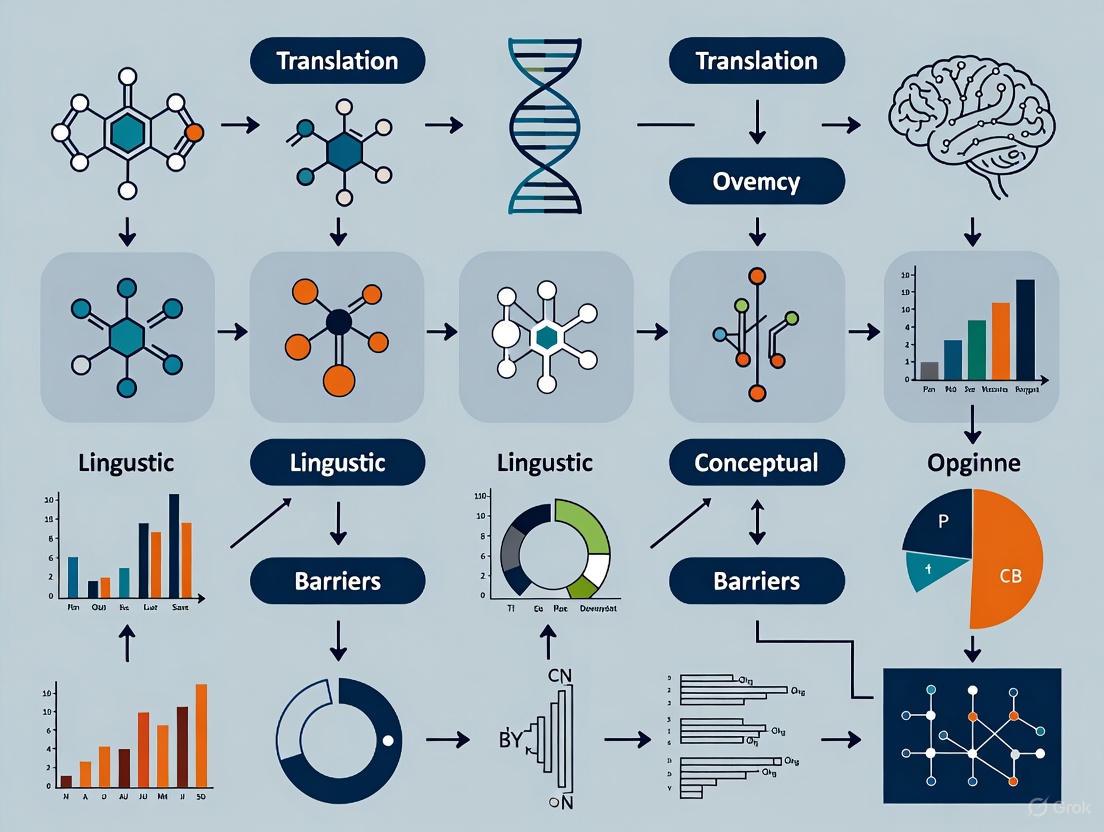
This article provides a comprehensive framework for researchers, scientists, and drug development professionals to navigate the complex challenges of translating bioethics across languages and cultures.
Bridging the Gap: Strategies for Overcoming Linguistic and Conceptual Barriers in Bioethics Translation for Biomedical Research
Abstract
This article provides a comprehensive framework for researchers, scientists, and drug development professionals to navigate the complex challenges of translating bioethics across languages and cultures. It explores the foundational principles of translational bioethics, outlines rigorous methodological approaches for cross-language research and documentation, presents solutions for common ethical and practical dilemmas, and introduces robust validation techniques. By synthesizing current best practices and emerging trends, this guide aims to enhance the ethical rigor, reliability, and global applicability of biomedical research involving diverse linguistic populations.
Defining Translational Bioethics: From Theoretical Principles to Practical Imperatives
Core Concepts of Translational Bioethics
Translational Bioethics (TB) is an emerging field that aims to bridge the gap between theoretical ethical principles and their practical application in real-world healthcare and biomedical research [1]. In essence, it is concerned with the "translation" of ethical knowledge into tangible actions, interventions, and policies that improve patient care and address societal needs [1] [2].
The core mission of TB is to overcome the "theory-practice gap," a well-documented problem where academic bioethical scholarship fails to adequately inform and transform contemporary policy and clinical practice [1] [3]. This field moves beyond purely theoretical discourse to focus on implementing and evaluating ethical interventions within complex healthcare environments [1] [4].
The following diagram illustrates the continuous, multi-phase process of translation in bioethics, from fundamental research to societal impact, and highlights the key activities and challenges at each stage.
Defining Attributes of Translational Bioethics
A systematic concept analysis of Translational Bioethics has identified four primary defining attributes that distinguish it from traditional bioethical inquiry [1].
Table 1: The Four Defining Attributes of Translational Bioethics
| Attribute | Core Function | Practical Application |
|---|---|---|
| Bridging the Theory-Practice Gap [1] | Makes ethical principles actionable in real-world settings. | Developing practical interventions and supporting healthcare providers in adopting bioethical principles. |
| Ethical Evaluation & Decision-Making [1] | Contextual analysis of real-world bioethical issues. | Informing institutional policies and guidelines for context-based evaluation. |
| Interdisciplinary Collaboration [1] | Fosters cooperation between diverse fields (ethics, law, medicine, social sciences). | Nurses collaborating with ethics committees and legal experts on complex cases. |
| Social Responsibility & Societal Impact [1] | Ensures ethical integration into practice yields positive societal outcomes. | Considering the broad societal consequences of emerging scientific advancements. |
Troubleshooting Common Translational Barriers
Linguistic and Conceptual Translation Barriers
A significant challenge in TB is ensuring that ethical concepts are accurately communicated across different languages and cultural contexts. Language barriers can exclude populations from research and care, leading to inequitable outcomes [5] [6].
Table 2: Linguistic and Conceptual Barriers in Translational Bioethics
| Barrier Type | Impact on Research & Care | Evidence/Source |
|---|---|---|
| Exclusion from Clinical Research | Participants with Limited English Proficiency (LEP) are often excluded, reducing data generalizability. | 68.3% of studies at a Canadian pediatric facility excluded based on language [5]. |
| Insufficient Translation Resources | Lack of funding and institutional support for interpretation/translation services. | Only 25.3% of researchers had access to free interpretation services [7]. |
| Misdiagnosis & Patient Safety Risks | Miscommunication during history-taking or description of symptoms. | Language barriers lead to higher risk of medical errors and serious events [8]. |
| Reduced Trust & Satisfaction | Patients feel ignored or misunderstood, hindering patient-provider relationships. | Barriers hinder development of trust and lead to frustration for both patients and staff [8]. |
Frequently Asked Questions (FAQs)
Q1: Our research team recognizes the importance of including non-English speakers, but we lack the budget for professional translation services. What are some validated, lower-cost strategies we can implement?
A: A multi-pronged approach can help mitigate cost barriers:
- Seek Institutional Support: Advocate for your institution to provide centralized language services, as only 25.3% of researchers currently have such access [7].
- Leverage Digital Tools: Explore specialized digital translation platforms designed for healthcare contexts. These tools can facilitate communication, though their accuracy must be verified [8] [9].
- Community Partnerships: Collaborate with local community organizations that may provide access to interpreters or assist with culturally adapting consent forms and study materials [5].
- Grant Funding: Explicitly include costs for translation and interpretation services in your research grant applications, framing them as essential for equitable and generalizable research [5].
Q2: We are trying to use a digital translation app in our clinic, but the translations for medical terms seem inaccurate. How can we assess the quality and reliability of these tools?
A: Ensuring translation accuracy is critical for patient safety. Your troubleshooting protocol should include:
- Pre-Use Validation: Test the app with standardized medical scenarios and back-translate the output with a professional interpreter to check for conceptual accuracy, not just literal translation [9].
- Check for Specialization: Use apps developed specifically for medical contexts, as general-purpose translators (e.g., Google Translate) can produce significant errors, especially for low-resource languages [9].
- Human Oversight: Do not rely solely on automated tools for critical communications like diagnosis or informed consent. Use them as an aid, with a plan to escalate to a professional interpreter for complex discussions [8] [9].
- User Training: Train staff on the app's limitations and appropriate use-cases to prevent over-reliance [9].
Q3: What does "interdisciplinary collaboration" mean in practice for a translational bioethics project, and who should be involved?
A: In practice, this means moving beyond a single-discipline view. Your collaborative team should include:
- Core Disciplines: Social sciences, ethics, law, and public health to address the broad societal implications of your work [1] [2].
- Stakeholders: Patients, community representatives, and policymakers to ensure the ethical frameworks developed are relevant and practical [1].
- Implementation Experts: Include healthcare professionals (doctors, nurses) and hospital administrators who understand the practical constraints and workflows of the clinical environment [1]. The hallmark of TB is that emerging ethical issues are often too complex for any single discipline to address alone [1].
Table 3: Research Reagent Solutions for Translational Bioethics
| Tool / Resource | Primary Function | Considerations for Use |
|---|---|---|
| Professional Interpreter Services | Ensure accurate, nuanced communication with patients/participants with LEP. | Preferred over ad-hoc interpreters (e.g., family members). Plan for availability and cost [5] [6]. |
| Digital Translation Platforms (e.g., Translatly) | Provide on-demand video translation using medically-trained translators. | Addresses ad-hoc needs; challenges include translator availability and ensuring medical terminology expertise [8]. |
| Cultural Mediation Frameworks | Bridge cultural, not just linguistic, gaps in understanding health information. | Goes beyond literal translation to address beliefs, norms, and trust [6]. |
| Validated Translated Instruments | Use research surveys and consent forms that have undergone rigorous translation and cultural adaptation. | Essential for data validity and ethical recruitment in multi-lingual studies [5]. |
| AI-Powered Translation Tools | Explore emerging AI tools for potential real-time translation support. | An emerging area; requires rigorous validation for clinical and research accuracy [10]. |
Technical Support Center: Troubleshooting Guides and FAQs
This technical support center is designed for researchers, scientists, and drug development professionals working to overcome linguistic and conceptual barriers in bioethics translation research. It provides practical solutions to common, high-stakes problems that threaten both patient safety and research integrity.
Frequently Asked Questions (FAQs)
FAQ 1: What is the quantified risk of miscommunication to patient safety? Evidence from a systematic review shows that poor communication is a significant contributor to patient safety incidents. It was found to be the sole cause in a median of 13.2% of incidents and a contributing factor in a median of 24.0% of incidents [11]. Breakdowns occur between clinical staff and between clinicians and patients, leading to errors in medication, diagnosis, and treatment [12].
FAQ 2: How do language barriers specifically impact clinical care and how can they be resolved? Patients with Limited English Proficiency (LEP) are at higher risk of misdiagnosis, inappropriate treatment, and serious medical events due to communication failures [8]. While federal regulations require language access, there is a critical shortage of certified medical interpreters [13]. Solutions include using professional interpreters, which improves care quality and reduces errors, and piloting digital platforms like Translatly that connect clinicians with medically knowledgeable translators via video telephony [8] [14].
FAQ 3: What are "honest yet unacceptable research practices" and how do they threaten research integrity? These are unintentional poor practices distinct from deliberate fraud (fabrication, falsification, plagiarism). They include weak study design, failure to report negative results, overhyping findings, and salami-slicing papers [15]. These practices are 6 to 25 times more prevalent than deliberate misconduct, generating a large volume of unreliable evidence each year that can mislead clinical practice and erode public trust in science [15] [16].
FAQ 4: What is the core function of Translational Bioethics (TB) in addressing conceptual barriers? Translational Bioethics aims to bridge the gap between ethical theory and real-world practice [1]. Its defining attributes are:
- Bridging the theory-practice gap.
- Contextual ethical evaluation and decision-making.
- Interdisciplinary collaboration.
- A focus on social responsibility and societal impact [1]. This framework helps translate abstract ethical principles into actionable policies and clinical guidelines.
FAQ 5: What ethical issues arise from using informal interpreters (e.g., family or bilingual staff)? While sometimes preferred by patients for comfort, using informal interpreters poses significant ethical risks related to patient autonomy and justice [13]. Family members may distort information, omit details, or fail to understand medical terminology, preventing the patient from giving fully informed consent. Furthermore, it unjustly places the burden of interpretation on patients and their families [13] [14].
Data Presentation: Quantitative Impact of Poor Communication
The tables below summarize key quantitative findings on the impact of communication failures, derived from recent systematic reviews and meta-analyses [12] [11].
| Category of Incident | Median Contribution of Poor Communication (IQR*) |
|---|---|
| Overall (Contributing Factor) | 24.0% (IQR, 14.7% to 42.5%) |
| Adverse Events | 40.5% (IQR, 14.3% to 66.4%) |
| Medical Errors | 37.3% (IQR, 2.6% to 52.9%) |
| Near Misses | 25.7% (IQR, 13.0% to 45.2%) |
| Medication Errors | 13.3% (IQR, 1.9% to 44.1%) |
| IQR: Interquartile Range |
Table 2: Breakdown by Communication Type
| Parties Involved | Role of Poor Communication | Median Percentage of Incidents |
|---|---|---|
| All Clinical Staff | Contributing Factor | 22.4% |
| All Clinical Staff | Sole Cause | 19.4% |
| Clinicians & Patients | Contributing Factor | 34.0% |
Experimental Protocols & Methodologies
Protocol 1: Piloting a Digital Translation Platform in a Clinical Setting
This protocol is based on a formative pilot study assessing the Translatly platform [8].
- 1. Objective: To assess the feasibility of a digital on-demand video telephony platform for overcoming language barriers in routine clinical practice.
- 2. Methods:
- Study Design: Mixed-methods approach combining qualitative ethnographic interviews with healthcare professionals and an observational pilot study.
- Platform Development: A mobile app (Android/iOS) was developed with a Java-based backend. It features secure data exchange, a MySQL database, and Firebase integration for push notifications.
- Translator Recruitment: 170 volunteer translators (90% medical students) were recruited through a clinical elective course, providing them with community service certification and GDPR compliance training.
- Pilot Execution: The platform was deployed for two months at a German university hospital. Use of the platform was monitored and recorded without manipulating variables.
- 3. Key Metrics:
- Request volume for translation services.
- Successful completion rate of requests.
- Translator availability and response time.
- User feedback from clinicians.
- 4. Results:
- 39 translation requests were recorded.
- 16 requests (41%) were successfully completed, covering 6 languages.
- The primary challenge was translator availability, with 23 requests (59%) going unanswered.
Workflow and Relationship Visualizations
Pathway from Miscommunication to Harm
Framework for Implementing Translation Solutions
The Scientist's Toolkit: Research Reagent Solutions
Table of Essential Materials for Bioethics Translation Research
| Item / Solution | Function / Explanation |
|---|---|
| Professional Medical Interpreter | The gold-standard solution for overcoming language barriers. Trained in medical terminology and cultural context, they ensure accurate information exchange and protect patient autonomy [13] [14]. |
| Digital eHealth Platform (e.g., Translatly) | A scalable, on-demand video telephony platform that connects clinicians with a network of qualified translators (e.g., medical students). Mitigates interpreter shortages and provides flexible access [8]. |
| Translational Bioethics (TB) Framework | A conceptual "reagent" for addressing conceptual barriers. It provides a structured approach to moving ethical theory into practice through interdisciplinary collaboration and context-sensitive evaluation [1]. |
| Clinical Communication & Collaboration (CC&C) Platform | HIPAA-compliant text messaging systems integrated with EHRs. These tools improve communication between care team members, reducing errors during handoffs and improving patient safety [17]. |
| Research Integrity Guidelines (e.g., COPE) | Protocols and guidelines for maintaining research honesty and accuracy. Essential for combating "honest yet unacceptable research practices" and ensuring the trustworthiness of translated research [15] [16]. |
Troubleshooting Guide: Frequently Asked Questions
Language Barrier Challenges
Q1: Our research team recognizes the importance of including participants with Limited English Proficiency (LEP) but we consistently exclude them due to practical constraints. What are the most significant barriers and how can we overcome them?
A: The primary barriers are resource limitations and systemic institutional challenges. Recent national survey data reveals that 72.6% of researchers acknowledge excluding participants with LEP at least some of the time, despite 91.5% recognizing the importance of their inclusion [7]. The most critical barriers include:
- Funding Gaps: Only 25.3% of researchers have access to free interpretation services through their institutions, and merely 16.4% have access to free translation services [7]
- Time Constraints: 48.6% of researchers identify time as a major barrier alongside costs [7]
- Unclear Best Practices: Researchers express uncertainty about quality standards and methodological approaches for inclusive research design [5]
Implementation Strategy: Develop a comprehensive institutional approach including dedicated budget lines for language services, cultural competence training, and community partnerships to support sustainable inclusion efforts [5].
Q2: What technological tools show promise for overcoming language barriers in clinical and research settings?
A: Technological solutions fall into two main categories with varying effectiveness:
Table: Technological Tools for Language Barriers
| Tool Category | Examples | Strengths | Limitations |
|---|---|---|---|
| Fixed-Phrase Translation Apps | Custom medical translation apps [9] | High usability scores; effective for symptom communication; 76% users find them easy to use [9] | Limited to pre-translated content; lack flexibility for complex conversations |
| Machine Translation Tools | Google Translate, ChatGPT [9] | Widely accessible; supports numerous languages; basic meaning conveyed in 82% of discharge cases [9] | Accuracy varies by language; significant errors in medical terminology; problematic for Haitian Creole, Arabic, Persian [9] |
| Digital Interpretation Platforms | Translatly [8] | Real-time video interpretation; uses medically knowledgeable translators (e.g., medical students) [8] | Translator availability challenges (59% requests went unanswered in pilot) [8] |
Q3: How accurate are current machine translation tools for specialized medical content?
A: Accuracy varies significantly by language and content complexity. Recent evaluations show:
- Discharge Instructions: Google Translate correctly conveyed basic meaning in 82% of cases, though accuracy varied substantially by language [9]
- Mental Health Content: Significant challenges with medical terminology and high error rates particularly for Arabic, Persian, and Romanian [9]
- Pediatric Discharge: Both Google Translate and ChatGPT performed well for Spanish and Portuguese but had significant issues with Haitian Creole [9]
Conceptual Barrier Challenges
Q4: What constitutes a "conceptual barrier" in bioethics translation research, and how does it differ from pure language translation issues?
A: Conceptual barriers arise when terms carry fundamentally different meanings, assumptions, or values across disciplinary or cultural contexts. Unlike linguistic barriers (which involve direct translation of words), conceptual barriers require understanding deeper framework differences [18].
Examples of conceptual barriers include:
- "Euthanasia": Greek roots meaning "good death" have evolved in contemporary bioethics to include qualifiers like "passive, active, voluntary, non-voluntary" creating distinct conceptual categories [18]
- "Pain": The statement "I am in pain" simultaneously represents a biological state, mental representation, and phenomenological experience, creating conceptual challenges across medical, philosophical, and patient perspectives [18]
- Medical Rounds: The conceptual evolution from "seeing patients at bedside" to "academic exercises in conference rooms" reflects fundamental shifts in medical education paradigms [18]
Q5: How can researchers identify and address conceptual barriers in cross-disciplinary bioethics research?
A: Implement a structured conceptual mapping process:
- Terminology Archaeology: Investigate the historical evolution and etymology of key terms across disciplinary boundaries [18]
- Framework Analysis: Explicitly identify the philosophical, cultural, and disciplinary assumptions underlying key concepts [18]
- Contextual Scaffolding: Create structured supports that help participants navigate conceptual differences [19]
Experimental Protocols & Methodologies
Protocol 1: Assessing Language Barrier Interventions
Objective: Systematically evaluate the effectiveness of technological tools in overcoming language barriers in healthcare settings [8] [9].
Methodology:
- Design: Mixed-methods approach combining quantitative metrics with qualitative ethnographic interviews [8]
- Participant Recruitment: Convenience sampling of healthcare professionals, with targeted inclusion of diverse language populations [8]
- Tool Implementation: Pilot technological tools in real clinical settings with observational monitoring [8]
- Data Collection:
Analysis: Thematic analysis of interview transcripts combined with descriptive statistics of usability metrics [8] [9].
Protocol 2: Mapping Conceptual Barriers in Bioethics
Objective: Identify and analyze conceptual barriers in bioethics terminology across disciplinary boundaries [18].
Methodology:
- Discourse Analysis: Systematic examination of key bioethics terms across medical, philosophical, and clinical literature [18]
- Structured Interviews: Semi-structured interviews with stakeholders from different disciplinary backgrounds [18]
- Conceptual Mapping: Create visual representations of how terms operate within different disciplinary frameworks [18]
Analysis: Hermeneutic analysis to identify conceptual tensions and framework assumptions underlying terminology usage [18].
Research Reagent Solutions
Table: Essential Resources for Language and Conceptual Barrier Research
| Research Tool | Function/Application | Key Features |
|---|---|---|
| Digital Translation Platforms (e.g., Translatly) [8] | Real-time video interpretation in clinical settings | Secure data exchange; Firebase integration; medically knowledgeable translators |
| Fixed-Phrase Translation Apps [9] | Standardized medical communication for specific scenarios | Pre-translated symptom lists; multi-language support; high usability for structured interactions |
| Machine Translation Systems (e.g., Google Translate, ChatGPT) [9] | Baseline translation for common languages | Wide language coverage; continuous improvement; variable medical accuracy |
| Qualitative Analysis Software (e.g., NVivo, MAXQDA) | Thematic analysis of interview transcripts on conceptual barriers | Support for complex coding; framework analysis; interdisciplinary team collaboration |
| Scaffolded Autonomy Frameworks [19] | Support for patient decision-making across language and conceptual barriers | Value clarification exercises; iterative dialogue support; cultural context integration |
Experimental Workflows
Barrier Identification and Resolution Workflow
Barrier-Solution Mapping Framework
The Role of Interdisciplinary Collaboration in Ethical Translation
Translational bioethics is an emerging field that analyzes the societal implications of novel scientific methods and discoveries with the goal of improving individual and public health [20]. Unlike traditional research ethics that focus primarily on participant recruitment and informed consent, translational bioethics addresses broader implications for public health, health equity, and human flourishing [20]. This field operates at the intersection of multiple disciplines, requiring collaboration among bioethicists, laboratory scientists, clinicians, biostatisticians, and language specialists to overcome significant linguistic and conceptual barriers in biomedical research.
The ethical translation of biomedical research faces three primary challenges: complex terminology requiring precise equivalence across languages, cultural adaptation of medical concepts that may lack direct equivalents, and strict regulatory requirements from organizations like the FDA and EMA [21]. Without proper interdisciplinary collaboration, these challenges can lead to serious consequences including patient safety risks, regulatory non-compliance, and invalid clinical trial results [21]. This article establishes a technical support framework to help researchers navigate these complex interdisciplinary translation challenges effectively.
Essential Components of an Ethical Translation Support System
Core Interdisciplinary Team Structure
Successful ethical translation requires a carefully structured interdisciplinary team. The core collaboration should integrate expertise across the following domains:
- Medical Translators with subject-matter expertise in biomedical terminology and concepts [21]
- Cultural Experts and in-country reviewers to ensure appropriate cultural adaptation [22]
- Bioethics Specialists trained in analyzing societal implications of translational research [20]
- Clinical Researchers who understand the practical application of medical concepts [23]
- Regulatory Affairs Experts familiar with FDA, EMA, and other regulatory requirements [21]
- Biostatisticians who can apply statistical methods to health data analysis [24]
Research indicates that among clinicians engaged in translational research, 91.2% (733 of 804 participants) express willingness to collaborate across disciplines, with preferences for specific partners varying across different research stages [23]. This high willingness rate demonstrates the recognized importance of interdisciplinary approaches in translational medicine.
Quantitative Analysis of Collaborative Relationships
Table 1: Factors Influencing Collaborative Willingness in Translational Medical Research
| Influencing Factor | Impact Level | Statistical Significance | Notes |
|---|---|---|---|
| Current Research Type | High | p < 0.05 | Laboratory vs. clinical research |
| Role in Current Research | High | p < 0.05 | Principal Investigator vs. Participant |
| Research Burden Level | Moderate-High | p < 0.05 | Based on five-point Likert scale |
| Preferred Partnership Type | High | p < 0.05 | Institutional vs. individual collaboration |
| Relationship Preference | Moderate | p < 0.05 | Independent vs. interdependent relationships |
Table 2: Preferred Collaboration Partners at Different Research Stages
| Research Stage | Most Preferred Institutional Partner | Most Preferred Individual Partner | Percentage Preference |
|---|---|---|---|
| Basic Research | Research Institutes | Laboratory Scientists | 63.8% |
| Clinical Development | University Medical Centers | Clinicians | 57.5% |
| Implementation | Hospital Systems | Public Health Experts | 42.3% |
The data reveals that communication methods significantly impact collaboration effectiveness, with 63.8% of researchers reporting frequent use of instant messaging platforms like WeChat for interdisciplinary communication [23]. Preferred partners vary substantially across research stages, indicating the need for flexible collaboration frameworks.
Troubleshooting Guides: Resolving Common Interdisciplinary Translation Barriers
Conceptual and Linguistic Translation Challenges
Q1: How can we ensure accurate translation of complex medical terminology that has nuanced meanings across languages?
A: Implement a multi-step terminology validation process:
- Develop comprehensive bilingual glossaries managed through terminology management tools [21]
- Engage subject-matter experts for terminology verification in both source and target languages [21]
- Utilize back-translation techniques where a second translator converts the translated text back to the source language to identify conceptual drift [22]
- Establish a continuous feedback mechanism with clinical end-users to identify and correct terminology misunderstandings [21]
Q2: What methodologies address cultural adaptation challenges when medical concepts lack direct equivalents?
A: Deploy structured cultural adaptation protocols:
- Conduct preliminary cultural assessments with target population representatives [22]
- Employ transcreation techniques for concepts without direct equivalents, focusing on meaning preservation rather than literal translation [22]
- Implement iterative cultural validation cycles with in-country reviewers and cultural experts [22] [21]
- Develop culturally-specific examples and analogies that resonate with the target population's healthcare beliefs and practices [13]
Q3: How can research teams effectively navigate diverse regulatory requirements across international jurisdictions?
A: Establish a proactive regulatory intelligence framework:
- Maintain updated regulatory requirement databases for all target markets [21]
- Implement ISO 17100 quality management systems specifically adapted for biomedical translation [21]
- Conduct pre-submission regulatory consultations with relevant authorities in target countries [21]
- Develop standardized documentation templates that incorporate all necessary regulatory elements while allowing country-specific adaptations [21]
Ethical and Collaborative Challenges
Q4: What strategies prevent breaches of patient confidentiality in translated research documents?
A: Implement rigorous data protection protocols:
- Utilize secure file transfer methods with end-to-end encryption for all translated documents [22]
- Establish comprehensive confidentiality agreements with all translation team members, including penalties for violations [22]
- Apply data anonymization techniques before documents reach translation teams when possible [22]
- Implement access controls with detailed audit trails tracking who accessed which documents and when [21]
Q5: How can teams resolve interdisciplinary conflicts arising from different professional perspectives?
A: Adopt structured conflict resolution frameworks:
- Establish clear collaboration charters defining roles, responsibilities, and decision-making processes upfront [23]
- Implement regular interdisciplinary alignment meetings with facilitated discussions of professional perspective differences [23] [24]
- Develop mutual education sessions where each discipline explains their methodology and terminology to others [24]
- Create collaborative problem-solving workflows that integrate diverse disciplinary approaches rather than privileging one perspective [24]
Q6: What methods ensure informed consent translations are both accurate and comprehensible to diverse populations?
A: Implement a multi-layered consent verification process:
- Conduct readability testing with target population representatives using validated comprehension assessment tools [13]
- Develop tiered consent materials with simplified summaries alongside detailed technical documents [13]
- Utilize teach-back methodologies where potential participants explain the research in their own words to verify understanding [13]
- Incorporate visual aids and culturally appropriate examples to enhance comprehension across literacy levels [22]
Experimental Protocols for Validating Translation Quality
Protocol 1: Conceptual Equivalence Validation
Objective: To verify that translated materials preserve the original conceptual meaning while being culturally appropriate.
Methodology:
- Forward Translation: Two independent translators produce initial target language versions
- Reconciliation: A third translator reconciles the two versions into a single draft
- Back-Translation: A blinded translator converts the reconciled version back to the source language
- Conceptual Comparison: A panel of content experts compares the back-translated version with the original for conceptual equivalence
- Cultural Review: In-country reviewers assess cultural appropriateness and comprehension
- Cognitive Testing: Representative end-users complete think-aloud protocols while reviewing materials
Quality Metrics:
- Conceptual equivalence score ≥90% as measured by expert panel
- Cultural appropriateness rating ≥4/5 from in-country reviewers
- Comprehension accuracy ≥85% as measured by cognitive testing
Protocol 2: Regulatory Compliance Verification
Objective: To ensure translated documents meet all target jurisdiction regulatory requirements.
Methodology:
- Regulatory Mapping: Identify all applicable regulatory requirements for each target jurisdiction
- Checklist Development: Create detailed compliance checklists for each document type
- Independent Verification: Two regulatory affairs specialists independently verify compliance using checklists
- Discrepancy Resolution: A third expert resolves any discrepancies between verifiers
- Documentation Audit: Complete audit trail documenting compliance verification process
- Continuous Monitoring: Establish process for updating materials in response to regulatory changes
Validation Parameters:
- 100% checklist completion for all applicable regulatory requirements
- Zero critical findings in regulatory compliance audit
- Successful pre-submission regulatory consultation outcomes
Visualization of Interdisciplinary Collaboration Workflows
Ethical Translation Quality Assurance Workflow
Diagram 1: Ethical Translation Quality Assurance Workflow
Interdisciplinary Collaboration Framework
Diagram 2: Interdisciplinary Collaboration Framework for Ethical Translation
Table 3: Essential Research Reagents for Ethical Translation Validation
| Reagent Category | Specific Tools & Methods | Primary Function | Quality Indicators |
|---|---|---|---|
| Terminology Management | Bilingual Glossary Systems, Terminology Management Software, SNOMED CT | Ensure consistent use of medically accurate terms across languages | 100% term consistency, <2% untranslated concepts |
| Cultural Validation | Cultural Assessment Protocols, Cognitive Interview Guides, Cross-Cultural Equivalence Scales | Verify cultural appropriateness and comprehension | ≥4/5 cultural appropriateness rating, ≥85% comprehension accuracy |
| Regulatory Compliance | FDA/EMA Requirement Checklists, ISO 17100 Quality Systems, Electronic Submission Tools | Ensure adherence to target market regulations | 100% checklist completion, zero critical audit findings |
| Quality Assurance | Back-Translation Protocols, Inter-rater Reliability Measures, Conceptual Equivalence Scales | Validate translation accuracy and conceptual integrity | ≥90% conceptual equivalence, ≥0.8 inter-rater reliability |
| Collaboration Platforms | Secure Document Management Systems, Encrypted Communication Tools, Version Control Systems | Facilitate secure interdisciplinary collaboration | Real-time collaboration capability, complete audit trail maintenance |
Interdisciplinary collaboration is not merely beneficial but essential for ethical translation in biomedical research. The integrated framework presented—combining structured teamwork, rigorous validation protocols, and continuous quality assurance—provides a comprehensive approach to overcoming linguistic and conceptual barriers in bioethics translation. By implementing these troubleshooting guides, experimental protocols, and collaboration workflows, research teams can significantly enhance both the ethical integrity and practical effectiveness of their translational efforts.
The visualization frameworks and reagent solutions offer practical tools for immediate implementation, while the quantitative data provides evidence-based guidance for resource allocation and team structuring. As translational medicine continues to globalize, these interdisciplinary approaches will become increasingly critical for ensuring that biomedical innovations benefit diverse populations equitably and ethically.
Regulatory and Ethical Frameworks Governing Bioethics Translation
FAQs: Navigating Common Challenges
1. What is Translational Bioethics (TB), and why is it important for researchers? Translational Bioethics (TB) is an approach that aims to bridge the gap between ethical theories and real-world practice in biomedical research and healthcare [1]. It involves applying ethical principles to research practice and the consultation room to achieve socially responsible and impactful outcomes [1]. For researchers, this is crucial because it helps transform abstract ethical guidelines into practical, context-sensitive decisions, ensuring that research is conducted responsibly and addresses real-world challenges [1].
2. What are the most common linguistic barriers when translating bioethics concepts? The most common barriers arise from a lack of conceptual equivalence, where direct translations for terms do not exist in the target language [25]. This is especially problematic for:
- Research-specific terms (e.g., randomization, confidentiality, consent) [25].
- Medical and pregnancy-specific terminology [25].
- Overly complex medicolegal language common in consent forms drafted in high-income countries [25]. These barriers can lead to participants not fully understanding key concepts like voluntariness or the difference between research and clinical care [25].
3. How can we ensure translated recruitment materials are truly understood by participants? Moving beyond simple forward-and-back translation is essential. Effective strategies include [25]:
- Iterative and Interactive Design: Create materials through an ongoing process that involves local teams and community stakeholders from the start.
- Simplifying Language: Avoid complex, institutional templates in favor of clear, accessible language.
- Community Consultation: Use focus groups and engage Community Advisory Boards (CABs) to test and refine materials, ensuring the format and content are appropriate.
4. What ethical risks are associated with poor translation of bioethics materials? Poor translation can undermine the very foundation of ethical research by [25]:
- Impairing Autonomy: Participants cannot give valid informed consent if they do not comprehend the information provided.
- Causing Harm: Misunderstanding can lead to physical harm (e.g., from not understanding side effects) or dignitary harm (e.g., from feeling disrespected or violated).
- Reducing Equity: It perpetuates health disparities, as individuals who do not speak the dominant research language are disproportionately affected.
5. Are informal interpreters (e.g., family members) an acceptable solution when professional services are unavailable? While professional interpreters are the gold standard and are required by federal regulations in many contexts, the reality is more nuanced [14]. Some patients prefer trusted informal interpreters due to familiarity and a lack of confidence in professional services, especially in high-stakes decision-making [14]. A growing consensus suggests that a workable ethical framework should incorporate informal interpreters to improve equity and access, while acknowledging the need for safeguards against errors and breaches of confidentiality [14].
Troubleshooting Guides
Issue: Low Participant Comprehension of Translated Consent Forms
Problem: After translating and using participant information leaflets and consent forms, follow-up assessments reveal that participants do not understand key concepts like randomization, confidentiality, or the right to withdraw.
Solution: Adopt a participant-centered design and translation process. The standard forward-and-back translation of complex forms is often insufficient [25].
Step-by-Step Protocol:
- Initial Localization: Before translation, work with local researchers to adapt the English source document. Simplify complex legalistic language and remove unnecessary information [25].
- Collaborative Translation: Conduct the initial translation with a team that includes a professional translator, a local researcher, and a community representative. Focus on conveying meaning rather than literal translation [25].
- Community Feedback Loop:
- Convene a focus group with members of the target population (e.g., from a Community Advisory Board) [25].
- Use "talk-back" methods where participants explain the concepts in their own words.
- Identify terms that remain unclear and refine the translation iteratively.
- Validation: Test comprehension using a standardized questionnaire before enrolling actual participants to identify any lingering gaps [25].
Problem: A study is being conducted in a region with multiple languages and dialects, but resources for professional translation and interpreter services are scarce.
Solution: Implement a tiered approach to language services that strategically allocates limited resources while prioritizing ethical communication.
Step-by-Step Protocol:
- Language Mapping: Identify all languages and dialects spoken in the research area. Use resources like Ethnologue to understand the official and functional status of these languages [26] [27].
- Risk Assessment: Categorize research activities by their risk level.
- High-Risk: Procedures involving direct intervention, complex consent, or high-stakes decision-making. Mandate the use of certified professional interpreters for these, either in person or via verified remote services [14].
- Low-Risk: Activities like initial community engagement or non-invasive surveys. In these cases, and only if professional interpreters are truly unavailable, consider using trained bilingual research staff or trusted community intermediaries [14].
- Training and Support: Provide specific training to bilingual staff and informal interpreters on research ethics, key terminology, and the importance of accurate, neutral translation. Create a glossary of agreed-upon translations for critical study terms [25].
Data Presentation
Table 1: Common Linguistic Barriers in Bioethics Translation
| Barrier Category | Specific Challenge | Potential Impact on Research Ethics |
|---|---|---|
| Conceptual Equivalence | No direct translation for terms like "randomization" or "placebo" [25]. | Undermines informed consent; participants cannot understand core research methodology. |
| Linguistic Complexity | Use of long, complex sentences and formal, legalistic language from source documents [25]. | Reduces overall comprehension; can intimidate participants and discourage questions. |
| Socio-Cultural Context | Concepts like "individual autonomy" or "privacy" may not align with local community values and structures [28]. | Can lead to cultural misunderstanding and reduce the relevance and acceptability of the research. |
| Literacy and Modality | Assuming standard written translation is effective for populations with high rates of illiteracy or oral traditions [25]. | Excludes segments of the population; fails to convey information in the most accessible format. |
Table 2: Status and Speaker Population of World Languages
This data highlights the diversity of linguistic contexts in which global health research may occur, underscoring the challenge of creating one-size-fits-all materials [26] [29] [27].
| Language Status (EGIDS Level) | Description | Number of Languages | Approximate Speaker Population |
|---|---|---|---|
| Institutional (Levels 0-4) | Used in education, work, mass media, and government at national/international level [26]. | 490 | 6.1 billion |
| Stable (Level 6a) | The language is used for face-to-face communication by all generations and is sustainable [27]. | 3,481 | Data Not Provided |
| Endangered (Levels 6b-9) | The natural process of intergenerational transmission is weakening or broken [26]. | 3,193 | 88.1 million |
| Extinct (Level 10) | The language is no longer used and no one retains a sense of ethnic identity associated with it [27]. | 454 | 0 |
Experimental Protocols
Protocol 1: Qualitative Methodology for Identifying Translation Challenges
This protocol is adapted from studies on translating maternal health research materials in Zambia [25].
Objective: To identify key linguistic and conceptual barriers in translating bioethics and research materials for a specific population.
Methodology:
- Phase 1: Facilitated Workshop
- Participants: (n=11) Include local researchers, research assistants, and professional translators [25].
- Materials: A cross-sectional sample of existing recruitment materials (e.g., 13 participant information leaflets) [25].
- Activity: Use summative content analysis to identify the most common and difficult-to-translate research and medical terms. Conduct real-time translation exercises (e.g., English to local language and back) to pinpoint conceptual gaps [25].
- Phase 2: In-Depth Interviews
- Participants: (n=8) A convenience and snowball sample of key informants, including research coordinators, language teachers, and community engagement officers [25].
- Activity: Use a semi-structured interview guide to explore challenges in-depth. Topics should include barriers related to document design, language, local context, and communication styles [25].
- Analysis: Use a framework analysis approach to code and theme the interview transcripts [25].
- Phase 3: Focus Group Discussions
- Participants: (n=20) Members of Community Advisory Boards (CABs) or individuals representative of the potential participant pool [25].
- Activity: Present findings from Phases 1 and 2. Use the focus groups to interrogate these findings, confirm their relevance, and co-develop potential solutions for clearer communication [25].
- Analysis: Use a simple inductive thematic analysis approach [25].
Protocol 2: Iterative Framework for Translating Recruitment Materials
Objective: To develop a translated participant information leaflet that is both accurate and easily comprehensible.
Methodology:
- Preparation: Simplify the source English document by shortening sentences, defining technical jargon, and using active voice [25].
- Forward Translation: Two independent translators produce two initial versions in the target language. At least one translator should be aware of the study's conceptual goals (conceptual translation) [25].
- Synthesis: A third mediator (often a local researcher) reconciles the two forward translations into a single draft.
- Back-Translation: A different translator, blinded to the original document, translates the synthesized draft back into English.
- Expert Committee Review: A committee comprising the translators, a bioethicist, methodologies, and a language coordinator reviews all versions (original, forward, back-translation). They identify and resolve discrepancies to achieve a pre-final version [25].
- Community Pretesting: The pre-final version is tested with a small group from the target population. Comprehension is assessed through questionnaires or interviews, and feedback is incorporated [25].
- Finalization: The expert committee approves the final version based on pretesting results.
Workflow Visualization
The Scientist's Toolkit: Research Reagent Solutions
This table details key methodological "tools" for addressing linguistic and conceptual barriers in bioethics translation research.
| Tool / Resource | Function in Bioethics Translation Research |
|---|---|
| Community Advisory Boards (CABs) | A group of community representatives that provides ongoing consultation and feedback on the cultural appropriateness, language, and acceptability of research materials and processes [25]. |
| Conceptual Analysis Framework | A methodological tool (e.g., Walker and Avant's framework) used to clarify the meaning, defining attributes, and practical applications of abstract bioethics concepts like "Translational Bioethics" before attempting translation [1]. |
| Bilingual Interdisciplinary Team | A core team comprising professional translators, local researchers, and a bioethicist that works collaboratively to bridge disciplinary and linguistic gaps throughout the research lifecycle [1] [25]. |
| Back-Translation Protocol | A quality control step where a translated document is independently translated back into the source language by a blinded translator to identify conceptual errors or omissions [25]. |
| Simplified English Source Document | A version of the original recruitment material where complex, institutional language has been replaced with clear, simple, and concise wording, creating a better foundation for translation [25]. |
| Talk-Back Comprehension Assessment | A qualitative method where potential participants are asked to explain study concepts in their own words after reading translated materials, allowing researchers to assess true understanding [25]. |
Rigorous Methods for Cross-Cultural Bioethics: Protocols for Research and Documentation
Best Practices for Translating Informed Consent and Research Protocols
Technical Support Center: Troubleshooting Guides and FAQs
Q: How can I ensure accurate translation of technical and medical terminology in informed consent forms?
A: Implement a multi-step validation process involving bilingual experts and back-translation. Key steps include:
- Glossary Development: Create a standardized bilingual glossary of technical terms specific to the research domain.
- Back-Translation: Have a second translator independently translate the document back into the source language to identify discrepancies.
- Expert Review: Engage subject-matter experts to verify technical accuracy.
Quantitative Data on Translation Error Rates: A 2023 study analyzed 150 translated consent forms across clinical trials, highlighting common error types and their frequencies.
| Error Type | Frequency (%) | Average Comprehension Score Impact (0-100 scale) |
|---|---|---|
| Terminology Inaccuracy | 42% | -15 points |
| Syntactical Errors | 28% | -10 points |
| Cultural Inappropriateness | 30% | -20 points |
Experimental Protocol for Terminology Validation:
- Objective: Assess the impact of terminology accuracy on participant comprehension.
- Methodology:
- Recruit 200 participants fluent in both source and target languages.
- Randomize into two groups: one receives the original consent form, the other the translated version.
- Administer a 20-item comprehension questionnaire post-reading.
- Use statistical analysis (t-tests) to compare scores between groups.
- Key Findings: Groups with accurately translated terminology showed no significant comprehension difference from the original (p > 0.05).
Q: What strategies effectively address cultural and conceptual barriers in translating research protocols?
A: Utilize cultural adaptation frameworks and iterative testing with target populations. Focus on:
- Cultural Equivalence: Adapt examples, metaphors, and risk descriptions to align with local beliefs.
- Conceptual Mapping: Ensure abstract concepts (e.g., "randomization") are conveyed using culturally familiar analogies.
- Pilot Testing: Conduct small-scale trials to gather feedback and refine translations.
Diagram: Cultural Adaptation Workflow
Title: Cultural Adaptation Process
Q: What are common pitfalls in back-translation, and how can they be mitigated?
A: Common issues include literal translations losing contextual meaning and translator bias. Mitigation strategies:
- Use translators unfamiliar with the original content to reduce bias.
- Employ reconciliation meetings between forward and back-translators to resolve discrepancies.
Experimental Protocol for Back-Translation Validation:
- Objective: Evaluate back-translation efficacy in detecting errors.
- Methodology:
- Introduce controlled errors (e.g., 10 terminology inaccuracies) into a source consent form.
- Perform forward translation followed by back-translation.
- Count detected errors via back-translation versus expert review.
- Results: Back-translation detected 85% of terminology errors but only 60% of cultural issues.
Q: How do I validate the readability and comprehension of translated protocols?
A: Apply readability metrics (e.g., Flesch-Kincaid) and conduct comprehension assessments with the target audience.
Quantitative Data on Readability Scores: A 2024 analysis compared readability scores for 50 translated protocols across three languages.
| Language | Average Flesch-Kincaid Grade Level (Original) | Average Flesch-Kincaid Grade Level (Translated) | Recommended Threshold |
|---|---|---|---|
| Spanish | 8.5 | 9.2 | ≤8.0 |
| Mandarin | N/A (Character-based) | N/A | Use local metrics |
| Arabic | 7.8 | 10.1 | ≤8.0 |
Diagram: Comprehension Testing Workflow
Title: Comprehension Validation Steps
The Scientist's Toolkit: Research Reagent Solutions
| Item | Function |
|---|---|
| Bilingual Terminology Database | Standardizes and stores approved translations of technical terms for consistency. |
| Back-Translation Software | Automates the back-translation process and flags discrepancies for review. |
| Cultural Adaptation Checklist | Guides reviewers in identifying and addressing cultural nuances in protocols. |
| Readability Analysis Tool | Calculates readability scores to ensure translations meet accessibility standards. |
| Informed Consent Template Library | Provides pre-approved templates adaptable for various languages and cultures. |
Core Concepts: Interpreters vs. Translators
What is the fundamental difference between an interpreter and a translator? The key distinction lies in the medium of their work: interpreters handle spoken or signed language in real-time, while translators work with written text [30] [31].
The table below summarizes the core differences:
| Feature | Translator | Interpreter |
|---|---|---|
| Medium | Written word [30] | Spoken or signed word [31] |
| Primary Skill | Excellent writing ability in the target language [30] | Exceptional speaking and listening skills in both languages [32] |
| Timeframe | Works on a static document with time for review and editing [31] | Works in real-time (simultaneous) or near-real-time (consecutive) [30] |
| Direction | Typically works in one direction (into their native language) [30] | Often works bi-directionally (to and from both languages) [30] |
| Delivery | Produces a translated document [31] | Facilitates a live conversation [31] |
Types of Interpreters in Research and Healthcare
Within professional settings, several types of interpreters can be utilized. The choice depends on the context, required accuracy, and formality of the situation.
Diagram: A hierarchy of interpreter service types, highlighting the trade-offs between different resources.
Comparative Analysis of Interpreter Types
The table below details the benefits and limitations of various interpreter types, which is critical for selecting the right resource in bioethics research or clinical settings.
| Interpreter Type | Benefits | Limitations & Risks |
|---|---|---|
| Professional In-Person | Highest quality of care and patient satisfaction [33]. Fosters rapport and trust [34]. Serves as a cultural broker [35]. | May not be feasible for all languages or small agencies [34]. Requires scheduling and can have availability constraints [34]. |
| Professional Remote (Video/Telephone) | Rapid access to a wide variety of languages [34] [35]. Available 24/7 in many cases [34]. Useful for rare languages [35]. | Can be depersonalizing [35]. Potential for technical difficulties (audio quality, connection) [35] [36]. May miss non-verbal cues, especially telephone [35]. |
| Ad Hoc (Bilingual Staff) | Immediately available and convenient [34] [13]. May have some institutional knowledge. | Not a qualified interpreter; makes more errors [34]. Creates role conflict and potential resentment [34]. Risk of coercion and undermines informed consent [13]. |
| Ad Hoc (Family/Friends) | Provides a level of comfort and trust for the patient [14]. Readily available [34]. | High risk of errors: omissions, additions, substitutions [34] [35]. Violates patient confidentiality [34] [35]. Can skew information for emotional/cultural reasons [13]. Use of children is strongly discouraged [34] [35]. |
Frequently Asked Questions (FAQs)
1. Why can't I just use a bilingual colleague or machine translation app for sensitive informed consent discussions? Using ad-hoc interpreters like bilingual colleagues or machine translation apps poses significant ethical and legal risks. Bilingual staff are not trained interpreters and are prone to making clinically significant errors, including omitting, adding, or substituting information [34] [35]. This can invalidate the informed consent process and violate the bioethical principle of autonomy [13]. Machine translation apps are often inaccurate, not compliant with privacy laws like HIPAA, and lack the cultural nuance required for true understanding [35] [36]. Federal regulations require competent language services for entities receiving federal funding [13] [35].
2. What is the evidence that interpreter type actually impacts research or clinical outcomes? Systematic reviews of the literature show that the type of interpreter used has a direct impact on measurable outcomes. Professional interpreters are consistently associated with improved patient satisfaction, better communication, reduced errors, and improved clinical outcomes compared to ad hoc or no interpreters [33]. For example, patients with Limited English Proficiency (LEP) who lack professional interpreters have a higher risk of 30-day readmission and longer hospital stays [35].
3. How do I work effectively with a professional interpreter during a research interview or clinical protocol? Follow this established protocol to ensure accuracy [35]:
- Brief: Before the session, provide context and key terminology to the interpreter.
- Position: Speak directly to the patient/research subject, not to the interpreter.
- Pace: Use short, clear sentences and pause regularly to allow for interpretation.
- Patience: Do not interrupt the interpreter while they are speaking.
- Debrief: After the session, check for clarity and cultural insights with the interpreter.
4. We have a community that prefers using family interpreters. How should we handle this? While patient preference is important, the duty to provide accurate and ethical care is paramount. A best-practice approach is to offer a dual-role solution. The family member can be present to provide emotional support and cultural context, while a professional interpreter ensures the accurate exchange of medical information [14]. This respects patient preference while mitigating the risks of miscommunication.
Research Reagent Solutions: The Language Access Toolkit
Viewing language services as essential "research reagents" ensures the integrity of your data and the ethical treatment of human subjects.
| Tool / Resource | Function & Purpose | Key Considerations for Use |
|---|---|---|
| Certified Medical Interpreter | Facilitates real-time, accurate communication for patient interviews, consent processes, and clinical discussions [35] [31]. | Look for national certification (e.g., CMI). Ensure they are bound by confidentiality and a professional code of ethics [35]. |
| Medical Translator | Accurately translates written documents such as informed consent forms, patient questionnaires, and study protocols [31]. | Requires different skills than interpretation. Ensure the translator is a specialist in medical content and has native fluency in the target language [30] [31]. |
| Video Remote Interpreting (VRI) | Provides on-demand access to professional interpreters for unscheduled or rare language needs [35] [31]. | Ensure secure, HIPAA-compliant platforms. Test audio and video equipment beforehand to avoid technical delays [35]. |
| Cultural Broker | Goes beyond literal translation to explain cultural concepts, health beliefs, and social norms that impact research participation and care [35]. | Often a role filled by an experienced in-person interpreter. Critical for ensuring true understanding and ethical engagement with diverse populations [35]. |
Diagram: A decision workflow for selecting the appropriate language resource based on the criticality of the communication.
Frequently Asked Questions
1. What are the core technological tools for managing consistency in bioethics translation? The core technologies are Translation Memory (TM), Glossaries, and Style Guides. TM is a software tool that stores translated segments for future reuse, ensuring consistency and reducing costs for repetitive content like standard informed consent forms or standard operating procedures. Glossaries capture approved terminology for specific concepts, ensuring that technical terms are translated identically every time. Style Guides define non-terminology preferences, such as formatting, treatment of acronyms, and the required tone, which is crucial for aligning with the formal and sensitive nature of bioethics communication [37].
2. Why are external translation resources often recommended over internal ones for specialized research? External translation agencies typically possess specialized expertise not available internally, including linguists for hundreds of languages and subject-matter experts in fields like cardiology or pharmacology [37]. More importantly, they employ a rigorous quality assurance process that often involves multiple linguists checking each other's work [37]. This multi-step review is critical in bioethics translation, where a single error can impact research integrity or patient understanding. Furthermore, certified translations from external agencies can shift liability to the agency should a problem arise [37].
3. How does "health literacy" influence the translation of materials for research participants? Health literacy—a patient's or participant's ability to understand health information—is a central ethical consideration. Simply providing a translated document does not guarantee comprehension. To ensure understanding, information should be adapted to an appropriate reading level, which is often recommended to be around a KS3 level [37]. For optimal results, the original source materials should also be written at this accessible reading level before translation begins [37].
4. What ethical considerations are unique to translating bioethics research materials? Bioethics translation carries unique ethical imperatives, including strict confidentiality and data protection for sensitive participant information [22]. It requires profound cultural sensitivity to ensure that translations respect diverse beliefs about health, illness, and medical decision-making [22]. Furthermore, translators must maintain absolute accuracy and impartiality, avoiding the introduction of personal bias, especially when dealing with contentious topics [22].
5. A key term is translated inconsistently across different research documents. How can this be resolved? This is a common issue that highlights the need for a centralized terminology management system. The solution is to create or update a project-specific glossary. This glossary should clearly define the term and its approved translation. Once finalized, this glossary must be distributed to all translators and integrated into their CAT (Computer-Assisted Translation) tools. Subsequently, the Translation Memory should be cleaned to ensure the preferred translation is propagated to all future and revised documents [37] [38].
6. Our translated documents are being criticized for their formal tone, which is hindering participant comprehension. What is the solution? This issue can be addressed by developing and implementing a detailed Style Guide. The guide should explicitly define the desired style and tone for different types of documents (e.g., a formal research protocol versus a participant-facing information leaflet). It should mandate the use of plain language principles, specify how to handle complex concepts, and set requirements for sentence length and structure. Using this guide, translators can then adapt the tone to be accessible for the intended audience, such as research participants, without sacrificing accuracy [37].
Research Reagent Solutions: The Technical Toolkit
The following table details the essential digital tools and resources required for implementing a robust bioethics translation framework.
| Tool/Resource | Primary Function | Application in Bioethics Research |
|---|---|---|
| Translation Memory (TM) [37] | Databases that store previously translated text segments ("translation units") for reuse. | Ensures terminological consistency across longitudinal studies, research protocols, and serial participant communications. |
| Terminology Glossary [37] | A centralized, approved list of source terms with their definitive translations and definitions. | Maintains conceptual integrity for key bioethics terms (e.g., "autonomy," "beneficence," "vulnerable population") across all documents and linguists. |
| Style Guide [37] | A document specifying linguistic and formatting rules for tone, voice, acronyms, and layout. | Governs the adaptation of language for different audiences, ensuring complex ethical concepts are communicated with appropriate clarity for participants or precision for regulators. |
| Computer-Assisted Translation (CAT) Tool [38] | Software that segments text and integrates TM and glossary data directly into the translator's workspace. | Increases translator efficiency and ensures real-time compliance with approved terminology and style rules during the translation process. |
| External Linguistic Experts [37] | Subject-matter experts (e.g., in cardiology, paediatrics) and native-language linguists. | Provides specialized knowledge and cultural fluency to accurately translate complex clinical trial data and nuanced ethical discussions. |
Experimental Protocol: Implementing a Centralized Translation Management System
Objective: To establish a centralized, consistent, and efficient workflow for translating bioethics research materials, minimizing conceptual drift and ensuring ethical rigor.
Methodology:
- System Architecture: Implement a centralized request system where all translation requests are channeled through a designated department or committee [37]. This body validates requests, manages the budget, and prevents duplicate efforts.
- Tool Configuration:
- Translation Memory (TM): A master TM will be created and hosted on a shared server or cloud-based platform accessible to all approved translators. It will be populated with existing translated documents after a quality review.
- Glossary Development: A multidisciplinary committee comprising principal investigators, bioethicists, and senior linguists will develop a core glossary. This process involves:
- Term Extraction: Using software to identify frequent and high-impact terms from existing research documents.
- Term Definition and Approval: Defining each source term and agreeing on the single, approved translation in each target language.
- Dissemination: The finalized glossary is distributed as a digital file and integrated into all CAT tools used on the project.
- Style Guide Creation: The committee will also draft a style guide that addresses:
- Audience-tiered Tone: Defining the required tone for participant-facing materials (e.g., informed consent forms) versus scientific communications (e.g., research papers).
- Formatting Rules: Specifying treatment of measurements, acronyms, drug names, and procedural terminology.
- Health Literacy Level: Mandating a maximum reading age (e.g., KS3 level) for all participant documents [37].
- Quality Assurance (QA) Workflow: All translated documents will undergo a mandatory two-step QA process performed by the external agency [37]:
- Initial Translation & Self-Check: A translator creates the first draft using the TM, glossary, and style guide.
- Review by a Second Linguist: A second, independent linguist reviews the translation for accuracy, consistency, and adherence to the style guide.
- Final Verification: For documents of high ethical importance (e.g., consent forms), a third linguist or the internal bioethics committee performs a final spot-check.
The following diagram visualizes this integrated workflow and the role of each technological component.
Color Palette & Accessibility Compliance for Visualizations
All diagrams and visual outputs must adhere to the specified color palette and WCAG accessibility guidelines for contrast. The table below lists the approved colors and provides tested, accessible pairings for text and backgrounds to ensure legibility for all users, including those with low vision or color blindness [39] [40].
| Color Hex | Color Name | Accessible Text Color | Contrast Ratio | WCAG Rating |
|---|---|---|---|---|
#4285F4 |
Google Blue | #FFFFFF |
4.6:1 | AA (Large Text) |
#EA4335 |
Google Red | #FFFFFF |
4.2:1 | AA (Large Text) |
#FBBC05 |
Google Yellow | #202124 |
12.4:1 | AAA |
#34A853 |
Google Green | #FFFFFF |
4.9:1 | AA |
#FFFFFF |
White | #202124 |
21.0:1 | AAA |
#F1F3F4 |
Light Grey | #202124 |
15.1:1 | AAA |
#202124 |
Dark Grey | #FFFFFF |
21.0:1 | AAA |
#5F6368 |
Medium Grey | #FFFFFF |
6.3:1 | AA |
- WCAG Note: A contrast ratio of at least 4.5:1 is required for standard text (Level AA), and 7:1 for Level AAA [41]. Large text (≥18pt or ≥14pt bold) requires a minimum of 3:1 (Level AA) [39] [41]. The pairings above meet these thresholds for their intended uses.
Troubleshooting Guide: Frequently Asked Questions
Q1: What is the most critical initial step to ensure conceptual equivalence in a cross-cultural adaptation?
A: The most critical step is to establish conceptual equivalence prior to any translation or comparison. This means verifying that the core construct (e.g., "family management," "pain," or "quality of life") holds the same meaning and relevance within the target culture as it does in the source culture. Without this foundational step, you risk measuring different concepts altogether [42]. Methodologies to achieve this include conducting focus groups with members of the target population to explore their understanding of the concept and its manifestations [42].
Q2: Our team has translated a questionnaire, but respondents in the target culture find some questions confusing or offensive. What went wrong?
A: This is a classic sign of insufficient cultural adaptation, likely involving content bias or a lack of semantic equivalence. Direct translation often fails to capture cultural nuances. The solution is a rigorous process that goes beyond translation to include:
- Back-Translation: Translating the document back into the source language by an independent translator to identify discrepancies [43].
- Pre-testing and Cognitive Debriefing: Administering the instrument to a small sample from the target population and conducting interviews to assess their understanding of each item and the overall instrument [43]. This helps identify unfamiliar, confusing, or culturally insensitive content.
Q3: We are getting inconsistent data from our adapted instrument. How can we be sure it is measuring the construct reliably in the new culture?
A: Inconsistent data may indicate a lack of measurement equivalence. After establishing conceptual and cultural equivalence, you must statistically validate the instrument's properties within the target culture. This involves psychometric validation, which includes assessing:
- Reliability: Using measures like Cronbach's alpha to check for internal consistency [42].
- Validity: Using techniques like confirmatory factor analysis to verify that the instrument's internal structure (e.g., factor loadings) is equivalent across cultures [43] [42]. This process, often called testing for measurement invariance, is necessary before you can make valid group comparisons [42].
Q4: What are the risks of using automated translation tools like Google Translate for clinical or research communications?
A: While convenient, automated tools pose significant risks. A study found that Google Translate offered only 57.7% accuracy for medical phrase translations [44]. The primary risks include:
- Clinical Errors: Inaccurate translation of symptoms, medical history, or dosage instructions can lead to misdiagnosis and inappropriate treatment [45] [44].
- Lack of Cultural Nuance: These tools cannot interpret context or adapt to culturally specific health beliefs and practices [46].
- Data Privacy Concerns: Most common translation apps are not compliant with data protection regulations like HIPAA or GDPR, risking patient confidentiality [8] [35]. Their use should be avoided for any substantial medical communication.
Q5: How can we improve the availability of qualified interpreters for less common languages in a clinical research setting?
A: A promising strategy is to tap into underutilized linguistic resources within the institution. A pilot study of the Translatly platform demonstrated the feasibility of creating a network of volunteer translators, such as medical students, who can provide on-demand video interpretation. This approach can efficiently support a wide array of languages, including Farsi, Dari, and Arabic, by leveraging the diverse language skills of the workforce [8]. Ensuring these volunteers receive training in medical terminology and ethics is crucial for quality.
Quantitative Data on Language Barriers and Solutions
The following tables summarize key quantitative findings from the literature on the impact of language barriers and the effectiveness of intervention strategies.
Table 1: Impact of Language Barriers on Healthcare Outcomes
| Outcome Metric | Impact of Language Barriers | Source / Context |
|---|---|---|
| Patient Satisfaction | 30% of patients reported difficulties understanding non-native speaking nurses. 50% believed language barriers made errors more likely. | Study in Saudi Arabia [45] |
| Adverse Events | 49.1% of patients with Limited English Proficiency (LEP) experienced detectable physical harm due to adverse events. | Study across 6 US hospitals [45] |
| Clinical Process | Language barriers contribute to increased risk of 30-day readmission (by 15-25%), falls, and surgical site infections. | Nursing Management Review [35] |
| Care Accessibility | 66.7% of LEP patients reported a barrier to accessing healthcare; 20% would avoid seeking care due to language fears. | Canadian Study [45] |
Table 2: Efficacy of Translation and Interpretation Solutions
| Solution Method | Reported Efficacy / Outcome | Source / Context |
|---|---|---|
| Professional Interpreters | Contributes to higher patient satisfaction ratings and more accurate communication. Required by U.S. law for federally funded programs. | [45] [35] |
| Digital Platform (Translatly) | 41% of translation requests (16 out of 39) were successfully completed via video telephony in a pilot study. | Pilot study in a German hospital [8] |
| Online Translation Tools | 92% of users reported that tools like Google Translate saved time and improved delivery, despite major accuracy concerns. | [45] |
| Use of Family Members | Not recommended; increases risk of errors, breaches confidentiality, and is discouraged by official guidance. | [35] [44] |
Experimental Protocols for Cross-Cultural Validation
Protocol 1: Achieving Conceptual and Item Equivalence
This protocol outlines a mixed-methods approach for the initial phase of cross-cultural adaptation [43] [42].
Objective: To translate and culturally adapt a self-reported measurement instrument (PROM) from a source language to a target language, ensuring conceptual and item equivalence.
Workflow:
- Forward Translation: Two independent bilingual translators fluent in both the source and target languages, and familiar with both cultures, produce two forward translations (T1 and T2) [43].
- Synthesis of Translations: A panel of experts, including the translators and researchers, compares T1 and T2 to resolve discrepancies and create a synthesized forward translation (T12) [43].
- Back Translation: Two new, independent bilingual translators, blinded to the original instrument, translate T12 back into the source language (BT1 and BT2). This step highlights ambiguities and unintended deviations from the original meaning [43] [42].
- Expert Committee Harmonization: A multidisciplinary committee (researchers, clinicians, language experts, and methodologists) reviews all versions (original, T12, BT1, BT2) to achieve semantic, idiomatic, experiential, and conceptual equivalence. The committee produces a pre-final version of the instrument [43].
- Pre-testing and Cognitive Debriefing: The pre-final version is administered to a small sample (e.g., 15-30 individuals) from the target population. Participants are interviewed to assess the relevance, comprehensibility, and acceptability of each item. The instrument is finalized based on this feedback [43].
Protocol 2: Assessing Functional and Measurement Equivalence
This protocol describes the quantitative validation phase following the initial adaptation.
Objective: To provide empirical evidence that the adapted instrument functions and measures the underlying construct similarly to the original instrument.
Workflow:
- Field Testing: The finalized adapted instrument is administered to a large, representative sample from the target culture [43].
- Psychometric Validation: Data from the field test is analyzed to assess the instrument's properties [43]:
- Reliability: Internal consistency is evaluated using Cronbach's alpha. Test-retest reliability can be assessed if applicable.
- Validity: Construct validity is examined through Confirmatory Factor Analysis (CFA) to test if the data fits the original instrument's hypothesized factor structure.
- Measurement Invariance: Multi-group CFA is used to statistically test whether the factor structure, loadings, and intercepts are equivalent (invariant) across the source and target cultures, establishing scalar equivalence [42].
- Analysis of Psychometric Properties: A comprehensive report of the reliability and validity evidence is compiled, confirming the instrument is ready for use in the target culture [43].
Workflow Visualization: Cross-Cultural Adaptation Process
The following diagram illustrates the multi-stage workflow for the cross-cultural adaptation and validation of research instruments, integrating the protocols described above.
Research Reagent Solutions: Tools for Cross-Cultural Research
This table details key resources and methodologies essential for conducting rigorous cross-cultural adaptation and validation studies.
Table 3: Essential Reagents for Cross-Cultural Bioethics Research
| Research 'Reagent' / Tool | Function / Purpose | Key Characteristics & Considerations |
|---|---|---|
| Bilingual Translators | Perform forward and back translation of instruments. | Must have full command of both languages and cultures. Understanding of medical/bioethical terminology is critical [43]. |
| Multidisciplinary Expert Committee | Harmonizes translations and ensures all types of equivalence are met. | Typically includes methodologies, clinicians, linguists, and cultural experts from both source and target cultures [43]. |
| Focus Groups | Explore conceptual equivalence and cultural relevance of constructs. | Used to gather qualitative data on how a concept is understood and manifested in the target culture [42]. |
| Pre-test Sample | Participates in cognitive debriefing of the pre-final instrument. | A small sample (15-30) from the target population to identify problems with comprehension and relevance before large-scale testing [43]. |
| Validated Statistical Software | Conducts psychometric analysis and tests for measurement invariance. | Software (e.g., R, Mplus, SPSS AMOS) capable of Confirmatory Factor Analysis (CFA) and Multi-Group CFA is essential [42]. |
| National CLAS Standards | Provides a blueprint for delivering culturally and linguistically appropriate services. | A set of 15 action steps to advance health equity and improve quality of care. Serves as an ethical and operational framework [47]. |
In clinical research, rigorous documentation is the backbone of ethical and scientific integrity. For studies focused on overcoming linguistic and conceptual barriers in bioethics, this rigor takes on an additional dimension. Precise documentation becomes the critical conduit for translating ethical principles into practical, actionable research steps that are transparent, reproducible, and respectful of participant autonomy. This case study explores how methodological rigor in clinical trial documentation can be systematically applied to navigate and mitigate these complex barriers, ensuring that research is not only compliant with Good Clinical Practice (GCP) but also sensitive to the nuances of cross-cultural and cross-linguistic communication.
Foundational Principles of Rigorous Documentation
Adhering to established standards is the first step in ensuring documentation quality. The following principles are paramount:
- The ALCOA+ Principle: All data entries must be Attributable (who made the entry), Legible (easily read), Contemporaneous (recorded at the time of the activity), Original (the first recording), and Accurate (correct and truthful) [48].
- Error Correction Standards: Errors must be corrected by drawing a single line through the incorrect entry, initialing, and dating it. Never obliterate the original entry or use whiteout [48].
- Essential Documents: Maintain a core set of documents, such as the protocol, informed consent forms (ICFs), and investigator's brochure, which collectively tell the complete story of the trial and demonstrate GCP compliance [49].
Technical Support Center: Troubleshooting Guides and FAQs
Frequently Asked Questions (FAQs)
Q1: How should we document the informed consent process for a participant with limited English proficiency? A: The process must be documented in a manner approved by the IRB. The signature, date, and time of the person obtaining consent must be recorded at the time of the process and cannot be added later [48]. For non-English speakers, this involves using a certified interpreter or a translated consent form. The documentation should note the interpreter's name and credential, or the version of the translated form used, to show a meaningful consent process was conducted.
Q2: What is the proper procedure for completing or correcting deficient source data? A: If source data is incomplete, use an addendum. This late entry must be signed and dated at the time it is created to explain why the information is being added after the fact [48]. For errors, use a "Note to File" to explain any discrepancies or departures from the protocol, including the reasons and attempts to prevent future occurrences [48].
Q3: Can a Case Report Form (CRF) be considered a source document? A: Case report forms may be used as source only when this practice is clearly outlined in the protocol, and they represent the data collected for the research where the data were initially recorded [48]. Otherwise, source data is defined as the first point of capture (e.g., medical records, physician notes).
Q4: What are the key documents needed to demonstrate regulatory compliance during an audit? A: Essential Documents are critical for this purpose. They include, but are not limited to [49]:
- Regulatory binder with IRB approvals and correspondence
- Signed protocol and all amendments
- Delegation of Authority Log
- Signed Informed Consent Forms (ICFs)
- Investigational Product Accountability Logs
- Serious Adverse Event (SAE) Reports and Protocol Deviation Logs
Troubleshooting Common Documentation Challenges
Challenge: Inconsistent Data Recording Across Multiple Sites Solution: Implement a centralized Documentation Playbook. This playbook should provide detailed instructions on data entry standards, define all critical terms, and specify the exact procedures for completing essential documents like CRFs and source notes. This ensures uniformity and clarity, reducing conceptual misinterpretation.
Challenge: Managing Documentation in a Trial with Complex Bioethical Concepts Solution: Develop a Study-Specific Glossary. Create and maintain a living document that defines all complex bioethical, medical, and scientific terms used in the protocol. This glossary should be translated into all relevant languages for the trial, ensuring all research staff and participants have a shared conceptual understanding, thereby bridging a major translational gap [21].
Challenge: Overcoming Language Barriers in Patient-Reported Outcomes Solution: For questionnaires and other patient-facing materials, documentation must reflect who completed it and how the information was obtained (e.g., direct interview, phone call, self-administered) [48]. When translation is needed, evidence of the translation methodology (e.g., forward-backward translation, certification) and cultural validation should be kept in the trial master file to assure conceptual accuracy [21].
Experimental Protocols and Data Presentation
Protocol for Assessing Translation Service Efficacy in Clinical Consent
Objective: To evaluate the effectiveness of different translation strategies (e.g., professional in-person interpreters, video interpreters, digital tools) on patient comprehension and comfort during the informed consent process.
Methodology:
- Recruitment: Recruit participants who are not fluent in the primary language of the clinical site.
- Randomization: Randomize participants into groups assigned to different translation methods for the consent discussion.
- Intervention: Conduct the informed consent process using the assigned translation method.
- Assessment: Immediately after the consent process, administer a standardized questionnaire to assess the participant's comprehension of key study elements (e.g., procedures, risks, benefits) and their satisfaction with the communication process.
- Data Analysis: Compare comprehension scores and satisfaction rates across the different translation method groups.
Quantitative Data from Systematic Reviews: The table below summarizes evidence on the effectiveness of various strategies for mitigating language barriers, which can inform protocol design [50].
Table: Effectiveness of Strategies for Mitigating Language Barriers in Healthcare
| Strategy | Reported Effectiveness | Key Considerations |
|---|---|---|
| Shared Language (Bilingual Provider) | Most positive outcomes for comprehension and satisfaction. | Not always feasible; depends on staff availability and patient language. |
| Professional Interpreter (In-person/Video) | Superior outcomes for clinical care and informed consent. | Video interpreters often outperform telephone. Availability and cost can be barriers. |
| Professional Interpreter (Telephone) | Effective, but may be less ideal for building rapport than in-person options. | Logistically simpler, but dependent on audio quality. |
| Digital Translation Tools | Sufficient for simple, pre-translated messages; accuracy varies. | Not recommended for complex or nuanced discussions without validation. Risk of error with medical terminology. |
| Informal Interpreters (Family/Staff) | Similar patient outcomes only in specific, simple scenarios (e.g., post-surgery checks). | High risk of errors, omissions, and confidentiality breaches; not recommended for informed consent. |
Workflow for Resolving Documentation Discrepancies
The following diagram illustrates the logical workflow for identifying and correcting a documentation discrepancy, such as a missing data entry or an error in a source document, ensuring ALCOA principles are maintained.
The Scientist's Toolkit: Essential Research Reagents and Materials
In the context of bioethics translation and rigorous documentation, "research reagents" extend beyond laboratory chemicals to include the essential frameworks, tools, and documents that ensure methodological soundness and ethical compliance.
Table: Key "Research Reagent Solutions" for Documentation and Bioethics Translation
| Item / Solution | Function & Explanation |
|---|---|
| ALCOA+ Framework | The foundational "reagent" for creating reliable, auditable data. It provides the quality standard for every data point entered, ensuring it is Attributable, Legible, Contemporaneous, Original, and Accurate [48]. |
| Certified Medical Translator | Functions as a critical reagent for bridging linguistic barriers. Ensures accurate translation of consent forms, questionnaires, and other participant materials, mitigating risks of misunderstanding and ethical breaches [21]. |
| Institutional Review Board (IRB) Approved Protocol | Serves as the experimental blueprint. This document details the study's objectives, design, and methodology, and its approval is mandatory for ensuring the study is ethically sound and scientifically valid [49]. |
| Delegation of Authority Log | This log acts as a tracking reagent for personnel accountability. It documents which study team members are authorized to perform specific, protocol-related tasks, ensuring activities are performed by qualified individuals [49]. |
| Partial Waiver of Consent | An advanced ethical "reagent" for specific minimal-risk research where prospective consent is impracticable (e.g., time-critical neonatal studies). It must meet strict regulatory criteria and is used to enhance equity and access in research participation [51]. |
Methodological rigor in clinical trial documentation is not merely an administrative task; it is a dynamic and essential practice for the successful translation of bioethical principles into research reality. By systematically applying standards like ALCOA, proactively troubleshooting common challenges, and leveraging the right "tools" — from professional translators to ethical waivers — researchers can build a robust framework that overcomes linguistic and conceptual barriers. This rigorous approach ultimately protects participants, ensures data integrity, and fosters the trust necessary for ethical and meaningful scientific progress.
Navigating Ethical Dilemmas and Operational Challenges in Real-World Scenarios
This technical support center provides troubleshooting guides and FAQs to help researchers, scientists, and drug development professionals overcome linguistic and conceptual barriers in bioethics translation research. Effective translation is critical for protecting patient safety, ensuring regulatory compliance, and maintaining the integrity of your research data [52] [53].
Troubleshooting Guides
Guide 1: Addressing Accuracy and Precision Issues
Problem: Translated materials contain terminological inaccuracies that could lead to misinterpretation of medical concepts, clinical protocols, or patient instructions.
Solution: Implement a multi-layered validation workflow to ensure conceptual and terminological precision.
Step 1: Utilize Qualified Personnel
Step 2: Develop and Use a Master Glossary
- Action: Create and maintain a validated, study-specific glossary approved by the sponsor or Contract Research Organization (CRO). Use Translation Memory (TM) tools to ensure consistency across all documents [54] [53].
- Rationale: Prevents inconsistencies, such as alternating between "subject" and "participant," which can create confusion and audit findings [54].
Step 3: Implement Back-Translation or Independent Review
- Action: For critical materials like patient-reported outcome (PRO) questionnaires, employ formal linguistic validation. This can include back-translation or review by a second, independent linguistic expert [53].
- Rationale: Helps identify subtle shifts in meaning and ensures the translated text measures the same construct as the original [53].
The following workflow diagram illustrates a robust quality assurance process for document translation:
Guide 2: Resolving Confidentiality and Data Security Breaches
Problem: Risk of unauthorized disclosure of sensitive patient data or clinical trial information during the translation process.
Solution: Establish strict data security protocols and verify the compliance of all partners.
Step 1: Verify Security Credentials
- Action: Before sharing any Protected Health Information (PHI), confirm that your translation partner or platform holds relevant security certifications, such as SOC2 or ISO27001, and is fully compliant with HIPAA and other data privacy laws [55] [56].
- Rationale: These certifications provide independent verification of robust data security management systems [55].
Step 2: Implement Binding Legal Agreements
- Action: Ensure all translators and language service providers (LSPs) sign non-disclosure agreements (NDAs) that bind them to patient confidentiality requirements, aligning with the ethical standards of healthcare teams [52] [35].
- Rationale: Legally enforces the ethical obligation to protect sensitive information [52].
Step 3: Avoid Non-Compliant Tools
- Action: Prohibit the use of unauthorized, non-HIPAA compliant translation apps (e.g., standard Google Translate) for any patient or trial data [35].
- Rationale: Many common translation apps have poor data security and their accuracy is not validated for healthcare contexts, putting the organization at legal risk [36] [35].
Guide 3: Managing Cultural Sensitivity and Conceptual Barriers
Problem: Translated text is linguistically accurate but culturally inappropriate, leading to patient misunderstanding or offense.
Solution: Integrate cultural adaptation as a formal step in the translation process.
Step 1: Employ Cultural Brokering
- Action: Utilize interpreters or translators who can act as "cultural brokers." They can phrase concepts in a culturally specific manner and may provide insights into the patient's cultural beliefs after an encounter [35].
- Rationale: Health beliefs and practices vary widely; cultural brokering bridges the divide between patients and clinicians [52] [35].
Step 2: Adapt Content for the Target Audience
- Action: Adjust idioms, examples, units of measurement, and date/time formats. Be mindful of topics that may be taboo (e.g., mental health in some cultures) and adjust wording to be respectful and appropriate [52] [53].
- Rationale: Literal translation can cause misunderstandings or offense. Adaptation improves participant engagement and ensures questions measure the same construct across different cultures [53].
Step 3: Conduct Cognitive Debriefing
- Action: For patient-facing materials like informed consent forms, perform cognitive interviews with individuals from the target population to test comprehension and conceptual equivalence [53].
- Rationale: Confirms that the translated content is not only understood but also perceived as intended, which is a fundamental principle of informed consent [52] [53].
The diagram below outlines a methodology for integrating cultural adaptation into translation workflows:
Frequently Asked Questions (FAQs)
Q1: What are the biggest mistakes in clinical protocol translation and how can we avoid them? A: The most common mistakes are [54]:
- Misinterpreting scientific terminology: Prevent this by working with translators specialized in clinical research.
- Literal translation of regulatory terms: Always consult official regulatory guidelines and terminology databases.
- Inconsistency across documents: Develop a master study glossary and use Translation Memory tools.
- Neglecting the target audience: Adjust the technicality of language based on whether the reader is an investigator, ethics committee, or patient.
- Formatting errors: Implement version control and perform final quality checks to preserve the original document's layout and cross-references.
Q2: How can we balance the use of Machine Translation (MT) with the need for accuracy in healthcare? A: Machine Translation Post-Editing (MTPE) is a compliant strategy. The key is that MT cannot stand alone. Regulations like Section 1557 of the Affordable Care Act require that all machine-translated text must be reviewed and edited by a qualified human linguist to ensure accuracy, cultural relevance, and compliance [56]. This approach combines efficiency with the necessary human oversight for patient safety.
Q3: Our research team often excludes participants with Limited English Proficiency (LEP) due to cost and time. What are the consequences and solutions? A: Consequences: Excluding LEP participants compromises the equity, generalizability, and ethical integrity of your research. It also leads to less diverse clinical trial data [7]. Solutions: Proactively budget for language services. Explore efficient models like MTPE to manage costs [56]. Leverage centralized language service providers (LSPs) who can offer scalable solutions and manage the process, saving time for your internal team [53].
Q4: Is it acceptable to use a patient's family member as an interpreter in a research setting? A: No. As a general rule, especially for sensitive research information, family members (particularly children) should not be used as interpreters. This increases the risk of medical errors, breaches confidentiality, and is often prohibited by regulations and institutional policies [35]. Family members may not be comfortable conveying sensitive information and are not trained in medical terminology.
Q5: What are the key ethical principles a medical translator must follow? A: The core ethical principles are [52]:
- Accuracy and Faithfulness: Faithfully conveying the original medical message.
- Confidentiality: Protecting sensitive patient and trial data.
- Cultural Competence: Ensuring translations are respectful and appropriate.
- Accountability: Taking responsibility for the work and its consequences.
- Integrity: Upholding professional ethics throughout the process.
Research Reagent Solutions: Essential Tools for Bioethics Translation
The following table details key resources and methodologies essential for ensuring high-quality, ethical translations in biomedical research.
| Item / Solution | Function / Explanation |
|---|---|
| Qualified Medical Translators | Translators with expertise in clinical terminology and bioethics who ensure linguistic accuracy and conceptual correctness, protecting patient safety and data integrity [52] [53]. |
| Master Glossary & Translation Memory (TM) | A centralized, validated terminology database and a TM tool that stores previously translated text. This ensures consistent use of terms (e.g., "investigational product") across all study documents, from protocols to consent forms [54] [53]. |
| Linguistic Validation Protocol | A formal methodology involving forward translation, reconciliation, back-translation, and cognitive debriefing. It is essential for validating patient-reported outcome (PRO) measures and informed consent forms to ensure they are conceptually equivalent across languages [53]. |
| Cultural Adaptation Framework | A structured process for adjusting idioms, examples, and culturally specific references in the translation. This ensures the content is appropriate and meaningful to the target audience, improving comprehension and engagement [53] [57]. |
| Secure (HIPAA-compliant) MTPE Platform | A technology solution that combines the efficiency of Machine Translation with the essential oversight of human post-editing by a qualified linguist, all within a data-secure environment that protects patient information [56]. |
| Certified Language Service Provider (LSP) | A partner organization that provides access to qualified linguists, manages complex multi-language projects, and ensures regulatory compliance through auditable processes and quality assurance systems [53]. |
In translational bioresearch, the efficient management of resources and processes is critical for applying basic scientific discoveries to clinical practice and public health policy. This process is often hampered by significant linguistic and conceptual barriers, particularly when research involves multidisciplinary teams and must be communicated across different languages and cultural contexts. Effective workflow optimization, including the centralization of translation requests and management of linguistic resources, is therefore not merely an operational concern but a core ethical imperative to ensure equitable access to health information and the fair allocation of research benefits [2] [58].
Translational research is an evolving concept, no longer a simple "bench-to-bedside" enterprise but a multi-phase process that starts with fundamental research and can extend to the development and implementation of social and economic policies [2]. Between each phase exist translational gaps, or roadblocks, often due to a lack of funding or support. The most significant of these is the "valley of death" between basic research (T0) and first clinical applications (T1), where many promising studies stall [2]. Optimizing workflows and centralizing resource management are practical strategies to bridge these gaps, ensuring that knowledge and materials are transferred efficiently through the translational pipeline.
Technical Support Center: Troubleshooting Common Workflow Scenarios
A technical support center equipped with guided troubleshooting empowers researchers and administrators to resolve common workflow issues independently, reducing delays and maintaining project momentum. The following guides use a systematic, top-down approach to problem-solving, starting with a broad identification of the issue before narrowing down to specific solutions [59].
FAQ: How can we reduce translation turnaround times for urgent research documents?
- Q: Our team faces long delays when requesting translations for patient-facing materials or collaborative research documents with international partners. This slows down our study timelines. What steps can we take?
- A: Long turnaround times are often a symptom of an overloaded translation team or an inefficient request process. Follow these steps to diagnose and address the issue:
- Identify the Symptom: Note the average wait time for a completed translation and the primary languages requested.
- Check the Workflow: Map the current process for submitting a translation request. Is there a single, clear point of entry, or do requests go through multiple, inconsistent channels?
- Propose a Solution: Implement a centralized request portal. This system should automatically capture all necessary information (e.g., document type, target language, urgency, intended audience) and route it directly to the appropriate translator or translation team [60] [58]. For suitable document types (e.g., routine discharge summaries, consent form templates), integrate a Machine-Assisted Translation (MAT) tool with Large Language Models (LLMs) to generate a first draft, which a human translator can then refine. This can significantly shorten the initial drafting phase [58].
FAQ: How do we ensure the quality and ethical integrity of machine-assisted translations?
- Q: We are exploring automated translation tools to improve efficiency, but we are concerned about accuracy, particularly with specialized terminology and complex bioethical concepts. How can we mitigate these risks?
- A: Ensuring quality and ethical compliance is paramount. A poorly generated translation can be more work to correct than a manual one and poses significant risks [58].
- Identify the Symptom: Translations contain factual errors, "hallucinations" (plausible but incorrect text generated by AI), or culturally inappropriate phrasing.
- Check the Workflow: Determine if every machine-generated translation undergoes a mandatory human post-editing step by a qualified translator. Verify that translators are trained to recognize common LLM pitfalls like hallucinations and context loss [61] [58].
- Propose a Solution: Adopt a "translator-in-the-loop" model, which is often a legal requirement for clinical materials [58]. Develop and maintain a dynamic glossary of approved translations for key bioethical and scientific terms to ensure conceptual consistency. Start by using MAT for document and language pairs it handles well, and rely on human translation for more complex tasks until the system improves [58].
FAQ: How can we manage translation requests for digitally underrepresented languages?
- Q: Our research requires translations into languages with less digital content (e.g., Quechua, Yorùbá), where machine translation tools perform poorly. How can we manage these requests effectively?
- A: This challenge requires a different strategy than for languages with abundant online resources [58].
- Identify the Symptom: Machine translations for these languages are of unacceptably low quality and require near-total rework.
- Check the Workflow: Assess whether your system can identify these language requests at the point of submission and route them differently.
- Propose a Solution: For these languages, bypass the MAT draft entirely and route the request directly to a specialized human translator. Build a network of external translators or third-party services with expertise in these specific languages to call upon when in-house expertise is insufficient [58].
Experimental Protocol: Implementing a Centralized Machine-Assisted Translation Workflow
This detailed protocol outlines the methodology for integrating an LLM-supported MAT system into an existing research or clinical workflow, based on implementation science frameworks [58].
Objective: To reduce translation turnaround times while maintaining high standards of accuracy and ethical compliance, thereby overcoming linguistic barriers in translational bioresearch.
Materials and Reagents:
- EHR or Document Management System: The existing platform where documents are created and stored.
- Machine-Assisted Translation (MAT) Software: A secure LLM-based translation tool (e.g., using a zero-data-retention API endpoint to protect patient privacy) [58].
- Centralized Request Database: A web-based system for logging and tracking all translation requests [60].
Procedure:
- Request Initiation: A researcher or clinician submits a translation request through a centralized web portal integrated into the institutional document management system. The portal captures essential metadata.
- Automated Draft Generation: For pre-approved document types and language pairs, the system automatically triggers the MAT software to generate a first-draft translation.
- Human Post-Editing & Quality Control: The draft is routed to a designated human translator within the same interface. The translator edits the draft, focusing on correcting errors, ensuring conceptual accuracy, and adapting language for cultural appropriateness.
- Secondary Review (Optional but Recommended): For high-stakes documents (e.g., informed consent forms, research protocols), a second translator reviews the finalized text to validate its quality [58].
- Finalization and Delivery: The original translator or a designee finalizes the formatting and delivers the translated material back to the requester through the centralized system, which automatically logs the completion.
The following diagram illustrates this integrated workflow, showing how human expertise and machine efficiency interact at each stage.
The following table details essential components for establishing and maintaining an effective resource management system for translational workflows.
Table 1: Research Reagent Solutions for Translation Workflow Management
| Item Name | Function/Explanation |
|---|---|
| Centralized Request Portal | A single web-based entry point for all translation requests that standardizes information capture, prevents requests from being lost, and provides request tracking capabilities [60]. |
| Secure LLM Endpoint | A privacy-compliant application programming interface (API) for machine translation that uses zero-data-retention policies to ensure protected health information (PHI) is not stored or misused [58]. |
| Dynamic Terminology Glossary | A living database of pre-approved translations for specialized bioethical and scientific terms, ensuring conceptual consistency across all translated materials and reducing translator ambiguity. |
| Workflow Mapping Software | Tools used to visually model and analyze existing translation processes, helping to identify bottlenecks, redundancies, and opportunities for integration of automation [61]. |
| Quality Metric Dashboard | A tracking system that monitors key performance indicators such as turnaround time, translator workload, and quality scores (e.g., post-editing effort), enabling data-driven workflow improvements [58]. |
Overcoming linguistic and conceptual barriers is a fundamental challenge in translational bioethics. By moving from ad-hoc, decentralized processes to optimized, centralized workflows, research institutions can better manage their linguistic resources. The integration of machine-assisted translation within a structured, human-in-the-loop framework presents a viable path forward. This approach not only enhances operational efficiency but also upholds the ethical principles of justice and equity by ensuring that critical health and research information is accurately and promptly accessible to all, regardless of language. This operational strength is a prerequisite for ethical research in an increasingly globalized and multidisciplinary scientific landscape.
Addressing the Shortage of Qualified Medical Translators
Technical Support Center: Troubleshooting Guides and FAQs
This support center provides resources for researchers, scientists, and drug development professionals facing linguistic and conceptual barriers in bioethics translation research. The following guides and FAQs address common experimental and methodological challenges.
Frequently Asked Questions (FAQs)
Q1: What are the primary ethical risks of using machine translation for patient-facing documents in clinical trials?
Relying solely on machine translation poses significant risks to patient safety and research integrity. These tools often lack the necessary clinical and cultural context, leading to inaccuracies. One study found that machine translation was less accurate for Chinese than for Spanish, with mistranslations more likely to pose clinically significant and life-threatening harm [36]. Furthermore, machine learning models trained on small or unrepresentative datasets for minority languages can compound existing health care disparities, creating an ethically problematic two-tiered system [13].
Q2: How can our research team effectively integrate informal interpreters, like family members, into study protocols while maintaining methodological rigor?
While historically discouraged, recent research suggests that incorporating trusted informal interpreters is essential for equitable engagement with certain communities [14]. To do this rigorously, your protocol should:
- Establish Criteria: Define situations where their use is appropriate, based on patient preference and the complexity of the information.
- Define a Role: Develop a framework that clarifies the interpreter's role, distinguishing between factual interpretation and cultural brokering.
- Provide Support: Offer briefings on key study concepts and terminology to informal interpreters to improve accuracy [14]. Your research team is also actively developing such a framework to facilitate effective use.
Q3: Our team is encountering conceptual untranslatability of key bioethics terms. What methodologies can we use to document and address this?
This challenge moves beyond a purely representational view of language (where words are mere labels) and into a pragmatic view, which considers how language is used to perform actions and within specific contexts [62]. Methodologies to address this include:
- Terminology Research: Use specialized medical dictionaries and glossaries in both source and target languages [63].
- Expert Consultation: Engage with medical professionals and bioethicists fluent in the target language to conceptualize equivalents [63].
- Transliteration and Explanation: For terms with no direct equivalent, use transliteration followed by a standardized, simplified explanation [63]. This aligns with the practice of "linguistic justice," which aims to make complex ideas accessible [64].
Q4: What are the key metrics for assessing the quality of a medical translation in a research context?
Quality assurance should be a multi-step process. Key metrics and methods include:
- Accuracy: Fidelity of medical terminology and conceptual meaning.
- Consistency: Uniform use of terms across all documents, aided by translation memory tools [63].
- Cultural Appropriateness: Ensuring the translation is appropriate for the cultural context of the target audience [63].
- Certification: A certificate of accuracy from the translation service provider adds a layer of integrity, especially for sensitive documents like patient records [63].
Quantitative Data on Medical Interpreter Shortages
The shortage of qualified medical interpreters is a systemic barrier. The data below quantifies this challenge, which directly impacts the recruitment and informed consent processes in international research.
Table 1: Quantifying the U.S. Medical Interpreter Shortage
| Metric | Statistic | Source |
|---|---|---|
| National Interpreter Shortage | 4 unfilled positions for every 1 of the 17,000 employed professional medical interpreters | [14] |
| Hospital Language Service Gaps | 30-40% of U.S. hospitals offer no language services | [14] |
| Certified Mandarin Interpreters | Approximately 388 nationwide | [13] |
| Certified Cantonese Interpreters | Approximately 177 nationwide | [13] |
| U.S. Limited English Proficient (LEP) Population | 8% of people (over 25 million individuals) | [14] [65] |
Table 2: Comparison of Language Assistance Types
| Type | Key Advantages | Key Disadvantages & Ethical Risks |
|---|---|---|
| Professional In-Person Interpreter | Optimal training; adheres to ethics; reads body language | Limited availability; varies by language and location [65] |
| Professional Video/Telephone | Good availability; better visual cues than telephone (video) | Impersonal; technology lags; difficult with hearing impairments [65] |
| Bilingual Clinician | Time-saving; high comfort and familiarity | Unproven language skills; potential role confusion and bias [65] |
| Ad-hoc Interpreter (Staff/Family) | Convenient; high level of patient comfort | Violates patient autonomy; errors in terminology; omissions; distorts message [65] [13] |
| Machine Translation | Fast and accessible for many languages | Lacks cultural competence; trained on potentially biased data; accuracy not guaranteed [36] [13] |
Experimental Protocol: A Mixed-Methods Approach to Assessing Translation Accuracy
This protocol provides a framework for empirically evaluating the quality of medical translations, particularly for informed consent forms (ICFs) and patient-reported outcome (PRO) measures.
1. Objective: To identify and quantify clinical, conceptual, and cultural errors in translated medical research documents.
2. Materials & Reagents:
- Source Document: The original ICF or PRO measure.
- Translated Document: The document to be evaluated.
- Specialized Dictionaries: Medical dictionaries for source and target languages.
- Custom Glossary: A standardized list of key study terms and their approved translations.
- Back-Translation Software: (Optional) To generate a back-translation for initial review.
- Qualitative Data Analysis Software: (e.g., NVivo) for coding interviewer notes.
3. Methodology:
- Step 1: Forward-Backward Translation. Use two independent, certified translators. The first creates the target language translation (Forward). A second, blinded translator converts it back to the source language (Backward). The research team compares the backward version with the original to flag major conceptual discrepancies [63].
- Step 2: Committee Review. Convene a panel of at least three individuals: a certified medical translator, a subject-matter expert (e.g., a physician), and a cultural/language expert. The committee reviews the forward translation and the discrepancies from Step 1, debating and resolving errors until consensus is reached on the final version [63].
- Step 3: Cognitive Debriefing. Recruit a small sample (e.g., n=5-7) of fluent target-language speakers who match the study's demographic. Use a structured interview to ask participants to explain the meaning of key passages in their own words. This tests comprehension, not just linguistic accuracy [64].
- Step 4: Data Analysis.
- Quantitative: Calculate the number and severity of errors identified in Steps 1-3 (e.g., critical, major, minor).
- Qualitative: Thematically analyze feedback from the committee review and cognitive debriefing interviews to identify areas of persistent confusion or cultural misalignment.
Research Reagent Solutions
Table 3: Essential Resources for Medical Translation Research
| Research Reagent | Function in Translation Research |
|---|---|
| Specialized Medical Dictionaries | Provides definitions and contextual examples for complex medical terminology in multiple languages [63]. |
| Translation Memory (TM) Software | Database that stores previously translated text segments to ensure consistency across all project documents [63]. |
| Certified Medical Translators | Human experts with proven linguistic skills and medical knowledge who perform the core work of translation and cultural adaptation [66] [63]. |
| Custom Glossary | A project-specific list of key terms and their approved translations, ensuring all team members and translators maintain consistency [63]. |
| Subject Matter Expert (SME) Panel | A group of medical and bioethics professionals who verify the conceptual accuracy and clinical appropriateness of translations [63]. |
Workflow for Addressing Translation Challenges
The diagram below outlines a systematic workflow for identifying and resolving linguistic and conceptual barriers in bioethics research.
Ethical Considerations for Using AI and Machine Translation Tools
FAQs: Navigating AI Translation in Bioethics Research
1. What are the primary ethical risks of using AI for translating bioethics research?
The main ethical risks involve accuracy, data privacy, cultural sensitivity, and accountability. AI can struggle with complex medical terminology and nuanced bioethical concepts, potentially altering meaning [21] [67]. Translating sensitive patient data or research information raises significant confidentiality concerns under regulations like HIPAA and GDPR [68]. Furthermore, AI cannot assume responsibility for translated content; human researchers remain ultimately accountable for accuracy and ethical integrity [67].
2. How can I ensure my translated research manuscript is ethically sound?
Always disclose the use of AI-assisted tools in your manuscript or cover letter to maintain transparency [67]. You must perform a thorough human review of the entire translation, checking for technical accuracy, contextual meaning, and appropriate academic tone [67] [69]. For critical documents like informed consent forms or patient materials, engage a professional translator with subject-matter expertise to review or retranslate the content [21] [69].
3. Are AI translation tools safe for confidential research data?
Not inherently. Most commercial AI tools use cloud-based servers, and your data may be stored, used for model training, or transferred across borders, creating privacy risks [68]. To mitigate this, use enterprise-grade or on-premise solutions with clear data protection agreements [68]. Always anonymize sensitive information (e.g., patient identifiers) before using online AI tools and carefully review the provider's terms of service and data privacy policies [68].
4. Can AI handle the specific terminology and concepts found in bioethics?
AI has limitations with highly specialized terminology and abstract bioethical concepts. It may misinterpret terms without direct equivalents or fail to capture the appropriate contextual nuance [67] [70]. Implement a hybrid workflow: use AI for an initial draft, then have a human expert, ideally with bioethics knowledge, perform post-editing to refine terminology, ensure conceptual consistency, and verify cultural appropriateness [69].
5. What should I do if I suspect cultural bias in an AI translation?
Cultural bias is a known challenge, as AI models are trained on datasets that may contain inherent biases [70]. If you suspect bias, conduct an in-country review. Have a native speaker from the target culture, preferably with a background in healthcare or ethics, assess the translation for unintended meanings, offensive phrasing, or cultural inaccuracies [69]. This step is crucial for public health materials or patient-facing documents.
Troubleshooting Guides
Issue: Translations Lack Cultural Nuance or Are Culturally Inappropriate
Problem: The AI output is technically correct but feels unnatural, uses inappropriate metaphors, or misrepresents cultural concepts in the context of bioethics.
Solution:
- Step 1: Identify key culturally-sensitive concepts (e.g., "autonomy," "informed consent," "family decision-making") in your source text.
- Step 2: Use AI tools that allow you to upload custom glossaries and style guides that define how these terms should be handled [71].
- Step 3: Integrate a mandatory in-country review step into your workflow by a cultural expert to adapt the content appropriately [21] [69].
- Prevention: For ongoing projects, build a database of approved translations for key bioethics terms to ensure future consistency.
Issue: Inaccurate Translation of Complex Medical or Ethical Terminology
Problem: The AI tool translates specialized terms incorrectly, uses layman's terms, or creates confusing phrasing for complex concepts.
Solution:
- Step 1: Do not rely on generic AI models. Use domain-specific translation engines fine-tuned on biomedical or scientific literature if available [21].
- Step 2: Employ a post-editing protocol where a bilingual expert in bioethics compares the AI output with the source text, focusing on:
- Verification of technical term accuracy.
- Checking the consistency of recurring concepts.
- Ensuring the argument's logical flow is preserved [69].
- Step 3: For critical documents, use a back-translation method (translating the output back into the source language) as a spot-check for meaning preservation [21].
Issue: Data Privacy and Security Concerns with Sensitive Content
Problem: You need to translate confidential patient data, research protocols, or proprietary information but are concerned about data breaches.
Solution:
- Step 1: Choose your tool wisely. Opt for providers with clear, strong privacy policies that explicitly state they do not store data or use it for training. Look for certifications like ISO 27001 or SOC 2 compliance [71] [68].
- Step 2: Implement data minimization. Before translation, redact all personally identifiable information (PII) or protected health information (PHI) that is not absolutely essential for understanding the text [68].
- Step 3: For highly sensitive projects, the safest solution is to bypass online tools entirely and use offline translation software or work directly with a professional translation agency that offers secure, human-only translation under a confidentiality agreement [68].
Performance and Cost Data
The table below summarizes a quantitative comparison of translation approaches, based on 2025 industry data [69].
| Metric | Pure Human Translation | Pure Machine Translation | Hybrid Model (MT + Post-Editing) |
|---|---|---|---|
| Average Cost per Word | $0.12 | $0.05 | $0.08 |
| Typical Turnaround Time | 48-72 hours | Minutes | 24-48 hours |
| COMET Quality Score | 0.82 | 0.66 | 0.76 - 0.78 |
| Cultural Sensitivity | High | Low | Medium to High |
| Best Use Cases | Legal contracts, informed consent forms, sensitive patient communications, marketing copy | Internal drafts, low-stakes internal communication, initial content triage | Research manuscripts, regulatory documents, technical reports, patient information leaflets |
The Scientist's Toolkit: Research Reagent Solutions
The table below details key resources for ensuring ethically sound and accurate translations in bioethics research [21] [68] [69].
| Tool or Resource | Function in Ethical Translation |
|---|---|
| Professional Medical Translators | Provide expert linguistic and cultural conversion of complex concepts, ensuring accuracy and nuance that AI lacks. They are the gold standard for critical documents. |
| Custom Terminology Glossary | A pre-approved list of key terms and their preferred translations ensures consistency and accuracy across all project documents and translators. |
| Enterprise-Grade AI Tools | Translation AI platforms with robust data privacy guarantees, ensuring confidential research data is not stored or misused. |
| On-Premise Translation Software | Keeps all data processing within your organization's secure IT infrastructure, eliminating third-party data privacy risks. |
| Post-Editing Checklists | A standardized protocol for human linguists to verify AI-translated output, covering accuracy, terminology, cultural appropriateness, and regulatory compliance. |
Workflow for Ethical AI-Assisted Translation
The following diagram illustrates a recommended hybrid workflow that integrates AI efficiency with essential human oversight for ethically sound translation in bioethics research.
Mitigating Bias in Translation and Interpretation
Technical Support Center: FAQs & Troubleshooting Guides
Frequently Asked Questions (FAQs)
Q1: What are the most effective strategies for mitigating language barriers in healthcare and bioethics research? A systematic review of 26 studies found that the effectiveness of strategies varies significantly [50]. The following table summarizes the outcomes:
| Mitigation Strategy | Key Findings on Effectiveness | Best Use Context |
|---|---|---|
| Shared Language Provider | Most positive outcomes for patient and provider-related metrics [50]. | Gold standard when feasible; ideal for complex or sensitive consultations. |
| Professional Interpreter | Superior to other strategies when a shared-language provider is unavailable; improves communication quality, patient satisfaction, and clinical outcomes [14] [50]. | In-person or video interpreters are preferred; essential for complex, high-stakes decision-making. |
| Video Interpreter | Generally yields more positive outcomes than telephone interpreters [50]. | A strong alternative when in-person interpreters are not available. |
| Telephone Interpreter | Accessible but less effective than in-person or video modes [50]. | Useful for straightforward communication or when no other option is available. |
| Digital Translation Tools | Translation quality is often insufficient for complex messages; may be acceptable for simple, pre-translated phrases [72] [50]. | Use with caution; only for simple, low-risk communication; verify accuracy. |
| Informal Interpreter | Risk of errors, omissions, and lack of medical terminology; some patients prefer them for trust; quality was similar to professional interpreters only in one study on post-surgery outcomes [14] [50]. | Not recommended for complex situations; if used, ensure patient preference and for simple information relay. |
Q2: My research involves machine translation (MT) for low-resource languages. How prevalent is bias investigation in this field? Research on bias in machine translation is highly concentrated on a few high-resource languages. A 2025 review found that many languages, particularly African languages, are severely underrepresented in this research field [73]. The following table quantifies this disparity:
| Language Group / Examples | Research Attention (Number of Papers) | Notes |
|---|---|---|
| European Languages (e.g., German, Spanish, French) | High (appearing in 7-14 papers each) [73] | Dominates the current research landscape. |
| Other European Languages (e.g., Italian, Hebrew, Arabic, Chinese) | Moderate (appearing in 5 papers each) [73] | Receives notable but less attention. |
| Select Languages (e.g., Polish, Russian, Hungarian, Finnish) | Low (appearing in 2-4 papers each) [73] | Often discussed in specific contexts like gender bias or as underrepresented. |
| Many African Languages (e.g., Amharic, Tigrinya, Somali, Hausa) | None (absent from reviewed research) [73] | Significant research gap; biases in MT for these languages are largely unstudied. |
Q3: A patient prefers a family member to interpret during a bioethics consultation. What are the key considerations and a recommended workflow? While the use of informal interpreters has been historically discouraged, recent research advocates for a more nuanced approach that respects patient autonomy and cultural preferences [14]. Patient preference for a trusted person is often due to a desire for a familiar advocate and sometimes a lack of confidence in professional interpreters [14].
Recommended Workflow:
- Assess Context & Risk: Evaluate the complexity and stakes of the conversation. Discussions about end-of-life care or organ transplantation are high-risk, while routine check-ins are lower-risk [14].
- Confirm Patient Preference: Respectfully explore the reasons for the preference. Ensure the patient feels no pressure and provides informed consent, understanding the potential risks of using an informal interpreter [14].
- Clarify Roles: Speak directly to the patient, not the interpreter. The informal interpreter's role is to translate accurately, not to opine or answer for the patient [14].
- Establish Ground Rules: Request verbatim translation as much as possible. Agree on a signal to pause if clarification is needed.
- Consider a Hybrid Model: For high-stakes bioethics consultations, propose a model that includes both a professional interpreter (to ensure medical and ethical term accuracy) and the trusted informal interpreter (to provide contextual and emotional support) [14].
Experimental Protocols for Bias Detection
Protocol 1: Evaluating Gender Bias in Machine Translation for a Target Language
This methodology is adapted from current state-of-the-art research examining gender bias in machine translation (MT) systems [73].
1. Objective: To quantify the degree of gender bias in an MT system when translating gender-neutral sentences from a source language (e.g., English) into a grammatically gendered target language.
2. Materials & Reagents:
- Machine Translation System: The system under test (e.g., a commercial MT API or a custom model).
- Test Suite: A carefully constructed list of sentences designed to probe bias.
- Template:
I am a [PROFESSION]. - Profession List: A balanced list of professions stereotypically associated with masculinity (e.g.,
builder,programmer), femininity (e.g.,nurse,secretary), and neutrality (e.g.,professor,doctor) [73]. - Data Analysis Tool: A script (e.g., in Python) to call the MT API and aggregate results.
3. Experimental Workflow:
4. Detailed Procedure:
- Step 1: Construct Test Suite. Generate the full set of sentences by populating the template with each profession in your list.
- Step 2: Batch Translation. Input all sentences into the MT system, configuring it to translate into your target language (e.g., German, Spanish, Italian). Ensure all translations occur in a single, controlled session to minimize variability.
- Step 3: Annotation. Manually or programmatically analyze the translated sentences. For each output, record the gender of the translated profession (e.g., masculine "Professor", feminine "Professorin" in German).
- Step 4: Data Analysis. Calculate the percentage of masculine and feminine translations for each profession category (stereotypically male, female, neutral). A system showing strong bias will over-assign masculine forms for male-stereotyped professions and feminine forms for female-stereotyped ones.
Protocol 2: Testing the Usability of a Digital Translation Tool in a Clinical Setting
This protocol is based on a scoping review investigating technological tools to overcome language barriers [72].
1. Objective: To assess the usability and translation accuracy of a digital translation tool (e.g., a speech-to-speech app) for facilitating a specific clinical conversation.
2. Materials & Reagents:
- Digital Tool: The application or device to be tested.
- Simulated Clinical Scenario: A scripted, standardized patient-provider interaction (e.g., taking a medical history, explaining a medication).
- Participants: Bilingual actors playing the patient and provider, who are native speakers of the target language.
- Usability Metrics:
- System Usability Scale (SUS): A standardized questionnaire with 10 items scored on a Likert scale [72].
- Translation Accuracy Scorecard: A pre-defined list of key medical terms and concepts from the script to be graded for correct translation.
- Observation Protocol: For recording communication breakdowns, time taken, and non-verbal cues of frustration.
3. Experimental Workflow:
4. Detailed Procedure:
- Step 1: Study Setup. Develop a realistic clinical script. Recruit bilingual participants and brief them on the study's purpose.
- Step 2: Tool Training. Provide a standardized, brief training session to the "provider" participant on how to use the digital translation tool.
- Step 3: Simulation. Conduct the simulated clinical interaction. The "provider" must rely solely on the digital tool to communicate with the "patient." The session should be video-recorded (with consent).
- Step 4: Data Collection.
- Quantitative: Administer the SUS to both participants. Calculate the percentage of key terms accurately translated.
- Qualitative: Review the video recording to note instances of confusion, paraphrasing attempts, and overall flow of the conversation. Conduct short debriefing interviews with the participants.
The Scientist's Toolkit: Research Reagent Solutions
This table details key resources for designing experiments in translation bias and healthcare communication.
| Research Reagent | Function / Description |
|---|---|
| Gendered Language Test Suite | A curated list of sentences (e.g., using profession, emotion, or family terms) to probe a machine translation system for stereotypical gender associations [73]. |
| System Usability Scale (SUS) | A standardized, reliable 10-item questionnaire for measuring the perceived usability of a technological tool. Provides a quick, global view of usability [72]. |
| Pre-Translated Phrase Library | A set of professionally translated sentences for common medical scenarios. Serves as a high-accuracy baseline to compare against the output of real-time digital translation tools [72] [50]. |
| Standardized Clinical Simulation Scenario | A scripted clinical interaction (e.g., diagnosis delivery, informed consent) used to consistently test communication strategies or tools across multiple participants or trials [72]. |
| Bilingual Actor / Simulated Patient | A trained individual who is a native speaker of the target language. They provide a consistent and linguistically authentic "patient" for testing communication protocols and tools [72]. |
| Translation Accuracy Scorecard | A predefined checklist of critical information, terms, and concepts from a clinical script. Used to objectively grade the accuracy of an interpreted or machine-translated conversation [72]. |
Ensuring Accuracy and Impact: Validation Frameworks and Tool Assessment
Frequently Asked Questions
Q1: Why is a simple translation by a bilingual expert not sufficient for research instruments? A simple translation may not capture conceptual equivalence, leading to misinterpretations of key terms. A multi-step process ensures that the translated instrument measures the same construct in the same way as the original, protecting the validity and reliability of your research data [74].
Q2: What are the most common issues identified during cognitive interviews? Researchers often encounter issues with:
- Terminology: Specific professional or local terms are misunderstood (e.g., the concept of an "ED supervisor" in one country may not directly translate to another) [75].
- Context: Survey questions are interpreted differently due to varying workplace cultures or healthcare systems.
- Instructions: Directions for completing the survey are found to be unclear.
- Response Options: The phrasing or scale of answers is confusing.
Q3: We have a limited budget. Which step of the validation process is most critical? While all steps are important, cognitive interviews often provide the most direct and actionable feedback on whether the translated instrument is understood and relevant to your target population. This step helps prevent fundamental flaws that could jeopardize your entire study [75].
Q4: One of our items had a low I-CVI (0.38). What should we do? A low Item-Level Content Validity Index indicates that experts did not agree that the item is relevant or clear. You should review the problematic item and the experts' feedback. The solution is typically to rephrase the item for better clarity or conceptual alignment and then reassess its validity [74].
Q5: How many participants are needed for the cognitive debriefing phase? Sample sizes can be small and are based on the principle of saturation. For instance, the DE-STRESS survey translation used five clinicians for individual interviews, which was sufficient to identify major themes and issues [75].
The following table summarizes quantitative data from two different instrument validation studies, illustrating the outcomes of a rigorous translation and adaptation process.
| Metric | MEP-Fin Scale (Finnish) [74] | DE-STRESS Survey (Danish) [75] |
|---|---|---|
| Overall Content Validity (S-CVI/Ave) | 0.91 | Not specified |
| Range of Item-Level Content Validity (I-CVI) | 0.56 to 1.00 | Not specified |
| Comprehensibility Score (Mean) | 8.4 / 10 | Found "relevant and comprehensive" |
| Internal Consistency (Cronbach's Alpha) | 0.84 (whole scale) | Planned for future study |
| Final Number of Items | 24 | 123 (original had 133) |
| Key Challenges | One item with very low validity (I-CVI 0.38) | Difficulties translating "ED," "organization," and specific roles; removed some demographic questions for anonymity. |
Detailed Experimental Protocols
Protocol 1: Translation & Cultural Adaptation (ISPOR Protocol)
This protocol, based on the International Society for Pharmacoeconomics and Outcomes Research guidelines, is a benchmark for translating patient-reported outcomes and research instruments [74] [75].
- 1. Preparation: Obtain formal permission from the original developer. Assemble a study group and recruit certified translators and expert panels [74].
- 2. Forward Translation: Two independent, native-speaking translators produce two initial translations (T1 and T2). This highlights discrepancies from the start [74].
- 3. Reconciliation: The study group compares T1 and T2, discusses inconsistencies, and merges them into a single, reconciled forward translation [74].
- 4. Back-Translation: A blinded translator, native in the original language, translates the reconciled version back into the original language. This step reveals hidden misunderstandings in the forward translation [75].
- 5. Back-Translation Review: The original developer compares the back-translation with the original instrument to check for conceptual equivalence.
- 6. Cognitive Debriefing: Conduct individual interviews or focus groups with 5-10 target participants (e.g., clinicians). They complete the draft survey and are interviewed about their understanding of each item, the instructions, and the response options. This tests comprehensibility and relevance [75].
- 7. Review and Finalization: The study group incorporates feedback from cognitive debriefing to produce the final version [74].
Protocol 2: Preliminary Psychometric Testing
After translation, initial testing assesses the instrument's statistical properties.
- 1. Content Validity Assessment: A panel of experts (e.g., health and social care managers) rates each item for relevance and clarity. Calculate the Item-Level Content Validity Index (I-CVI) and the Scale-Level Content Validity Index (S-CVI) [74].
- 2. Pilot Testing: Administer the final translated instrument to a small sample from the target population (e.g., N=68) [74].
- 3. Data Analysis:
- Descriptive Statistics: Calculate means and standard deviations for each item and subscale.
- Internal Consistency: Calculate Cronbach's alpha for the entire scale and its subscales to measure reliability. A common threshold for acceptability is 0.70, though it can be lower for subscales with few items [74].
- Other Analyses: Preliminary correlation analyses can be performed to explore relationships between variables.
The Scientist's Toolkit: Essential Reagents for Validation Research
| Research Reagent / Tool | Function in the Validation Process |
|---|---|
| Certified Translators | Ensure initial linguistic accuracy and mitigate bias by producing independent forward and back-translations [74]. |
| Expert Panel | Provides qualitative and quantitative assessment of content validity (CVI), ensuring items are relevant and clear for the target construct and culture [74]. |
| Target Population Participants | The key reagents for cognitive debriefing; their feedback is the primary source for assessing real-world comprehensibility and relevance [75]. |
| ISPOR / COSMIN Guidelines | Provide a standardized, internationally recognized protocol for the translation, cultural adaptation, and validation process, ensuring methodological rigor [74]. |
| Statistical Software (e.g., R, SPSS) | Essential for conducting quantitative psychometric testing, including calculating Cronbach's alpha, descriptive statistics, and other reliability metrics [74]. |
Frequently Asked Questions (FAQs) and Troubleshooting Guides
FAQ: Core Concepts and Definitions
What is the difference between reliability and validity? Although connected, reliability and validity represent two distinct types of accuracy.
- Reliability is the consistency of an assessment. A reliable tool will produce stable and reproducible results under consistent conditions [76].
- Validity is the degree to which the tool actually measures what it claims to measure [76]. An assessment can be reliable but not valid. For example, a personality test might consistently score an individual as highly extroverted (indicating reliability), even if the candidate is not actually extroverted in real-life situations, thus lacking validity [76].
My instrument shows good internal consistency but poor test-retest reliability. What could be the cause? This discrepancy suggests that while the items in your tool are interrelated, the construct being measured is unstable over time or influenced by external factors.
- Investigate Contextual Factors: Consider if an external event (e.g., an intervention, a stressful period) has systematically changed participants' responses between test administrations.
- Check for Learning Effects: If the time between tests is short, participants might remember and repeat their answers, artificially inflating consistency. Alternatively, they might have genuinely reflected and changed their perspectives.
- Review Item Wording: Ambiguous or culturally insensitive items can lead to different interpretations upon a second reading, causing scores to fluctuate [76].
How can I ensure the conceptual validity of a tool when translating it for a new population? Overcoming linguistic and conceptual barriers is central to valid cross-cultural research.
- Go Beyond Linguistic Translation: Aim for cross-cultural adaptation. This involves not just translating the words but also adapting the content to be conceptually equivalent in the new culture [77].
- Employ Back-Translation: Have a second, independent translator render the text back into the original language to identify discrepancies in meaning.
- Involve Local Experts: Engage cultural and subject-matter experts to review the adapted tool for conceptual, contextual, and experiential relevance [78].
- Pilot Testing: Conduct cognitive interviews with members of the target population to ensure items are understood as intended [78].
Troubleshooting Common Experimental Issues
During factor analysis, my items do not load onto the expected theoretical factors. What steps should I take?
- Troubleshooting Guide:
- Check Your Data Quality: Examine the data for entry errors or outliers that could be distorting the analysis.
- Revisit Content Validity: The items might not be adequate reflections of the construct for your specific population. Conduct a fresh review of the item content with domain experts [76] [77].
- Consider Sample Size: Ensure your sample is sufficiently large for factor analysis. A small sample can produce unstable and unreliable factor structures.
- Perform Exploratory Analysis: If the theory is not well-established, use Exploratory Factor Analysis (EFA) to uncover the underlying structure in your data, as was done in the development of the Management of Digital Competence Sharing instrument [79].
- Modify the Model: Based on statistical results and theoretical sense, you may need to remove poorly loading items or allow for cross-loadings before performing Confirmatory Factor Analysis (CFA) [78] [80].
I am getting low inter-rater reliability scores. How can I improve them? Low inter-rater reliability indicates that different scorers are interpreting and applying the scoring criteria inconsistently.
- Actionable Protocol:
- Develop a Detailed Scoring Manual: Create a comprehensive guide with explicit, objective criteria for each score and include multiple, clear examples for different response types.
- Conduct Intensive Rater Training: Hold structured training sessions where all raters practice scoring the same set of sample responses. This process was essential for establishing inter-rater reliability in psychometric validation studies [76].
- Facilitate Calibration Discussions: After independent scoring, bring raters together to discuss discrepancies and align their understanding of the scoring rubric.
- Monitor Consistency: Periodically check inter-rater reliability throughout the main scoring process to prevent "rater drift," where scoring standards change over time.
Summarized Quantitative Data from Recent Studies
The following table summarizes key psychometric data from recent validation studies, providing benchmarks for researchers.
Table 1: Psychometric Properties from Recent Validation Studies
| Instrument Name | Population / Context | Sample Size | Reliability (Internal Consistency) | Validity Evidence (Key Indices) |
|---|---|---|---|---|
| Meaning of Life Scale (MLS) [78] | Peruvian general population | 646 | α = 0.878, ω = 0.878 [78] | CFA: CFI=0.998, TLI=0.995, RMSEA=0.025, SRMR=0.016 [78] |
| Physician Well-Being Index-Expanded (ePWBI) [81] | Physician educators in Hong Kong | 333 | Not Specified (Accepted internal consistency) [81] | CFA: CFI=0.99, TLI=0.99, SRMR=0.05, RMSEA=0.02 [81] |
| Ecological Momentary Well-being Instrument (EMoWI) [80] | Canadian adults (EMA study) | 290 (7974 prompts) | MacDonald's ω (within)=0.814, (between)=0.938 [80] | CFA: RMSEA=0.074; Longitudinal measurement invariance established [80] |
| Management of Digital Competence Sharing (MDCS) [79] | Healthcare professionals | 227 | Cronbach's α ranging from 0.91 to 0.95 across factors [79] | Exploratory Factor Analysis supported a 5-factor, 34-item structure [79] |
Detailed Methodological Protocols
Protocol for Establishing Construct Validity via Factor Analysis
Confirmatory Factor Analysis (CFA) is a critical method for testing the hypothesized structure of a tool.
- Step 1: Model Specification – Define your a priori theoretical model based on existing literature or prior exploratory analysis. This involves specifying which items load onto which latent constructs (factors) [81] [80].
- Step 2: Model Estimation – Use statistical software (e.g., R, Mplus, SPSS AMOS) to estimate the model parameters. Maximum likelihood estimation is commonly used.
- Step 3: Model Evaluation – Assess the model fit using multiple indices. The study validating the ePWBI used a combination of absolute and comparative fit indices [81]:
- Comparative Fit Index (CFI) and Tucker-Lewis Index (TLI): Values > 0.95 indicate excellent fit [81].
- Root Mean Square Error of Approximation (RMSEA): Values < 0.06 indicate excellent fit, while values up to 0.08 are acceptable [78] [81].
- Standardized Root Mean Square Residual (SRMR): Values < 0.08 are generally considered good [78].
- Step 4: Model Modification – If fit is inadequate, consult modification indices to identify potential areas for improvement (e.g., allowing error terms to correlate), but all modifications must be theoretically justifiable.
Protocol for Assessing Criterion Validity
Criterion validity examines how well scores from one instrument correlate with a "gold standard" or key outcome measure.
- Step 1: Criterion Selection – Choose a well-validated external criterion that your tool should theoretically predict. For example, the ePWBI validation study used the WHO-5 Well-Being Index as a criterion [81].
- Step 2: Data Collection – Administer both your new instrument and the criterion measure to the same sample of participants concurrently or predictively.
- Step 3: Statistical Analysis – Calculate correlation coefficients (e.g., Pearson's r for continuous data) between the scores of the two instruments. The ePWBI study found significant correlations with the WHO-5, supporting its criterion validity [81]. For predictive validity, more advanced analyses like ROC curves can be used to assess the tool's ability to classify individuals into groups (e.g., high vs. low distress) [81].
Visualization of the Psychometric Validation Workflow
The following diagram outlines the key stages and decision points in a robust psychometric validation process.
The Scientist's Toolkit: Essential Research Reagents and Solutions
This table details key "reagents"—the methodological components and resources—essential for conducting psychometric validation.
Table 2: Essential Reagents for Psychometric Validation
| Tool / Resource | Function in Validation | Examples & Notes |
|---|---|---|
| Statistical Software Packages | To perform complex statistical analyses required for validation. | R (with packages like lavaan for CFA), SPSS, Mplus, SAS. Essential for factor analysis and reliability calculations [78] [80]. |
| Gold Standard Criterion Measures | To provide a benchmark for establishing criterion validity. | Using the WHO-5 Well-Being Index to validate a new well-being scale [81]. The criterion must be relevant and well-validated itself. |
| Expert Panels | To establish content validity by judging the relevance and representativeness of items. | Composed of 6-8 subject matter experts and/or end-users (e.g., clinicians, patients). Calculates Content Validity Index (CVI) [79]. |
| Pilot Sample | A preliminary group to test item comprehension, feasibility, and preliminary psychometrics. | Used to identify ambiguous items and estimate the required sample size for the full study. Not part of the main validation sample. |
| Detailed Scoring Manual | To ensure standardization and objectivity in scoring, crucial for inter-rater reliability. | Contains explicit scoring criteria, anchor points, and examples. Vital for performance-based or observational measures [76]. |
Troubleshooting Guides and FAQs
This technical support center provides solutions for common challenges researchers face when using machine translation (MT) tools in bioethics and biomedical research. The guidance is designed to help you overcome linguistic and conceptual barriers, ensuring the ethical integrity and accuracy of your translated content.
Frequently Asked Questions
Q1: Our machine translations for patient-facing bioethics materials (e.g., consent forms) contain subtle errors in meaning. How can we systematically validate their accuracy before use?
A systematic validation protocol is recommended to mitigate this risk, inspired by methodologies used in clinical settings [82].
- Implement a Bilingual Clinician Review Process: Adopt a blinded evaluation procedure where bilingual experts score machine-translated (MT) and professionally translated versions of the same text without knowing the source. They should evaluate the translations on established 5-point scales for fluency (clarity and flow), adequacy (accuracy and completeness), and meaning (preservation of substance and connotation) [82] [83].
- Conduct a Back-Translation Check: Use a different MT tool to translate the output back into the source language. While not perfect, significant discrepancies in key concepts can reveal critical errors in the original MT output.
- Perform In-Country Review for Cultural Nuance: For final versions, have native speakers from the target country or region review the translation. This is crucial for ensuring that bioethical concepts are appropriately framed within the local cultural and regulatory context [69].
Q2: Machine translation performance seems to vary significantly between languages like Spanish and Somali. How should we adapt our strategy for lower-resource languages?
This is a well-documented issue. A 2025 study on translating pediatric discharge instructions found that while AI translation for Spanish was nearly on par with professional translation in some domains, it was "consistently inferior" for Chinese, Vietnamese, and Somali, showing the greatest performance gap for the latter [82]. To adapt:
- Mandate Human Post-Editing for Low-Resource Languages: Do not use raw MT output for low-resource languages in a research or patient-care context. A workflow involving MT drafting followed by certified human post-editing is essential [69] [82].
- Explore Model Enrichment: Some MT systems allow for "enrichment," where the model is trained on specialized, professionally translated documents (e.g., bioethics literature, clinical protocols) to improve its handling of domain-specific terminology [82]. Note that this option is not always available for all languages.
Q3: We need to translate highly technical drug development protocols quickly. What is the most efficient workflow that still ensures quality?
A hybrid AI-human workflow offers the best balance of speed and quality for this type of content [69] [84] [85].
- AI Initial Drafting: Use a neural machine translation tool to generate a first draft of the protocol. This provides a rapid, base-level translation.
- Specialized Post-Editing: A professional translator or bilingual subject matter expert with a background in drug development or life sciences should then review and edit the MT output. Their role is to correct errors, ensure technical and regulatory terminology is precise, and improve clarity.
- Quality Assurance: A final review by a second expert for consistency and accuracy is recommended for critical documents.
This hybrid model can reduce translation time by up to 70% and costs by 50-60% compared to pure human translation, while maintaining high accuracy [84] [85].
Q4: What are the specific ethical risks of using machine translation for sensitive bioethics research, and how can we manage them?
The primary ethical risks involve confidentiality, accuracy, and accountability [69] [85].
- Confidentiality: Uploading sensitive patient data or proprietary research information to cloud-based MT tools poses a data breach risk. Ensure your MT provider offers robust data encryption and clear policies on data usage. For highly sensitive information, consider on-premise translation solutions.
- Accuracy and Bias: MT tools can "hallucinate" or perpetuate cultural stereotypes, leading to miscommunication of critical bioethical concepts or biased representations. Human oversight is necessary to identify and correct these issues [69] [85].
- Accountability: Ultimately, the researcher is responsible for the accuracy of all materials used. Using MT without appropriate human validation for sensitive content abdicates this ethical responsibility. Maintain a clear audit trail of who reviewed and approved each translation.
Quantitative Performance Data
The following tables summarize key performance metrics from recent studies to inform your translation strategy.
Table 1: Translation Model Comparison (2025) [69] [84] [86]
| Criteria | Pure AI Translation | Human Translation | AI + Human Hybrid |
|---|---|---|---|
| Speed | Instant (millions of words/sec) | Slow (2,000-3,000 words/day) | Faster than human-only (AI draft + quick review) |
| Cost (per word) | ~$0.05 | ~$0.12 - $0.35 | ~$0.08 - $0.12 (with post-editing) |
| Accuracy | 70-85% for common languages | 95-100% | >95% with human editing |
| Cultural Nuance | Weak; misses idioms & emotional depth | Strong; adapts to local culture | High; human ensures cultural adaptation |
| Best For | Internal docs, high-volume content | Legal, marketing, medical materials | Technical docs, business communications |
Table 2: AI vs. Professional Translation of Medical Discharge Instructions (2025) [82] Evaluated on a 5-point scale (1=worst, 5=best)
| Language | Metric | AI Translation | Professional Translation | Difference (AI - Prof) |
|---|---|---|---|---|
| All Languages (Avg) | Fluency | 2.98 | 3.90 | -0.92 |
| Adequacy | 3.81 | 4.56 | -0.74 | |
| Meaning | 3.38 | 4.28 | -0.90 | |
| Spanish | Adequacy | Non-inferior | Non-inferior | 0.08 |
| Meaning | Slightly inferior | Slightly inferior | 0.08 | |
| Somali | All Metrics | Inferior | Inferior | Largest deficits |
Experimental Protocols for Translation Validation
Protocol 1: Bilingual Clinician Evaluation for Medical/Bioethics Texts
This methodology is designed to assess the quality and safety of translated medical or bioethics content under realistic conditions [82] [83].
- Sample Selection: Select a purposive sample of actual, issued texts (e.g., discharge instructions, consent forms, research protocols). Include narrative free-text sections that are typical of complex communication.
- Translation and Blinding: Have the texts translated by both a professional human translation service and the AI tool(s) under investigation. Break each instruction into logical scoring sections. Place each translated section into a survey tool alongside the original English text, blinding the evaluators to the translation source.
- Rater Training and Evaluation: Recruit bilingual clinicians relevant to the field. Train them on the scoring system using a separate set of instructions. Evaluators then score each blinded translation segment on these domains using a 5-point Likert scale:
- Fluency: Clarity, flow, and grammar of the translation.
- Adequacy: Accuracy, completeness, and contextual appropriateness.
- Meaning: Preservation of the original substance, connotation, and semantics.
- Error Severity: The potential impact of any errors on clinical care or understanding.
- Analysis: Calculate mean scores for each domain and perform statistical comparisons (e.g., t-tests) to determine if AI translations are inferior or non-inferior to human translations.
Protocol 2: Multimodal Machine Translation Tool Assessment
This protocol provides a comprehensive framework for evaluating which MT tool is best suited for a specific international research or education program [83].
- Preparation:
- Text Selection: Choose English source texts of varying length and complexity from your curriculum (e.g., a long paragraph on a bioethical framework and short learning objectives).
- Language & Tool Selection: Select target languages based on program needs. Choose several freely available MT tools for testing (e.g., Google Translate, DeepL, Google Gemini, Microsoft Copilot).
- Gold Standard: Commission a "gold standard" human translation from professional medical translators.
- Evaluation Measures:
- Human Ratings: Follow a blinded evaluation procedure similar to Protocol 1, having bilingual experts rate all translations (MT and gold standard).
- Automated Metric (BLEU Score): Use the Bilingual Evaluation Understudy (BLEU) algorithm to computationally compare each MT output to the gold standard human translation. This provides a quantitative overlap score.
- System Usability Scale (SUS): Have users complete a standardized SUS questionnaire after using each tool to rate its ease of use and practicality.
- Synthesis: Combine the results from the three measures to identify the best-performing tool for your specific language and content needs. No single tool consistently outperforms others across all languages and metrics [83].
Workflow Visualization
The following diagram illustrates the key decision points and workflows for selecting and validating translation methods in a research context.
Table 3: Research Reagent Solutions for Translation Studies
| Item | Function in the "Experiment" |
|---|---|
| Neural Machine Translation (NMT) Tools (e.g., Google Translate, DeepL) | Core "reagents" for generating the machine translation output to be tested. They are the primary intervention in the study [83] [87]. |
| Professional Human Translation Service | Serves as the "gold standard" or control against which the AI translation output is compared for accuracy and quality [82] [83]. |
| Bilingual Subject Matter Experts | Function as the "measuring instrument." Their native fluency and domain knowledge (e.g., in bioethics, drug development) are essential for validating meaning, context, and terminology [82] [85]. |
| Validated Evaluation Scales (e.g., 5-point Likert for Fluency, Adequacy, Meaning) | The standardized "assay" or measurement protocol. These pre-defined scales ensure consistent, quantitative, and replicable assessment of translation quality by raters [82] [83]. |
| Automated Metric Algorithms (e.g., BLEU Score) | Act as an "automated analyzer." Provides a quick, computational similarity score between MT output and a human reference translation, supplementing human evaluation [83]. |
FAQs and Troubleshooting Guides
This technical support center provides guidance for researchers and professionals evaluating AI translation systems in sensitive fields like bioethics and drug development.
Understanding Core Concepts
Q1: What do the terms "Fluency," "Adequacy," and "Meaning" measure in AI translation evaluation?
These are established metrics for evaluating translation accuracy, typically scored on a scale (e.g., 1-5) by professional translators [82].
- Fluency assesses the clarity and flow of the translated text, including appropriate vocabulary and grammar in the target language. It answers: Is the text well-written and easy to read? [82]
- Adequacy evaluates the accuracy, completeness, and appropriateness of the translation for the specific context. It answers: Does the translation correctly and fully convey the information from the source text? [82]
- Meaning focuses on the preservation of the original text's substance, including connotations and semantics. It answers: Has the core message and intent of the original text been maintained? [82]
Q2: Our research involves translating patient-facing bioethics documents. Is AI translation performance consistent across all languages?
No, performance varies significantly by language. A 2025 comparative effectiveness analysis of AI-translated discharge instructions found that AI translations were noninferior to professional human translations only for Spanish in some domains like adequacy and error severity [82]. The same study found AI translations were consistently inferior for Simplified Chinese, Vietnamese, and Somali across all measured metrics, with the greatest performance gaps observed for Somali [82]. This highlights a critical risk of exacerbating inequities for speakers of languages of lesser diffusion.
Q3: What is the practical difference between MTQE and AI LQA for our quality control workflows?
These are two distinct approaches for evaluating AI-translated content:
- MTQE (Machine Translation Quality Estimation): A small, specialized AI model that provides a predicted quality score for machine translation output, often without a deep comparison to the source text. It is fast, cheap, and used for routing decisions (e.g., publish, post-edit, or discard) [88].
- Analogy: A quick guess from a distance: "Looks okay or not?" [88]
- AI LQA (AI-powered Language Quality Assessment): Uses large language models (LLMs) to perform a structured, in-depth review of translations, flagging issues, classifying them by category, assigning severity, and suggesting fixes. It aligns with human quality frameworks but requires human validation [88].
- Analogy: A detailed inspection: "What exactly is wrong and how do we fix it?" [88]
For critical bioethics research, a hybrid approach using MTQE for initial filtering and AI LQA with human oversight for detailed analysis is recommended [88].
Troubleshooting Common Experimental Issues
Q4: Our AI translation outputs for clinical trial protocols contain grammatical errors and awkward phrasing. How can we improve Fluency?
- Problem: Low fluency scores.
- Solution:
- Model Enrichment: Investigate if your AI model supports enrichment or fine-tuning. A study implementing Azure AI Translator provided the model with professionally translated, domain-specific documents (e.g., educational materials) to improve contextual understanding. Note that this may not be available for all languages [82].
- Prompt Engineering: Use the "Description" competency from the AI fluency framework. Provide clear, precise context and instructions to the AI to guide the style and register of the output [89].
- Post-Editing Workflow: Integrate a mandatory human post-editing step for all low-resource languages, as fluency was a key area where AI underperformed compared to professionals [82].
Q5: We are concerned that AI is mistranslating key bioethical concepts, altering the Meaning. How can we verify and mitigate this risk?
- Problem: Potential compromise of meaning and conceptual accuracy.
- Solution:
- Implement AI LQA: Use an AI LQA system to perform a structured review against a framework like MQM (Multidimensional Quality Metrics). This helps systematically identify and categorize meaning-related errors [88].
- Human-in-the-Loop Validation: Establish a protocol where a domain expert (e.g., a bioethicist) and a professional translator jointly validate translations of critical terminology. The "Discernment" skill—critically evaluating AI output—is essential here [89].
- Build a Glossary: Create and maintain a controlled glossary of key bioethics terms and their approved translations to ensure consistency.
Q6: Our quantitative scores look good, but human reviewers say the translations feel "off" for the clinical context. What could be wrong?
- Problem: Inadequate Adequacy despite high scores.
- Solution:
- Check for "Hallucinations": Neural machine translation models are generally preferred over more creative large language models for clinical text due to a lower risk of inventing or adding unsupported information (hallucinations) [82].
- Evaluate Context Handling: The AI may be translating words literally but missing the clinical or cultural nuance. Test the model with real, issued instructions rather than standardized text, as performance differs significantly with the complexity of actual clinical documents [82].
- Re-calibrate Evaluators: Ensure your human evaluators are trained and calibrated against the same scoring framework to minimize subjective misclassification [82].
Experimental Protocols and Data
Detailed Methodology: Comparative Effectiveness Analysis
The following protocol is adapted from a 2025 study comparing AI and professional translation of pediatric discharge instructions [82].
1. Objective: To investigate the accuracy of AI translation compared to professional human translation for patient-specific clinical documents.
2. Materials and Reagent Solutions
| Research Reagent | Function in Experiment |
|---|---|
| Neural Machine Translation Model (e.g., Azure AI Translator) | The AI system under evaluation; chosen for lower hallucination risk compared to LLMs [82]. |
| Professional Human Translators | The gold-standard control group for producing reference translations [82]. |
| Source Documents (e.g., issued discharge instructions) | Real-world, patient-specific text for ecologically valid testing [82]. |
| Evaluation Survey Platform (e.g., REDCap) | Presents blinded translations to scorers and collects structured ratings [82]. |
| Blinded Human Scorers (Professional translators per language) | Independently evaluate the fluency, adequacy, meaning, and error severity of the translated outputs [82]. |
3. Workflow Diagram
4. Procedure:
- Document Selection & Translation: Select a purposive sample of actual, issued clinical documents. Translate each document into the target languages using both the AI system and certified professional translators [82].
- Sectioning for Scoring: Break each translated instruction into logical scoring sections of approximately 30-80 words to facilitate granular evaluation [82].
- Blinded Evaluation: Two independent, professional translators per language score the translated sections. They are blinded to the source (AI or human) and use a 5-point scale for four domains: Fluency, Adequacy, Meaning, and Severity of Errors. The AI and professional versions of the same section are always scored by the same translator to control for individual variation [82].
- Data Analysis: Calculate average scores and standard deviations for each domain. Perform statistical testing (e.g., t-tests) to determine if differences between AI and professional translations are significant. Analyze results by language to identify performance disparities [82].
Quantitative Performance Data
The table below summarizes key findings from the 2025 study, highlighting the performance gap between AI and professional translation, and the variation across languages [82].
Table 1: AI vs. Professional Translation Performance (Mean Scores on 5-point scale) [82]
| Language | Translation Type | Fluency | Adequacy | Meaning | Error Severity |
|---|---|---|---|---|---|
| All Languages | AI | 2.98 | 3.81 | 3.38 | 3.53 |
| (Aggregate) | Professional | 3.90 | 4.56 | 4.28 | 4.48 |
| Spanish | AI | Data not fully specified | Noninferior | Borderline Inferior | Noninferior |
| Professional | Inferior | ||||
| Chinese | AI | Inferior | Inferior | Inferior | Inferior |
| Professional | (across all metrics) | (across all metrics) | (across all metrics) | (across all metrics) | |
| Vietnamese | AI | Inferior | Inferior | Inferior | Inferior |
| Professional | (across all metrics) | (across all metrics) | (across all metrics) | (across all metrics) | |
| Somali | AI | Inferior | Inferior | Inferior | Inferior |
| Professional | (across all metrics, with greatest differences) | (across all metrics, with greatest differences) | (across all metrics, with greatest differences) | (across all metrics, with greatest differences) |
The Scientist's Toolkit: Research Reagent Solutions
| Essential Material | Function in Bioethics Translation Research |
|---|---|
| Neural Machine Translation (NMT) Model | The core AI technology evaluated; designed specifically for translation tasks and often preferred in clinical settings for its lower risk of hallucination [82]. |
| Professional Human Translators | Serve as the gold-standard control and are essential for creating baseline datasets, validating outputs, and performing high-stakes translations [82] [88]. |
| Structured Evaluation Framework (e.g., MQM) | Provides a standardized system for categorizing and scoring translation errors (e.g., in accuracy, fluency, terminology), enabling reproducible and comparable results [88]. |
| AI LQA (Language Quality Assessment) Platform | Partially automates the LQA process using LLMs, scaling up detailed, framework-aligned analysis while still requiring human oversight for validation [88]. |
| MTQE (Machine Translation Quality Estimation) Tool | Provides fast, scalable quality predictions to help triage large volumes of content for routing (e.g., publish, post-edit, discard) [88]. |
Measuring the Impact of Quality Translation on Research Outcomes
Technical Support Center: Troubleshooting Translation in Research
This technical support center provides practical guidance for researchers, scientists, and drug development professionals facing challenges with translation in bioethics and clinical research. Use these FAQs and troubleshooting guides to address common issues in your experiments and studies.
Frequently Asked Questions
Q1: Why is professional translation necessary when machine translation tools are increasingly accurate?
While machine translation (MT) tools like GPT-4 and Google Translate have improved, they cannot yet replace human expertise for critical research materials. Studies show that MT produces high-quality backward translations comparable to humans for some languages, but substituting human translation entirely is not advisable. MT often struggles with medical terminology, cultural nuances, and contextual accuracy, which are crucial for informed consent forms and patient-reported outcome measures [90]. For business-critical communications or high-impact patient experiences, always include professional human evaluation in your decision-making [91].
Q2: What are the most significant risks of using inadequate translation in clinical trial recruitment?
Inadequate translation in recruitment can compromise all three ethical principles of research:
- Respect for Persons: Poorly translated materials prevent genuine informed consent, as participants may not understand the trial's purpose, procedures, risks, or benefits [92].
- Beneficence: Miscommunication can lead to inappropriate treatment decisions and failure to minimize potential harms [92].
- Justice: Exclusion of non-native speakers creates disparities in access to research benefits [92].
A case study from COVID-19 vaccine documentation showed that literal translation missed critical cultural nuances, affecting participant trust and engagement until culturally adapted translations were implemented [92].
Q3: How can I evaluate the quality of translations for my research materials?
Implement a multi-faceted evaluation approach:
- Combine Automated and Human Assessment: Use automated metrics like COMET or METEOR for rapid benchmarking during development, but complement them with human evaluation for final validation [90] [91].
- Back-Translation: Translate the content back to the source language to check for accuracy deviations [90] [92].
- Contextual Review: Ensure translators with domain-specific knowledge review materials in context, as automated metrics often miss contextual errors [91] [93].
- Cultural Validation: Test materials with target population representatives to identify nuanced misunderstandings [92].
Q4: What specific challenges should I anticipate when translating patient-reported outcome measures (PROMs)?
PROM translation presents unique challenges:
- Conceptual Equivalence: Ensuring questions measure the same construct across cultures, not just literal translation [90].
- Response Bias: Different cultures may interpret rating scales differently [90].
- Linguistic Nuances: Idioms, colloquialisms, and emotionally-loaded terms may not directly translate [91].
- Methodological Rigor: Proper PROM translation requires a multi-step process including forward translation, synthesis, back translation, expert discussion, cognitive interviewing, and clinician consent [90].
Q5: How does translation quality impact data integrity in multinational trials?
Translation errors directly threaten data integrity through:
- Inconsistent Data Collection: Poorly translated case report forms, questionnaires, and patient diaries yield unreliable responses [92].
- Compromised Patient-Reported Outcomes: Without validated translations, PROM data cannot be meaningfully compared across sites [92].
- Inaccurate Safety Reporting: Misunderstood adverse event information leads to flawed risk-benefit analyses [92].
- Analysis Limitations: Flawed translations back to the primary trial language undermine aggregated data analysis [92].
Troubleshooting Guides
Problem: Declining Participant Recruitment and Retention in Multilingual Trials
Symptoms:
- Lower enrollment rates among non-native speakers
- Higher dropout rates in specific demographic groups
- Participants unable to correctly describe trial procedures or risks
Diagnosis and Solution:
| Step | Action | Tools & Methods |
|---|---|---|
| 1 | Assess translation quality of recruitment and consent materials | Back-translation, readability analysis, cultural validation [92] |
| 2 | Implement participant feedback mechanisms | Teach-back method where participants explain procedures in their own words [94] |
| 3 | Provide ongoing communication in participants' preferred languages | Regular updates, check-ins, and culturally sensitive communication [92] |
| 4 | Utilize professional interpreters for complex discussions | On-demand translation platforms with medically knowledgeable translators [8] |
Problem: Inconsistent Data Collection Across International Sites
Symptoms:
- Unexplained variance in endpoint measurements between regions
- Differential response patterns on translated questionnaires
- Site investigators reporting participant confusion about procedures
Diagnosis and Solution:
| Step | Action | Tools & Methods |
|---|---|---|
| 1 | Harmonize translation procedures across all sites | Implement standardized translation protocols with qualified, specialized translators [92] |
| 2 | Validate data collection instruments through cognitive interviewing | Ensure participants understand questions as intended [90] |
| 3 | Conduct cross-cultural adaptation of outcome measures | Go beyond literal translation to ensure conceptual equivalence [90] [6] |
| 4 | Implement centralized quality control of all translated materials | Rigorous review process with multiple reviewers to catch errors [92] |
Problem: Suspected Translation Errors in Informed Consent Forms
Symptoms:
- Participants asking basic questions about procedures already explained in consent forms
- Higher than expected consent withdrawal rates
- Regulatory queries about translation accuracy
Diagnosis and Solution:
| Step | Action | Tools & Methods |
|---|---|---|
| 1 | Immediate back-translation of concerning sections | Independent translator renders content back to source language [92] |
| 2 | Cultural consultation with subject matter experts | Identify nuanced misunderstandings or offensive phrasing [92] |
| 3 | Plain language revision using health literacy principles | Simplify complex medical jargon without losing meaning [94] |
| 4 | Re-consent participants with corrected materials | Ethical obligation when consent materials are flawed [92] |
Quantitative Data on Translation Quality and Research Impact
Table 1: Machine Translation Quality Scores by Tool and Language (METEOR Scores)
| Language | GPT-4 | GPT-3.5 | Google Translate | Human Translation |
|---|---|---|---|---|
| Arabic | 0.81 ± 0.10 | 0.78 ± 0.12 | 0.80 ± 0.06 | 0.76 ± 0.11 |
| Vietnamese | 0.81 ± 0.10 | 0.78 ± 0.12 | 0.80 ± 0.06 | 0.76 ± 0.11 |
| Italian | 0.81 ± 0.10 | 0.78 ± 0.12 | 0.80 ± 0.06 | 0.76 ± 0.11 |
| Hungarian | 0.81 ± 0.10 | 0.78 ± 0.12 | 0.80 ± 0.06 | 0.76 ± 0.11 |
| Malay | 0.81 ± 0.10 | 0.78 ± 0.12 | 0.80 ± 0.06 | 0.76 ± 0.11 |
| Dutch | 0.81 ± 0.10 | 0.78 ± 0.12 | 0.80 ± 0.06 | 0.76 ± 0.11 |
Source: Adapted from machine translation study of PROMs [90]
Table 2: Impact of Translation Quality on Research Outcomes
| Outcome Measure | Poor Translation Impact | Quality Translation Benefit |
|---|---|---|
| Participant Understanding | Misunderstanding of procedures and risks [92] | Genuine informed consent and appropriate expectations [95] |
| Data Quality | Inaccurate patient-reported outcomes [92] | Reliable, comparable data across sites [92] |
| Participant Trust | Perceived disrespect, reduced engagement [95] | Feeling valued, strengthened researcher-participant relationship [95] |
| Ethical Compliance | Violation of respect, beneficence, and justice principles [92] | Upholding ethical standards across all trial sites [92] |
| Regulatory Approval | Queries, delays, or rejection due to translation issues [92] | Smoother regulatory review process [92] |
Research Reagent Solutions: Translation Quality Tools
Table 3: Essential Resources for Research Translation
| Tool Category | Specific Examples | Research Application |
|---|---|---|
| Machine Translation Platforms | GPT-4, Google Translate [90] | Rapid draft translations, initial benchmarking [90] |
| Quality Evaluation Metrics | COMET, METEOR, BLEU [91] [93] | Automated quality scoring during system development [91] |
| Translation Management Systems | Professional translation workflows [92] | Streamlined process for multilingual document creation [92] |
| Cultural Validation Frameworks | Transcreation methodologies [6] | Adapting content for cultural relevance beyond literal translation [6] |
| Interpreter Platforms | Translatly and similar services [8] | Real-time interpreter access for patient interactions [8] |
Experimental Protocol: Evaluating Translation Quality for Research Materials
Purpose: To systematically assess the quality and cultural appropriateness of translated research materials before implementation.
Materials Needed:
- Source document in original language
- Translated document for testing
- Qualified back-translator unfamiliar with original document
- Cultural consultants from target population
- Cognitive interview participants from target population
Procedure:
Forward Translation: Create initial translation using at least two independent professional translators with subject matter expertise [92].
Synthesis/Reconciliation: Resolve discrepancies between translations through expert discussion to create a consensus version [90].
Back-Translation: Have an independent translator render the translated content back to the source language without seeing the original [90].
Expert Review Committee Assessment:
- Compare back-translation with original document for conceptual accuracy
- Review translation for cultural appropriateness and readability
- Evaluate compliance with regulatory requirements
- Approve final version for field testing [90]
Cognitive Interviewing:
- Recruit 5-10 individuals from the target population
- Present translated materials and ask participants to explain content in their own words
- Identify terminology or concepts that are misunderstood
- Revise materials based on feedback [90]
Final Approval: Obtain sign-off from principal investigator, ethics committee, and relevant regulatory bodies.
Quality Control Checks:
- Verify consistency of technical terminology throughout document
- Confirm that formatting preserves meaning (e.g., response scales, emphasis)
- Ensure all regulatory requirements for translated materials are met
- Document entire process for regulatory audit trail
Translation Quality Assessment Framework
Research Translation Implementation Process
This technical support center provides evidence-based strategies for addressing translation challenges in your research. By implementing these protocols and troubleshooting guides, you can enhance both the ethical integrity and scientific validity of your multinational studies.
Conclusion
Overcoming linguistic and conceptual barriers in bioethics is not merely a technical task but a fundamental ethical imperative for inclusive and valid biomedical research. A successful approach integrates a clear understanding of translational bioethics with rigorous methodological protocols, proactive troubleshooting of ethical dilemmas, and systematic validation of all translated materials. As the field evolves, future efforts must focus on developing standardized validation frameworks, advancing culturally competent AI translation tools, and fostering greater interdisciplinary collaboration. By prioritizing these strategies, researchers and drug development professionals can ensure that ethical principles are faithfully translated into practice, ultimately fostering trust, enhancing patient safety, and producing more robust and globally relevant scientific evidence.
References
- 1. Translational bioethics in nursing: a conceptual review of ... [https://pmc.ncbi.nlm.nih.gov/articles/PMC12302458/]
- 2. Translational research—the need of a new bioethics approach [https://translational-medicine.biomedcentral.com/articles/10.1186/s12967-016-0773-4]
- 3. From book to bedside? A critical perspective on the debate ... [https://pubmed.ncbi.nlm.nih.gov/38009318/]
- 4. The relationship between speculation and translation in ... [https://link.springer.com/article/10.1007/s40592-023-00181-z]
- 5. Overcoming language barriers in pediatric clinical research [https://www.sciencedirect.com/science/article/abs/pii/S2352552525001306]
- 6. Systematic meta-review on migrant healthcare access [https://pmc.ncbi.nlm.nih.gov/articles/PMC12508857/]
- 7. Strategies to reduce language barriers in clinical research [https://www.sciencedirect.com/science/article/pii/S2352552525000817]
- 8. Digital Translation Platform (Translatly) to Overcome ... [https://formative.jmir.org/2025/1/e63095]
- 9. Usability of technological tools to overcome language barriers ... [https://archpublichealth.biomedcentral.com/articles/10.1186/s13690-025-01543-1]
- 10. Researcher Explores Using AI to Overcome Language ... [https://pubmed.ncbi.nlm.nih.gov/39641948/]
- 11. Poor communication closely associated with patient safety ... [https://www.2minutemedicine.com/poor-communication-closely-associated-with-patient-safety-incidents/]
- 12. How does communication affect patient safety? Protocol for a ... [https://pmc.ncbi.nlm.nih.gov/articles/PMC11131125/]
- 13. Ethics of Translation Services in Health Care [https://www.scu.edu/ethics/healthcare-ethics-blog/lost-in-translation-ethics-of-translation-services-in-health-care/]
- 14. Reimagining Language Equity in Healthcare [https://bioethics.umn.edu/news/reimagining-language-equity-healthcare]
- 15. Honest yet unacceptable research practices [https://pmc.ncbi.nlm.nih.gov/articles/PMC12182135/]
- 16. Violation of research integrity principles occurs more often ... [https://www.sciencedirect.com/science/article/abs/pii/S1472648321005952]
- 17. Effects of Poor Communication in Healthcare - 2025 Update [https://www.hipaajournal.com/effects-of-poor-communication-in-healthcare/]
- 18. attending to our 'ways with words' in medicine and bioethics [https://link.springer.com/article/10.1007/s11017-025-09699-1]
- 19. Empowering Patient Autonomy: The Role of Large Language ... [https://pmc.ncbi.nlm.nih.gov/articles/PMC7618141/]
- 20. Translational Bioethics and Public Health - PMC [https://pmc.ncbi.nlm.nih.gov/articles/PMC10484122/]
- 21. Challenges and solutions in biomedical translation for ... [https://lotus-localize.com/challenges-and-solutions-in-biomedical-translation-for-healthcare-and-pharmaceutical-industries/]
- 22. Ethical Considerations in Medical Translation: A Complete ... [https://latinobridge.com/blog/ethical-considerations-in-medical-translation-a-complete-guide/]
- 23. Collaborative relationships in translational medical research ... [https://translational-medicine.biomedcentral.com/articles/10.1186/s12967-021-02911-5]
- 24. Interdisciplinary Collaboration Yields Greater Impact [https://medicine.yale.edu/news-article/interdisciplinary-collaboration-yields-greater-impact/]
- 25. Understanding the language barriers to translating ... [https://pmc.ncbi.nlm.nih.gov/articles/PMC11002372/]
- 26. How do we classify and measure the status of languages? [https://www.ethnologue.com/insights/classifying-language-status/]
- 27. Methodology [https://www.ethnologue.com/methodology/]
- 28. Care for Language: Etymology as a Continental Argument in ... [https://pmc.ncbi.nlm.nih.gov/articles/PMC8724158/]
- 29. Ethnologue | Languages of the world [https://www.ethnologue.com/]
- 30. Translator vs. Interpreter: What's the difference? [https://www.atanet.org/client-assistance/translator-vs-interpreter/]
- 31. Medical Interpretation vs. Translation: Understanding the ... [https://certifiedlanguages.com/blog/medical-interpretation-vs-translating/]
- 32. Types of Professional Interpreters and What They Do [https://affordablelanguageservices.com/types-of-professional-interpreters-and-what-they-do/]
- 33. Interpreter services and effect on healthcare - a systematic ... [https://pmc.ncbi.nlm.nih.gov/articles/PMC9932446/]
- 34. Types of Interpreters: Benefits & Limitations [https://geriatrics.stanford.edu/culturemed/assessment/ethnomed-overview-assessment/interpreter_types.html]
- 35. Strategies for overcoming language barriers in healthcare - PMC [https://pmc.ncbi.nlm.nih.gov/articles/PMC8697718/]
- 36. Medical Interpretation in the U.S. is Inadequate and ... [https://www.thehastingscenter.org/medical-interpretation-in-the-u-s-is-inadequate-and-harming-patients/]
- 37. Best Practices for Healthcare Translations [https://www.languageline.com/en-gb/blog/best-practices-for-healthcare-translations]
- 38. The Ultimate Medical Translation Guide in 2024 [https://www.accelingo.com/medical-translation-guide/]
- 39. Elements must meet minimum color contrast ratio thresholds [https://dequeuniversity.com/rules/axe/4.8/color-contrast]
- 40. Text has enhanced contrast | ACT Rule | WAI [https://www.w3.org/WAI/standards-guidelines/act/rules/09o5cg/]
- 41. Contrast Checker [https://webaim.org/resources/contrastchecker/]
- 42. Examining Equivalence of Concepts and Measures in ... [https://pmc.ncbi.nlm.nih.gov/articles/PMC3293252/]
- 43. Translation, Cross-Cultural Adaptation, and Validation of ... [https://pmc.ncbi.nlm.nih.gov/articles/PMC11151507/]
- 44. Pharmacy is failing patients with language barriers [https://pharmaceutical-journal.com/article/opinion/pharmacy-is-failing-patients-with-language-barriers-we-must-do-better]
- 45. Implications of Language Barriers for Healthcare [https://pmc.ncbi.nlm.nih.gov/articles/PMC7201401/]
- 46. Culture and Language | Health Literacy [https://www.cdc.gov/health-literacy/php/develop-materials/culture.html]
- 47. CLAS Standards - Think Cultural Health - HHS.gov [https://thinkculturalhealth.hhs.gov/clas/standards]
- 48. Good Clinical Practice Study Documentation [https://medicine.duke.edu/research/scholarly-culture-and-accountability/good-clinical-practice-study-documentation]
- 49. Learn More: Essential Documents & Essential Records [https://clinicalresearch.unc.edu/playbooks/my-study-lifecycle/study-conduct/record-keeping-and-good-documentation-practices/essential-documents/]
- 50. Effectiveness of interpreters and other strategies for ... [https://www.sciencedirect.com/science/article/pii/S073839912500134X]
- 51. Partial waiver of consent to overcome translational science ... [https://pmc.ncbi.nlm.nih.gov/articles/PMC12454670/]
- 52. Ethical Dilemmas in Medical Translation: What Every ... [https://globibo.blog/ethical-dilemmas-in-medical-translation-what-every-translator-must-know/]
- 53. 7 Vital Translation Requirements for Clinical Trials [https://www.conversis.com/insights/translation-requirements-for-clinical-trials]
- 54. The Five Most Common Mistakes in Clinical Protocol ... [https://www.okomeds.com/the-five-most-common-mistakes-in-clinical-protocol-translation-and-how-to-prevent-them/]
- 55. What Is a Medical Ethics Committee Document Translator? [https://x-doc.ai/articles/en/the-best-medical-ethics-committee-document-translator]
- 56. Smarter Healthcare Translation Strategies for 2025 [https://www.argosmultilingual.com/blog/smarter-healthcare-translation-strategies-for-2025]
- 57. Ways of Overcoming Linguistic and Cultural Barriers in ... [https://papers.ssrn.com/sol3/papers.cfm?abstract_id=5763807]
- 58. Operationalizing machine-assisted translation in healthcare [https://www.nature.com/articles/s41746-025-01944-0]
- 59. How to create a Troubleshooting Guide for your business [https://document360.com/blog/troubleshooting-guide/]
- 60. BioEthX | Our Service [https://bioethx.org/service/overview/]
- 61. Modeling workflow to design machine translation applications ... [https://pmc.ncbi.nlm.nih.gov/articles/PMC4355243/]
- 62. Language in Bioethics: Beyond the Representational View [https://pubmed.ncbi.nlm.nih.gov/38626326/]
- 63. Top Problems with Medical Terms Translation [https://www.atltranslate.com/blog/medical-terms-translation-problems]
- 64. Improving Linguistic Justice and Accessibility in Bioethics ... [https://www.thehastingscenter.org/linguistic-justice-and-accessibility-in-bioethics-work/]
- 65. What Should Clinicians Do When A Patient's Autonomy ... [https://pmc.ncbi.nlm.nih.gov/articles/PMC8366686/]
- 66. Medical Translation Mistakes That Can Cost Lives [https://globibo.blog/medical-translation-mistakes-that-can-cost-lives-how-to-avoid-them/]
- 67. Examples From Japanese-English Translations [https://pmc.ncbi.nlm.nih.gov/articles/PMC12602140/]
- 68. AI Translation Tools and Data Privacy: What You Need to ... [https://www.polilingua.com/blog/post/ai-translation-and-data-privacy.htm]
- 69. AI vs. Human Translation: What to Expect in 2025 [https://www.translators.com/post/the-ai-revolution-in-translation-human-expertise-vs-machine-translation-in-2025]
- 70. AI Translation Ethics: Balancing Innovation and Integrity [https://optimational.com/blog/ai-translation-ethics/]
- 71. AI security: is my translation data safe? [https://lokalise.com/blog/ai-security-is-my-translation-data-safe/]
- 72. Usability of technological tools to overcome language ... [https://pmc.ncbi.nlm.nih.gov/articles/PMC10928737/]
- 73. Current State-of-the-Art of Bias Detection and Mitigation in Machine... [https://arxiv.org/html/2410.21126]
- 74. Translation, Cultural Adaptation and Preliminary ... [https://pmc.ncbi.nlm.nih.gov/articles/PMC12399779/]
- 75. Translation and cultural adaptation of the DE-STRESS ... [https://www.sciencedirect.com/science/article/pii/S1755599X25000424]
- 76. A guide to the validity and reliability of psychometrics [https://www.thrivetech.co/resources/validity-reliability-psychometrics]
- 77. What are the international standards for developing ... [https://blogs.psico-smart.com/blog-what-are-the-international-standards-for-developing-psychometric-tests-185390]
- 78. Development and Psychometric Properties of a Scale to ... [https://pmc.ncbi.nlm.nih.gov/articles/PMC12468523/]
- 79. Develop and Psychometric Testing an Instrument to ... [https://pubmed.ncbi.nlm.nih.gov/40642108/]
- 80. Psychometric validation of the pictorial ecological ... [https://www.sciencedirect.com/science/article/pii/S0895435625002707]
- 81. Psychometric validation of the Physician Well-Being Index- ... [https://pubmed.ncbi.nlm.nih.gov/40668057/]
- 82. Accuracy of Artificial Intelligence vs Professionally Translated ... [https://pmc.ncbi.nlm.nih.gov/articles/PMC12444566/]
- 83. A systematic multimodal assessment of AI machine translation ... [https://pmc.ncbi.nlm.nih.gov/articles/PMC12239318/]
- 84. AI Translation [With vs Table Human ] Translation Comparison 2025 [https://www.timekettle.co/es/blogs/tips-and-tricks/ai-translation-vs-human-translation]
- 85. AI Translation Accuracy Gap: Why Professional ... [https://www.getblend.com/blog/ai-translation-accuracy-gap/]
- 86. Translation AI vs Human Translators: What You Need to Know ... [https://www.hicom-asia.com/translation-ai-vs-human-translators-what-you-need-to-know-in-2025/]
- 87. Frontiers | Man vs . machine : can AI outperform ESL student... [https://www.frontiersin.org/journals/artificial-intelligence/articles/10.3389/frai.2025.1624754/full]
- 88. MTQE vs AI LQA – What's Better in 2025? [https://www.contentquo.com/blog/mtqe-vs-ai-lqa-2025]
- 89. What is AI Fluency? Understanding Its Importance in 2025 [https://www.disco.co/blog/what-is-ai-fluency-understanding-its-importance-in-2025]
- 90. Can machine translation match human expertise? Quantifying ... [https://pmc.ncbi.nlm.nih.gov/articles/PMC12297096/]
- 91. MT Quality Evaluation in the Age of LLM-based MT - Translated [https://translated.com/mt-quality-evaluation-in-the-age-of-llm-based-mt]
- 92. The Role Of Clinical Trial Translations In Ethical Research [https://geftranslators.com/clinical-trial-translations-and-ethical-research/]
- 93. Shared task: Automated Translation Quality Evaluation ... [https://www2.statmt.org/wmt25/mteval-subtask.html]
- 94. October 2025 Newsletter - The Multi-Regional Clinical Trials ... [https://mrctcenter.org/news/october-2025-newsletter/]
- 95. Current global practice and implications for future research ... [https://pmc.ncbi.nlm.nih.gov/articles/PMC12352677/]