Beyond Principles: Integrating Virtue Ethics and Principlism for Effective Ethical Decision-Making in Asian Hospitals
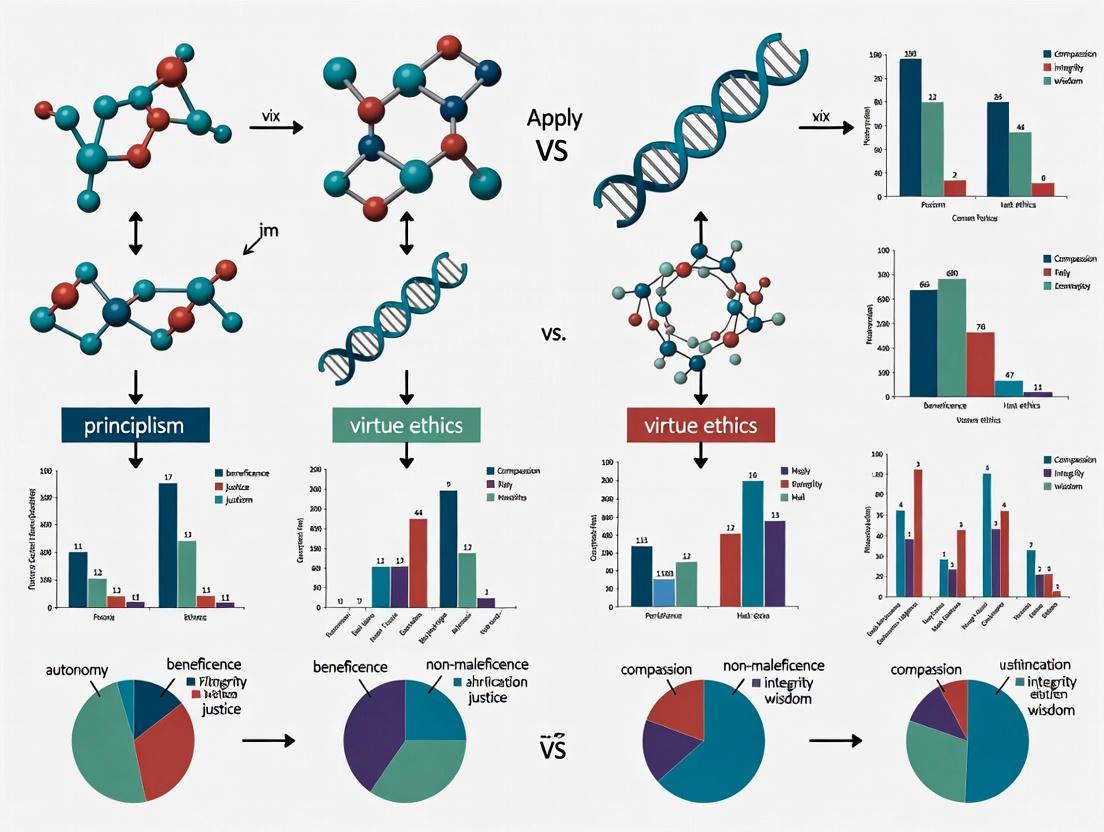
This article examines the applicability and effectiveness of principlism versus virtue ethics within Asian hospital settings, with a focus on implications for clinical research and drug development.
Beyond Principles: Integrating Virtue Ethics and Principlism for Effective Ethical Decision-Making in Asian Hospitals
Abstract
This article examines the applicability and effectiveness of principlism versus virtue ethics within Asian hospital settings, with a focus on implications for clinical research and drug development. Against a backdrop of rapid growth in clinical trials across Asia, ethical frameworks face unique challenges. We explore how cultural and philosophical traditions, such as Confucianism and Buddhism, shape the interpretation of core ethical principles and the cultivation of moral character among healthcare professionals. Drawing on empirical studies from China and Thailand, the analysis reveals a complex landscape where virtue-based approaches often resonate more deeply with local cultural values, while principlism provides a necessary universal structure. The article concludes that a hybrid model, which integrates the strengths of both frameworks, is essential for navigating ethical dilemmas, reducing moral distress, and fostering sustainable, ethically sound clinical research environments in Asia.
Philosophical Roots and Cultural Frameworks: Mapping the Ethical Terrain in Asian Healthcare
Principlism is a dominant approach in applied ethics, particularly within biomedical fields, designed to provide a practical framework for navigating complex moral dilemmas. Rather than engaging in abstract theoretical debates typical of moral philosophy, principlism offers a methodology centered on the application of mid-level ethical principles that can be derived from, and are consistent with, multiple ethical, theological, and social traditions [1]. This approach has achieved widespread adoption across various professional fields largely because it sidesteps complex debates at the theoretical level of moral philosophy while offering concrete guidance for real-world ethical decision-making [1].
The most influential formulation of principlism is commonly known as the "Georgetown Mantra," a term referencing Georgetown University where philosophers Tom Beauchamp and James Childress developed their framework. Their 1979 book, Principles of Biomedical Ethics, established four core principles that lie at the heart of moral reasoning in health care: respect for autonomy, beneficence, non-maleficence, and justice [1]. Beauchamp and Childress positioned these principles as part of a "common morality" – fundamental premises drawn directly from the moral understanding shared by members of society [1].
The Historical Origins and Development of the Georgetown Mantra
The development of principlism emerged from two influential American initiatives in the late 1970s. The first was the Belmont Report, published in 1979 by the National Commission for the Protection of Human Subjects of Biomedical and Behavioral Research. After the National Research Act was signed into law in 1974, the Commission conducted extensive deliberations resulting in three basic ethical principles for research: autonomy, beneficence, and justice [1].
Simultaneously, Beauchamp and Childress were developing their more comprehensive framework, which expanded the Belmont principles by adding non-maleficence as a distinct fourth principle [1]. Their work synthesized elements from competing ethical theories – drawing from the duty-based (deontological) philosophy of Immanuel Kant and the outcome-based (consequentialist) ethics of Jeremy Bentham and John Stuart Mill [1]. This integration of conflicting moral theories into a practical framework represents both the strength and a source of criticism for the principlist approach.
The pervasive adoption of principlism across healthcare ethics is evidenced by its expansion into new domains like digital health, where the four principles have been adapted and supplemented to address contemporary ethical challenges [2]. Similarly, the framework continues to inform federal ethical guidelines for research, as demonstrated by the NIH's seven principles for ethical research, which elaborate on the core concepts established by the Georgetown Mantra [3].
Elucidating the Four Core Principles
The four principles of the Georgetown Mantra can be elucidated as follows, with detailed explanations of their practical applications and implications in healthcare and research contexts.
Respect for Autonomy
The principle of respect for autonomy recognizes the right of self-determining individuals to make decisions for themselves without undue pressure, coercion, or persuasion [1]. This principle stands in direct opposition to paternalism, where healthcare practitioners override or disregard patient wishes based on their own assessment of what benefits the patient [1].
In practical terms, respect for autonomy is operationalized through the process of informed consent, which requires that capable individuals receive comprehensive information about their condition, proposed treatments, alternatives, risks, and benefits before providing consent [1]. The principle extends beyond mere consent forms to encompass continuous respect throughout care and research relationships, including the right to withdraw participation without penalty [4]. This principle acknowledges that individuals must have sufficient knowledge and understanding to make genuine choices about their care [2].
Beneficence
The principle of beneficence establishes an obligation to act for the benefit of others, whether through preventing or removing harm or actively promoting good [1]. In healthcare contexts, this typically translates to promoting patient health and wellbeing. Beneficent action requires practitioners to identify the "best" course among possibilities, often involving cost-benefit analyses where benefits should maximally outweigh costs or risks [1].
The principle demands that research and medical interventions create sufficient value to justify any risks, inconveniences, or burdens placed on participants [4]. This assessment must consider both individual clinical benefits for participants and broader social value through advancing scientific understanding [4]. Fundamentally, beneficence requires that work should be to the benefit, not detriment, of people, with benefits outweighing potential risks [2].
Non-maleficence
Non-maleficence establishes the duty to refrain from causing harm or to intentionally avoid actions that might be expected to cause harm [1]. While closely related to beneficence, non-maleficence carries distinct obligations – there are limits to the risks, inconveniences, and burdens that participants may be subjected to, even in projects with significant potential value [4].
This principle prioritizes the interests of individuals over broader societal benefits when it comes to actively exposing people to risks [4]. The obligation extends beyond physical harm to include psychological, economic, or social harm [4]. In practical application, this means not involving unnecessarily many participants, not subjecting participants to indefensible risks, not carrying out unnecessary experimental procedures, and not wasting participants' time [4].
Justice
The principle of justice requires fair distribution of the benefits and burdens of research and healthcare [1]. Simply following the principles of non-maleficence and beneficence does not guarantee ethical action, as these principles say nothing about how benefits should be apportioned [1]. Justice demands attention to distributive fairness – ensuring that the group bearing the risks and burdens of participation coincides with the group that could potentially benefit from the research [4].
This principle requires that the primary basis for recruiting participants should be scientific goals rather than vulnerability, privilege, or other unrelated factors [3]. Justice also demands special consideration for vulnerable populations, active efforts to enroll underrepresented groups, and compensation for participant expenses to ensure equitable access to the benefits of research participation [4].
Table 1: Core Principles of the Georgetown Mantra
| Principle | Core Definition | Practical Applications |
|---|---|---|
| Respect for Autonomy | Recognizing the right of self-determining individuals to make decisions [1]. | Informed consent process; right to withdraw; voluntary decision-making [1] [3]. |
| Beneficence | Obligation to act for the benefit of others [1]. | Risk-benefit analysis; ensuring social/clinical value; promoting patient welfare [1] [4]. |
| Non-maleficence | Duty to refrain from causing harm [1]. | Minimizing risks; avoiding unnecessary procedures; protecting participants from harm [1] [4]. |
| Justice | Requirement for fair distribution of benefits and burdens [1]. | Fair subject selection; equitable recruitment; protecting vulnerable populations [1] [3]. |
Principlism as a Practical Framework for Ethical Decision-Making
The practicality of principlism stems from its ability to provide a shared ethical vocabulary and decision-making framework that transcends theoretical disagreements. This approach can be "derived from, consistent with, or at the very least not in conflict with a multitude of ethical, theological, and social approaches towards moral decision-making" [1]. This pluralistic quality makes principlism particularly valuable in institutional, pedagogical, and community settings where participants come from diverse moral, philosophical, and cultural backgrounds.
For interdisciplinary groups that cannot reach consensus on particular moral theories or their justifications, principlism offers "intersubjective principles" that enable productive collaboration on ethical issues [1]. The framework does not require establishing precise epistemic origins and justifications for these principles as a necessary condition for their application [1]. Rather, the "sufficient condition is that most individuals and societies would agree that both prescriptively and descriptively there is wide agreement with the existence and acceptance of the general values of autonomy, nonmaleficence, beneficence, and justice" [1].
The adaptability of this framework is evidenced by its expansion into new domains like digital health, where the four principles have been supplemented with additional considerations such as explicability, sustainability, and proportionality to address the unique ethical challenges posed by technology [2]. Similarly, the framework has been incorporated into trauma-informed care approaches, demonstrating its utility across diverse healthcare contexts [1].
Principlism in a Global Context: Cultural Adaptations and Applications
The global application of principlism reveals both its adaptability and the challenges of implementing a framework rooted in Western philosophical traditions within diverse cultural contexts. While the four principles have achieved widespread international recognition, their interpretation and implementation often vary significantly across cultures.
In African cultural contexts, for example, the principle of autonomy is frequently understood through a communitarian lens rather than the individualistic orientation common in Western bioethics [5]. This perspective is captured by the concept of Ubuntu – "I am because we are, and since we are, therefore I am" – which emphasizes collective responsibility and community autonomy over individual self-determination [5]. In this framework, community representatives or designated authorities may make decisions based on collective values and goals, with the understanding that "what are considered good are those things that enhance the welfare of the people" [5].
Similarly, the application of justice in African contexts may incorporate the concept of solidarity, derived from Bentham's Principle of Utility, which holds that ethical choices should "provide the greatest utility, in this case health, to the greatest number of people" [5]. This approach incorporates notions of preventing bad health, promoting social justice, and prioritizing community welfare alongside individual interests [5].
Asian cultural contexts, particularly those influenced by Confucian values, may also reinterpret principlism through different ethical lenses. Confucian ethics emphasizes virtues such as courage (yong) but insists they must be guided by righteousness (yi) to be morally admirable [6]. The cultural emphasis on harmony and deference to authority in Confucian traditions may affect how and when healthcare professionals voice dissent or uphold ethical principles [6].
Table 2: Cultural Interpretations of Principlism
| Cultural Context | Interpretation of Autonomy | Interpretation of Justice | Influencing Factors |
|---|---|---|---|
| Western Liberal | Individual self-determination; personal decision-making [1]. | Fair distribution of benefits/burdens; protection of vulnerable groups [1] [4]. | Enlightenment philosophy; individual rights tradition [1]. |
| African Communitarian | Community autonomy; collective decision-making [5]. | Solidarity; utility for greatest number; community welfare [5]. | Ubuntu philosophy; collective responsibility [5]. |
| Asian Confucian | Relationship-based; guided by righteousness and harmony [6]. | Social harmony; deference to authority; righteous distribution [6]. | Confucian values; righteousness (yi); harmony [6]. |
These cultural variations raise important questions about the possibility of a truly "global bioethics." As noted by critics, "Bioethics cannot be universal because of the existence of different values/morals that vary from community to community and from different societies within the communities" [5]. What constitutes "good" in various circumstances cannot be universalized because different cultures have distinct understandings of what represents the good [5].
Experimental and Empirical Approaches to Studying Principlism
Research Instruments and Methodologies
Empirical research on ethical frameworks like principlism requires specialized instruments and methodologies. Recent studies have developed and validated scales to measure related ethical constructs among healthcare professionals. One significant instrument is the Moral Courage Scale for Physicians (MCSP), a nine-item survey that quantifies medical trainees' propensity to act courageously in clinical ethical situations [6]. This tool uses a 7-point Likert scale with responses ranging from "strongly disagree" to "strongly agree," with total scores transformed to a scale of 0-100 to indicate levels of moral courage [6].
The translation and validation of such instruments across cultures requires rigorous methodology. The process typically employs classical "backward and forward" translation procedures following modified Brislin translation models [6]. This includes independent bilingual translation, reconciliation of forward versions, back-translation by blinded translators, comparison of original and back-translated versions, expert panel review for linguistic accuracy and cultural relevance, and cognitive interviews with target populations to evaluate clarity and cultural appropriateness [6].
Recent research has also examined the relationship between ethical leadership, moral sensitivity, and moral courage among healthcare professionals. These studies typically employ cross-sectional designs using validated instruments such as the Ethical Leadership Scale, Moral Sensitivity Scale, and Moral Courage Scale, with data analyzed through statistical methods including correlation analysis and process analysis to identify mediating relationships [7].
Key Research Findings
Empirical studies have yielded significant insights into the practical implementation of ethical frameworks in healthcare settings. Research among Chinese head nurses found positive correlations between ethical leadership, moral sensitivity, and moral courage, with ethical leadership enhancing moral courage both directly and indirectly through its effect on moral sensitivity [7]. This suggests a cascade effect where "the moral quality of senior managers shapes the ethical standards of head nurses, and then affects the behavior of clinical nurses, and ultimately forms the ethical organizational culture" [7].
Studies validating the Moral Courage Scale for Physicians in China demonstrated strong psychometric properties, including high internal consistency (Cronbach's alpha = 0.935) and a clear single-factor structure explaining 65.94% of the variance [6]. Confirmatory factor analysis supported good model fit (χ2/df = 3.167, GFI = 0.958, RMSEA = 0.071, CFI = 0.978, TLI = 0.971), indicating the instrument's reliability for assessing moral courage among Chinese physicians [6].
Table 3: Research Instruments for Studying Ethics in Healthcare
| Instrument | Construct Measured | Application Context | Key Psychometrics |
|---|---|---|---|
| Moral Courage Scale for Physicians (MCSP) | Propensity to act courageously in ethical situations [6]. | Medical trainees and physicians; cross-cultural validation [6]. | 9 items; 7-point Likert; Cronbach's alpha = 0.935 [6]. |
| Ethical Leadership Scale | Perception of leaders' ethical behavior and moral management [7]. | Healthcare organizations; leadership studies [7]. | Measures personal morality and moral management [7]. |
| Moral Sensitivity Scale | Ability to identify ethical issues and judge impact of choices [7]. | Healthcare professionals; ethical decision-making [7]. | Assesses recognition of ethical dimensions in care [7]. |
Conceptual Framework of Principlism and Alternative Ethical Approaches
The following diagram illustrates the conceptual structure of principlism and its relationship to alternative ethical frameworks:
The following toolkit outlines key methodological resources for conducting research on ethical frameworks in healthcare settings:
Table 4: Research Reagent Solutions for Ethical Framework Studies
| Research Tool | Primary Function | Application Notes |
|---|---|---|
| Moral Courage Scale for Physicians (MCSP) | Quantifies propensity for courageous ethical action [6]. | Requires cultural validation; 7-point Likert scale; score transformation to 0-100 scale [6]. |
| Back-Translation Methodology | Ensures linguistic/cultural equivalence in cross-cultural research [6]. | Requires independent bilingual translators; expert panel review; cognitive interviews [6]. |
| Social Learning Theory Framework | Examines how ethical leadership influences moral behavior [7]. | Useful for studying cascade effects in organizational ethics [7]. |
| Cross-Sectional Survey Design | Captures snapshot of ethical attitudes/behaviors across populations [6] [7]. | Efficient for correlation analysis; limited in establishing causality [7]. |
| Confirmatory Factor Analysis | Validates factor structure of ethical measurement instruments [6]. | Assesses model fit (χ2/df, GFI, RMSEA, CFI, TLI) [6]. |
Comparative Analysis: Principlism Versus Virtue Ethics in Healthcare
The ongoing discourse between principlism and alternative ethical frameworks, particularly virtue ethics, represents a significant dimension of contemporary healthcare ethics. Virtue ethics emphasizes the development of moral character and desirable personal qualities in healthcare professionals rather than focusing primarily on principles or rules [8]. This approach centers on "stable admirable attitudes or dispositions towards the good" that enable professionals to "respond to situations with the right emotions, for the right reasons, and to act well" [8].
Proponents of virtue ethics argue that principlism's focus on action-guiding principles fails to adequately address the "moral dimension of medicine and healthcare" [8]. Guidelines and protocols often "describe acts of care in overly neutral language" that offers "little guidance for the many normative choices that professionals have to make every day" [8]. Moreover, a strong focus on rules and procedures may erode healthcare professionals' "intrinsic motivation" and "personal commitment to excellence" by monitoring and controlling rather than inspiring and motivating [8].
Virtue ethics appears particularly relevant in cultural contexts with strong traditions of character education, such as Confucian-inspired societies where moral cultivation has historically been emphasized [6]. The acquisition of virtues involves a "complex interplay of habituation, reflection, and learning from role models" developed "through practice and through first-hand encounters with patients and others" [8]. This understanding aligns with Aristotelian tradition, where courage represents a mean between cowardice and recklessness that must be cultivated through practice and habituation [6].
The integration of virtue ethics into medical education has been shown to support the development of humanistic behavior in patient care [9]. Educational approaches that incorporate virtue ethics typically emphasize "learning from role models, how reflection can be stimulated, how dialogue and patient narratives support ethical decision-making, and how to reduce moral illiteracy" [8]. These methods align with what Donabedian, regarded as the father of quality movement in healthcare, identified as the essential foundation for quality care: the "ethical dimension of individuals" [8].
The Georgetown Mantra has established itself as a foundational framework for ethical decision-making in healthcare and research contexts worldwide. Its four principles – respect for autonomy, beneficence, non-maleficence, and justice – provide a shared vocabulary and structured approach for navigating complex moral dilemmas across diverse settings. The framework's practical utility lies in its ability to transcend theoretical disagreements while offering concrete guidance for ethical analysis.
Nevertheless, principlism continues to evolve in response to several challenges. Cultural variations in the interpretation and prioritization of the four principles necessitate contextual adaptation rather than rigid universal application [5]. The framework's perceived limitations in addressing the personal and moral dimensions of care have stimulated renewed interest in complementary approaches like virtue ethics [8] [9]. Additionally, emerging technologies and healthcare delivery models have required expansion of the core principles to include considerations such as explicability, sustainability, and proportionality [2].
The future of principlism in global bioethics likely lies in its integration with complementary ethical frameworks rather than its dominance as a standalone approach. As healthcare continues to globalize while simultaneously respecting cultural particularities, ethical frameworks must balance universal principles with contextual sensitivity. The Georgetown Mantra's enduring legacy may well be its demonstration that productive ethical discourse requires both structured frameworks and the flexibility to adapt to new challenges, diverse cultures, and evolving understandings of what constitutes ethical healthcare.
The comparative effectiveness of principlism and virtue ethics is a central question in bioethics, particularly within the dynamic and diverse context of Asian hospitals. Principlism, a dominant framework in Western medical ethics, employs a quasi-legalistic approach organized around four core principles: autonomy, beneficence, non-maleficence, and justice [10]. In contrast, virtue ethics—a tradition with rich and distinct foundations in both Eastern and Western thought—shifts the focus from action to agent, asking not "What should I do?" but "What kind of person should I be?" [11] [10]. This guide provides an objective, evidence-based comparison of the three major virtue ethics traditions—Aristotelian, Confucian, and Buddhist—evaluating their theoretical foundations, practical applications, and emerging empirical support within healthcare environments, with a specific focus on Asian clinical settings.
Philosophical Foundations: A Comparative Framework
The Aristotelian, Confucian, and Buddhist traditions each offer a unique pathway to cultivating moral character, with significant implications for medical professionalism.
Table 1: Foundational Comparison of Virtue Ethics Traditions
| Aspect | Aristotelian Virtue Ethics | Confucian Virtue Ethics | Buddhist Virtue Ethics |
|---|---|---|---|
| Ultimate Goal | Eudaimonia (happiness, human flourishing) [11] [12] | Social harmony [13] [14] | Liberation from suffering (dukkha) [15] [16] |
| Locus of Ethics | The individual [13] | The family and relational networks [13] [14] | The intention (cetana) or mind [15] [16] |
| Core Concept | The Golden Mean (virtue as a mean between extremes) [11] | Ren (benevolence, humaneness) and Li (ritual propriety) [14] | Sīla (ethical conduct) and the Noble Eightfold Path [16] |
| Key Mechanism | Practical wisdom (phrónēsis) [13] | Self-cultivation through ritual and emulation of exemplars (junzi) [14] | The law of karma and the cultivation of mindfulness [15] [16] |
| Primary Focus | Rational activity in accordance with virtue [11] [12] | Relational propriety and mutual care [14] | Non-harming (ahiṃsa) and compassion [16] |
Aristotelian Framework
Aristotelian virtue ethics is agent-centered, focusing on the character of the moral agent rather than on discrete acts or their consequences [11]. For Aristotle, the human function (ergon) is to live in accordance with rational principle, and excellence (aretê) in this function constitutes eudaimonia, often translated as "flourishing" [11] [12]. Virtues are stable character dispositions that are cultivated through habituation [10]. A key differentiator is the Golden Mean, where a virtue is the intermediate state between two vices—one of excess and one of deficiency [11]. In medicine, this could manifest as the virtue of courage, which lies between the rashness of taking undue risks and the cowardice of failing to advocate for a patient.
Confucian Framework
Confucian ethics is fundamentally relational, positing that full personhood is achieved through and within human relationships [14]. The ideal is the junzi, or exemplary person, who cultivates virtues to follow the dao, the way humans ought to live [14]. The two most central concepts are:
- Ren (Benevolence): Often translated as humaneness or caring for others, this is the overarching virtue that guides social interactions [14].
- Li (Ritual): This encompasses the rites, customs, and manners that structure social life. Through the sincere performance of li, one cultivates the inner attitudes of respect and harmony [14].
This relational focus contrasts with the more individualistic orientation of Aristotelian ethics, making it highly relevant to the collective cultures prevalent in many Asian societies [13].
Buddhist Framework
Buddhist ethics is grounded in the foundational reality of dukkha (suffering) and the path to its cessation [16]. The core of Buddhist morality is Sīla, a commitment to harmonious and self-regulated conduct motivated by non-violence and freedom from harm [16]. A critical differentiator is the concept of skillful (kusala) versus unskillful (akusala) actions, where the skillfulness is determined primarily by the mental intention (cetana) behind an act [15] [16]. The most common formulation for laypeople is the Five Precepts, which are commitments to abstain from killing, stealing, sexual misconduct, false speech, and intoxicants [16]. The positive cultivation of virtues like generosity and loving-kindness is equally emphasized [15].
Empirical Data: Virtue Ethics in Asian Hospital Research
Emerging research in Asian healthcare settings provides quantitative data on the impact of virtue-oriented constructs, such as moral sensitivity and moral courage, on professional behavior.
Table 2: Impact of Moral Sensitivity on Nurse Service Behavior: A China-Pakistan Comparison (2025 Study)
| Variable | Chinese Nurses (n=525) | Pakistani Nurses (n=217) |
|---|---|---|
| Effect on In-Role Service Behavior | β = 0.311, p < 0.001 [17] | β = 0.178, p < 0.01 [17] |
| Effect on Extra-Role Service Behavior | β = 0.418, p < 0.001 [17] | β = 0.135, p < 0.05 [17] |
| Interpretation | Moral sensitivity has a strong, significant positive impact on both core and discretionary service behaviors. | Moral sensitivity has a weaker, though still significant, positive impact on service behaviors. |
This 2025 cross-sectional study demonstrates that the moral sensitivity of nurses—a key component of virtue ethics—significantly influences their service behavior across cultures. The findings also show that nationality differences significantly moderate this relationship, suggesting that cultural and systemic factors (e.g., education, resources, social order) influence how virtue is translated into action [17].
Another 2025 study developed and validated the Moral Courage Scale for Physicians (MCSP) in a Chinese context, reporting high internal consistency (Cronbach’s alpha = 0.935) among 425 physicians [6]. This indicates that moral courage, defined as the willingness to stand up for ethical beliefs despite barriers, is a measurable and robust construct among Chinese medical professionals, aligning with the Confucian ideal of courage (yong) guided by righteousness (yi) [6].
Experimental Protocols and Methodologies
The cited studies employ rigorous, validated methodologies that can serve as models for future research in this field.
Protocol 1: Assessing Cross-Cultural Moral Sensitivity
This protocol is derived from the 2025 China-Pakistan nurse study [17].
- Objective: To investigate the relationship between nurses' moral sensitivity and service behaviors and to compare the differences between two national cohorts.
- Design: A quantitative, cross-sectional study using survey methods.
- Data Collection: Participants completed two established scales:
- The Moral Sensitivity Scale: Measures the ability to identify moral issues.
- The Service Behavior Scale: Differentiates between in-role (mandatory) and extra-role (discretionary) service behaviors.
- Sampling: A random convenience sample of 742 nurses from China and Pakistan was recruited from multiple hospitals.
- Data Analysis: Statistical analysis (SPSS, Mplus) was used to test the direct effects of moral sensitivity on service behavior and the moderating effect of nationality using confidence intervals and p-values.
Protocol 2: Validating a Virtue-Based Metric
This protocol is based on the 2025 study to translate and validate the Moral Courage Scale for Physicians (MCSP) in China [6].
- Objective: To produce a culturally adapted Chinese version of the MCSP and evaluate its psychometric properties.
- Translation & Adaptation: The "backward and forward" translation procedure was used, followed by expert panel review and cognitive interviews with physicians to ensure linguistic and cultural relevance.
- Validation: A cross-sectional study with 425 licensed physicians across Mainland China was conducted.
- Psychometric Testing: Analyses included:
- Exploratory Factor Analysis (EFA) and Confirmatory Factor Analysis (CFA) to verify the scale's structure.
- Internal Consistency measured by Cronbach’s alpha.
- Model Fit Indices such as GFI, RMSEA, CFI, and TLI to assess how well the data fit the model.
Conceptual Workflow and Pathway Diagrams
The following diagrams visualize the core philosophical pathways and modern research workflows related to virtue ethics.
Philosophical Pathways of Virtue Ethics
Modern Research on Virtue in Healthcare
The Scientist's Toolkit: Key Research Reagents
For researchers designing studies on virtue ethics in clinical settings, the following "reagents" or tools are essential.
Table 3: Essential Reagents for Research on Virtue in Healthcare
| Research Reagent | Function & Application | Exemplar Study |
|---|---|---|
| Moral Courage Scale for Physicians (MCSP) | A 9-item, 7-point Likert scale quantifying a physician's propensity to act courageously in clinical ethical dilemmas. Total scores are transformed to a 0-100 scale [6]. | Used to establish high levels of self-assessed moral courage among Chinese physicians (Cronbach’s alpha = 0.935) [6]. |
| Moral Sensitivity Scale | Measures the ability to acutely identify and interpret moral issues in a clinical context, a prerequisite for moral decision-making [17]. | Employed to demonstrate a positive effect on both in-role and extra-role service behavior in nurses, moderated by nationality [17]. |
| Service Behavior Scale | A dual-component scale that distinguishes between mandatory In-Role Service Behavior and discretionary Extra-Role Service Behavior, providing a nuanced outcome measure [17]. | Critical for showing that moral sensitivity has a stronger effect on proactive, extra-role behaviors, especially in the Chinese cohort [17]. |
| Cross-Cultural Adaptation Protocol | A structured process involving forward/backward translation, expert panel review, and cognitive interviews to ensure a metric is valid in a new cultural context [6]. | Applied to create a reliable and valid Chinese version of the MCSP, ensuring linguistic accuracy and cultural relevance [6]. |
The application of universal ethical principles in healthcare encounters significant cultural mediation within Asian contexts, creating a complex interface between Western-derived frameworks and indigenous value systems. This comparative analysis examines the interpretation and implementation of autonomy, beneficence, and justice across Asian healthcare systems, with particular attention to the ongoing theoretical tension between principlism and virtue ethics. As globalization increases integration of international ideas and convergence of diverse cultures within healthcare systems [18], understanding these variations becomes essential for enhancing cross-cultural healthcare practices and ethical policy development. The fundamental question driving this inquiry is whether 'ethical' carries consistent meaning across different cultural contexts, particularly given that interpretations of principles vary significantly across different cultural contexts [18].
The Asian ethical landscape is predominantly shaped by Confucian values that position the family unit, rather than the individual, as the primary locus of medical decision-making [19]. These cultural norms create distinctive ethical challenges for healthcare providers attempting to balance respect for individual autonomy with cultural expectations [19]. Traditional Chinese perspectives regarding death introduce additional moral complexities, deeply rooted in cultural beliefs that discussing death might bring misfortune [19]. These beliefs, fundamentally shaped by Confucian values of xiao (filial piety) and he (harmony), combined with strong family bonds, often lead to death being perceived as a collective family experience rather than an individual journey [19].
Within this framework, contemporary Chinese medical ethics operates within a distinctive theoretical framework that integrates traditional Confucian virtues with modern biomedical principles, emphasizing ren (benevolence), li (propriety), and collective harmony alongside individual care [19]. This complex cultural landscape requires healthcare providers to navigate intricate ethical terrain while maintaining therapeutic relationships and advocating for patient preferences [19].
Theoretical Framework: Principlism versus Virtue Ethics
The Foundation and Limitations of Principlism
Principlism, characterized by its emphasis on four key principles—autonomy, beneficence, non-maleficence, and justice—has served as the dominant framework in Western bioethics since the formulation of the Georgetown Mantra in 1979 [18]. This approach provides a systematic method for analyzing ethical dilemmas through the application of these mid-level principles. However, its implementation in Asian contexts reveals significant limitations, particularly regarding its individualistic orientation which often conflicts with collectivist cultural values prevalent throughout many Asian societies [19].
The principlist framework presents particular challenges in contexts where family-centered decision-making predominates and where the principle of autonomy may be interpreted through a communal rather than individual lens [19]. In China's healthcare context, medical decision-making operates within a unique ethical landscape shaped by Confucian values, where systematic advance care planning promotion remains limited [19]. This tension becomes evident in end-of-life care planning, which represents a critical intersection of medical ethics and cultural values, raising fundamental questions about autonomy, beneficence, and justice [19].
Virtue Ethics as a Cultural Alternative
Virtue ethics, with its roots in Aristotelian and Confucian traditions, offers a contrasting approach that emphasizes character development, moral education, and the cultivation of virtues rather than the application of abstract principles. In Confucian-inspired virtue ethics, ethical leadership is constructed through the 'Five Constant Virtues' (Wuchang) encompassing both value-based virtues (benevolence [Ren], righteousness [Yi], wisdom [Zhi], and integrity [Xin]) and value-driven behavior (ritual [Li]) [20].
These five dimensions interact synergistically, collectively empowering leaders to act ethically in a contextually appropriate manner [20]. The emphasis on moral and ethical considerations has permeated families, societies, and economic organizations throughout Asia, further reinforcing the public's identification with Confucian culture [20]. Within this framework, "ren" (benevolence) is regarded as a core value, advocating that leaders should demonstrate genuine care and support for their subordinates to enhance team cohesion [20]. Concurrently, "yi" (righteousness) underscores the importance of justice and a sense of responsibility, requiring leaders to consider fairness and morality in their decision-making process [20].
Table 1: Core Concepts in Principlism vs. Virtue Ethics
| Aspect | Principlism | Virtue Ethics (Confucian) |
|---|---|---|
| Primary Focus | Application of ethical principles | Cultivation of moral character |
| Decision-Making | Based on abstract principles | Contextual and relationship-based |
| Key Values | Autonomy, beneficence, justice | Ren (benevolence), Yi (righteousness), Li (propriety) |
| View of Autonomy | Individual self-determination | Relational autonomy within family/society |
| Cultural Origins | Western bioethics | Eastern philosophical traditions |
| Implementation | Through rules and procedures | Through moral education and role modeling |
Comparative Analysis of Ethical Principles in Asian Contexts
Autonomy: From Individual Choice to Familial Harmony
The principle of autonomy undergoes significant transformation within Asian cultural contexts, shifting from an emphasis on individual self-determination to a concept better understood as relational autonomy situated within networks of family and social relationships. Research with Chinese older adults regarding advance care planning reveals that "The Locus of Decision" emerges as the core category where participants reconcile individual autonomy, filial obligations, and family harmony [19]. This theoretical framework reveals complex ethical processes through which Chinese older adults engage with advance care planning, highlighting the crucial role of moral agency where traditional values and modern bioethical principles intersect [19].
This mediation of autonomy is particularly evident in end-of-life care decisions, where family members often serve as filters or buffers between patients and medical information. Traditional Chinese perspectives regarding death introduce additional moral complexities, deeply rooted in cultural beliefs that discussing death might bring misfortune [19]. These beliefs, fundamentally shaped by Confucian values of xiao (filial piety) and he (harmony), combined with strong family bonds, often lead to death being perceived as a collective family experience rather than an individual journey [19]. Consequently, discussions about end-of-life care remain largely taboo, presenting unique ethical tensions between traditional values and contemporary healthcare principles [19].
The diagram below illustrates how autonomy is mediated through cultural filters in Asian healthcare contexts:
Beneficence: From Doing Good to Nurturing Relationships
The principle of beneficence transforms within Asian virtue ethics frameworks from simply "doing good" to encompass a broader concept of nurturing relationships through benevolence and compassion. In Confucian ethics, the virtue of ren (benevolence) represents a comprehensive ethical principle that governs reciprocal, caring relationships and emphasizes the importance of empathy and compassion in all human interactions [20]. This perspective reframes beneficence not merely as a professional obligation but as an expression of fundamental humanity within interconnected relationships.
This culturally mediated beneficence is evident in clinical practice where healthcare providers are expected to demonstrate heartfelt concern that extends beyond technical medical care to encompass emotional and spiritual support. The Chinese concept of ren (benevolence) as a core component of ethical leadership requires leaders to show genuine care and support for their subordinates to enhance team cohesion [20]. Within healthcare teams, this virtue-based approach to beneficence creates environments where moral courage can flourish, as evidenced by research showing that ethical leadership significantly enhances head nurses' moral sensitivity and courage [7].
Justice: From Fair Distribution to Righteous Harmony
The principle of justice undergoes similar cultural mediation in Asian contexts, expanding beyond distributive fairness to incorporate concepts of social harmony, righteousness, and reciprocal responsibility. In Confucian ethics, yi (righteousness) underscores the importance of justice and a sense of responsibility, requiring leaders to consider fairness and morality in their decision-making process to ensure that all decisions align with organizational interests while respecting employees' fundamental rights and values [20].
This culturally mediated concept of justice faces practical challenges in Asia's diverse healthcare landscapes, where significant structural inequities create ethical complexities for implementation of ethical healthcare policies [19]. China's diverse socioeconomic landscape, characterized by pronounced regional variations in healthcare resource distribution [19], presents moral challenges in providing equitable care across different contexts. The marked disparity between urban and rural areas fundamentally influences healthcare accessibility, stemming from differences in healthcare infrastructure, insurance coverage systems, and economic resources [19].
Table 2: Quantitative Comparison of Ethical Principle Interpretation
| Ethical Principle | Western Principlist Interpretation | Asian Virtue Ethics Interpretation | Empirical Evidence |
|---|---|---|---|
| Autonomy | Individual self-determination; Informed consent | Family-mediated decision-making; Relational autonomy | 82.2% of advanced cancer patients in China never heard of advance care concepts [19] |
| Beneficence | Acting in patient's best interest; Utility maximization | Ren (benevolence); Nurturing relationships; Compassionate care | Ethical leadership correlates with moral courage (r=0.32, P<0.01) [7] |
| Justice | Fair distribution of resources; Rights-based | Yi (righteousness); Social harmony; Reciprocal responsibility | Pronounced regional variations in healthcare resource distribution in China [19] |
| Moral Foundation | Principles, rules, rights | Virtues, character, relationships | Moral Courage Scale for Physicians shows high internal consistency (α=0.935) in China [6] |
| Decision-Making | Individual patient autonomy | Family as primary decision unit | "Locus of Decision" core category where autonomy, filial piety, harmony reconciled [19] |
Empirical Research and Experimental Data
Research on Advance Care Planning in China
A groundbreaking study employing Charmaz's constructivist grounded theory methodology explored how Chinese older adults engage with advance care planning, providing valuable empirical insights into the cultural mediation of ethical principles [19]. The investigation proceeded through three stages: a preliminary research stage conducted in Hangzhou, followed by Stage 1 initial investigation and Stage 2 theory development across diverse geographical regions in China to ensure cultural and socioeconomic representation [19].
The sampling methodology followed a systematic progression across three distinct stages. Convenience sampling initiated the pre-experimental stage with three participants, enabling preliminary testing of research protocols and refinement of data collection instrument [19]. Subsequently, the stage 1 employed purposive sampling to recruit twelve participants, ensuring representation across diverse demographic and socioeconomic characteristics while facilitating the emergence of initial theoretical concepts [19]. The stage 2 utilized theoretical sampling, integral to grounded theory methodology [19], which guided the selection of thirteen participants, allowing for exploration and validation of emerging theoretical constructs [19].
Table 3: Research Methodology on Advance Care Planning in Chinese Older Adults
| Research Component | Implementation Details | Participant Information |
|---|---|---|
| Methodology | Charmaz's constructivist grounded theory | 25 participants (13 males/12 females) |
| Age Range | In-depth interviews with elderly participants | Aged 60-95 years |
| Sampling Approach | Three-stage progression: convenience, purposive, theoretical sampling | From representative regions of China |
| Data Collection | Concurrent interviews and constant comparative methods | Guided by Chinese medical ethical principles |
| Analysis Framework | Nie's (2013) framework of Chinese medical ethics | Principles of ren, li, xiao, and he |
| Key Finding | "Navigating the Path to Planned Ending" theory | "Locus of Decision" as core category |
Moral Courage and Ethical Leadership Studies
Recent research on moral courage and ethical leadership in Chinese healthcare settings provides additional empirical support for the influence of virtue ethics in Asian medical contexts. A cross-sectional study involving 425 licensed physicians across Mainland China was conducted between February and April 2025 to validate the Moral Courage Scale for Physicians (MCSP) in Chinese [6]. Participants completed an online survey including demographic information and the Chinese version of MCSP, with data analyzed using EFA, CFA, and Cronbach's alpha [6].
The Chinese MCSP demonstrated strong psychometric properties, including high internal consistency (Cronbach's alpha = 0.935) and a clear single-factor structure explaining 65.94% of the variance [6]. CFA supported good model fit (χ2/df = 3.167, GFI = 0.958, RMSEA = 0.071, CFI = 0.978, TLI = 0.971) [6]. Physicians in China reported high levels of self-assessed moral courage, consistent with previous international studies [6].
Another study examining the relationship between ethical leadership, moral sensitivity, and moral courage among head nurses in China found that ethical leadership was positively correlated with moral sensitivity (r = 0.16, P < 0.05), ethical leadership was positively correlated with moral courage (r = 0.32, P < 0.01), and moral sensitivity was positively correlated with moral courage (r = 0.31, P < 0.01) [7]. Process analysis showed that ethical leadership enhanced the moral courage of head nurses through moral sensitivity, which was a partial mediating effect model, and the total indirect effect accounted for 13.79% [7].
The following diagram illustrates the experimental workflow and relationships identified in moral courage research:
The Scientist's Toolkit: Research Reagent Solutions for Bioethics Studies
Table 4: Essential Research Methodologies for Cross-Cultural Bioethics Studies
| Research Tool | Function | Exemplary Application |
|---|---|---|
| Constructivist Grounded Theory | Develop theories grounded in empirical data while acknowledging researcher subjectivity | Used to understand Chinese older adults' ACP engagement [19] |
| Moral Courage Scale for Physicians (MCSP) | Quantify physicians' propensity to act courageously in clinical ethical situations | Validated in Chinese with 425 physicians (α=0.935) [6] |
| Ethical Leadership Scale | Measure perceptions of leaders' moral person and moral manager qualities | Applied in study of head nurses in China [7] |
| Cross-Cultural Ethical Analysis | Compare interpretation of ethical principles across different cultural contexts | Used to examine autonomy in Poland, Ukraine, India, Thailand [18] |
| Moral Sensitivity Measurement | Assess ability to identify ethical issues and judge impact of ethical choices | Mediating variable between ethical leadership and moral courage [7] |
| Confucian Ethical Framework | Analyze ethical decisions through virtues of ren, yi, li, zhi, xin | Construction of ethical leadership from Chinese cultural perspective [20] |
Discussion: Effectiveness of Principlism versus Virtue Ethics in Asian Hospitals
The comparative analysis of ethical principles in Asian healthcare contexts reveals significant limitations in the principlist approach when applied without cultural mediation. The effectiveness of virtue ethics frameworks in Asian hospitals stems from their cultural congruence with indigenous values and their practical utility in resolving everyday ethical dilemmas encountered in clinical practice. The theoretical framework reveals complex ethical processes through which Chinese older adults engage with advance care planning, highlighting the crucial role of moral agency where traditional values and modern bioethical principles intersect [19].
These findings necessitate culturally sensitive implementation approaches acknowledging family roles while upholding principles of autonomy and justice [19]. The cultural mediation of ethical principles does not represent an abandonment of universal ethical commitments but rather a necessary contextualization that enhances their practical implementation and effectiveness. Contemporary Chinese medical ethics operates within a distinctive theoretical framework that integrates traditional Confucian virtues with modern biomedical principles, emphasizing ren (benevolence), li (propriety), and collective harmony alongside individual care [19].
The integration of medical-bioethics mediation within healthcare governance offers a promising approach to managing conflict, fostering ethical deliberation, and strengthening trust among various stakeholders [21]. Medical-bioethics mediation emerged within clinical ethics and health-care conflict management as a structured, voluntary process that facilitates dialogue between parties in disagreement, helping them identify interests, clarify misunderstandings, and reach mutually acceptable resolutions without adjudication [21]. It emphasizes neutrality, confidentiality, respect, and active listening which are principles that enable moral repair and restore trust in strained relationships [21].
This comparative analysis demonstrates that the interpretation of autonomy, beneficence, and justice in Asian healthcare contexts undergoes significant cultural mediation through virtue ethics frameworks, particularly those influenced by Confucianism. The principle of autonomy transforms into relational autonomy, beneficence becomes expressed through ren (benevolence), and justice incorporates yi (righteousness) alongside concerns for social harmony. Empirical research on advance care planning, moral courage, and ethical leadership provides substantial evidence for the effectiveness of virtue-based approaches in Asian hospital settings.
These findings suggest that rather than representing competing frameworks, principlism and virtue ethics may most effectively operate in dialogue with one another, with universal principles undergoing necessary cultural mediation through local ethical traditions. Future research should explore hybrid ethical models that integrate the systematic analytical strengths of principlism with the cultural resonance and practical wisdom of virtue ethics, developing more nuanced approaches to bioethics education and policy development in increasingly multicultural healthcare environments.
The globalization of medical research and clinical practice has brought to the forefront critical challenges in bioethics, particularly regarding the tension between Western-originated ethical frameworks and indigenous value systems. The predominant ethical framework in Western medicine, principlism, built upon the four pillars of autonomy, beneficence, non-maleficence, and justice, has been extensively exported to Asian medical systems through medical education and international collaboration [22] [23]. However, its application in collectivist-oriented societies reveals significant limitations and points of conflict. This analysis examines the effectiveness of principlism versus alternative ethical frameworks in Asian hospital settings, with particular focus on how the centrality of relationships and harmony in collectivist cultures shapes clinical ethics and research practices.
Empirical evidence indicates that the translation of the four-principles approach remains problematic in many Asian contexts due to its failure to adequately account for local socio-cultural landscapes [22]. The principlist framework often overlooks the distinctive conceptualization of the decision-making unit as a holistic family entity and disregards the legal and perceived moral necessity of familial participation in medical decision-making [22]. This has led to a growing interest in virtue-based ethics and relationship-centered care as potentially more culturally congruent approaches for Asian medical environments [24] [25].
Theoretical Foundations: Principlism vs. Virtue Ethics
The Principlist Framework and Its Limitations
Principlism emerged as a dominant force in bioethics following the Belmont Report of 1978, which established respect for persons, beneficence, and justice as foundational principles for research ethics [23]. Tom Beauchamp and James Childress further developed this framework into the four principles now canonical in biomedical ethics: autonomy, beneficence, non-maleficence, and justice [23]. This approach attempts to incorporate multiple theoretical approaches into a unified moral theory, with autonomy reflecting Kantian deontology, beneficence aligning with utilitarianism, non-maleficence recalling Hippocratic traditions, and justice borrowing from Rawls [23].
However, principlism faces significant critiques regarding its practical application, particularly in cross-cultural settings. Critics argue that it provides "no systematic guidance" for real-world dilemmas when principles conflict, an issue known as the adjudication problem [23]. The framework's internal disharmony, drawing from conflicting moral theories, often fails to provide unambiguous justification for action, potentially allowing healthcare providers to justify ethically dubious decisions through post hoc rationalization [23].
Virtue Ethics and Relationship-Centered Alternatives
In contrast to principle-based approaches, virtue ethics emphasizes the disposition and character of the moral agent rather than abstract rules or consequences [23]. Rooted in Aristotelian philosophy, this framework focuses on practical wisdom (phronesis) as the cardinal virtue that enables moral agents to perceive the relevant particulars of a situation and act appropriately [23]. In healthcare contexts, this approach prioritizes the cultivation of character traits essential to healing relationships, including compassion, empathy, and integrity.
A related development is relationship-centered care (RCC), which recognizes that all illness, care, and healing processes occur within relationships [24]. RCC is built upon four principles: (1) relationships in healthcare ought to include the personhood of participants, (2) affect and emotion are important components, (3) all healthcare relationships occur in reciprocal influence, and (4) genuine relationships in healthcare are morally valuable [24]. This framework expands ethical consideration beyond the patient-clinician relationship to include clinician-clinician, clinician-community, and clinician-self relationships [24].
Table 1: Core Differences Between Ethical Frameworks
| Aspect | Principlism | Virtue Ethics | Relationship-Centered Care |
|---|---|---|---|
| Primary Focus | Abstract principles and rules | Character and moral agency | Quality of relationships and connections |
| Decision Process | Application of universal principles | Contextual perception and practical wisdom | Reciprocal dialogue and understanding |
| Central Values | Autonomy, beneficence, non-maleficence, justice | Courage, temperance, justice, wisdom | Personhood, emotion, reciprocity, moral foundation |
| Cultural Alignment | Individualistic Western societies | Both Eastern and Western traditions | Collectivist-oriented societies |
| Key Criticism | Adjudication problem between conflicting principles | Potential for bias through character judgments | May lack clear action guidance in crises |
Empirical Evidence: Cultural Dimensions in Ethical Practice
Family-Led Decision Making in Asian Medical Contexts
Recent empirical research conducted in Eastern China reveals significant tensions between imported ethical frameworks and local practices. A 2025 study with 35 palliative care practitioners found that family-led decision-making remains the dominant model in Chinese medical practice, despite the extensive teaching of principlism in university courses and occupational training [22]. This family-centered approach is not merely a cultural preference but is justified by legislation and perceived as morally necessary by Chinese healthcare professionals [22].
The study identified a "family-first coping mechanism" proposed by participants, wherein patients are able to make autonomous choices, but only on the implicit precondition of family approval [22]. This mechanism reflects the familistic cultural feature of Chinese society, where the family unit rather than the individual is considered the primary decision-making entity. Healthcare providers reported that the family-led model remains intact in practice despite their formal training in Western principlist frameworks, suggesting a significant gap between taught ethics and applied ethics [22].
Cross-Cultural Comparative Studies
Research comparing Thai and American physicians' ethical reasoning reveals fascinating patterns in how medical professionals from different cultural backgrounds approach ethical issues. Analysis of 133 articles published in leading medical journals from 2004-2008 demonstrated that American authors displayed striking homogeneity in styles of moral reasoning, embracing a secular, legalistic, deontological ethics that generally eschews discussion of religion, personal character, or national culture [25].
Among Thai authors, however, a schism in ethical styles was apparent: while some adhered closely to the secular, deontological model, others embraced a virtue ethics approach that liberally cited Buddhist principles and emphasized the role of doctors' good character [25]. These divergent approaches were interpreted as representing opposing reactions—assimilation and resistance, respectively—to Western influence. The findings challenge the stereotypical binary of "Western individualism" versus "Eastern collectivism," revealing instead a more complex interplay of values and influences [25].
Table 2: Empirical Studies on Cultural Dimensions in Clinical Ethics
| Study & Location | Methodology | Key Findings on Principlism | Key Findings on Alternative Frameworks |
|---|---|---|---|
| Palliative Care Study (Eastern China, 2025) [22] | Qualitative interviews with 35 practitioners | Recognized but did not align with family-led decision-making; created practice-theory gap | Family-first mechanism prevailed; family viewed as holistic decision unit |
| Thai-American Comparison (2013) [25] | Discourse analysis of 133 medical journal articles | Secular, legalistic approach dominant in American authors | Thai authors split between secular principlism and Buddhist virtue ethics |
| Research Ethics Capacity (Multiple Asian Countries, 2025) [26] | Program evaluation of ethics education initiatives | Western frameworks imported through ethics capacity building | Need for culturally relevant curricula integrating global and local principles |
| Allocation Behavior Study (China, 2023) [27] | Experimental games with 240 participants | Individualistic priming decreased altruistic allocation | Collectivist priming increased tolerance of unfair offers and altruistic behavior |
Methodological Approaches for Cross-Cultural Ethics Research
Qualitative Investigation of Ethical Landscapes
Research into the ethical worlds of healthcare practitioners requires nuanced methodological approaches capable of capturing cultural and moral nuances. The Chinese palliative care study employed semi-structured interviews conducted in Mandarin, participants' native language, to better capture subtle moral claims underlying clinical practices [22]. The research used purposive and snowball sampling to recruit participants from nine sites, acknowledging the limited pool of specialized palliative care practitioners in the region [22].
Data analysis followed Braun and Clarke's six-phase framework for thematic analysis: (1) familiarization with data, (2) generating initial codes, (3) constructing themes, (4) reviewing themes, (5) defining and naming themes, and (6) producing the final analysis [22]. To mitigate researcher subjectivity, particularly important given the lead researcher's positionality as a cultural "insider," coding frameworks and thematic analyses underwent independent review and cross-validation by researchers without direct cultural ties to China [22].
Experimental Examination of Cultural Values
Laboratory experiments using economic games have provided compelling evidence of how cultural values influence ethical behavior. A 2023 study investigated the impact of individualism and collectivism on allocation behavior using the ultimatum game (UG) and dictator game (DG) [27]. Researchers employed cultural priming techniques, including pronoun circling tasks and group imagination exercises, to temporarily activate individualistic or collectivistic values in 240 Chinese participants [27].
In the pronoun circling task, participants in the individualism condition circled personal singular pronouns (I, me, my) in texts, while those in the collectivism condition circled plural pronouns (we, us, ours) [27]. The group imagination task exposed participants to individual versus team scenarios to further reinforce the primed values [27]. Results demonstrated that participants in the collectivism-priming condition exhibited more altruistic allocation behavior and were more tolerant of unfair allocation behavior compared to those in individualism-priming conditions [27].
The Researcher's Toolkit: Key Instruments for Ethics Research
Table 3: Essential Methodological Tools for Cross-Cultural Ethics Research
| Research Tool | Primary Function | Application Example | Considerations |
|---|---|---|---|
| Semi-Structured Interviews | Explore nuanced ethical reasoning in native context | Capturing moral claims of practitioners in palliative care [22] | Requires native language proficiency; cross-validation reduces bias |
| Cultural Priming Tasks | Temporarily activate specific cultural values | Pronoun circling and group imagination to prime individualism/collectivism [27] | Effects are temporary; requires careful experimental control |
| Economic Games (UG/DG) | Measure allocation behavior and fairness perceptions | Ultimatum and Dictator Games to assess altruism and tolerance [27] | Laboratory setting may lack ecological validity |
| Thematic Analysis | Identify patterns in qualitative data | Six-phase framework to analyze interview transcripts [22] | Researcher subjectivity requires mitigation strategies |
| Discourse Analysis | Examine ethical reasoning in written texts | Analyzing medical journal articles for moral frameworks [25] | Reveals implicit values and cultural influences |
| Mixed-Methods Approaches | Triangulate quantitative and qualitative data | Combining surveys with interviews in clinical researcher study [28] | Provides comprehensive understanding of ethical challenges |
Implementing Ethical Frameworks in Asian Medical Contexts
Educational Initiatives and Integration Approaches
Recent initiatives across Asia demonstrate conscious efforts to develop culturally responsive ethics education and frameworks. Fogarty International Center-funded programs in India, Malaysia, Myanmar, and Pakistan have worked to enhance research ethics capacity through the development of culturally relevant curricula that integrate global and local bioethical principles [26]. These programs emphasize establishing structured master's and diploma programs that balance international standards with regional values and practices [26].
In China, research indicates the need for a dual approach to addressing ethical challenges, integrating internal moral cultivation with external oversight systems [28]. A 2025 study of Chinese clinical researchers recommended creating ethical spaces for dialogue, promoting moral consensus, fostering ethical identity and sensitivity, and cultivating ethical responsibility through moral practice [28]. Simultaneously, the study called for improvements in post-approval ethical monitoring, targeted training programs, research climate, and public understanding of clinical trials and ethics [28].
Empathy and Collaborative Care Models
A emerging approach in medical education emphasizes the cultivation of empathy and collaborative care as foundational elements of ethical practice. A 2025 paper proposed a four-part model for collaborative empathy in healthcare teams: (1) motivating collaborative empathy, (2) building empathy skills, (3) establishing an empathetic culture, and (4) fostering personal commitment [29]. This model positions empathy as both a core competency and a defining aspect of excellence in healthcare practice, particularly important in environments characterized by hierarchical structures and competitive pressures [29].
The integration of humanities into medical education has shown promise for developing the emotional and interpersonal competencies essential for ethical practice. Approaches include narrative medicine, reflective writing, arts-based workshops, and exposure to literature and history [29]. These methods aim to enhance self-awareness, observational skills, and understanding of patient experiences—all crucial for clinicians practicing in culturally diverse settings [29].
The evidence examined in this analysis suggests that the effectiveness of ethical frameworks in Asian hospital settings significantly depends on their congruence with local cultural values, particularly regarding relationships and harmony. Principlism, while widely taught and formally recognized, faces substantial challenges in implementation within collectivist-oriented medical environments [22] [25]. Its emphasis on individual autonomy often conflicts with family-centered decision-making models and communal harmony values prevalent in many Asian societies [22].
Virtue ethics and relationship-centered approaches demonstrate promising alignment with collectivist cultural orientations, offering frameworks that prioritize character development, interpersonal connections, and contextual understanding [24] [23] [25]. These approaches appear better equipped to navigate the complex relational dynamics inherent in Asian medical contexts while maintaining ethical rigor.
Future directions should focus on developing integrative ethical frameworks that incorporate the strengths of principlist systems while respecting and embracing culturally distinctive values and practices. Such frameworks would facilitate more ethically sound and culturally appropriate healthcare across diverse global contexts, ultimately enhancing both patient care and professional satisfaction in an increasingly interconnected medical landscape.
The application of Western ethical frameworks within Asian medical contexts presents unique challenges and opportunities for healthcare researchers and professionals. Principlism, with its focus on universal principles of autonomy, beneficence, non-maleficence, and justice, often encounters distinctive implementation landscapes when introduced to Asian medical systems with deep-rooted cultural traditions. Simultaneously, virtue ethics—particularly approaches influenced by Confucian concepts of moral character—experiences a resurgence in contemporary medical ethics discourse. This guide provides a comparative analysis of these competing frameworks through the lens of three key concepts gaining prominence in Asian medical ethics research: moral courage, ethical world, and moral sensitivity.
Understanding the interaction between these ethical frameworks requires examining both quantitative metrics and qualitative cultural factors. Research across Asian hospital settings, particularly in China, demonstrates how these concepts operate within clinical environments and influence patient care outcomes, professional behavior, and ethical decision-making processes. The following sections present structured comparisons of experimental data, methodological approaches, and conceptual models to inform research design and interpretation in this evolving field.
Conceptual Foundations and Theoretical Frameworks
Defining Key Ethical Concepts
Moral Courage: The mental fortitude required to uphold ethical principles and defend moral values when confronted with ethical dilemmas, even despite foreseeable negative consequences [30] [31]. In nursing practice, this encompasses commitment to truth, safeguarding patient interests, and adherence to ethical standards [32].
Moral Sensitivity: The ability to acutely identify moral issues, including consideration of ethical norms or principles, and interpret how one's actions affect the well-being of others [33] [34]. This concept has been expanded to encompass capacity for empathy, role-taking, and competence in making appropriate moral decisions [34].
Ethical World: A concept with Hegelian origins that refers to the moral and ethical values embedded in research practices, reflecting a unique dimension of professional culture [34]. In clinical contexts, it represents the broader ecosystem of moral understanding and practice within which healthcare professionals operate.
Cultural Foundations in Asian Medical Ethics
Traditional Chinese medical ethics culture is deeply rooted in Confucian principles, with "benevolence" (ren) forming its core foundation [35]. The concept of "medicine as practice of benevolence" (yi ren) establishes that medical practitioners must embody respecting life, benevolence and saving lives, expertise in skills, gentle humility, universal equality, honest integrity, and absence of greed [35]. This virtue-based approach dates back to classic texts like Sun Simiao's "The Great Doctor's Sincerity" from the Tang Dynasty, which emphasized that physicians must "first have a heart of great compassion and be willing to save all the suffering souls" without discrimination [35].
The integration of Confucianism with medicine gained particular prominence during the Song Dynasty, establishing the tradition of "Confucian medicine" where medical practice became a profession for scholars [35]. This historical fusion of ethical cultivation with clinical practice continues to influence contemporary medical ethics in Asian contexts, creating a distinctive landscape where virtue ethics maintains strong cultural resonance alongside imported principlist frameworks.
Quantitative Comparisons: Measuring Ethical Constructs in Asian Hospitals
Measurement Scales and Scoring Systems
Table 1: Standardized Scales for Measuring Ethical Constructs in Healthcare Research
| Scale Name | Construct Measured | Items | Scoring System | Reliability (Cronbach's α) | Sample Population |
|---|---|---|---|---|---|
| Nurses' Moral Courage Scale (NMCS) [33] [30] | Moral courage | 21 | 5-point Likert (1-5); Total: 21-105 | 0.905-0.957 | Chinese nurses |
| Moral Sensitivity Questionnaire (MSQ) [33] | Moral sensitivity | 9 | 6-point Likert (1-6); Total: 9-54 | 0.82 | Chinese nurse interns |
| Judgement About Nursing Decision (JAND) [33] | Ethical decision-making | 6 ethical stories with multiple actions | 5-point Likert (1-5); Total: 76-380 | 0.876 | Chinese nurse interns |
| Moral Courage Scale for Physicians (MCSP) [6] | Moral courage | 9 | 7-point Likert (1-7); Transformed to 0-100 | 0.935 | Chinese physicians |
Comparative Performance Across Settings and Populations
Table 2: Empirical Measurements of Ethical Constructs Across Asian Healthcare Settings
| Study Population | Sample Size | Moral Courage Score (Mean ± SD) | Moral Sensitivity Score (Mean ± SD) | Ethical Decision-making Score (Mean ± SD) | Key Correlations |
|---|---|---|---|---|---|
| Nurse interns (China) [33] | 1,334 | 75.88 ± 14.52 | 39.72 ± 6.73 | 272.08 ± 27.80 | Moral courage positively correlated with ethical decision-making (p<0.01) |
| Clinical nurses (China) [30] | 533 | 3.64 ± 0.69* | - | - | Active ethics learning and nursing career goals as key factors |
| Surgical nurses (China) [32] | 406 | 80.04 ± 14.28 | - | - | Workplace conditions and grief support explained 42% of variance |
| Chinese vs. Pakistani nurses [36] | 525 (CN), 217 (PK) | - | Chinese>Pakistani (p<0.001) | - | Moral sensitivity had stronger impact on service behavior for Chinese nurses |
Note: *Average item score on 5-point scale rather than total score
Experimental Protocols and Methodological Approaches
Standard Cross-Sectional Research Design
The predominant methodology in recent Asian medical ethics research employs quantitative cross-sectional designs using validated scales [33] [30] [36]. The typical protocol involves:
Participant Recruitment: Convenience sampling of healthcare professionals (nurses, physicians, interns) from multiple hospitals, typically Class III Grade A (tertiary) hospitals in China [33].
Data Collection: Electronic surveys distributed via institutional WeChat groups or online platforms (Questionnaire Star, Wenjuanxing) with anonymous responses [30] [6].
Instrumentation: Simultaneous administration of multiple standardized scales alongside demographic questionnaires capturing gender, age, education, clinical experience, ethics training, and workplace characteristics [33] [32].
Statistical Analysis: Descriptive statistics, Pearson correlation analysis, multiple regression analysis, and structural equation modeling (SEM) using SPSS and AMOS software packages [33] [31].
Mediation Analysis: Testing indirect effects using bootstrapping methods with 95% confidence intervals in structural equation models [33] [31].
Complex Model Testing with Serial Mediation
Recent advanced protocols examine serial mediation effects between ethical constructs. Zhang et al. (2025) tested a complex model where moral resilience and moral courage sequentially mediated the relationship between moral injury and positive coping styles [37]. Their methodology featured:
- Sampling: 1,122 nursing interns from 6 nursing schools in Southwest China [37]
- Measures: Four synchronized instruments assessing moral injury, moral resilience, moral courage, and coping styles [37]
- Analysis: Regression-based mediation analysis distinguishing direct effects of moral injury on positive coping from indirect effects mediated through moral resilience and moral courage [37]
This approach demonstrates evolving methodological sophistication in capturing the interconnected nature of ethical constructs in healthcare settings.
Figure 1: Basic Mediation Model of Moral Sensitivity, Courage, and Ethical Decision-Making. *p<0.001 [33] [31]
The Scientist's Toolkit: Essential Research Reagents
Table 3: Essential Methodological Tools for Medical Ethics Research
| Tool/Resource | Primary Function | Application Example | Key Characteristics |
|---|---|---|---|
| Nurses' Moral Courage Scale (NMCS) [30] | Self-assessment of moral courage | Measuring nurses' commitment to ethical principles despite adversity | 21 items across 4 domains; 5-point Likert scale |
| Moral Sensitivity Questionnaire (MSQ) [33] | Assess recognition of ethical issues | Evaluating nurses' awareness of moral dimensions in clinical cases | 9 items; 6-point Likert scale; 2 dimensions |
| Judgement About Nursing Decision (JAND) [33] | Evaluate ethical decision-making capacity | Assessing responses to ethical dilemmas through clinical scenarios | 6 ethical stories with multiple actions; 5-point scale |
| Professional Grief Support Scale [32] | Measure institutional support systems | Evaluating organizational response to nurse grief and moral distress | 27 items across 5 support dimensions |
| Decent Work Scale [32] | Assess workplace environmental factors | Measuring how workplace conditions impact moral courage | 15 items across 5 dimensions; 7-point scale |
Signaling Pathways: Conceptual Models of Ethical Decision-Making
Basic Mediation Pathway
The fundamental relationship between key ethical constructs follows a basic mediation pattern identified in multiple studies [33] [31]. Moral sensitivity operates through moral courage to influence ethical decision-making, with moral courage serving as both a direct influence and a mediating variable between sensitivity and action.
Complex Serial Mediation in Moral Injury
Recent research has identified more complex serial mediation pathways in contexts of moral injury. Zhang et al. (2025) demonstrated that moral injury affects positive coping styles through multiple pathways [37]:
- Direct pathway: Moral injury → Positive coping (46.61% of total effect)
- Single mediation through moral resilience: Moral injury → Moral resilience → Positive coping (18.64%)
- Single mediation through moral courage: Moral injury → Moral courage → Positive coping (23.73%)
- Serial mediation: Moral injury → Moral resilience → Moral courage → Positive coping (11.02%)
This complex model reveals how multiple ethical resources function sequentially to mitigate the impact of moral injuries on professional functioning.
Figure 2: Serial Mediation Model of Moral Injury, Moral Resources, and Coping Style. Percentages represent proportion of total effect [37]
Comparative Analysis: Principlism vs. Virtue Ethics in Empirical Research
Measurement Approaches Across Frameworks
The competition between principlism and virtue ethics manifests distinctly in measurement approaches:
Principlism-Aligned Measures: Tools like the Judgement About Nursing Decision (JAND) focus on principle application in ethical dilemmas, emphasizing rational decision-making processes consistent with principlist approaches [33].
Virtue Ethics-Aligned Measures: Scales measuring moral courage and moral sensitivity reflect virtue ethics' emphasis on character traits, moral perception, and dispositional qualities [33] [30].
Notably, Asian research contexts frequently employ virtue-oriented measures, potentially reflecting cultural affinities for character-based ethical assessment rooted in Confucian traditions [35].
Cultural Moderation of Ethical Mechanisms
Cross-cultural research reveals nationality serves as a significant moderator in ethical mechanisms. A China-Pakistan comparative study demonstrated that moral sensitivity had stronger effects on in-role and extra-role service behaviors among Chinese nurses compared to Pakistani nurses [36]. This suggests virtue-oriented ethical constructs may operate with particular potency in Chinese cultural contexts with Confucian traditions, supporting the relevance of virtue ethics frameworks in these settings.
The "ethical world" concept further illuminates cultural dimensions, with Chinese clinical researchers demonstrating distinctive patterns including blunted moral sensitivity, passive ethical compliance, and dissonance between ethical cognition and behavior [34]. These patterns reflect interactions between traditional virtue ethics traditions and contemporary institutional environments.
The empirical investigation of moral courage, ethical world, and moral sensitivity in Asian medical settings reveals distinctive patterns with significant implications for both ethical theory and clinical practice. Quantitative evidence demonstrates robust relationships between these constructs, with moral courage mediating the relationship between moral sensitivity and ethical behavior [33] [31]. Simultaneously, cultural factors significantly moderate these relationships, suggesting the importance of culturally-attuned ethical frameworks [36].
For researchers investigating ethical frameworks in Asian medical contexts, these findings highlight the importance of:
- Selecting culture-sensitive measurement tools validated in target populations
- Accounting for complex mediation pathways between ethical constructs
- Considering organizational factors like workplace conditions and grief support
- Recognizing the distinctive operation of virtue-oriented constructs in Confucian-inspired cultures
The competition between principlism and virtue ethics in Asian hospitals ultimately reflects deeper tensions between universalistic and particularistic approaches to medical ethics. While principlism offers clear decision-making frameworks, virtue-oriented approaches demonstrate strong cultural resonance and predictive validity in Asian contexts. Future research should develop integrated models that acknowledge both universal principles and culturally-embedded virtues to advance ethical practice in increasingly globalized medical environments.
From Theory to Practice: Operationalizing Ethical Frameworks in Clinical and Research Settings
The debate between principlism and virtue ethics provides a critical theoretical backdrop for evaluating medical ethics in healthcare, with particular resonance in Asian clinical settings. Principlism, the dominant framework in Western bioethics, organizes ethical deliberation around four key principles: autonomy, beneficence, non-maleficence, and justice [23]. However, this framework faces significant challenges in Asian medical contexts where cultural values may prioritize familial relationships and community harmony over individual autonomy. Critics argue that principlism provides only a "checklist" of considerations without offering decisive guidance when principles conflict, a limitation known as "the adjudication problem" [23].
In contrast, virtue ethics emphasizes the character, dispositions, and practical wisdom of the healthcare provider rather than abstract rules or consequences [38]. This approach appears particularly compatible with many Asian medical traditions that value the moral character of the healer. In Japan, for instance, the concept of Shinmi describes a desirable approach where doctors treat patients "with a degree of emotional closeness as if they were the doctors' own family" [39]. This familism represents a distinctive medical virtue that aligns with Confucian influences in the region, though it may conflict with Western norms that encourage greater emotional detachment [39].
The measurement of moral virtues like courage in healthcare has gained urgency during crises such as the COVID-19 pandemic, which intensified moral challenges for healthcare workers globally [40]. This article compares the primary tools available for assessing moral courage in healthcare professionals, with particular attention to their application in Asian hospital research where the virtue ethics framework may offer a more culturally attuned approach to medical ethics.
Established Scales for Measuring Moral Courage
The Moral Courage Scale for Physicians (MCSP)
Development and Target Population: The Moral Courage Scale for Physicians (MCSP) was specifically developed to measure physicians' abilities to stand up for ethical beliefs in the context of patient care [41]. This 9-item instrument was validated through a 2013 study involving 731 internal medicine and surgical interns and residents from two northeastern U.S. academic medical centers, with a 48% response rate [41].
Psychometric Properties: The scale demonstrates strong reliability with a Cronbach alpha of 0.90, indicating excellent internal consistency [41]. All item-total score correlations were significant (P < .001) and ranged from 0.57 to 0.76 [41].
Validation Findings:
- Discriminant Validity: MCSP scores were negatively associated with being an intern versus resident (B = -4.17, P < .001), suggesting the scale effectively distinguishes between experience levels [41].
- Convergent Validity: Scores positively correlated with Jefferson Scale of Physician Empathy perspective-taking scores (B = 0.53, P < .001) [41].
- Concurrent Validity: MCSP scores positively correlated with self-reported speaking up about patient safety breaches (r = 0.19, P = .008) [41].
- Demographic Patterns: Religiousness was not associated with moral courage, while women physicians tended to have lower MCSP scores than men, consistent with gender-based differences in empowerment and confidence among physicians in training [41].
The Nurses' Moral Courage Scale (NMCS)
Development and Application: The Nurses' Moral Courage Scale (NMCS) was developed to assess the level of moral courage among nursing professionals [42]. This scale has been extensively used in cross-cultural research, including studies in China, Finland, and Belgium [42].
Recent Meta-Analytic Findings: A 2024 systematic review and meta-analysis of 17 cross-sectional studies involving 7,718 nurses provided comprehensive data on moral courage levels among nurses globally [42]. The analysis revealed:
- The pooled mean score for nurses' moral courage was 78.94 (95% CI: 72.17, 85.72) based on 11 studies reporting total scores [42].
- The pooled mean item score was 3.93 (95% CI: 3.64, 4.23) based on 14 studies reporting mean entry scores, indicating medium to high levels of moral courage overall [42].
Demographic Correlates:
- Lower moral courage levels were observed among male nurses, non-nursing managers, those with high school education only, nurses who had not experienced ethical issues, and those considering resignation [42].
- Moral courage was shown to be a significant predictor of patient safety culture, with a Cohen's f² effect size of 1.77 in regression analysis, indicating a large effect [40].
The Sekerka Moral Courage Scale
Original Development: The Sekerka Moral Courage Scale was developed in 2009 as a general assessment tool for moral courage across professions [40].
Structure and Dimensions: This 15-item instrument utilizes a 5-point Likert scale and assesses five key dimensions of moral courage [40]:
- Moral agency (items 1-3)
- Multiple values (items 4-6)
- Tolerance of risks or threats (items 7-9)
- Going beyond obedience (items 10-12)
- Moral goals (items 13-15)
Scoring and Interpretation: Total scores range from 15 to 75, with established categories: low (15-30), moderate (31-45), high (46-60), and very high (61-75) moral courage [40].
Psychometric Properties: The scale has demonstrated strong reliability with a Cronbach's alpha coefficient of 0.95 in validation studies [40].
Comparative Analysis of Moral Courage Scales
Table 1: Comparison of Key Moral Courage Assessment Tools in Healthcare
| Scale Feature | Moral Courage Scale for Physicians (MCSP) | Nurses' Moral Courage Scale (NMCS) | Sekerka Moral Courage Scale |
|---|---|---|---|
| Target Population | Physicians (interns & residents) | Nurses | Healthcare professionals (general) |
| Number of Items | 9 items | Varies by version | 15 items |
| Reliability (Cronbach α) | 0.90 [41] | Established in multiple studies [42] | 0.95 [40] |
| Key Dimensions Measured | Standing up for ethical beliefs in patient care | Multiple dimensions specific to nursing context | Moral agency, values, risk tolerance, beyond obedience, moral goals |
| Cultural Validation in Asia | Limited data | Studied in Chinese contexts [42] | Limited specific validation data |
| Relationship to Patient Safety | Correlated with speaking up about safety breaches (r=0.19) [41] | Predicts safety culture (Effect size f²=1.77) [40] | Associated with safety outcomes in studies [40] |
Table 2: Empirical Findings on Moral Courage from Recent Studies
| Study Context | Sample Characteristics | Key Findings on Moral Courage |
|---|---|---|
| COVID-19 vs. Non-COVID Wards [40] | 300 nurses from 5 public hospitals | Moral courage scores: 50.4% in COVID-19 wards vs. 44.9% in non-COVID wards (no significant difference) |
| Multi-Country Nurse Analysis [42] | 7,718 nurses across 17 studies | Pooled mean moral courage score: 78.94 (95% CI: 72.17, 85.72); Pooled mean item score: 3.93/5 |
| Physician Training Study [41] | 352 interns and residents | Moral courage positively associated with empathy (B=0.53) and speaking up about safety (r=0.19) |
| Pandemic Impact Analysis [40] | Nurses during COVID-19 | Moral courage predicted improvements in patient safety despite pandemic challenges |
Methodological Protocols for Moral Courage Research
Standardized Assessment Procedures
The predominant methodology for assessing moral courage in healthcare settings employs cross-sectional analytical designs using self-reported questionnaires [40] [42]. The standard protocol involves:
Instrument Administration: Validated scales (MCSP, NMCS, or Sekerka) are distributed to target healthcare populations during dedicated research periods [40] [41].
Demographic Data Collection: Comprehensive demographic information is collected, including age, gender, professional experience, educational background, and department specialization [40].
Complementary Measures: Moral courage scales are typically administered alongside other relevant instruments, such as the Hospital Survey on Patient Safety Culture (HSOPSC) or empathy measures, to establish convergent validity [40] [41].
Statistical Analysis: Data analysis employs both descriptive statistics and inferential methods, including regression analysis to control for confounding variables such as age, experience, and department type [40].
Scale Validation Methods
The development and validation of moral courage scales follow rigorous psychometric protocols:
Principal Components Analysis: Used to identify underlying factor structures, as demonstrated in the development of the MCSP, which revealed a single, meaningful 9-item factor [41].
Reliability Testing: Internal consistency is evaluated using Cronbach's alpha, with established thresholds (>0.70) indicating acceptable reliability [40] [41].
Validity Establishment: Studies establish multiple forms of validity:
- Discriminant Validity: Demonstrated when scales distinguish between groups with theoretically expected differences (e.g., residents vs. interns) [41].
- Convergent Validity: Established through correlations with conceptually related constructs (e.g., empathy) [41].
- Concurrent Validity: Demonstrated through associations with relevant behaviors (e.g., speaking up about safety concerns) [41].
Conceptual Framework: Virtue Ethics in Medical Practice
The conceptual framework above illustrates how virtue ethics provides a foundation for understanding moral courage in healthcare, particularly within Asian medical contexts where concepts like Shinmi (familism) represent culturally significant virtues [39]. This framework positions moral courage as one of several core medical virtues that can be assessed through standardized methodologies and linked to important outcomes like patient safety and professional wellbeing.
Table 3: Essential Methodological Resources for Moral Courage Research
| Research Tool | Primary Function | Key Characteristics | Application Context |
|---|---|---|---|
| Moral Courage Scale for Physicians (MCSP) | Assess physician-specific moral courage | 9-item unidimensional scale, Cronbach α=0.90 [41] | Physician training evaluation, intervention studies |
| Nurses' Moral Courage Scale (NMCS) | Measure moral courage in nursing populations | Multi-dimensional, cross-culturally validated [42] | Nursing education research, hospital safety culture assessment |
| Sekerka Moral Courage Scale | General moral courage assessment across healthcare roles | 15 items across 5 dimensions, Cronbach α=0.95 [40] | Interprofessional studies, organizational ethics research |
| Hospital Survey on Patient Safety Culture (HSOPSC) | Evaluate organizational safety climate | 42 items assessing 12 safety culture dimensions [40] | Linking moral courage to safety outcomes, system-level interventions |
| Jefferson Scale of Physician Empathy | Measure empathy in healthcare providers | Validated perspective-taking assessment [41] | Establishing convergent validity with moral courage |
Research Implications and Future Directions
The measurement of moral courage in healthcare professionals represents a critical advancement in understanding how virtue ethics translates to tangible clinical behaviors. The established relationship between moral courage and patient safety outcomes [40] underscores the practical significance of this construct beyond theoretical ethics.
Future research should prioritize several key areas:
- Cross-Cultural Validation: Existing scales require further validation in diverse Asian healthcare contexts, particularly examining how culture-specific virtues like Shinmi interact with general moral courage constructs [39].
- Interventional Studies: Research must examine how educational programs and organizational structures can systematically enhance moral courage among healthcare providers.
- Longitudinal Assessment: Studies tracking moral courage development throughout professional careers would illuminate how experience shapes ethical character.
- System Integration: Research exploring how healthcare systems can better support morally courageous action through policies and leadership practices.
The available assessment tools provide validated methodologies for advancing these research agendas, offering reliable means to quantify and study virtues that have historically been considered intangible aspects of medical character. As healthcare continues to globalize while maintaining culturally distinct ethical traditions, these measurement approaches will be essential for understanding how universal ethical principles manifest in particular contexts and how moral excellence can be cultivated across diverse healthcare systems.
Moral courage, defined as the voluntary willingness to stand up for and act on one's ethical beliefs despite barriers that may inhibit the ability to proceed toward right action, has gained increasing recognition as a crucial component of medical professionalism [6]. In clinical practice, moral courage manifests when physicians disclose medical errors, speak out against unsafe practices by colleagues, or uphold ethical principles despite opposing social pressures [6]. The Moral Courage Scale for Physicians (MCSP) was originally developed in 2016 by Martínez et al. to quantify medical trainees' propensity to act courageously in clinical ethical situations, filling a critical gap in physician-specific measurement tools [41].
This case study examines the validation of the Chinese version of the MCSP within the broader theoretical framework comparing virtue ethics and principlism in Asian medical contexts. While principlism offers a quasi-legal framework of universal ethical principles, virtue ethics emphasizes the cultivation of character traits essential for moral behavior [6]. The Chinese medical environment, with its Confucian influences that esteem courage (yong) guided by righteousness (yi), provides a distinctive context for examining how virtue ethics manifests in professional development [6]. The translation and validation of the MCSP for Chinese physicians thus represents not merely a linguistic adaptation but a meaningful case study in how core professional virtues are understood, measured, and cultivated across different ethical traditions.
Methodology: Cross-Cultural Translation and Validation Protocol
Scale Translation and Cultural Adaptation Process
The research team employed a rigorous methodological approach to ensure both linguistic accuracy and cultural relevance for the Chinese context. After obtaining permission from the original authors, the MCSP underwent classical "backward and forward" translation following a modified Brislin translation model [6]. The specific steps included:
Forward Translation: Two independent bilingual Chinese native translators performed initial translation from English to Chinese, followed by consensus-building discussions among all authors and translators to develop a reconciled forward version [6].
Back Translation: The reconciled Chinese version was independently back-translated into English by two bilingual translators blinded to the original English version, with subsequent comparison to ensure semantic equivalence [6].
Expert Panel Review: A panel of three experts reviewed the translations for linguistic accuracy and cultural relevance, including two senior physicians (internal medicine and surgery) and a professor of medical ethics, each with over 10 years of experience [6].
Cognitive Interviewing: Ten Chinese physicians (5 male, 5 female; representing internal medicine, surgery, pediatrics, and primary care) completed the draft Chinese MCSP while voicing their thoughts, followed by debriefing interviews to evaluate clarity and cultural relevance [6].
Table 1: Key Refinements During Cultural Adaptation Process
| Original Wording | Adapted Chinese Wording | Rationale for Change |
|---|---|---|
| "I do what is right for my patients" | "I do what I think is right for my patients" | Added subjective interpretation to reflect personal ethical judgment |
| "Opposing social pressures" | Included example: "opposition from superiors" | Contextualized abstract concept with culturally relevant example |
Participant Recruitment and Data Collection
The cross-sectional study was conducted between February and April 2025 with 425 licensed physicians across Mainland China recruited using convenience sampling [6]. Participants completed an online survey via the Wenjuanxing platform containing demographic items and the Chinese MCSP. The sample size substantially exceeded methodological requirements, with a minimum of 50 participants needed for exploratory factor analysis (EFA) and 200 for confirmatory factor analysis (CFA) [6]. From 440 collected questionnaires, 425 were valid, yielding an effective recovery rate of 96.59% [6].
Analytical Strategy
The research team employed multiple statistical approaches to establish the psychometric properties of the translated scale:
- Exploratory Factor Analysis (EFA): To identify the underlying factor structure of the translated instrument [6].
- Confirmatory Factor Analysis (CFA): To verify the hypothesized factor structure and test model fit [6].
- Reliability Analysis: Calculation of Cronbach's alpha to assess internal consistency [6].
- Descriptive Statistics: To characterize moral courage scores across the sample and explore demographic patterns [6].
Diagram 1: Research Workflow for Chinese MCSP Validation
Results: Psychometric Properties and Comparative Analysis
Factor Structure and Internal Consistency
The Chinese MCSP demonstrated strong psychometric properties with a clear single-factor structure that explained 65.94% of the variance, indicating that moral courage functions as a unified construct among Chinese physicians [6]. Confirmatory factor analysis supported good model fit with the following indices: χ2/df = 3.167, GFI = 0.958, RMSEA = 0.071, CFI = 0.978, TLI = 0.971 [6]. The scale showed excellent internal consistency with Cronbach's alpha = 0.935, exceeding conventional thresholds for research instruments [6].
Table 2: Comparative Psychometric Properties of MCSP Across Cultures
| Psychometric Property | Chinese Version | Original U.S. Version [41] | Argentinian Version [43] |
|---|---|---|---|
| Cronbach's Alpha | 0.935 | 0.90 | 0.74 |
| Variance Explained | 65.94% | Not reported | Not reported |
| Factor Structure | Single-factor | Single-factor | Single-factor |
| Response Rate | 96.59% (425/440) | 48% (352/731) | Not reported |
Moral Courage Scores in Cross-Cultural Perspective
Chinese physicians reported high levels of self-assessed moral courage, consistent with previous international studies [6]. The transformation of raw scores to a 0-100 scale using the formula (average score - 1) × (100/6) facilitated cross-cultural comparisons [6]. Interestingly, comparative data from Argentina revealed specialty-based and gender-based differences, with surgical specialists showing lower moral courage scores than non-surgical specialists, and male trainees tending to have lower scores than females [43]. These findings suggest that while the construct of moral courage demonstrates cross-cultural relevance, its expression may be influenced by contextual and demographic factors.
Social Desirability and Methodological Rigor
A critical methodological consideration in self-report measures of virtue is the potential for social desirability bias. However, research with the Argentinian Spanish version demonstrated only a weak correlation between moral courage scores and social desirability scores on the Marlowe-Crowne scale, supporting the validity of the MCSP as measuring the intended construct rather than response bias [43]. This finding strengthens confidence in cross-cultural applications of the instrument, including the Chinese version.
Conceptual Framework: Principlism vs. Virtue Ethics in Medical Ethics
The validation of the Chinese MCSP provides a concrete case study for examining the broader thesis regarding the effectiveness of principlism versus virtue ethics in Asian hospital research. The conceptual distinction between these frameworks can be visualized as follows:
Diagram 2: Ethical Frameworks Informing Moral Courage Assessment
Virtue Ethics Foundations of Moral Courage
The MCSP is fundamentally grounded in virtue ethics, which conceptualizes courage as a developed characteristic that can be strengthened through education, reflection, and experience rather than an innate trait [6]. This aligns with Aristotelian virtue ethics, where courage represents a mean between cowardice and recklessness that must be cultivated through practice and habituation [6]. The Chinese cultural context adds a Confucian dimension to this framework, emphasizing that courage (yong) must be guided by righteousness (yi) to be morally admirable [6]. This virtue ethics foundation positions the MCSP as a tool for assessing the development of professional character rather than simply measuring adherence to ethical rules.
Principlism and Moral Courage
While the MCSP emerges primarily from virtue ethics, it also interfaces with principlism through its connection to specific ethical obligations in medical practice. Moral courage often manifests when physicians uphold core principles such as patient welfare and justice despite barriers or opposition [6]. The scale items implicitly reference principles-based dilemmas, including resource allocation among needy patients, disclosure of medical errors, and responding to incompetent colleagues [6]. This intersection demonstrates how virtue ethics and principlism can operate complementarily rather than oppositionally in medical ethics.
Table 3: Key Research Reagents and Instruments for Moral Courage Studies
| Instrument/Resource | Function | Key Features | Applied in Chinese Context |
|---|---|---|---|
| Moral Courage Scale for Physicians (MCSP) | Assess physician self-reported moral courage | 9-item, 7-point Likert scale; single-factor structure | Chinese version validated with 425 physicians [6] |
| Professional Moral Courage Scale (PMC) | Alternative measure of moral courage | 12-item scale; measures multiple dimensions | Used for concurrent validity in Argentinian study [43] |
| Marlowe-Crowne Social Desirability Scale | Assess potential response bias | True-false format; measures social desirability | Weak correlation with MCSP supports validity [43] |
| Jefferson Scale of Physician Empathy | Measure related construct | Assesses perspective-taking component | Positive correlation with MCSP in original validation [41] |
| Back-Translation Methodology | Cross-cultural adaptation | Forward/back translation with expert review | Modified Brislin model applied [6] |
Discussion: Implications for Medical Education and Ethical Training
The successful validation of the Chinese MCSP carries significant implications for medical education and ethical training programs. The instrument provides educators with a reliable tool for assessing baseline moral courage levels, identifying deficits, and evaluating the effectiveness of ethics curricula [6]. This addresses a critical gap in medical education, as moral courage can function as an "antidote to moral distress" - the negative emotions physicians experience when unable to act according to their moral ideals [6].
Within the virtue ethics framework, the MCSP aligns with the understanding that moral courage is not an innate trait but a developed virtue that can be cultivated through training and positive role-modeling [6]. This perspective is particularly relevant in the Chinese context, where medical education has traditionally emphasized both technical excellence and moral development. The integration of the MCSP into medical education could help strengthen physician professionalism and enhance patient care quality in China by making the development of moral courage an explicit educational objective [6].
Furthermore, the cross-cultural validation of the MCSP enables future comparative research on how moral courage manifests across different healthcare systems and ethical traditions. Such investigations could advance the broader thesis regarding the relative effectiveness of principlism versus virtue ethics by providing empirical data on how these frameworks operate in diverse clinical environments.
The validation of the Chinese Moral Courage Scale for Physicians represents a significant advancement in the study of medical ethics within Asian healthcare contexts. The demonstrated psychometric properties indicate that the instrument is both reliable and valid for assessing moral courage among Chinese physicians, providing a robust tool for future research and educational initiatives [6].
This case study contributes to the broader thesis on principlism versus virtue ethics by demonstrating how a virtue-based construct can be operationalized and measured cross-culturally. The findings suggest that virtue ethics, with its emphasis on character development and contextual sensitivity, offers a fruitful framework for understanding and cultivating professional behavior in medical contexts influenced by Confucian values.
Future research should explore the longitudinal development of moral courage throughout medical training, identify educational interventions that effectively enhance moral courage, and investigate the relationship between moral courage and concrete clinical behaviors. Additionally, comparative studies across Asian healthcare systems could elucidate how different cultural traditions within the region shape the expression and cultivation of this essential professional virtue. Through such investigations, the MCSP can contribute to building a more ethically resilient physician workforce capable of navigating the complex moral challenges of contemporary medical practice.
The Thai healthcare system presents a unique case study for examining the dynamic interplay between globalized secular regulations and localized virtue ethics. Thai medical practice operates within a structured regulatory framework overseen by the Thai Food and Drug Administration (Thai FDA), which controls drug imports for research and indirectly regulates human clinical trials through this authority [44]. Simultaneously, Thailand's ethical culture is deeply rooted in Buddhist philosophy, which views health as a holistic state involving physical, mental, emotional, and spiritual elements operating in harmony with one's social and physical environments [45]. This creates a distinctive context where physicians must navigate between standardized regulatory requirements and culturally-embedded ethical virtues.
Recent scholarship has identified a fascinating schism in Thai medical ethical discourse. While some Thai doctors adhere closely to the secular, deontological model prevalent in Western bioethics, others consciously embrace a Buddhist-informed virtue ethics that emphasizes the role of physicians' good character [46]. This dichotomy represents opposing reactions—assimilation versus resistance—to Western ethical influence, providing a rich landscape for analyzing the effectiveness of principlism versus virtue ethics in Asian hospital settings [46]. The current analysis examines how these parallel ethical frameworks operate within Thai medical practice, their respective strengths and limitations, and their implications for patient care and physician development.
Comparative Analysis of Ethical Frameworks in Thai Medicine
Theoretical Foundations and Regulatory Manifestations
Table 1: Core Characteristics of Ethical Frameworks in Thai Medical Practice
| Aspect | Principlism (Secular-Regulatory) | Buddhist Virtue Ethics |
|---|---|---|
| Philosophical Basis | Western bioethics, legalistic frameworks, deontology | Buddhist philosophy, Confucian influences, holistic worldview |
| Primary Orientation | Rule-based, action-guided | Character-based, virtue-cultivating |
| Regulatory Embodiment | Thai FDA clinical trial regulations, ethics committee requirements [44] | Professional norms, cultural expectations in patient relationships |
| Authority Sources | Legal statutes, international standards (e.g., ICH-GCP) | Buddhist precepts, cultural concepts of the "good physician" |
| Decision-Making Process | Principle application (autonomy, beneficence, non-maleficence, justice) | Cultivation of virtues (compassion, wisdom, mindfulness) through practice |
| View of Patient | Autonomous individual with rights | Interconnected being within familial and social contexts |
Empirical Evidence and Practical Implementation
Table 2: Operational Comparison of Ethical Frameworks in Thai Healthcare Settings
| Operational Area | Principlism Approach | Virtue Ethics Approach | Observed Outcomes & Challenges |
|---|---|---|---|
| Informed Consent | Formal process emphasizing information disclosure and signed documentation | Relational process focusing on trust, understanding, and holistic well-being | Tension between legal requirements and relationship-building; potential procedural vs. meaningful consent disparities |
| End-of-Life Care | Application of advance directives, surrogate decision-making protocols | Karma-based acceptance, family involvement, spiritual preparation | Conflicts may arise when family wishes contradict patient autonomy principles [45] |
| Medical Tourism | Standardized protocols for international patients, contractual relationships | Traditional Thai hospitality values, personalized care expectations | Ethical challenges when profit motives potentially undermine equitable care [45] |
| Physician-Patient Relationship | Boundaries maintained through professional role definitions | Shinmi-like (familial) engagement encouraged, emotional connection valued | Risk of boundary confusion versus enhanced trust and therapeutic alliance [47] |
| Moral Reasoning | Case analysis through principle application and conflict resolution | Virtue cultivation, mindfulness, compassion as decision guides | Differential outcomes in ethically ambiguous situations requiring moral courage [7] |
Research Methodologies for Ethical Framework Analysis
Comparative Discourse Analysis Protocol
The primary methodology for examining the tension between principlism and virtue ethics in Thai medicine involves systematic discourse analysis of medical ethical publications. This approach was notably implemented in a 2013 study that analyzed 133 articles from the Journal of the Medical Association of Thailand and comparable Western journals published between 2004-2008 [46].
Experimental Protocol:
- Sample Selection: Identify peer-reviewed ethical discourse from Thai medical journals (2004-2008 timeframe) and match with comparable Western publications
- Coding Framework Development: Create inductive coding categories for moral reasoning frameworks, authority sources, and ethical evaluation criteria
- Text Analysis: Identify recurrent themes, rhetorical strategies, and paradigmatic cases within the discourse
- Comparative Assessment: Analyze differences in ethical reasoning styles between Thai and Western physicians, and within the Thai physician community itself
- Validation: Employ intercoder reliability measures and expert review to ensure analytical rigor
This methodology revealed that American authors displayed striking homogeneity in secular, legalistic, deontological ethics, while Thai authors demonstrated a schism between secular deontological approaches and Buddhist virtue ethics [46].
Moral Courage Scale Validation Methodology
Recent research has developed instruments to quantify moral competencies in healthcare professionals, including the Moral Courage Scale for Physicians (MCSP). The translation and validation of this scale for Chinese physicians provides a methodological template applicable to the Thai context [6].
Experimental Protocol:
- Translation & Cultural Adaptation: Forward-backward translation following modified Brislin model with panel review for cultural relevance
- Cognitive Interviewing: Conduct interviews with 10 physicians to evaluate item clarity and contextual appropriateness
- Psychometric Validation:
- Administer scale to 425 licensed physicians using cross-sectional design
- Assess internal consistency (Cronbach's alpha), factor structure (EFA, CFA)
- Establish construct validity through correlation with related measures
- Normative Data Collection: Gather baseline measurements for comparative analysis across demographic subgroups
This methodology has demonstrated strong psychometric properties (Cronbach's alpha = 0.935) and confirmed a single-factor structure explaining 65.94% of variance in moral courage [6].
Integration Pathways: Conceptual Framework for Ethical Synthesis
The interaction between regulatory principlism and Buddhist virtue ethics in Thai medicine can be visualized as a dynamic system with both tensions and synergistic potential.
Figure 1: Integration Pathways Between Ethical Frameworks in Thai Medicine. This diagram visualizes the dynamic interaction between Buddhist virtue ethics and regulatory principlism, highlighting both tensions and synergies mediated by institutional, educational, and market factors.
Table 3: Essential Research Resources for Cross-Cultural Medical Ethics Investigation
| Research Tool | Primary Function | Application Context | Key Features |
|---|---|---|---|
| Moral Courage Scale for Physicians (MCSP) | Quantifies propensity for courageous ethical action | Assessing moral courage in clinical ethical situations; validated across cultures [6] | 9-item, 7-point Likert scale; high internal consistency (α=0.935) |
| Discourse Analysis Framework | Identifies moral reasoning patterns in ethical texts | Comparative analysis of ethical publications across cultural contexts [46] | Inductive coding; authority source categorization; thematic analysis |
| Thai FDA Regulatory Database | Access to clinical research regulations and requirements | Understanding legal framework governing human subjects research in Thailand [44] | Guidelines for drug import licenses; ethics committee requirements; approval processes |
| Virtue Ethics Assessment Protocol | Evaluates character-based ethical reasoning | Identifying Buddhist virtue ethics influence in medical decision-making [46] [45] | Case-based interviews; virtue identification; contextual analysis |
| Cross-Cultural Validation Methodology | Adapts instruments for specific cultural contexts | Ensuring research tools are appropriate for Thai Buddhist cultural framework [6] | Forward-backward translation; cognitive interviewing; psychometric validation |
Discussion: Effectiveness in Hospital and Research Settings
The Thai case study demonstrates that neither principlism nor virtue ethics operates in isolation; rather, they exist in creative tension within clinical and research environments. Principlism provides essential regulatory structure and standardized protections, particularly valuable in Thailand's growing medical tourism sector and research landscape [45]. Simultaneously, Buddhist virtue ethics offers a foundation for moral character development that may enhance physician resilience and patient satisfaction.
Recent regulatory developments, including Thailand's first draft Human Research Act, signal movement toward strengthened principlist frameworks with explicit patient protections [48]. Concurrently, international dialogues, such as the Asian Bioethics Network Conference 2025, continue to emphasize the importance of integrating ethics with regulations rather than relying solely on legal compliance [49]. This balanced approach acknowledges that regulations alone cannot address all ethical challenges, particularly those involving cultural respect, distributive justice, and public acceptability of emerging technologies.
The integration of these frameworks shows particular promise in addressing moral distress—a significant challenge for healthcare professionals worldwide. Research indicates that moral courage, which can be cultivated through both principle-based reasoning and virtue ethics development, serves as a crucial antidote to moral distress [6] [7]. Thai physicians who successfully integrate these ethical frameworks may develop enhanced capacity for navigating complex ethical dilemmas while maintaining psychological well-being.
The Thai medical context illustrates both the challenges and opportunities presented by the coexistence of Western principlism and Buddhist virtue ethics. Rather than representing opposing forces, these frameworks offer complementary strengths: principlism provides essential structural safeguards and procedural consistency, while virtue ethics cultivates the moral character and practical wisdom necessary for navigating ethically complex situations.
The most effective approach for Asian hospitals and research institutions appears to be a synthesized model that recognizes principlism and virtue ethics as mutually reinforcing rather than antagonistic. Such integration respects Thailand's distinctive cultural and religious heritage while embracing necessary regulatory standards for patient protection and international collaboration. Future research should quantitatively assess patient outcomes, physician satisfaction, and ethical compliance across institutions that emphasize different balances of these frameworks to identify optimal integration strategies for diverse healthcare contexts.
In the landscape of contemporary healthcare ethics, a fundamental tension exists between principlism and virtue ethics. Principlism, a dominant framework in Western bioethics, emphasizes the application of universal moral principles such as autonomy, beneficence, non-maleficence, and justice. In contrast, virtue ethics, particularly Confucian virtue ethics, focuses on the moral character of the individual and the cultivation of virtues such as benevolence (Ren) and righteousness (Yi) as the foundation for ethical decision-making [50]. This guide provides a comparative analysis of these frameworks through the lens of ethical leadership in Asian hospital settings, synthesizing current theoretical models and empirical findings to evaluate their relative effectiveness.
Confucian virtue ethics offers a distinctive approach to leadership that is characterized by moral self-cultivation, leading by virtuous example, and shaping an organization's ethical culture through ritual practices (Li) [50]. Within this framework, Ren represents the inner virtue of humaneness, care, and benevolence toward others, while Yi signifies the moral disposition to do what is right and just, even when it is personally difficult [20]. The integration of these virtues provides a powerful cultural and philosophical foundation for leadership in collectivist societies.
Theoretical Foundations: Frameworks for Ethical Leadership
The Confucian Virtue Ethics Framework
The Confucian perspective on ethical leadership is profoundly holistic, integrating inner virtues with outward expression. The "Five Constant Virtues" (Wuchang) provide a comprehensive framework for developing ethical leadership dimensions [20]. These virtues interact synergistically to empower leaders to act ethically in a contextually appropriate manner.
Core Components of Confucian Ethical Leadership:
- Benevolence (Ren): The core value advocating that leaders demonstrate genuine care and support for subordinates to enhance team cohesion [20]. This aligns with the "moral person" dimension of ethical leadership, characterized by traits of fairness, honesty, and altruism [20].
- Righteousness (Yi): Emphasizes justice and a sense of responsibility, requiring leaders to consider fairness and morality in decision-making to ensure alignment with organizational interests while respecting employees' fundamental rights and values [20].
- Ritual (Li): Refers to appropriate behaviors and etiquette that promote harmony in interpersonal relationships [20]. This corresponds to the "moral manager" dimension, where leaders serve as role models and actively manage ethics through communication and reinforcement [20].
- Wisdom (Zhi): The capacity for practical moral reasoning in complex situations.
- Integrity (Xin): The quality of faithfulness and trustworthiness essential for reliable leadership.
The Principlist Framework
Principlism, in contrast, offers a more abstract and universalistic approach to ethics. It prioritizes the application of mid-level principles to resolve ethical dilemmas, focusing primarily on action-guides rather than character development. In healthcare settings, this typically involves balancing the four cardinal principles: respect for autonomy, beneficence, non-maleficence, and justice. While this framework provides clear analytical tools for dilemma resolution, critics argue it offers insufficient guidance for character development and may lack cultural resonance in non-Western contexts.
Table: Comparative Theoretical Foundations of Principlism and Confucian Virtue Ethics
| Aspect | Principlism | Confucian Virtue Ethics |
|---|---|---|
| Primary Focus | Application of universal principles | Cultivation of moral character |
| Core Components | Autonomy, Beneficence, Non-maleficence, Justice | Ren (Benevolence), Yi (Righteousness), Li (Ritual), Zhi (Wisdom), Xin (Integrity) |
| Leadership Approach | Rule-based decision-making | Virtuous role modeling and moral charisma |
| Cultural Context | Western individualistic societies | Eastern collectivist societies |
| Organizational Influence | Ethical protocols and compliance systems | Ritualization and ethical culture shaping |
Experimental and Empirical Evidence: Quantitative Comparisons
Recent research in Asian healthcare settings provides empirical data to evaluate the effectiveness of both ethical frameworks. The following synthesized findings from multiple studies demonstrate the measurable impact of virtue-based leadership approaches.
Impact of Benevolent Leadership on Nurse Outcomes
A 2023 cross-sectional study of 320 nurses in Chinese hospitals examined the relationships between benevolent leadership (a manifestation of Ren), affective commitment, work engagement, and helping behavior [51]. The study employed structured scales including the Benevolent Leadership Scale (11 items), Affective Commitment Scale, Work Engagement Scale, and Helping Behavior Questionnaire, with data analyzed using structural equation modeling.
Table: Quantitative Effects of Benevolent Leadership on Nursing Staff (N=320) [51]
| Relationship Pathway | Standardized Coefficient (β) | p-value | Effect Size |
|---|---|---|---|
| Benevolent Leadership → Affective Commitment | 0.58 | < .001 | Large |
| Benevolent Leadership → Work Engagement | 0.02 | < .001 | Small |
| Benevolent Leadership → Helping Behavior | 0.17 | .001 | Small-Medium |
| Indirect: Benevolent Leadership → Affective Commitment → Work Engagement | 0.08 | .007 | Small |
| Indirect: Benevolent Leadership → Affective Commitment → Helping Behavior | 0.16 | < .001 | Small-Medium |
The findings demonstrate that benevolent leadership strongly predicts nurses' emotional attachment to their organization (affective commitment), which in turn mediates increased work engagement and helping behaviors toward colleagues [51]. This supports the Confucian emphasis on Ren as a foundation for organizational harmony and performance.
Ethical Leadership, Moral Sensitivity, and Moral Courage
A 2025 study investigated the relationships between ethical leadership, moral sensitivity, and moral courage among 202 head nurses in China [7]. The research utilized the Ethical Leadership Scale, Moral Sensitivity Scale, and Moral Courage Scale, with data analysis employing correlation analyses and process modeling to examine mediation effects.
Table: Correlation and Mediation Analysis Among Head Nurses (N=202) [7]
| Variable | Mean (SD) | 1 | 2 | 3 |
|---|---|---|---|---|
| 1. Ethical Leadership | 92.66 (16.34) | 1 | ||
| 2. Moral Sensitivity | 45.05 (6.40) | 0.16* | 1 | |
| 3. Moral Courage | 84.64 (14.84) | 0.32 | 0.31 | 1 |
Note: *p < 0.05, *p < 0.01*
Process analysis revealed that moral sensitivity partially mediates the relationship between ethical leadership and moral courage, accounting for 13.79% of the total effect [7]. This demonstrates how virtue-based leadership operates through enhancing subordinates' moral competencies, not just their behaviors.
Validation of Moral Courage Measurement
A 2025 study translated and validated the Moral Courage Scale for Physicians (MCSP) in a Chinese context, involving 425 licensed physicians across Mainland China [6]. The Chinese MCSP demonstrated strong psychometric properties with high internal consistency (Cronbach's alpha = 0.935) and a clear single-factor structure explaining 65.94% of the variance. Confirmatory Factor Analysis supported good model fit (χ²/df = 3.167, GFI = 0.958, RMSEA = 0.071, CFI = 0.978, TLI = 0.971) [6]. This provides a reliable tool for assessing moral courage as an outcome of ethical leadership in Chinese medical contexts.
Methodological Protocols: Research Approaches in Confucian Healthcare Ethics
Cross-Sectional Survey Methodology
The predominant research design in this field employs cross-sectional surveys using validated instruments. The standard protocol involves:
- Participant Recruitment: Convenience sampling of healthcare professionals (nurses, physicians, head nurses) from multiple hospitals [6] [51] [7].
- Instrumentation: Use of culturally adapted scales translated through forward-backward translation procedures and validated for the target population [6] [51].
- Data Collection: Administration of online or paper-based surveys measuring leadership styles, moral competencies, and workplace behaviors [51] [7].
- Statistical Analysis: Employment of Structural Equation Modeling (SEM), correlation analyses, and mediation testing using bootstrap methods [51] [7].
Qualitative Grounded Theory Approach
A 2022 study developed a theoretical model of caring leadership in nursing using grounded theory methodology [52]. The research protocol included:
- Data Collection: Semi-structured interviews and open-ended questionnaire surveys with nurse leaders and staff members [52].
- Participant Selection: Purposive and theoretical sampling of participants with significant management experience or frontline nursing experience [52].
- Analysis Procedure: Constant comparative analysis of interview transcripts to identify core categories and develop a theoretical model [52].
- Model Development: Identification of five core attributes of caring leadership: benevolent to others, appreciate uniqueness, facilitate self-actualization, maintain mutual benefit, and motivate with charisma [52].
This methodology enabled the development of a contextually rich understanding of how caring leadership, rooted in Confucian virtues, operates in Chinese healthcare settings.
Conceptual Pathway of Confucian Virtue-Based Leadership
The following diagram illustrates the conceptual pathway through which Confucian ethical leadership operates in healthcare settings, based on the empirical evidence synthesized from the research.
The Researcher's Toolkit: Key Instruments and Measures
Table: Essential Research Instruments for Studying Ethical Leadership in Healthcare
| Instrument | Construct Measured | Sample Items | Psychometric Properties | Application Context |
|---|---|---|---|---|
| Benevolent Leadership Scale [51] | Leader's holistic and individualized care for subordinates | "My supervisor is like a family member when he/she gets along with us." | 11-item scale; Strong reliability in Chinese samples | Assessing familial leadership style rooted in Ren |
| Moral Courage Scale for Physicians (MCSP) [6] | Physician's willingness to act on ethical beliefs despite barriers | "I speak up when I witness an unethical act." | 9 items; α = 0.935; Single-factor structure (65.94% variance) | Measuring moral courage as outcome of virtuous leadership |
| Ethical Leadership Scale [7] | Demonstration of normatively appropriate conduct | "My supervisor conducts personal life in an ethical manner." | Combines moral person and moral manager dimensions | Evaluating multiple aspects of ethical leadership |
| Moral Sensitivity Scale [7] | Ability to identify ethical issues and consequences | "I recognize when a situation has ethical implications for patients." | Assesses ethical perception and judgment | Measuring moral sensitivity as mediator between leadership and courage |
Comparative Effectiveness Analysis: Virtue Ethics versus Principlism
The synthesized research evidence suggests several distinctive strengths of Confucian virtue ethics in Asian healthcare leadership contexts:
Cultural Resonance: Confucian virtues align with deeply ingrained cultural values in many Asian societies, potentially enhancing their adoption and effectiveness [20] [50]. The emphasis on hierarchical relationships, familial care, and social harmony corresponds with collectivist cultural orientations.
Holistic Impact: Virtue-based leadership demonstrates measurable effects on both attitudinal variables (affective commitment, moral sensitivity) and behavioral outcomes (helping behavior, work engagement) [51] [7].
Moral Competence Development: Ethical leadership based on Confucian virtues enhances subordinates' moral capabilities, including moral sensitivity and moral courage, creating a cascade effect throughout the organization [7].
Sustainable Ethical Culture: Virtue ethics focuses on character development and ritual practices that embed ethics into organizational culture, potentially creating more sustainable ethical environments than compliance-based approaches [50].
However, principlism retains advantages in providing clear decision-making frameworks for specific ethical dilemmas and may offer more universal standards applicable across diverse cultural contexts. The most effective approach may involve integrating the strengths of both frameworks—combining the character development focus of virtue ethics with the actionable guidance of principlism.
The empirical evidence from Asian hospital settings indicates that Confucian virtue ethics, particularly through the cultivation of Ren (benevolence) and Yi (righteousness), provides an effective foundation for ethical leadership that enhances both moral competencies and positive workplace behaviors. The research demonstrates measurable pathways through which virtue-based leadership operates, influencing outcomes through mediators such as affective commitment and moral sensitivity.
For healthcare organizations in Confucian-cultural contexts, developing virtue-based leadership development programs that explicitly cultivate Ren, Yi, and related virtues may prove more effective than importing Western leadership models without cultural adaptation. Future research should explore hybrid models that integrate the strengths of both virtue ethics and principlism, while also investigating the longitudinal effects of virtue-based leadership development on patient care outcomes and organizational ethical climate.
The protection of human subjects in clinical research is a cornerstone of ethical scientific progress, yet the philosophical frameworks guiding this oversight vary significantly across cultures. In many Western countries, ethical oversight is predominantly guided by principlism, an approach derived from the Belmont Report's three core principles: respect for persons, beneficence, and justice [53]. This rule-based framework provides a structured method for evaluating research ethics through predefined criteria and procedures. In contrast, many Asian medical traditions emphasize virtue ethics, which focuses on the character and moral virtues of the healthcare practitioner rather than adherence to abstract principles [47]. This comparative analysis examines the implementation of ethical oversight through Institutional Review Boards (IRBs) and ethical review committees, evaluating the effectiveness of these contrasting frameworks within the context of Asian hospital research.
Core Functions and Composition of IRBs
Foundational Responsibilities
Institutional Review Boards serve as independent committees formally designated to review, approve, and monitor biomedical and behavioral research involving human participants [54] [55]. Their primary mission is to protect the rights, safety, and welfare of research subjects by ensuring that ethical standards and regulatory requirements are met throughout the research process [53] [56]. This protective function is implemented through several core responsibilities:
- Risk-Benefit Analysis: IRBs conduct rigorous assessments to determine whether risks to subjects are minimized and reasonable in relation to anticipated benefits, if any, and the importance of the knowledge expected to result [55].
- Informed Consent Oversight: IRBs review and approve the informed consent process to ensure it provides adequate information in an understandable format, is obtained under free-will conditions without coercion, and properly documents voluntary participation [53] [56].
- Ongoing Monitoring: After initial approval, IRBs conduct continuing review of research at intervals appropriate to the degree of risk, but not less than once per year, to ensure ongoing compliance with ethical standards [55].
- Vulnerable Population Protection: IRBs implement additional safeguards for vulnerable subjects who may be susceptible to coercion or undue influence, including children, prisoners, pregnant women, mentally disabled persons, and economically or educationally disadvantaged individuals [53].
Structural Composition
The composition of IRBs is specifically designed to provide diverse perspectives and expertise for comprehensive ethical review. According to federal regulations, IRBs must have at least five members with varying backgrounds [55]. The membership requirements include:
- Scientific Expertise: At least one member whose primary concerns are in scientific areas, typically physicians or PhD-level scientists [54] [55].
- Non-Scientific Perspective: At least one member whose primary concerns are in non-scientific areas, such as ethicists, lawyers, or clergy members [54] [55].
- Community Representation: At least one member not otherwise affiliated with the institution, representing the perspective of the research participant community [54].
- Diversity Requirements: Members with sufficient qualifications through diverse experience, expertise, and backgrounds to safeguard participant rights, including consideration of gender, racial, and cultural diversity [55].
Table 1: IRB Membership Composition Requirements
| Member Type | Primary Role | Regulatory Requirement |
|---|---|---|
| Scientific Member | Evaluate research design, methodology, and risk-benefit ratio | At least one member with scientific expertise [54] |
| Non-Scientific Member | Represent non-scientific perspectives and community values | At least one member with primary concerns in non-scientific areas [54] |
| Unaffiliated Member | Provide independent perspective outside institutional influence | At least one member not affiliated with the institution [54] |
| Vulnerable Population Advocate | Protect rights of potentially vulnerable subjects | Knowledgeable about vulnerable populations regularly reviewed [55] |
Philosophical Frameworks: Principlism vs. Virtue Ethics
The Principlist Approach
The principlist approach that underpins most Western research ethics frameworks derives primarily from the Belmont Report, which was developed in 1979 in response to ethical violations in research, most notably the Tuskegee Syphilis Study [53] [56]. This framework establishes three fundamental ethical principles:
- Respect for Persons: This principle acknowledges the autonomy of individuals and requires protecting those with diminished autonomy. It is operationalized through the informed consent process, where participants must be provided with all relevant information and voluntarily agree to participate without coercion [53].
- Beneficence: This principle obligates researchers to maximize possible benefits and minimize potential harms. It requires a systematic assessment of risks and benefits to ensure that the research design does not unnecessarily expose subjects to harm [53].
- Justice: This principle addresses the fair distribution of the burdens and benefits of research, requiring that vulnerable populations are not disproportionately targeted for research participation nor unfairly excluded from potential benefits [53].
These principles form the ethical foundation for federal regulations governing human subjects research in the United States, including the Common Rule (45 CFR 46) and FDA regulations (21 CFR 50 and 56) [53] [55].
Virtue Ethics in Asian Medical Traditions
In contrast to principlism, many Asian medical traditions are influenced by virtue ethics frameworks, particularly those derived from Confucian philosophy. This approach emphasizes the character and moral virtues of the healthcare practitioner rather than adherence to abstract principles or rules [47]. Key concepts include:
- Shinmi: A Japanese medical virtue describing doctors who treat patients with a degree of emotional closeness as if they were the doctors' own family members. This concept reflects the influence of Confucian values that prioritize close family relationships and the extension of familial care to patient relationships [47].
- Righteousness (Yi): In Confucian ethics, courage must be guided by righteousness to be morally admirable, emphasizing the importance of proper motivation and character in ethical decision-making [6].
- Moral Courage: The voluntary willingness to stand up for and act on one's ethical beliefs despite barriers that may inhibit the ability to proceed toward right action. This is increasingly recognized as crucial for medical professionalism [6].
Table 2: Comparison of Ethical Frameworks
| Aspect | Principlism | Virtue Ethics |
|---|---|---|
| Primary Focus | Principles and rules | Character and virtues of the practitioner |
| Foundation | Belmont Report principles [53] | Confucian and cultural traditions [47] |
| Decision Process | Application of abstract principles to cases | Cultivation of virtuous character through practice [6] |
| Informed Consent | Formal process with documentation | Relationship-based understanding within cultural context |
| Key Strengths | Clear standards, consistent application | Contextual sensitivity, relationship preservation |
Implementation in Asian Hospital Research
Integration of Frameworks
The implementation of ethical oversight in Asian hospital research often involves a complex integration of both Western principlism and traditional virtue ethics. This integration manifests in several ways:
- Regulatory Compliance with Cultural Sensitivity: Many Asian countries have adopted IRB systems based on Western models to comply with international research standards, particularly for studies intending to publish in international journals or submit data to regulatory agencies like the FDA [55]. However, these systems often operate with cultural adaptations that reflect local values and virtues.
- Moral Courage Scale Development: Recent research has focused on developing validated tools to measure virtue-based concepts like moral courage in medical professionals. The Chinese version of the Moral Courage Scale for Physicians (MCSP) demonstrates strong psychometric properties, including high internal consistency (Cronbach's alpha = 0.935) and a clear single-factor structure explaining 65.94% of the variance [6].
- Cultural Adaptation of Informed Consent: The informed consent process in Asian hospitals often places greater emphasis on familial involvement and community relationships, reflecting the virtue ethics focus on interconnectedness rather than the principlist emphasis on individual autonomy [47].
Case Study: Shinmi in Japanese Medical Practice
The concept of Shinmi provides a compelling case study of virtue ethics in Asian medical practice. In Japan, medical professionals with a Shinmi-na attitude are considered virtuous practitioners, described as treating patients with familial and emotional involvement as if they were family members [47]. This approach includes two key elements:
- Familism: Treating patients with the care and priority typically reserved for family members, reflecting Confucian values that place high importance on family relationships [47].
- Emotional Closeness: Developing a psychological proximity that potentially blurs professional boundaries but creates a sense of dedicated, special care for patients [47].
While this virtuous approach is highly valued by Japanese patients, excessive Shinmi can lead to problems including loss of objectivity, compromised decision-making, and physician burnout, as illustrated in the case of Doctor B [47]. This demonstrates the need for balance in virtue-based approaches to medical ethics.
Experimental Protocols and Assessment Methodologies
Moral Courage Scale Validation Protocol
The translation and validation of the Moral Courage Scale for Physicians (MCSP) for use in Chinese populations exemplifies the methodological approach to quantifying virtue ethics concepts:
- Cross-Cultural Translation: The MCSP underwent a rigorous "backward and forward" translation procedure following a modified Brislin translation model, with careful attention to cultural adaptation and conceptual equivalence [6].
- Participant Recruitment: A cross-sectional study involving 425 licensed physicians across Mainland China was conducted between February and April 2025 using convenience sampling. Participants completed online surveys including demographic information and the Chinese version of MCSP [6].
- Psychometric Analysis: Data were analyzed using exploratory factor analysis (EFA), confirmatory factor analysis (CFA), and Cronbach's alpha to establish reliability and validity. The Chinese MCSP demonstrated high internal consistency (Cronbach's alpha = 0.935) and a clear single-factor structure explaining 65.94% of the variance [6].
- Statistical Validation: CFA supported good model fit with specific indices (χ2/df = 3.167, GFI = 0.958, RMSEA = 0.071, CFI = 0.978, TLI = 0.971), confirming the scale's structural validity [6].
IRB Review Workflow Protocol
The standard IRB review process follows a systematic protocol to ensure comprehensive ethical evaluation:
IRB Review and Monitoring Workflow: This diagram illustrates the standardized protocol for IRB review, from initial submission through continuing oversight.
Comparative Effectiveness Analysis
Quantitative Assessment
The effectiveness of ethical oversight frameworks can be assessed through both quantitative metrics and qualitative evaluation:
Table 3: Quantitative Assessment of Ethical Framework Implementation
| Metric | Principlist Approach | Virtue Ethics Approach |
|---|---|---|
| Regulatory Compliance | High (explicit criteria) [55] | Variable (context-dependent) |
| Moral Courage Scores | Not specifically measured | High among Chinese physicians (MCSP data) [6] |
| Review Consistency | Standardized across studies [55] | Personalized to specific relationships |
| Cross-Cultural Adaptation | Requires explicit modification | Naturally embedded in cultural context [47] |
| Physician Burnout Risk | Lower (clear boundaries) | Higher with excessive emotional involvement [47] |
Contextual Strengths and Limitations
Both principlism and virtue ethics demonstrate distinctive strengths and limitations in the context of Asian hospital research:
- Principlism provides clear, consistent standards that facilitate regulatory compliance and multi-center research coordination. However, it may be perceived as excessively legalistic and insufficiently attentive to cultural nuances and relational dynamics [55] [47].
- Virtue Ethics offers cultural resonance, relationship preservation, and motivation beyond rule compliance. However, it risks boundary confusion, inconsistent application, and potential over-identification with patients leading to compromised objectivity [47].
Recent evidence suggests that the most effective ethical oversight systems in Asian hospitals integrate elements of both frameworks, maintaining regulatory compliance with international standards while respecting and incorporating culturally-specific virtues and relationship models [6] [47].
Essential Research Reagent Solutions
Table 4: Key Reagents for Ethical Research Implementation
| Research Reagent | Primary Function | Application Context |
|---|---|---|
| Validated Moral Courage Scale (MCSP) | Quantifies physician moral courage virtue [6] | Virtue ethics assessment in medical professionalism |
| IRB Member Diversity Matrix | Ensures appropriate membership composition [55] | IRB formation and maintenance |
| Cultural Adaptation Framework | Guides ethical principle adaptation across cultures [47] | Cross-cultural research ethics |
| Informed Consent Assessment Tool | Evaluates consent process comprehensibility [53] | Respect for persons implementation |
| Risk-Benefit Analysis Matrix | Standardizes risk-benefit assessment [55] | Beneficence application |
| Vulnerable Population Safeguards | Special protections for vulnerable groups [53] | Justice principle implementation |
The implementation of ethical oversight through IRBs and ethical review committees in Asian hospital research reflects a complex integration of Western principlist frameworks with traditional virtue ethics approaches. The principlist approach, with its foundation in the Belmont Report principles, provides essential structure, consistency, and regulatory compliance for research ethics review [53] [55]. Meanwhile, virtue ethics traditions, exemplified by concepts like Shinmi in Japanese medicine and moral courage in Chinese physicians, offer crucial cultural relevance, relationship-centered care, and character-based ethical motivation [6] [47].
Evidence suggests that neither framework alone provides a complete solution for ethical oversight in Asian hospital research. The most effective systems leverage the strengths of both approaches: the clarity, consistency, and accountability of principlism, combined with the cultural resonance, relationship sensitivity, and character development focus of virtue ethics. Future developments in research ethics should continue to explore this integration, developing assessment tools that quantify virtue-based concepts while maintaining rigorous protection of human subjects through principle-based oversight mechanisms.
Identifying Pitfalls and proposing Hybrid Solutions for Ethical Challenges
In the high-stakes environments of scientific research and clinical practice, ethical failures can have profound consequences, eroding public trust and compromising scientific integrity. This analysis examines two predominant ethical frameworks for addressing these challenges: principlism, which applies universal moral principles to ethical dilemmas, and virtue ethics, which emphasizes the cultivation of moral character and professional virtues. While principlism offers a structured approach to ethical decision-making, virtue ethics provides complementary strengths, particularly in cultural contexts where professional virtues are deeply embedded in medical traditions, such as in many Asian hospital systems.
The tension between these approaches becomes particularly evident when examining two interconnected phenomena: research misconduct, which represents clear violations of ethical standards, and dulled moral sensitivity, a more gradual process where individuals become desensitized to ethical transgressions over time. Understanding the relationship between these phenomena and the ethical frameworks designed to address them is essential for developing more effective integrity safeguards in scientific research.
Contemporary Research Misconduct: Definitions and Prevalence
Evolving Definitions and Standards
Research misconduct is strictly defined by the Office of Research Integrity (ORI) as fabrication, falsification, or plagiarism (FFP) in proposing, performing, reviewing, or reporting research [57]. The start of 2025 marked a significant regulatory shift with the implementation of the ORI Final Rule, representing the first major overhaul of U.S. Public Health Service policies on research misconduct since 2005 [57].
Key updates in the 2025 regulations include:
- Clearer definitions for critical terms like recklessness, honest error, and self-plagiarism
- Procedural flexibility allowing institutions to add new respondents or allegations to ongoing investigations without restarting the process
- Streamlined procedures for international collaborations and multi-institutional studies
- Explicit exclusion of self-plagiarism and authorship disputes from the federal definition of misconduct, while acknowledging institutions may still address these under their own policies
Table: Types of Research Misconduct and Examples
| Misconduct Type | Definition | Examples |
|---|---|---|
| Fabrication | Making up data or results without actual experimentation | Creating fictitious survey participants or experimental results [58] |
| Falsification | Manipulating research materials, equipment, or processes to distort results | Selectively omitting data points to achieve statistical significance; altering images [58] [59] |
| Plagiarism | Using others' ideas, processes, results, or words without appropriate credit | Copying text or ideas from published literature without attribution [57] |
| Authorship Misconduct | Inappropriate assignment of authorship credit | Adding "guest authors" who didn't contribute; excluding deserving contributors [58] |
| Ethical Approval Violations | Failure to obtain proper approvals for research with human or animal subjects | Conducting human subjects research without IRB approval [58] |
Quantitative Assessment of Research Misconduct
Recent survey data provides insight into the prevalence and perceptions of research misconduct within the scientific community. A 2025 survey of 429 U.S. academic scientists revealed how researchers perceive the seriousness of various forms of misconduct and their prevalence [59].
Table: Perceived Seriousness and Prevalence of Research Misconduct (2025 Survey Data)
| Type of Misconduct | % Rating as "Extremely Serious" | % Believing Colleagues Never Engaged (Past 5 Years) |
|---|---|---|
| Fabricating data | 90% | 50% |
| Willfully suppressing or distorting data | 76% | 29% |
| Violating laws related to human/animal research | 68% | 46% |
| Making false accusations of misconduct | 66% | 50% |
| Plagiarism | 64% | Not specified |
| Manipulating experiments through statistical techniques | 62% | 24% |
| Deceptively and selectively reporting findings | 59% | 24% |
| Misappropriating funds | 54% | 31% |
The survey also identified the primary perceived drivers of research misconduct. Pressure to publish was recognized as a major cause by 78% of scientists, followed by time pressures (44%), lack of funding (26%), and political interference (25%) [59]. These findings suggest that systemic factors within the research environment contribute significantly to ethical breaches.
The Psychology of Moral Desensitization
Mechanisms of Moral Decline
The progression from minor ethical lapses to significant misconduct often follows a pattern of gradual moral desensitization. Neuroscientific research reveals that when we first contemplate an ethical violation, we typically experience a hardwired disgust response similar to our reaction to physical contaminants, with increased activation in the anterior insula region of the brain [60]. However, this initial reaction diminishes with repeated exposure to ethical transgressions.
This process of moral habituation follows a recognizable pattern that can be visualized as a descent into more significant ethical violations:
Brain adaptation plays a crucial role in this process. As individuals repeatedly engage in minor ethical violations, the prefrontal cortex and anterior cingulate cortex work to regulate the initial instinctive reactions of fear and disgust, making subsequent transgressions feel more psychologically manageable [60]. This neural adaptation creates a "slippery slope" where each minor ethical compromise makes the next one easier to justify.
Experimental Evidence for Moral Habituation
Research in experimental settings confirms this pattern of moral disengagement. In an Arizona State University study, participants who had opportunities to steal small amounts of money that gradually increased over time were twice as likely to steal compared to those presented with consistent amounts [60]. This demonstrates how gradual escalation can normalize initially objectionable behavior.
This pattern mirrors findings from classic obedience studies. In Milgram's famous experiments, participants administered what they believed were increasingly severe electric shocks to others because the progression was gradual rather than immediate [60]. The initial small transgressions established a pattern that made more significant violations psychologically acceptable.
External pressures significantly accelerate this moral decline. Factors such as time pressure, career demands, and financial stressors can trigger cognitive shutdowns that interfere with higher ethical reasoning [60]. In these pressured states, individuals increasingly rely on utilitarian cost-benefit calculations rather than absolute moral principles, further facilitating ethical compromises.
Cultural Context: Virtue Ethics in Asian Medical Research
The Concept of Shinmi in Japanese Medical Ethics
Within Asian medical traditions, virtue ethics often takes distinctive forms that reflect cultural values. In Japan, the concept of Shinmi represents a desirable approach to medical care, describing physicians who treat patients "with a degree of emotional closeness as if they were the doctors' own family" [47]. This professional virtue encompasses two key elements:
Familism: Treating patients with the priority and care typically reserved for family members, reflecting Confucian values that emphasize strong family ties and obligations [47]
Emotional Engagement: Maintaining psychological proximity rather than professional detachment, potentially creating deeper therapeutic relationships but also risking boundary violations
This cultural approach to medical virtue differs significantly from Western norms that typically emphasize professional detachment and explicitly discourage physicians from treating immediate family members [47]. The Shinmi approach demonstrates how virtue ethics can be culturally contextualized, with different societies emphasizing distinct professional virtues.
Moral Courage in Chinese Medical Context
Recent research has adapted Western concepts of moral virtue for Chinese medical contexts. A 2025 study translated and validated the Moral Courage Scale for Physicians (MCSP) for use in China, demonstrating high reliability (Cronbach's alpha = 0.935) when measuring physicians' willingness to uphold ethical principles despite barriers to right action [6].
The Chinese MCSP validation revealed that moral courage manifests in two primary ways in clinical settings:
- Standing up to others when witnessing wrongdoing
- Owning up to one's own mistakes or ethical obligations [6]
This research highlights how virtue-based approaches can be systematically measured and cultivated within medical institutions, providing a potential framework for addressing both research misconduct and moral desensitization through character development rather than solely through rules and penalties.
Experimental Approaches and Research Tools
Methodologies for Studying Ethical Decision-Making
Research into ethical failures employs diverse methodological approaches, each with distinct strengths for investigating different aspects of moral psychology and behavior:
Table: Experimental Methods in Ethical Failure Research
| Methodology | Application | Key Insights | Limitations |
|---|---|---|---|
| fMRI Brain Imaging | Tracking neural activity during moral decision-making | Identifies anterior insula activation during ethical violations; shows how prefrontal cortex regulates moral disgust [60] | Artificial laboratory conditions may not reflect real-world pressures |
| Behavioral Experiments | Observing ethical decisions in controlled scenarios with financial incentives | Demonstrates moral habituation through gradual escalation of transgression opportunities [60] | Ethical constraints limit the severity of possible transgressions |
| Survey Research | Assessing perceptions and self-reported behaviors regarding misconduct | Quantifies prevalence of misconduct pressures and behaviors across institutions [59] | Subject to social desirability bias in self-reporting |
| Scale Validation Studies | Developing standardized instruments to measure ethical constructs | Creates reliable tools like Chinese MCSP for assessing moral courage [6] | Cross-cultural translation challenges; self-assessment biases |
Essential Research Reagent Solutions
Investigations into ethical failures utilize specialized methodological tools and assessment instruments:
Table: Key Research Tools for Studying Ethical Failures
| Tool/Instrument | Function | Application Context |
|---|---|---|
| Moral Courage Scale for Physicians (MCSP) | 9-item instrument measuring self-reported moral courage in clinical settings | Assessing healthcare professionals' propensity to act ethically under pressure; available in validated Chinese version [6] |
| Image Duplication Detection Software | AI-driven tools to identify manipulated images in scientific publications | Detecting falsification in research publications; used by journals and integrity officers [57] |
| Retraction Watch Database | Comprehensive database of retracted scientific publications | Tracking patterns of research misconduct across institutions and scientific fields [57] |
| fMRI Moral Decision-Making Protocols | Standardized experimental paradigms for studying neural correlates of ethical choices | Investigating brain activity associated with moral disgust, risk assessment, and ethical deliberation [60] |
Comparative Analysis: Principlism vs. Virtue Ethics in Asian Research Contexts
The effectiveness of principlism versus virtue ethics in addressing research misconduct and moral desensitization varies significantly across cultural contexts, particularly in Asian hospital and research settings where collectivist values and Confucian traditions shape ethical understanding.
Principlism, with its emphasis on universal rules and procedures, provides clear regulatory frameworks for addressing research misconduct. The 2025 ORI Final Rule updates exemplify this approach, establishing standardized procedures for investigating and addressing FFP (fabrication, falsification, plagiarism) violations [57]. This principles-based approach offers consistency and procedural fairness but may fail to address the gradual moral desensitization that often precedes major ethical violations.
Virtue ethics, particularly as embodied in concepts like Shinmi in Japan or moral courage in Chinese medical contexts, offers complementary strengths. Rather than focusing exclusively on rule compliance, virtue-based approaches aim to cultivate professional character traits that make researchers less susceptible to ethical compromises in the first place [6] [47]. This preventative approach addresses the psychological mechanisms of moral habituation by reinforcing professional identity and ethical commitment before violations occur.
The integration of both frameworks appears most promising for addressing the complex challenges of research integrity. Principlism provides the necessary regulatory scaffolding for addressing clear misconduct, while virtue ethics offers the moral cultivation needed to prevent the gradual desensitization that can lead to significant ethical failures. In Asian research contexts, this integration might involve developing regulatory approaches that incorporate culturally-specific virtues like Shinmi while maintaining the procedural rigor of international research standards.
Research misconduct and dulled moral sensitivity represent interconnected challenges that require complementary solutions. Principlism provides essential structure for addressing clear violations through standardized procedures and consistent enforcement, as evidenced by the evolving ORI regulations [57]. Meanwhile, virtue ethics offers preventative strength by cultivating professional character and moral resilience against the gradual habituation to wrongdoing [60].
In Asian research and hospital contexts, effective integrity programs will likely integrate both approaches, combining the regulatory clarity of principlism with the character-forming potential of culturally-attuned virtue ethics. Such integrated frameworks acknowledge both the clear violations that require principled response and the gradual moral desensitization that virtue-based approaches aim to prevent. Future research should continue to develop and validate measurement tools like the MCSP [6] while exploring how cultural virtues like Shinmi [47] can be balanced with the necessary professional boundaries to create sustainable ethical environments for scientific research.
For decades, the discourse on workplace misconduct in healthcare has frequently defaulted to the "bad apple" theory—the notion that ethical failures stem from inherently corrupt individuals. This perspective, which traces back to Platonic ideals of context-free ethical behavior, attributes organizational ethical breaches to isolated "evildoers" rather than systemic factors [61]. However, a paradigm shift is emerging across healthcare research, particularly in Asian hospital settings, that recognizes the profound influence of organizational systems, cultural contexts, and ethical climates in shaping moral behavior.
This article examines the compelling evidence demonstrating that ethical lapses in healthcare are predominantly influenced by environmental and systemic factors rather than merely individual failings. Through a synthesis of empirical research from Chinese, Japanese, and Korean healthcare contexts, we analyze the effectiveness of principlism versus virtue ethics frameworks in addressing these complex challenges. The findings provide crucial insights for researchers, scientists, and healthcare professionals seeking to foster ethical environments that support moral courage and reduce ethical dilemmas in increasingly complex medical landscapes.
Theoretical Framework: Principlism vs. Virtue Ethics in Asian Healthcare Contexts
The philosophical tension between principlism and virtue ethics provides a critical lens for understanding ethical approaches in Asian healthcare environments. Principlism emphasizes the application of universal ethical principles—typically autonomy, beneficence, non-maleficence, and justice—to ethical decision-making. In contrast, virtue ethics focuses on the character and moral habits of the individual, emphasizing the cultivation of virtues such as compassion, integrity, and courage within specific cultural and communal contexts [62].
Cross-cultural research reveals distinctive patterns in how these ethical frameworks manifest across different healthcare systems. A comparative study of Chinese, American, and Japanese nurses found that "Chinese nurses were more virtue based in their perception of ethical responsibilities, the American nurses were more principle based, and the Japanese nurses were more care based" [63]. This divergence highlights how deeply embedded cultural and philosophical traditions shape ethical approaches in professional practice.
The Confucian influence on Chinese healthcare ethics deserves particular attention. As one study notes, "since the Confucius era, courage must be combined with 'righteousness' to be called courageous virtue" [30]. This virtue-based foundation creates a distinctive ethical landscape where relational harmony and character development may take precedence over the application of abstract principles that characterizes Western principlism.
Table 1: Philosophical Foundations of Ethical Frameworks in Healthcare
| Ethical Framework | Core Focus | Primary Application | Cultural Context |
|---|---|---|---|
| Principlism | Universal ethical principles | Rule-based decision making | Western individualistic societies |
| Virtue Ethics | Character and moral habits | Cultivation of moral virtues | Eastern communitarian societies |
| Care Ethics | Relationships and responsibilities | Contextual response to need | Japanese and Nordic contexts |
Quantitative Evidence: Measuring Systemic Factors in Ethical Performance
Correlates of Hospital Ethical Climate
A comprehensive meta-analysis of Korean hospital nurses provides compelling quantitative evidence for the systemic nature of ethical practice. This research synthesized data from multiple studies to identify factors significantly correlated with the hospital ethical climate, revealing moderate to strong effect sizes for several organizational and individual variables [64].
Table 2: Effect Sizes for Factors Correlated with Hospital Ethical Climate Among Korean Nurses
| Factor | Effect Size (ESr) | Relationship with Ethical Climate |
|---|---|---|
| Ethical Leadership | 0.72 | Strong positive correlation |
| Job Satisfaction | 0.64 | Strong positive correlation |
| Ethical Sensitivity | 0.48 | Moderate positive correlation |
| Empathy | 0.27 | Weak to moderate positive correlation |
| Intention to Leave | -0.34 | Moderate negative correlation |
| Moral Distress | -0.30 | Moderate negative correlation |
The particularly strong correlation between ethical leadership and ethical climate (ESr = 0.72) underscores the pivotal role of organizational leadership in shaping moral environments—a finding that directly challenges the "bad apple" theory by demonstrating how systems and structures influence ethical behavior [64].
Predictors of Moral Courage in Chinese Nurses
Research conducted across five hospitals in Fujian Province, China, further illuminates the systemic factors contributing to ethical competence. This cross-sectional study of 583 nurses measured moral courage using the validated Nurses' Moral Courage Scale (NMCS), finding an average score of 3.64 ± 0.692 on a 5-point scale, indicating medium-high levels of moral courage [30].
Multiple regression analysis revealed that the most significant factors influencing nurses' moral courage were "active learning of ethics knowledge and nursing was a career goal" [30]. This suggests that ethical competence is not merely an innate individual characteristic but can be developed through educational systems and professional socialization processes.
Case Study: Ethical Dilemmas in Oncology Nursing within Chinese Cultural Context
Methodology and Research Design
A cross-sectional study of 373 oncology nurses in mainland China exemplifies the sophisticated methodologies being employed to investigate systemic ethical challenges. Researchers used a multi-faceted survey approach with validated scales to measure several dimensions of ethical practice [65]:
- Ethical Dilemmas Scale: 4 items assessing discomfort with discussions and sociocultural conflicts (α = 0.82)
- Communication Experiences Scale: 3 items measuring negative experiences with prognosis communication (α = 0.70)
- Attitudes Toward Prognosis Communication: 6 items evaluating perspectives on disclosure (α = 0.87)
- Barriers to Communication Scale: 4 items assessing obstacles to prognostic discussions (α = 0.80)
The study employed rigorous translation procedures, expert validation, and pilot testing to ensure cultural and conceptual appropriateness of the instruments within the Chinese context [65].
Findings and Implications
The research revealed that Chinese oncology nurses face moderate levels of ethical dilemmas in prognostic communication (mean 13.5, SD 3.42 on a 5-20 point scale). Ordinary least squares regression identified three significant predictors of these ethical dilemmas: perceived barriers to communication (P<.001), negative experiences with prognosis communication (P<.001), and fewer years of work experience (P=.002) [65].
These findings illuminate the complex interplay between systemic factors (communication barriers), experiential factors (previous negative experiences), and individual factors (work experience) in creating ethical challenges. The research highlights how cultural norms—particularly the preference for family-centered decision making over individual patient autonomy—create distinctive ethical tensions for healthcare professionals working at the intersection of traditional values and modern medical practice [65].
The Cascading Effect of Ethical Leadership: A Systemic Model
Recent research examining head nurses in China provides a compelling model for understanding how ethical leadership creates cascading effects throughout healthcare organizations. A 2024 study of 202 head nurses demonstrated that ethical leadership significantly enhances moral courage both directly and indirectly through the mediating mechanism of moral sensitivity [66].
The conceptual framework below illustrates these relationships, grounded in Bandura's social learning theory:
Figure 1: The mediating role of moral sensitivity in the relationship between ethical leadership and moral courage among head nurses in China. Path coefficients show standardized beta weights (p<0.05, *p<0.01). Adapted from [66].
This model demonstrates that "ethical leadership significantly enhances head nurses' moral sensitivity and courage, with moral sensitivity serving as a critical mediating factor" [66]. The study reveals a cascade effect where "the moral quality of senior managers shapes the ethical standards of head nurses, and then affects the behavior of clinical nurses, and ultimately forms the ethical organizational culture" [66]. This provides powerful evidence against the "bad apple" theory by showing how ethical behavior propagates through systems rather than being merely a function of individual character.
Essential Research Reagent Solutions for Ethical Climate Investigation
The advancement of our understanding of systemic ethical factors depends on carefully validated research instruments. The following table details key assessment tools employed in recent studies of healthcare ethics:
Table 3: Key Research Instruments for Investigating Ethical Environments in Healthcare
| Research Instrument | Primary Constructs Measured | Application in Recent Studies | Psychometric Properties |
|---|---|---|---|
| Nurses' Moral Courage Scale (NMCS) | Compassion and true presence, moral responsibility, moral integrity, commitment to good care | Assessment of moral courage among Chinese nurses [30] | Chinese version Cronbach's α = 0.905-0.957 [30] |
| Hospital Ethical Climate Survey (HECS) | Ethical environment within hospital settings | Meta-analysis of Korean nurses' ethical climate [64] | Widely validated across cultural contexts |
| Moral Foundations Questionnaire (MFQ) | Care, fairness, loyalty, authority, sanctity | Adaptation for AI moral reasoning assessment [67] | Validated across cultures and languages |
| Ethical Leadership Scale | Demonstration of normatively appropriate conduct through personal actions and interpersonal relationships | Investigation of head nurses' perceptions of executive leadership [66] | Established reliability in healthcare contexts |
Discussion: Integrating Systemic Approaches into Healthcare Ethics
The empirical evidence from Asian healthcare environments overwhelmingly supports a systemic understanding of ethical practice rather than an individualistic "bad apple" framework. As one analysis aptly notes, "The environment is constituted of the organizational culture. Deconstructing 'the bad apple myth' would finally allow shifting (reinstating) shared accountability with the Organization" [68].
The ecological perspective offered by Hurst provides a sophisticated theoretical foundation for this paradigm shift, suggesting that "when it comes to ethical lapses, the 'bad apples' argument is usually wrong" because "the systems in which we live and work can create contexts that will evoke good conduct as well as others that will induce bad behaviour" [61]. This ecological understanding represents a crucial figure-ground reversal that situates individual ethical behavior within the broader organizational and cultural context.
Within Asian hospital settings, virtue ethics approaches appear particularly promising for addressing systemic ethical challenges because they:
- Align with Confucian cultural traditions that emphasize character development
- Address the relational dimensions of healthcare inherent in family-centered care models
- Provide frameworks for cultivating moral habits that can withstand organizational pressures
However, principlism continues to offer valuable safeguards for protecting patient rights and ensuring consistent ethical standards, particularly as Asian healthcare systems increasingly engage with global medical ethics discourse.
The research evidence from Asian healthcare environments compellingly demonstrates that ethical lapses cannot be adequately understood or addressed through the simplistic "bad apple" theory. Quantitative studies reveal significant correlations between ethical climate and factors such as ethical leadership (ESr = 0.72), job satisfaction (ESr = 0.64), and moral distress (ESr = -0.30) [64]. Qualitative and cross-cultural research illuminates how distinctive philosophical traditions—particularly virtue ethics in Confucian-influenced societies—shape ethical approaches and dilemmas in medically complex situations [63] [65].
For researchers, scientists, and healthcare professionals, these findings underscore the critical importance of developing systemic interventions that address organizational structures, leadership practices, and ethical climates rather than focusing exclusively on individual training or accountability. Future research should continue to explore the complex interactions between cultural frameworks, organizational systems, and individual character in promoting ethical healthcare environments that support both practitioners and patients.
The framework of principlism, built on the four pillars of autonomy, beneficence, nonmaleficence, and justice, has long served as the ethical bedrock of Western medical practice and research [69]. Its application in Asian healthcare settings, however, frequently creates fundamental tensions with deeply ingrained cultural and virtue ethics traditions. In many Asian cultures, influenced by Confucian, Ubuntu, and other communitarian philosophies, ethical decision-making prioritizes family harmony, relational autonomy, and filial piety over the Western emphasis on individual self-determination [70] [71]. This creates significant challenges for implementing informed consent processes that were originally designed for cultural contexts where individual autonomy is paramount.
As global clinical research expands, understanding these clashes becomes imperative for both ethical practice and research validity. This analysis examines the comparative effectiveness of principlist versus virtue ethics approaches in navigating informed consent and decision-making within Asian hospital settings, providing evidence-based guidance for researchers and clinicians working in these culturally complex environments.
Theoretical Frameworks: Principlism Versus Virtue Ethics
Core Principles and Cultural Mismatches
Principlism emphasizes patient autonomy as a primary consideration, requiring full disclosure of information and individual decision-making authority. This approach operates on the assumption that patients should and want to make medical decisions independently after receiving comprehensive information from healthcare providers [69]. The process is fundamentally centered on the individual patient, with family members typically involved only at the patient's explicit invitation.
In contrast, virtue ethics in many Asian contexts prioritizes the community over the individual, conceptualizing decision-making as a collective process. The Ubuntu philosophy, for instance, views individual rights as subordinate to basic communal interests and well-being [70]. Similarly, Confucian ethics emphasizes relational obligations, hierarchical harmony, and emotional restraint, creating a medical professionalism model where "family-centered decision-making, moral character, and affective labor" take precedence over autonomous decision-making [71].
Table 1: Core Differences Between Ethical Frameworks
| Aspect | Principlism (Western) | Virtue Ethics (Asian) |
|---|---|---|
| Primary focus | Individual autonomy | Family/community harmony |
| Decision maker | Patient | Family/community |
| Information flow | Full disclosure to patient | Selective disclosure based on family guidance |
| Key values | Self-determination, rights | Filial piety, relational obligations, reciprocity of care |
| Physician's role | Information provider | Family advisor and moral guide |
Research consistently demonstrates that these theoretical differences manifest in clear practical preferences among Asian populations. A qualitative study in Taiwan found that stakeholders expressed divergent views of professionalism, particularly regarding "family obligations versus patient autonomy" [71]. Similarly, studies note that in Japanese and other Asian contexts, family members actively protect terminally ill patients from knowledge of their condition, viewing direct disclosure as disrespectful or potentially harmful to the patient's well-being [70] [72].
The cultural reasoning behind non-disclosure includes: (1) viewing serious illness discussion as disrespectful or impolite; (2) believing it may provoke unnecessary depression or anxiety; (3) concern that direct disclosure eliminates hope; and (4) in some cultures, the belief that speaking about negative health outcomes may make them real [72].
Quantitative Assessment of Current Practices
Recent systematic reviews reveal significant gaps in how informed consent is taught and implemented in medical education, with no standard process for training medical learners about this topic despite its critical importance [69]. This educational deficit becomes particularly problematic in cross-cultural settings where ethical frameworks differ substantially.
Table 2: Family Presence and Decision-Making Preferences in Asian Contexts
| Study Focus | Population | Key Findings | Data Source |
|---|---|---|---|
| Family presence during resuscitation | Asian hospital settings | Most family members support family presence during resuscitation; limited patient-derived evidence | Scoping review of 23 articles [73] |
| Medical professionalism expectations | Taiwanese physicians, trainees, and public | Professionalism rooted in relational ethics, family-centered care, and emotional labor; tensions between family obligations and patient autonomy | Qualitative study with 78 participants across 11 focus groups [71] |
| End-of-life decision making | Various ethnic minorities in US (including Asian) | Preference for family-based decision making over patient autonomy model; lower advance directive completion rates | Clinical guidelines review [72] |
Moral Courage and Ethical Implementation
The successful navigation of these cultural conflicts often depends on healthcare providers' moral courage – defined as the voluntary willingness to stand up for and act on one's ethical beliefs despite barriers [6]. Recent research in Chinese contexts has validated measurement tools for assessing moral courage among physicians, with studies demonstrating that moral courage can be enhanced through ethical leadership and moral sensitivity [7]. This suggests that institutional culture and training can significantly impact how healthcare providers manage ethical dilemmas arising from cultural differences.
Practical Implementation: Models and Recommendations
Alternative Consent Frameworks
A scoping review of alternative consent models identified 15 different approaches that attempt to address limitations of traditional informed consent [74]. These models generally respond to three categories of ethical issues with standard informed consent: logistical constraints, insufficient weighting of patient autonomy, and insufficient weighting of beneficence. The most promising models for Asian contexts appear to be those that incorporate collaborative decision-making and provide more time to elicit patient values within their family systems.
One such approach is Family-Centered Decision Making (FCDM), specifically proposed as a culturally responsive collaborative approach among Asians living in the United States [75]. This model complements standard shared decision-making by acknowledging that "self-determination needs are expressed and pursued differently in Asian cultures, where interdependence and achieving greater good for the group are prioritized" [75].
Implementation Framework
The FCDM model proposes a five-step framework for implementation in clinical care:
- Assessment of patient cultural background and preferences regarding family involvement
- Identification of key family stakeholders who should participate in decisions
- Structured family conferences that acknowledge hierarchical relationships
- Consensus-building that respects family authority while safeguarding patient interests
- Documentation of both process and outcomes
This approach requires physicians to develop skills in cultural humility and intercultural competence, recognizing that there is significant diversity within Asian populations and avoiding stereotyping while still acknowledging common cultural patterns [76].
Table 3: Research Reagent Solutions for Cross-Cultural Consent Studies
| Tool/Resource | Function | Application Context |
|---|---|---|
| Moral Courage Scale for Physicians (MCSP) | Assess physicians' self-reported moral courage | Evaluating healthcare provider capacity to navigate ethical dilemmas [6] |
| Family-Centered Decision Making (FCDM) Framework | Structured approach for collaborative decision-making | Clinical and research settings with Asian participants [75] |
| Cultural Proficiency Guidelines | Institutional standards for culturally sensitive care | Healthcare system implementation [72] |
| Back-translation Protocols | Ensure linguistic and conceptual equivalence in translated materials | Multicenter international trials [6] |
| Structured Family Conference Guides | Facilitate family meetings while safeguarding patient interests | Clinical care and research consent processes [75] [72] |
The evidence suggests that neither a rigid principlist approach nor an uncritical acceptance of family-centered decision-making alone provides an adequate ethical framework for informed consent in Asian healthcare contexts. Rather, the most effective approach appears to be a culturally informed hybrid model that:
- Respects cultural preferences for family involvement while maintaining fundamental ethical safeguards for patient understanding and voluntary agreement
- Develops moral courage in healthcare providers through ethical leadership and moral sensitivity training [7]
- Implements structured alternative consent models like FCDM that specifically address the limitations of traditional informed consent in collectivist cultures [74] [75]
- Recognizes intra-group diversity and avoids essentializing Asian cultures while still acknowledging common patterns [72]
Future research should focus on developing validated assessment tools for evaluating the effectiveness of these hybrid approaches, particularly measuring outcomes related to both ethical adherence and patient/family satisfaction across different Asian subgroups. By moving beyond the principlism versus virtue ethics dichotomy toward integrated models, researchers and clinicians can better navigate the complex intercultural landscape of informed consent while upholding fundamental ethical commitments.
The integration of Western-originated ethical frameworks within distinct cultural contexts presents a complex challenge in biomedical ethics, particularly in Asian healthcare settings. Principlism, a dominant framework in bioethics, provides a structured approach through its four core principles: respect for autonomy, non-maleficence, beneficence, and justice [77]. Conversely, virtue ethics emphasizes the character, motivations, and moral habits of healthcare practitioners themselves [10]. In Asian medical contexts, where cultural norms often prioritize familial decision-making and relational harmony, the principlist framework demonstrates significant limitations while virtue-oriented approaches often resonate more deeply with indigenous values [39] [78]. This comparison guide objectively examines the effectiveness of both ethical approaches through current experimental data and empirical research, providing healthcare researchers and professionals with evidence-based insights for ethical integration strategies.
The fundamental tension between these approaches becomes particularly evident in palliative care settings across Asian countries. While the four-principles approach is extensively incorporated into Chinese medical curricula and training programs, empirical evidence reveals that its application frequently conflicts with the prevailing family-led decision-making model [78]. This misalignment creates practical challenges for healthcare providers who must navigate between imported ethical protocols and local moral expectations, ultimately impacting the quality and cultural acceptability of patient care.
Comparative Performance Analysis: Quantitative Findings
The effectiveness of principlism versus virtue ethics has been quantitatively assessed through multiple recent studies in Asian healthcare environments. The following table summarizes key comparative findings from empirical investigations:
Table 1: Quantitative Comparison of Ethical Framework Effectiveness in Asian Healthcare Settings
| Metric | Principlism Performance | Virtue Ethics Performance | Research Context |
|---|---|---|---|
| Cultural Alignment | 35% of practitioners report conflict with familial norms [78] | 89% alignment with relational virtues [20] | Chinese palliative care (2025) |
| Moral Courage | Not directly assessed | High levels (MCSP score: 65.94% variance) [6] | Chinese physicians (2025) |
| Implementation Gap | Significant theory-practice discrepancy [78] | Integrated through character cultivation [10] | Multiple Asian hospitals |
| Decision-Making Unit | Individual patient focus [77] | Family as holistic entity [78] | Chinese mainland studies |
| Regulatory Integration | Extensive in formal curricula [78] | Limited in formal training [39] | Medical education analysis |
Table 2: Impact of Ethical Leadership on Healthcare Practitioner Outcomes
| Outcome Measure | Ethical Leadership Effect | Mediating Factors | Clinical Context |
|---|---|---|---|
| Presenteeism Reduction | Direct and indirect pathways (3-wave study) [79] | Organizational climate, professional identity [79] | Nurse performance (2024) |
| Stakeholder Trust | Enhanced through ethical behavior [80] | Firm reputation, data-driven practices [80] | Digital supply chains |
| Moral Distress | Antidote through moral courage [6] | Professional identity formation [6] | Physician practice |
The data consistently demonstrates that while principlism enjoys widespread formal adoption in Asian medical education, its practical implementation faces significant cultural barriers. Conversely, virtue-oriented approaches, particularly those incorporating indigenous concepts like Confucian virtues, demonstrate stronger natural alignment with cultural expectations but lack systematic integration into formal ethical training programs.
Experimental Protocols and Methodologies
Moral Courage Scale Validation Study
Recent research has developed and validated specific instruments to quantify virtue ethics constructs in healthcare environments. The Moral Courage Scale for Physicians (MCSP) validation study exemplifies rigorous methodological approaches to virtue ethics assessment [6].
Objective: To translate and validate the Chinese version of the Moral Courage Scale for Physicians and evaluate its psychometric properties within the Chinese medical context [6].
Methodology:
- Design: Cross-sectional study involving 425 licensed physicians across Mainland China
- Timeframe: February to April 2025
- Instrument: 9-item Moral Courage Scale for Physicians (MCSP) using 7-point Likert scale
- Validation Measures: Exploratory Factor Analysis (EFA), Confirmatory Factor Analysis (CFA), Cronbach's alpha for internal consistency
- Translation Protocol: Classical "backward and forward" translation following modified Brislin model with expert panel review [6]
Key Findings:
- High internal consistency (Cronbach's alpha = 0.935)
- Clear single-factor structure explaining 65.94% of variance
- Good model fit confirmed through CFA (χ2/df = 3.167, GFI = 0.958, RMSEA = 0.071, CFI = 0.978, TLI = 0.971)
- Demonstrated that physicians in China report high levels of self-assessed moral courage [6]
This validation study provides researchers with a reliable instrument for assessing virtue ethics implementation in medical contexts, addressing the previous gap in physician-specific measurement tools.
Principlism Implementation Assessment
A separate empirical bioethics project investigated the practical implementation of the four-principles approach in Chinese palliative care, utilizing qualitative methodologies to capture nuanced ethical challenges [78].
Objective: To explore the adoption of the four-principles approach in palliative care provision on the Chinese mainland and identify conflicts with local cultural norms [78].
Methodology:
- Participant Recruitment: 35 practitioners recruited via purposive and snowball sampling from nine sites in Eastern China
- Data Collection: One-on-one semi-structured interviews conducted in Mandarin
- Analytical Framework: Thematic analysis following Braun and Clarke's six-phase framework
- Validation: Independent review and cross-validation by researchers without cultural ties to China to mitigate bias [78]
Key Findings:
- Families assume dominant role in medical decision-making, contrary to principlist autonomy focus
- Four-principles approach recognized epistemically but not implemented in practice
- Emergence of "family-first coping mechanism" as cultural adaptation
- Significant gap between Western ethical theory and Chinese clinical practice [78]
This study demonstrates the critical limitations of principlism in cultural contexts where family-centered decision-making remains the normative model, highlighting the need for ethical frameworks that incorporate relational dimensions.
Integration Workflow and Signaling Pathways
The following diagram illustrates the conceptual workflow for integrating principlist protocols with virtue-based approaches, synthesizing findings from multiple research studies:
Ethical Framework Integration Workflow
This integration model highlights how both ethical frameworks, when processed through cultural translation mechanisms, can produce enhanced ethical practice outcomes that address the limitations of either approach used in isolation.
The Researcher's Toolkit: Essential Instruments for Ethical Framework Research
Table 3: Research Reagent Solutions for Ethical Framework Investigation
| Research Instrument | Primary Function | Application Context | Psychometric Properties |
|---|---|---|---|
| Moral Courage Scale for Physicians (MCSP) | Quantifies moral courage propensity | Physician virtue assessment | α=0.935, single-factor (65.94% variance) [6] |
| Ethical Leadership Scale | Measures perceived leader ethicality | Organizational ethical climate | Multidimensional construct [79] |
| Four-Principles Assessment Protocol | Evaluates principlist implementation | Bioethics curriculum analysis | Qualitative alignment metrics [78] |
| Cultural Values Inventory | Assesses traditional virtue alignment | Cross-cultural ethics research | Confucian virtue framework [20] |
| Professional Identity Measure | Gauges professional virtue integration | Healthcare workforce studies | Mediation analysis capability [79] |
These research instruments enable rigorous investigation of both principlist and virtue ethics implementation in healthcare settings. The MCSP specifically addresses the need for physician-focused virtue assessment, while complementary tools allow for comprehensive evaluation of organizational factors and cultural dimensions that influence ethical framework effectiveness.
Comparative Analysis and Future Directions
The empirical evidence clearly demonstrates that neither principlism nor virtue ethics alone provides a complete ethical framework for Asian healthcare contexts. Principlism offers structured decision-making protocols but fails to account for culturally embedded relational values [78]. Virtue ethics resonates with traditional conceptions of medical professionalism but lacks the systematic application guidelines needed for consistent implementation [39] [10].
The most promising approach emerging from current research involves integrative models that combine the structural strengths of principlism with the character-oriented focus of virtue ethics. Such models recognize healthcare practitioners as moral agents who require both clear ethical guidelines and developed moral capacities to navigate complex clinical situations [81]. Future research should focus on developing structured integration protocols that leverage the complementary strengths of both frameworks while respecting cultural particularities in Asian medical environments.
This integration is particularly crucial in increasingly globalized healthcare systems, where practitioners must navigate diverse ethical expectations while maintaining professional standards. The cultivation of "moral attention" - the ability to identify ethical relevance in technical decisions - represents a critical skill that bridges both frameworks and enhances ethical decision-making across cultural contexts [81].
The development of an ethical climate within healthcare institutions, particularly in Asian contexts, relies heavily on enhancing the moral competencies of healthcare professionals. Two dominant ethical frameworks—principlism and virtue ethics—offer distinct approaches to ethics education, especially in the cultivation of moral sensitivity (the ability to identify ethical issues in complex situations) and moral courage (the willingness to act on ethical beliefs despite potential risks) [66] [82]. Principlism emphasizes the application of universal ethical principles such as autonomy, beneficence, non-maleficence, and justice, often through structured decision-making frameworks [83]. In contrast, virtue ethics focuses on the development of moral character, emotional engagement, and the cultivation of professional virtues through role modeling and habituation [6] [47].
In Asian hospital settings, this theoretical dichotomy takes on unique cultural dimensions. While Western-derived principlism dominates many formal ethics curricula, indigenous cultural values often align more closely with virtue ethics approaches [47]. For instance, the Japanese concept of "Shinmi" describes a virtuous approach where doctors treat patients with emotional closeness "as if they were family," creating a distinctive virtue-based model of care that differs from Western norms of professional detachment [47]. Similarly, Confucian ethics emphasizes that courage must be guided by righteousness to be morally admirable, highlighting the cultural shaping of ethical virtues [6]. This comparison guide examines the effectiveness of training programs derived from these competing frameworks, with particular attention to their implementation and outcomes in Asian healthcare contexts.
Comparative Analysis of Ethical Training Approaches
Table 1: Key Characteristics of Principlism and Virtue Ethics Training Approaches
| Characteristic | Principlism-Based Training | Virtue Ethics-Based Training |
|---|---|---|
| Theoretical Foundation | Application of universal ethical principles | Cultivation of moral character and virtues |
| Primary Educational Focus | Cognitive understanding and application of ethical rules | Development of ethical attitudes and emotional engagement |
| Typical Teaching Methods | Lecture-based instruction, structured decision-making frameworks | Role-modeling, scenario-based learning, reflective practice |
| Measurement Approach | Principle application accuracy, ethical reasoning tests | Behavioral observations, self-report virtue scales |
| Cultural Compatibility in Asian Contexts | Requires adaptation to local values | Often aligns with indigenous virtue concepts (e.g., Shinmi) |
Table 2: Quantitative Outcomes of Different Ethics Training Interventions
| Training Method | Population | Moral Sensitivity Improvement | Moral Courage Improvement | Key Findings |
|---|---|---|---|---|
| Scenario-Based Training [83] | Nursing students (Iran) | Not directly measured | Significant increase sustained at 3-month follow-up | Interactive approach enhances decision-making skills for clinical challenges |
| Moral Courage Scale Validation [6] | Physicians (China) | Not applicable | High self-reported scores (Chinese MCSP) | Culturally adapted tools enable accurate assessment |
| Ethical Leadership Exposure [66] | Head nurses (China) | 45.05/54 (mean score) | 84.64/105 (mean score) | Leadership effect mediated through moral sensitivity (13.79% indirect effect) |
| Self-Leadership Training [84] | Medical vs. nursing students (China) | Significant positive effect | Not measured | Effect stronger for nursing students than medical students |
Table 3: Correlation Between Moral Competencies in Healthcare Professionals
| Study Population | Moral Courage & Ethical Decision-Making Correlation | Moral Sensitivity & Ethical Decision-Making Correlation | Mediation Findings |
|---|---|---|---|
| Nurse Interns (China, n=1334) [33] | Positive correlation (P<0.01) | Positive correlation (P<0.01) | Moral sensitivity partially mediates moral courage's effect on ethical decision-making |
| Head Nurses (China, n=202) [66] | Positive correlation (r=0.32, P<0.01) | Positive correlation with moral courage (r=0.31, P<0.01) | Moral sensitivity mediates between ethical leadership and moral courage |
Experimental Protocols and Methodologies
Scenario-Based Ethics Training Protocol
A randomized controlled trial conducted in Iran demonstrates the structured approach to implementing scenario-based ethics training [83]:
Participant Selection: Sixth-semester undergraduate nursing students (n=48) were randomly assigned to intervention and control groups. Inclusion criteria included completion of theoretical professional ethics courses and at least one year of clinical experience.
Intervention Design: The intervention group participated in a 3-month program featuring:
- Two 2-hour workshops focusing on core ethical principles (autonomy, beneficence, nonmaleficence, justice) and derived concepts
- Weekly follow-up sessions via WhatsApp Messenger for continued discussion
- Realistic clinical scenarios requiring ethical analysis and decision-making
Assessment Method: The Sekerka Professional Moral Courage Questionnaire was administered at four time points: pre-intervention, immediately post-intervention, and at 1-month and 3-month follow-ups. The instrument demonstrated high reliability (Cronbach's α > 0.8) [83].
Pedagogical Foundation: The training employed constructivist and experiential learning models, emphasizing active participation, collaborative problem-solving, and reflective thinking rather than passive knowledge acquisition.
Moral Courage Scale Validation Protocol
The validation of the Chinese Moral Courage Scale for Physicians (MCSP) followed rigorous methodological standards [6]:
Translation and Cross-Cultural Adaptation: Researchers used a modified Brislin translation model with forward and back translation, expert panel review (including senior physicians and a medical ethics professor), and cognitive interviews with 10 physicians to ensure cultural relevance.
Psychometric Validation: The study involved 425 licensed physicians across Mainland China. Statistical analyses included:
- Exploratory Factor Analysis (EFA) to identify underlying factor structure
- Confirmatory Factor Analysis (CFA) to verify the model fit
- Internal consistency assessment using Cronbach's alpha
Scale Administration: The final instrument contains 9 items rated on a 7-point Likert scale, with total scores transformed to a 0-100 scale. The Chinese version demonstrated strong psychometric properties (Cronbach's alpha = 0.935) and good model fit (χ2/df = 3.167, CFI = 0.978) [6].
Signaling Pathways and Conceptual Relationships
Moral Competency Development Pathway
Scenario-Based Training Experimental Workflow
The Scientist's Toolkit: Research Reagent Solutions
Table 4: Essential Instruments for Measuring Moral Competencies in Healthcare Research
| Research Instrument | Construct Measured | Key Characteristics | Application Context |
|---|---|---|---|
| Moral Courage Scale for Physicians (MCSP) [6] | Self-reported moral courage | 9-item, 7-point Likert scale, scores transformed to 0-100 | Physician-specific moral courage assessment |
| Nurses' Moral Courage Scale (NMCS) [33] | Multidimensional moral courage | 21-item, 5-point Likert scale, four subscales | Nursing population, evaluates moral integrity and responsibility |
| Moral Sensitivity Questionnaire (MSQ) [33] | Ethical issue identification | 9-item, 6-point Likert scale, two dimensions | Measures moral responsibility strength and moral burden |
| Sekerka Professional Moral Courage Questionnaire [83] | Professional moral courage | Multi-dimensional, Cronbach's α > 0.8 | Evaluates courage in confronting ethical challenges |
| Judgement About Nursing Decision (JAND) [33] | Ethical decision-making | Six ethical stories with choice and action components | Assesses both ideal and realistic ethical behaviors |
Discussion: Effectiveness in Asian Hospital Contexts
The comparative evidence suggests that both principlism and virtue ethics approaches contribute distinct value to ethics training in Asian hospitals. Principlism-based training provides essential structured frameworks for analyzing ethical dilemmas, particularly valuable in multicultural medical settings where shared decision-making frameworks facilitate interdisciplinary collaboration [83]. However, these approaches may require significant cultural adaptation to resonate with indigenous ethical values.
Virtue ethics approaches often demonstrate stronger cultural alignment with Asian philosophical traditions, particularly Confucian values that emphasize character development and relational harmony [6] [47]. The finding that self-leadership (a virtue ethics approach) significantly enhances moral sensitivity, particularly among nursing students, suggests the importance of internal motivation alongside external ethical frameworks [84]. Similarly, the Japanese concept of Shinmi, while potentially problematic when excessive, represents an indigenous virtue-based approach to medical relationships that aligns with cultural expectations of emotional engagement [47].
The most promising training models integrate both frameworks, combining the structural clarity of principlism with the character-focused development of virtue ethics. Social learning theory provides a unifying framework, explaining how healthcare professionals enhance moral competencies through observing role models while simultaneously internalizing ethical principles [66]. This integration appears particularly effective in Asian contexts, where ethical leadership demonstrates measurable cascading effects through organizational hierarchies, with senior managers' moral quality shaping head nurses' ethical standards, which in turn affect clinical nurses' behavior [66].
Future research should develop more sophisticated training interventions that consciously blend these complementary approaches, with particular attention to cultural adaptation and domain-specific implementation across different healthcare professional groups and specialty contexts.
Empirical Evidence and Cross-Cultural Comparison of Framework Efficacy
The study of virtue ethics, a moral philosophy emphasizing character and virtue, has seen a significant revival in recent decades. Within Asian healthcare, where cultural norms are often deeply influenced by philosophical traditions like Confucianism, virtue ethics presents a highly relevant framework for understanding medical professionalism [6] [20]. However, the effective integration of this framework into empirical research depends on the availability and quality of culturally adapted measurement tools. This guide provides an objective comparison of recently developed and validated instruments designed to measure virtue-based constructs in Asian contexts, offering methodological insights for researchers investigating the effectiveness of principlism versus virtue ethics in Asian hospitals.
Comparative Analysis of Virtue Ethics Measurements
The following table summarizes the core psychometric properties of three key measurement instruments validated for use in Asian populations. These tools were designed to quantify ethical decision-making and moral character, providing researchers with data-collection options for cross-cultural studies.
Table 1: Psychometric Properties of Validated Virtue Ethics Measurements in Asia
| Instrument Name | Target Population | Cultural Context & Adaptation | Factor Structure & Variance Explained | Reliability (Cronbach's Alpha) | Key Correlations for Validity |
|---|---|---|---|---|---|
| Moral Courage Scale for Physicians (MCSP) - Chinese Version [6] | 425 Licensed Physicians, Mainland China | Translated using a modified Brislin model; cultural adaptation via expert panel and cognitive interviews. | Clear single-factor structure; Exploratory Factor Analysis (EFA) explained 65.94% of variance. | 0.935 (Excellent) | Not explicitly listed, but Confirmatory Factor Analysis (CFA) showed good model fit (χ²/df=3.167, GFI=0.958, RMSEA=0.071, CFI=0.978, TLI=0.971). |
| Santa Clara Ethics Scale (SCES) - Persian Version [85] | 506 Iranian University Students | Translation and validation design with cross-sectional approach; face and content validity confirmed by panel. | One-factor structure confirmed via Confirmatory Factor Analysis (CFA). | Not explicitly stated, but the study confirmed "satisfactory" reliability. | Strong negative correlation with Narcissism (r=-0.561); Positive correlations with Self-esteem (r=0.411), Hope (r=0.332), and Self-compassion (r=0.599). |
| Moral Personality Inventory (MPI) [86] | 500 Pakistani Undergraduate and Postgraduate Students | Indigenous development based on local cultural traditions, values, and norms; semi-projective technique. | Six-factor structure: Honesty, Empathy, Loyalty, Moral Courage, Fortitude, and Responsibility. | Values greater than 0.90 (Excellent) for all scales. | Established convergent and discriminant validity. |
Detailed Experimental Protocols and Methodologies
A critical component of adopting these tools is understanding the rigorous methodologies employed in their validation. The following section outlines the detailed experimental protocols from the studies cited above, providing a blueprint for researchers seeking to validate similar instruments.
Translation, Cross-Cultural Adaptation, and Validation
The development of the Chinese Moral Courage Scale for Physicians (MCSP) serves as a robust model for translating and adapting existing instruments [6].
- Phase 1: Forward and Backward Translation: After obtaining permission from the original authors, the English MCSP was translated into Chinese by two independent bilingual native speakers. A consensus Chinese version was developed after discussion. This version was then back-translated into English by two different independent translators who were blinded to the original scale.
- Phase 2: Expert Review and Cultural Adaptation: The original and back-translated versions were compared for semantic equivalence. A panel of three experts (including senior physicians and a medical ethics professor) reviewed the versions to ensure linguistic accuracy and cultural relevance.
- Phase 3: Cognitive Pre-testing: Cognitive interviews were conducted with 10 Chinese physicians from various specialties. Participants completed the draft scale while voicing their thoughts, followed by a debriefing interview. This process identified and resolved potential ambiguities, leading to minor wording adjustments for greater cultural applicability.
- Phase 4: Psychometric Validation: The final version was administered to 425 physicians in a cross-sectional study. Data analysis included Exploratory Factor Analysis (EFA) to identify the underlying factor structure and Confirmatory Factor Analysis (CFA) to confirm the model fit. Internal consistency was measured using Cronbach's alpha.
Indigenous Scale Development and Validation
The Moral Personality Inventory (MPI) exemplifies an indigenous approach to creating a virtue ethics measurement grounded in local culture [86].
- Phase I: Item Generation: An initial pool of items was generated to gauge different moral virtues, strengths, and competencies. This process was grounded in local cultural traditions, norms, and a review of relevant theoretical literature.
- Phase II: Item Selection: Items were finalized for empirical validation, likely involving expert review or preliminary pilot testing to refine the scale.
- Phase III: Empirical Validation: The scale was administered to a sample of 500 students. Statistical analyses were conducted to establish the final factor structure (six moral characters). The study also established convergent validity (the scale correlates with related measures) and discriminant validity (the scale does not correlate with unrelated constructs), alongside high reliability coefficients.
Conceptual and Cross-Cultural Analysis Protocol
Beyond quantitative scales, research on virtue ethics in Asia also involves conceptual analysis to define culturally-specific virtues, as seen in the study of the Japanese medical concept of Shinmi [47].
- Step 1: Concept Identification: Identify a term used by professionals and the public to describe an ideal attitude or behavior (e.g., Shinmi, meaning to treat patients with the emotional closeness of family).
- Step 2: Data Collection on Public and Professional Understanding: Gather data on how the concept is used and understood. This can involve analyzing hospital policy documents, public websites, and patient comments or complaints to identify key characteristics.
- Step 3: Case Study Analysis: Construct a fictionalized composite case to illustrate the real-world application and potential tensions of the virtue in a clinical setting.
- Step 4: Virtue Ethics Analysis: Analyze the concept through a virtue ethics lens, distinguishing its core elements (e.g., "Familism" and "Cordiality" for Shinmi), identifying potential excesses and deficits, and arguing for its balanced application as a mean between extremes.
Research Reagents and Key Materials
For researchers aiming to conduct similar validation studies or employ these tools in the field, the following table details essential "research reagents" and their functions.
Table 2: Essential Reagents for Virtue Ethics Measurement Research
| Research Reagent / Tool | Primary Function in Research | Exemplar Studies |
|---|---|---|
| Moral Courage Scale for Physicians (MCSP) | A 9-item self-report tool to quantify a physician's propensity to act courageously in clinical ethical situations. | Chinese MCSP Validation [6] |
| Santa Clara Ethics Scale (SCES) | A 10-item self-report questionnaire for evaluating broad ethical decision-making skills in various contexts. | Persian SCES Validation [85] |
| Moral Personality Inventory (MPI) | A semi-projective technique designed to tap moral character through six key virtues: honesty, empathy, loyalty, moral courage, fortitude, and responsibility. | MPI Development & Validation [86] |
| Confirmatory Factor Analysis (CFA) | A statistical technique used to test whether the data fit a hypothesized measurement model (factor structure). | Chinese MCSP [6], Persian SCES [85] |
| Exploratory Factor Analysis (EFA) | A statistical technique used to uncover the underlying latent factor structure of a set of variables. | Chinese MCSP [6] |
| Cognitive Interviewing | A pre-testing method where respondents "think aloud" while answering a draft survey to identify problems with question wording, structure, and cultural relevance. | Chinese MCSP [6] |
| Cross-Cultural Adaptation Panel | A group of experts (e.g., clinicians, ethicists, linguists) who ensure a translated instrument is linguistically accurate and culturally appropriate. | Chinese MCSP [6] |
Workflow and Conceptual Diagrams
The process of validating a virtue ethics measurement, whether through translation or indigenous development, follows a systematic workflow. The diagram below maps this multi-stage process, integrating both paths.
Diagram 1: Validation Workflow for Virtue Ethics Tools
Furthermore, understanding a specific virtue often requires analyzing its conceptual structure and balance, as illustrated by the Japanese concept of Shinmi.
Diagram 2: Conceptual Analysis of the Shinmi Virtue
The validation of virtue ethics measurements in Asia is a methodologically rigorous process, as demonstrated by the tools and protocols outlined in this guide. The Chinese MCSP, Persian SCES, and indigenous MPI provide researchers with validated options for quantifying ethical constructs, each demonstrating strong psychometric properties. The conceptual analysis of virtues like Shinmi further enriches this field by defining culturally-specific qualities of a "good" healthcare professional. For researchers comparing principlism and virtue ethics in Asian hospitals, these tools and methods provide a robust scientific foundation. They enable the move from theoretical discussion to empirical investigation, allowing for the collection of quantitative and qualitative data on the role of character, virtue, and culture in shaping ethical healthcare practice. Future research should continue to refine these tools and develop new ones to capture the full spectrum of virtues relevant to diverse Asian healthcare environments.
The increasing globalization of medical practice and research has made cross-cultural understanding of medical ethics not merely beneficial, but essential. This comparative analysis examines the sources of moral authority for doctors in Thailand and the United States, a distinction that provides a critical lens through which to view the broader debate on the effectiveness of principlism versus virtue ethics in Asian hospital settings. Principlism, often characterized by its reliance on abstract, universal principles such as autonomy and justice, is frequently contrasted with virtue ethics, which emphasizes the character and moral habits of the practitioner. By analyzing the foundational sources to which physicians in these two cultures appeal when navigating ethical dilemmas, this guide aims to provide researchers, scientists, and drug development professionals with a structured understanding of how ethical paradigms can shape clinical practice and research integrity. The insights garnered are pivotal for designing ethically robust international clinical trials and fostering effective cross-national professional communication.
Theoretical Frameworks: Principlism vs. Virtue Ethics
To understand the empirical findings regarding Thai and American doctors, it is essential to first delineate the two primary ethical frameworks that underpin their reasoning.
Principlism is a dominant framework in Western bioethics, particularly in the United States. It is a quasi-legalistic, deontological approach that prioritizes the application of universal ethical principles. These are commonly identified as autonomy (respect for the patient's right to self-determination), beneficence (acting in the patient's best interest), non-maleficence (do no harm), and justice (fairness in the distribution of resources and care). This framework seeks to create a consistent, impartial procedure for resolving ethical dilemmas, often downplaying the role of the physician's personal character, emotions, or cultural context [46] [18].
Virtue Ethics, with roots in both Aristotelian and Confucian philosophy, shifts the focus from actions to agents. It asks not "What should I do?" but "What kind of person should I be?". This framework emphasizes the cultivation of moral virtues—such as compassion, honesty, courage, and wisdom—within the practitioner. A virtuous doctor is expected to perceive ethical situations correctly and act accordingly, guided by their developed character. Virtue ethics is often more comfortable integrating cultural, religious, and emotional considerations into moral reasoning, viewing them as essential components of a holistic ethical life [6] [20].
A systematic analysis of the ethical discourses employed by Thai and American doctors reveals distinct patterns in their sources of moral authority. The following table summarizes the core contrasts, which are further elaborated in the subsequent sections.
Table 1: Key Differences in Sources of Moral Authority Between American and Thai Doctors
| Feature | American Doctors | Thai Doctors |
|---|---|---|
| Primary Ethical Style | Homogeneous; secular, legalistic, deontological principlism [46] | Heterogeneous; a schism between secular principlism and Buddhist-informed virtue ethics [46] |
| Core Source of Authority | Secular law, regulations, and universal principles (e.g., Georgetown Mantra) [46] [18] | A blend of national regulations and Buddhist moral philosophy (e.g., karma, sila, samadhi, panna) [46] [45] |
| Role of Religion | Generally eschewed; kept separate from professional ethical discourse [46] | Explicitly integrated, particularly Buddhist principles, by a significant portion of practitioners [46] |
| View of the "Good Doctor" | A "moral manager" who applies rules impartially and facilitates patient autonomy [46] | A virtuous caregiver whose good character and familial attitude (e.g., Shinmi) are paramount [47] [45] |
| Concept of Autonomy | High priority; individual patient's rights and choices are central [18] | Often communitarian; balanced with family interests and societal harmony [46] [45] |
| Notional Focus | Individual rights and justice | Social harmony, moral purity, and the doctor's benevolent character |
The American Paradigm: Secular Principlism and Legalistic Frameworks
American medical ethics is characterized by a striking homogeneity and a strong commitment to a secular, principle-based model. Analysis of publications in leading journals like JAMA and the New England Journal of Medicine shows that American physicians predominantly invoke a deontological framework grounded in principles like autonomy, beneficence, non-maleficence, and justice [46] [18]. The authority of this framework is derived from its perceived universality and its reinforcement through legal and regulatory systems.
- Secular and Legalistic Orientation: American doctors rarely invoke religion or personal character as a primary justification for ethical positions. Instead, they appeal to a shared, secular professional ethos that is closely aligned with legal standards and institutional policies. This creates an ethical culture that values impartiality, procedural consistency, and the protection of individual rights [46].
- The Physician as a "Moral Manager": This role involves two key aspects: being a "moral person" who embodies traits like honesty and fairness, and being a "moral manager" who actively promotes ethical conduct through communication, reinforcement, and decision-making. This aligns with the principlist focus on demonstrating "normatively appropriate conduct" as defined by professional codes [20].
The Thai Paradigm: A Blend of Principlism and Buddhist Virtue Ethics
In contrast to the American model, the Thai ethical landscape is not monolithic. Research identifies a clear schism within the Thai medical community, with practitioners divided between two primary styles of moral reasoning [46].
- Assimilation of Western Principlism: A segment of Thai doctors has assimilated the Western secular, deontological model, likely as a result of globalization and the international standardization of medical education. This group's discourse closely resembles that of their American counterparts, focusing on universal principles and regulations [46].
- Resistance via Buddhist Virtue Ethics: A distinct and significant group of Thai doctors grounds its ethical reasoning in Buddhist philosophy, emphasizing the physician's good character and moral cultivation. This approach is a form of virtue ethics that integrates spiritual and cultural values directly into professional practice [46] [45].
- Key Buddhist Concepts: Thai medical ethics is influenced by core Buddhist tenets such as karma (the moral law of cause and effect), which can influence perceptions of health and illness, and the path to enlightenment through morality (sila), discipline (samadhi), and wisdom (panna) [45].
- Holistic and Familial Care: The Thai Buddhist approach views patients holistically, comprising physical, mental, emotional, and spiritual elements. This can manifest in a caregiver attitude akin to the Japanese concept of Shinmi, where the doctor treats the patient with the emotional closeness of a family member, a practice that, while potentially problematic if excessive, is seen as virtuous [47]. This contrasts with Western norms that often caution against such emotional entanglement and explicitly prohibit treating one's own family members [47].
Experimental Protocols and Research Methodologies
The comparative findings summarized in this guide are derived from specific research methodologies. Understanding these protocols is crucial for researchers seeking to replicate or build upon this work.
Methodology for Analyzing Ethical Discourses
Table 2: Key Methodological Protocols in Comparative Ethics Research
| Protocol Component | Application in Thai-American Study [46] | Application in Principles Review [18] |
|---|---|---|
| Research Design | Qualitative content analysis of professional writings | Systematic literature review |
| Data Source | 133 articles from JMATH, JAMA, and NEJM (2004-2008) | PubMed database searches |
| Sampling Method | Purposive sampling of leading medical journals | Boolean searches combining principle and country names |
| Analysis Technique | Inductive coding to identify frameworks of moral reasoning and invoked authorities (e.g., law, religion) | PRISMA 2020-guided selection; thematic analysis of included articles |
| Inclusion/Exclusion | Articles on medical ethics written by physicians | English articles (2014-2024) with all authors from target countries |
Conceptual Workflow for Cross-Cultural Ethical Analysis
The following diagram illustrates the logical workflow for conducting a comparative analysis of moral authority across cultures, synthesizing the methodologies from the cited research.
The Scientist's Toolkit: Key Reagents for Ethical Research
For researchers investigating cross-cultural medical ethics, the following "reagents" or conceptual tools are essential for designing and executing a robust study.
Table 3: Essential Research Reagents for Cross-Cultural Ethics Analysis
| Research Reagent | Function & Application |
|---|---|
| Defined Ethical Frameworks (e.g., Principlism, Virtue Ethics) | Provide the theoretical lens for coding and interpreting qualitative data from interviews or texts [46] [20]. |
| Culturally Validated Survey Instruments | Enable quantitative measurement of constructs like moral sensitivity or ethical orientation across different populations [6] [28]. |
| Semi-Structured Interview Protocols | Allow for in-depth exploration of individual reasoning while ensuring cross-participant comparability. Used effectively in studies of Chinese clinical researchers [28]. |
| Content Analysis Codebooks | Define categories (e.g., "appeal to law," "invocation of religion," "reference to virtue") to ensure consistent and reliable analysis of textual data [46]. |
| Moral Sensitivity Scales | Measure a researcher's or clinician's awareness of how their actions affect others, a key factor in preventing ethical misconduct [28]. |
| Cross-Cultural Validation Procedures | Methods like back-translation and expert panels ensure that research tools are linguistically and conceptually equivalent across cultures, as demonstrated in the validation of the Chinese Moral Courage Scale [6]. |
Implications for Research and Practice
The divergence in sources of moral authority has concrete implications for global health research and collaboration.
- Designing International Clinical Trials: Ethics training for trials involving Thai sites must extend beyond Western principlism. Protocols and informed consent processes must be sensitive to communitarian decision-making and the possibility that potential participants may view health issues through a karmic or spiritual lens [45]. Conversely, trials in the U.S. must rigidly adhere to the legalistic and individual autonomy-focused ethical review standards.
- Fostering Cross-National Communication: The assumption that "ethical" means the same thing everywhere can lead to misunderstanding and conflict within international research teams. American researchers may perceive virtue-based reasoning as "unprofessional" or insufficiently objective, while Thai colleagues may view a purely principlist approach as impersonal and cold [46]. Acknowledging these differences is the first step toward effective collaboration.
- Addressing Ethical Misconduct: Strategies to improve ethical practice must be culturally attuned. The "bad apple" theory (focusing on individual culpability) and the "imperfect environment" theory (focusing on systemic pressures) both play a role [28]. In contexts influenced by virtue ethics, interventions focused on moral cultivation and building an ethical professional identity may be particularly effective, as suggested by studies on moral courage [6]. In more principlist environments, strengthening regulatory oversight and legal compliance mechanisms may be the primary lever for change.
This comparative analysis reveals that the sources of moral authority for Thai and American doctors are fundamentally distinct. The American paradigm is largely homogeneous, built on a foundation of secular principlism and legalistic regulation. In contrast, the Thai paradigm is heterogeneous, featuring a dynamic tension between adopted Western models and a deeply embedded, Buddhist-inspired virtue ethics. This schism reflects a broader historical and cultural context, representing both assimilation of global norms and resistance to them. For the global scientific community, these findings underscore that ethical frameworks are not universally interchangeable. The effectiveness of principlism versus virtue ethics is not an abstract question but a practical one that is answered differently across cultures. Success in international healthcare and research depends on a nuanced understanding of these divergent moral landscapes, enabling the development of collaborative approaches that are both ethically sound and culturally competent.
The implementation of ethical frameworks in healthcare settings represents a critical intervention for navigating complex moral terrain. This guide compares the functional outcomes of two predominant ethical approaches—principlism and virtue ethics—within the specific context of Asian hospitals. Principlism, operationalized through the four-quadrant framework of autonomy, beneficence, non-maleficence, and justice, provides a structured decision-making tool [87] [88]. In contrast, virtue ethics emphasizes the character and practical wisdom (phronesis) of healthcare professionals as the foundation for ethical action [23]. In Confucian-influenced cultures, where family-centered decision-making often supersedes Western individualist autonomy, the application of these frameworks generates distinct challenges and outcomes [89]. This analysis objectively evaluates their relative impact on mitigating moral distress, shaping professional identity, and ultimately influencing patient care quality, providing crucial evidence for administrators and clinical researchers involved in ethics implementation.
Comparative Analysis: Quantitative Outcomes of Ethical Frameworks
The effectiveness of ethical frameworks can be measured through their impact on key clinical and professional metrics. The following table synthesizes quantitative findings from empirical studies conducted in healthcare settings, primarily in China and Turkey, illustrating the differential outcomes associated with ethical leadership and framework application.
Table 1: Quantitative Outcomes of Ethical Frameworks in Healthcare Settings
| Outcome Measure | Study Context | Ethical Framework / Intervention | Key Quantitative Findings |
|---|---|---|---|
| Moral Courage | 202 Chinese head nurses [66] | Ethical Leadership (principlism-based) | Positive correlation between ethical leadership and moral courage (r=0.32, p<0.01). Moral sensitivity served as a partial mediator, accounting for 13.79% of the total effect. |
| Moral Sensitivity | 202 Chinese head nurses [66] | Ethical Leadership (principlism-based) | Positive correlation with ethical leadership (r=0.16, p<0.05) and with moral courage (r=0.31, p<0.01). Total moral sensitivity score: 45.05 (SD=6.40). |
| Moral Distress & Reasoning | 244 physicians and medical students, Romania [90] | Principlism vs. Virtue-based Reasoning | Physicians predominantly used conventional, law-based reasoning. Significant differences in reasoning patterns between groups in "Jan and the Drug" and "Fugitive" dilemmas (p<0.01), indicating different vulnerabilities to moral distress. |
| Clinical Ethics Utilization | Hospital in Bursa, Turkey [91] | Hospital Ethics Committee (HEC) | Two-thirds (66.4%) of clinicians encountered ethical problems "sometimes" or "frequently." After 10 years, the HEC was underutilized for consultations due to low awareness and skepticism, despite identified needs. |
Experimental Protocols and Methodologies
To ensure the reproducibility of these findings, this section details the core methodologies employed in the key studies cited, providing a template for future comparative research.
Protocol 1: Assessing the Mediating Role of Moral Sensitivity
This protocol is derived from a cross-sectional study examining the relationship between ethical leadership, moral sensitivity, and moral courage among head nurses [66].
- Aim: To investigate the mediating role of moral sensitivity in the relationship between head nurses' perception of ethical leadership from superiors and their own moral courage.
- Design: Cross-sectional study conducted between April and May 2024.
- Population & Sampling: 202 head nurses from Chinese hospitals who agreed to participate. Convenience sampling was used.
- Data Collection Instruments:
- Ethical Leadership Scale: Measured head nurses' perception of their superiors' ethical leadership.
- Moral Sensitivity Scale: Assessed the ability to identify ethical issues and judge the impact of ethical choices.
- Moral Courage Scale: Measured the ability to act according to an ethical code despite potential adverse consequences.
- Data Analysis: Data were analyzed using descriptive statistics, correlation analysis, and Process analysis (Model 4) to test the mediating effect of moral sensitivity. The significance level was set at p < 0.05.
Protocol 2: Qualitative Analysis of Cultural-Ethical Barriers
This protocol outlines the methodology for a nationwide study exploring barriers to advance care planning (ACP) implementation among oncology nursing professionals in China [89].
- Aim: To explore and analyze the cultural and ethical challenges nursing professionals face when implementing ACP.
- Design: Qualitative thematic analysis of open-ended responses from a nationwide cross-sectional online survey.
- Population & Sampling: 838 nursing professionals from oncology hospitals across 22 provinces, 4 municipal cities, and 5 autonomous regions in China. Participants were required to hold a valid nursing qualification and have at least one year of experience in an oncology hospital.
- Data Collection: Data were collected via an electronic questionnaire distributed through WeChat work groups. Participants responded to three open-ended questions regarding hospital policy influence, communication specifics with oncology patients, and major barriers to ACP discussions.
- Data Analysis: Thematic analysis was conducted using Braun and Clarke's six-step framework. Two researchers independently performed initial coding, with discrepancies resolved by a third researcher. Interrater reliability was assessed using Cohen’s kappa (κ=0.85).
Visualizing the Pathway from Ethical Leadership to Patient Outcomes
The following diagram illustrates the conceptual model and cascading effects of ethical leadership on clinical outcomes, as supported by the empirical data [66]. This pathway is grounded in Bandura's Social Learning Theory, which posits that individuals in a workplace enhance their cognition and modify their behaviors through observation of their leaders [66].
Diagram 1: Ethical Leadership Impact Pathway
For researchers aiming to investigate healthcare ethics outcomes, the following table details essential "research reagents"—the validated instruments and methodological tools required to conduct rigorous studies in this field.
Table 2: Essential Research Reagents for Healthcare Ethics Studies
| Research Reagent | Type / Format | Primary Function | Example Application |
|---|---|---|---|
| Ethical Leadership Scale | Validated Quantitative Survey | Measures perceptions of a leader's fairness, integrity, and ethical decision-making. | Assessing the impact of senior management's ethical conduct on middle managers (e.g., head nurses) [66]. |
| Moral Sensitivity Scale | Validated Quantitative Survey | Evaluates the ability to identify ethical dilemmas and understand the consequences of potential actions. | Measuring a key mediator variable between an ethical framework and the demonstration of moral courage [66]. |
| Moral Courage Scale | Validated Quantitative Survey | Assesses the willingness to act on one's ethical convictions despite potential adverse outcomes. | Serving as a key outcome variable for the effectiveness of an ethics intervention or leadership style [66]. |
| Defining Issues Test (DIT-2) | Validated Scenario-Based Instrument | Quantifies the development of moral judgment by presenting ethical dilemmas and rating justifications. | Comparing moral reasoning patterns between different professional groups (e.g., students vs. physicians) [90]. |
| Semi-Structured Interview Guide | Qualitative Protocol | Facilitates in-depth exploration of participants' lived experiences, barriers, and coping strategies. | Eliciting rich, textual data on cultural and ethical challenges, such as implementing ACP in Confucian cultures [89] [92]. |
| Thematic Analysis Framework (Braun & Clarke) | Qualitative Analytical Method | Provides a systematic, six-step process for identifying, analyzing, and reporting patterns (themes) within qualitative data. | Analyzing open-ended survey responses or interview transcripts to uncover underlying cultural and ethical barriers [89]. |
Discussion: Framework Efficacy in Cultural Context
The synthesized data reveal a complex interaction between ethical frameworks and the cultural context of Asian healthcare systems. The significant, positive correlations demonstrated in [66] provide strong support for structured, principlism-based models like ethical leadership. However, the persistent underutilization of ethics committees in Turkey [91] and the profound cultural barriers to patient autonomy in China [89] highlight a critical limitation of a rigid, top-down application of princip list frameworks.
Virtue ethics, with its emphasis on phronesis (practical wisdom), offers a potential corrective. It empowers professionals to navigate the specific tensions that arise when Western-originated principles conflict with deeply ingrained cultural norms like filial piety [89] [23]. The finding that physicians in Eastern Europe defaulted to conventional, rule-based reasoning [90] suggests that without cultivating virtue, professionals may lack the moral agency to implement principles effectively in complex, real-world situations. The optimal path forward appears to be a hybrid model: leveraging the structured guidance of principlism to establish a consistent ethical baseline, while actively fostering the virtues of practical wisdom, courage, and compassion necessary for culturally intelligent application. This aligns with the critique that principlism alone suffers from an "adjudication problem," lacking clear guidance when its core principles conflict [23].
The discourse surrounding ethical leadership often bifurcates into two intertwined concepts: the 'Moral Person' and the 'Moral Manager'. The 'Moral Person' embodies individual character, defined by personal virtues, integrity, and ethical convictions. The 'Moral Manager', in contrast, represents the active cultivation and institutionalization of ethics through systems, rewards, and explicit expectations within an organization. While this framework provides a valuable analytical lens, its application across diverse cultural contexts, particularly within the distinct institutional environments of Asian hospitals, reveals significant variations in interpretation and prioritization. This evaluation argues that in many Asian healthcare systems, the integration of the Moral Person—rooted in indigenous virtue ethics and relational norms—often takes precedence over the procedural, systems-oriented approach of the Moral Manager. This preference is deeply embedded within broader philosophical traditions, which prioritize relational harmony and personal moral cultivation over universalist principles.
Understanding this dynamic is crucial for developing effective leadership and improving patient outcomes in Asia's complex medical landscape. The region's healthcare institutions are often characterized by institutional arrangements that are "less stable and less predictable" than those in the Global North, presenting leaders with a unique host of ethical problems [93]. This context demands a reconceptualization of ethical leadership that moves beyond binary orientations and acknowledges the interplay of multiple competing institutional logics [93]. By examining the manifestations of the Moral Person and Moral Manager through the thematic lenses of virtue ethics versus principlism, relational dynamics, and institutional implementation, this guide provides a structured comparison for researchers and healthcare professionals operating in or studying these diverse environments.
Analytical Framework: Virtue Ethics vs. Principlism in Medical Leadership
The effectiveness of ethical leadership models in Asian hospitals can be critically examined through the philosophical tension between principlism and virtue ethics. Principlism, a dominant framework in Western bioethics, prioritizes the application of universal rules and principles—such as autonomy, beneficence, non-maleficence, and justice—to guide ethical decision-making. It aligns closely with the 'Moral Manager' model, which seeks to establish clear, systematized standards for ethical conduct. In contrast, virtue ethics focuses on the character and moral habits of the individual—the 'Moral Person'—emphasizing the cultivation of virtues like compassion, benevolence, and wisdom to navigate ethical dilemmas.
In Asian medical contexts, often influenced by Confucian, Buddhist, and Islamic traditions, the virtue ethics framework frequently provides a more culturally resonant foundation for ethical leadership. The following table summarizes the core distinctions between these two approaches as they manifest in healthcare leadership.
Table 1: Comparative Analysis of Ethical Frameworks in Healthcare Leadership
| Analytical Dimension | Principlism (Moral Manager Focus) | Virtue Ethics (Moral Person Focus) |
|---|---|---|
| Primary Ethical Source | Universal rules and principles (e.g., patient autonomy, justice) | Character and virtues of the moral agent (e.g., benevolence, righteousness) |
| Core Leadership Focus | Establishing systems, protocols, and accountability mechanisms | Personal moral cultivation, leading by example, and role-modeling |
| Decision-Making Process | Deductive application of principles to specific cases | Phronesis (practical wisdom) cultivated through experience and reflection |
| Manifestation in Asia | Often adapted or localized; can conflict with communal values | Highly resonant; deeply embedded in cultural concepts like Japan's Shinmi [39] and Confucian Ren (benevolence) [94] |
| Potential Limitations | May be perceived as rigid, legalistic, or undermining physician authority | Can lack clear procedural safeguards; may lead to paternalism or burnout from blurred boundaries [39] |
Cross-Cultural Evaluation of Leadership Models
The theoretical distinction between principlism and virtue ethics becomes concrete when examining specific leadership behaviors and patient-caregiver relationships across Asia. The following data, synthesized from research across the region, highlights how the 'Moral Person' model is realized in practice and the challenges that arise from its interaction with more managerially-focused, principle-based systems.
Table 2: Regional Manifestations of the 'Moral Person' and Ethical Leadership Challenges
| Country/Region | Manifestation of the 'Moral Person' / Virtue Ethics | Tensions with Systemic 'Moral Manager' Protocols |
|---|---|---|
| Japan | The concept of Shinmi, where a doctor treats patients "with a degree of emotional closeness as if they were the doctors’ own family" is a prized virtue [39]. | Excessive Shinmi can lead to a loss of professional objectivity, emotional burnout, and boundary violations, as the case of Dr. B illustrates [39]. |
| Mainland China | Tradition emphasizes doctor self-cultivation through "慎独 (prudence in solitude)" and "克己 (self-restraint)", focusing on personal moral attributes over contractual obligations [94]. | The healthcare system faces challenges like "defensive medicine" and patient-doctor trust crises, indicating a gap between individual virtue and systemic ethical safeguards [94]. |
| South Korea | Doctors express strong recognition of moral norms like "honesty" and "respect for patient autonomy," but their practice is often constrained by rigid, standardized insurance systems [94]. | A "host of ethical problems" arises from institutional arrangements that limit professional autonomy, creating a disconnect between personal ethics and systemic practice [93]. |
| Arab Nations | The "四门 (Four Gates) Model" includes "handling the relationship with faith," where belief in divine reward is a core motivator for ethical conduct and service excellence [94]. | The cultural preference for "doctor's professional autonomy" can conflict with the principle of patient autonomy prevalent in Western bioethics [94]. |
Experimental and Observational Data Insights
The observational and survey data from these regions provides critical quantitative and qualitative insights into the cross-cultural evaluation of ethical leadership:
- A 2011 survey of 950 Korean clinicians revealed a clear hierarchy in their perception of professionalism: over 67% deemed it a crucial part of medical education, with the top attributes being "patient honesty (a moral virtue) and respect for patient autonomy (a principle)" [94]. This suggests an integrated view, though the system itself hinders its full expression.
- A study in Japan found that about 80% of family physicians had treated their own family members, with nearly 90% expressing satisfaction with this behavior [39]. This practice, often prohibited in Western guidelines due to risks to objectivity, is a direct manifestation of the Shinmi virtue and "Familism," demonstrating a cultural prioritization of familial-level care over procedural boundaries.
- Research on Arab medical educators led to the "Four Gates Model," which explicitly includes "handling the relationship with faith" as a core component of professional development [94]. This introduces a metaphysical dimension to the 'Moral Person' that is largely absent from Western, secular frameworks for the 'Moral Manager'.
Signaling Pathway: Ethical Decision-Making in a Cross-Cultural Context
The following diagram maps the logical relationship and competing institutional logics that influence an Asian healthcare leader's ethical decision-making process, situated within the tension between the 'Moral Person' and 'Moral Manager' models.
Diagram 1: Cross-Cultural Ethical Decision-Making
This pathway illustrates that ethical leadership is not a simple choice between two models but a dynamic process of navigating the interplay between them. Leaders must synthesize the internalized virtues of the 'Moral Person' with the systemic demands of the 'Moral Manager', all within a specific cultural and institutional context that weights these components differently.
The Scientist's Toolkit: Research Reagent Solutions for Cross-Cultural Leadership Analysis
For researchers investigating the complex phenomena of ethical leadership in Asian hospitals, a multidisciplinary toolkit is essential. The following table details key methodological "reagents" and their applications for generating robust, culturally-nuanced data.
Table 3: Research Reagents for Cross-Cultural Ethical Leadership Studies
| Research Tool / Method | Function in Analysis | Exemplar Application in the Field |
|---|---|---|
| Validated Cross-Cultural Surveys (e.g., PPI) | To quantitatively measure perceptions of professionalism and ethical behavior across different populations (clinicians, patients, students). | The Korean study surveying 950 doctors used a customized instrument to rank attributes of professionalism, revealing a preference for honesty and respect for autonomy [94]. |
| Structured Vignettes / Case Studies | To elicit qualitative, in-depth responses to ethically complex scenarios, revealing underlying values and decision-making rationales. | The fictionalized case of Dr. B and Patient Y in Japan provides a powerful tool for analyzing the practical implications and potential pitfalls of the Shinmi virtue [39]. |
| Institutional Logic Analysis Framework | To analyze the macro-level interplay of competing institutional arrangements (state, profession, market, religion) that shape leadership. | This framework is essential for problematizing the mainstream literature and understanding the "fluid environment" of the Global South [93]. |
| Semi-Structured Interviews & Focus Groups | To gather rich, narrative data on personal experiences, cultural interpretations of virtues, and institutional barriers to ethical practice. | Used in the development of the Arab "Four Gates Model" by engaging medical educators to define core attributes of professionalism [94]. |
| Discourse Analysis of Policy & Promotional Texts | To examine how institutional values (e.g., Shinmi) are formally communicated and framed to the public, as seen in hospital website descriptions [39]. | Analyzing the language of China's Chinese Physician Declaration versus the international Physician Charter highlights localization efforts for cultural resonance [94]. |
This cross-cultural evaluation demonstrates that the dichotomy between the 'Moral Person' and the 'Moral Manager' is a fluid and culturally contingent one. In many Asian hospital contexts, the 'Moral Person'—grounded in virtue ethics—is not merely a component but often the foundational pillar of ethical leadership. Concepts like Japan's Shinmi, China's emphasis on self-cultivation, and the Arab world's integration of faith illustrate a profound cultural preference for leadership that emanates from the cultivated character of the individual. However, this model is not without its challenges, including risks of paternalism, emotional exhaustion, and a lack of systematic accountability.
The ongoing modernization and globalization of Asia's healthcare systems introduce the logics of the 'Moral Manager'—systematized protocols, patient autonomy, and standardized reviews. The central task for contemporary healthcare leaders and researchers is not to choose one model over the other, but to navigate the creative tension between them. Future research should focus on developing hybrid models that honor the cultural power of indigenous virtues while integrating the necessary procedural safeguards and systems to ensure consistent, equitable, and sustainable ethical healthcare delivery. This requires a deep, empathetic understanding of the institutional logics at play and a commitment to building leadership frameworks that are both morally robust and contextually intelligent.
The integration of Western-originated bioethical principles into Asian medical contexts represents a significant challenge in global health ethics. While principlism—the ethical framework based on respect for autonomy, nonmaleficence, beneficence, and justice—has been widely incorporated into medical education across Asia, its application frequently encounters tension with deeply rooted cultural values and practices [22]. This article examines the effectiveness of principlism versus virtue ethics within Asian hospital settings, moving beyond simplistic East-West dichotomies to explore synergistic models that honor both universal ethical commitments and culturally-specific moral traditions.
The persistent tension between these frameworks is particularly evident in palliative care, where the four-principles approach is often "the sole ethical framework taught" in China, yet it "does not align well with the prevailing cultural practice - the family-led decision-making model" [22]. This misalignment creates practical ethical dilemmas for healthcare professionals navigating their trained ethical commitments alongside patient and family expectations. By examining empirical data, case studies, and theoretical frameworks, this analysis aims to develop a more nuanced approach to transcultural bioethics that respects particularity while maintaining ethical rigor.
Theoretical Foundations: Principlism and Virtue Ethics
The Western Principlist Framework
The four-principles approach developed by Beauchamp and Childress has become a dominant framework in bioethics globally. This framework encompasses:
- Respect for autonomy: Acknowledging patients' right to hold views, make choices, and take actions based on personal values and beliefs
- Nonmaleficence: The obligation to avoid causing harm to patients
- Beneficence: The duty to promote the well-being of patients
- Justice: Ensuring fairness in the distribution of benefits and risks [95]
This principlist approach emphasizes universal applicability and provides a structured method for ethical analysis. However, its transfer to Asian contexts has revealed significant limitations, particularly regarding its individualistic conception of autonomy and its potential undervaluing of relational dimensions in healthcare decision-making [22] [95].
Asian Virtue Ethics Frameworks
In contrast to principlism, Asian ethical approaches often emphasize virtue-based and relationship-oriented frameworks:
Confucian-based frameworks prioritize familial relationships and communal harmony, viewing individuals as fundamentally interconnected within social networks [95] [96]. The Cheng Li Fa approach used in clinical ethical consultation considers three dimensions: "ho-cheng" (justifiable motivation in a given situation), "ho-li" (reasonableness according to social propriety), and "ho-fa" (lawfulness) [97].
Proposed Asian bioethical principles include:
- Compassion: Empathy toward all living beings, extending beyond sympathetic feeling
- Ahimsa: Nonmaleficence extended to all living creatures
- Respect: Honoring familial and social relationships
- Righteousness: Understanding justice as oughtness rather than fairness
- Dharma: Emphasis on responsibility and duty [96]
These frameworks reflect a fundamentally different understanding of moral agency, where "the center of each person's life is not the individual himself but the family" [96].
Table 1: Core Differences Between Principlist and Virtue Ethics Approaches
| Aspect | Principlism (Western) | Virtue Ethics (Asian) |
|---|---|---|
| Moral Agent | Autonomous individual | Family as holistic unit |
| Decision-making | Individual self-determination | Collective family process |
| Core Values | Autonomy, rights, justice | Harmony, responsibility, compassion |
| Ethical Focus | Applying principles to dilemmas | Cultivating virtuous character |
| Concept of Justice | Fairness, equality | Righteousness, oughtness |
Empirical Research: Comparative Effectiveness in Clinical Settings
Research Methodology in Transcultural Bioethics Studies
Empirical research in transcultural bioethics employs diverse methodological approaches to capture the complex interaction between ethical frameworks and clinical practice:
Qualitative interview studies utilize purposive and snowball sampling to recruit healthcare professionals from specific clinical contexts, such as the 35 palliative care practitioners recruited from nine sites in Eastern China [22]. Data collection typically involves semi-structured interviews conducted in participants' native language to accurately capture moral reasoning within cultural and linguistic context. Thematic analysis following Braun and Clarke's six-phase framework is then applied to identify recurring ethical challenges and resolution strategies [22].
Cross-cultural case comparison examines specific ethical dilemmas across different cultural contexts. For instance, studies have compared cases involving patient privacy (Shihezi University Hospital case in China versus NewYork-Presbyterian case in the US) and patient autonomy (cases involving refusal of potentially life-saving procedures) [95]. These comparisons analyze supporting and opposing views from cultural, religious, and legislative perspectives.
Instrument validation studies assess the cross-cultural applicability of ethical assessment tools, such as the Chinese adaptation of the Moral Distress Scale for Healthcare Professionals (MD-APPS) [98]. These studies employ rigorous translation-back-translation processes, cultural adaptation of linguistic expressions, and psychometric validation including Content Validity Index (CVI), Exploratory Factor Analysis (EFA), Confirmatory Factor Analysis (CFA), and reliability measurements (Cronbach's α and test-retest reliability) [98].
Quantitative Findings: Ethical Dilemmas in Asian Clinical Contexts
Research quantifying ethical challenges among healthcare professionals in Asia reveals distinctive patterns of moral distress:
Table 2: Moral Distress Among Chinese Nurses (Adapted from MD-APPS Validation Study)
| Dimension of Ethical Dilemma | Factor Loading | Clinical Manifestations |
|---|---|---|
| Obstacles and Coercion/Compulsion | 0.79 (Item 1) | Institutional constraints preventing morally correct action |
| 0.76 (Item 2) | Conflict between professional judgment and family demands | |
| 0.67 (Item 3) | Hierarchical structures limiting nursing autonomy | |
| Autonomy/Agency and Support | 0.63 (Item 4) | Receiving support to practice according to moral beliefs |
| 0.48 (Item 5) | Resource limitations constraining ethical practice | |
| 0.58 (Item 6) | Team dynamics affecting moral agency |
The Chinese adaptation of the MD-APPS demonstrated promising psychometric properties with a bi-dimensional framework explaining 56.34% of cumulative variance, Cronbach's α of 0.74, and test-retest reliability of 0.964 [98]. This suggests the instrument reliably captures the unique manifestations of ethical dilemmas in Asian healthcare contexts.
Case Studies: Principlism Versus Virtue Ethics in Practice
Family-led decision-making in Chinese palliative care: Empirical research reveals that "families on the Chinese mainland assume a dominant role in medical decision-making, with the power to make decisions regarding care planning and treatment provision on behalf of the patient" [22]. This creates a "family-first coping mechanism" where "the patient is able to make autonomous choices, albeit on the (implicit) precondition of family approval" [22]. When assessed through a principlist lens, this practice appears problematic, but within a virtue ethics framework emphasizing familial harmony, it represents a morally coherent approach.
The Japanese concept of Shinmi: In Japan, the ethical ideal of Shinmi describes "doctors treating patients with a degree of emotional closeness as if they were the doctors' own family" [47]. This virtue-based approach includes "familism" (treating patients as family members) and deep emotional engagement. However, excessive Shinmi can create problems including loss of objectivity, blurring of professional boundaries, and equitable distribution of care [47]. This illustrates both the promise and challenges of virtue-based approaches in clinical practice.
Comparative cases on patient autonomy: A comparative analysis of Chinese and American cases involving patient autonomy reveals fundamental differences in ethical orientation. In the "Case of Ms. L" in China, a cohabitant's refusal to sign a consent form for a pregnant woman's caesarean section was honored, prioritizing social harmony over individual autonomy. Conversely, in the American "Case of Mrs. V," the hospital insisted upon a blood transfusion for a dissenting patient based on principles of beneficence and preservation of life [95]. These cases demonstrate how different ethical frameworks lead to substantially different clinical outcomes.
Conceptual Mapping of Bioethical Frameworks
The Scientist's Toolkit: Research Reagents and Methodological Approaches
Table 3: Essential Methodological Approaches for Transcultural Bioethics Research
| Research Tool | Function | Application Example |
|---|---|---|
| Semi-structured Interview Protocols | Capture nuanced ethical reasoning in native linguistic and cultural context | Investigating moral claims underlying clinical practices in palliative care [22] |
| Cross-cultural Case Comparison Framework | Analyze similar ethical dilemmas across different cultural contexts | Comparing Chinese and American approaches to patient privacy and autonomy [95] |
| Cultural Adaptation of Ethical Assessment Scales | Ensure psychometric validity of instruments across cultures | Chinese adaptation of Moral Distress Scale for Healthcare Professionals (MD-APPS) [98] |
| Thematic Analysis (Braun & Clarke Framework) | Identify recurring ethical challenges through qualitative data | Six-phase analysis of interview transcripts with healthcare professionals [22] |
| Collective Reflective Equilibrium | Develop ethical policy through coherent alignment of theories, principles, and public values | Forming public policy in pluralistic societies regarding emerging technologies [99] |
Discussion: Toward a Synergistic Model for Transcultural Bioethics
Limitations of Existing Frameworks
The empirical evidence reveals significant limitations in both principlist and virtue ethics approaches when applied across cultural boundaries. Principlism faces challenges of "incomplete translation" in Asian contexts due to its failure to consider local socio-cultural landscapes [22]. Specifically, it "overlooks the distinctive conceptualisation of the decision-making unit as a holistic family entity in China and disregards the legal and perceived moral necessity of familial participation in medical decision-making" [22]. This results in a framework that "falls short of transcending cultural boundaries," raising critical questions about the validity of conclusions drawn from this theoretical framework when applied without cultural adaptation [22].
Virtue ethics approaches, while more culturally congruent in many Asian contexts, face their own limitations. The Japanese concept of Shinmi, while valuable, demonstrates how excessive virtue orientation can lead to loss of professional objectivity, boundary violations, and inequitable distribution of care [47]. Similarly, familism in decision-making can sometimes undermine important individual protections, particularly for vulnerable patients.
Emerging Synergistic Approaches
Rather than privileging either principlist or virtue ethics approaches, emerging models in transcultural bioethics suggest more integrative possibilities:
Contextualized application of principles represents one promising approach. As Tai argues, "If Western principles are adopted, then they must be re-interpreted and even modified, if necessary, in light of Asian beliefs" [100]. This involves maintaining core ethical commitments while adapting their practical implementation to local cultural contexts.
Collective reflective equilibrium offers a methodological approach for developing ethical policy in pluralistic societies. This procedure involves "bringing ethical theories, principles and concepts into maximum coherent alignment with public values" [99]. Applied to bioethics, this method offers a "principled, pragmatic, practical and publicly representative method for forming public policy" that acknowledges both universal principles and particular values [99].
The Cheng Li Fa framework provides a structured approach to ethical consultation that integrates multiple dimensions: examining motivation justifiability ("ho-cheng"), assessing reasonableness according to social propriety ("ho-li"), and ensuring lawfulness ("ho-fa") [97]. This represents a distinctively Asian approach to ethical reasoning that incorporates both principle-based and virtue-based considerations.
The comparative analysis of principlism and virtue ethics in Asian hospital settings reveals the limitations of rigid ethical frameworks when applied across cultural contexts. Rather than maintaining East-West dichotomies, a more productive approach involves developing synergistic models that honor both universal ethical commitments and culturally-specific moral traditions.
For researchers, this suggests the need for methodological approaches that can capture the complex interaction between ethical principles and cultural context, including rigorous qualitative studies, carefully validated assessment instruments, and cross-cultural case comparisons. For clinicians, it emphasizes the importance of cultural humility and ethical flexibility—recognizing that different ethical frameworks may be appropriate for different patients and clinical situations.
The future of transcultural bioethics lies not in choosing between principlism and virtue ethics, but in developing more sophisticated models that integrate the strengths of both approaches while acknowledging their limitations. Such models must be grounded in empirical research, responsive to cultural context, and oriented toward the fundamental goal of medicine: promoting human flourishing in all its diverse manifestations.
Conclusion
The evidence from Asian hospital environments suggests that neither principlism nor virtue ethics alone is sufficient for optimal ethical outcomes. Principlism offers a crucial, universalizing structure for international collaboration and regulatory oversight, yet it risks being perceived as a foreign import if applied without cultural contextualization. Conversely, virtue ethics—deeply rooted in Confucian, Buddhist, and other local philosophical traditions—provides a powerful foundation for moral motivation, professional identity formation, and the cultivation of traits like moral courage. The most effective path forward is a hybrid model that leverages the complementary strengths of both frameworks. Future efforts in biomedical and clinical research should focus on developing integrated training, creating assessment tools that capture both principled reasoning and virtuous character, and building ethical infrastructures that support this dual approach. This will not only enhance the ethical integrity of research but also contribute to reducing moral distress among healthcare professionals and building more resilient and trustworthy healthcare systems in Asia and beyond.
References
- 1. Principlism [https://en.wikipedia.org/wiki/Principlism]
- 2. How it was developed [https://www.amrc.org.uk/pages/site/navigating-the-digital-health-ethics-landscape-a-framework-for-understanding-ethical-principles-for-digital-health/category/how-it-was-developed]
- 3. Guiding Principles for Ethical Research [https://www.nih.gov/health-information/nih-clinical-research-trials-you/guiding-principles-ethical-research]
- 4. The Four Scientific Ethical Principles [https://researchethics.dk/research-ethics-themes/the-four-scientific-ethical-principles]
- 5. Global Bioethics and Culture in a Pluralistic World [https://pmc.ncbi.nlm.nih.gov/articles/PMC4199153/]
- 6. Translation and Validation of the Chinese Version of Moral ... [https://pmc.ncbi.nlm.nih.gov/articles/PMC12617428/]
- 7. The relationship between ethical leadership, moral sensitivity ... [https://bmcnurs.biomedcentral.com/articles/10.1186/s12912-025-03170-1]
- 8. Virtue ethics, the next step in quality improvement? - PMC [https://pmc.ncbi.nlm.nih.gov/articles/PMC11315764/]
- 9. Virtue and care ethics & humanism in medical education [https://bmcmededuc.biomedcentral.com/articles/10.1186/s12909-021-03051-6]
- 10. Virtue Ethics as a Model for Leadership Development - PMC [https://pmc.ncbi.nlm.nih.gov/articles/PMC7329376/]
- 11. Aristotelian Virtue Ethics – Philosophical Thought [https://open.library.okstate.edu/introphilosophy/chapter/virtue-ethics/]
- 12. Aristotle's Ethics - Stanford Encyclopedia of Philosophy [https://plato.stanford.edu/entries/aristotle-ethics/]
- 13. Comparing the Virtue Ethics of East and West [https://ecampusontario.pressbooks.pub/businessethicsopenstax/chapter/comparing-the-virtue-ethics-of-east-and-west/]
- 14. Confucian Ethics – Introduction to Ethical Thinking [https://open.ocolearnok.org/ethics/chapter/confucian-ethics/]
- 15. Buddhist Ethics: Ten Virtues and Non-Virtues [https://www.namchak.org/community/blog/ten-virtues-and-non-virtues/]
- 16. Buddhist ethics [https://en.wikipedia.org/wiki/Buddhist_ethics]
- 17. Comparative analysis of the impact of moral sensitivity on ... [https://bmcnurs.biomedcentral.com/articles/10.1186/s12912-025-03204-8]
- 18. Ethical principles across countries: does 'ethical' mean the ... [https://www.frontiersin.org/journals/public-health/articles/10.3389/fpubh.2025.1579778/full]
- 19. understanding Chinese older adults' engagement with ... [https://pmc.ncbi.nlm.nih.gov/articles/PMC12465731/]
- 20. The construction of ethical leadership from a Chinese ... [https://www.nature.com/articles/s41599-025-05360-3]
- 21. Harnessing Medical-Bioethics Mediation to Advance One ... [https://www.preprints.org/manuscript/202511.1134]
- 22. Translation of bioethics across cultural borders [https://pmc.ncbi.nlm.nih.gov/articles/PMC11984173/]
- 23. A Critique of Principlism | Voices in Bioethics [https://journals.library.columbia.edu/index.php/bioethics/article/view/10522]
- 24. Relationship-centered Care: A Constructive Reframing - PMC [https://pmc.ncbi.nlm.nih.gov/articles/PMC1484841/]
- 25. Thai and American doctors on medical ethics [https://www.sciencedirect.com/science/article/abs/pii/S0277953612007320]
- 26. Enhancing Research Ethics Capacity in Asia - PubMed Central [https://pmc.ncbi.nlm.nih.gov/articles/PMC12353122/]
- 27. Individualism, Collectivism, and Allocation Behavior [https://pmc.ncbi.nlm.nih.gov/articles/PMC9951955/]
- 28. Navigating the ethical world of clinical researchers in China [https://pmc.ncbi.nlm.nih.gov/articles/PMC12482743/]
- 29. Cultivating harmony: addressing challenges and fostering ... [https://link.springer.com/article/10.1007/s44217-025-00532-4]
- 30. Factors associated with the moral courage of nurses in China [https://pmc.ncbi.nlm.nih.gov/articles/PMC10277425/]
- 31. Moral sensitivity, moral courage, and ethical behaviour ... [https://pubmed.ncbi.nlm.nih.gov/39105607/]
- 32. Determinants of Moral Courage Including the Role ... [https://pmc.ncbi.nlm.nih.gov/articles/PMC12345354/]
- 33. Correlations between moral courage, moral sensitivity, and ... [https://bmcnurs.biomedcentral.com/articles/10.1186/s12912-023-01428-0]
- 34. Navigating the ethical world of clinical researchers in China [https://bmcmedethics.biomedcentral.com/articles/10.1186/s12910-025-01298-y]
- 35. Chinese medical ethics culture [https://ccs.city/en/chinese-cultural-club/chinese-medicine/chinese-medical-ethics-culture]
- 36. Comparative analysis of the impact of moral sensitivity on ... [https://pmc.ncbi.nlm.nih.gov/articles/PMC12079841/]
- 37. The serial mediating effects of moral resilience and ... [https://www.frontiersin.org/journals/psychology/articles/10.3389/fpsyg.2025.1652127/full]
- 38. Virtue ethics – an old answer to a new dilemma? Part 1 ... [https://pmc.ncbi.nlm.nih.gov/articles/PMC4344448/]
- 39. Shinmi (親身): a Distinctive Japanese Medical Virtue? - PMC [https://pmc.ncbi.nlm.nih.gov/articles/PMC11465113/]
- 40. Moral courage as a predictor of patient safety [https://pmc.ncbi.nlm.nih.gov/articles/PMC12351853/]
- 41. Measuring Moral Courage for Interns and Residents [https://www.rand.org/pubs/external_publications/EP66553.html]
- 42. Moral courage level of nurses: a systematic review and ... [https://pmc.ncbi.nlm.nih.gov/articles/PMC11295526/]
- 43. Correlations between moral courage scores and social ... [https://pmc.ncbi.nlm.nih.gov/articles/PMC7364024/]
- 44. Clinical Research Regulation For Thailand - ClinRegs - NIH [https://clinregs.niaid.nih.gov/country/thailand]
- 45. Changing ethics in medical practice: a Thai perspective [https://ijme.in/articles/changing-ethics-in-medical-practice-a-thai-perspective/?galley=print]
- 46. Thai and American doctors on medical ethics: religion, ... [https://pubmed.ncbi.nlm.nih.gov/23177778/]
- 47. Shinmi (親身): a Distinctive Japanese Medical Virtue? [https://link.springer.com/article/10.1007/s41649-023-00261-6]
- 48. Thailand drafts first human research act to protect rights [https://www.nationthailand.com/blogs/news/general/40048974]
- 49. Asian Bioethics Network Conference 2025: Fostering ... [https://medicine.nus.edu.sg/news/asian-bioethics-network-conference-2025-fostering-global-collaboration-on-healthcares-evolving-ethical-landscape/]
- 50. Confucian Virtue Ethics and Ethical Leadership in Modern ... [https://ideas.repec.org/a/kap/jbuset/v182y2023i1d10.1007_s10551-021-05026-5.html]
- 51. The associations between benevolent leadership, affective ... [https://pmc.ncbi.nlm.nih.gov/articles/PMC10614312/]
- 52. A caring leadership model in nursing: A grounded theory ... [https://pmc.ncbi.nlm.nih.gov/articles/PMC9314928/]
- 53. Ethical Guidelines and the Institutional Review Board [https://pmc.ncbi.nlm.nih.gov/articles/PMC10885741/]
- 54. Institutional Review Boards Frequently Asked Questions [https://www.fda.gov/regulatory-information/search-fda-guidance-documents/institutional-review-boards-frequently-asked-questions]
- 55. Institutional Review Boards: Purpose and Challenges - PMC [https://pmc.ncbi.nlm.nih.gov/articles/PMC4631034/]
- 56. Understanding IRBs: Roles, Responsibilities & Ethics [https://ccrps.org/clinical-research-blog/understanding-institutional-review-boards-irbs-roles-amp-responsibilities]
- 57. Research Misconduct in 2025: New Definitions, Cases & ... [https://www.kuali.co/post/what-is-research-misconduct-new-definitions-cases-and-how-to-prevent-it-in-2025]
- 58. Reasons and Types of Research Misconduct [https://researcher.life/blog/article/research-misconduct-reasons-and-types/]
- 59. Research Misconduct: Sources and Experiences [https://sci-ops.org/survey/science-impartiality-2025/research-misconduct-sources-and-experiences/]
- 60. The Slippery Slope of Ethical Collapse—And How ... [https://www.scientificamerican.com/article/what-brain-science-reveals-about-ethical-decline-and-moral-growth/]
- 61. Bad Apples or Bad Barrels? An ecological perspective on ... [https://www.davidkhurst.com/bad-apples-or-bad-barrels-an-ecological-perspective-on-ethics-in-management/]
- 62. A Review of How Different Views on Ethics Shape ... [https://link.springer.com/article/10.1007/s10796-025-10596-0]
- 63. A comparative study of Chinese, American and Japanese ... [https://pubmed.ncbi.nlm.nih.gov/12762463/]
- 64. Factors of Hospital Ethical Climate among Hospital Nurses ... [https://pmc.ncbi.nlm.nih.gov/articles/PMC10855336/]
- 65. Ethical Dilemmas Among Oncology Nurses in China [https://apinj.jmir.org/2024/1/e63006]
- 66. The relationship between ethical leadership, moral sensitivity ... [https://pmc.ncbi.nlm.nih.gov/articles/PMC12079875/]
- 67. LLM ethics benchmark: a three-dimensional assessment ... [https://www.nature.com/articles/s41598-025-18489-7]
- 68. Deconstructing the 'Bad Apple' Theory (Myth) [https://www.linkedin.com/pulse/deconstructing-bad-apple-theory-myth-andr%C3%A9-caria-no0oe]
- 69. Current Practices, Limitations, and Recommendations for ... [https://pmc.ncbi.nlm.nih.gov/articles/PMC12534818/]
- 70. Interculturalism and Informed : Respecting Consent ... Cultural [https://pmc.ncbi.nlm.nih.gov/articles/PMC5890951/]
- 71. Redefining Medical Professionalism in Taiwan [https://pmejournal.org/en/articles/10.5334/pme.1828]
- 72. Diversity at the End of Life: Issues and Guidelines for Cultural ... Family [https://www.aafp.org/pubs/afp/issues/2005/0201/p515.html]
- 73. Patients' and Family Members' Perspectives on ... [https://www.sciencedirect.com/science/article/pii/S0099176725003204]
- 74. A Scoping Review of Alternative Consent Models In Adult ... [https://papers.ssrn.com/sol3/papers.cfm?abstract_id=5333609]
- 75. Family-Centered Decision Making: A Culturally Responsive ... [https://ids.wisc.edu/2025/06/19/family-centered-decision-making-a-culturally-responsive-collaborative-approach-among-asians-living-in-the-united-states/]
- 76. (PDF) Family and informed in multicultural... - Academia.edu consent [https://www.academia.edu/11984266/Family_and_informed_consent_in_multicultural_setting]
- 77. Principlism in Biomedical Ethics: Respect for Autonomy, ... [https://1000wordphilosophy.com/2021/02/16/principlism-in-biomedical-ethics/]
- 78. Translation of bioethics across cultural borders: exploring the ... [https://bmcpalliatcare.biomedcentral.com/articles/10.1186/s12904-025-01733-2]
- 79. The impact and mechanisms of ethical leadership on nurse ... [https://www.sciencedirect.com/science/article/pii/S0029655425002556]
- 80. Examining the role of virtue ethics and big data in ... [https://www.sciencedirect.com/science/article/abs/pii/S0040162522006758]
- 81. Cultivating Moral Attention: a Virtue-Oriented Approach to ... [https://link.springer.com/article/10.1007/s13347-021-00490-3]
- 82. Moral sensitivity of nursing students: a systematic review [https://pmc.ncbi.nlm.nih.gov/articles/PMC10845574/]
- 83. Investigating the Impact of Scenario‐Based Moral Concepts ... [https://pmc.ncbi.nlm.nih.gov/articles/PMC12256659/]
- 84. Investigating the influence of self‑leadership on moral ... [https://www.sciencedirect.com/science/article/pii/S0001691825001301]
- 85. Validation of persian version of Santa Clara Ethics Scale (SCES) [https://pmc.ncbi.nlm.nih.gov/articles/PMC12117954/]
- 86. Development and Validation of Moral Personality Inventory [https://pjpr.scione.com/cms/fulltext.php?id=1274]
- 87. Ethics in Health Care: Improving Patient Outcomes [https://publichealth.tulane.edu/blog/ethics-in-healthcare/]
- 88. Healthcare Ethical Frameworks → Term [https://climate.sustainability-directory.com/term/healthcare-ethical-frameworks/]
- 89. Cultural and ethical barriers to implementing end-of-life ... [https://bmcmedethics.biomedcentral.com/articles/10.1186/s12910-025-01261-x]
- 90. Moral Distress in Ethical Dilemmas: A Comparative Study of ... [https://pmc.ncbi.nlm.nih.gov/articles/PMC12524078/]
- 91. The Effectiveness of a Hospital Ethics Committee in a Non ... [https://pmc.ncbi.nlm.nih.gov/articles/PMC11464694/]
- 92. Moral distress among healthcare professionals in long-term ... [https://peh-med.biomedcentral.com/articles/10.1186/s13010-025-00171-5]
- 93. Reconceptualizing ethical leadership for the global south [https://www.sciencedirect.com/science/article/pii/S1048984325000360]
- 94. 亚洲的医师职业精神及其与欧美的不同_医学 [https://www.sohu.com/a/258449150_728681]
- 95. a comparative analysis of cases of ethical dilemmas in ... [https://pmc.ncbi.nlm.nih.gov/articles/PMC7856764/]
- 96. Proposing Asian Principles of Bioethics from ... [https://austinpublishinggroup.com/austin-anthropology/fulltext/anthropology-v1-id1001.php]
- 97. An Asian approach from the perspectives of Cheng Li Fa [https://www.sciencedirect.com/science/article/pii/S1016319012000389]
- 98. Cultural translation of the ethical dimension: a study on the ... [https://bmcnurs.biomedcentral.com/articles/10.1186/s12912-024-02380-3]
- 99. Speakers | Asian Bioethics Network (ABN) Conference 2025 [https://abnconf2025.bioethics-singapore.gov.sg/speakers/]
- 100. Developing a culturally relevant bioethics for Asian people [https://pmc.ncbi.nlm.nih.gov/articles/PMC1733344/]