Balancing Ethics and Evidence: Implementing Principlism in Family-Centric Drug Development for Rare Diseases
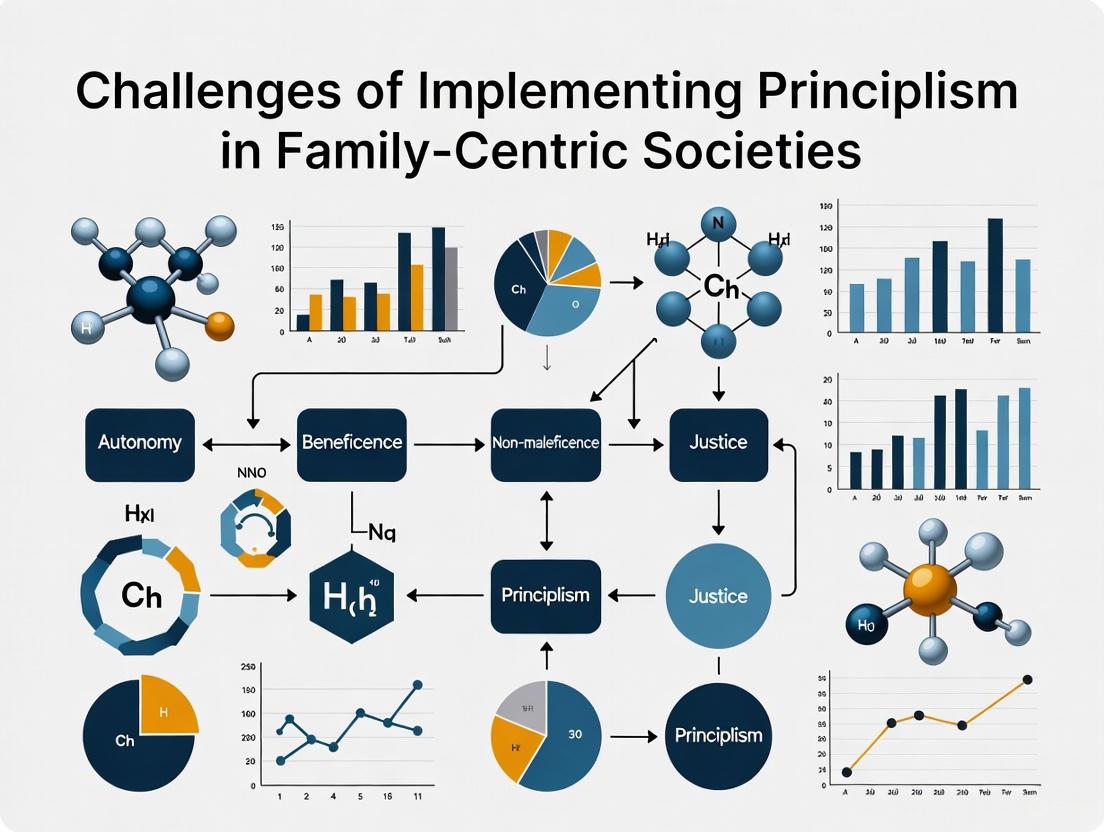
This article examines the critical challenges of applying principlist bioethics—autonomy, beneficence, non-maleficence, and justice—within family-centric societies during the development and regulatory approval of therapies for rare diseases.
Balancing Ethics and Evidence: Implementing Principlism in Family-Centric Drug Development for Rare Diseases
Abstract
This article examines the critical challenges of applying principlist bioethics—autonomy, beneficence, non-maleficence, and justice—within family-centric societies during the development and regulatory approval of therapies for rare diseases. It explores the tension between accelerated access to breakthrough treatments and the need for robust evidence generation, addressing ethical dilemmas in informed consent, equity in access, and evidentiary standards. Through analysis of expedited regulatory pathways, real-world evidence methodologies, and cross-cultural ethical frameworks, we propose integrative strategies for aligning principlist approaches with family-centered values to optimize therapeutic development while respecting sociocultural contexts.
The Principlist-Family Dynamic: Core Ethical Tensions in Rare Disease Therapeutics
Core Principles and Conceptual Framework
Principlism is a systematic approach to ethical decision-making in medicine and science, designed to address ethical problems where traditional ethical theories often reach stalemates [1]. Developed by Tom Beauchamp and James Childress in their seminal 1977 work, Principles of Biomedical Ethics, this framework provides a set of mid-level principles that are detailed enough to guide analysis yet flexible enough to adapt to different cases and cultures [1]. The four core principles are: Respect for Autonomy, Non-maleficence, Beneficence, and Justice [1] [2].
The following conceptual diagram illustrates the dynamic relationship between these core principles and the central challenge of implementing them in family-centric research contexts:
Principle Transformation in Family-Centric Contexts
| Principle | Core Definition | Family-Centric Interpretation |
|---|---|---|
| Respect for Autonomy | Respecting persons' capacities to make decisions for themselves [1] | Shifts from individual self-determination to relational autonomy shaped by family relationships and cultural determinants [2] |
| Beneficence | The obligation to act for the benefit of the patient and promote welfare [2] | Expands to include promoting the well-being of the entire family unit, not just the individual patient |
| Non-maleficence | The obligation not to harm the patient [2] | Extends to avoiding harm to family relationships and dynamics through interventions |
| Justice | Concerns the fair distribution of benefits and burdens in society [1] | Includes fair access to resources for diverse family structures and cultural backgrounds [3] |
Troubleshooting Common Implementation Challenges
FAQ: Addressing Specific Ethical Conflicts
Q1: How should researchers handle situations where an individual patient's autonomous choice conflicts with their family's wishes?
A: This represents a core conflict between autonomy and beneficence in family-centric settings. Traditional autonomy models prioritize the individual's right to determine what happens to their own body [2]. However, in family-centric societies, a relational autonomy approach may be more appropriate. This involves:
- Assessing the individual's decision-making capacity within their family context [1]
- Facilitating family meetings to discuss treatment options and preferences
- Exploring culturally sensitive communication strategies that honor both individual and family perspectives
- Documenting the process of balancing these competing ethical demands
Q2: What strategies exist for applying the principle of justice when research interventions may disproportionately burden certain family structures?
A: Justice requires attention to how benefits and burdens are distributed [1]. When working with diverse families:
- Conduct equity assessments during research design to identify potential disproportionate burdens on single-parent households, low-income families, or minority family structures [3]
- Develop inclusion protocols that accommodate various family forms (LGBTIQ+ families, blended families, co-parenting arrangements) [4]
- Provide practical support (transportation, childcare, flexible scheduling) to ensure all families can participate without undue hardship [4]
- Apply a social justice perspective that examines structural barriers to family support [3]
Q3: How can researchers maintain ethical rigor when using telehealth platforms for family-centered research, especially regarding privacy and informed consent?
A: The COVID-19 pandemic accelerated telehealth adoption, creating new ethical challenges [5]. For maintaining principlism:
- Autonomy: Develop verified digital consent processes that ensure comprehension without in-person interaction
- Non-maleficence: Implement cybersecurity protocols to protect sensitive family information from breaches
- Beneficence: Create technical support systems to ensure families can access and benefit from remote services
- Justice: Address the digital divide by providing devices or internet access to disadvantaged families [5]
Experimental Protocols for Ethical Analysis
Protocol 1: Ethical Conflict Resolution in Family-Centered Research
Purpose: To provide a systematic methodology for resolving conflicts between ethical principles in family-centric research contexts.
Materials Needed:
- Case description with identified ethical conflict
- Multidisciplinary team (researchers, ethicist, cultural liaison if needed)
- Documentation template for ethical analysis
Procedure:
- Case Identification: Clearly define the ethical dilemma, specifying which principles are in conflict (e.g., individual autonomy vs. family beneficence)
- Stakeholder Mapping: Identify all affected parties (research participant, family members, community representatives, research team)
- Principle Weighting: Analyze how each principle applies to the specific context, considering cultural norms and family dynamics
- Alternative Solutions: Brainstorm multiple approaches that balance competing principles
- Ethical Justification: Select the approach that best respects all principles with the least compromise to core values
- Implementation and Review: Apply the solution and establish mechanisms for ongoing evaluation [2]
Expected Outcomes: A documented ethical decision with clear rationale that can withstand scrutiny and guide future similar cases.
Protocol 2: Assessing Family-Centeredness in Research Design
Purpose: To evaluate and improve the integration of family-centered principles in research protocols.
Materials Needed:
- Research protocol draft
- Family-centered care assessment tool [5]
- Feedback mechanism from diverse family representatives
Procedure:
- Protocol Review: Examine the research design for explicit and implicit assumptions about family involvement
- Gap Analysis: Identify areas where family perspectives are absent or marginalized
- Stakeholder Consultation: Engage with family representatives from the target population for feedback
- Modification Cycle: Revise the protocol to better incorporate family-centered approaches
- Validation: Ensure revised protocol maintains scientific rigor while enhancing family engagement [5] [4]
Expected Outcomes: A research protocol that authentically incorporates family-centered principles while maintaining methodological integrity.
Research Reagent Solutions: Ethical Framework Components
Essential Conceptual Tools for Principlism Implementation
| Tool/Component | Function | Application Context |
|---|---|---|
| Relational Autonomy Framework | Expands traditional autonomy to include family and cultural relationships [2] | When individual and family preferences conflict in research decisions |
| Family Impact Assessment | Systematically evaluates how research interventions affect entire family systems [4] | During research design and ethical review processes |
| Cultural Brokerage Protocol | Mediates between research requirements and cultural/family norms [2] | When working with diverse ethnic or cultural communities |
| Distributive Justice Analysis Tool | Assesses fair distribution of research benefits and burdens across family types [3] | For ensuring equitable inclusion of diverse family structures |
| Hierarchical Principle Balancing Matrix | Provides structured approach when principles conflict [1] | During ethical dilemma resolution in family contexts |
Advanced Implementation Framework
Principlism Application Workflow for Family-Centric Research
The following diagram outlines a systematic workflow for applying principlism in family-centric research contexts, from study design through implementation and review:
This technical support framework provides researchers with practical tools for implementing principlism in family-centric research contexts. By addressing these specific challenges through structured protocols, assessment tools, and ethical analysis frameworks, researchers can maintain ethical rigor while respecting the complex dynamics of family-centered decision-making.
Theoretical Foundations and Key Concepts
What is family-centrism and how is it defined in cultural research?
Family-centrism represents a cultural framework where family interests, goals, and values take precedence over individual preferences, characterized by collective decision-making and interdependent autonomy [6]. This framework is particularly prominent in societies with collectivist orientations, where family systems operate as integrated wholes rather than collections of independent individuals [6].
According to family systems theory, families function through smaller subsystems (e.g., parent-child dyads) within an overall family system, with patterns of wholeness, equilibrium, and feedback loops regulating stability and change [6]. In immigrant families, this often manifests through cultural orientation gaps where different rates of acculturation between parents and children create divergent values and behaviors [6].
What are the core components of collective decision-making in family systems?
Collective decision-making within family-centric systems operates through several interconnected processes. The Caesar approach models collective ethical decision-making through factors including trust, security, safety, and privacy which collectively impact decision ethicality [7]. These processes can be centralized (single authority), decentralized (equal participation), or hierarchical (tiered compliance) depending on family structure and cultural context [7].
Research on social values identifies three core components that drive collective family decisions: the cognitive component (shared knowledge and beliefs), the emotional component (shared feelings and attachments), and the behavioral component (shared actions and practices) [8]. These components create an interconnected system where cognition informs emotion, which subsequently drives behavior in family decision-making contexts.
Table 1: Core Components of Social Values in Family-Centric Systems
| Component | Definition | Research Significance |
|---|---|---|
| Cognitive | Shared knowledge, beliefs, and mental frameworks | Forms the foundation for shared understanding of family values and goals |
| Emotional | Shared feelings, attachments, and emotional bonds | Creates emotional cohesion and commitment to collective decisions |
| Behavioral | Shared actions, practices, and behavioral patterns | Demonstrates practical implementation of collective values |
Methodological Approaches and Experimental Protocols
What methodologies effectively study cultural orientation gaps?
Research on cultural orientation gaps employs several validated methodological approaches. The cultural gap assessment measures differences in heritage and mainstream cultural orientation between parents and youth through standardized instruments [6]. This methodology identifies whether children are more or less acculturated than parents across multiple dimensions.
The Conversation Starter Tools methodology uses a mixed-methods approach combining surveys and intentional conversations to understand beliefs on education and experiences with family engagement [9]. This protocol involves:
- Conducting surveys to capture beliefs and levels of trust
- Analyzing opportunities and barriers for engagement by demographic groups
- Facilitating intentional conversations based on survey results
- Using data to drive critical dialogues between stakeholders
Design sprint processes represent another methodological approach, involving five iterative steps: understanding the partnership landscape, designing collaborative approaches, testing ideas, reflecting on designs, and refining designs into sustained practice [9]. These sprints build relational trust through reflection, critical dialogues, and collaboration, emphasizing respect, integrity, care, and competence between participants.
How can researchers measure the outcomes of family-centric interventions?
Measuring intervention outcomes in family-centric research requires multidimensional assessment. The family adaptive systems framework evaluates competent functioning across family system levels after developmental or other changes, examining domains including emotion, control, meaning, maintenance, and stress-response [6]. This approach assesses both adaptation (long-term changes) and adjustment (short-term changes) across family system levels.
Quantitative measures include assessment of family role instillation through instruments measuring weighted relative weights of social values transmission, with studies reporting moderate effectiveness levels (approximately 62% weighted relative weight) in families' instillation of social values [8]. Additionally, adherence difficulty assessments measure challenges children face in maintaining social values, with research indicating moderate difficulty levels (approximately 62% weighted relative weight) in adhering to encouraging social values of volunteering [8].
Troubleshooting Common Research Challenges
How can researchers manage autonomy-interdependence tensions?
The autonomy-interdependence tension represents a fundamental challenge in family-centric research. Studies of creative teams have identified that team creativity benefits from both high autonomy and high task interdependence, but these factors often exist in tension [10]. Effective management of this trade-off requires cultural control at the organizational level, which enables systems to leverage both high autonomy and high interdependence for optimal outcomes [10].
Practical strategies include:
- Implementing structured flexibility frameworks that establish clear decision boundaries while allowing autonomy within those parameters
- Developing tiered decision-making processes that designate which decisions require collective input and which can be individualized
- Creating feedback mechanisms that regularly assess balance between autonomy and interdependence
- Establishing relational trust through demonstrated competence, integrity, respect, and mutual regard [9]
What barriers impede effective family collective decision-making?
Research identifies multiple barriers to implementing effective family-centric approaches. In healthcare settings, barriers include time constraints, participant reluctance, knowledge gaps, and financial challenges [11]. Similar barriers manifest in research contexts, particularly when implementing principlism in family-centric societies.
Table 2: Common Implementation Barriers and Research Solutions
| Barrier Category | Specific Challenges | Potential Mitigation Strategies |
|---|---|---|
| Structural | Time constraints, financial limitations, procedural complexity | Develop simplified models, secure dedicated funding, streamline protocols |
| Relational | Patient/family reluctance, power dynamics, communication gaps | Build trust through transparency, ensure psychological safety, use trained facilitators |
| Knowledge-Based | Lack of specialist knowledge, insufficient training | Provide targeted education, implement mentorship programs, create knowledge repositories |
| Cultural | Value conflicts, generational differences, cultural orientation gaps | Foster cultural humility, implement intergenerational dialogues, acknowledge diverse perspectives |
Facilitators that counter these barriers include strong relational foundations, clear diagnostic frameworks, practitioner experience, specialized training, and collaborative team structures [11]. The presence of multiple team members with complementary expertise leads to more qualitative discussion and better outcomes [11].
Ethical Implementation and Research Reagents
How can researchers address ethical challenges in family-centric contexts?
Implementing principlism in family-centric societies presents distinctive ethical challenges, particularly regarding collective versus individual decision-making. The Caesar approach provides a structured framework for ethical collective decision-making through explicit modeling of factors including trust, security, safety, privacy, and integrity [7]. This approach helps resolve accountability questions when multiple stakeholders participate in decisions.
Key ethical considerations include:
- Accountability distribution across multiple decision-makers
- Balancing individual autonomy with family interests
- Managing power differentials within family hierarchies
- Ensuring transparent processes while respecting privacy needs
- Addressing cultural values that may conflict with ethical principles
Research in Early Intervention settings indicates that family-centered practices significantly predict parent satisfaction with services, highlighting the importance of participatory approaches rather than purely goal-driven collaborations [12].
What conceptual tools facilitate research on family-centrism?
Table 3: Essential Research Reagents for Family-Centric Studies
| Research Tool | Function | Application Context |
|---|---|---|
| Cultural Orientation Measures | Assess adherence to heritage and mainstream cultural values | Identifying acculturation gaps and cultural alignment within families |
| Relational Trust Assessments | Evaluate levels of respect, integrity, care, and competence between family members | Measuring foundation for effective collective decision-making |
| Social Values Inventories | Document shared values, standards, and principles guiding family behavior | Understanding cognitive, emotional, and behavioral components of family values |
| Decision-Mapping Protocols | Track how decisions are made, implemented, and evaluated within families | Analyzing collective decision-making processes and autonomy-interdependence balance |
| Communication Analysis Tools | Examine information exchange patterns and communication quality | Assessing transparency, inclusivity, and effectiveness of family communication |
Family-Centrism Framework Diagram illustrating the core components of collective decision-making and interdependent autonomy within family-centric cultural systems.
Troubleshooting Guide: Common Experimental Hurdles
Problem 1: Confirmatory Trial Delays
- Symptoms: Slow patient enrollment for post-approval studies; missed regulatory deadlines for verifying clinical benefit.
- Underlying Cause: Inherent challenges in recruiting patients for rare diseases; potential strategic delays by sponsors awaiting full approval; complex trial design for heterogeneous conditions.
- Solution: Initiate confirmatory trial planning during Phase II of development. Utilize collaborative registries and real-world data (RWD) platforms to streamline patient identification. Engage with patient advocacy groups early to build trust and awareness [13] [14].
Problem 2: Managing Evidentiary Uncertainty with Payers
- Symptoms: Limited patient access post-approval due to restrictive reimbursement; payer requests for additional, costly outcomes data.
- Underlying Cause: High drug prices despite uncertain clinical benefits; misalignment between surrogate endpoints used for approval and endpoints valued by payers (e.g., overall survival, quality of life).
- Solution: Develop an Integrated Evidence Generation Plan (IEP). Proactively incorporate Health Economics and Outcomes Research (HEOR) and Real-World Evidence (RWE) generation into the core development strategy to demonstrate value to payers across different regions [14].
Problem 3: Ethical Data Collection in Family-Centric Research
- Symptoms: Difficulty obtaining meaningful informed consent; potential for re-traumatization when collecting data from vulnerable populations, such as children or families in crisis.
- Underlying Cause: Standard procedural ethics are insufficient for complex, real-world contexts. Power imbalances between researchers and participants can compromise ethical integrity.
- Solution: Adopt a reflexive, care-ethical approach. Move beyond one-time consent to ongoing dialogue. Implement collective ethical reflexivity involving researchers, participants, and community stakeholders to navigate "ethically important moments" as they arise [15].
Frequently Asked Questions (FAQs)
FAQ 1: What are the key regulatory mechanisms for accelerated access to orphan drugs in major markets?
The primary regulatory mechanisms designed to expedite the development and review of orphan drugs for serious conditions with unmet medical needs are summarized in the table below.
| Region/ Agency | Program Name | Key Focus | Evidence Flexibility |
|---|---|---|---|
| US (FDA) | Accelerated Approval [13] | Approval based on a surrogate endpoint (e.g., lab result, radiographic image) that is reasonably likely to predict clinical benefit, contingent on confirmatory trials [13]. | High flexibility for initial approval, but with a mandatory post-marketing requirement to verify clinical benefit [13]. |
| EU (EMA) | Conditional Marketing Authorization [16] [17] | Approval for drugs addressing unmet medical needs based on less comprehensive data, if benefit-risk balance is positive. | Allows submission of incomplete data, with obligation to complete ongoing or new studies post-approval. |
| Japan (PMDA) | Sakigake Designation [16] [17] | Expedited development and review for innovative therapies. | Aims to shorten review time for designated products. |
| China (NMPA) | Conditional Approval [16] [17] | Approval for drugs for serious/rare diseases with no effective treatment, often linked to the collection of Real-World Evidence (RWE) [17]. | Explicitly incorporates RWE into the regulatory framework for early access. |
FAQ 2: How can I design a confirmatory trial that meets updated regulatory expectations?
Recent FDA draft guidances emphasize that for Accelerated Approval, confirmatory trials should be underway at the time of approval [13]. The methodology must be rigorous.
- Protocol Detail: The trial design should be finalized and agreed upon with regulators during the drug application review. Key elements include:
- Initiation Status: Trial enrollment must have begun, with a target completion date consistent with diligent conduct [13].
- Endpoint Selection: The confirmatory trial should ideally use a direct measure of clinical benefit (e.g., overall survival, improved function) rather than the surrogate used for initial approval.
- Milestone Planning: The study protocol must include clearly defined enrollment and analysis milestones to ensure timely completion. Delays can trigger withdrawal of approval [13].
FAQ 3: What is an Integrated Evidence Generation Plan (IEP) and how does it resolve the access vs. evidence dilemma?
An IEP is a strategic, cross-functional plan that proactively identifies and addresses the evidence needs of all stakeholders (regulators, payers, clinicians, patients) across a therapy's lifecycle [14].
- Workflow: The following diagram illustrates the collaborative, lifecycle-wide approach of an IEP.
- Application: For an orphan drug, an IEP would simultaneously plan for:
- Regulatory Approval: Designing trials with endpoints acceptable for accelerated pathways.
- Payer Access: Incorporating HEOR studies or RWE collection to demonstrate cost-effectiveness and budget impact from the start.
- Clinical Use: Generating data on predictors of response and optimal treatment duration to guide clinicians [14]. This integrated approach avoids siloed, duplicative efforts and ensures that evidence generation for market access does not begin only after regulatory approval, thus bridging the gap between accelerated access and comprehensive evidence.
FAQ 4: How do I navigate ethical principles like principlism when conducting research in family-centric communities?
Implementing principlism (autonomy, beneficence, non-maleficence, justice) in family-centric contexts requires adapting standard protocols.
- Experimental Protocol for Ethical Engagement:
- Community Partnership (Justice): Prior to study design, engage community leaders and family representatives to co-define research questions and methods. This ensures the research is relevant and burdens/benefits are justly distributed [15].
- Adapted Consent Process (Autonomy): Implement a tiered or family-involved consent process that respects both the individual's autonomy and the family's collective decision-making culture, without compromising the former. This is distinct from simple parental consent [18] [15].
- Harm Mitigation Plan (Non-maleficence): Develop a protocol for continuous monitoring of psychosocial distress in participants, with clear pathways for referral to support services. This is crucial when researching sensitive topics within close-knit families [18] [15].
- Ongoing Reflexivity (Beneficence): Schedule regular "ethics in practice" debriefings within the research team to identify and address unforeseen ethical dilemmas that arise during fieldwork, ensuring the research does more good than harm [15].
The Scientist's Toolkit: Essential Reagent Solutions
| Research Reagent / Tool | Function in Orphan Drug Development |
|---|---|
| Real-World Data (RWD) Platforms | Provides data from sources like electronic health records and disease registries to support natural history studies, trial design, and generate external control arms [14]. |
| Validated Surrogate Endpoints | A biomarker (e.g., protein level, tumor shrinkage) used as a substitute for a direct measure of how a patient feels, functions, or survives. Crucial for obtaining Accelerated Approval [13]. |
| Patient-Reported Outcome (PRO) Instruments | Tools to directly capture the patient's perspective on their health status. Used as secondary endpoints in trials to demonstrate functional improvement and support value claims to payers [14]. |
| Health Economic Models | Quantitative frameworks (e.g., cost-effectiveness, budget impact models) used to simulate the long-term economic value of a therapy for payers, based on clinical trial and RWD [14]. |
| Collaborative Disease Registries | Centralized databases, often built with patient advocacy groups, that aggregate clinical and molecular data on a specific rare disease population to facilitate research and trial recruitment [14]. |
Regulatory Pathway and Ethical Alignment Analysis
The pursuit of accelerated access for orphan drugs must be carefully balanced with the ethical obligations of research, particularly in family-centric settings. The table below analyzes how regulatory pathways align with core ethical principles.
| Ethical Principle | Application in Regulatory Pathway | Challenges in Family-Centric Research |
|---|---|---|
| Beneficence | Accelerated Approval provides early access to potentially life-saving treatments for patients with no alternatives [13]. | Risk of creating false hope if confirmatory trials fail to verify benefit. The principle of "do good" must be balanced against evidentiary uncertainty [15]. |
| Non-Maleficence | FDA withdrawal procedures protect patients from therapies where confirmatory trials fail or safety concerns arise [13]. | High prices for drugs with uncertain benefits can cause financial toxicity and harm to the entire family unit [13]. Research itself can cause emotional distress [15]. |
| Autonomy | Informed consent is a cornerstone of clinical trial participation for both initial and confirmatory studies. | Standard individual consent processes may conflict with collective family decision-making norms, requiring culturally sensitive adaptations [15]. |
| Justice | Programs aim to address the "unmet medical need" of rare disease patients, promoting equitable access to innovation [16]. | Geographical disparities in clinical trial sites create inequitable early access. Central & Eastern European countries face delays of >500 days compared to Western Europe [16] [17]. |
Foundational Concepts: Core Tensions and Definitions
What is the core ethical tension between individual autonomy and family-centric decision-making?
The core tension arises because modern Western bioethics and law are largely built on the principle of individual autonomy, which gives a competent patient the right to make informed decisions about their own medical treatment [19]. This contrasts with cultural norms in many family-centric societies, which emphasize the family as the primary decision-making entity [20]. In these contexts, family involvement is seen as an expression of support and protection, and a single individual's autonomous choice can be viewed as disruptive to family harmony [21] [20].
How is "Relational Autonomy" different from the traditional concept of autonomy?
Relational Autonomy is a modern understanding that reframes self-determination as being shaped by a patient's interpersonal relationships and broader social environment [19]. It justifies interventions by family and healthcare professionals that support the patient in decision-making, rather than isolating the individual [20]. This differs from the traditional concept of autonomy, which focuses more on individual choice and independence [20].
Troubleshooting Common Scenarios
A family insists on withholding a serious diagnosis from the patient. What should a researcher or clinician do?
This practice, known as collusion, presents a significant challenge [20]. The recommended course of action is:
- Advise the family that withholding information is usually inadvisable and can undermine trust [20].
- Reassure the family that any disclosure will be managed with utmost sensitivity and support [20].
- Assess the patient's preferences. Some patients may have a "right not to know," but clinicians must ensure the patient understands the serious consequences of this decision [20].
- Navigate respectfully. While cultural norms may deem collusion acceptable, the legal and ethical standard requires respecting the competent patient's right to information [20].
A patient seems to be swayed by a family member's strong opinion. When does this become coercion?
It is common for individuals to weigh their family's preferences heavily in medical decisions [22]. A family member saying, "You can't give up yet," is typically expressing concern and is not necessarily coercive [22]. However, clinicians and researchers should be concerned about autonomy-limiting coercion if they observe:
- Credible threats from the family member [22].
- Evidence of an abusive relationship [22].
- The patient appears fearful or unable to voice their own opinion. Your role is not to alter a couple's long-standing dynamics, but to create a safe space for the patient's voice to be heard and to support the family's coping, which may help align seemingly divergent goals [22].
Our research involves genetic information that has implications for a patient's relatives. How can we approach consent?
Genetic information is inherently shared information, which challenges the traditional model of individual informed consent [21]. Potential approaches include:
- Acknowledging the shared nature of genetic information during the initial consent process [21].
- Discussing with the patient their potential responsibility to inform at-risk relatives [21].
- Exploring novel consent models like open consent for future, as-yet-unknown research uses, particularly relevant for genetic database research [21].
Methodologies and Experimental Protocols
Protocol for Implementing a Shared Decision-Making (SDM) Model
Shared Decision-Making is a patient-centered, individualized approach to the informed consent process that facilitates relational autonomy [23] [19]. The following protocol, such as the SHARE approach, can be implemented [19]:
- Step 1: Seek your patient's participation.
- Methodology: Actively invite the patient (and their family, if the patient wishes) into the decision-making process as partners.
- Step 2: Help your patient explore and compare treatment options.
- Methodology: Use decision aids (e.g., printed information, educational videos) to explain the benefits, risks, and uncertainties of all options in a clear, comprehensible manner [19].
- Step 3: Assess your patient's values and preferences.
- Methodology: Engage in a dialogue to understand what matters most to the patient. Their values, cultural background, and family context should guide the evaluation of options.
- Step 4: Reach a decision together.
- Methodology: Collaborate to formulate a treatment plan that reflects the patient's informed preferences.
- Step 5: Evaluate the decision.
- Methodology: Ensure ongoing communication and re-evaluation as the patient's condition or preferences change.
Protocol for Analyzing Decision-Making Dynamics in a Family Meeting
This qualitative methodology helps dissect the complex interactions between patients, families, and clinicians [20].
- Step 1: Preparation and Environment.
- Methodology: Schedule a dedicated meeting. Ensure a private, comfortable setting. Pre-meet with all parties, if possible, to understand initial perspectives.
- Step 2: Setting the Stage.
- Methodology: Begin by welcoming everyone, stating the meeting's goal, and asking the patient who they would like to be present and involved.
- Step 3: Information Exchange.
- Methodology: Present medical information clearly. Encourage questions from both the patient and family. Actively listen to concerns from all sides.
- Step 4: Eliciting Values and Preferences.
- Methodology: Use open-ended questions directed at the patient (e.g., "What is most important to you as you think about your treatment options?"). Observe non-verbal cues and family dynamics.
- Step 5: Navigating Differences.
- Methodology: If conflicts arise, acknowledge the emotions (e.g., "I can see this comes from a place of love and concern"). Reframe the conversation to the patient's stated values and goals.
- Step 6: Documenting the Process.
- Methodology: Thoroughly document the conversation, the options discussed, and the patient's informed decision in the medical record [19].
Diagram 1: Protocol for a structured family meeting to navigate decision-making dynamics.
The Researcher's Toolkit: Frameworks and Reagents
Key Conceptual Frameworks and Their Application
| Framework/Model | Core Function | Application Context |
|---|---|---|
| Relational Autonomy [19] [20] [22] | Reconceptualizes autonomy as shaped by social relationships, justifying supportive family involvement. | Used to ethically justify and structure family-involved decision-making without abandoning the patient's primacy. |
| Shared Decision-Making (SDM) [23] [24] [19] | Provides a structured, collaborative process between clinician, patient, and family (if patient desires). | Operationalizes the informed consent process in clinical practice and research enrollment, balancing information with patient values. |
| Family-Centered Care (FCC) [25] [26] [27] | A strengths-based model that considers the family as a central unit for support and intervention. | Guides the development of interventions and support systems in child health, disability, and mental health research. |
| Prudent Person Test [21] | A legal standard stating information must satisfy what a reasonable patient would need to make a decision. | Defines the legal "adequacy" of information disclosure during the consent process, focusing on the patient's perspective. |
Analysis Tools for Qualitative Data
| Tool/Method | Function | Application in Consent Research |
|---|---|---|
| Thematic Analysis | To identify, analyze, and report patterns (themes) within qualitative data. | Analyze interview transcripts from patients and families to understand perceptions of the consent process [26]. |
| Framework Analysis | A structured method involving sifting, charting, and sorting material according to key issues and themes. | Assess theoretical adherence to Family-Centered Practice principles in service delivery based on user descriptions [26]. |
Diagram 2: Contrasting traditional and relational models of autonomy in informed consent.
Equity and Justice Concerns in Limited Resource Environments
Implementing principlism—an approach guided by core ethical principles—in family-centric research presents unique challenges, particularly in environments with limited resources. Equity and justice concerns move beyond mere technical problem-solving to question who has access to support, how resources are allocated, and which voices are prioritized in the research process [28] [29]. In family-centric societies, the research ecosystem must acknowledge the family as the fundamental social unit, requiring troubleshooting systems that are not only technically proficient but also culturally competent and ethically grounded.
This technical support framework addresses the tension between standardized protocols and the need for contextual flexibility. It provides researchers with methodologies to navigate the complex interdependencies of family relationships while maintaining rigorous ethical standards, ensuring that research does not exacerbate existing social vulnerabilities but rather contributes to equitable outcomes [30] [31].
Core Principles for Equitable Troubleshooting
The following principles form the ethical foundation for all troubleshooting activities in family-centric research contexts. These principles integrate technical excellence with justice considerations to guide researcher decision-making.
Table 1: Core Ethical Principles for Technical Support in Family-Centric Research
| Principle | Technical Application | Justice Consideration |
|---|---|---|
| Procedural Justice | Implement clear, documented workflows for issue resolution. | Ensure all stakeholders, including family representatives, have voice in process design and evaluation [29] [32]. |
| Distributive Justice | Create transparent systems for allocating limited technical resources and support time. | Prioritize resource allocation to mitigate existing disparities, not perpetuate them [28] [32]. |
| Recognitional Justice | Develop troubleshooting guides that acknowledge diverse cultural expressions of distress and need. | Respect and incorporate local knowledge and family structures into solution design [28] [29]. |
| Intergenerational Equity | Maintain long-term data repositories and ensure knowledge transfer. | Consider the long-term impacts of research interventions on future family generations [32]. |
Troubleshooting Guides & FAQs: A Justice-Oriented Approach
Building Collaborative Relationships with Families
Q: What is the most effective methodology for establishing trust with families in research settings where previous scientific engagement has been exploitative?
A: The Stages2Engage model provides an evidence-informed framework for building collaborative relationships, conceptualizing engagement as a developmental trajectory rather than a single event [30]. This model is particularly valuable for navigating the "initiating" stage where trust is most fragile.
Table 2: Stages2Engage Model for Collaborative Relationships
| Stage | Researcher Actions | Family-Centered Outcomes |
|---|---|---|
| 1. Initiating | Formal introductions; transparent explanation of research goals and potential family benefits. | Initial consent based on clear understanding; reduced power asymmetry. |
| 2. Experimenting | Jointly identify preliminary concerns; test small-scale collaborations. | Shared ownership of the research process; early corrective feedback. |
| 3. Integrating | Family input becomes routine in decision-making; regular feedback loops. | Sustained participation; increased comfort in voicing concerns. |
| 4. Intensifying | Families co-design aspects of the research protocol; partnership deepens. | Shared leadership; families act as research ambassadors. |
| 5. Transitioning | Plan for post-study engagement; knowledge and resource sharing. | Capacity retention within the community; sustainable benefits. |
Experimental Protocol for Relationship Assessment:
- Objective: Quantitatively measure the quality of researcher-family engagement.
- Methodology: Deploy a mixed-methods approach combining:
- Survey Instrument: Administer the "Engagement Perception Scale" to both researchers and family participants across the five Stages2Engage domains. Use a 5-point Likert scale.
- Structured Interviews: Conduct semi-structured interviews with a representative subset of families to explore nuanced experiences of respect, dignity, and collaboration [30] [31].
- Data Analysis: Perform thematic analysis on qualitative data and correlational analysis between engagement scores and research outcomes (e.g., participant retention, data completeness).
Resource Allocation in Constrained Environments
Q: How should limited research resources (e.g., materials, funding, technical support) be allocated among participating families to ensure justice?
A: Fair allocation requires moving beyond a market-driven or first-come-first-served model. Implement a Needs-Based Assessment Framework that explicitly considers pre-existing vulnerability [28] [29].
The following workflow diagram outlines a recursive decision-making process for equitable resource allocation, designed to be applied transparently and consistently.
Experimental Protocol for Equity Auditing:
- Objective: Systematically audit resource allocation patterns to detect and correct bias.
- Methodology:
- Data Collection: Log all resource requests and allocations, including family identifier (anonymized), resource type, request date, decision date, and outcome.
- Vulnerability Indexing: Create a composite index of family vulnerability using factors such as socioeconomic status, access to healthcare, and historical marginalization [28].
- Statistical Analysis: Conduct a multiple regression analysis to determine if the vulnerability index is a significant predictor of allocation success, controlling for scientific necessity.
- Implementation: Run this audit quarterly and present findings to a community advisory board for interpretation and action.
Managing Conflicting Family and Research Priorities
Q: What structured methodology can resolve conflicts between a family's cultural practices and the standardized protocols required for scientific validity?
A: Employ a Principled Negotiation Framework that separates the people from the problem and focuses on underlying interests. The process involves active listening, reframing, and collaborative problem-solving to find a "third way" that respects both cultural integrity and methodological rigor [33] [34].
Troubleshooting Steps:
- Understand the Problem Deeply: Use active listening and open-ended questions ("Can you help me understand the significance of this practice?") to identify the root cultural concern, not just its surface-level impact on the protocol [34].
- Isolate the Core Conflict: Differentiate between methodological pillars that are scientifically inviolable (e.g., double-blinding in a clinical trial) and those that can be adapted (e.g., timing of interventions, data collection settings) without compromising validity.
- Generate Creative Options: Brainstorm alternative protocols with family representatives. For example, if a family tradition conflicts with a clinic visit, explore whether a certified community health worker could perform specific tasks in a home setting.
- Test and Validate: Pilot the adapted protocol on a small scale. Monitor for both scientific adherence (e.g., data quality, sample integrity) and cultural acceptability through family feedback surveys [31].
The Scientist's Toolkit: Research Reagent Solutions
This toolkit details essential materials for implementing equitable and methodologically sound research in family-centric environments.
Table 3: Key Research Reagent Solutions for Equity-Focused Studies
| Reagent / Material | Function | Justice and Practical Application |
|---|---|---|
| Culturally Validated Survey Instruments | Measures psychosocial constructs (stress, trust, well-being) in a specific cultural context. | Prevents cultural bias in data; ensures findings reflect local realities rather than imposed external categories. Requires translation/back-translation and local validation. |
| Multi-Format Consent Documents | Obtains informed consent through various media (paper, digital, audio, witnessed verbal). | Promotes procedural justice by accommodating varying literacy levels and technological access, ensuring understanding is not a barrier to participation. |
| Community Advisory Board (CAB) Charter | A formal document outlining the role, structure, and authority of a family/community representative board. | Embeds recognitional justice into governance; provides a structured mechanism for community voice in oversight, priority-setting, and conflict resolution [29]. |
| Data Sovereignty Agreement Template | A pre-negotiated agreement governing data ownership, access, usage, and future benefit-sharing. | Addresses distributive justice by ensuring that families and communities retain rights over their data and share in the benefits derived from it, preventing exploitation. |
Addressing equity and justice in limited resource environments requires a dual commitment: technical excellence in troubleshooting and ethical rigor in engagement. The frameworks presented—from the Stages2Engage model for collaborative relationships to the recursive allocation workflow—provide actionable pathways for upholding principlism when researching family-centric societies. By embedding justice considerations into the very fabric of technical support—from reagent selection to protocol design—researchers can build more equitable, trustworthy, and scientifically valid research programs that honor the dignity and agency of all participating families.
Implementing Ethical Frameworks: Methodologies for Family-Integrated Drug Development
Adapting Clinical Trial Designs for Family-Centric Populations
Technical Support: Troubleshooting Guides & FAQs
This section provides practical solutions for common challenges researchers face when implementing family-centric clinical trials.
FAQ 1: How can we adapt trial protocols to reduce burden on patients and their families?
Challenge: Standard trial protocols often fail to consider the significant logistical and emotional burden placed on participants and their families, leading to poor recruitment and high dropout rates.
Solution: Proactively assess and mitigate participant burden through targeted profiling and stakeholder feedback.
- Create Detailed Patient Profiles: Move beyond basic eligibility criteria to understand patients' everyday lives. Develop profiles that include demographics, the impact of the disease on day-to-day living, and potential barriers to participation, such as the need for travel or childcare [35].
- Crowdsource Feedback from Families and Caregivers: Directly survey those with lived experience. Before finalizing a protocol, ask families and caregivers about the typical frequency of hospitalizations, the challenges of travel, and the feasibility of proposed visit schedules. This can reveal unexpected insights, such as the primary challenge being care for healthy siblings during hospital stays rather than the visits themselves [35].
- Engage Clinical Experts: Consult with nurse specialists who have deep experience at research sites. They are often the best judges of the practical burdens a trial protocol may impose on patients and can advise on simplifying procedures, reducing the number of questionnaires, or optimizing visit schedules [35].
FAQ 2: What strategies improve family engagement and communication within a trial?
Challenge: Inadequate communication and engagement can lead to a lack of trust, poor protocol adherence, and families feeling unsupported.
Solution: Implement structured communication frameworks and leverage technology to facilitate shared decision-making.
- Implement a Structured Communication Checklist: Use tools like the Family-Centered Rounds (FCR) Checklist to standardize key interactions. This checklist ensures that every meeting with the family includes critical elements such as making introductions, summarizing the care plan, and, most importantly, asking the family for questions [36]. Studies show that performing these elements is associated with higher family engagement and more positive perceptions of safety [36].
- Utilize Family-Centered Technology: Deploy digital tools designed to facilitate shared goal-setting. Systems like GoalKeeper, an internet-based tool for eliciting and monitoring family-centered goals, can help structure conversations between providers and families. Key to success is ensuring these tools are accessible and, where possible, integrated into existing clinical workflows like the Electronic Health Record (EHR) to avoid creating extra work for families or staff [37].
- Simplify Informed Consent: Transform the informed consent process from a legal formality into an understandable conversation. Use concise language and supportive materials like animated videos to explain the study's purpose, procedures, and expectations. This ensures that families can provide truly informed consent and are more likely to remain committed to the trial [35].
FAQ 3: How do we navigate ethical principles like autonomy and beneficence in a family-centric context?
Challenge: The individual-focused principle of autonomy can conflict with family-centric cultures where decision-making is often shared collectively. Similarly, defining beneficence (acting in the patient's best interest) can be complex when family interests are also considered.
Solution: Adapt ethical application to be more inclusive of family structures while protecting participant rights.
- Respect for Potential and Enrolled Subjects: This NIH clinical center principle must extend to the family unit. This involves respecting the family's role in decision-making, providing them with new information that emerges during the research, and monitoring their welfare, not just that of the patient [38].
- Fair Subject Selection: Ensure that the scientific goals of the study drive participant recruitment, not the vulnerability or privilege of a family. Do not exclude groups (e.g., non-native speakers) without a sound scientific reason, and ensure that families who accept the risks of research are in a position to enjoy its benefits [38].
- Promote Informed Consent as a Process: Frame consent as an ongoing dialogue rather than a one-time signature. This allows for continuous reaffirmation of the participant's and family's understanding and voluntary participation, respecting both individual will and family consultation [38].
Experimental Protocols & Methodologies
This section details specific methodologies cited for implementing and evaluating family-centric approaches.
Protocol 1: Implementing and Evaluating a Family-Centered Rounds (FCR) Checklist
Objective: To standardize the delivery of high-quality family-centered rounds and measure its impact on family engagement and perceptions of safety [36].
Methodology (Cluster Randomized Trial):
- Intervention Development: Develop an FCR checklist through stakeholder engagement (parents, healthcare team members, institutional leadership). The checklist should specify 8-10 key "best practice" elements, such as "nurse is present," "introductions are made," and "family is asked for questions." [36]
- Study Design: Randomize different hospital services (e.g., general pediatrics, pulmonary) to either use the FCR checklist intervention or to continue with usual care.
- Training: Bundle the checklist with a 1-hour interactive training session for the healthcare teams on the intervention services.
- Data Collection:
- Primary Outcome: Video-record rounds to objectively measure the performance of the FCR checklist elements.
- Secondary Outcomes: Use validated surveys, such as the Children’s Hospital Safety Climate Questionnaire, to assess parent perceptions of safety. Apply communication analysis to the video recordings to measure family engagement.
- Analysis: Use random effects regression models to assess the impact of the intervention on the performance of FCR elements and the associated outcomes.
Protocol 2: Deploying a Digital Tool for Shared Goal-Setting
Objective: To assess the feasibility, acceptability, and implementation barriers of a technology-based tool (GoalKeeper) for facilitating shared goal-setting with families of children with medical complexity [37].
Methodology (Prospective Implementation Feasibility Study using CFIR):
- Framework: Use the Consolidated Framework for Implementation Research (CFIR) to guide the evaluation throughout all phases.
- Pre-implementation:
- Conduct focus groups with parents and providers to identify potential barriers and facilitators.
- Develop implementation strategies based on this feedback (e.g., education demos, tech support, email reminders).
- Implementation:
- Enroll provider-parent pairs in ambulatory clinics.
- Instruct pairs to use the GoalKeeper tool during an initial clinic visit and for a set period (e.g., 3 months) afterward. The tool includes modules for goal elicitation and progress tracking.
- Post-implementation:
- Conduct semi-structured exit interviews with parents and providers using the CFIR interview guide.
- Administer surveys to assess feasibility and acceptability on a 5-point Likert scale.
- Analysis: Use content analysis to code interview transcripts. Rate each CFIR construct (e.g., intervention characteristics, inner setting) as a barrier or facilitator. Analyze survey data for quantitative trends in usability.
Table 1: Strategies to Overcome Common Family-Centric Trial Challenges
| Challenge | Proposed Solution | Key Action Steps | Measurable Outcomes |
|---|---|---|---|
| High Participant Burden | Patient Profiling & Crowdsourcing [35] | - Develop detailed patient profiles including logistics.- Survey caregivers on standard care burdens.- Consult nurse specialists on protocol feasibility. | - Reduced dropout rates.- Improved recruitment speed.- Higher participant satisfaction scores. |
| Poor Family Engagement | FCR Checklist & Digital Tools [36] [37] | - Implement a standardized communication checklist.- Use digital platforms for shared goal-setting (e.g., GoalKeeper).- Ensure tool integration with EHR. | - Increased performance of key engagement elements (e.g., asking for questions).- Higher levels of observed family engagement.- Improved parent perceptions of safety climate. |
| Informed Consent Misunderstanding | Simplified Consent Process [35] | - Simplify language in consent forms.- Utilize visual aids (e.g., animated videos).- Frame consent as an ongoing dialogue. | - Higher participant comprehension scores.- Faster enrollment rates.- Lower rates of protocol deviations. |
| Navigating Ethical Tensions (e.g., Autonomy vs. Family Input) | Ethical Principle Adaptation [38] | - Apply "Respect for Subjects" to the family unit.- Maintain "Fair Subject Selection" based on science.- Promote ongoing consent as a process. | - Successful recruitment in diverse cultural contexts.- High rates of continued participation.- Positive feedback from Ethics Review Boards. |
Table 2: Key Research Reagent Solutions for Family-Centric Research
| Item / Tool | Function in the Research Context | Example & Key Features |
|---|---|---|
| FCR Checklist [36] | A structured tool to standardize provider-family communication during clinical rounds, ensuring consistent family engagement. | - Contains 8 key elements (e.g., "Introductions," "Ask family for questions").- Bundled with provider training for effective implementation. |
| Shared Goal-Setting Platform (e.g., GoalKeeper) [37] | A digital tool to facilitate the co-creation and tracking of health goals between clinicians and families. | - Modules for goal elicitation (based on family worries) and progress tracking.- Designed for use during clinic visits and longitudinal follow-up. |
| Stakeholder Advisory Panel | A group of patients, family caregivers, and community members who provide input on trial design, materials, and conduct. | - Used in pre-trial phases to crowdsource feedback on burden and feasibility [35].- Ensures trial protocols are grounded in patient and family lived experience. |
| Validated Engagement & Safety Metrics [36] | Standardized instruments to quantitatively assess the impact of family-centric interventions. | - Children’s Hospital Safety Climate Questionnaire: Measures parent perceptions of safety.- Communication Analysis: Objectively measures family engagement from audio/video recordings. |
System Workflow & Pathway Visualizations
Family-Centric Trial Implementation Workflow
Ethical Decision Pathway for Family-Centric Research
Structured Approaches to Family Engagement in Protocol Development
Technical Support Center
Troubleshooting Guide: Resolving Common Barriers to Family Engagement
Q1: How can we address low initial family participation rates in our protocol development workshops?
- A: Low participation often stems from a lack of trust and logistical barriers. Implement a multi-faceted recruitment strategy. Use trusted community gatekeepers for outreach. Offer multiple engagement modalities (in-person, virtual, asynchronous) and provide stipends, childcare, and transportation support to reduce burden. Pre-engagement surveys can identify optimal times and formats.
Q2: During consensus-building exercises, dominant family voices are overshadowing others. How do we ensure equitable contribution?
- A: This is a common challenge that undermines the principle of justice. Facilitators should use structured techniques like round-robin brainstorming or silent electronic polling before open discussion. Establish clear group norms at the outset, emphasizing that all perspectives are valued. Utilize breakout groups to allow quieter participants to formulate thoughts in a safer environment.
Q3: We are encountering significant cultural or religious objections to a proposed study procedure (e.g., genetic testing). How should we proceed?
- A: This directly tests the balance between respect for cultural norms (beneficence/non-maleficence) and scientific rigor. Do not dismiss these concerns. Document the specific objection meticulously. Engage cultural liaisons or community elders to help contextualize the concern and explore potential modifications to the protocol that respect the cultural boundary while preserving the study's scientific integrity. This may require innovative study design.
Q4: How can we effectively document and integrate family feedback into the final protocol in a traceable manner?
- A: To uphold transparency and accountability, maintain a "Family Engagement Log." This living document should track all feedback, the research team's response, and the rationale for integrating or not integrating each suggestion. Using a structured table ensures traceability from comment to protocol revision.
Frequently Asked Questions (FAQs)
Q: What is the optimal number of family representatives to include in a protocol development panel?
- A: There is no universal number, but a panel of 8-12 members is typically manageable and allows for diverse perspectives. The key is diversity in demographics, disease experience, and relationship to the patient, rather than a specific count. See Table 1 for data from recent studies.
Q: How do we compensate family members for their time and expertise without being coercive?
- A: Compensation should be fair and recognize their contribution as experts. Stipends, gift cards, or direct payments are common. The amount should be commensurate with the time commitment and level of expertise required, and must be reviewed by an ethics board to ensure it is not unduly influential.
Q: What training should both researchers and family members undergo before engagement begins?
- A: Researchers need training in cultural humility, active listening, and facilitation skills. Family members benefit from a foundational orientation on clinical research principles, protocol structure, and their specific advisory role. This levels the playing field and empowers effective contribution.
Data Presentation
Table 1: Impact of Structured Family Engagement on Protocol Feasibility Metrics
| Metric | Pre-Engagement Protocol (n=5 studies) | Post-Engagement Protocol (n=5 studies) | % Change |
|---|---|---|---|
| Participant Screening Failure Rate | 18% | 9% | -50% |
| Survey Item Non-Response Rate | 22% | 11% | -50% |
| Protocol Amendment Requests (Month 1-6) | 3.4 | 1.2 | -65% |
| Family-Reported Acceptability Score (1-10 scale) | 6.1 | 8.7 | +43% |
Experimental Protocol: Measuring the Impact of Family Engagement on Informed Consent Comprehension
Objective: To quantitatively assess whether protocol co-developed with families leads to higher participant comprehension during the informed consent process.
Methodology:
- Design: Randomized Controlled Trial.
- Groups:
- Control Group: Participants consent using a standard protocol developed by researchers only.
- Intervention Group: Participants consent using a co-developed protocol refined through structured family engagement panels.
- Procedure:
- Recruit eligible participants from a clinical population.
- Randomize participants to either control or intervention group.
- Administer the standard or co-developed consent form.
- Immediately after, administer a validated 10-item "Consent Comprehension Quiz" (CCQ) covering key study elements (procedures, risks, benefits, alternatives, voluntary nature).
- Outcome Measures:
- Primary: Mean score on the 10-point CCQ.
- Secondary: Time taken to complete the consent process, participant anxiety score (using a visual analog scale).
Workflow Diagram:
Title: Consent Comprehension Study Workflow
The Principlism Tension in Family-Centric Engagement
Diagram: This diagram illustrates the inherent conflict between the Western ethical framework of Principlism and the communal decision-making common in family-centric societies.
Title: Principlism vs. Family-Centric Ethics
The Scientist's Toolkit: Research Reagent Solutions for Engagement Analysis
| Reagent / Tool | Function in Engagement Research |
|---|---|
| Validated Trust Scales (e.g., Wake Forest Physician Trust Scale) | Quantifies the level of trust participants have in the research institution, allowing for pre- and post-engagement comparison. |
| Qualitative Coding Software (e.g., NVivo, Dedoose) | Facilitates the systematic analysis of interview and focus group transcripts to identify key themes and barriers. |
| Consent Comprehension Quiz (CCQ) | A standardized instrument to objectively measure understanding of study protocols post-consent. |
| Digital Engagement Platforms (e.g., VisionsLive, ThoughtExchange) | Enables asynchronous, anonymous contribution from family members, mitigating the "dominant voice" problem. |
| Structured Engagement Log Template | Provides a consistent framework for documenting feedback, ensuring transparency and accountability in the protocol revision process. |
Cultural Validation of Patient-Reported Outcome Measures
Core Concepts and Definitions
What is the fundamental purpose of cultural validation for a Patient-Reported Outcome Measure (PROM)? Cultural validation ensures that a PROM is not only linguistically translated but also culturally appropriate, relevant, and semantically equivalent for a target population. Its purpose is to guarantee that the instrument measures the intended health concept accurately and reliably across different cultural contexts, thereby enabling valid cross-cultural comparisons and clinical applications [39] [40].
How does cultural validation for PROMs relate to research in family-centric societies? In family-centric societies, health perceptions, decision-making, and the very experience of an illness are often deeply intertwined with family dynamics and collective, rather than purely individual, perspectives. A PROM that has been validated only in individualistic cultures may fail to capture crucial aspects of health and quality of life that are meaningful in these settings. For instance, items about "independence" or "personal privacy" might require careful adaptation to reflect culturally specific concepts of familial interdependence and shared experience [5]. This creates a significant challenge for implementing a purely principle-based research framework that prioritizes individual autonomy, necessitating a culturally sensitive balance between ethical principles and local values.
Table: Key Terminology in Cultural Validation of PROMs
| Term | Definition | Relevance to Family-Centric Contexts |
|---|---|---|
| Translation | The process of converting the text of a PROM from a source language to a target language. | The initial step; must consider dialectal variations and terms for family roles. |
| Cultural Adaptation | A process beyond translation that modifies content to ensure cultural relevance and conceptual equivalence. | Crucial for adapting concepts like "self-care" or "social support" to include familial dimensions. |
| Cross-Cultural Validity | A measurement property indicating that the performance of the items and scales of a PROM are equivalent across different cultural groups. | Ensures the PROM works similarly in both individualistic and collectivistic societies. |
| Conceptual Equivalence | The assurance that the concept being measured has the same meaning and significance in the target culture as in the source culture. | A concept like "patient empowerment" may need to be reframed as "family-enabled care." |
| Cognitive Debriefing | A pre-testing method where individuals from the target population are interviewed to assess their understanding of the PROM items. | Essential for uncovering whether items are interpreted through an individual or familial lens. |
Methodologies & Experimental Protocols
Standard Protocol for Translation and Cultural Adaptation
A robust methodology for the translation and cultural adaptation of PROMs is critical for ensuring validity. The following multi-stage framework, synthesized from established guidelines, is considered a principle of good practice [39] [40].
Core Workflow Diagram
Detailed Methodology:
- Forward Translation: The PROM is translated from the source language to the target language by at least two independent translators [39]. One translator should be aware of the PROM's concepts (informed translator), and the other should be a naive translator to capture natural language use.
- Reconciliation: The two forward translations are synthesized into a single version (T-12) by a third translator or a committee. This step resolves discrepancies and produces a consensus-based draft [39].
- Back Translation: The reconciled target-language version is translated back into the source language by a bilingual translator who is blind to the original PROM. This step highlights conceptual discrepancies rather than aiming for a perfect linguistic match [39] [40].
- Expert Committee Review: A multidisciplinary committee (e.g., including methodologies, linguists, healthcare professionals, and cultural experts) reviews all translations, back-translations, and reports. Their role is to achieve semantic, idiomatic, experiential, and conceptual equivalence between the source and target versions, and to approve the pre-final version [39] [40].
- Cognitive Debriefing and Pre-Testing: The pre-final version is administered to a small sample of target population participants (typically 5-10 is sufficient for this phase). Through structured interviews, participants verbalize their thought process when answering each item. This assesses comprehensibility, interpretation, and cultural relevance [40].
- Final Review: The research team incorporates feedback from cognitive debriefing to produce the final adapted version of the PROM. A detailed report of the entire process is created.
Protocol for Psychometric Validation
After cultural adaptation, the new version must be validated to confirm its measurement properties. The COnsensus-based Standards for the selection of health Measurement INstruments (COSMIN) guidelines are the international standard for this process [41].
Key Experiments and Assessments:
- Structural Validity: Assessed using Confirmatory Factor Analysis (CFA) to test whether the pre-specified factor structure (e.g., the subscale domains) of the original PROM is replicated in the new cultural context.
- Internal Consistency: Measured using Cronbach's alpha for each unidimensional scale. A value between 0.70 and 0.95 is generally considered acceptable [39].
- Reliability (Test-Retest): Administer the PROM twice to the same group of stable participants, typically 1-2 weeks apart. Analyze the results using the Intraclass Correlation Coefficient (ICC). An ICC of >0.70 indicates good reliability [39].
- Construct Validity:
- Hypotheses Testing for Convergent Validity: Administer the new PROM and a previously validated instrument measuring a similar construct to the same sample. Pre-specify hypotheses about the expected correlation (e.g., moderate to strong, r > 0.50). Use Pearson's or Spearman's correlation coefficient to test these hypotheses [39].
- Known-Groups Validity: Compare PROM scores between groups known to differ in the health condition (e.g., severe vs. mild disease) using t-tests or ANOVA to see if the tool can discriminate as expected.
- Responsiveness: Evaluate the PROM's ability to detect clinically important change over time. Administer the tool before and after a treatment known to be effective and analyze the change score using Effect Sizes (ES) or Standardized Response Mean (SRM).
Table: Essential Reagents for Cultural Validation & Psychometric Studies
| Research Reagent / Tool | Function / Explanation |
|---|---|
| Source PROM | The original, validated instrument to be adapted. Serves as the reference standard. |
| Bilingual Translators | Key actors for forward and back translation; require native fluency and cultural literacy. |
| Multidisciplinary Expert Committee | Provides oversight and ensures conceptual, cultural, and methodological rigor. |
| Cognitive Debriefing Interview Guide | A structured protocol to elicit participant feedback on item clarity and relevance. |
| Validated Comparator Instrument | A "gold standard" or related measure used to test construct validity hypotheses. |
| Statistical Software (e.g., R, SPSS) | Essential for conducting psychometric analyses (CFA, Cronbach's alpha, ICC, etc.). |
| COSMIN Risk of Bias Checklist | A critical appraisal tool to evaluate the methodological quality of the validation study itself [41]. |
Troubleshooting Common Experimental Issues
FAQ 1: Our forward translations have significant conceptual disagreements. How should we proceed? This is a common challenge, often indicating a concept that is not directly transferable. Solution: Do not simply choose one translation. The reconciliation meeting and expert committee must delve into the reasons for the discrepancy. Consider replacing the problematic word or phrase with a culturally appropriate equivalent or adding a brief explanatory note to ensure the intended concept is conveyed. Document all decisions thoroughly.
FAQ 2: During cognitive debriefing, participants consistently misinterpret a key term. What is the next step? This finding is critical and must be addressed. Solution: The term requires modification. The research team should brainstorm alternative terms or phrases with the expert committee and conduct a second, focused round of cognitive debriefing with the revised item to confirm it is now correctly understood. This iterative process is a hallmark of rigorous adaptation.
FAQ 3: The internal consistency (Cronbach's alpha) for one subscale is unacceptably low in our new sample. What does this mean? A low Cronbach's alpha (<0.70) suggests that the items in the subscale are not measuring the same underlying latent construct in your new cultural context. Solution: First, check for translation errors that might have altered an item's meaning. If the translation is sound, it may indicate that the theoretical construct itself is not perceived as unified in this culture. You may need to explore the factor structure using Exploratory Factor Analysis (EFA) to see if the items load onto different, culturally specific factors.
FAQ 4: We confirmed good face validity, but the tool shows poor correlation with a related measure (low convergent validity). How should we interpret this? This is a complex issue. Solution: Consider several possibilities:
- The comparator instrument may itself be poorly validated in your target population.
- The hypothesized relationship between the constructs may not hold in the new cultural context. For example, "physical function" might be defined differently.
- Re-visit the conceptual equivalence of the core construct being measured. It is possible that despite good face validity, the PROM is capturing a different aspect of the health experience than intended.
Implementation and Reporting in Family-Centric Contexts
FAQ 5: How can we specifically adapt a PROM to be more relevant for a family-centric population? This requires deliberate modification of the adaptation protocol. Solution:
- Expert Committee: Include family counselors, medical anthropologists, or community elders who understand family dynamics.
- Cognitive Debriefing: Probe specifically on items related to daily activities, decision-making, and emotional well-being. Ask questions like, "Who is usually involved when you deal with this aspect of your health?" This can reveal if an item framed individually should be interpreted collectively.
- Item Modification: For certain concepts, it may be methodologically sound to add a brief instruction (e.g., "Please consider your own feelings, but also how your family is affected by your health") or, in rare cases, to modify items to reflect the family unit, provided the core construct is preserved and such modifications are transparently reported.
FAQ 6: What are the key elements to include in a final report for a culturally validated PROM? A comprehensive report is vital for transparency and credibility. Solution: Your final report must detail:
- Description of the Adaptation Process: A step-by-step account following a recognized guideline (e.g., ISPOR Principles of Good Practice) [40].
- Description of the Psychometric Study: Participant characteristics, study design, and statistical methods aligned with COSMIN standards [41].
- Full Results: Present all data for the measurement properties tested (e.g., CFA fit indices, Cronbach's alpha, ICC, correlation coefficients).
- Discussion of Challenges: Document any problematic items, how they were resolved, and limitations, such as the need for further validation of cross-cultural validity or responsiveness [42].
Leveraging Real-World Evidence Generation in Family Contexts
Conceptual Foundations: RWE and Principlism
FAQ: Core Concepts and Relevance
What is the difference between Real-World Data (RWD) and Real-World Evidence (RWE)?
- RWD are raw data collected from routine healthcare delivery. Sources include electronic medical records (EMRs), claims and billing data, patient registries, and patient-generated data from mobile devices or surveys [43] [44]. RWD is the raw material.
- RWE is the clinical evidence derived from analyzing RWD. It provides insights into the usage, potential benefits, and risks of a medical product in real-world clinical practice [45] [43]. The transformation requires defining a study protocol, blending disparate data sources, and applying appropriate analytic techniques [44].
Why is RWE particularly relevant for research in family-centric contexts? Traditional Randomized Controlled Trials (RCTs) often have strict inclusion criteria and isolate the individual participant. RWE, by capturing data from routine care, can provide a more holistic view of a patient within their family and social environment. This is crucial for understanding treatment adherence, caregiver burden, and quality-of-life outcomes that are deeply influenced by family dynamics [43] [44].
What is principlism and what is the central challenge in family-centric research? Principlism is a dominant framework in biomedical ethics based on four core principles: (1) respect for autonomy, (2) beneficence (to do good), (3) nonmaleficence (to avoid harm), and (4) justice [2] [46]. The central challenge is that in many family-centric societies, the principle of individual autonomy can conflict with family-centered decision-making models, where the family unit, rather than the individual, is the primary decision-making body [2]. Principlism, developed in a Western liberal context, can be inadequate in these settings as it may not fully account for relational autonomy and shared decision-making [46].
The Scientist's Toolkit: Key Research Reagent Solutions
Table 1: Essential Materials and Data Sources for RWE Generation
| Item/Data Source | Primary Function in RWE Generation |
|---|---|
| Electronic Health Records (EHRs) | Provides core clinical data on patient demographics, comorbidities, treatment history, and outcomes from routine care [44]. |
| Patient Registries | Longitudinal databases for specific diseases or conditions, offering rich, structured data on patient journeys and outcomes [44]. |
| Claims and Billing Data | Offers information on healthcare resource utilization, prescribing patterns, and population coverage [44]. |
| Patient-Reported Outcome (PRO) Surveys | Captures data directly from patients on their symptoms, quality of life, and treatment experiences, crucial for understanding the patient perspective [44]. |
| Natural History Studies | Provides foundational data on the progression of a disease without treatment, serving as a critical comparator for single-arm studies, especially in rare diseases [47]. |
Troubleshooting Guide: Common RWE Scenarios & Ethical Conflicts
Scenario 1: Data Fragmentation and Informed Consent
- Presenting Problem: "I cannot get a complete picture of patient outcomes because data is siloed across different family members' accounts and provider systems. Furthermore, obtaining individual informed consent is culturally insensitive and disrupts family harmony."
- Underlying Issue: Data defragmentation is a significant technical barrier to RWE [45]. In family-centric settings, this is compounded by ethical norms that may view individual consent as disrespectful to family authority [2].
- Recommended Workflow:
- Experimental Protocol:
- Stakeholder Engagement: Prior to protocol finalization, hold meetings with community elders, family heads, and patient advocates to explain the research goals and understand local decision-making norms [2].
- Tiered Consent Model Development: Co-create a consent process that may involve: a) individual assent from the patient, and b) formal authorization from a designated family head or collective family agreement, documented according to a reviewed ethical protocol.
- Data Integration & Anonymization: Use probabilistic record matching algorithms to link data from different sources (EHRs, claims) [44]. Anonymize data at the family level where appropriate for analysis to protect privacy while preserving relational context.
- Validation: Conduct follow-up interviews with families and stakeholders to ensure the process respects cultural values and ethical standards.
Scenario 2: Balancing Individual Autonomy and Family Welfare
- Presenting Problem: "A patient in our study expresses a treatment preference, but their family insists on a different course of action, citing the broader family's well-being. Our ethical framework prioritizes patient autonomy, creating a conflict."
- Underlying Issue: This is a direct collision between the principle of autonomy and family-centric beneficence and nonmaleficence [2] [46]. A rigid application of principlism can lead to a breakdown in trust and research participation.
- Recommended Workflow:
- Experimental Protocol:
- Facilitated Conference: Organize a mediated meeting involving the patient, key family members, a clinical researcher, and a cultural/ethics liaison. The goal is open dialogue, not imposition.
- Principle Specification: Reframe the principles for this context. "Respect for Autonomy" can be specified as "Respect for Relational Autonomy," acknowledging the patient's decisions are embedded in family relationships. "Beneficence" is expanded to consider the well-being of the family unit where relevant.
- Balancing Act: Deliberately weigh the specified principles. Does the family's concern present a tangible harm (nonmaleficence) to the patient or others? Can a compromise be found that honors the patient's voice while addressing core family concerns?
- Documentation: Meticulously document the process, the rationale for the final decision, and the outcomes. This documentation itself becomes valuable RWE on managing ethical conflicts in clinical research.
Scenario 3: Designing Studies for Heterogeneous Family Structures
- Presenting Problem: "Our patient population has highly diverse family structures and dynamics. Our traditional trial endpoints and data collection methods fail to capture this heterogeneity, making our RWE less generalizable."
- Underlying Issue: Standard clinical trial designs often ignore the influence of family dynamics on health outcomes. This leads to a lack of understanding of differential treatment effects and preferences across family types [47].
- Recommended Workflow:
- Experimental Protocol:
- Multi-Dimensional Thresholding (MDT): Implement MDT, a method robust for small sample sizes, to elicit individual patient and family caregiver preferences regarding treatment attributes and outcomes. This captures heterogeneity where traditional methods fail [47].
- Integrate Family-Reported Outcomes: Supplement Patient-Reported Outcome (PRO) surveys with Family-Reported Outcome (FRO) surveys to capture caregiver burden, family functioning, and observed patient well-being.
- Pragmatic Trial Design: Design studies that incorporate real-world considerations, such as flexible scheduling to accommodate family responsibilities and the use of RWD sources like EHRs to collect endpoints with minimal patient burden [45] [44]. This allows for the inclusion of a more diverse range of family structures.
- Analysis: Analyze outcomes stratified by family structure types and preference subgroups identified through MDT to generate more nuanced and applicable RWE.
Digital Health Technologies for Decentralized Family-Inclusive Trials
FAQs: Core Concepts and Design
Q1: What defines a Decentralized Clinical Trial (DCT) and how can it be family-inclusive?
A1: A Decentralized Clinical Trial (DCT) is a study executed through telemedicine, mobile/local healthcare providers, and technologies that differ from the traditional clinical trial model. In a DCT, some or all trial activities occur at locations other than a traditional clinical trial site, such as a participant's home or a local healthcare facility [48]. A DCT becomes family-inclusive when its design intentionally incorporates and supports the participation of family members or people in close relationships. This is achieved by using digital tools and platforms that facilitate relational health and accommodate the needs, preferences, and privacy of multiple family members simultaneously [49].
Q2: What are the primary ethical principles to consider when designing a family-inclusive DCT?
A2: The design should be guided by core bioethical principles [50]:
- Autonomy: Respecting the capacity of all family members to make informed choices, which includes managing complex family consent dynamics.
- Beneficence: Promoting the well-being of the entire family unit through the intervention.
- Non-maleficence: Actively avoiding harm, such as mitigating risks of data breaches or interpersonal conflicts within the family.
- Justice: Ensuring fair distribution of the benefits and burdens of participation, which requires addressing the digital divide and ensuring access for families from diverse socio-economic backgrounds [50].
Q3: What are the key design principles for engaging families in a digital health intervention?
A3: A consensus of experts, including therapists, digital health professionals, and consumers, identified four essential design principles [49]:
- Informed Choice: Families must be given clear, comprehensible information about the intervention, including how their data will be used.
- Anonymity and Privacy: The platform must protect user data and manage the nuanced privacy dynamics between family members sharing an online space.
- Accessibility: The technology must be available and suitable for use by family members of diverse ages, abilities, and technology skill levels.
- Support and Connection: The intervention should facilitate a sense of connection and provide robust support mechanisms for all users.
FAQs: Implementation and Troubleshooting
Q4: What participant factors should be considered to ensure equitable access and engagement?
A4: Investigators should consider these domains from the participant perspective [48]:
- Communication: Maintain robust communication among participants, family members, and the investigator.
- Orientation/Training: Provide training to participants and families on their responsibilities, including how to use the required technology.
- Digital Technology: Consider participant and family ability to use the technology, internet connectivity access, and whether to provide devices or support the use of personal ones.
- Culture/Socio-Economic Factors: Design the DCT to include persons from diverse cultural and socio-economic backgrounds, which may include providing financial assistance for technology or offering materials in multiple languages [48].
- Special Populations: If enrolling children or vulnerable populations, design the research to engage parents or Legally Authorized Representatives (LARs) and accommodate persons with disabilities [48].
Q5: What logistical and safety challenges are present in family-inclusive DCTs and how can they be mitigated?
A5: Key challenges and mitigation strategies include [48] [51]:
Table 1: Troubleshooting Common Implementation Challenges
| Challenge | Troubleshooting and Mitigation Strategies |
|---|---|
| Participant Safety & Adverse Events | - Design clear procedures for responding to acute side-effects, including contacting 911.- Train participants on how to communicate their research status to emergency personnel.- If using third-party contractors (e.g., home health aides), ensure they are trained in safety event reporting and response [48]. |
| Data Privacy and Confidentiality | - Implement robust data encryption and secure storage solutions.- Inform participants that data transmitted via communication platforms may not guarantee confidentiality [48].- Develop clear data-handling policies and disclose data access in the informed consent document [51]. |
| Technology Access and Literacy | - Provide necessary resources (e.g., Wi-Fi hotspots, tablets) to participants for whom cost is a barrier [48] [51].- Ensure the Digital Health Technologies (DHTs) used are available and suitable for all trial participants, including those who do not own a protocol-specified device [48]. |
| Managing Family Dynamics | - Acknowledge and plan for clinical risks of engaging multiple individuals in a shared online space, such as potential interpersonal conflicts [49].- Design the platform and protocols to manage unintended disclosures of information between family members [49]. |
Q6: What are Digital Health Technologies (DHTs) and what are key considerations for their use?
A6: A DHT is a system that uses computing platforms, connectivity, software, and/or sensors for health care and related uses [48]. When using DHTs in a family-inclusive DCT, consider:
- Availability: DHTs should be available to all participants. If the trial allows personal devices, provided devices must be available as an option to ensure participants from lower socioeconomic groups are not excluded [48].
- Protocol Considerations: The trial protocol should include consideration of privacy, confidentiality, security, data breaches, third-party use of personal data, and potential harm (both physical and non-physical) [48].
Experimental Protocols and Workflows
Protocol 1: Implementing a Remote, Family-Centered Consent Process
Objective: To obtain informed consent from all participating family members remotely while ensuring full comprehension and upholding ethical principles of autonomy.
Methodology:
- Platform Selection: Use an electronic consent (eConsent) platform approved by the overseeing IRB. The platform must be accessible on various devices (e.g., smartphones, tablets) and comply with relevant data security regulations [48] [51].
- Content Development: Create consent materials that are tailored to the reading levels of different family members (e.g., simplified versions for children). Incorporate interactive elements such as embedded videos explaining key concepts, quizzes to check understanding, and clickable glossaries for technical terms [51].
- Remote Execution: Distribute unique, secure links to the eConsent materials to each family member. The platform should allow individuals to review the materials privately and at their own pace.
- Verification and Documentation: The platform must facilitate a live video session with a research coordinator for each participant to ask questions. Following this, the system should capture an electronic signature and document the entire process for audit purposes [48].
The following diagram illustrates the logical workflow for this ethical consent process:
Protocol 2: Coordinated Care Using a Digital Personal Health Record (PHR) for Families
Objective: To evaluate the feasibility of a mobile digital PHR to coordinate care for children and youth with special healthcare needs (CYSHCN) within a family-centered model [52].
Methodology (as per published protocol):
- Design: A non-randomized, single-arm, prospective feasibility trial.
- Participants: Enrollment of parents or caregivers of CYSHCN who receive primary care at a participating site. Key inclusion criteria for the child are: age 0-16 years, complex needs benefiting from care coordination, and high risk of hospitalization. Families must have requisite technology (internet, iOS device) and an active patient portal account [52].
- Intervention: Families use an FHIR-enabled digital PHR app for 6 months. Key features include FHIR-enabled access to structured data from the child's medical record and the ability for families to track patient- or family-centered care goals, sharing progress with the primary care provider via a clinician dashboard [52].
- Data Collection: A mixed methods approach is used, combining quantitative app usage data with qualitative data from semi-structured interviews and family engagement panels. The analysis is guided by implementation frameworks like the Consolidated Framework for Implementation Research (CFIR) [52].
The Scientist's Toolkit: Research Reagent Solutions
Table 2: Essential Digital Tools and Frameworks for Family-Inclusive DCTs
| Item / Solution | Function / Explanation |
|---|---|
| Digital Health Technologies (DHTs) | A broad category encompassing systems used for health care, including wearables, mobile health apps, and software. They are fundamental for remote data collection [48]. |
| eConsent Platforms | Digital tools that facilitate the remote informed consent process. They enhance understanding through interactive content and provide a secure, documented workflow [51]. |
| Telemedicine Platforms | Enable virtual consultations and interactions between the research team and participant families. They are crucial for maintaining safety, adherence, and personal connection [51]. |
| Digital Personal Health Record (PHR) | An EHR-integrated, FHIR-enabled app that allows families to access their health data and track care goals. It is a key tool for promoting family engagement in care coordination [52]. |
| Implementation Science Frameworks (e.g., CFIR) | Conceptual models used to guide the planning and evaluation of an intervention's rollout. They help researchers characterize determinants of successful implementation in real-world settings [52]. |
| Socio-Ecological Model (SEM) | A framework that describes nested levels of influence (individual, interpersonal, community, societal). It is useful for analyzing the complex ecosystem of digital and health equity in trial design [53]. |
Navigating Ethical Complexities: Solutions for Common Implementation Barriers
Addressing Therapeutic Misconception and Unrealistic Expectations
Therapeutic misconception occurs when research participants fail to understand the distinction between the goals of clinical research, which are to generate generalizable knowledge, and the goals of routine clinical care, which are to benefit individual patients [54]. This fundamental misunderstanding presents a significant ethical challenge in all clinical research, but it becomes particularly complex in family-centric societies and research contexts where collective decision-making processes and family relationships can profoundly influence an individual's understanding and expectations of research participation [55]. When families function as cohesive units with shared values and decision-making patterns, the potential for collective therapeutic misconception emerges, wherein entire family units may hold unrealistic expectations about the therapeutic benefits of research participation [55].
The implementation of principlism—an ethical framework based on the core principles of respect for persons, beneficence, and justice—faces unique challenges in these contexts [56]. The principle of respect for persons, traditionally interpreted as protecting individual autonomy through informed consent, requires expansion in family-centric settings to acknowledge the legitimate role of families while still safeguarding individual participants [56]. Similarly, the principles of beneficence (the obligation to maximize benefits and minimize harms) and justice (fair distribution of research benefits and burdens) demand careful reconsideration when research involves participants from family-centric cultures [56]. This technical guide provides researchers with practical frameworks and troubleshooting approaches to navigate these complex ethical challenges while maintaining scientific rigor and ethical integrity.
FAQs: Troubleshooting Common Ethical Challenges
FAQ 1: How can researchers identify and address therapeutic misconception in family-centric research settings?
Therapeutic misconception manifests when participants confuse research procedures with personalized therapeutic care. In family-centric contexts, this may be compounded by collective family expectations.
- Identification Methods: Deploy validated assessment tools such as the Therapeutic Misconception Scale (adapted for local cultural contexts) during the consent process and at regular intervals throughout the study. Conduct qualitative interviews exploring participants' understanding of key research concepts like randomization, blinding, and research hypotheses [54].
- Mitigation Protocols: Implement Enhanced Consent Procedures including teach-back methods where participants explain concepts in their own words, multi-session consent processes allowing time for reflection and family discussion, and culturally appropriate consent materials using local metaphors and examples [54] [56].
FAQ 2: What strategies effectively manage unrealistic outcome expectations without diminishing hope or participation?
Unrealistic expectations can undermine informed consent and lead to disappointment, potentially eroding trust in research institutions, particularly among communities with historical reasons for distrust [54] [56].
- Expectation Management Framework: Utilize balanced messaging that acknowledges hope while presenting realistic scenarios. Employ positive reframing techniques (e.g., "90% of people tolerate this treatment well" rather than "10% experience side effects") to minimize nocebo effects while maintaining honesty [57]. Implement ongoing expectation assessment throughout the research process using standardized instruments and qualitative check-ins [57].
- Family Engagement Strategy: Develop structured family conferences that include both individual and collective discussion sessions. Create family-specific educational materials that acknowledge the family's role while clarifying the research nature of the intervention [9] [58].
FAQ 3: How should researchers respond when families pressure individuals to participate in research?
In family-centric societies, individuals may feel obligated to participate due to family expectations, potentially compromising the voluntary nature of consent [55] [56].
- Protocol for Managing Family Pressure: Establish private individual consent sessions without family members present to ensure individual understanding and voluntary participation. Implement family education components that specifically address the voluntary nature of research and the importance of individual choice. Develop culturally sensitive refusal scripts for participants who may feel family pressure but prefer not to participate [56].
- Documentation Procedure: Document the consent process thoroughly, including notes on individual understanding and voluntary agreement separate from family influence. This documentation should capture how the researcher verified that participation was ultimately the individual's decision [56].
Experimental Protocols for Ethical Challenge Mitigation
Protocol 1: Validating Therapeutic Misunderstanding Assessment Tools
Objective: To culturally adapt and validate therapeutic misconception assessment instruments for specific family-centric populations.
Materials:
- Standardized therapeutic misconception assessment scales
- Audio recording equipment for qualitative interviews
- Back-translation protocols for instrument adaptation
- Local cultural consultants with research ethics expertise
Methodology:
- Cultural Adaptation Phase: Employ forward-backward translation of instruments with review by bilingual content experts. Conduct cognitive interviews with target population members to ensure conceptual equivalence. Modify scenarios and examples to reflect local healthcare contexts and family dynamics [54] [56].
- Validation Phase: Administer adapted instruments to pilot sample (n=30-50) from target population. Assess internal consistency (Cronbach's alpha >0.7), test-retest reliability (ICC >0.6), and construct validity against qualitative interviews about research understanding. Conduct factor analysis to confirm instrument structure in new cultural context [54].
- Implementation Phase: Deploy validated instrument at screening, consent completion, and first follow-up visit. Establish threshold scores indicating significant therapeutic misconception requiring re-consent. Document frequency and resolution of identified misconceptions [54].
Protocol 2: Testing Multi-Level Family Engagement Interventions
Objective: To develop and test structured family engagement protocols that respect family roles while protecting individual autonomy.
Materials:
- Family relationship mapping tools
- Tiered consent documentation system
- Family communication facilitator guide
- Individual and group assessment instruments
Methodology:
- Staged Consent Development: Create multi-tiered consent process with: (1) initial family information session, (2) individual private consent session, and (3) optional family follow-up discussion. Develop distinct educational materials for each stage addressing both collective and individual decision-making aspects [9] [58].
- Intervention Testing: Recruit family units (n=20-30) participating in clinical research. Randomize to standard consent process versus enhanced family engagement protocol. Measure outcomes including therapeutic misconception scores, decision-making satisfaction, family functioning scales, and individual autonomy measures [9] [58].
- Process Evaluation: Document time requirements, resource allocation, and implementation challenges. Conduct qualitative interviews with researchers, participants, and family members to identify perceived benefits and drawbacks of the enhanced process [58].
Signaling Pathways and Workflows
Participant Expectation Formation Pathway
Ethical Principle Implementation Workflow
Research Reagent Solutions: Essential Methodological Tools
Table: Key Methodological Resources for Addressing Therapeutic Misconception
| Research Reagent | Function | Implementation Considerations |
|---|---|---|
| Therapeutic Misconception Assessment Scale | Quantifies participants' misunderstanding of research purposes | Requires cultural adaptation and validation for specific populations; optimal timing at consent and early follow-up [54] |
| Staged Consent Protocol | Structures information disclosure over multiple sessions | Allows for family consultation while protecting individual decision space; requires additional time resources [58] [56] |
| Expectation Reframing Scripts | Provides standardized language for discussing potential outcomes | Balances hope with realism; utilizes positive framing techniques to minimize nocebo effects [57] |
| Family Dynamics Mapping Tool | Charts family decision-making structures and influence patterns | Identifies potential pressure points; guides appropriate family engagement strategies [55] |
| Community Advisory Board | Provides cultural guidance and oversight | Comprises community representatives and family leaders; essential for protocol development and ongoing monitoring [56] |
| Benefit-Risk Communication Aids | Visual and narrative tools explaining research concepts | Uses culturally appropriate metaphors and examples; tested for comprehension with target population [54] [57] |
Quantitative Data Synthesis: Evidence and Outcomes
Table: Documented Outcomes of Family-Centered Ethical Interventions
| Intervention Type | Measured Outcome | Impact Magnitude | Implementation Context |
|---|---|---|---|
| Enhanced Consent Processes | Reduction in therapeutic misconception rates | 40-60% decrease in significant misconceptions | Various clinical trials with family involvement [54] |
| Family Partnership Models | Improvement in participant satisfaction scores | 25-35% increase on standardized satisfaction measures | Pediatric and chronic disease research settings [58] |
| Cultural Adaptation of Materials | Increase in comprehension scores | 15-30% improvement on understanding assessments | Research with marginalized and minority populations [56] |
| Ongoing Expectation Management | Reduction in post-trial disappointment | 50-70% decrease in expressed regret about participation | Early-phase intervention trials [57] |
| Community Advisory Integration | Improvement in recruitment and retention | 20-40% higher retention in intervention groups | Research with historically marginalized communities [56] |
Advanced Implementation Framework
The Stages2Engage Model for Relationship Development
The Stages2Engage model provides a structured framework for developing relationships with families in research contexts, consisting of five explicit stages: (1) Initiating Stage - establishing initial contact and rapport; (2) Experimenting Stage - exploring mutual expectations and boundaries; (3) Integrating Stage - developing shared understanding and goals; (4) Intensifying Stage - deepening collaboration and trust; and (5) Transitioning Stage - managing conclusion of active research relationship [30]. This model emphasizes that relationship development follows a predictable trajectory that researchers can navigate intentionally, providing a roadmap for establishing and maintaining ethical relationships with participant families [30].
Applying the Core Principles in Family-Centric Contexts
Successfully addressing therapeutic misconception in family-centric research requires broadening the application of core ethical principles [56]:
Expanded Respect for Persons: Move beyond individual autonomy to include respect for family relationships and cultural values while maintaining protections for individual decision-making rights. This includes acknowledging the family as a legitimate social unit while ensuring individual participants have private opportunities to express preferences and concerns [56].
Contextualized Beneficence: Develop study designs and procedures that maximize potential benefits and minimize harms within the family context. This includes considering how research participation and outcomes may affect family dynamics and relationships, not just individual participants [56].
Proactive Justice: Address historical inequities and distrust by ensuring equitable access to research participation and fair distribution of benefits. This requires understanding and acknowledging historical exploitation of certain communities and implementing specific measures to rebuild trust [56].
By implementing these structured approaches, researchers can navigate the complex challenges of therapeutic misconception in family-centric research settings while upholding the highest ethical standards and producing scientifically valid results.
Managing Intra-Family Conflict in Treatment Decision-Making
FAQs: Understanding and Addressing Intra-Family Conflict
FAQ 1: How prevalent is intra-family conflict in healthcare decision-making? Intra-family conflict during end-of-life or serious illness is remarkably common. A 2022 study of hospice and palliative care providers in Alberta, Canada, found that nearly 80% of families experience end-of-life conflict, either periodically or continuously [59]. This conflict is not limited to end-of-life scenarios; it also frequently occurs in chronic disease management, where it can significantly impact patient depression and treatment adherence [60].
FAQ 2: What are the primary causes of intra-family conflict in treatment decisions? Research has identified three predominant reasons for this conflict [59]:
- Disagreements over treatment: Family members often disagree about the pursuit of curative treatment versus end-of-life care plans.
- Pre-existing family dynamics: Historical family conflicts, unresolved tensions, and established relationship patterns often resurface and intensify under the stress of illness.
- The stress of the dying process: The emotional burden, grief, and logistical challenges of caring for a seriously ill family member can themselves generate conflict.
FAQ 3: How does a "family-centric" model challenge the ethical principle of patient autonomy? In many societies, the family unit is given significant authority in medical decisions, which can override the preferences of a competent patient. This creates a direct tension with the bioethical principle of respect for patient autonomy, which is central to Western principlism [61] [62]. For instance, in some clinical settings, even when a pregnant patient refuses a procedure, the medical team may seek approval from her husband, effectively sidelining her autonomous choice [61]. This practice can violate patient confidentiality and prevent individuals from making decisions based on their own values.
FAQ 4: What strategies do clinicians use to resolve conflict with families? Critical care physicians describe a multi-stage process for managing conflict, particularly when families favor more aggressive treatment than the medical team recommends [63].
- "Sizing up" the family: Before formal meetings, clinicians gauge the family's understanding, emotional state, and dynamics through informal conversations and by soliciting input from nurses.
- Engagement and persuasion: During meetings, if families resist recommendations for less aggressive care, physicians use a range of strategies, from deferring to family wishes to employing persuasive techniques.
- Relationship maintenance and repair: After conflict, physicians actively work to repair the relationship with the family and attend to the family's emotional needs [63].
FAQ 5: What is the "patient preference approach" and how can it help? This approach is a model for shared decision-making designed to navigate the tension between autonomy and family-centric values. It mandates that physicians directly ask competent patients about their preferences for [61]:
- Information disclosure: How much and what details they want to know about their diagnosis and prognosis.
- Family involvement: The role, if any, they wish their family to play in health-related decisions. This ensures that cultural values support, rather than undermine, the patient's genuine wishes.
FAQ 6: What are the documented outcomes of intra-family conflict? The impacts of this conflict are wide-ranging and negative, affecting [59]:
- The patient: Can lead to increased depressive symptoms, confusion, and receipt of care not aligned with their values.
- The family: Often results in fractured relationships, long-standing estrangement, and significant emotional burden.
- The healthcare system: Creates complex clinical situations, consumes more resources, and causes moral distress for clinicians.
Troubleshooting Guides & Experimental Protocols
Guide 1: Protocol for Qualitative Research on Physician-Family Conflict
Application: This methodology is used to investigate how ICU physicians experience, approach, and manage conflict with patient families regarding end-of-life decision-making [63].
Detailed Methodology:
- Recruitment & Sampling: Purposively recruit a diverse sample of academic ICU physicians from multiple hospitals. Enrollment continues until thematic saturation is reached (e.g., after 18 interviews) [63].
- Data Collection: Conduct in-person, audio-recorded, semistructured interviews. An interview guide should include pre-specified topics such as approaches to communication, situations of conflict, resolution strategies, and provider stress. The guide should be iteratively revised to explore emerging themes [63].
- Data Analysis: Employ grounded theory methodology.
- Immersion and Coding: Repeatedly read transcripts to achieve familiarity. Code key passages with descriptive labels.
- Constant Comparison: Compare new data to existing codes continuously to refine concepts.
- Thematic Development: Sort codes into thematic categories based on conceptual relationships. Use a case-by-code matrix to define communication processes and sequences.
- Consensus Building: The research team should meet frequently to review transcripts, discuss the coding framework, and reach consensus on themes [63].
Guide 2: Protocol for Quantitative Assessment of Intra-Family Conflict Prevalence
Application: This survey-based method is designed to determine the incidence, causes, and impacts of intra-family conflict at the end-of-life from the perspective of healthcare providers [59].
Detailed Methodology:
- Tool Development & Piloting: Develop a brief survey tool, pilot test it, and distribute it to relevant professionals (e.g., hospice staff, nurses, physicians) [59].
- Data Collection: The survey should ask participants to estimate the percentage of families under their care that experience intra-family conflict. It should also include open-ended sections for comments on observed impacts and causes of conflict. Recruitment continues until a sufficient sample size is obtained (e.g., N=102) [59].
- Quantitative Analysis: Calculate the average (mean) percentage of families experiencing conflict from the provided estimates. Determine the distribution scores (range, mode) using statistical software like SPSS [59].
- Qualitative Analysis of Text Comments: Subject written comments to content analysis. Code the comments into pre-identified categories (e.g., the three primary reasons for conflict and three primary outcomes) based on prior literature. Identify and note any outliers [59].
Data Presentation
Table 1: Primary Causes and Outcomes of Intra-Family End-of-Life Conflict
| Category | Specific Reason or Outcome | Percentage of Comments (N=102) |
|---|---|---|
| Reasons for Conflict | Family disagreements over curative treatment and/or EOL care decisions | 21.56% |
| Previous family conflict and other pre-existing family dynamics | 18.62% | |
| The stress and nature of the dying process itself | 10.78% | |
| Outcomes of Conflict | Negative impacts on the dying person (e.g., stress, fractured relationships) | Information Missing |
| Negative impacts on the family or select family members | Information Missing | |
| Negative impacts on other persons or the healthcare system | Information Missing |
Source: Adapted from Wilson et al. (2022); Percentage based on number of survey comments fitting each a priori category [59].
Table 2: Individual-Level Factors Influencing Desire for Family Involvement in Medical Decisions
| Factor | Impact on Desire for Family Involvement | Theoretical Underpinning |
|---|---|---|
| Self-Independence | Higher self-independence decreases desire for family involvement. | Theory of Reasoned Action; Cultural Task Theory [64]. |
| Relational Interdependence | Higher relational interdependence increases desire for family involvement. | Theory of Reasoned Action; Cultural Task Theory [64]. |
| Belief in Social Hierarchy | Stronger beliefs in social hierarchy increase desire for family involvement. | Theory of Reasoned Action; Cultural Task Theory [64]. |
| Desire for Self-Involvement | A stronger desire for personal involvement in decisions decreases desire for family involvement. | Theory of Reasoned Action; Cultural Task Theory [64]. |
Source: Adapted from Scherr et al. (2020); Findings replicated across four European countries and the U.S. [64].
Visualizing Conflict and Resolution Pathways
Title: Clinical Pathway for Managing Autonomy and Family Conflict
The Scientist's Toolkit: Key Research Reagents
Table 3: Essential Methodologies and Tools for Researching Intra-Family Conflict
| Research 'Reagent' or Tool | Function in the Field |
|---|---|
| Semi-Structured Interview Guides | To collect rich, qualitative data from physicians, patients, and family members about their experiences with conflict, ensuring key topics are covered while allowing new themes to emerge [63]. |
| Grounded Theory Methodology | A systematic qualitative research methodology used to develop theories that are "grounded" in the data itself, ideal for exploring complex social processes like conflict resolution [63]. |
| Content Analysis | A research technique for the objective, systematic, and quantitative description of the manifest content of communication, such as open-ended survey comments about conflict outcomes [59]. |
| Family Conflict Resolution Scale | A validated self-report scale (e.g., from KOWEPS) that assesses how families manage disagreements. It evaluates items like calm discussion, criticism, and anger to produce a score indicating positive or negative conflict resolution [60]. |
| Cross-Cultural Survey Instruments | Replicated tools (e.g., from Alden et al.) that measure individual-level variables like self-independence and relational interdependence to predict a patient's desire for family involvement in medical decisions across different cultures [64]. |
Strategies for Equitable Access Across Socioeconomic Strata
Technical Support Center: Troubleshooting Guides and FAQs
This technical support center is designed to assist researchers and drug development professionals in navigating the specific challenges of implementing principlism and ensuring equity in research involving family-centric societies. The guides below address common methodological, ethical, and practical issues.
Frequently Asked Questions (FAQs)
Q: What is the core challenge of applying principlism in family-centric research settings? A: The primary challenge lies in the potential conflict between the Western bioethical principle of individual autonomy and the collective decision-making model common in many family-centric societies. Implementing principlism requires adapting research protocols to honor the family unit's role while safeguarding the individual participant's values and well-being [65].
Q: How can we design trials that are accessible to participants from lower socioeconomic strata? A: Key strategies include actively reducing barriers to participation. This involves designing trials with flexible visit schedules, providing transportation support or conducting decentralized visits via telehealth models, and offering compensation for time and travel to mitigate financial burdens [5] [66].
Q: Our clinical trial data shows a disparity in outcomes between socioeconomic groups. How should we analyze and interpret this? A: It is crucial to pre-specify socioeconomic status (SES) as a key variable in your statistical analysis plan. Use methods like stratified analysis or regression modeling with interaction terms to formally test for these disparities. The goal is to understand the effect modifiers and identify whether the intervention works differently across groups, which is a matter of both scientific integrity and equity [66] [67].
Q: What is a "Principal Stratum" analysis and when is it useful for equitable drug development? A: A Principal Stratum strategy is a causal inference method used to estimate treatment effects for a subpopulation defined by a potential post-randomization outcome, such as patients who would be able to tolerate or adhere to a treatment regimen regardless of which study arm they were assigned to. This can help address questions of accessibility and effectiveness in real-world populations who face practical barriers to treatment [67] [68].
Troubleshooting Common Experimental Design Problems
This section addresses specific issues you might encounter when designing studies focused on equity and family-centeredness.
| Problem Category | Common Symptom | Potential Root Cause | Corrective & Preventive Actions |
|---|---|---|---|
| Recruitment Bias | Homogeneous study population that does not represent the target disease demographics. | Reliance on single, easily accessible clinic sites; inflexible study visit schedules; lack of community engagement. | - Utilize diverse recruitment sites (e.g., community health centers).- Offer flexible hours and remote check-ins [5].- Partner with community leaders for trusted outreach. |
| Ethical Tension in Consent | Low recruitment rates or participant anxiety during informed consent process in family-centric cultures. | Rigid adherence to individual-only consent protocols that disregard familial roles. | - Develop a family-integrated consent process that involves key family members while privately confirming the individual participant's voluntary agreement [65]. |
| Post-Randomization Events (Intercurrent Events) | Inability to interpret the treatment effect due to differential dropout rates or drug tolerability across SES groups. | The treatment effect is confounded by events that occur after randomization, such as discontinuation due to unaffordability or side effects that vary by underlying health status [67]. | - Pre-define intercurrent events (e.g., discontinuation due to cost) in your statistical analysis plan.- Use a Principal Stratum strategy or other causal inference methods to estimate the effect in the population that would remain on treatment [67] [68]. |
| High Data Variability | Inconsistent measurements or high noise-to-signal ratio, making it difficult to detect a true effect. | Inadequate sample size, unmeasured confounding socioeconomic factors (e.g., stress, nutrition), or inconsistent measurement techniques [69]. | - Increase sample size to improve statistical power.- Measure and control for key environmental and socioeconomic covariates in the analysis.- Standardize measurement protocols across all sites [69]. |
Detailed Experimental Protocol: Implementing a Family-Centered Care (FCC) Intervention
The following protocol is based on the model from the University of Gothenburg Centre for Person-Centred Care and is adapted for research settings [65].
Objective: To integrate and evaluate a structured Family-Centered Care (FCC) intervention within a clinical trial or healthcare study, ensuring the principles of collaboration and shared decision-making are upheld.
Methodology:
Eliciting the Patient Narrative:
- Action: Instead of a standard medical history interview, a trained researcher or clinician conducts a semi-structured interview to understand the patient's illness experience, their strengths, resources, and life goals.
- Tool: Use an open-ended interview guide with questions like, "Can you tell me about your life and how this health condition fits into it?" or "What is most important for you to be able to do again?"
- Documentation: The core themes and priorities from this narrative are summarized and documented in the research record and care plan [65].
Forming a Partnership:
- Action: Convene a meeting involving the patient, their designated family members, and key healthcare providers/researchers.
- Process: The summarized narrative is shared. Together, the group negotiates and agrees upon shared health goals and a concrete plan for management or follow-up within the study. This partnership should acknowledge the family's role in support and decision-making [65].
Safeguarding through Documentation and Follow-up:
- Action: The mutually agreed-upon goals and plan are formally documented in the medical and research records.
- Maintenance: The partnership is dynamic. Subsequent study visits or interactions should begin by reviewing this document, assessing progress toward the goals, and re-negotiating the plan as needed [65].
Logical Workflow Diagram: The diagram below illustrates the iterative, partnership-based workflow of implementing family-centered care in research.
The Scientist's Toolkit: Research Reagent Solutions
Essential materials and conceptual tools for conducting equitable, family-centered research.
| Item Name | Category | Function & Application |
|---|---|---|
| Socioeconomic Status (SES) Assessment Tool | Measurement Tool | A standardized questionnaire (e.g., measuring education, income, occupation) to formally stratify participants and analyze outcomes and access barriers across different socioeconomic strata [66]. |
| Family-Centered Care Assessment Scale | Measurement Tool | A validated psychometric tool (e.g., Family-Centered Care Scale for Pediatric Acute Care Nursing) to quantitatively measure the extent to which care and research processes are perceived as family-centered by participants [5]. |
| Telehealth Integration Platform | Technological Tool | Secure video conferencing and remote monitoring software to facilitate decentralized study visits, reducing geographic and transportation barriers to participation for disadvantaged groups [5]. |
| Principal Stratum Framework | Analytical Tool | A statistical framework defined in the ICH E9(R1) addendum used to formulate and answer causal questions about treatment effects in sub-groups defined by potential post-randomization outcomes, crucial for understanding real-world effectiveness [67] [68]. |
| Qualitative Interview Guide for Narratives | Methodological Tool | A semi-structured interview protocol used to systematically elicit the patient's and family's perspective, forming the foundational first step of the FCC intervention protocol [65]. |
Balancing Regulatory Flexibility with Evidence Rigor
Principlism, a dominant framework in biomedical ethics, provides a structured approach for navigating complex moral dilemmas in research. This framework is built upon four key principles: respect for autonomy, beneficence, non-maleficence, and justice [46]. These principles serve as a practical tool for researchers, institutional review boards (IRBs), and regulators, offering a common language to analyze ethical challenges.
However, implementing this framework in family-centric societies and research contexts presents distinct challenges. In these settings, individual autonomy may be deeply intertwined with family relationships and community values, potentially creating tension with the principle-based approach dominant in Western bioethics [70] [46]. This article explores how to balance the need for regulatory flexibility with evidence rigor while navigating these complex ethical landscapes.
Technical FAQs: Navigating Regulatory and Ethical Challenges
FAQ 1: How can we adapt informed consent processes for family-centric societies while maintaining ethical rigor?
- Challenge: Traditional informed consent processes prioritize individual autonomy, which may conflict with family-centered decision-making cultures where important decisions are made collectively.
- Solution: Implement a multi-stage consent process that engages both the individual and relevant family members while preserving ultimate decision-making authority with the research participant.
- Protocol:
- Initial individual disclosure: Provide core information about the study to the potential participant alone.
- Family conference: Facilitate a meeting with the participant and designated family members to discuss the research, answer questions, and address collective concerns.
- Private confirmation: Finally, speak with the potential participant privately to confirm their voluntary, uncoerced decision to participate or decline.
FAQ 2: What regulatory flexibilities are available for clinical trials in public health emergencies?
- Challenge: Conducting rigorous research during pandemics or emergencies where standard procedures may be disrupted.
- Solution: Regulatory agencies can exercise flexibility in several key areas to accelerate review while protecting safety [71].
- Protocol: Key flexibilities include:
- Electronic Consent: Using electronic platforms or remote consent processes to comply with infection control measures [71].
- IRB Review Adaptations: Allowing larger IRBs to break into smaller, meeting-specific sub-boards with adequate expertise to manage workload and maintain review speed [71].
- Remote Monitoring & Data Collection: Utilizing telehealth and digital health technologies for remote patient monitoring, data collection, and administration of interventions [71].
FAQ 3: How can we balance accelerated evidence generation with long-term evidence rigor?
- Challenge: Pressure for rapid patient access to new therapies must be balanced against the risk of approving treatments based on immature evidence.
- Solution: Adopt a "Value of Information" (VoI) framework for regulatory decision-making [72] [73].
- Protocol: This approach explicitly balances:
- The potential health benefit of accelerated access for current patients.
- The potential health loss to future patients from making a wrong decision based on uncertain evidence.
- Substantial evidence exists when the expected net health value of requiring further research is less than or equal to zero [72] [73].
Troubleshooting Common Experimental & Ethical Challenges
Problem: Overwhelming Consent Disclosures in Rapidly Evolving Research Areas
- Symptoms: Consent forms become excessively long and complex as investigators attempt to list all possible alternative trials and emerging, unverified data.
- Solution:
- Root Cause: Misinterpretation of requirements to disclose "appropriate alternatives" and "significant new findings" [71].
- Corrective Action: IRBs should clarify that consent materials need not describe every investigational option. Instead, they should discuss risks and benefits in relation to the local standard of care and broadly disclose that individuals may choose to pursue clinical alternatives or other studies [71]. Direct participants to their treating clinicians for personalized guidance.
Problem: Inadequate Integration of Family Systems in Adult Mental Health Research
- Symptoms: Research on adults with Severe Mental Illness (SMI) fails to identify or consider their status as parents, potentially overlooking risks to their children and missing family-level impacts of interventions.
- Solution:
- Root Cause: Systemic and organizational barriers including lack of procedures, time constraints, and fragmented care systems between adult and pediatric services [18].
- Corrective Action: Implement Family-Focused Practice (FFP). This involves:
- Routinely asking adult patients about parenting status.
- Systematically identifying children in families affected by parental SMI.
- Developing protocols for age-appropriate inclusion of children in treatment and research processes, providing them with proper information, and referring families to supportive services [18].
Problem: Inefficient Clinical Trial Infrastructure Impeding Evidence Generation
- Symptoms: Duplicative administrative processes, complex budgeting, and incompatible data systems slow trial activation and limit participant diversity.
- Solution:
- Root Cause: Fragmented data infrastructure and lack of supportive policies [74].
- Corrective Action: Build a modern trial infrastructure by:
- Adopting reusable protocols and master agreements to minimize administrative burdens.
- Promoting the use of interoperable data standards (e.g., HL7, USCDI) in Electronic Health Records (EHRs) to enable efficient data sharing for research.
- Integrating trial conduct into routine clinical practice where feasible, using pragmatic trial designs [74].
Quantitative Data on Regulatory and Ethical Challenges
Table 1: Barriers to Family-Focused Practice in Mental Health Care & Research (Czech Republic Survey Data) [18]
| Barrier Category | Specific Example | Percentage of Professionals Reporting |
|---|---|---|
| Systemic & Organizational | Lack of set procedures for working with families | Highly Prevalent |
| Lack of coherence between services | Highly Prevalent | |
| Lack of time | Highly Prevalent | |
| Workforce & Resources | Shortage of professionals to refer to | Highly Prevalent |
| Perceived lack of training and experience | Highly Prevalent | |
| Practice Patterns | Inviting minors to a parent's treatment appointments | 26.4% |
Table 2: Regulatory Flexibility Mechanisms for Human Subjects Research [71]
| Mechanism | Definition | Application in COVID-19 Pandemic |
|---|---|---|
| Enforcement Discretion | Regulators choose not to strictly enforce particular requirements. | Used to facilitate remote informed consent and data collection. |
| Interpretive Flexibility | Adopting reasonable, less restrictive interpretations of requirements. | Applied to IRB quorum requirements and electronic consent documentation. |
| Waiver Authority | Formal waiver of specific regulatory provisions under certain conditions. | Suggested for adjusting IRB quorum rules to ease member burden. |
Experimental Protocols & Methodologies
Protocol 1: Value of Information (VoI) Framework for Substantial Evidence
- Application: Informing regulatory decisions for new drug approvals, especially in contexts of uncertainty or unmet medical need [72] [73].
- Methodology:
- Define the Context: Identify the patient population, the health burden, and the expected benefit of the new technology based on existing evidence.
- Characterize Uncertainty: Quantify the probability that the new technology will not achieve the promised benefit (e.g., using probability distributions for treatment effect).
- Model Decision Pathways: Compare the expected health outcomes of four regulatory options:
- Allow full access without conditions.
- Allow conditional access with post-market evidence collection.
- Delay access to allow for further research.
- Deny market authorization.
- Calculate Expected Net Health Value: Substantial evidence for authorization is deemed to exist when the expected loss of health from delaying access outweighs the expected gain in health from having more certain evidence [72] [73].
Protocol 2: Design Sprint for Building Family-School-Research Partnerships
- Application: Co-creating ethical and practical solutions for research involving children and families in community settings, such as schools [9].
- Methodology: A collaborative, human-centered design process involving mixed teams of families, educators, and researchers.
- Understand the Landscape: Use surveys and intentional conversations to capture beliefs, experiences, and barriers to engagement from all stakeholders.
- Design Collaboratively: Teams reflect on assets, aspirations, and identified barriers to draft innovative solutions.
- Test Ideas: Prototype and pilot the proposed solutions on a small scale.
- Reflect and Refine: Critically assess the pilot results and refine the approach.
- Integrate and Sustain: Implement the successful designs into sustained practice and systems change [9].
Logical Workflow Diagrams
Diagram 1: VoI-Informed Regulatory Decision Pathway
Diagram 2: Principlism in Family-Centric Contexts
The Scientist's Toolkit: Essential Research Reagents & Solutions
Table 3: Key Reagents for Ethical Research in Family-Centric Contexts
| Tool / Solution | Function / Purpose | Application Example |
|---|---|---|
| Electronic Consent Platforms | Enable remote informed consent processes while maintaining documentation integrity. | Securely obtaining consent from isolated patients or family members during a public health emergency [71]. |
| Interoperable Data Standards (e.g., HL7, USCDI) | Facilitate reliable and efficient data exchange between EHRs and research databases. | Powering pragmatic clinical trials integrated into routine care, reducing duplicative data entry [74]. |
| Conversation Starter Tools | Participatory research instruments to capture beliefs and experiences of families and educators. | Conducting landscape assessments to understand different stakeholder views before designing a school-based intervention study [9]. |
| Reusable Protocol Templates | Standardized, adaptable study protocols for common research designs. | Accelerating trial activation and reducing administrative burdens for multi-site studies, especially in low-resource settings [74]. |
| Family-Focused Practice Questionnaire | Instrument to assess clinician attitudes, skills, and organizational support for family-inclusive care. | Evaluating barriers and readiness for implementing family-focused approaches in mental health services research [18]. |
Optimizing Communication Between Researchers, Families, and Regulators
Implementing principlism—an ethical framework guided by autonomy, beneficence, nonmaleficence, and justice—presents unique challenges in research involving families [75]. In traditional medical ethics, principlism often operates with a deontological focus, where the physician's primary duty is to the individual patient, and autonomy typically emerges as the decisive principle [75]. However, family-centric research exists within a more utilitarian framework, where the interests of the individual must be balanced against the well-being of the family unit and broader community [75]. This creates inherent tension when applying ethical principles, as the researcher must navigate relational autonomy and distributed decision-making while maintaining scientific rigor and regulatory compliance.
The integration of family-centered care (FCC) models into research contexts marks a transition from authoritarian approaches to more collaborative, humane methodologies [5]. This approach is mutually beneficial, focusing on collaborative planning, delivery, and evaluation involving researchers, patients, and families [5]. The COVID-19 pandemic highlighted both the critical importance of these models and their implementation challenges, particularly regarding communication barriers and the need for adapted methodologies [25] [5]. Understanding these dynamics is essential for optimizing communication between researchers, families, and regulators while maintaining ethical integrity.
Table 1: Core Ethical Principles and Their Application in Family-Centric Research
| Ethical Principle | Traditional Research Interpretation | Family-Centric Adaptation Challenges |
|---|---|---|
| Autonomy | Individual informed consent | Relational autonomy; family unit decision-making; navigating conflicting preferences |
| Beneficence | Maximizing benefits for individual research participants | Balancing benefits across family members; addressing collective vs. individual welfare |
| Nonmaleficence | Avoiding harm to research participants | Preventing intra-family harm; managing privacy breaches within family systems |
| Justice | Fair distribution of research burdens and benefits | Ensuring equitable inclusion of diverse family structures; addressing power imbalances |
Troubleshooting Common Communication Challenges
FAQ: Building Trust with Families
Q: How can researchers establish trust with families who may be skeptical of research institutions? A: Becoming a trusted messenger requires more than institutional credentials. Create narratives that reveal your personal connection to the research topic, then explain your scientific approach [76]. This bridges social distance between researchers and families. Additionally, elevate other trusted messengers—such as community leaders, frontline health workers, or family advocates—who may be more compelling voices for engaging participant families [76].
Q: What communication strategies are most effective for obtaining genuine informed consent in family contexts? A: Move beyond legalistic consent forms to ongoing dialogue. In family-centered research, autonomy transitions from individualistic to relational autonomy embedded within social context [75]. Use accessible language free of jargon, and confirm understanding across generations within families. Lead with results and implications rather than methodological details initially, as this helps families grasp the practical significance before delving into technicalities [76].
FAQ: Navigating Regulatory Requirements
Q: How can we balance regulatory requirements for documentation with the need for flexible, family-friendly communication? A: Implement a tiered consent and communication process that satisfies regulatory requirements while respecting family dynamics. This might include supplementary visual aids to explain complex concepts and family-specific communication protocols that document how different family members prefer to receive information. During crises, the ethical framework may shift toward utilitarian principlism, where justice and population benefits take precedence over strict individual autonomy, potentially requiring adjusted regulatory approaches [75].
Q: What approaches help maintain regulatory compliance when using digital communication tools with families? A: When implementing tele-intervention or digital communication platforms, develop specific protocols that address both technical and relational aspects [25]. These should include privacy safeguards for family communications, digital literacy assessments to ensure equitable access, and contingency plans for technological failures. The preparation for telepractice can improve the development of commitment when properly structured [25].
FAQ: Managing Conflicting Family Perspectives
Q: How should researchers handle situations where family members disagree about participation or data sharing? A: Develop a family communication and decision-making map before enrollment. This should identify potential conflict areas and establish processes for mediation and resolution. Research shows that family communication patterns establish expectations for various behaviors, and understanding these patterns is crucial for navigating disagreements [77]. In some cases, family systems theory provides a useful framework, emphasizing that relationships within families are influenced cyclically, with communication creating, maintaining, or perpetuating interaction patterns [78].
Q: What strategies help address cultural differences in family decision-making approaches? A: Cultural humility and pre-research engagement with community representatives are essential. Different cultures vary in their approaches to familism support and decision-making hierarchies [5]. For example, some cultures prioritize family consensus over individual autonomy, requiring adapted consent processes. Invest time in understanding the cultural communication norms of participant families, including preferences for directness, non-verbal communication, and appropriate family roles in decision-making.
Table 2: Communication Challenge Solutions Across Stakeholder Groups
| Communication Challenge | Researcher-Family Solutions | Researcher-Regulator Solutions |
|---|---|---|
| Informed Consent | Use relational autonomy models; develop family-friendly consent materials | Document family-specific consent processes; advocate for flexible regulatory frameworks |
| Data Privacy | Create family data sharing agreements; discuss privacy boundaries within families | Develop protocols for family data management; ensure compliance with evolving regulations |
| Conflict Resolution | Implement family mediation protocols; identify decision-making structures upfront | Document conflict resolution processes; maintain transparency about family dynamics |
| Cultural Sensitivity | Engage cultural liaisons; adapt materials to cultural communication norms | Document cultural adaptations; educate regulators on cultural variations in family decision-making |
Experimental Protocols and Methodologies
Protocol: Assessing Family Communication Patterns
Purpose: To systematically evaluate communication patterns within families participating in research studies, enabling tailored communication approaches.
Background: Family communication establishes expectations for various behaviors, including emotion expression and decision-making [77]. Two primary dimensions include conversation orientation (the degree to which families create a climate where all members are encouraged to participate in unrestrained interaction) and conformity orientation (the degree to which family communication stresses uniformity of beliefs, attitudes, and values) [77].
Methodology:
- Pre-engagement assessment: Administer standardized instruments measuring family communication patterns prior to research enrollment
- Structured observation: Document communication dynamics during family meetings using validated coding schemes
- Decision-making mapping: Identify how medical and research decisions are typically made within the family unit
- Adaptive communication planning: Develop customized communication strategies based on assessed patterns
Implementation Considerations: Families high in conversation orientation typically respond well to open discussion of research details and collaborative decision-making, while families high in conformity orientation may prefer clearer leadership from researchers and more structured communication pathways [77].
Protocol: Implementing Family-Centered Tele-intervention
Purpose: To utilize tele-intervention as both a research tool and a means of maintaining engagement with families across geographical barriers.
Background: Tele-intervention presents as a tool inherent to the family-centered model, with implementation involving several common strategies that can overcome contextual barriers [25]. The COVID-19 pandemic accelerated the development of these approaches, demonstrating their feasibility in many research contexts [25] [5].
Methodology:
- Technology assessment: Evaluate family access to and comfort with required technology platforms
- Hybrid engagement model: Combine synchronous video sessions with asynchronous communication tools
- Coach training: Equip research staff with family coaching techniques for remote settings
- Natural environment integration: Conduct observations during typical family routines via video platform
- Continuous evaluation: Collect regular feedback on the tele-intervention experience from both families and research staff
Key Findings: Research indicates that tele-intervention can serve as a possible solution to contextual barriers, improving participation rates and potentially enhancing the ecological validity of research findings by observing families in their natural environments [25].
Visualizing Communication Pathways
Researcher-Family-Regulator Communication Flow
Diagram Title: Ethics Integration in Research Communication
Family-Centered Research Decision Pathway
Diagram Title: Family-Inclusive Protocol Development
Research Reagent Solutions: Communication Tools
Table 3: Essential Tools for Family-Researcher Communication
| Tool Category | Specific Solution | Function in Family-Centered Research |
|---|---|---|
| Assessment Tools | Family Communication Patterns Scale | Measures conversation and conformity orientations to tailor communication approaches [77] |
| Consent Platforms | Tiered Digital Consent Systems | Provides layered information with interactive elements suitable for diverse family members |
| Communication Facilitators | Tele-intervention Platforms | Enables remote engagement and observation of family dynamics in natural settings [25] |
| Documentation Systems | Family-Specific Note Templates | Captures family dynamics, decision-making processes, and communication preferences |
| Cultural Mediation Tools | Culturally-Adapted Visual Aids | Supports understanding across language and literacy barriers within families |
| Evaluation Metrics | Family Feedback Mechanisms | Continuously assesses communication effectiveness from multiple family perspectives |
Cross-Cultural Validation and Regulatory Alignment in Global Contexts
Comparative Analysis of International Regulatory Frameworks
International Regulatory Frameworks are agreed-upon sets of rules, principles, and guidelines that countries collectively establish to manage global issues, serving as foundational structures for cross-border collaboration [79]. In the context of clinical research involving families, these frameworks present unique challenges and opportunities. The inherent tension between global standardization and local cultural practices becomes particularly pronounced when research principles conflict with deeply-held family-centric values and social structures [79].
The implementation of principlism—an approach centered on key ethical principles such as autonomy, beneficence, non-maleficence, and justice—faces significant hurdles in societies where family units, rather than individuals, constitute the primary decision-making entity. This analysis examines the specific regulatory barriers and proposes practical troubleshooting methodologies for researchers navigating this complex landscape, with particular focus on obtaining genuine informed consent, managing multi-generational data, and ensuring ethical oversight that respects familial structures while maintaining international research standards [80].
Troubleshooting Guides and FAQs: Navigating Regulatory Challenges
Frequently Asked Questions
Q1: How do international regulatory frameworks impact study startup timelines in family-centric research settings?
International multi-site trials experience significant regulatory delays, with mean approval timelines of approximately 17.84 months from protocol release to registration across 12 countries in Africa, Asia, South America, and the Caribbean. These delays are exacerbated in family-centric research where additional ethical considerations around minor assent and family consent requirements must be addressed [80].
Q2: What are the primary regulatory barriers to implementing principlism in family-centered clinical trials?
The main barriers include: (1) Informed consent complexity - balancing individual autonomy with family decision-making traditions; (2) Conflicting ethical standards - between international ethics committees and local cultural norms; (3) Compensation frameworks - varying requirements for research-related injury compensation across jurisdictions; (4) Data transfer restrictions - particularly for familial genetic information; and (5) Hierarchical approval processes - sequential reviews at institutional, regional, and national levels causing significant delays [80].
Q3: How can researchers address conflicting requirements between international standards and local family-centric values?
Successful strategies include: early engagement with local ethics committees and community representatives; developing culturally-adapted consent processes that honor family hierarchies while preserving individual protections; implementing tiered consent approaches for biobanking; and establishing family-inclusive communication protocols that maintain scientific rigor while respecting cultural norms [79] [81].
Q4: What specific challenges arise with biorepository research in international family studies?
Biobanking faces increasing regulatory scrutiny regarding: long-term research use of stored familial specimens; governance of multi-generational genetic data; informed consent for future unspecified research; material transfer agreements covering familial samples; and international variations in regulations governing export of biological samples from family members across different age groups [80].
Troubleshooting Common Regulatory Scenarios
Scenario 1: Protocol Approval Delays Due to Cultural Conflicts with Principlism
- Problem: A clinical trial protocol is stalled during national ethics review because informed consent procedures emphasizing individual autonomy conflict with local family-centric decision-making traditions.
- Diagnosis: Misalignment between Western ethical frameworks and collectivist cultural norms regarding medical decision-making authority.
- Solution: Develop a hybrid consent process that involves both individual assent and family elder consultation. Document this approach in the protocol with justification based on local cultural norms while maintaining core ethical protections. Engage local community advisors early in protocol development to preemptively address these conflicts [81].
Scenario 2: Inconsistent Monitoring Standards Across International Sites
- Problem: A multi-country family study demonstrates inconsistent data quality and regulatory compliance due to varying monitoring standards and capabilities across participating sites.
- Diagnosis: Resource limitations in some jurisdictions result in inadequate regulatory oversight and monitoring capacity compared to international standards.
- Solution: Implement a unified monitoring framework with additional training and support for sites in resource-limited settings. Develop a risk-based monitoring plan that focuses on critical data elements and high-risk procedures while building local capacity through collaborative training programs with established regulatory agencies [80].
Quantitative Analysis of Regulatory Timelines and Barriers
Regulatory Approval Timelines in Multi-Country Research
Table 1: Comparative Analysis of Regulatory Approval Timelines
| Regulatory Phase | Average Duration (Months) | Range Observed (Months) | Key Family-Research Specific Delays |
|---|---|---|---|
| Initial Ethics Review | 4.2 | 1-9 | Additional review time for family consent documents and minor assent procedures |
| National Drug Regulatory Authority Approval | 6.8 | 2-15 | Scrutiny of family genetic research components and pediatric formulations |
| Local Institutional Review | 3.5 | 1-8 | Cultural adaptation of family-centered recruitment materials |
| Contract and Agreement Finalization | 3.3 | 1-7 | Material transfer agreements for familial biological samples |
| Total Timeline | 17.8 | 3-37 | Cumulative effect of family-specific regulatory scrutiny |
Source: Adapted from ACTG trial site survey across 21 protocols in 12 countries [80]
Barrier Analysis in Family-Centric Implementation
Table 2: Implementation Barriers in Family-Centered Research
| Barrier Category | Specific Challenges | Impact on Research Timeline | Mitigation Strategies |
|---|---|---|---|
| Regulatory Structural Barriers | Sequential approval processes (institutional to national) | Adds 2-4 months | Pursue parallel review where possible; pre-submission meetings |
| Inconsistent REC operating procedures and meeting frequency | Adds 1-3 months | Advance planning of submission calendar; standardized documentation | |
| Ethical-Principle Conflicts | Individual autonomy vs. family decision-making | Protocol redesign required (3-6 months) | Culturally-adapted consent frameworks; community advisory boards |
| Compensation for research-related injury in family members | Adds 1-2 months for insurance negotiations | Clear compensation frameworks; ABPI-standard insurance | |
| Data and Sample Management | Biobanking regulations for familial samples | Adds 2-5 months for MTA negotiations | Master material transfer agreements; tiered consent options |
| Data transfer agreements for family genetic information | Adds 1-3 months | Generic data transfer agreements; clear publication rights | |
| Cultural and Communication Barriers | Language and health literacy in family units | Adds 1-2 months for consent process | Culturally-appropriate visual aids; family information sessions |
| Intergenerational communication challenges | Requires additional staff training | Family liaison officers; age-appropriate explanation tools |
Source: Analysis based on regulatory challenge documentation [80] and family-centered care barriers [81]
Experimental Protocols and Methodologies
Protocol for Assessing Family-Centric Regulatory Alignment
Objective: To evaluate and improve the alignment between international regulatory requirements and family-centric research practices across multiple jurisdictions.
Methodology:
- Regulatory Mapping Phase: Document all regulatory requirements for family research across participating countries using standardized assessment templates
- Stakeholder Engagement: Conduct structured interviews with ethics committee members, researchers, and family representatives to identify conflict points
- Gap Analysis: Systematically compare principlist requirements with local family-centric norms using standardized conflict assessment matrices
- Solution Co-Development: Facilitate multi-stakeholder workshops to develop culturally-adapted regulatory approaches that maintain ethical integrity
- Pilot Implementation: Test refined approaches in pilot studies with enhanced documentation of consent processes and family engagement
Evaluation Metrics: Protocol approval timelines, consent comprehension scores across family members, stakeholder satisfaction measures, and ethical compliance assessments [81] [80].
Workflow for International Family Research Regulatory Approval
The Scientist's Toolkit: Research Reagent Solutions
Table 3: Essential Resources for International Family Research Compliance
| Tool/Resource | Function in Family Research | Application Context |
|---|---|---|
| Cultural Adaptation Framework | Systematic approach to modifying consent processes and study materials for family-centric cultures | Essential for ensuring comprehension and ethical participation across diverse family structures |
| Multi-Generational Consent Templates | Age-appropriate and role-specific consent/assent documents for different family members | Critical for obtaining genuine informed agreement while respecting family hierarchies |
| Regulatory Timeline Mapping Software | Visual planning tools accounting for sequential approvals and country-specific requirements | Project management of multi-country family studies with complex approval pathways |
| Family Advisory Board Charter | Framework for establishing and maintaining family representative input throughout research | Ensuring community voice in study design and conduct, particularly for vulnerable families |
| Harmonized Biobanking Agreement | Standardized material transfer agreements for familial biological samples | Facilitating cross-border sample transfer while addressing familial consent considerations |
| Ethical Conflict Resolution Protocol | Structured process for addressing conflicts between principlism and family-centric values | Providing consistent approach to challenging ethical dilemmas across international sites |
| Multi-Language Family Communication Tools | Visual aids, decision trees, and explanation materials designed for family units | Enhancing comprehension and facilitating family discussions about research participation |
Source: Developed from analysis of regulatory and implementation challenges [81] [80]
Regulatory Pathway and Barrier Visualization
The successful implementation of international regulatory frameworks in family-centric research requires a balanced approach that respects both global ethical standards and local cultural values. As regulatory systems in resource-limited settings mature through increased capacity building and harmonization initiatives, the tension between principlism and family-centric values may gradually decrease [80]. Future success will depend on developing more flexible regulatory approaches that can accommodate diverse family structures while maintaining core ethical protections, ultimately enabling research that truly serves the needs of family-based societies while upholding the fundamental principles of ethical research conduct.
The evolution toward more synchronized international regulatory processes, coupled with culturally intelligent implementation frameworks, promises to reduce the current barriers while enhancing both the ethical integrity and practical feasibility of family-centric research across global contexts.
Validating Family-Centric Endpoints with Regulatory Bodies
Validating family-centric endpoints is a critical process in clinical research for diseases affecting pediatric, geriatric, or dependent populations where family members or caregivers provide crucial insights into treatment outcomes. These endpoints, often captured through Clinical Outcome Assessments (COAs), measure aspects of health that are meaningful to patients and their families, such as quality of life, daily functioning, and symptom burden. Regulatory bodies like the US Food and Drug Administration (FDA) emphasize systematic approaches to ensure these endpoints are reliable, relevant, and capable of detecting meaningful changes [82] [83]. For researchers working within family-centric societies, this process involves navigating both technical validation requirements and the ethical principle of autonomy when individual and family perspectives must be balanced [2] [84].
Technical Support: Troubleshooting Guides and FAQs
Frequently Asked Questions
Q1: What constitutes a "family-centric endpoint" from a regulatory perspective? A family-centric endpoint is an outcome measure that captures the perspective of the family unit or caregiver on a patient's health status, functioning, or symptoms. This can include, but is not limited to, observer-reported outcomes (ObsROs) completed by a family member or caregiver. Per FDA Patient-Focused Drug Development (PFDD) guidance, such endpoints must be fit-for-purpose—meaning the instrument is appropriate for the context of use and its measurement properties are supported by evidence [82] [83].
Q2: We are developing a drug for a rare pediatric disease. When should we begin discussions with regulators about our proposed family-centric endpoints? You should engage regulators early in the development process, ideally before starting pivotal trials. The FDA and other authorities recommend early consultation to discuss the context of use and the validation plan for your proposed COAs. This is crucial for rare diseases, where small patient populations make robust statistical validation challenging [85] [83].
Q3: Our primary endpoint is a novel ObsRO completed by parents. What is the most common regulatory pushback on such endpoints? A common challenge is the failure to adequately define and justify the meaningful change threshold—the score difference on the instrument that represents a clinically important change from the patient and family's perspective. Regulators require evidence that this threshold is not arbitrary but is derived from direct input from patients and families [83].
Q4: How can we demonstrate the validity of an endpoint in a family-centric culture where the concept of "autonomy" differs from Western norms? This is a core challenge. The FDA's PFDD guidance acknowledges the importance of the patient voice, which can be interpreted to include the family unit in certain cultural contexts. Your validation work should explicitly document this cultural framework. Strategies include conducting qualitative interviews with both patients and family members to understand decision-making dynamics and using this evidence to justify your approach to regulators, framing the family as the appropriate source for certain types of data [2] [86].
Q5: Are there examples of successful validation of such endpoints? Yes. In a recent case study for a rare neurodegenerative disease, a sponsor successfully validated two key COAs by employing a multi-faceted approach. This included patient and healthcare professional interviews, analysis of existing survey data, and meaningful change interviews to establish clinically relevant thresholds. This evidence supported a successful New Drug Application that received FDA priority review [83].
Troubleshooting Common Problems
| Problem | Potential Cause | Solution |
|---|---|---|
| Regulatory feedback that the endpoint is not "well-defined." | Lack of clarity in the context of use (e.g., which specific concepts the instrument measures and in which population). | Re-engage with patients and families via qualitative research to refine the conceptual framework and measurement model [83]. |
| Inability to demonstrate reliability of the endpoint. | The instrument may be too complex, or the family reporters may lack consistency in their observations. | Simplify the instrument, provide more detailed training for caregivers, and conduct a cognitive debriefing to ensure items are understood as intended [82]. |
| Difficulty establishing a "meaningful change threshold." | Reliance on statistical methods (e.g., distribution-based) without anchor-based evidence from patients/families. | Conduct meaningful change interviews with caregivers alongside clinical data collection to anchor score changes to real-world perceptions of improvement or decline [83]. |
| Ethical tension between individual patient data and family-reported data. | The research design prioritizes the family perspective in a way that seems to override the individual patient's voice. | Implement a mixed-methods approach that captures both individual patient-reported outcomes (where possible) and family-centric endpoints, clearly justifying the role of each in the study objectives [2] [84]. |
Experimental Protocols for Endpoint Validation
Purpose: To ensure the endpoint instrument measures health concepts that are comprehensive and relevant to patients and their families.
Methodology:
- Participant Recruitment: Recruit a representative sample of patients and their primary family caregivers. For rare diseases, this may be a small, targeted sample (e.g., n=7-10 patient-caregiver dyads) [83].
- Interview Conduct: Use a semi-structured interview guide with open-ended questions to explore:
- The symptom and impact journey from both the patient and caregiver perspective.
- Which symptoms and impacts are most important and bothersome.
- How the condition affects daily life, family dynamics, and overall quality of life.
- Data Analysis: Transcribe interviews and perform qualitative analysis using coding techniques. Identify and group key concepts into a conceptual framework that maps the relationship between symptoms, impacts, and the patient/family experience.
- Outcome: A detailed report linking the qualitative findings to the items and structure of the draft endpoint instrument.
Protocol 2: Cognitive Debriefing for Instrument Refinement
Purpose: To confirm that the items and response options in the draft instrument are understood as intended by family members or caregivers.
Methodology:
- Participant Recruitment: Recruit a new group of family caregivers who have not participated in concept elicitation.
- Interview Process: Administer the draft instrument and then ask probing questions for each item, such as:
- "In your own words, what is this question asking?"
- "How did you decide on your answer?"
- "Was any word or phrase confusing?"
- Analysis and Refinement: Analyze feedback to identify items with unclear wording, confusing instructions, or problematic response scales. Revise the instrument iteratively until clarity and comprehension are achieved.
Protocol 3: Quantitative Validation and Meaningful Change Threshold
Purpose: To statistically evaluate the measurement properties of the instrument and define a score change that is meaningful in clinical practice.
Methodology:
- Study Design: Integrate the instrument into an observational or interventional clinical study.
- Psychometric Testing: Analyze data from the study to assess:
- Reliability: Test-retest reliability and internal consistency.
- Validity: Construct validity (e.g., correlating the new instrument with established measures) and known-groups validity (ability to distinguish between groups known to differ in health status).
- Meaningful Change Threshold: During the study, conduct meaningful change interviews with a subset of caregivers (e.g., n=24) [83]. Ask them to reflect on whether the patient has experienced meaningful change since the last assessment and the reasons why. Statistically link this qualitative "anchor" to the quantitative score change to propose a threshold for meaningful within-patient change.
The following workflow diagrams the complete validation journey, from initial concept to regulatory acceptance, incorporating the key protocols described above.
The Scientist's Toolkit: Research Reagent Solutions
This table details key methodological components and their functions in validating family-centric endpoints.
Table: Essential Methodologies for Endpoint Validation
| Method/Technique | Function in Validation | Key Considerations |
|---|---|---|
| Concept Elicitation Interviews | To identify and define the core symptoms and impacts that matter most to patients and their families, forming the basis of the endpoint's content. | Ensure diversity in the interview sample. Use skilled qualitative interviewers to avoid leading questions [83]. |
| Cognitive Debriefing Interviews | To test and refine the draft instrument, ensuring items and response options are understood, relevant, and easy to complete by the target respondent (e.g., caregiver). | Recruit participants who are representative of the intended end-user in terms of education and cultural background [83]. |
| Meaningful Change Interviews (MCIs) | To gather direct input from families on what constitutes an important change in the patient's condition, used to anchor statistical change scores to clinical reality. | Must be planned and conducted prospectively during clinical trials. The interview guide should be standardized to minimize bias [83]. |
| Clinical Outcome Assessment (COA) | The umbrella term for the measurement tool (e.g., diary, questionnaire) that captures the endpoint data directly from the patient, family, or clinician. | Must be fit-for-purpose, meaning its measurement properties (reliability, validity) are sufficient for its planned use in the trial and label claims [82] [83]. |
| Patient-Focused Drug Development (PFDD) | A regulatory framework that guides the systematic collection and use of patient and family experience data throughout drug development. | FDA PFDD Guidance Series provides a structured approach for incorporating this voice into endpoint selection and validation [82] [87]. |
Navigating Ethical and Regulatory Challenges
The following diagram maps the ethical and procedural challenges researchers face when validating family-centric endpoints, highlighting the points of conflict between standard ethical principles and family-centric realities.
Successfully validating family-centric endpoints requires a sophisticated strategy that integrates rigorous regulatory science with a deep understanding of cultural and ethical contexts. By employing the structured troubleshooting guides, experimental protocols, and validation tools outlined above, researchers can build robust evidence to support the use of these critical endpoints, ultimately ensuring that new treatments are evaluated based on outcomes that truly matter to patients and their families.
Troubleshooting Guides and FAQs
This section addresses common challenges researchers face when applying the four principles of biomedical ethics—autonomy, beneficence, nonmaleficence, and justice—in family-centric research settings.
FAQ 1: How can I obtain genuine informed consent in cultures where family or community leaders make primary decisions?
- Challenge: The standard of individual autonomous consent can conflict with cultural norms of collective or hierarchical decision-making [88] [75].
- Solution: Implement a multi-tiered consent process [89]. Seek community approval from leaders or elders first to establish trust and permission. Follow this with family-level discussions to respect the internal decision-making structure. Finally, obtain individual assent from the prospective research participant, ensuring their personal willingness is confirmed within the supportive family context [75].
FAQ 2: How should I handle a situation where a family requests that a diagnosis be withheld from the patient?
- Challenge: This creates a direct conflict between the principle of patient autonomy (truth-telling) and the principle of nonmaleficence (avoiding harm) as perceived by the family, and respect for cultural norms of family-protective secrecy [88] [75].
- Solution: Engage in a structured, culturally sensitive dialogue with the family. Explore their specific fears and reasons for nondisclosure. Explain the practical and ethical necessity of diagnosis disclosure for ensuring patient cooperation in treatment and valid consent for research procedures. Propose a family-supported disclosure plan, where the clinician and family members reveal the information together in a supportive environment, aligning with a model of relational autonomy [75].
FAQ 3: What is the best way to ensure fair recruitment (justice) in a community with strong social hierarchies?
- Challenge: Powerful community leaders or heads of families might influence participation, potentially coercing vulnerable members or directing benefits to their in-group, thus violating the fair distribution of research burdens and benefits [75].
- Solution: Uphold justice by designing a transparent recruitment strategy. Co-design recruitment materials and plans with a diverse group of community stakeholders, not just leadership [89] [90]. Publicly communicate the inclusion and exclusion criteria to the entire community. Utilize a community advisory board to oversee the recruitment process and act as an independent check against potential coercion or unfair exclusion [89].
FAQ 4: How can I assess risks and benefits (beneficence/nonmaleficence) when the intervention affects the entire family unit?
- Challenge: An intervention that benefits the individual participant might inadvertently create stigma, financial strain, or caregiving burdens for other family members [88].
- Solution: Adopt a "family-centric risk-benefit assessment" [90]. During the study design phase, proactively identify potential impacts—both positive and negative—on the participant's immediate family. Where possible, modify the study protocol to mitigate identified family-level risks. This could include offering support resources for caregivers or providing compensation for time and travel for accompanying family members, thereby aligning the research more closely with the principles of beneficence and nonmaleficence at the family level.
Experimental Protocols and Methodologies
This section provides a detailed methodology for the ethnographic research critical to implementing principlism in family-centric settings.
Protocol: Integrated Ethnographic Research for Ethical Protocol Design
1. Objective: To understand local family structures, decision-making hierarchies, and cultural health beliefs in order to tailor informed consent processes, risk communication, and community engagement strategies for ethical research.
2. Pre-Fieldwork Preparation: - Desk Research: Conduct a comprehensive review of existing anthropological, sociological, and public health literature on the target community. - Ethics Approval: Secure ethical approval for the ethnographic study, with specific protocols for anonymity, confidentiality, and cultural respect [89]. - Team Training: Ensure the research team, including local interpreters and facilitators, is trained in cultural sensitivity, qualitative methods, and the ethical principles of research [89].
3. Data Collection (Approximately 6-8 weeks in-field): - Participant Observation: Researchers immerse themselves in community settings (e.g., markets, health clinics, community centers) to observe daily life, interactions, and unwritten social rules [89]. - In-Depth Interviews: Conduct semi-structured interviews with a diverse range of stakeholders: - 15-20 Family Members (e.g., patients, elders, spouses, young adults) to understand intra-family dynamics. - 10-15 Key Informants (e.g., community leaders, traditional healers, religious figures, local health workers) to grasp the broader socio-cultural context [89]. - Focus Group Discussions (FGDs): Facilitate 3-5 FGDs with separate groups (e.g., male elders, female caregivers, youth) to explore collective views on health, illness, medical research, and decision-making.
4. Data Analysis: - Thematic Analysis: Transcribe and translate interviews/FGDs. Use coding software to identify recurring themes related to authority, trust, communication, and perceptions of medicine and research. - Triangulation: Compare and contrast findings from observations, interviews, and FGDs to build a robust and nuanced understanding.
5. Output and Application: - Cultural Briefing Document: Synthesize findings into a practical guide for the clinical research team. - Co-Design Workshop: Facilitate a workshop where community representatives and the research team collaboratively adapt the formal research ethics protocols (e.g., consent forms, recruitment flyers) based on the ethnographic insights [90].
The workflow for this protocol is summarized in the diagram below:
Key Research Reagent Solutions
The following table details essential non-laboratory "reagents" – the conceptual tools and frameworks – required for conducting ethical research in family-centric societies.
| Research Reagent / Tool | Function / Application in Principlist Research |
|---|---|
| Community Advisory Board (CAB) | A standing group of community representatives that provides ongoing oversight, helps refine study designs, and ensures cultural appropriateness, directly supporting the justice principle [89]. |
| Structured Relational Autonomy Framework | A guide for implementing consent processes that honor individual decision-making within its social context, addressing challenges to individual autonomy [75]. |
| Family-Centric Risk-Benefit Assessment Matrix | A checklist or tool to systematically evaluate how research protocols might impact the entire family unit, ensuring a broader application of beneficence and nonmaleficence [90]. |
| Co-Design Workshop Model | A participatory methodology for involving families and community stakeholders in creating and reviewing research materials, fostering trust and upholding justice [90]. |
| Cultural Briefing Document | A synthesized report from ethnographic research that equips the clinical team with the knowledge to interact respectfully and effectively, foundational to all four principles [89]. |
Data Presentation: Archaeological and Contemporary Evidence
The following tables summarize key evidence that illuminates the historical depth and modern applications of family-centric social organization, providing context for research challenges.
Table 1: Archaeological Evidence of Early Family-Centric Social Structures Data derived from genomic analysis of ancient remains at the Xinglong and Sitai sites (c. 8,800-5,000 years ago) on the southeastern edge of the Mongolian Plateau [91].
| Site | Time Period | Social Structure Evidence | Burial Findings | Implications for Social Organization |
|---|---|---|---|---|
| Xinglong & Sitai | 8,800 - 7,500 BP | Family-centric social organization | Predominance of nuclear family burials (parents & children) | Challenges linear model of social evolution; shows early sedentary societies were family-based [91]. |
| Xinglong | ~8,000 BP | Inclusion beyond kinship | Collective burials included non-kin members | Suggests communities were open, forming cooperative structures beyond individual families [91]. |
| Sitai | ~7,500 BP | Conscious marriage rules | 13 individuals from 3 different families plus 3 unrelated individuals | Indicates early emergence of social norms to avoid intra-clan and close-kin marriages [91]. |
Table 2: Principles of Modern Family-Centric Social Policy Framework for designing modern support systems, applicable to structuring ethical research engagement [90].
| Principle | Key Features | Application to Research Ethics |
|---|---|---|
| Co-Design & Participatory Approaches | Engages families in policy-making; collaborates with community organizations; uses data to inform decisions [90]. | Directly supports the ethical principle of justice by ensuring the community has a voice in research design and implementation. |
| Flexibility & Adaptability | Provides a range of service options; allows adjustments in response to changing needs [90]. | Allows research protocols (e.g., consent, follow-up) to be adapted to diverse family circumstances without compromising ethical rigor. |
| Cultural Sensitivity & Awareness | Recognizes and respects cultural differences; provides culturally sensitive services; ensures policies are free from bias [90]. | The foundation for applying all four principles (autonomy, beneficence, nonmaleficence, justice) in a culturally respectful manner. |
Conceptual Framework for Principlism
The following diagram illustrates the core tension and adaptation required when applying mainstream principlism in family-centric settings, leading to a proposed integrated framework.
Harmonizing Global Standards While Respecting Cultural Differences
Technical Support Center
Frequently Asked Questions (FAQs)
FAQ 1: What are the core challenges in harmonizing global regulatory standards for clinical trials?
Implementing harmonized standards across different jurisdictions is complex. Key challenges include navigating divergent regulatory frameworks and submission timelines from authorities like the FDA, EMA, and PMDA, which lead to redundant efforts and delayed product launches [92]. Furthermore, regional differences in cultural, ethical beliefs, and technology infrastructures complicate compliance standardization, while data security and privacy regulations (e.g., HIPAA, GDPR) can hinder the necessary cross-border data exchange for global submissions and audits [92]. Maintaining data integrity across an average of 50-200 computerized systems per facility also presents significant vulnerabilities, with 43% of companies discovering unauthorized spreadsheets performing critical calculations [93].
FAQ 2: How can a research team assess the feasibility of a new engagement model in a specific cultural context?
During the critical exploration stage of implementation, you should assess the model's acceptability, appropriateness, and feasibility within the local context [30]. This involves using qualitative methods like surveys and intentional conversations with local professionals and families to understand their perspectives on the model's "perceived fit, relevance, or compatibility" [30]. For instance, you can deploy "Conversation Starter Tools"—a mixed-methods approach using surveys and facilitated dialogues—to capture beliefs on education, levels of trust, and barriers to engagement, analyzing this data by demographic groups to ensure the model responds to local needs and assets [9].
FAQ 3: What methodologies support the co-creation of family-centric protocols with diverse communities?
A human-centered design process, such as a design sprint, is effective for co-creating protocols [9]. This praxis-oriented process involves five key iterative steps: (1) Understanding the local partnership landscape using surveys and critical dialogues; (2) Designing a collaborative approach; (3) Testing ideas; (4) Reflecting on designs; and (5) Refining and integrating designs into sustained practice [9]. Crucially, the process should be built on relational trust—fostering respect, personal regard, integrity, and competence among a team of families, educators, and researchers who work together to identify assets, aspirations, and barriers [9].
FAQ 4: Our team received a finding for inadequate color contrast in our clinical trial app's interface. How do we fix this?
To resolve this, you must ensure your user interface meets the minimum color contrast ratios outlined in the Web Content Accessibility Guidelines (WCAG), which are often referenced in accessibility laws [94]. For standard text, the contrast ratio between text and background must be at least 4.5:1. For large-scale text (18pt or larger, or 14pt and bold), a ratio of 3:1 is required [95]. Use tools like the WebAIM Contrast Checker or Colour Contrast Analyser (CCA) to test your color pairs [96]. Common violations and their fixes include replacing light gray (#999999) text with a darker gray (#595959) on white backgrounds, and ensuring colored interactive elements like button borders and focus indicators have a minimum 3:1 ratio against their background [96].
Troubleshooting Guides
Issue: Inconsistent Application of Family-Centered Principles Across International Research Sites
Problem: A multi-site study is yielding inconsistent data because the core principle of "family participation" is being interpreted and applied differently across cultural contexts.
Solution:
- Diagnose Local Interpretations: Conduct the "Conversation Starter Tools" methodology at each site [9]. Use a simple survey, followed by facilitated critical dialogues, to understand what "family participation" means to local stakeholders. For example, ask participants to select the most important purpose of collaboration from options like "preparing for education," "developing skills for work," or "becoming active community members" [9].
- Map to a Flexible Framework: Use an evidence-informed, flexible model like Stages2Engage as a roadmap, not a rigid protocol [30]. This model outlines a five-stage developmental trajectory for relationship building (Initiating, Experimenting, Integrating, Intensifying, Transitioning) that can be adapted to local norms [30].
- Develop Site-Specific Protocols: Based on your diagnostics, co-create with local teams specific protocols for each stage. For example, the "Initiating" stage might involve different communication methods or family representatives in different cultures.
- Implement and Monitor: Roll out the adapted protocols. Use the model as a reflective tool for local teams to assess relationship progress and identify sticking points, ensuring fidelity to the principle while respecting cultural expression [30].
Issue: Regulatory Submission Delays Due to Divergent National Requirements
Problem: A new drug application is stalled because of conflicting documentation and quality standards required by different national regulatory authorities.
Solution:
- Establish a Centralized Regulatory Intelligence System: Create a central framework to actively monitor over 230+ guidelines from 50+ global agencies [93]. Utilize AI-powered tools to track updates from ICH, WHO, PIC/S, and ICMRA [97].
- Adopt a Risk-Based Compliance Approach: Prioritize resources by implementing a risk-ranking system for all compliance requirements. One pharmaceutical group used this to reduce critical FDA inspection findings by 35% despite a smaller team [93].
- Leverage International Harmonization Initiatives: Base your core submission dossier on the common technical standards from international organizations like the International Council for Harmonisation (ICH) [97]. ICH membership has been shown to reduce submission lag times for new active substances [97].
- Utilize a Centralized QMS: Implement an integrated electronic Quality Management System (QMS) to manage documents, deviations, and CAPA tracking. This eliminates redundant work and can reduce batch release cycles from 21 days to 5 days [93].
Experimental Protocols
Protocol 1: Assessing the Implementation of a Family Engagement Model
- Objective: To evaluate the acceptability, appropriateness, and feasibility of implementing the Stages2Engage model in a new cultural context [30].
- Methodology:
- Participant Recruitment: Recruit a minimum of 51 health and social care professionals from the target context who will use the model [30].
- Training and Data Collection: During interprofessional training sessions, administer a qualitative survey with open-ended questions. Key questions should explore:
- Professionals' expectations of how families should demonstrate participation.
- Their understanding of what the model means in their local practice setting [30].
- Data Analysis: Employ qualitative content analysis to identify major themes. Use descriptive statistics to summarize participant demographics and closed-response items [30].
- Interpretation: The findings will reveal necessary adaptations to the model and highlight potential barriers and facilitators to its implementation, guiding the next stages of installation and initial implementation [30].
Protocol 2: Co-Creating a Family-Centric Intervention Using Design Sprints
- Objective: To develop an innovative, context-specific solution to a pressing family engagement need through a collaborative, human-centered design process [9].
- Methodology:
- Team Formation: Convene a voluntary team of 4-7 individuals, including at least three parents/caregivers from diverse backgrounds and a minimum of two educators (one teacher and one staff member or leader). The team must be co-led by a parent/caregiver and an educator [9].
- Design Sprint Process: Facilitate the team through five fluid, iterative steps:
- Understand: Use surveys and dialogues to map the current landscape of family-school-community partnerships [9].
- Design: Brainstorm collaborative approaches to address an identified need.
- Test: Pilot the ideas on a small scale.
- Reflect: Hold critical dialogues on what was learned from testing.
- Refine and Integrate: Adapt the design and plan for sustained integration into systems [9].
- Output: A prototyped and tested solution, such as a new communication strategy or event format, ready for broader implementation.
- Interpretation: This process generates not only a solution but also builds relational trust between families and professionals, which is vital for sustainable partnership [9].
Data Presentation
Table 1: Key International Regulatory Organizations and Their Focus
| Organization | Acronym | Primary Focus Areas | Key Output Types |
|---|---|---|---|
| International Council for Harmonisation [97] | ICH | Quality, Safety, Efficacy (across clinical, non-clinical, quality) | Guidelines, Standards |
| World Health Organization [97] | WHO | Public Health, Prequalification, Essential Medicines | Norms, Guidelines, Training |
| Pharmaceutical Inspection Co-operation Scheme [97] | PIC/S | Quality, Good Manufacturing Practice (GMP), Inspections | Standards, Training, Collaborative Work |
| International Coalition of Medicines Regulatory Authorities [97] | ICMRA | Public Health Crises, Regulatory Convergence, Innovative Therapies | Collaborative Work, Information |
| International Medical Device Regulators Forum [97] | IMDRF | Medical Device Safety, Performance, Standards | Guidelines, Standards |
Table 2: Business Impact of Best Practices in Pharma Regulatory Compliance
| Metric | Industry Average | Compliance Leaders | Business Impact |
|---|---|---|---|
| Batch Right-First-Time Rate [93] | 85-90% | 98-99% | ~$2.1M annual savings in rework |
| Regulatory Inspection Success [93] | 2-3 critical findings per 5 inspections | <1 critical finding per 5 inspections | Avoids ~$750K/day in remediation |
| Product Release Cycle [93] | 12-15 days | 5-7 days | 40% reduction in inventory costs |
| Time-to-Market (New Products) [93] | 18-24 months | 15-18 months | Captures 30% more market share |
Diagrams
Family Engagement Roadmap
Global Standards Harmonization
Design Sprint Workflow
The Scientist's Toolkit
Research Reagent Solutions
| Item | Function |
|---|---|
| Conversation Starter Tools (CST) [9] | A participatory research methodology using surveys and intentional conversations to capture beliefs on education, levels of trust, and barriers to engagement among families and educators. |
| Stages2Engage Model [30] | An evidence-informed roadmap outlining a five-stage developmental trajectory (Initiating, Experimenting, Integrating, Intensifying, Transitioning) for building relationships with families in disability services. |
| Design Sprint Framework [9] | A time-bound, human-centered design process involving five iterative steps (Understand, Design, Test, Reflect, Refine) to co-create solutions with families and educators. |
| Centralized Regulatory Intelligence Platform [93] | A system, often AI-powered, used to continuously monitor updates from 50+ global regulatory agencies, tracking over 230 guidelines to anticipate shifts. |
| Integrated Quality Management System (QMS) [93] | An electronic platform that connects document control, deviation management, and CAPA tracking, reducing documentation effort by 25-30% and speeding up batch release. |
Metrics for Evaluating Ethical and Clinical Outcomes in Family-Centric Trials
Frequently Asked Questions
How can we define and measure successful family engagement in trials? Successful family engagement should be measured at multiple stages of the research process. The SPIRIT 2025 guideline recommends documenting plans for patient and public involvement in the protocol, specifying their roles in design, conduct, and reporting [98]. Quantitative metrics should track representation on steering committees and involvement across research phases, while qualitative assessments can capture the depth of influence on trial design and relevance of chosen outcomes [99].
What are the key ethical concerns when involving families in research, and how can we monitor them? Key ethical concerns include potential compromises to autonomous decision-making when families feel pressured to participate, especially when few treatment options exist [100]. Monitoring should focus on the quality of informed consent/assent processes, equity in recruitment and access across different demographic groups, and careful assessment of therapeutic misconceptions. Ethical oversight must balance the obligation to improve systems with protecting vulnerable participants [100] [101].
How should we handle conflicts between family members' input and clinical endpoints? Develop a predefined conflict resolution framework that prioritizes patient-centered outcomes while acknowledging family expertise. Document how different perspectives were incorporated into final endpoint selection. Implementation science emphasizes that communication and engagement are critical for reconciling different stakeholder perspectives ethically [101].
What specific metrics can demonstrate that a trial is both ethically sound and clinically meaningful? Core metrics should include:
- Participant Burden: Quantified through missed work/school, travel requirements, and assessment frequency.
- Decision-Making Quality: Measured via validated informed consent understanding tools.
- Outcome Relevance: Percentage of primary and secondary outcomes identified as critical by patients/families.
- Access Equity: Demographic data comparing participants to the target patient population [100] [99] [101].
How can we ensure data privacy for all family members involved in the research? Protocols must clearly differentiate between data collection from patients, family contributors, and clinicians, with specific confidentiality measures for each group. This includes defining data access permissions, storage security protocols, and procedures for handling sensitive family information not directly relevant to the research question [98] [101].
Troubleshooting Guides
Problem: Low Family Recruitment and Engagement
Issue: Families are not participating in trial design or as research subjects at anticipated rates.
Solution:
- Engage Early: Integrate family representatives during the preparatory phase of research agenda setting, not just during execution [99].
- Compensate Appropriately: Provide meaningful compensation for time and expertise and cover expenses like travel and childcare [102].
- Simplify Processes: Adapt consent forms and study materials with family input to ensure they are understandable and respectful of participants' time [99] [102].
Problem: Ethical Concerns in Vulnerable Populations
Issue: Potential for overestimation of benefit and underestimation of risk when no other treatments exist.
Solution:
- Strengthen Consent: Implement enhanced consent processes that specifically address therapeutic misconception and explicitly outline uncertainties [100].
- Ensure Independent Advocacy: Incorporate independent patient advocates not tied to the research team to help families evaluate risks and benefits.
- Monitor Equity: Proactively track recruitment demographics to ensure access is not limited to well-resourced or highly motivated groups [100].
Problem: Conflicting Stakeholder Priorities
Issue: Tension between scientific objectives, family preferences, and clinical practicalities.
Solution:
- Create Advisory Boards: Establish a patient and family advisory board with formalized roles in trial design, endpoint selection, and material development [99].
- Implement Tiered Engagement: Define different levels of family involvement (e.g., consultation, collaboration, co-leadership) to match family capacity and interest.
- Document Influence: Maintain clear records of how family input changed the trial protocol to demonstrate tangible impact [99].
Metrics and Outcomes Framework
Table 1: Ethical Process Metrics for Family-Centric Trials
| Metric Category | Specific Measure | Data Collection Method | Target Benchmark |
|---|---|---|---|
| Representation | Family members on steering/design committees | Protocol documentation, committee rosters | ≥2 family representatives on key committees |
| Informed Consent Quality | Score on validated consent understanding tool | Post-consent survey (e.g., 5-item questionnaire) | ≥90% understanding of key trial elements |
| Equity in Access | Demographic match between participants and disease population | Enrollment demographics vs. population health data | <10% discrepancy in key demographic groups |
| Engagement Breadth | Level of involvement across research phases (preparatory, execution, translation) | Trial protocol review using SPIRIT 2013 framework [99] | Meaningful involvement in ≥2 research phases |
Table 2: Clinical and Patient-Reported Outcome Metrics
| Outcome Domain | Specific Measures | Timing of Assessment | Family Role in Selection |
|---|---|---|---|
| Primary Clinical Endpoint | Disease-specific primary outcome (e.g., mortality, progression) | Primary trial endpoint | Consultation on clinical relevance |
| Patient-Reported Outcomes | Quality of life, symptom burden, functional status | Baseline, during intervention, post-treatment | Co-design with family representatives |
| Family Impact | Caregiver burden, family functioning, financial toxicity | Baseline, mid-point, study conclusion | Identified as critical by family stakeholders |
| Implementation Outcomes | Acceptability, feasibility, sustainability in family context | Post-intervention qualitative assessment | Family input on implementation measures |
Experimental Protocols
Protocol 1: Assessing Family Engagement in Trial Design
Purpose: To quantitatively evaluate the extent and impact of family representation in clinical trial governance.
Methodology:
- Systematic Documentation Review: Extract trial protocols, publications, and registry entries using keywords: "patient," "family," "community," "representative," and "advocate" to identify involvement [99].
- Role Categorization: Classify identified family roles according to research phase:
- Preparatory: Agenda setting and topic prioritization
- Execution: Study design, recruitment, data collection, analysis
- Translation: Dissemination and implementation of results [99]
- Impact Assessment: Document specific protocol changes resulting from family input through comparison of draft and final protocols.
Deliverables: Quantitative analysis of family representation across trials; qualitative assessment of family influence on trial design elements.
Protocol 2: Evaluating Ethical Implementation in Accelerated Approval Contexts
Purpose: To identify and mitigate ethical challenges when implementing novel therapeutics for rare diseases with family involvement.
Methodology:
- Stakeholder Mapping: Identify all participants affected by the implementation, including patients, family members, clinicians, administrators, and their social networks [101].
- Risk-Benefit Analysis: Conduct separate assessments for each stakeholder group, recognizing that risks and benefits differ across groups [101].
- Oversight Structure: Establish a Data Safety and Monitoring Board (DSMB) with family representation, even for studies that might qualify for exemption, to monitor unexpected consequences [101].
- Equity Monitoring: Track access patterns across demographic groups to identify disparities in availability of accelerated therapies [100].
Deliverables: Ethical implementation framework documenting stakeholder-specific considerations; equity assessment report.
Visualization of Evaluation Framework
Family-Centric Trials Evaluation Framework
The Scientist's Toolkit: Research Reagent Solutions
Table 3: Essential Resources for Implementing Family-Centric Trials
| Tool / Resource | Function | Application in Family-Centric Trials |
|---|---|---|
| SPIRIT 2025 Checklist | Protocol development framework | Ensures inclusion of patient/family involvement in trial design; provides 34-item checklist for comprehensive protocol planning [98] |
| Patient Engagement Committee | Stakeholder advisory body | Facilitates endpoint selection, recruitment strategies, and ensures outcomes are patient-centered [99] |
| Validated Consent Understanding Tools | Assessment measures | Evaluates comprehension of trial purpose, procedures, risks, and alternatives after consent discussions |
| Data Safety and Monitoring Board (DSMB) | Trial oversight mechanism | Provides independent monitoring of participant safety and trial conduct, especially important in accelerated approval contexts [101] |
| Community-Based Participatory Research Framework | Engagement methodology | Guides meaningful collaboration with patient and family communities throughout research process [99] |
| Equity Assessment Toolkit | Disparity evaluation | Monitors demographic representation in recruitment and access to experimental therapies across population subgroups [100] |
Conclusion
The implementation of principlism in family-centric societies requires a nuanced approach that respects both universal ethical principles and culturally-specific family dynamics. Successful integration hinges on developing flexible regulatory pathways that accommodate collective decision-making while maintaining rigorous evidence standards, creating culturally-adapted consent processes that honor family involvement without compromising individual autonomy, and establishing equitable access frameworks that address systemic barriers. Future directions should focus on developing validated tools for measuring family-centered outcomes, training researchers in cross-cultural ethical navigation, and fostering international collaboration to harmonize standards while preserving cultural integrity. This balanced approach will enable more ethical and effective drug development for rare diseases across diverse global contexts.
References
- 1. Principlism in Biomedical Ethics: Respect for Autonomy, ... [https://1000wordphilosophy.com/2021/02/16/principlism-in-biomedical-ethics/]
- 2. Principles of Clinical Ethics and Their Application to Practice [https://pmc.ncbi.nlm.nih.gov/articles/PMC7923912/]
- 3. A social justice perspective on the delivery of family support [https://www.sciencedirect.com/science/article/pii/S0190740924000665]
- 4. Family-centred approach to helping parents [https://raisingchildren.net.au/for-professionals/working-with-parents/about-working-with-parents/professionals-a-family-centred-approach]
- 5. Family-centered care: addressing challenges and ... [https://pmc.ncbi.nlm.nih.gov/articles/PMC11635241/]
- 6. Cultural Orientation Gaps within a Family Systems Perspective [https://pmc.ncbi.nlm.nih.gov/articles/PMC7220130/]
- 7. Ethics of Autonomous Collective Decision-Making [https://pmc.ncbi.nlm.nih.gov/articles/PMC9700612/]
- 8. Building a better society: The Vital role of Family's social ... [https://pmc.ncbi.nlm.nih.gov/articles/PMC11004650/]
- 9. Parents as Allies: Innovative Strategies for (Re)imagining ... [https://www.mdpi.com/2227-7102/15/5/533]
- 10. Managing the trade-off between autonomy and task ... [https://www.sciencedirect.com/science/article/pii/S0361368222000149]
- 11. Barriers and Facilitators of Family Meetings in Primary ... [https://pmc.ncbi.nlm.nih.gov/articles/PMC11870319/]
- 12. Graduate Doctoral Dissertations [https://scholarworks.umb.edu/doctoral_dissertations/849/]
- 13. Rethinking FDA's Accelerated Approval Pathway [https://www.mcguirewoods.com/client-resources/alerts/2025/1/rethinking-fdas-accelerated-approval-pathway-new-draft-guidances-and-implications-for-drug-companies/]
- 14. Integrated evidence generation: A paradigm shift in ... [https://www.mckinsey.com/industries/life-sciences/our-insights/integrated-evidence-generation-a-paradigm-shift-in-biopharma]
- 15. Ethical challenges in research involving children affected ... [https://www.frontiersin.org/journals/developmental-psychology/articles/10.3389/fdpys.2025.1654278/full]
- 16. Early access disparities in innovative therapies across the ... [https://www.frontiersin.org/journals/medicine/articles/10.3389/fmed.2025.1642882/full]
- 17. Early access disparities in innovative therapies across the US ... [https://pmc.ncbi.nlm.nih.gov/articles/PMC12588950/]
- 18. A Survey Among Czech Psychologists and Psychiatrists - PMC [https://pmc.ncbi.nlm.nih.gov/articles/PMC12378433/]
- 19. Informed Consent and Shared Decision Making in ... [https://www.acog.org/clinical/clinical-guidance/committee-opinion/articles/2021/02/informed-consent-and-shared-decision-making-in-obstetrics-and-gynecology]
- 20. Some Unresolved Ethical Challenges in Healthcare Decision ... [https://pmc.ncbi.nlm.nih.gov/articles/PMC7747266/]
- 21. Challenges to informed consent - PMC [https://pmc.ncbi.nlm.nih.gov/articles/PMC1299146/]
- 22. “She's Not Ready to Give Up Yet!”: When a Family Member ... [https://www.sciencedirect.com/science/article/pii/S0885392421003754]
- 23. Informed Consent and Shared Decision-Making in Modern ... [https://www.sciencedirect.com/science/article/pii/S0002914925000396]
- 24. Shared decision-making and informed consent [https://www.patients-association.org.uk/blog/shared-decision-making-and-informed-consent]
- 25. Evidence-Based Implementation of the Family-Centered ... [https://pmc.ncbi.nlm.nih.gov/articles/PMC10779073/]
- 26. Theoretical adherence to family centered practice [https://www.sciencedirect.com/science/article/abs/pii/S0190740911000077]
- 27. Moving from Principles to Practice: Recommended Policy ... [https://pmc.ncbi.nlm.nih.gov/articles/PMC3072147/]
- 28. Understanding Climate Justice and Equity [https://i4di.org/climate-justice-and-equity/]
- 29. Equitable Development and Environmental Justice [https://19january2021snapshot.epa.gov/environmentaljustice/equitable-development-and-environmental-justice_.html]
- 30. Exploring the implementation of the Stages2Engage model ... [https://www.sciencedirect.com/science/article/abs/pii/S2405452625000345]
- 31. Patient and Family-Centered Care to Promote Inpatient Safety [https://pmc.ncbi.nlm.nih.gov/articles/PMC12299392/]
- 32. Equity, justice and the SDGs: lessons learnt from two decades ... [https://pmc.ncbi.nlm.nih.gov/articles/PMC8981181/]
- 33. The Art of Troubleshooting for Customer Support ... [https://www.helpscout.com/helpu/art-of-troubleshooting-support/]
- 34. The complete guide to customer service troubleshooting [https://devrev.ai/blog/customer-service-troubleshooting]
- 35. Five Steps to Making Your Clinical Trials Patient-Centric [https://www.appliedclinicaltrialsonline.com/view/five-steps-making-your-clinical-trials-patient-centric]
- 36. A Family-Centered Rounds Checklist, Family Engagement ... [https://pmc.ncbi.nlm.nih.gov/articles/PMC5404725/]
- 37. Barriers and Facilitators to the Implementation of Family- ... [https://www.jmir.org/2022/8/e30902/]
- 38. Guiding Principles for Ethical Research [https://www.nih.gov/health-information/nih-clinical-research-trials-you/guiding-principles-ethical-research]
- 39. Validating Patient-Reported Outcomes and Surveys in Other ... [https://pmc.ncbi.nlm.nih.gov/articles/PMC12549504/]
- 40. Principles of Good Practice for the Translation and Cultural ... [https://www.ispor.org/heor-resources/good-practices/article/principles-of-good-practice-for-the-translation-and-cultural-adaptation-process-for-patient-reported-outcomes-(pro)-measures]
- 41. Psychometric properties, and cultural appropriateness, of ... [https://pmc.ncbi.nlm.nih.gov/articles/PMC12274139/]
- 42. Cross-cultural adaptation and psychometric properties of ... [https://pubmed.ncbi.nlm.nih.gov/36941158/]
- 43. The Promise and Problems of Real World Data ... [https://globalforum.diaglobal.org/issue/april-2020/the-promise-and-problems-of-real-world-data-and-evidence-rwd-rwe-for-patients-and-companies/]
- 44. 9 Ways Real-World Evidence is Changing Healthcare [https://www.arbormetrix.com/blog/9-ways-real-world-evidence-is-changing-healthcare/]
- 45. Barriers and Disincentives to the Use of Real-World Evidence ... [https://www.ncbi.nlm.nih.gov/books/NBK540112/]
- 46. Principlism - an overview | ScienceDirect Topics [https://www.sciencedirect.com/topics/psychology/principlism]
- 47. Overcome Rare Disease Drug Development Challenges ... [https://www.ppd.com/blog/rare-disease-drug-development-challenges-rwd-rwe/]
- 48. Decentralized Clinical Trials (DCTs) FAQs [https://www.hopkinsmedicine.org/institutional-review-board/guidelines-policies/guidelines/decentralized-clinical-trials-faqs]
- 49. Essential Design Principles for a Family Digital Mental ... [https://pmc.ncbi.nlm.nih.gov/articles/PMC12183413/]
- 50. Applying the principle of justice in digital health [https://www.nature.com/articles/s41746-025-01877-8]
- 51. A Guide For Managing Decentralized Clinical Trials [https://www.clinicalleader.com/topic/decentralized-clinical-trials]
- 52. Protocol Feasibility of Implementation of a Mobile Digital ... [https://www.sciencedirect.com/science/article/pii/S1929074823004092]
- 53. Digital health equity frameworks and key concepts: a scoping ... [https://pmc.ncbi.nlm.nih.gov/articles/PMC12012343/]
- 54. Building trust in clinical research: a systems approach to ... [https://pmc.ncbi.nlm.nih.gov/articles/PMC12307415/]
- 55. Exploring Family Values, Religion, and Ethical Behavior in ... [https://link.springer.com/article/10.1007/s10551-025-05947-5]
- 56. Broadening Core Research Ethics Principles [https://pmc.ncbi.nlm.nih.gov/articles/PMC12476220/]
- 57. Placebo and Nocebo Effects: The Importance of Treatment ... [https://www.iasp-pain.org/resources/fact-sheets/placebo-and-nocebo-effects-the-importance-of-treatment-expectations-and-patient-physician-interaction-for-treatment-outcomes/]
- 58. Patient and family-centered care for children: A concept analysis [https://pmc.ncbi.nlm.nih.gov/articles/PMC10353635/]
- 59. Intra-Family End-Of-Life Conflict: Findings of a Research ... [https://pmc.ncbi.nlm.nih.gov/articles/PMC11894877/]
- 60. The relationship between family conflict resolution methods ... [https://journals.plos.org/plosone/article?id=10.1371/journal.pone.0318378]
- 61. Patients' preference approach to overcome the moral ... [https://bmcmedethics.biomedcentral.com/articles/10.1186/s12910-022-00868-8]
- 62. The problem of individual autonomy and family authority in ... [https://www.scielo.org.mx/scielo.php?script=sci_arttext&pid=S2594-21662023000300585&lng=en&nrm=iso&tlng=en]
- 63. Physician Approaches to Conflict with Families ... [https://pmc.ncbi.nlm.nih.gov/articles/PMC5822405/]
- 64. Family involvement in medical decision making in Europe ... [https://www.sciencedirect.com/science/article/abs/pii/S0277953622002386]
- 65. Barriers and facilitators to the implementation of person‐ ... [https://pmc.ncbi.nlm.nih.gov/articles/PMC5724704/]
- 66. Socioeconomic disparities in healthcare access and ... - PubMed [https://pubmed.ncbi.nlm.nih.gov/39049439/]
- 67. Principal stratum strategy: Potential role in drug development [https://pubmed.ncbi.nlm.nih.gov/33624407/]
- 68. Principal Stratum Strategy: Potential Role in Drug Development [https://arxiv.org/abs/2008.05406]
- 69. Top Mistakes in Experimental Design for Biologists [https://bigomics.ch/blog/common-mistakes-biologists-make-when-designing-experiments-and-analyzing-data/]
- 70. Compassionate Principlism: Towards a Novel Alternative to ... [https://link.springer.com/article/10.1007/s11673-024-10373-9]
- 71. Regulatory flexibility for COVID-19 research - PMC [https://pmc.ncbi.nlm.nih.gov/articles/PMC7454723/]
- 72. an evidence-based approach to flexible drug regulation [https://pmc.ncbi.nlm.nih.gov/articles/PMC11965676/]
- 73. an evidence-based approach to flexible drug regulation [https://www.frontiersin.org/journals/medicine/articles/10.3389/fmed.2025.1337890/full]
- 74. Overcoming the barriers to better evidence generation ... - Trials [https://trialsjournal.biomedcentral.com/articles/10.1186/s13063-024-08460-8]
- 75. Utilitarian Principlism as a Framework for Crisis Healthcare ... [https://pmc.ncbi.nlm.nih.gov/articles/PMC7809094/]
- 76. Seven Tips from Experts on Communicating Your Research [https://www.ssrc.org/mercury-project/2024/06/09/seven-tips-from-experts-on-communicating-your-research/]
- 77. "Family Communication Patterns, Emotion Regulation, and ... [https://digitalcommons.usu.edu/etd/8794/]
- 78. systematic review of randomised control trials - PubMed Central [https://pmc.ncbi.nlm.nih.gov/articles/PMC10594091/]
- 79. International Regulatory Frameworks → Term [https://climate.sustainability-directory.com/term/international-regulatory-frameworks/]
- 80. Regulatory challenges associated with conducting multi ... [https://pmc.ncbi.nlm.nih.gov/articles/PMC3900239/]
- 81. Barriers to family-centred care of hospitalised children at a ... [https://pmc.ncbi.nlm.nih.gov/articles/PMC9634677/]
- 82. Patient-Focused Drug Development: Fit-for Purpose ... [https://www.fda.gov/regulatory-information/search-fda-guidance-documents/patient-focused-drug-development-selecting-developing-or-modifying-fit-purpose-clinical-outcome]
- 83. Validation of COAs for a rare disease NDA [https://www.parexel.com/insights/blog/incorporating-the-patient-voice-in-clinical-research-validation-of-coas-for-a-rare-disease-nda]
- 84. A Critique of Principlism | Voices in Bioethics [https://journals.library.columbia.edu/index.php/bioethics/article/view/10522]
- 85. Regulatory Updates, September 2025 [https://www.caidya.com/resources/regulatory-updates-sept-2025/]
- 86. Patient Engagement and Patient Experience Data in ... [https://pmc.ncbi.nlm.nih.gov/articles/PMC12181203/]
- 87. Patient‐centered drug development and the Learning ... [https://pmc.ncbi.nlm.nih.gov/articles/PMC6508534/]
- 88. Principlism, medical individualism, and health promotion in ... [https://pmc.ncbi.nlm.nih.gov/articles/PMC2828974/]
- 89. UNDERSTANDING THE INFLUENCE OF CULTURAL ... - IRPJ [https://irpj.euclid.int/articles/understanding-the-influence-of-cultural-norms-on-diagnosis-and-treatment-the-crucial-role-of-ethnographic-research-in-biopharmaceutical-development/]
- 90. - Family Policy: A Path Forward Centric Social [https://www.numberanalytics.com/blog/family-centric-social-policy-path-forward]
- 91. Chinese team finds evidence of early family - centric in East... society [https://www.globaltimes.cn/page/202511/1348865.shtml]
- 92. Challenges in Multi-Jurisdictional Regulatory Harmonization [https://www.freyrsolutions.com/blog/harmonizing-regulatory-compliance-across-multiple-jurisdictions-challenges-strategies]
- 93. Navigating the Complex World of Pharma Regulatory ... [https://gmppros.com/pharma-regulatory-compliance/]
- 94. How to Find and Use AODA-Compliant Colors in 2025 [https://accessibe.com/blog/knowledgebase/aoda-compliant-colors]
- 95. Best Practices for Accessible Color Contrast in UX [https://developerux.com/2025/07/28/best-practices-for-accessible-color-contrast-in-ux/]
- 96. Color Contrast Accessibility: Complete WCAG 2025 Guide ... [https://www.allaccessible.org/blog/color-contrast-accessibility-wcag-guide-2025]
- 97. Harmonizing health: a global analysis of pharmaceutical ... [https://pmc.ncbi.nlm.nih.gov/articles/PMC12500574/]
- 98. SPIRIT 2025 explanation and elaboration: updated guideline ... [https://pmc.ncbi.nlm.nih.gov/articles/PMC12128891/]
- 99. Patient and Family Representation in Randomized Clinical ... [https://pmc.ncbi.nlm.nih.gov/articles/PMC9463605/]
- 100. Ethical challenges and opportunities in the development and ... [https://pmc.ncbi.nlm.nih.gov/articles/PMC10262601/]
- 101. Ethical issues in implementation science: perspectives from a ... [https://implementationscience.biomedcentral.com/articles/10.1186/s13012-024-01403-6]
- 102. Frequently Asked Questions About Clinical Trials [https://www.ciscrp.org/education-center/resources/faqs]